Siberian Husky Dogs for Adoption in Parkersburg, WV

Your guide to finding and caring for a Siberian Husky in Parkersburg

Siberian Huskies fit Parkersburg better than you might expect, as long as the fence is tall. Many homes in Granada Hills, Oakwood Estates and Worthington have yards, which helps, but a Husky will dig under or climb over a short one. What it needs most is a long daily run, and the hill at Fort Boreman makes a good leashed workout. Parkersburg's cold winters suit that thick coat, though a Husky does best with company rather than long days alone.

2340 Siberian Huskies available in Parkersburg and nationwide

Open your home to a Siberian Husky

While we don't have enough dogs near Parkersburg, keep in mind that many rescues may offer transport.

Siberian Huskies Available for Adoption Near Parkersburg

About the Siberian Husky breed

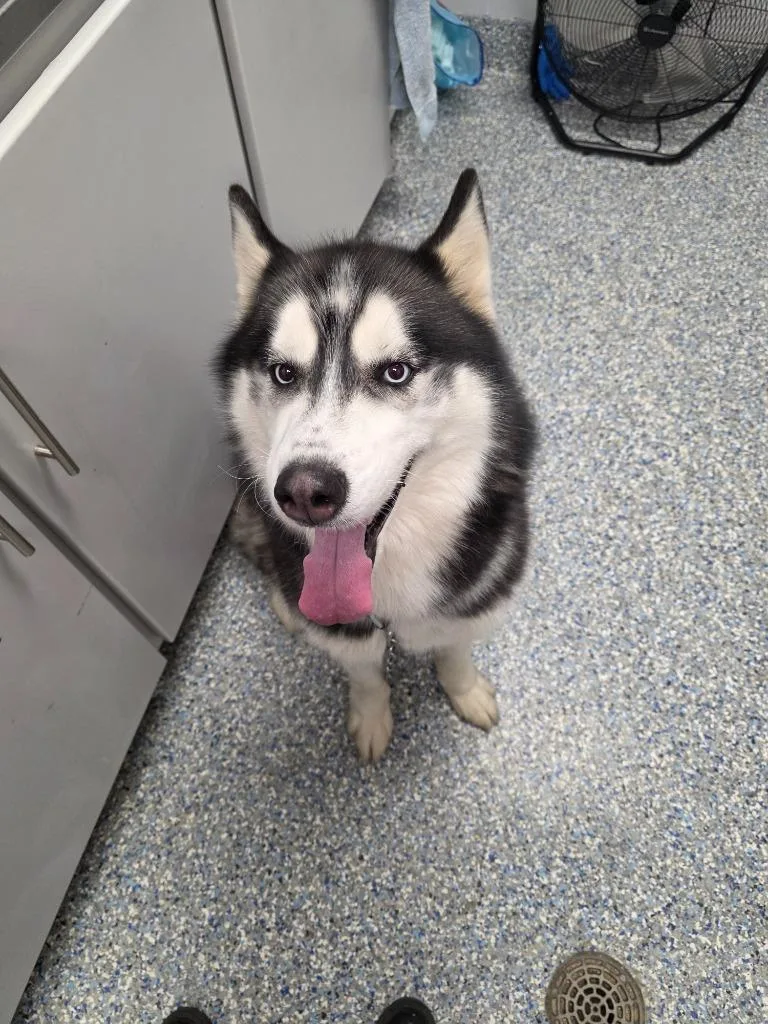
The Siberian Husky is a medium-sized working dog developed by the Chukchi people of northeastern Siberia to pull light loads over long distances. Huskies reached Alaska in the early 1900s for sled racing and became famous through the 1925 serum run to Nome. Erect ears, a brush tail, a thick double coat and eyes that can be brown, blue or one of each give them their wolf-like look, though they are domestic dogs.

Many Huskies are friendly and playful with nearly everyone, so they make sociable companions but poor guard dogs. They were bred to run and think for themselves, which is why many roam, howl, dig and test fences. Expect two heavy sheds a year, plenty of daily exercise and patient training. Dogs vary, so a Husky's own behavior tells you more than the breed label.

Weight
35–60 lbs
Height
20–24 in
Lifespan
11–14 yrs
Temperament
Friendly, Energetic, Independent
Group
Working
Shedding
High

Owning a Siberian Husky in Parkersburg

Having a Siberian Husky in Parkersburg

Huskies pair sled-dog stamina and a free-thinking streak with a friendly, easygoing nature. In Parkersburg, secure fencing, cool-hour exercise in summer and a plan for coat blowouts matter as much as looks when deciding whether a particular Husky fits your routine.

Temperament

Many Huskies are outgoing, gentle and playful, greeting strangers like friends instead of guarding the house. They often enjoy other dogs, but a strong prey drive can put cats and small pets at risk. Independence can read as stubbornness, so patient, consistent training helps. Watch how a Husky behaves with kids, dogs and cats.

Exercise Needs

Most Huskies need vigorous daily exercise, such as long walks, jogging, hiking or canicross. In Parkersburg, City Park paths and the Fort Boreman hill overlook add leashed variety, and Mountwood Park's trails are a short drive east. Few Huskies have reliable recall, so keep them leashed or in secure fencing, and add puzzle toys for mental work.

Health Considerations

Huskies are generally robust, but juvenile cataracts, corneal dystrophy and progressive retinal atrophy occur in the breed, and some develop a zinc-responsive skin condition. The thick coat raises heatstroke risk in Parkersburg's humid summers. Regular veterinary checkups, with attention to eyes and skin, catch problems early, and a vet can check a newly adopted dog's eyes and hips.

Living Space

A Husky can live in a house or apartment if its exercise needs are met every day, but a securely fenced yard is a real help. Many Huskies dig under or climb over short fences, so tall, buried or reinforced fencing is common advice. They do best indoors with company, and air conditioning makes summer safer.

What it costs to own a Siberian Husky in Parkersburg

ExpenseTypical costPer year
Food$35 to $70 per month$420 to $840
Pet insurance$45 to $85 per month$540 to $1,020
Routine vet care$225 to $450 per year$225 to $450
Other*$528 to $1,353 per year$528 to $1,353
Estimated yearly total (after year one)$1,713 to $3,663

Other costs are estimates and vary with size, age and health.

* The $3 Wood County dog tag, flea, tick and heartworm prevention, a dental cleaning allowance, toys and bedding, and brushing tools and baths for twice-yearly coat blowouts.

Adopt a Siberian Husky in Parkersburg.

Now that you know more, let’s find you a new best friend. These rescues and shelters below currently have Siberian Huskies available.

Rescues in Parkersburg with Siberian Huskies Available

The Humane Society of Parkersburg serves all of Wood County, and the shelters and rescues below list pets needing homes. Here are the rescues & shelters in the Parkersburg area where you can find Siberian Huskies and other dogs available for adoption.

Frequently Asked Questions

A Siberian Husky can fit Parkersburg well if you have time for daily exercise and either a securely fenced yard or a plan for leashed runs. Cold winters suit the coat, and spring and fall are ideal for hikes. Long days alone and humid summers are the harder parts, so active, home-often households do best.

Yes, with care. Parkersburg averages about 29 days a year at 90°F or higher, mostly in July and August, and humid air makes it harder for a double-coated Husky to cool off. Exercise at dawn or after dark, provide shade, water and air conditioning, and never shave the coat. Heavy panting or drooling needs a vet quickly.

Yes. Parkersburg has no known breed ban, and state vicious-dog law looks at a dog's behavior rather than its breed. You'll need a $3 Wood County dog tag once the Husky is 6 months old, rabies vaccination by 6 months, and to pick up waste. Renters should confirm the landlord allows dogs.

City Park, Point Park and Fort Boreman Historical Park suit leashed walks, and Fort Boreman's hill and trail add some climbing. For off-leash runs, Mountwood Park's fenced Paws to Play dog park sits about 10 minutes east, and its double gate helps with an escape-prone Husky. State parks and the North Bend Rail Trail require leashes.

Yes, if the exercise is truly daily and the dog isn't alone for long stretches. Landlords set their own pet policies in Parkersburg, so confirm size limits and deposits first. Howling and heavy shedding matter more through shared walls, so plan a long run and some mental work every day to keep a Husky settled.

Only where a restaurant chooses to allow it. West Virginia has no state law on dogs in outdoor dining, so patio policies are up to each business. Parkersburg city code also bars owners from letting a dog enter stores that sell goods or food, though service animals are protected by federal law.

Brush a couple of times a week, and daily during the two heavy sheds that usually come in spring and fall in Parkersburg's four-season climate. Baths are only occasional, and the coat should never be shaved, since it helps with heat. Brushing tools and baths fit within the Other costs of $528–$1,353 a year.

A Siberian Husky is a medium-sized working dog developed as a sled dog in northeastern Siberia. Huskies weigh about 35 to 60 pounds and have a thick double coat, erect ears and often striking blue or mismatched eyes. They are known for endurance, friendliness and independence, and they need plenty of exercise, secure fencing and company to thrive.

We have 1 rescue with Siberian Huskies available: Humane Society of Parkersburg. You can see every rescue with Siberian Huskies available in the list above these questions, or scroll to the top to see the Siberian Huskies near Parkersburg.

Expect roughly $1,700 to $3,700 a year for a Husky in Parkersburg, depending on food, insurance and care choices. Food runs $35–$70 a month, insurance $45–$85, routine vet care $225–$450 a year, and other costs such as prevention, dental care and coat upkeep $528–$1,353 a year. Fence repairs or upgrades are a one-off to budget for.