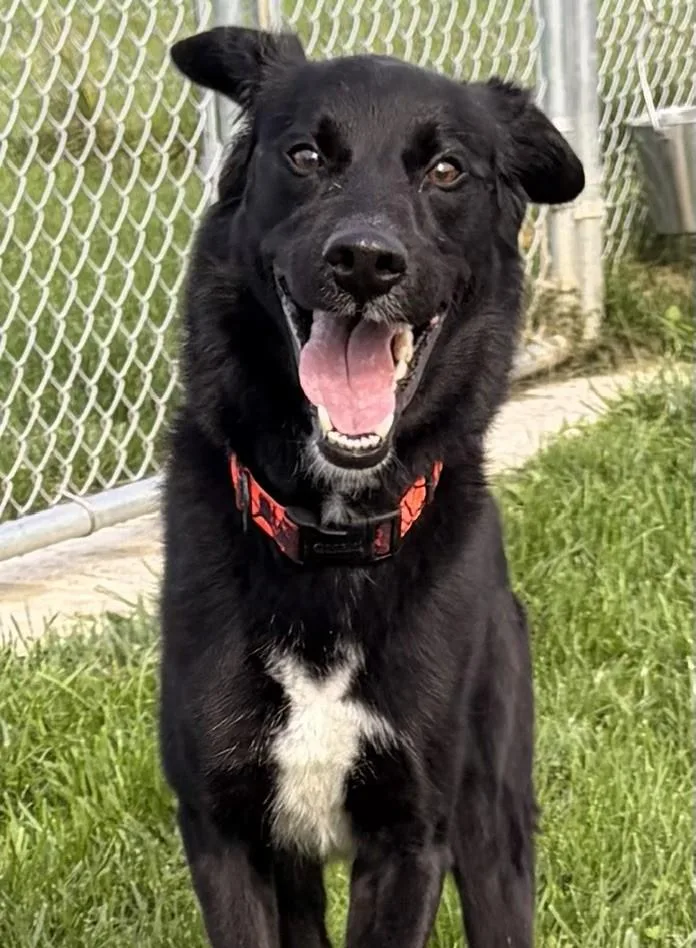
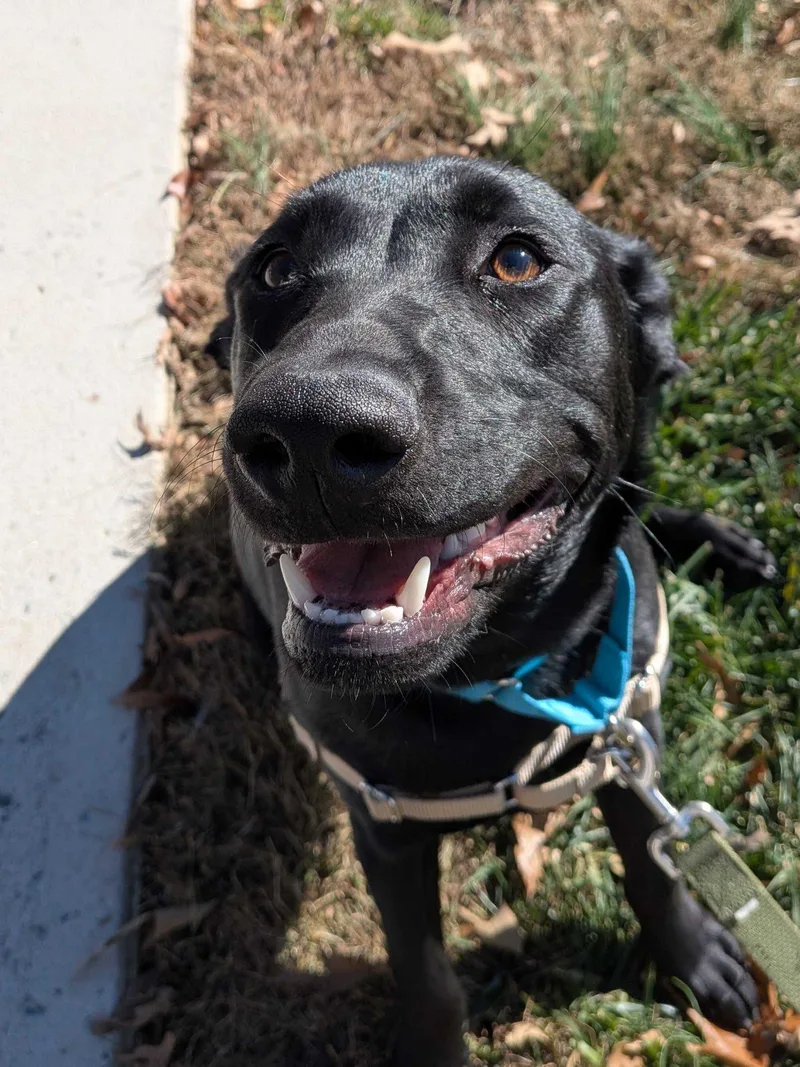
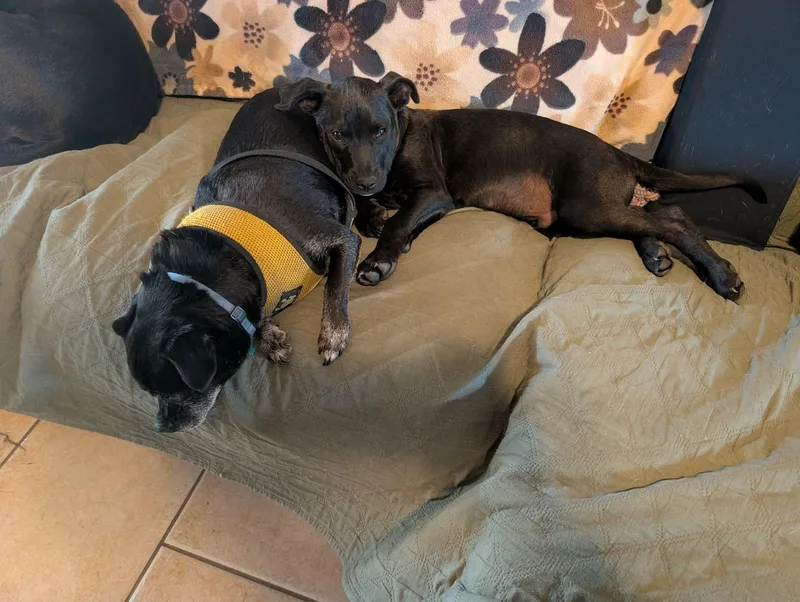
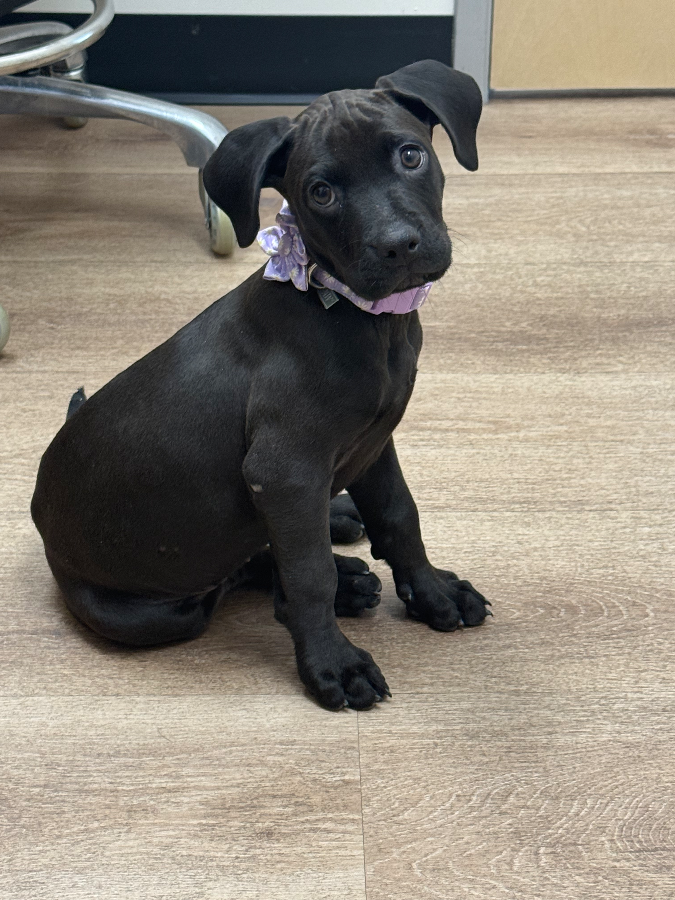
Black Labrador Retriever Dogs for Adoption in Huntington, WV

Your guide to finding and caring for a Black Labrador Retriever in Huntington

A black Lab suits Huntington neighborhoods that sit close to a park. In Walnut Hills, Rotary Park's hiking trails give a young Lab room to burn off energy, and in Highlawn the riverside path at McClelland Park makes an easy evening loop. Labs are friendly with nearly everyone, so porch-lined streets rarely faze them. What they need is a real walk every day, company at home, and a landlord who's fine with a dog over 55 pounds.

3405 Black Labrador Retrievers available in Huntington and nationwide

Find your Black Labrador Retriever

While we don't have enough dogs near Huntington, keep in mind that many rescues may offer transport.

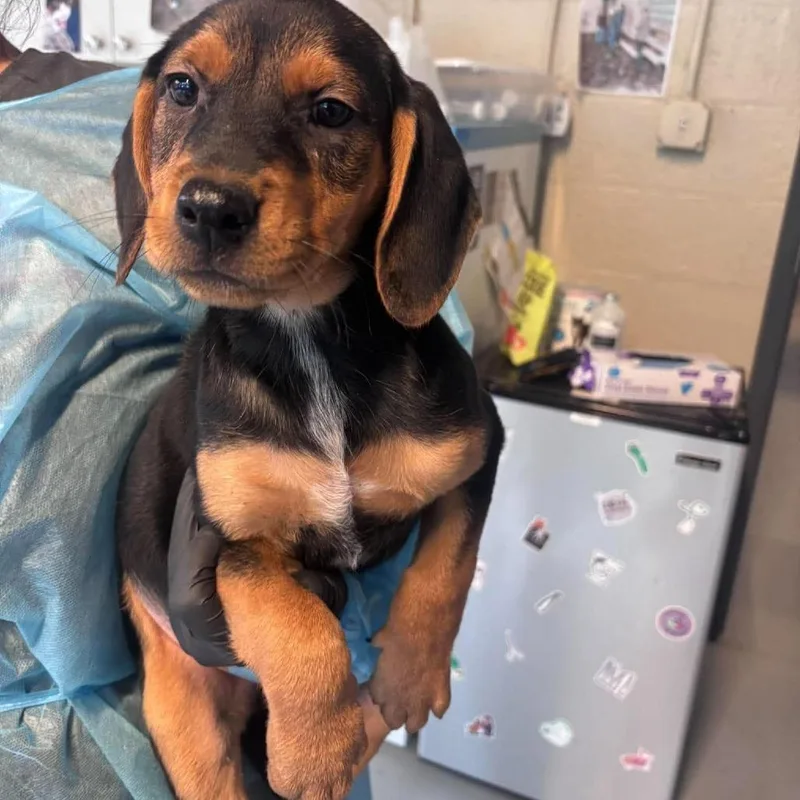
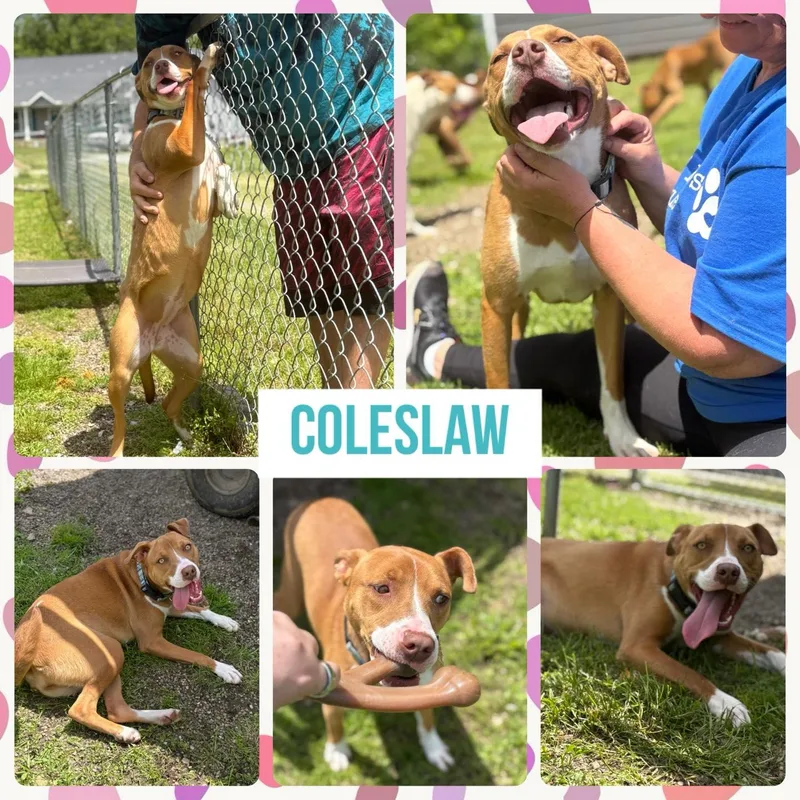
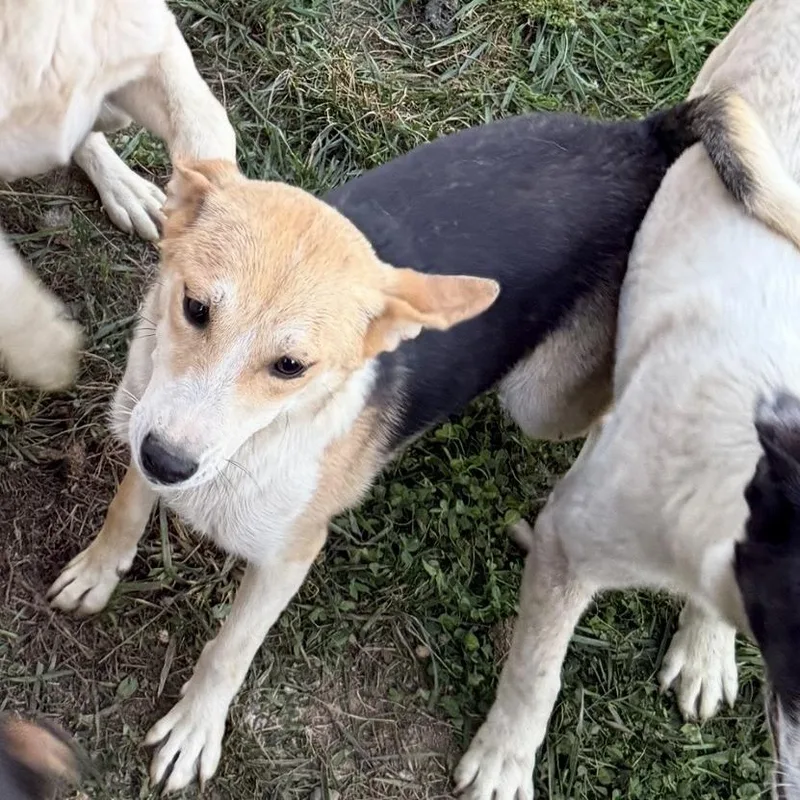
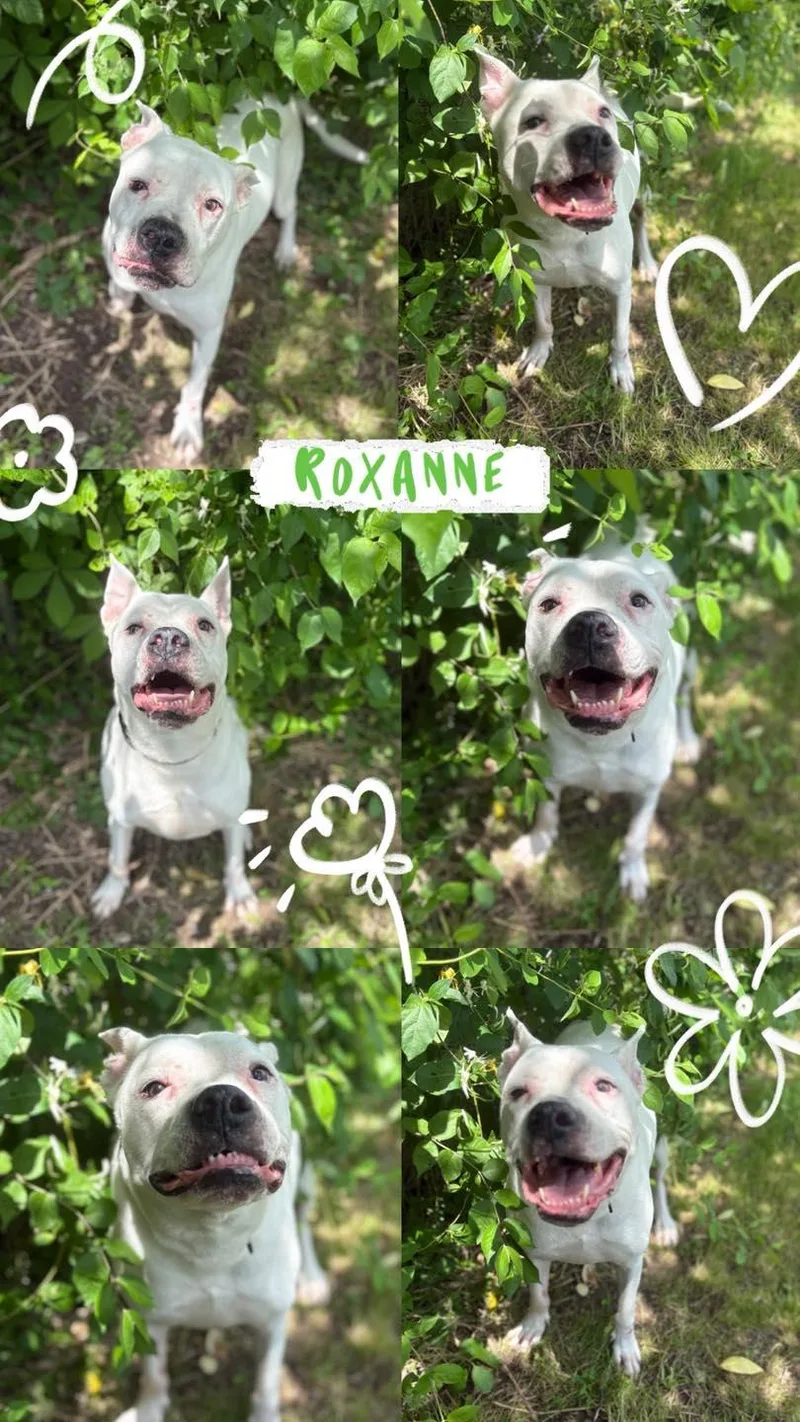
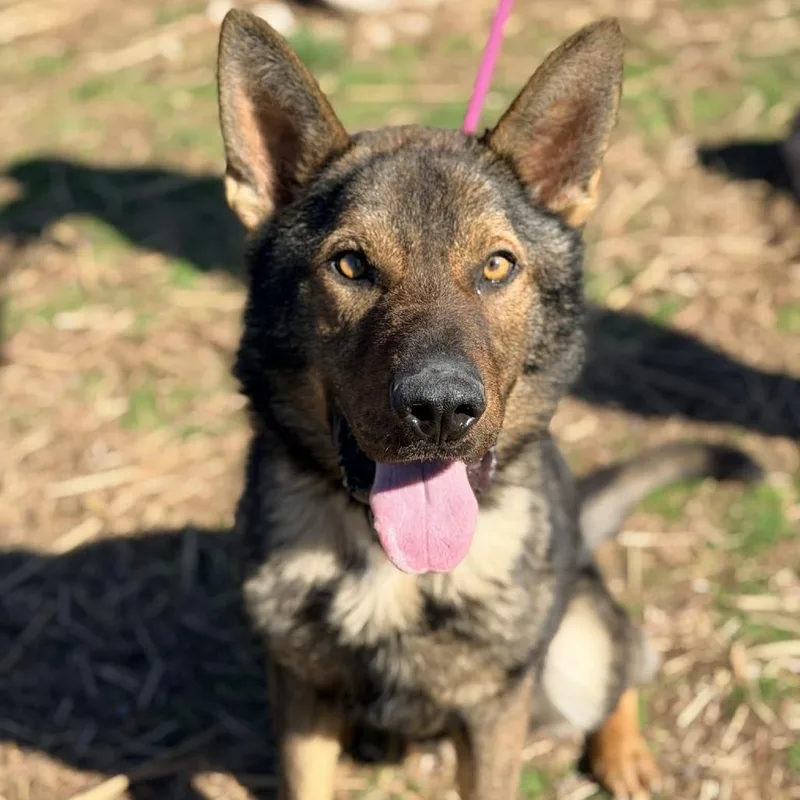
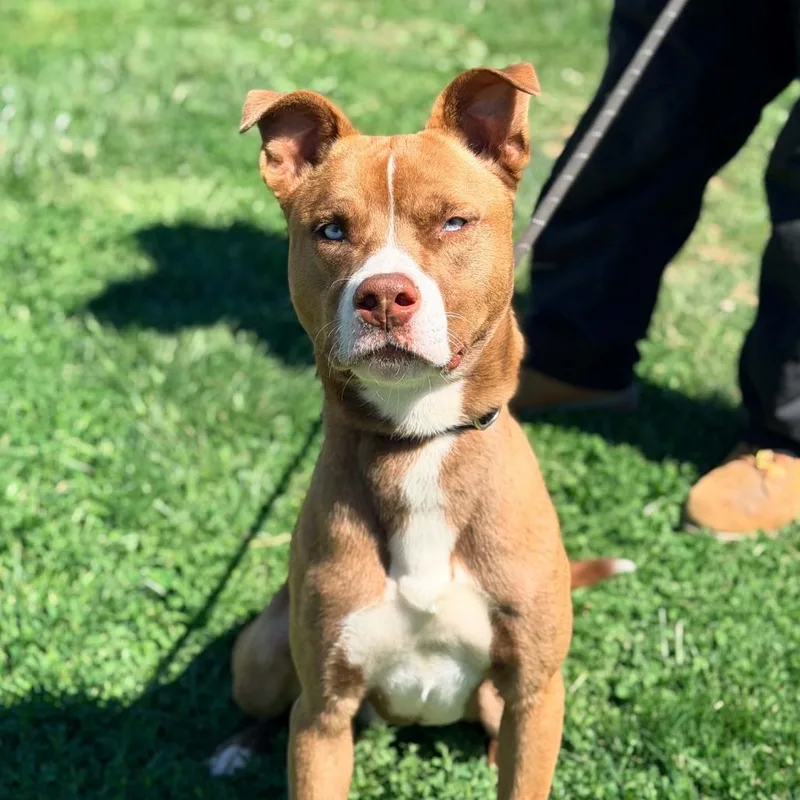
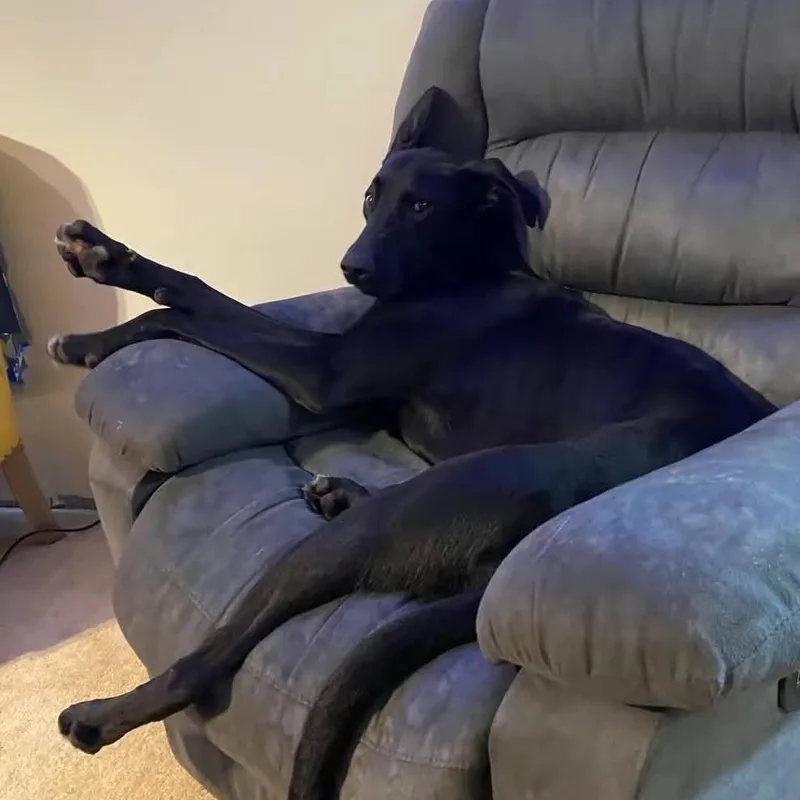
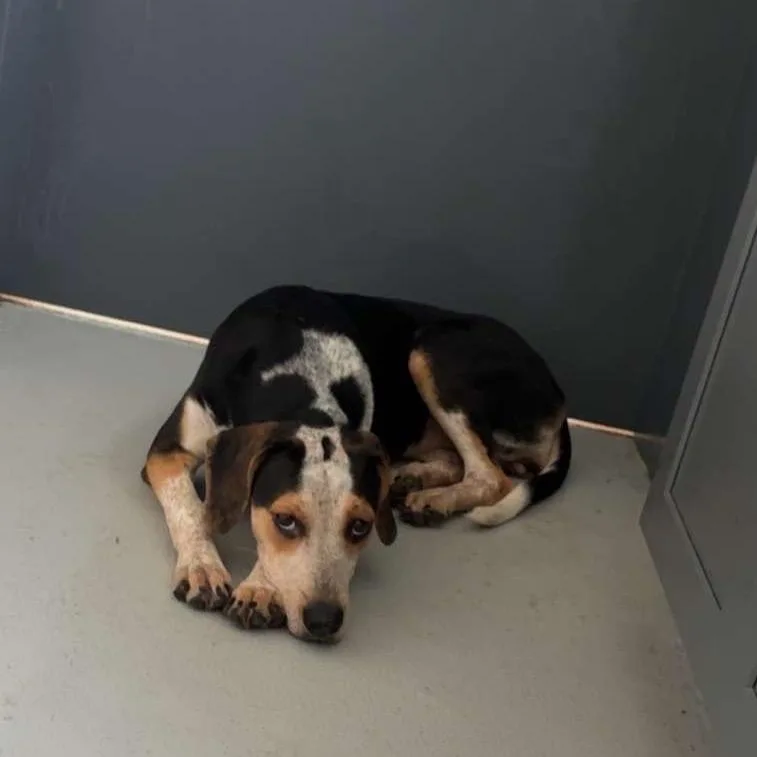
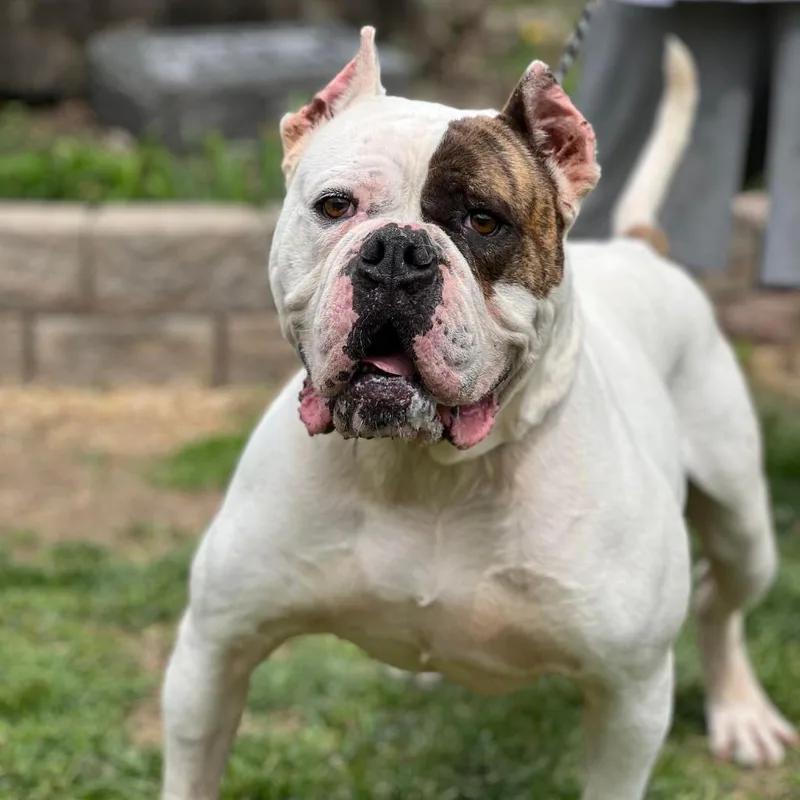
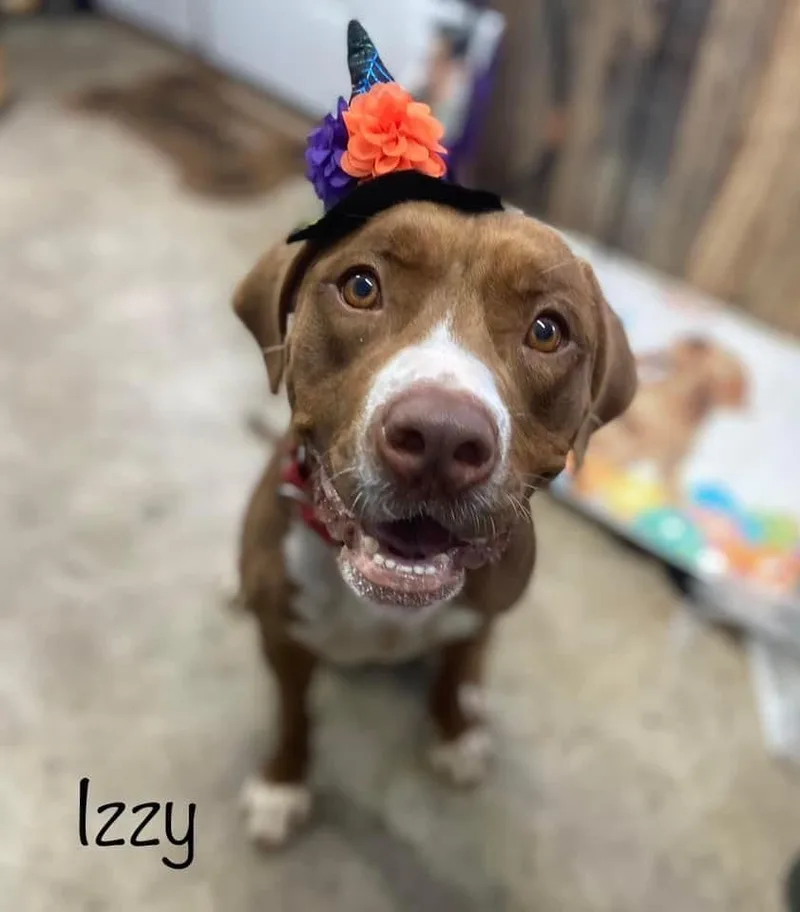
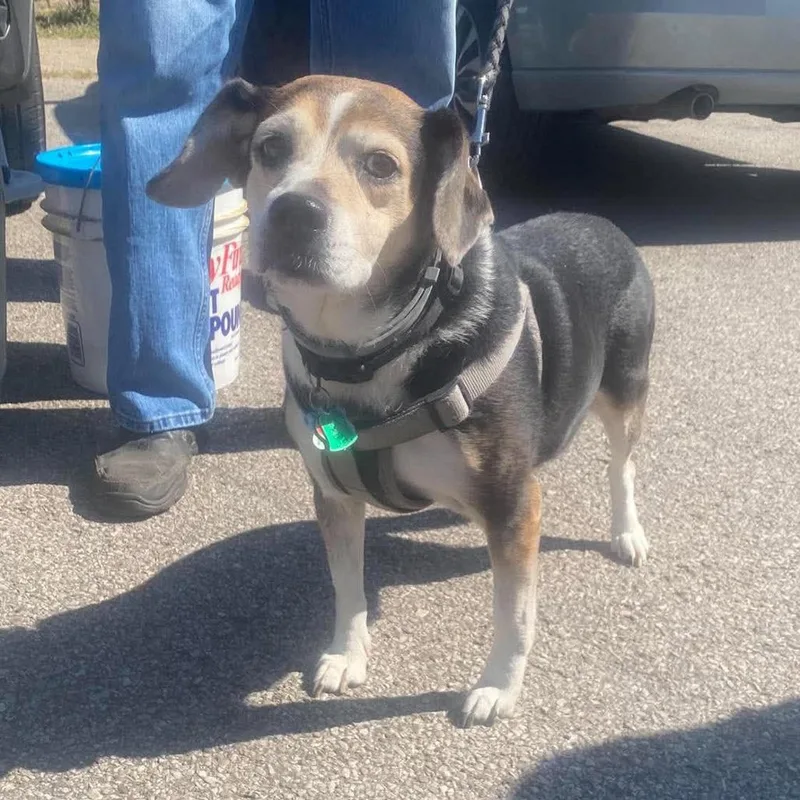
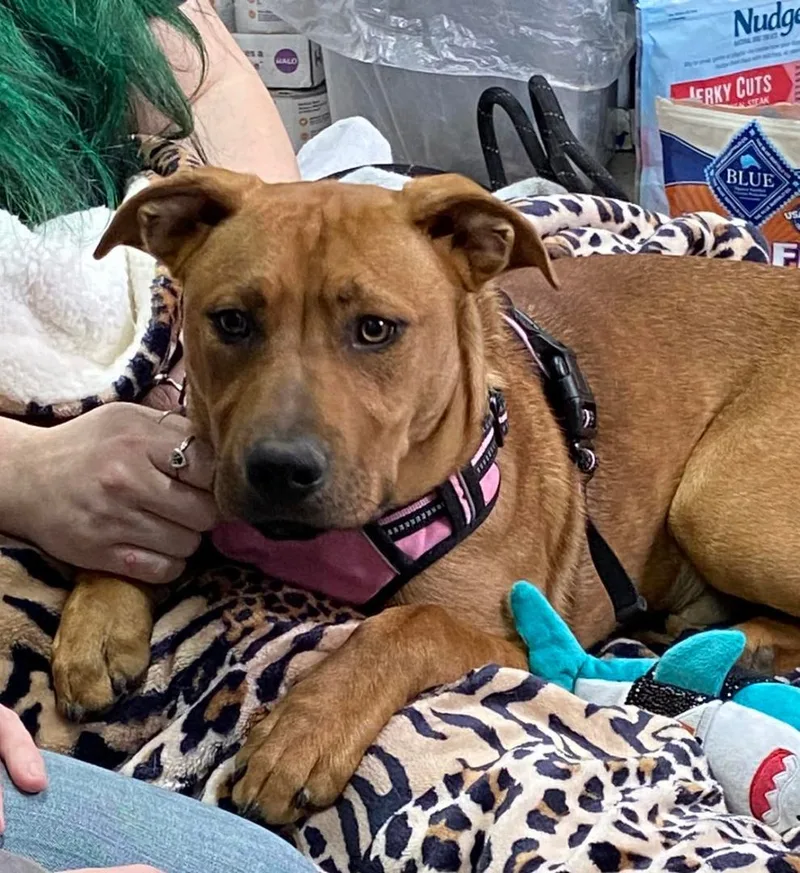
Black Labrador Retrievers Available for Adoption Near Huntington

About the Black Labrador Retriever breed

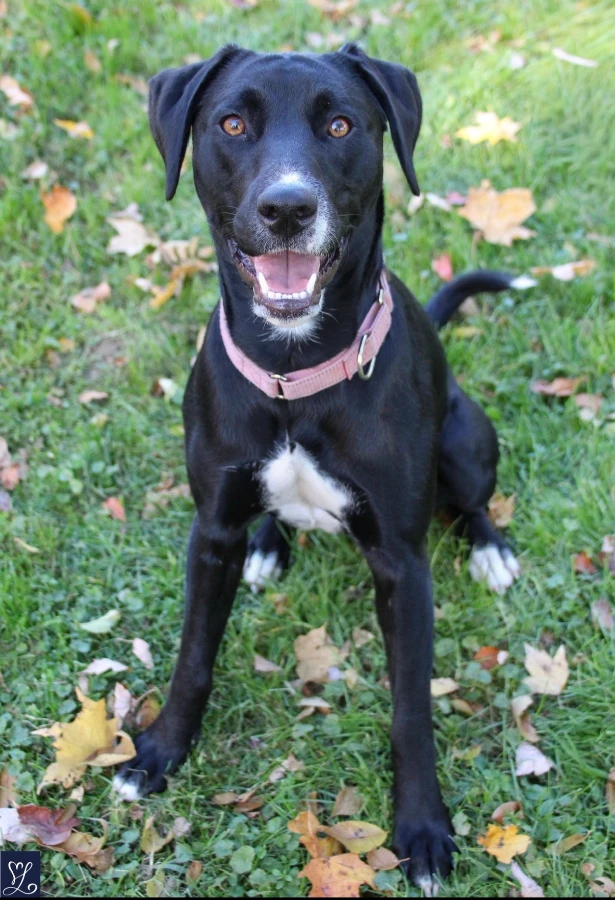
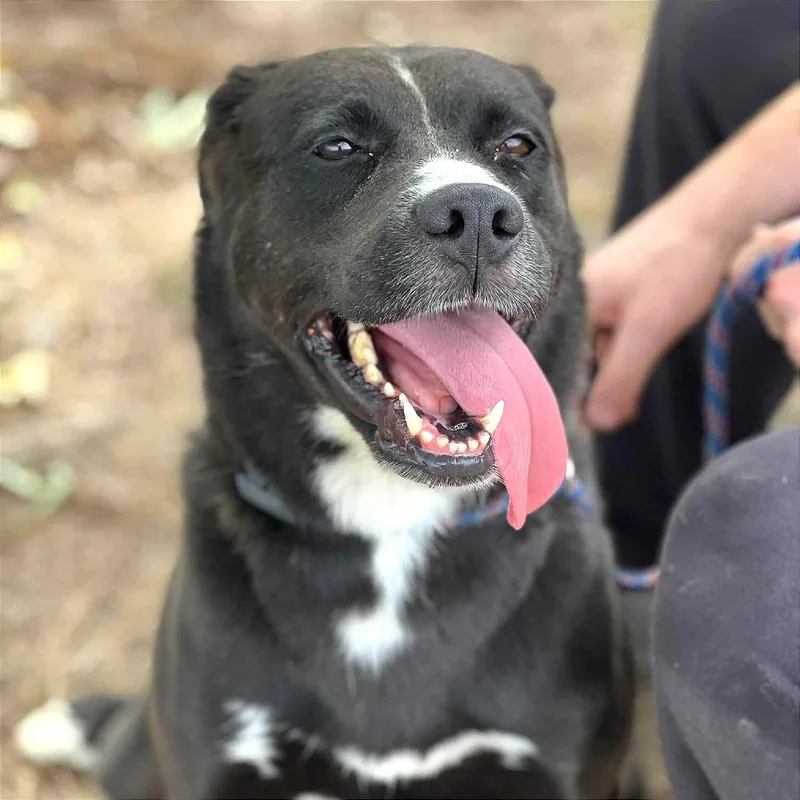
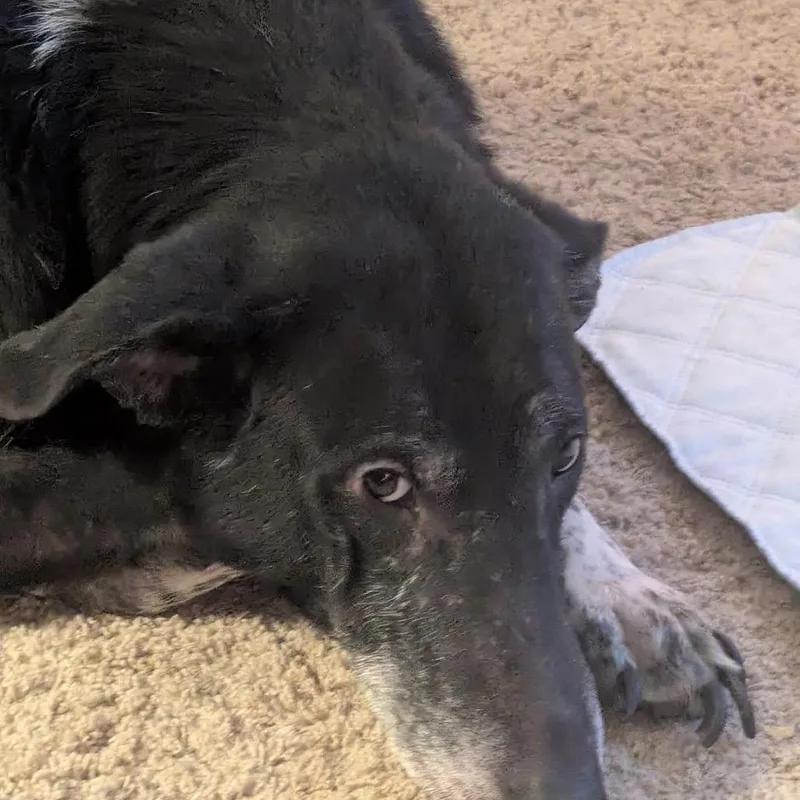
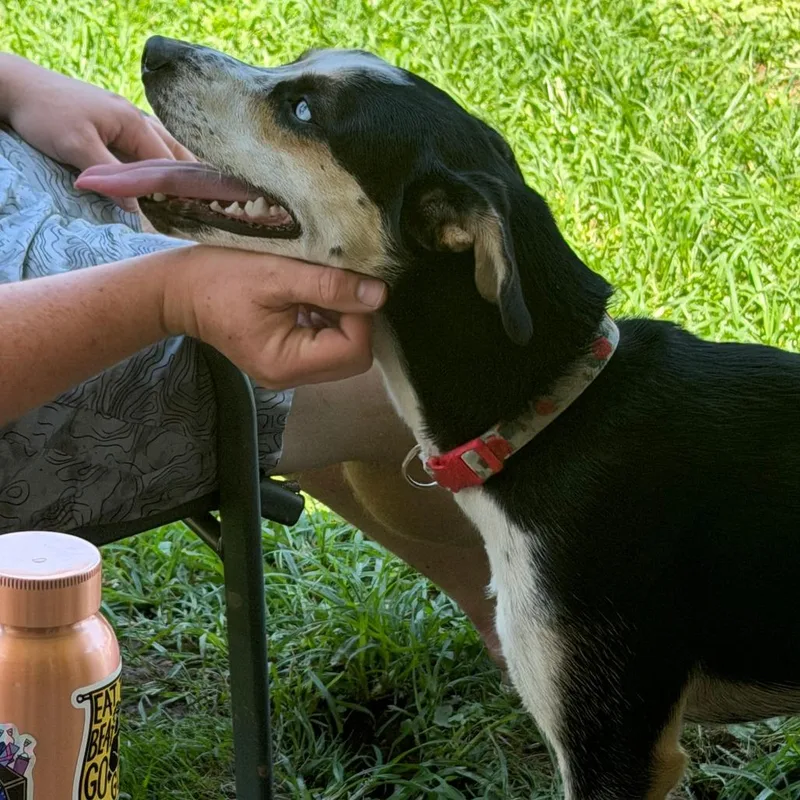
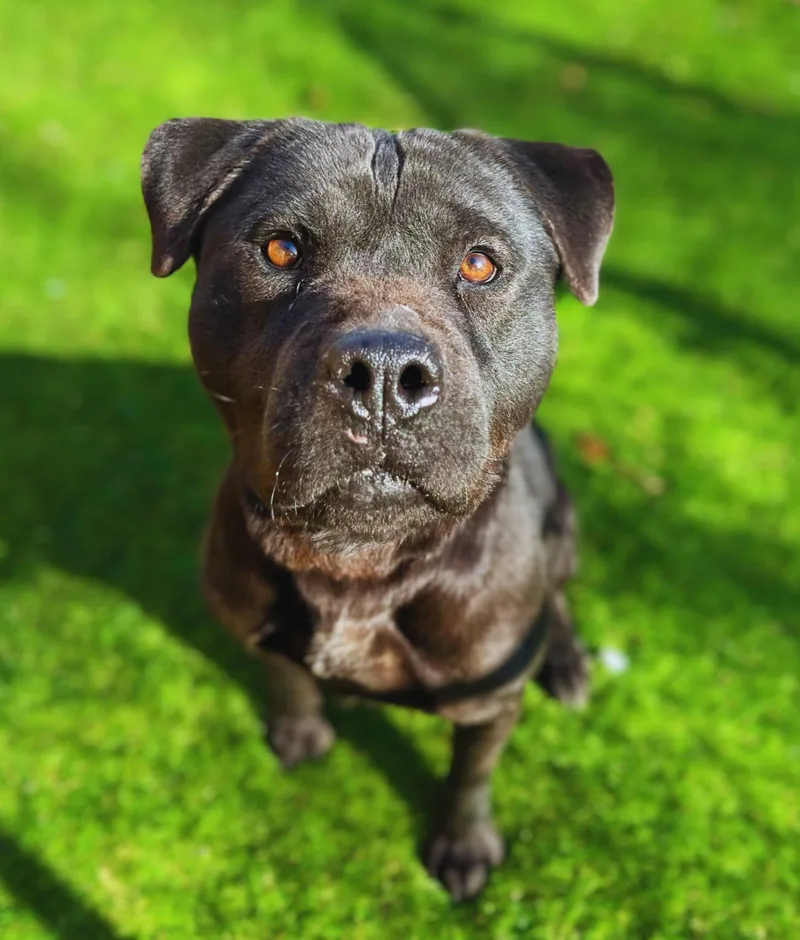
A black Lab is the Labrador Retriever in its original and most familiar color, not a separate breed. The breed grew out of Newfoundland's St. John's water dogs and was refined in Britain as a retriever, which explains the dense, water-resistant double coat, otter tail and love of fetch. Some black Labs have a small white chest spot, and many gray around the muzzle with age.

Color doesn't change personality. Expect a food-motivated, eager-to-please dog that matures slowly and stays bouncy well past puppyhood. Dogs from field lines are often leaner and more driven than show-line dogs, and every Lab varies. Plan on daily exercise, steady training, measured meals and plenty of brushing when the coat sheds heavily.

Weight
55–80 lbs
Height
21–25 in
Lifespan
10–14 yrs
Temperament
Friendly, Outgoing, Active
Group
Sporting
Shedding
Moderate to High

Owning a Black Labrador Retriever in Huntington

Having a Black Labrador Retriever in Huntington

Black Labs bring steady stamina, a big appetite and a coat that sheds year-round. Those three things shape daily life in Huntington more than color does, so match a dog's age and energy to your schedule, your yard and your landlord's rules.

Temperament

Black Labs are usually outgoing and affectionate with family, visitors and other dogs, and many are patient with respectful kids. Young dogs can be mouthy and strong enough to knock over small children. Food-driven training works well. A dog's past and socialization say more than breed reputation or coat color.

Exercise Needs

Most grown black Labs need an hour or more of active time daily: brisk walks, fetch, trail hikes or running. In Huntington that can mean the Ritter Park limestone loop or the PATH trail. Scent games and short training sessions help prevent chewing and digging, and seniors still enjoy gentler outings.

Health Considerations

Labs can be prone to hip and elbow dysplasia, cruciate ligament tears, exercise-induced collapse, progressive retinal atrophy, ear infections and skin allergies. Obesity is common, since many Labs have a stronger appetite. A veterinarian can check hips and elbows, and regular weigh-ins and measured meals protect joints. Rabies vaccination is required by state law.

Living Space

A black Lab can live in a Huntington house or apartment if its exercise needs are met. A fenced yard helps, but it doesn't replace walks and time with you. Expect shed hair, a sweeping tail and a dog that wants to live indoors. Dark coats absorb heat, so shade and water matter.

What it costs to own a Black Labrador Retriever in Huntington

ExpenseTypical costPer year
Food$55 to $110 per month$660 to $1,320
Pet insurance$65 to $130 per month$780 to $1,560
Routine vet care$250 to $500 per year$250 to $500
Other*$579 to $1,454 per year$579 to $1,454
Estimated yearly total (after year one)$2,269 to $4,834

Other costs are estimates and vary with size, age and health.

* Flea, tick and heartworm prevention, a dental cleaning allowance, the $4 Huntington dog tag, toys and bedding, and brushing and baths for heavy seasonal shedding.

Adopt a Black Labrador Retriever in Huntington.

Now that you know more, let’s find you a new best friend. These rescues and shelters below currently have Black Labrador Retrievers available.

Rescues in Huntington with Black Labrador Retrievers Available

Huntington's adoption community includes the Huntington Cabell Wayne animal shelter and volunteer-run rescues serving Cabell and Wayne counties. Here are the rescues & shelters in the Huntington area where you can find Black Labrador Retrievers and other dogs available for adoption.

Frequently Asked Questions

Start with Huntington's PetSafe Dog Park in Ritter Park, which has a separate large-dog area for off-leash play. Ritter Park's crushed-limestone loop is popular with dog walkers, and the PATH trail links parks across the city. Rotary Park has hiking trails for energetic Labs. Leash rules on trails aren't posted, so keep your Lab leashed.

Yes, a black Lab can live in a Huntington apartment if it gets daily exercise and company. Rents are moderate, but many landlords limit dog weight, and adult Labs run 55 to 80 pounds. Confirm size limits and pet fees in writing before you sign. Ground-floor units near a park make quick outings easier.

Yes, with sensible habits. Huntington gets about 25 days a year at 90°F or higher, and a black coat absorbs heat quickly. Walk at dawn or after dark, bring water, and check pavement with your hand before heading out. Panting that won't ease, drooling or wobbling means cool the dog down and call a veterinarian.

Yes. Huntington has no known breed-specific rule for Labs. You'll need a city dog tag, which is $4 a year and renewed each July 1, plus current rabies vaccination. Keep your Lab on a leash off your property and never leave it tied outside unsupervised, which the city prohibits.

Often, yes, if you're active. Huntington has two dog parks, long park paths and quiet neighborhood streets, all of which suit a Lab's need for daily exercise. The main hurdles are rental size limits and humid summers. A Lab that gets walks, training and company at home tends to settle in well.

Sometimes, on patios only. West Virginia has no state law on dogs in outdoor dining areas, so each restaurant decides, and downtown Huntington has some with dog-friendly patios. Call ahead and bring a mat. Plan on leaving your Lab home for indoor dining, since pet dogs generally aren't allowed in dining rooms.

Brush a black Lab once or twice a week, and several times a week during the heavy sheds in spring and fall. Bathe only when it's dirty or smelly, and dry the ears after wet, muddy outings. Home brushing is cheap, and occasional professional baths fit within the yearly Other costs shown above.

A Labrador Retriever is a large sporting dog developed to retrieve game for hunters, especially from water. Labs have a short, dense double coat, a thick otter tail and a broad head, and they come in black, yellow and chocolate. Many are friendly, food-motivated and eager to work, which makes them common family, guide and service dogs.

We have 1 rescue with Black Labrador Retrievers available: Huntington Cabell-Wayne Animal Control Shelter. You can see every rescue with Black Labrador Retrievers available in the list above these questions, or scroll to the top to see the Black Labrador Retrievers near Huntington.

Expect roughly $2,270 to $4,830 a year for a black Lab in Huntington: food at $55 to $110 a month, insurance at $65 to $130 a month, routine vet care at $250 to $500 a year, and other yearly costs at $579 to $1,454. Emergencies and illness would be extra.