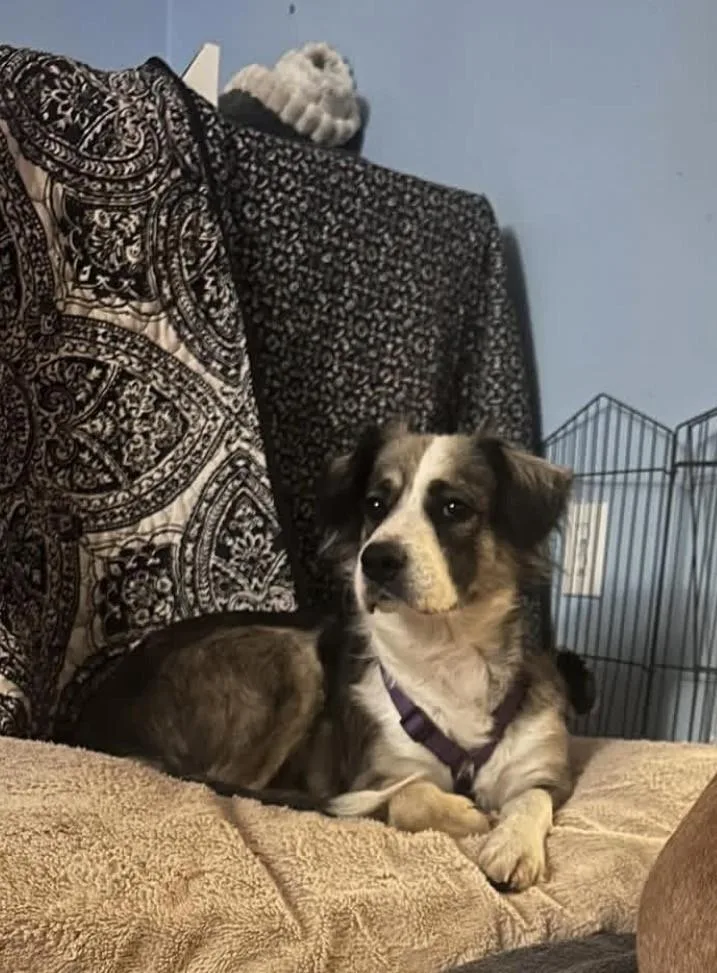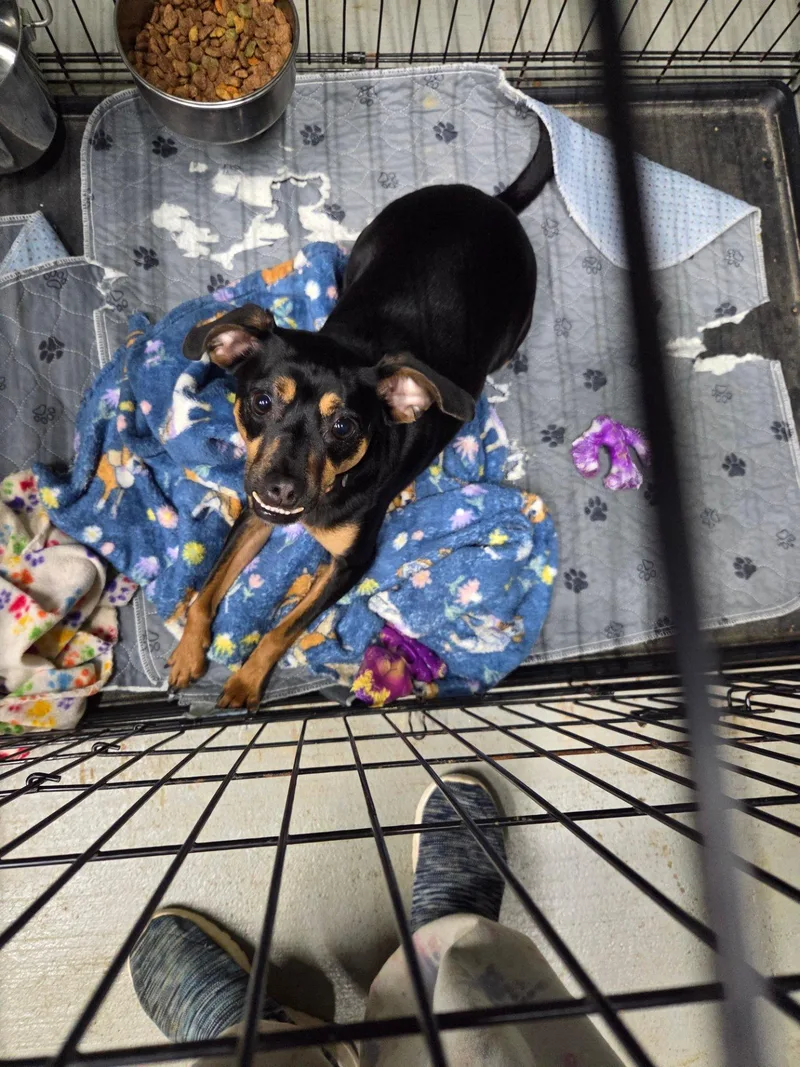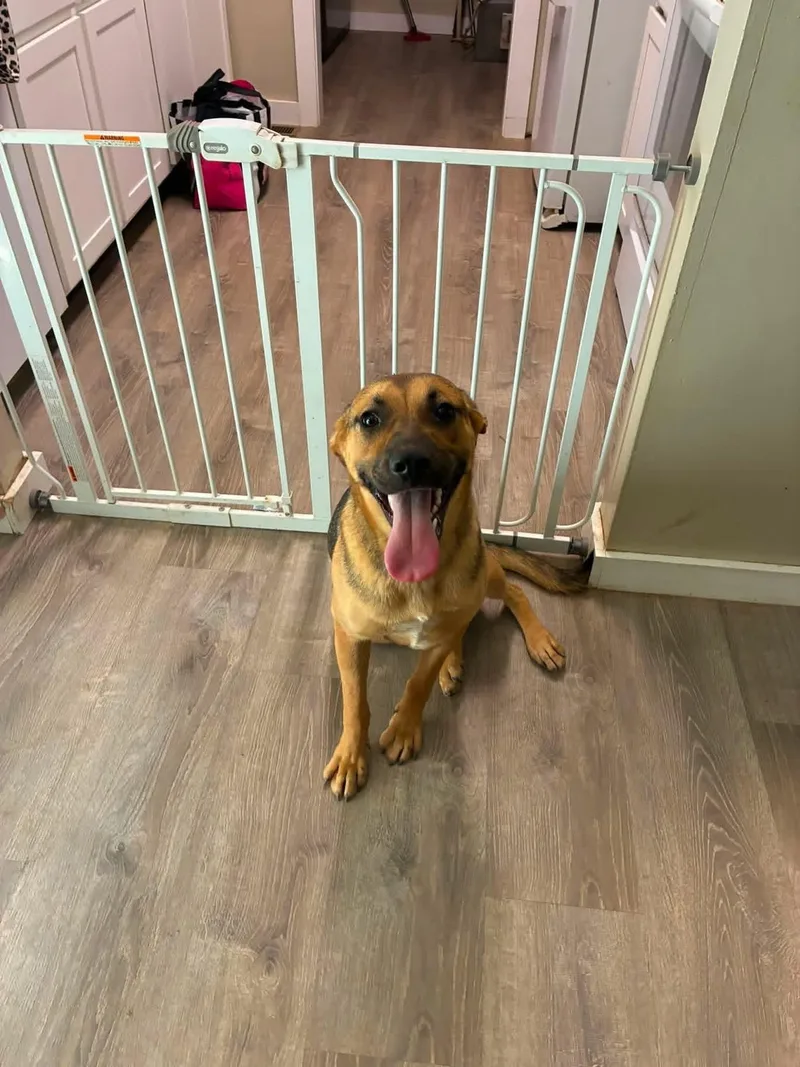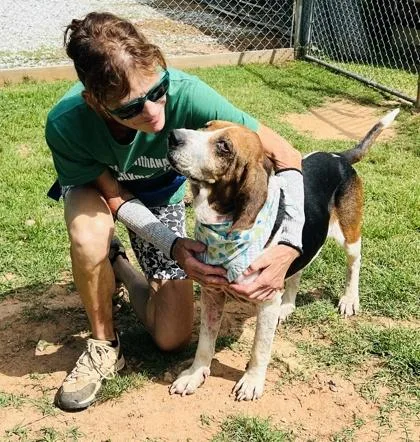
Treeing Walker Coonhound Dogs for Adoption in Charleston, WV

Your guide to finding and caring for a Treeing Walker Coonhound in Charleston

Treeing Walker Coonhounds suit Charleston's wooded hillsides, as long as the fence is solid. Their noses will find every deer and stray bear track around South Hills, and that ringing bay carries across a valley. Most are mellow on the couch after a long leashed walk on the trails in Kanawha State Forest. In a row of tight Kanawha City houses, though, expect the neighbors to hear every opinion your hound has.

325 Treeing Walker Coonhounds available in Charleston and nationwide

Find your Treeing Walker Coonhound

While we don't have enough dogs near Charleston, keep in mind that many rescues may offer transport.

Treeing Walker Coonhounds Available for Adoption Near Charleston

About the Treeing Walker Coonhound breed

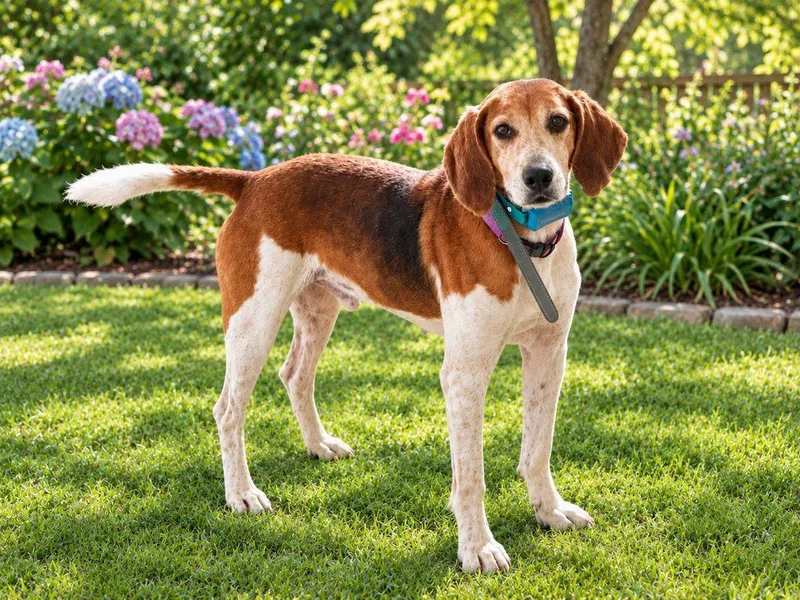
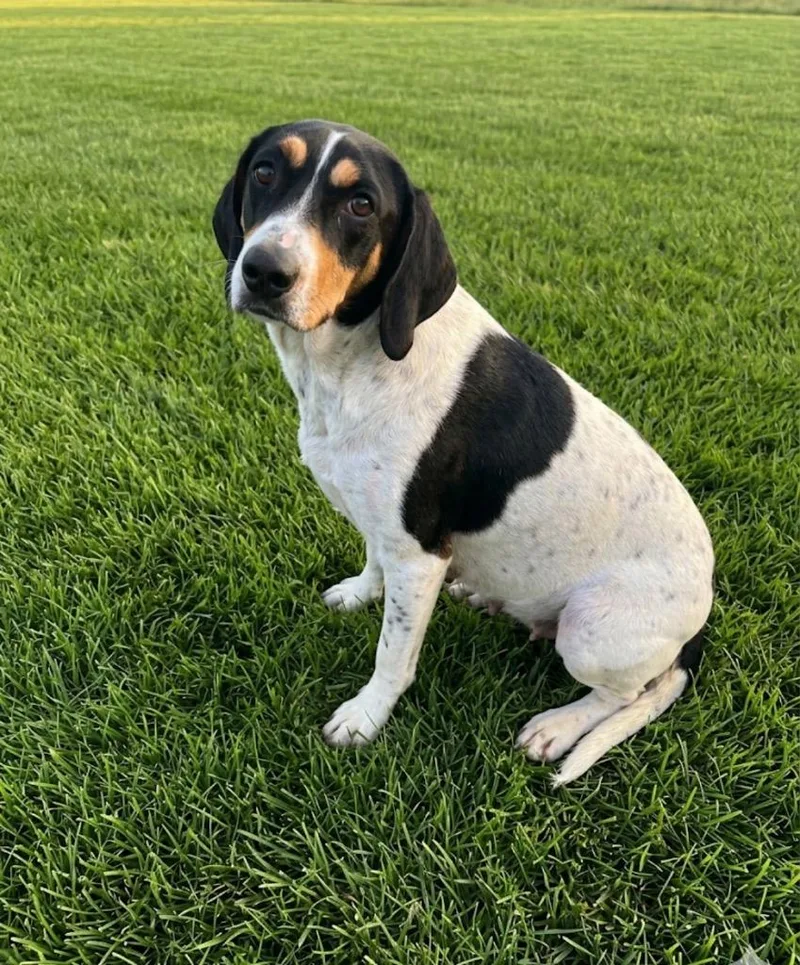
The Treeing Walker Coonhound was developed from Virginia and Kentucky foxhound lines in the 1700s and 1800s to trail raccoons and hold them up a tree. The United Kennel Club recognized it as its own breed in 1945, and the AKC followed in 2012. Most weigh 50 to 70 pounds, with a glossy tricolor coat, long ears and soft, pleading eyes.

Walkers are fast, tireless and loud on a scent, but many are sweet and sociable at home and happy to share the couch. In Charleston, where deer and other wildlife roam the hillsides, that nose can pull hard, so a leash in open areas and a tall, solid fence matter. Dogs vary, and a Walker's pace at home depends on age, exercise and background.

Weight
50–70 lbs
Height
20–27 in
Lifespan
12–13 yrs
Temperament
Friendly, Energetic, Vocal
Group
Hound
Shedding
Moderate

Owning a Treeing Walker Coonhound in Charleston

Having a Treeing Walker Coonhound in Charleston

A Walker pairs a hunter's stamina with a laid-back manner indoors. In Charleston, hillside yards, nearby woods and close neighbors shape how well that energy, nose and voice fit your routine, and how much daily planning a Walker needs.

Temperament

Walkers are usually friendly with people and other dogs, and gentle with respectful children. They're smart but independent when a scent beckons, and many are sensitive to harsh handling. Prey drive can make cats and small pets a challenge, and the bay is loud, which matters in Charleston's closer-set neighborhoods. Each dog differs.
Exercise Needs

Plan on vigorous daily exercise: long leashed walks, hikes or runs once fully grown. Charleston's wooded trails, such as those in Kanawha State Forest, give a hound plenty to sniff, though dogs must stay leashed. Scent games and puzzle feeders help on icy or rainy days. A fresh trail can override recall, so skip off-leash time outside fenced areas.

Health Considerations

Long ears trap moisture, so ear infections are common without weekly cleaning, especially in Charleston's wet months. Check under the ears for ticks after woodland walks. Hip dysplasia and eye conditions are screened for in the breed, and idle hounds gain weight easily. A veterinarian can check hips, eyes and ears at the first visit.

Living Space

Hillside yards in neighborhoods like South Hills can suit a Walker if the fence is tall, solid and set on firm footing, since slopes can leave gaps underneath. Some Walkers adapt to apartments with dedicated daily exercise, but the bay can wear on close neighbors. Walkers want to live indoors with their people.

What it costs to own a Treeing Walker Coonhound in Charleston

ExpenseTypical costPer year
Adoption fee$200, one time$200 in year one
Food$55 to $110 per month$660 to $1,320
Pet insurance$55 to $110 per month$660 to $1,320
Routine vet care$250 to $500 per year$250 to $500
Other*$478 to $1,256 per year$478 to $1,256
Estimated yearly total (after year one)$2,048 to $4,396
First-year total (with adoption fee)$2,248 to $4,596

Adoption fee is the fee on Treeing Walker Coonhound listings in Charleston on GetBuddy today. Other costs are estimates and vary with size, age and health.

* The Charleston dog tag (about $3 per tag), flea, tick and heartworm prevention, a dental cleaning allowance, toys and bedding, and minimal grooming supplies for a short hound coat.

Adopt a Treeing Walker Coonhound in Charleston.

Now that you know more, let’s find you a new best friend. These rescues and shelters below currently have Treeing Walker Coonhounds available.

Rescues in Charleston with Treeing Walker Coonhounds Available

Charleston's animal shelter has served the city since 1935, and its adoptions include spay/neuter, vaccines and a microchip. Here are the rescues & shelters in the Charleston area where you can find Treeing Walker Coonhounds and other dogs available for adoption.

Frequently Asked Questions

Yes. Charleston has no known breed-specific rule, and its dangerous-dog rules are based on a dog's behavior, not its breed. Dogs must be leashed or contained off your property, and homes are limited to two dogs without a city permit. The likelier problem with a Walker is the loud bay and the neighbors who hear it.

It can be, for active people with a secure yard or a solid plan for daily exercise. Charleston's trails and wooded hillsides give a Walker's nose plenty to do, and the four-season climate is manageable for a short coat. Loud baying, strong prey drive and roaming mean fences and leashes are essential, and close neighbors deserve consideration.

It's possible, but not ideal. A Walker needs vigorous daily exercise, and its bay carries through thin walls. Some adapt with long walks, scent games and a steady routine. Rentals vary around the city, so read the lease for size limits and pet fees before you commit, and plan outings to wear the dog out.

Yes, with some care. Winters are cold but not extreme, with highs in the mid-40s and about 31.5 inches of snow a year. A Walker's short coat offers little insulation, so use a jacket on longer walks, wipe paws after ice melt and keep outdoor time short. Have a warm indoor spot ready for ice-storm power outages.

Emma's Place, a fenced dog park in Cato Park, is a good spot for a Walker to stretch out, and Cato Park also has hiking trails. Kanawha State Forest offers about 14 miles of foot trails where pets are welcome on a leash. Outside fenced areas, keep your Walker leashed, because a fresh scent can override recall.

No. KRT, the Kanawha Valley's bus system, lists no pets among its rider rules, and Charleston has no subway or light rail. Service animals are a federal-law exception. For a hound that needs daily exercise, plan on car trips or walking routes from home, and build outings around places you can reach by car.

Sometimes, at outdoor patios. West Virginia has no state law on dogs in outdoor dining, so each restaurant sets its own policy, and downtown Charleston has places with dog-friendly patios. Indoor dining rooms generally don't allow pet dogs. Bring a leash, water and a mat, and expect a Walker's nose and bay to test a busy table.

Very little. The short, dense coat needs a quick wipe with a hound glove or damp towel and an occasional bath. In Charleston's damp months, ears matter more: clean them weekly and dry them after wet walks. Check under the ears for ticks after woodland walks, and trim nails every couple of weeks. Grooming costs stay small and sit within the Other costs.

We have 1 rescue with Treeing Walker Coonhounds available: Krazie Ladies Animal Rescue. You can see every rescue with Treeing Walker Coonhounds available in the list above these questions, or scroll to the top to see the Treeing Walker Coonhounds near Charleston.

Expect roughly $55 to $110 a month for food and $55 to $110 for pet insurance, plus $250 to $500 a year for routine vet care and $478 to $1,256 a year for other costs. That works out to about $2,050 to $4,400 a year, before any emergencies.