Saluki Dogs for Adoption in Charleston, WV

Your guide to finding and caring for a Saluki in Charleston

Salukis fit Charleston best with a secure fence and a quiet routine. Yards in South Hills often slope, so a tall, tight fence matters, because a Saluki that spots a deer or squirrel won't come back when called. Flat blocks in Kanawha City or the East End work well for long leashed walks, and afterward a Saluki is happy curled up on the couch. They're gentle, a little aloof and usually quiet indoors.

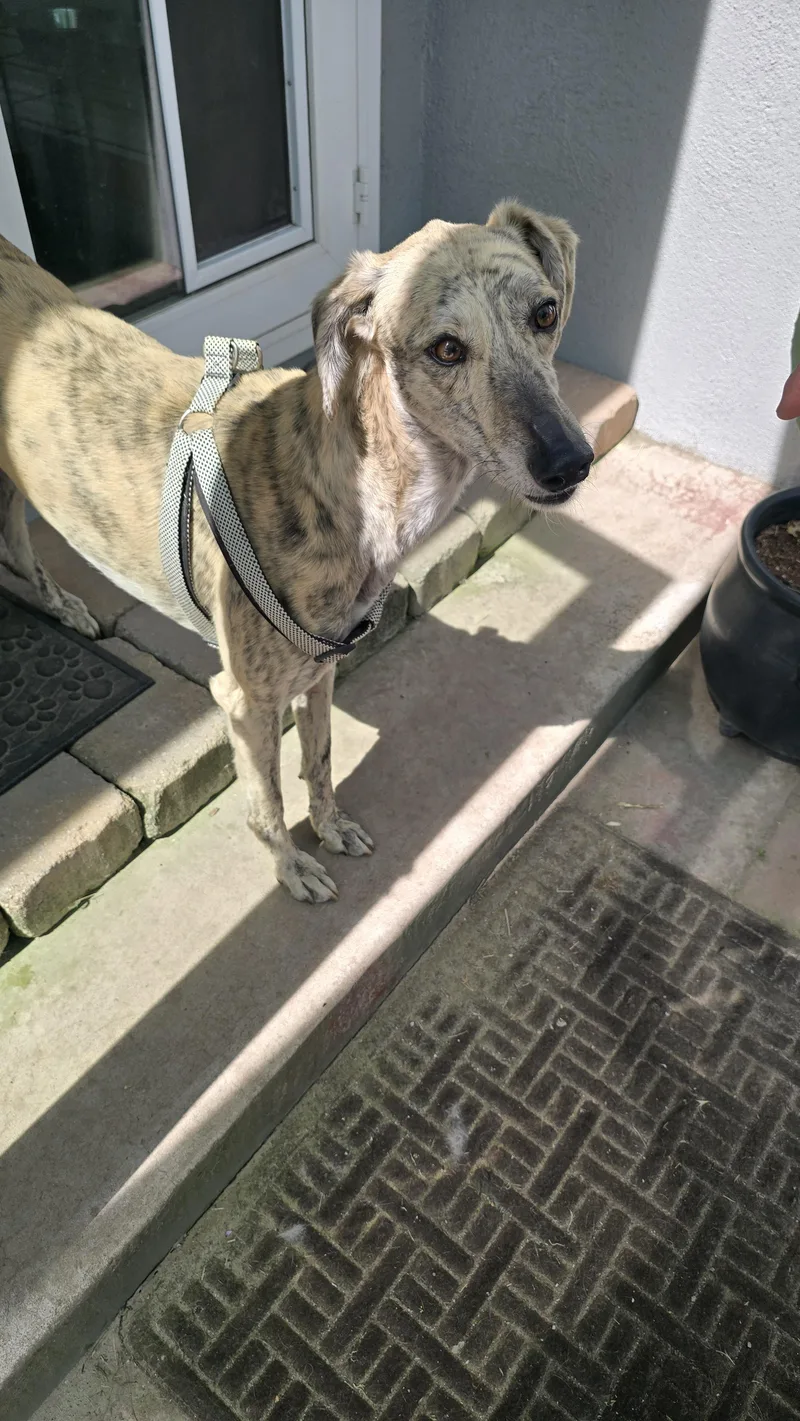
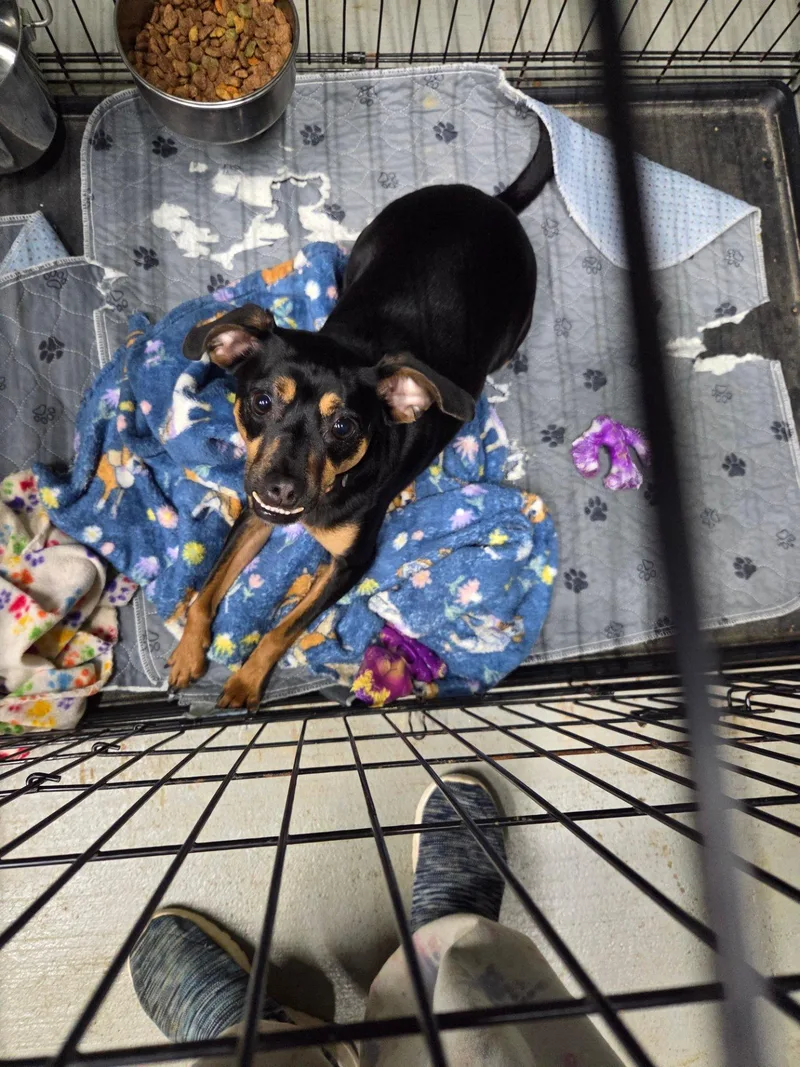
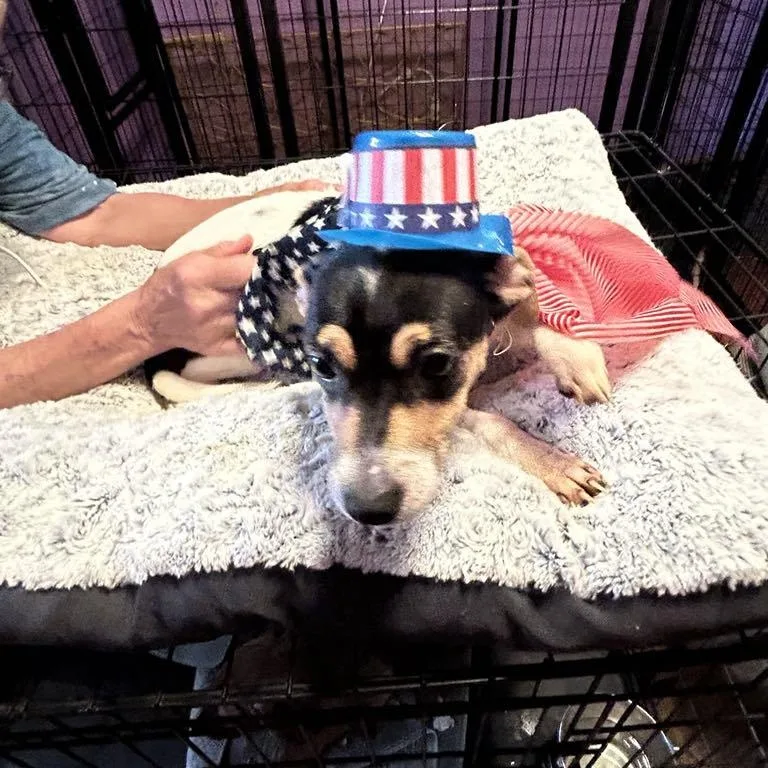
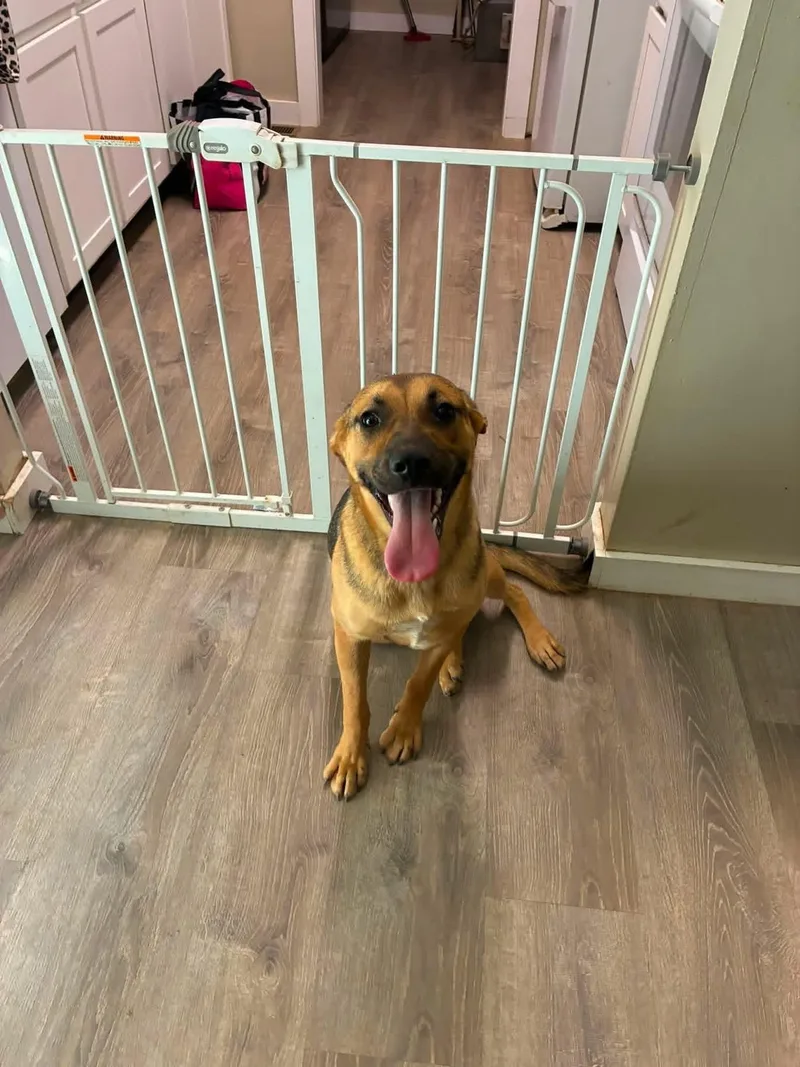
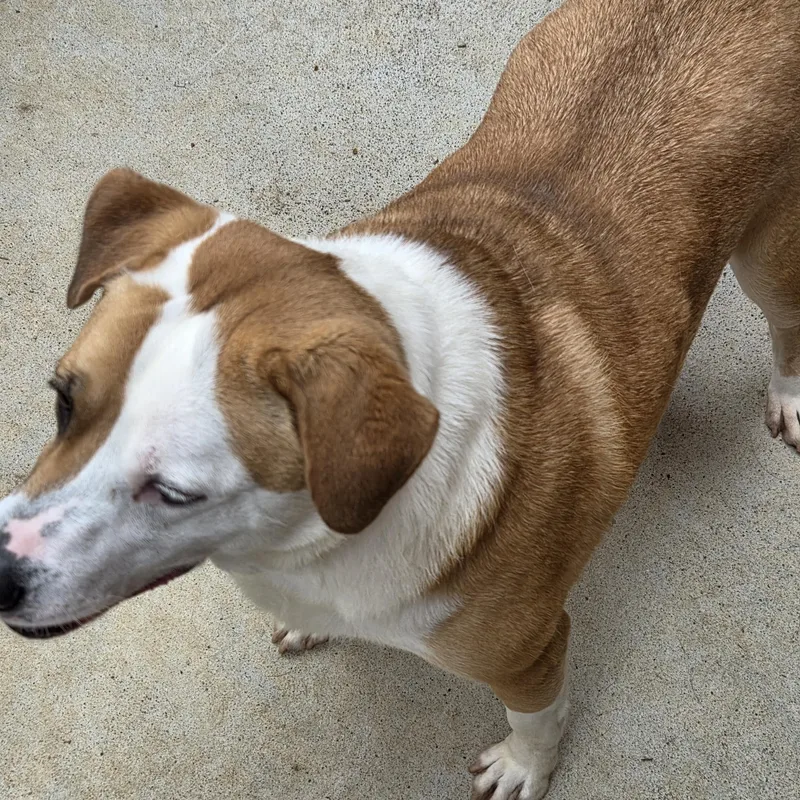
16 Salukis available in Charleston and nationwide

Give a Saluki a home

While we don't have enough dogs near Charleston, keep in mind that many rescues may offer transport.

Salukis Available for Adoption Near Charleston

About the Saluki breed

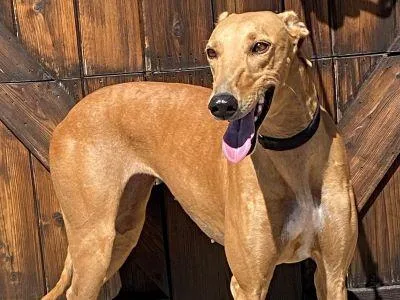
The Saluki is a sighthound from the Middle East and the Fertile Crescent, where nomadic peoples used it to course gazelle and hare across open desert. Dogs resembling the breed appear in ancient Mesopotamian and Egyptian art. Tall and lean, with a long narrow head and a deep chest, it comes in a feathered coat with silky fringes on the ears and tail, or a smooth coat, in colors from cream and red to black and tan.

At home, many Salukis are quiet, gentle and dignified, affectionate with their own people and reserved with strangers. Their intense prey drive means most can't be trusted off leash outside secure fencing. They suit patient adopters who can offer daily exercise, soft bedding and kind, low-pressure training, and in Charleston that usually means a home with a sturdy fence.

Weight
35–65 lbs
Height
23–28 in
Lifespan
12–15 yrs
Temperament
Gentle, Independent, Dignified, Athletic
Group
Hound
Shedding
Low

Owning a Saluki in Charleston

Having a Saluki in Charleston

Salukis are sighthounds: quiet and gentle at home, quick and single-minded outside. In Charleston's hilly, wooded neighborhoods, what matters most is a secure fence, a sturdy leash and a warm, soft place to rest.

Temperament

Many Salukis are calm, sensitive and loyal, bonding closely with their own people while staying reserved with visitors. They often dislike rough play and noisy households. Prey drive runs high, so squirrels, cats and small pets can trigger a chase. Shy dogs may need patient, low-pressure introductions to settle in, and each Saluki varies.

Exercise Needs

Plan on a long daily walk plus a chance to sprint in a securely fenced space, since recall usually fails once a Saluki spots something to chase. In Charleston, flat riverside streets suit leashed walks, while the hills add a good workout. Sniffing walks and gentle training help between sprints.

Health Considerations

Heart disease, cancers such as hemangiosarcoma, and hypothyroidism are the breed's main concerns, and healthy Salukis often have low thyroid values. Low body fat means anesthesia needs care, and thin skin tears easily. A veterinarian familiar with sighthounds can check the heart and thyroid and explain what's normal for the breed.

Living Space

A Saluki can do well in a house or a quiet apartment with daily exercise. Charleston's older brick homes and hillside houses work if the yard fence is high and free of gaps, since many Salukis can jump or squeeze through. Padded bedding and a calm routine matter more than square footage.

What it costs to own a Saluki in Charleston

ExpenseTypical costPer year
Food$55 to $110 per month$660 to $1,320
Pet insurance$55 to $110 per month$660 to $1,320
Routine vet care$250 to $500 per year$250 to $500
Other*$528 to $1,556 per year$528 to $1,556
Estimated yearly total (after year one)$2,098 to $4,696

Other costs are estimates and vary with size, age and health.

* Flea, tick and heartworm prevention, a dental cleaning allowance, the yearly Charleston dog tag, toys and supplies, minimal home grooming, and a winter coat and padded bedding for a thin-skinned sighthound.

Adopt a Saluki in Charleston.

Now that you know more, let’s find you a new best friend. These rescues and shelters below have dogs available in and near Charleston.

Rescues and Shelters in or near Charleston

The Kanawha-Charleston Humane Association has served Charleston since 1935, and its adoptions include spay/neuter, vaccinations and a microchip. Here are the rescues & shelters in the Charleston area with dogs available for adoption, worth asking whether a Saluki is coming in.

Frequently Asked Questions

Yes, you can get a Saluki in Charleston. No known breed-specific rule applies, and the city's dangerous-dog rules look at a dog's behavior, not its breed. The main limit is household size: homes are capped at two dogs without a city permit. Keep a Saluki leashed or fenced, since its chase instinct is the bigger risk.

A Saluki fits Charleston if you have a secure fence or access to fenced space and can walk daily. With hills, wooded lots and wildlife like deer and bears, a lunging sighthound needs a firm grip and a well-fitted harness. Quiet evenings suit a Saluki well, but homes with cats or small pets need caution.

Emma's Place in Cato Park is a fenced dog park on the West Side, and Kanawha State Forest allows leashed dogs on its foot trails, with a 10-foot maximum leash at the campground. Downtown, Haddad Riverfront Park and Magic Island suit leashed walks, though Magic Island floods in high water. Keep a Saluki leashed outside fenced areas.

Yes, most Salukis can handle a Charleston winter with preparation. Lows average 28°F, and the city sees about 94 freezing nights and 31.5 inches of snow a year. A lean, thin-skinned Saluki needs a fitted coat, padded bedding and short walks on icy days, plus an indoor plan for ice-storm power outages.

A Saluki needs very little grooming in Charleston. Brush a smooth coat weekly and comb the feathering on the ears and tail a bit more often, since damp spring weather and winter coats can tangle it. Trim nails and bathe occasionally. Home grooming is cheap and falls within the yearly Other costs, so a professional groomer is optional.

Sometimes, on patios that allow dogs. West Virginia has no state law on dogs in outdoor dining areas, so each restaurant sets its own policy, and some downtown Charleston patios welcome dogs. Dining rooms generally don't allow pet dogs. A settled Saluki on a short leash usually does best on a quiet patio.

No, KRT buses don't allow pets, and Charleston has no subway or light rail. Service animals are the exception under federal law. For vet visits or outings with a Saluki in Charleston, plan to drive, using a secure harness or crate so a tall, lean dog travels safely.

A Saluki is a tall, slender sighthound from the Middle East, bred to chase gazelle and hare by sight across open country. It has long legs, a narrow head, a deep chest and either silky feathering or a smooth coat. Many are gentle, quiet and independent at home, with an intense chase instinct outdoors.

A Saluki can run roughly 40 miles per hour at full speed, and the 1996 Guinness Book of Records listed one at about 42.8 mph. Greyhounds may be quicker over a short sprint, but Salukis are known for holding high speed over longer distances. That speed is why secure fencing and leashes matter so much for this breed.

Expect roughly $2,100 to $4,700 a year for a Saluki in Charleston: $55–$110 a month for food, $55–$110 a month for insurance, $250–$500 for routine vet care, and $528–$1,556 for other costs such as parasite prevention, dental care and winter gear. Adoption fees depend on the listing.