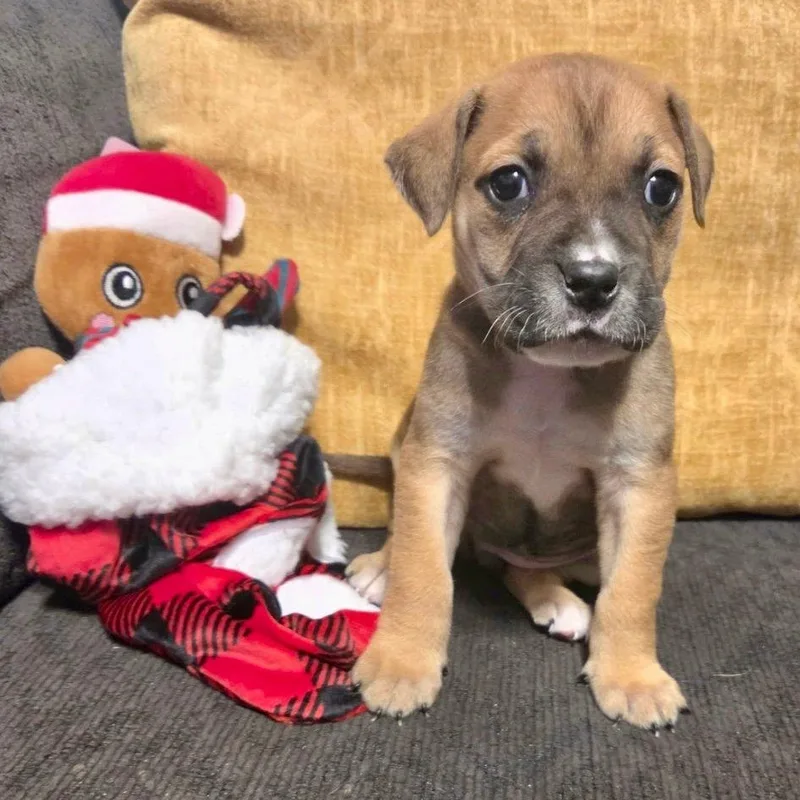
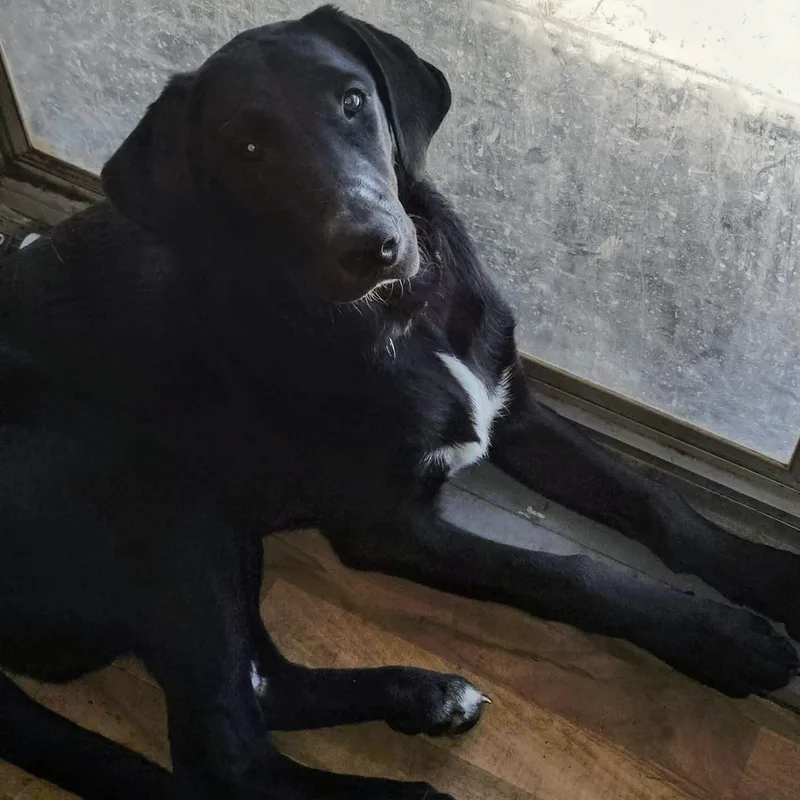
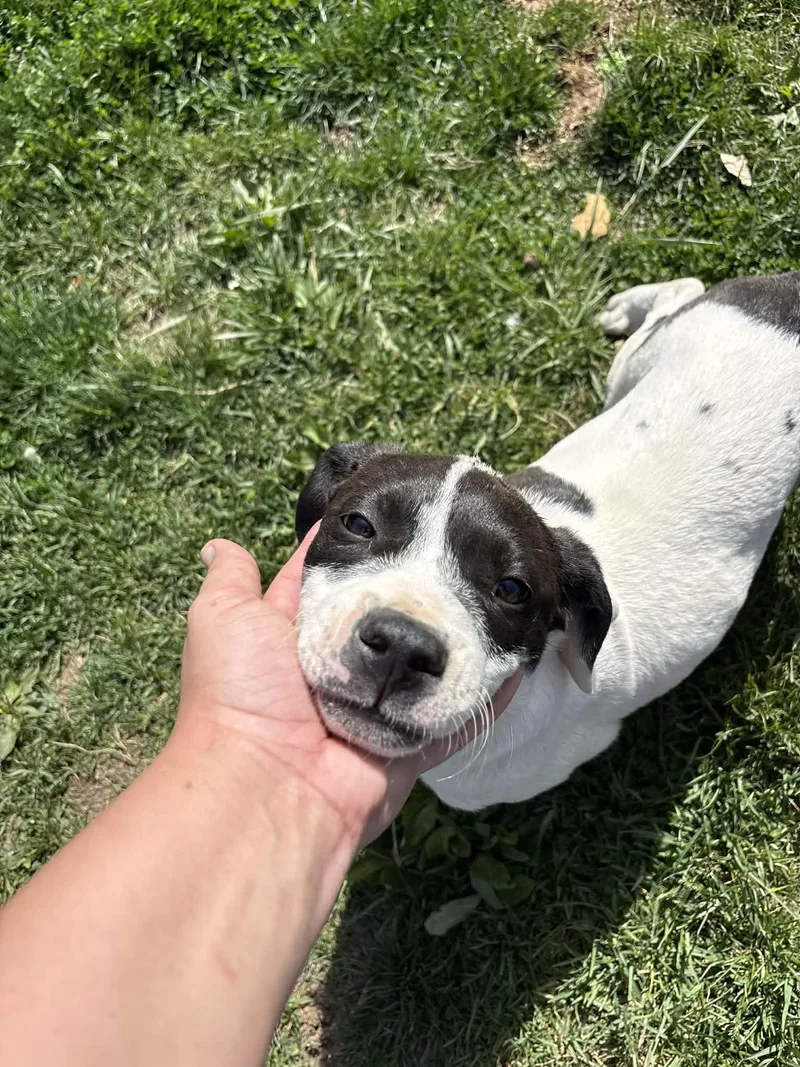
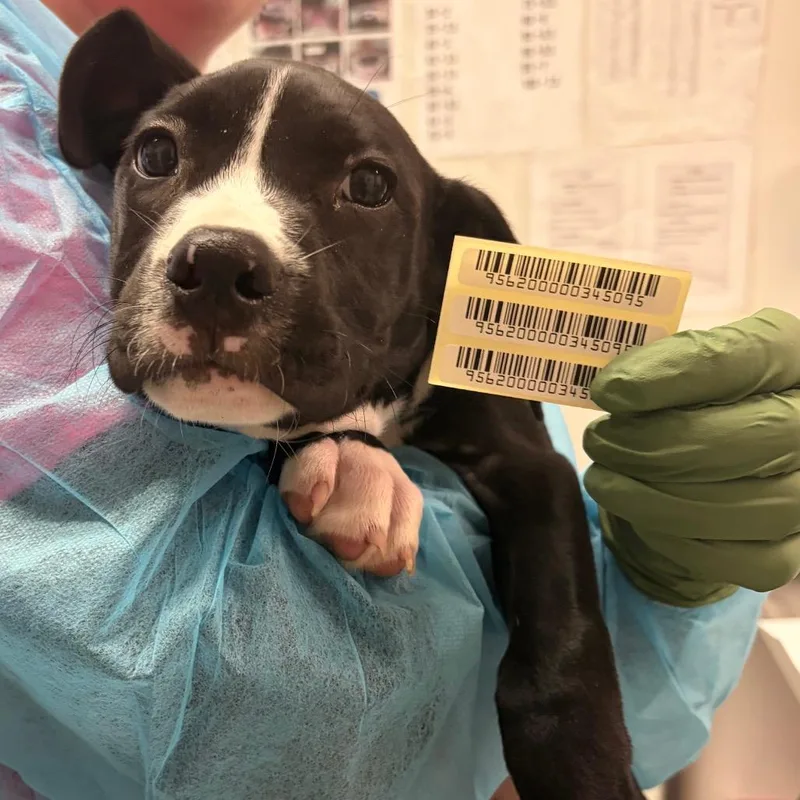
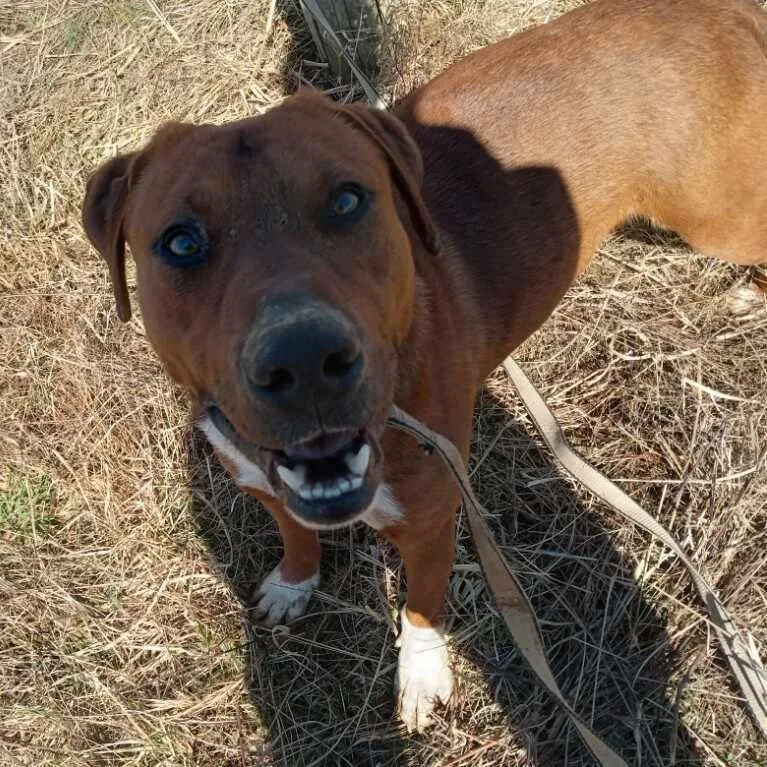
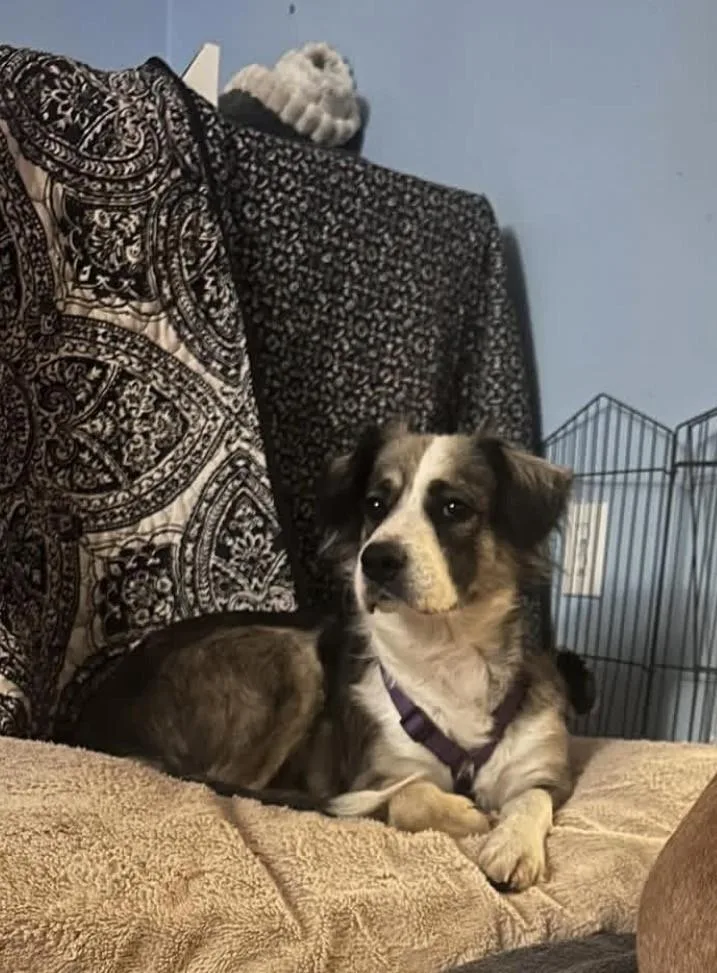
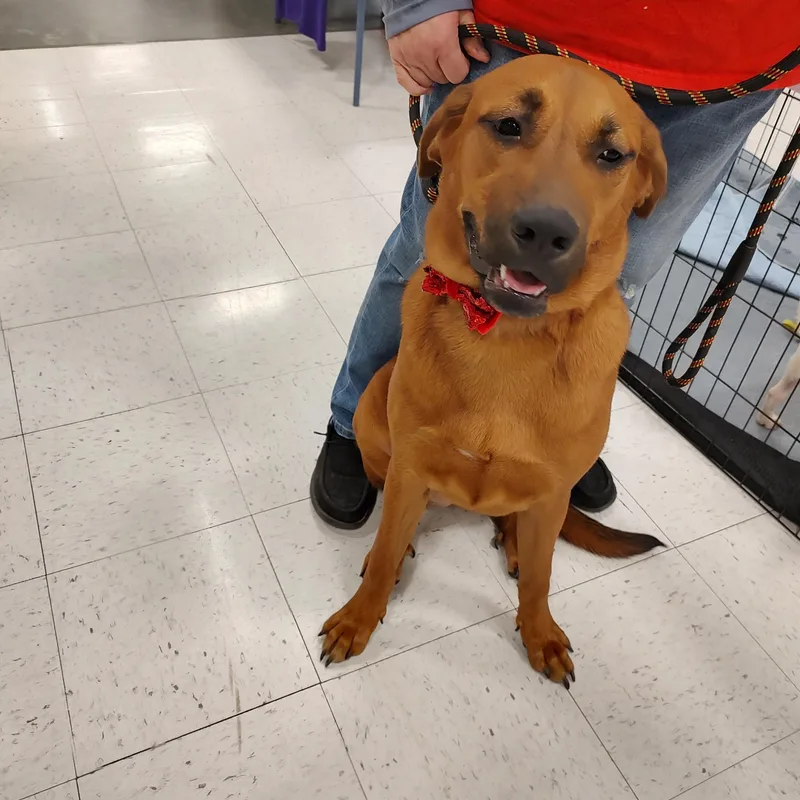
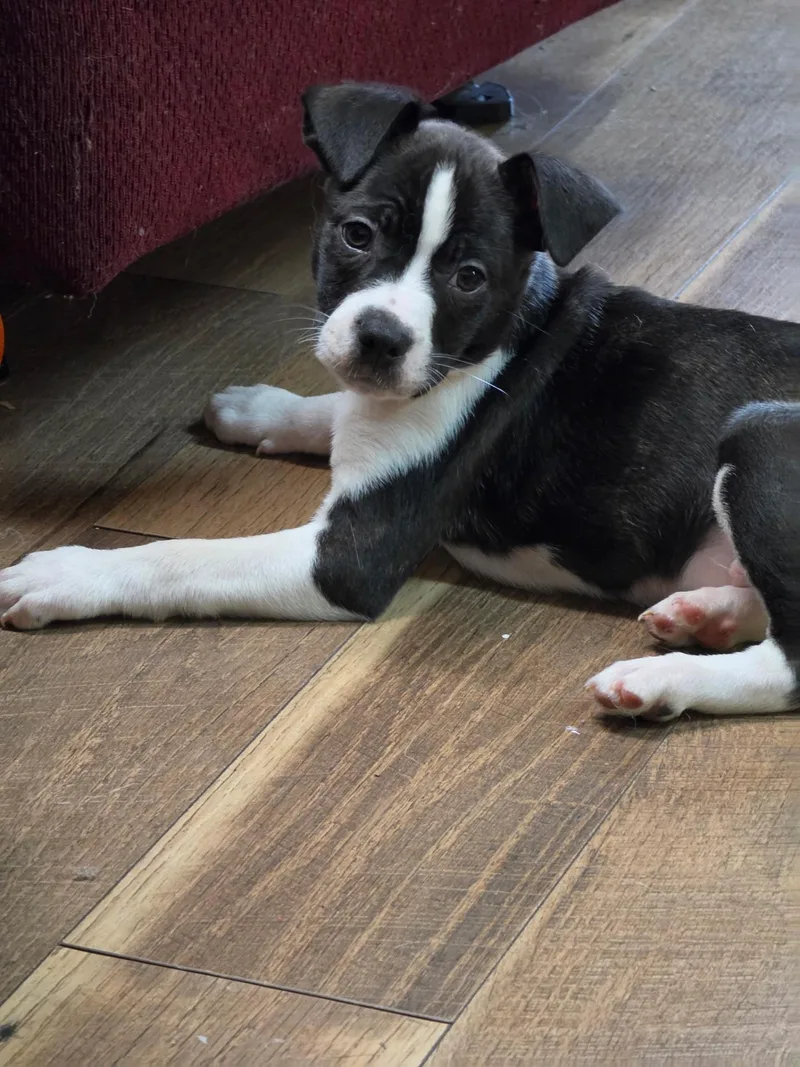
Retriever Dogs for Adoption in Charleston, WV

Your guide to finding and caring for a Retriever in Charleston

Retriever-type dogs suit Charleston's hillside streets well, since there's always a slope to climb and a smell to follow. Around Edgewood and the West Side, a walk can end at Cato Park, the city's largest, with trails and a fenced dog park. Most retriever mixes want a real workout and plenty of company, so they do best with people who are home often. Expect a dog that's friendly with the neighbors and keen to carry something along.

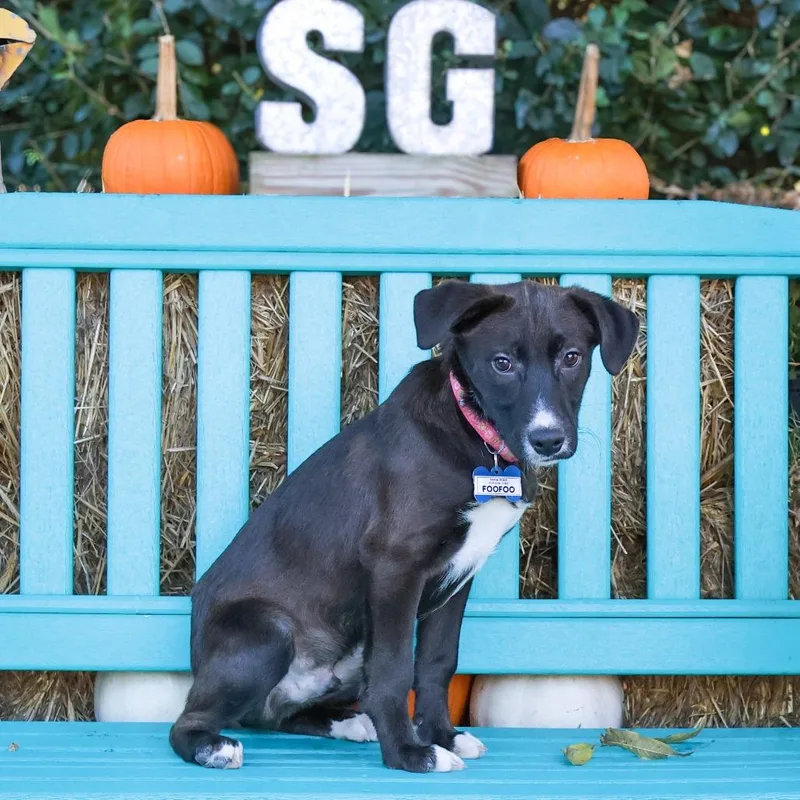
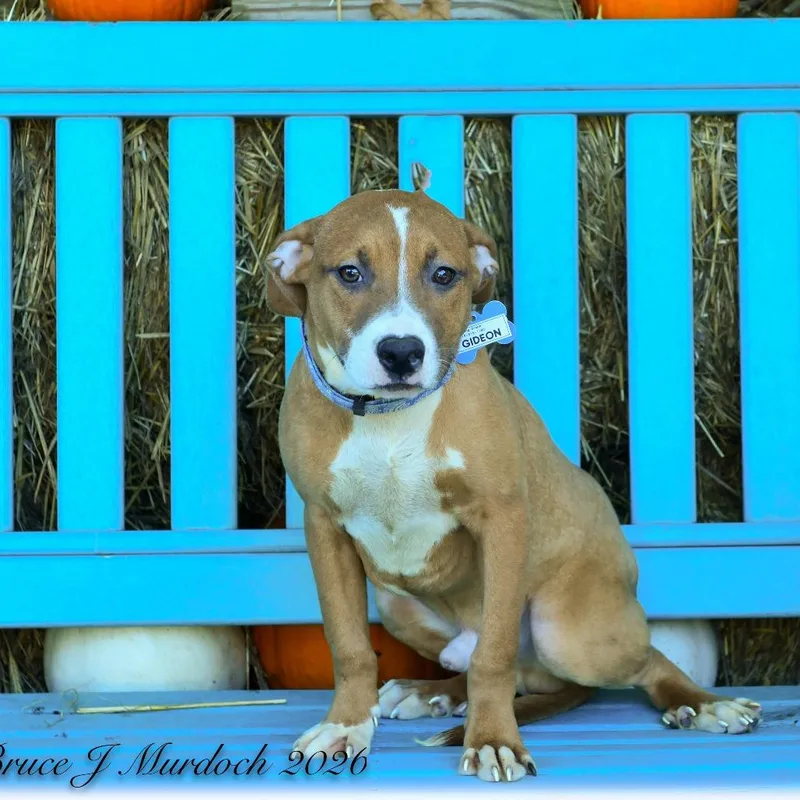
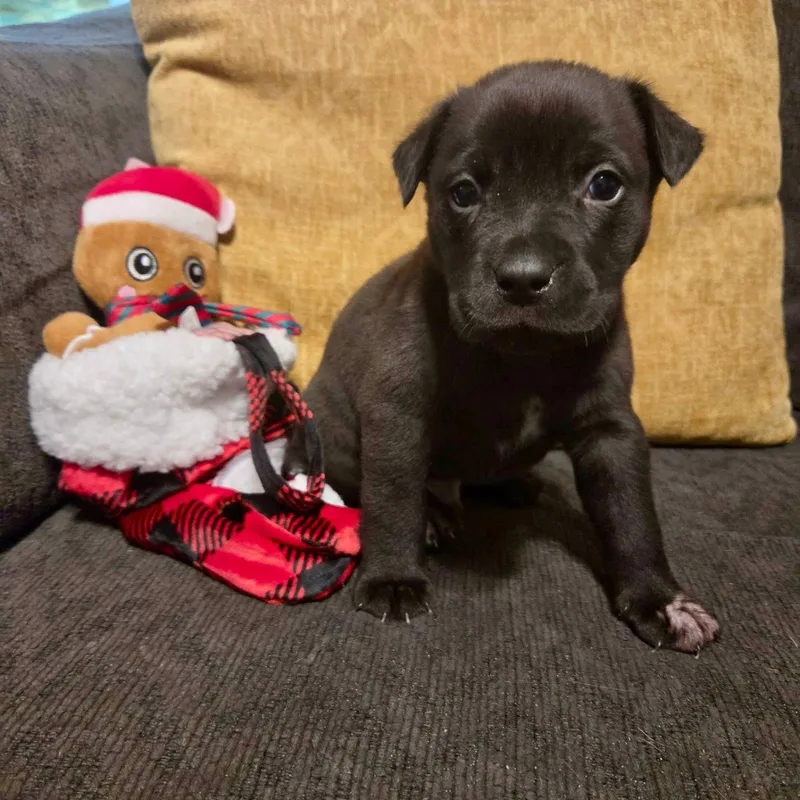
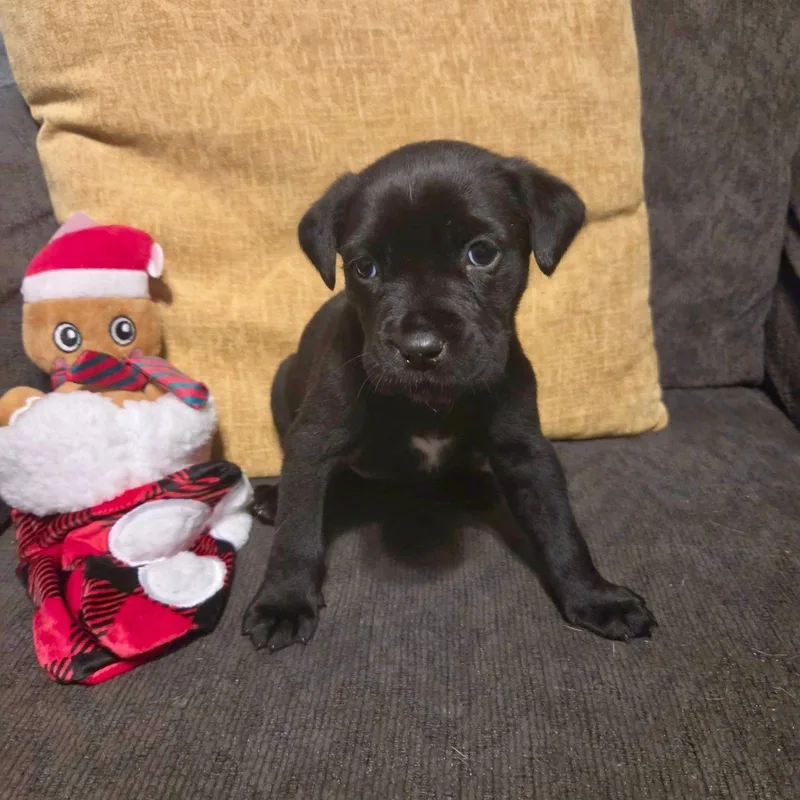
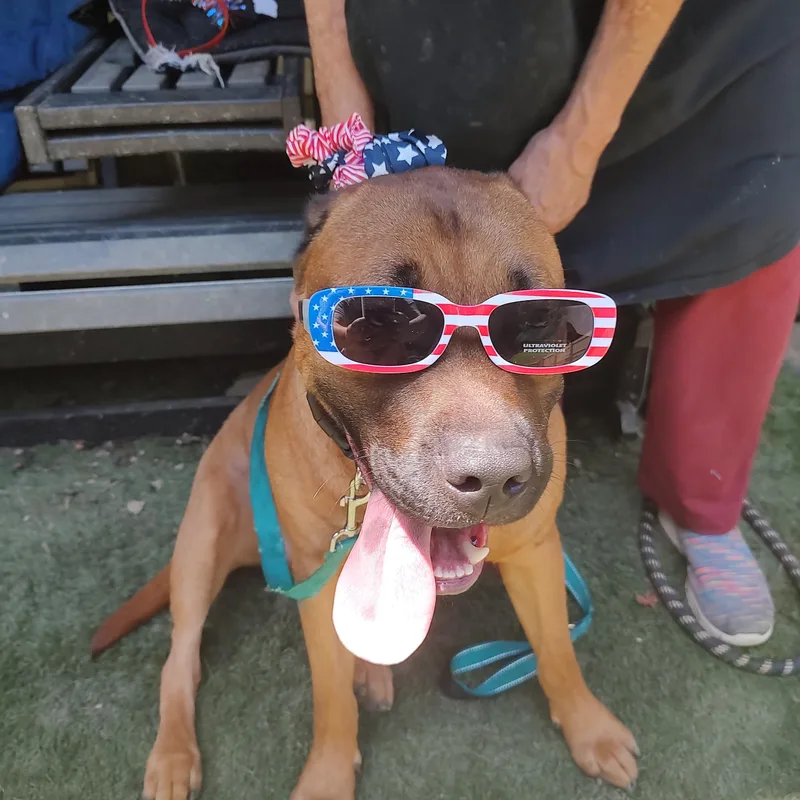
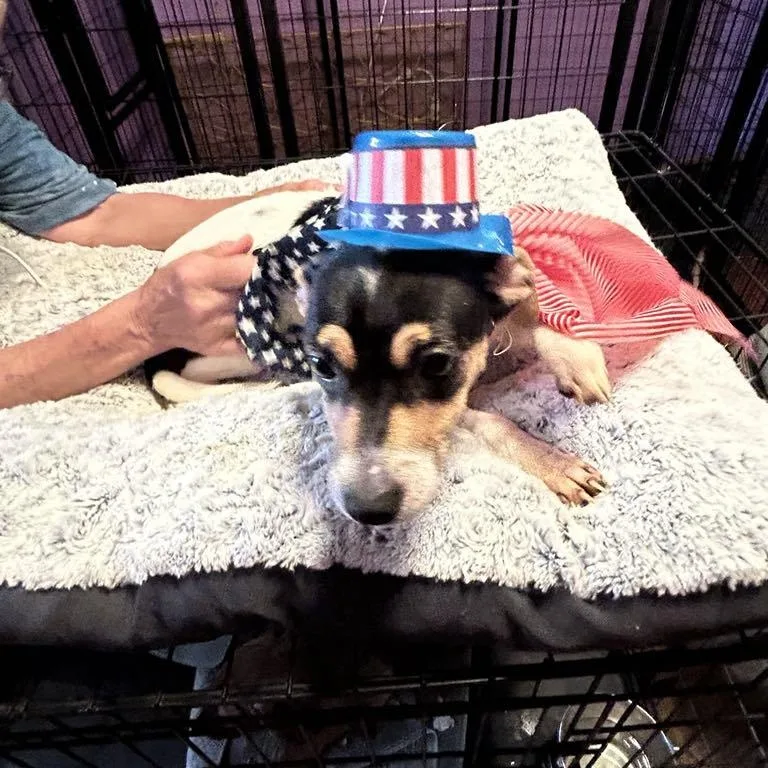
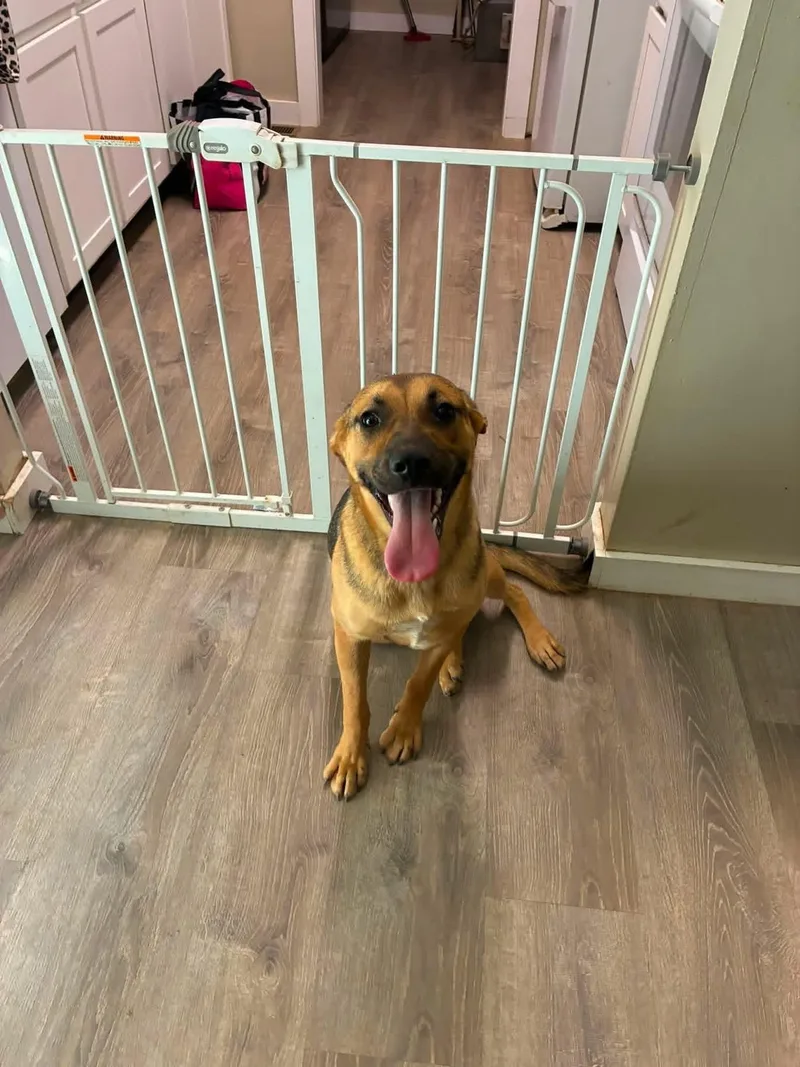
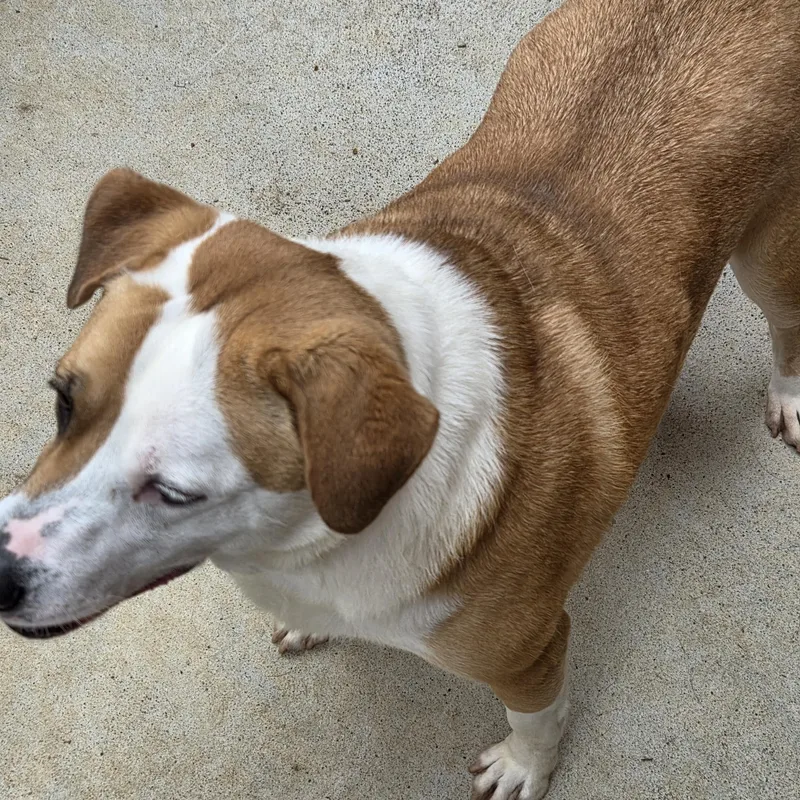
882 Retrievers available in Charleston and nationwide

Bring home a Retriever mix

While we don't have enough dogs near Charleston, keep in mind that many rescues may offer transport.

Retrievers Available for Adoption Near Charleston

About the Retriever breed

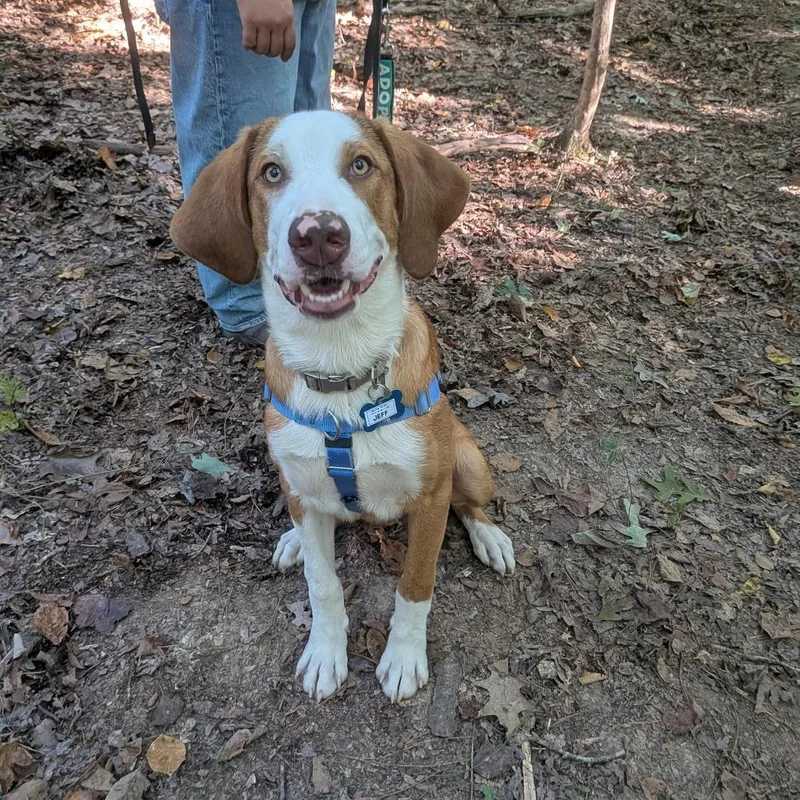
Retriever isn't one breed. It's a gun-dog type, and on adoption listings it usually means a Labrador or Golden Retriever mix, or a dog with that look and unknown ancestry. Chesapeake Bay, Flat-Coated, Curly-Coated and Nova Scotia Duck Tolling Retrievers belong to the same family. Most are medium to large, around 50 to 80 pounds, sturdy and food-motivated, with a water-resistant coat that sheds.

Many are sociable and happiest working alongside their people, and a long, bouncy adolescence is common. In Charleston, that energy fits river-valley life: flat riverside streets for steady walks, wooded hillsides for longer ones. Because ancestry varies, a dog's age, size and manner when you meet tell you more than the label does. Plan on regular brushing, daily exercise and consistent training.

Weight
50–80 lbs
Height
20–25 in
Lifespan
10–14 yrs
Temperament
Friendly, Outgoing, Active
Group
Sporting
Shedding
Moderate to High

Owning a Retriever in Charleston

Having a Retriever in Charleston

Retriever covers many breeds and mixes, so these cards describe common tendencies: a people-focused nature, a drive to fetch, plenty of stamina and a shedding coat. In Charleston, the hills and river valley shape how those traits play out day to day.

Temperament

Retriever-type dogs are usually friendly with family, guests and other dogs, which helps on busy sidewalks and at the dog park. Their enthusiasm can bowl over toddlers, and young dogs are often mouthy. Reward-based training works well because most love food and praise. Each dog's history and age matter more than the label.

Exercise Needs

Most retrievers need vigorous activity daily. In Charleston that can mean laps around Cato Park, fetch at a fenced dog park, or leashed hikes on Kanawha State Forest's foot trails. Retrieving games and short training sessions tire their minds too. Without enough outlet, many chew, dig or pester for attention.

Health Considerations

Common concerns include hip and elbow dysplasia, cruciate ligament injuries, ear infections, skin allergies and weight gain, and some lines carry eye disease or higher cancer risk. Keeping a retriever lean protects its joints, which matters on Charleston's hills. Check ears and coat for ticks after wooded walks, and keep up regular vet visits.

Living Space

A retriever can live in a house or apartment if exercise is reliable, though a securely fenced yard makes play easier. Charleston offers older East End homes, hillside houses and apartments, and a sloped yard needs sturdy fencing. These dogs want to be indoors with their people, not tied out. Plan for shed hair and a sweeping tail.

What it costs to own a Retriever in Charleston

ExpenseTypical costPer year
Food$55 to $110 per month$660 to $1,320
Pet insurance$55 to $110 per month$660 to $1,320
Routine vet care$250 to $500 per year$250 to $500
Other*$578 to $1,456 per year$578 to $1,456
Estimated yearly total (after year one)$2,148 to $4,596

Other costs are estimates and vary with size, age and health.

* The Charleston dog tag, flea, tick and heartworm prevention, a dental cleaning allowance, toys and bedding, and brushing and baths for a shedding coat.

Adopt a Retriever in Charleston.

Now that you know more, let’s find you a new best friend. These rescues and shelters below have dogs available in and near Charleston.

Rescues and Shelters in or near Charleston

Kanawha-Charleston Humane Association has served Charleston since 1935, and its adoptions include spay/neuter, vaccinations and microchipping. Here are the rescues & shelters in the Charleston area with dogs available for adoption, worth asking whether a Retriever is coming in.

Frequently Asked Questions

Yes, Charleston has no known breed-specific rule, so Retriever-type dogs are treated like any other dog. You'll need to keep your dog leashed or contained off your property, vaccinate against rabies by six months, and buy a yearly dog tag. Homes are limited to two dogs unless the owner gets a city permit.

Often, yes, if you can give a retriever daily exercise and company. Charleston's trails, riverfront and dog parks give them room to burn energy, and their friendly nature suits neighborhood life. Hillside streets and shedding take some planning, and a dog that's alone all day may get bored and destructive.

Yes, most retrievers handle Charleston winters well thanks to their water-resistant double coats. Winter lows near 28°F and about 31.5 inches of snow a year are manageable. Wipe paws after icy walks, avoid slick hillside streets, and bring your dog indoors, since the city limits tethering to one hour at 32°F or below.

Cato Park on the West Side is a good start, with trails and the fenced Emma's Place dog park. Kanawha State Forest has about 14 miles of foot trails where leashed dogs are welcome, and the East End has a dog park at Washington Street East and Maxwell Street. Haddad Riverfront Park works for leashed strolls downtown.

Yes, if its exercise needs are met every day. About 37% of Charleston households rent, so apartments are common, but landlords set their own pet policies and may limit size, so get terms in writing. Plan on long walks, play sessions and training, since a bored retriever can chew and bark.

No, KRT buses don't allow pets, and Charleston has no subway or light rail. Service animals are covered by federal law and are an exception. For a retriever, that means getting around by car or on foot, so plan vet visits and park trips around your own transportation.

Sometimes, on outdoor patios. West Virginia has no state law on dogs in outdoor dining, so each restaurant decides, and downtown Charleston has some dog-friendly patios. Assume dining rooms are off limits. A well-exercised retriever lies calmly under the table, but keep that sweeping tail tucked away from servers.

Plan on brushing a retriever's double coat a few times a week, and daily during spring and fall sheds. Charleston's humid summers and muddy springs mean occasional baths, and a professional groom is optional. Brushing and baths are part of the Other line in the cost table, along with flea and tick prevention.

Most retriever-type dogs live about 10 to 14 years, with some reaching 15. Retriever is a type label rather than one breed, so mixes and different retriever breeds vary. Keeping a retriever lean, staying current on veterinary checkups all support a longer, more comfortable life.

Expect roughly $2,150 to $4,600 a year for a retriever in Charleston. That covers food at $55 to $110 a month, insurance at $55 to $110 a month, routine vet care at $250 to $500 a year, and other costs at $578 to $1,456 a year.

Find Retrievers in Nearby Cities

Expand your search to find Retrievers available for adoption near Charleston.