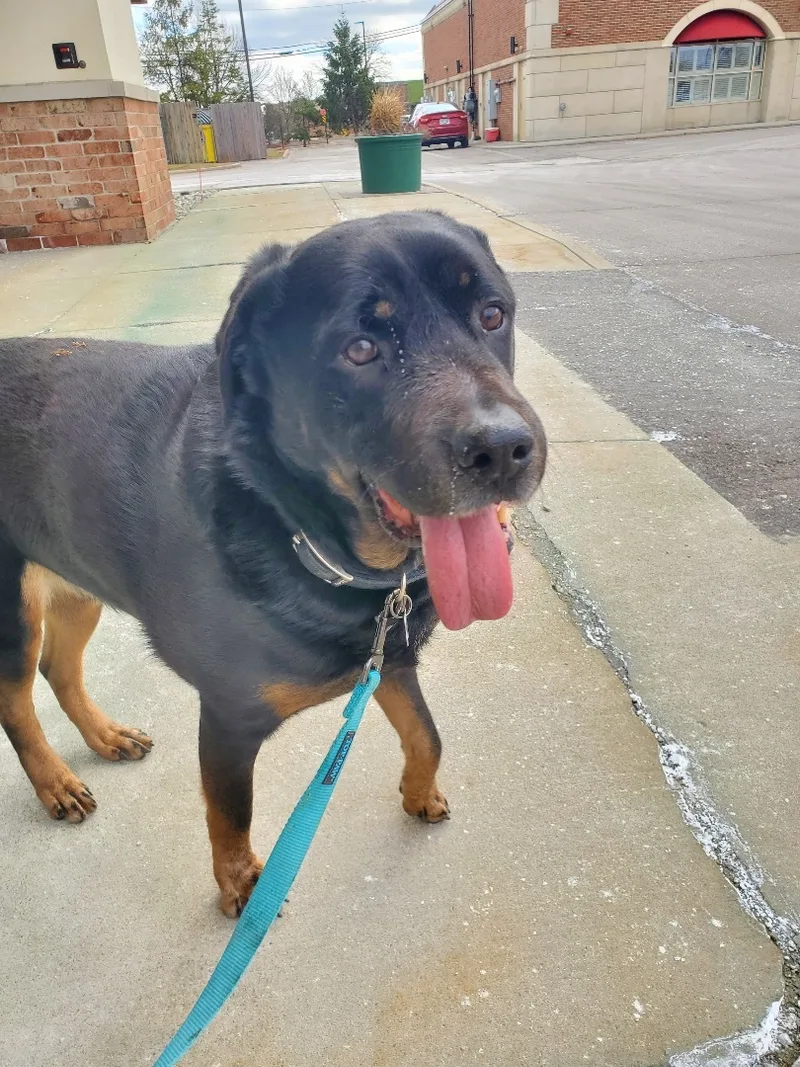
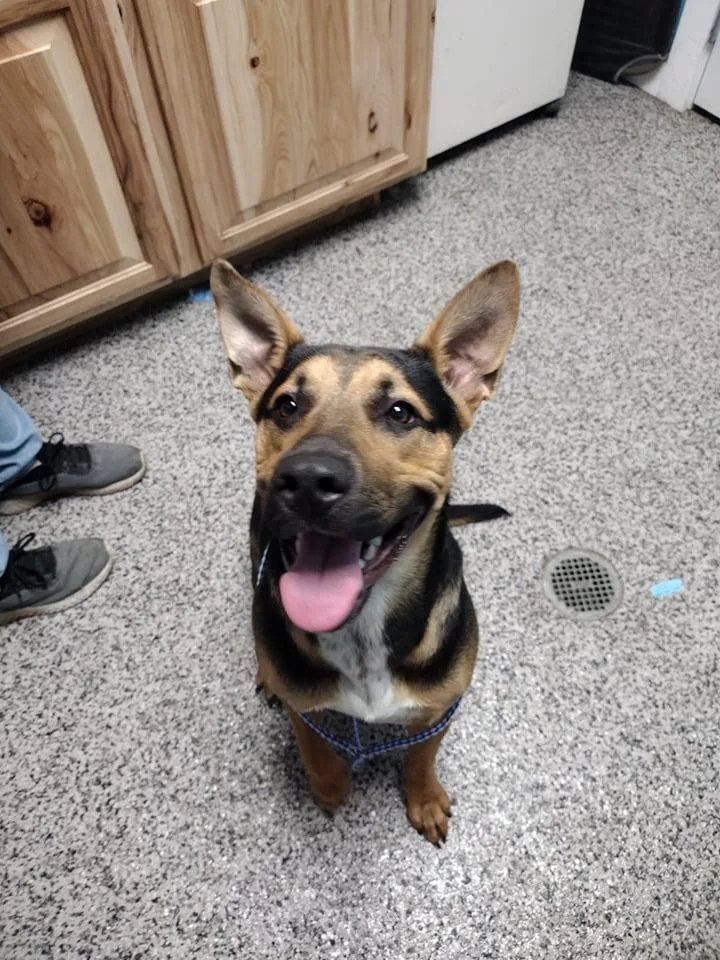
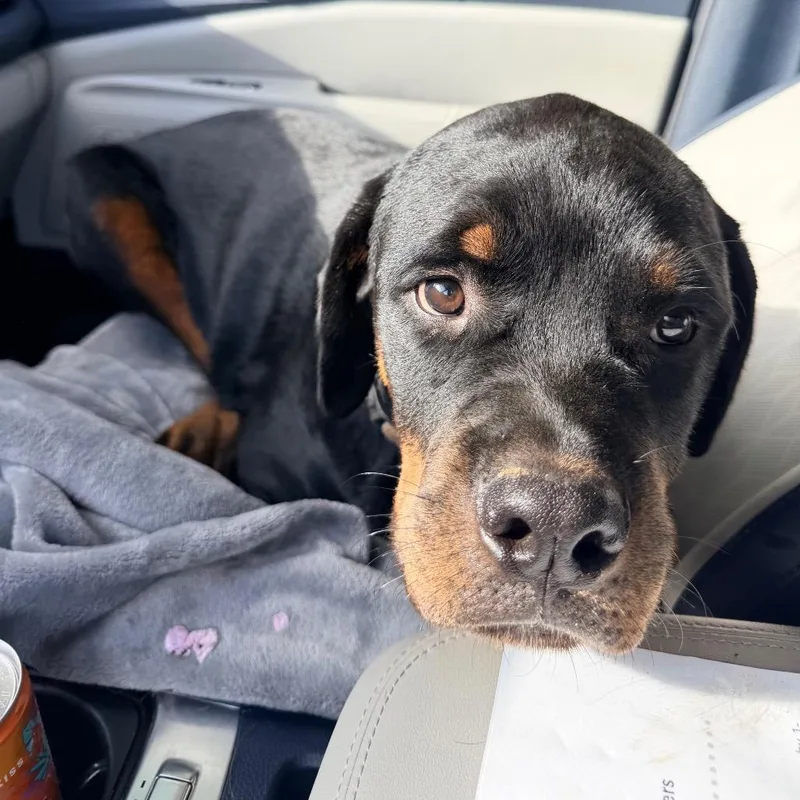
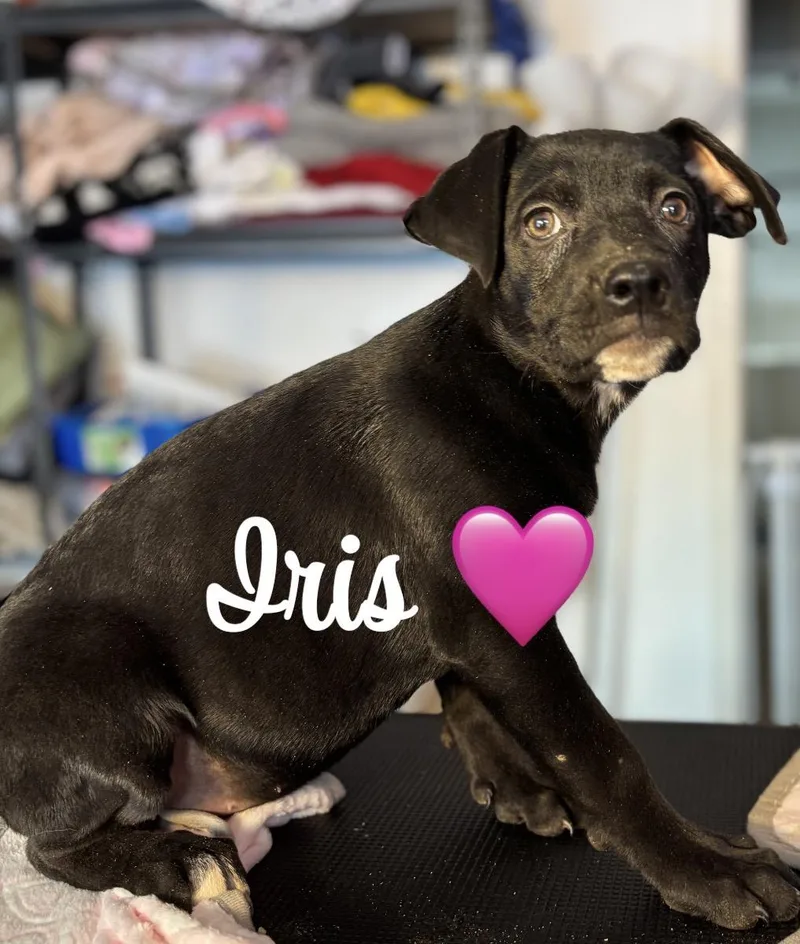
Black Russian Terrier Dogs for Adoption in Charleston, WV

Your guide to finding and caring for a Black Russian Terrier in Charleston

A Black Russian Terrier does best in a Charleston neighborhood with room to spread out, like South Hills or Edgewood. These are calm, 80-to-130-pound dogs that are devoted to their own people and reserved with strangers, which suits a quiet residential street. A fenced yard on a sloped lot beats a small apartment, and Cato Park's trails are close enough for daily walks. Just plan for shade, because that thick black coat struggles on July afternoons.

2696 dogs similar to Black Russian Terrier available in Charleston and nationwide

Find your Black Russian Terrier

While we don't have enough dogs near Charleston, keep in mind that many rescues may offer transport.

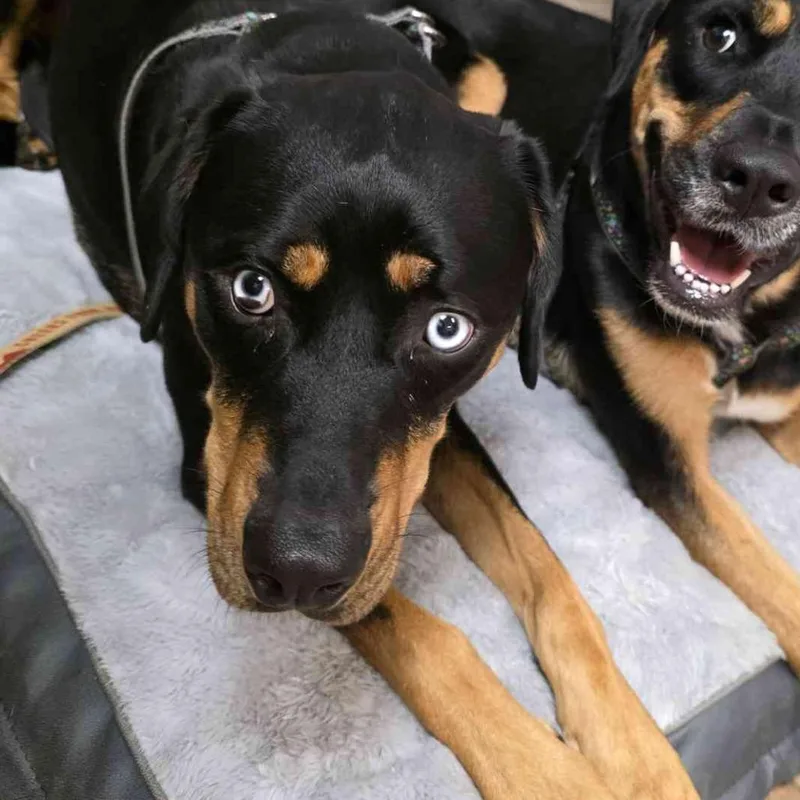
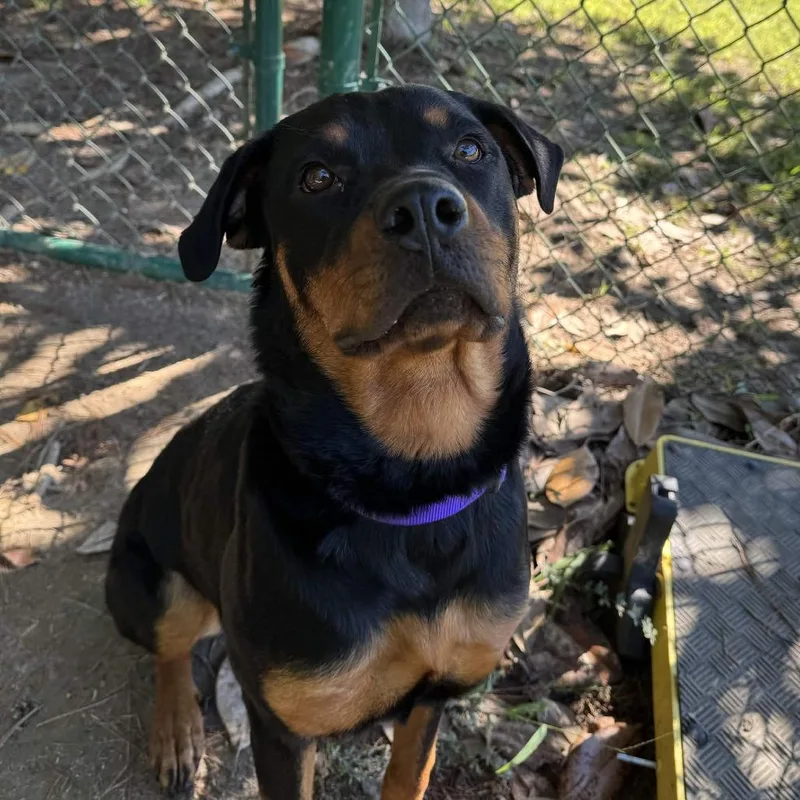
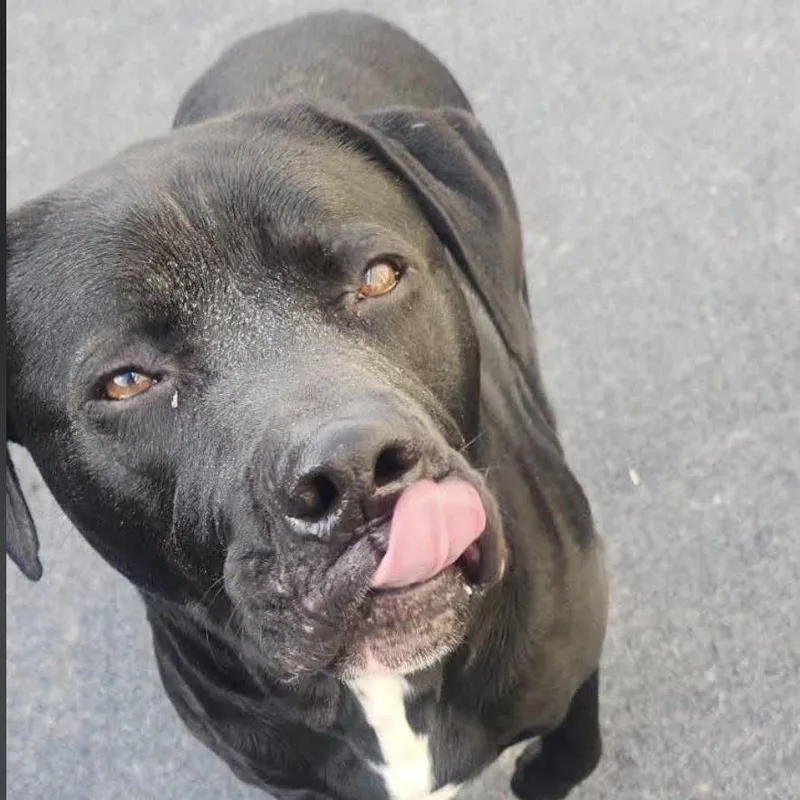
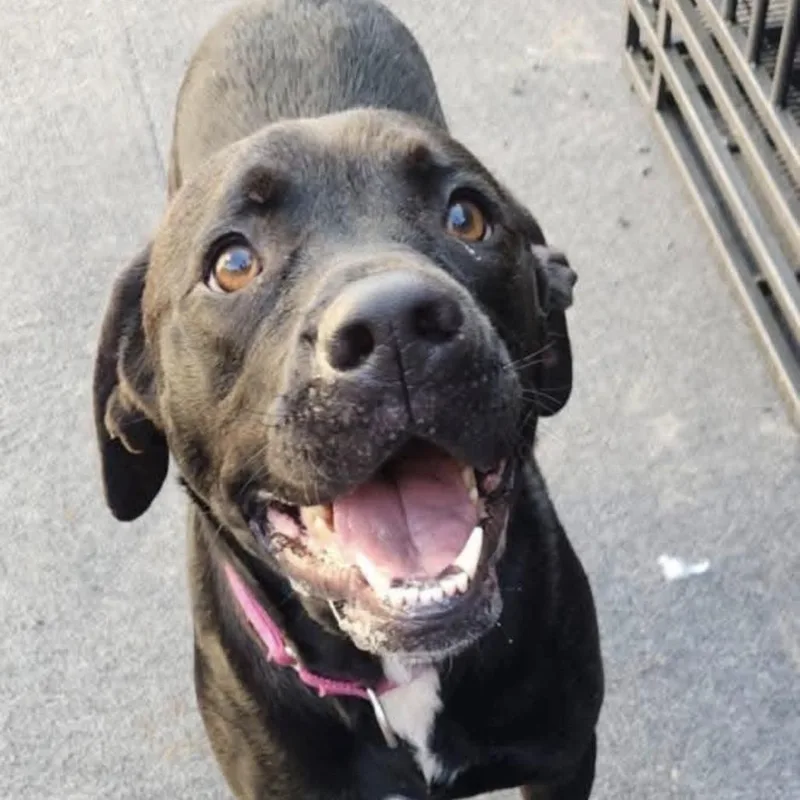
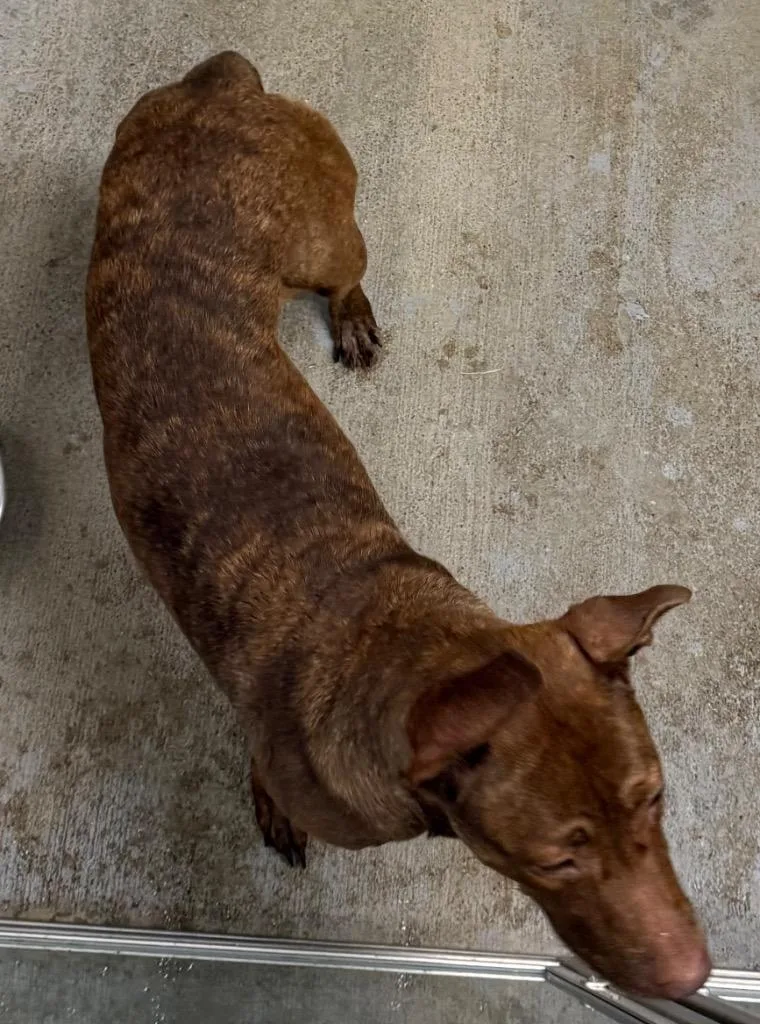
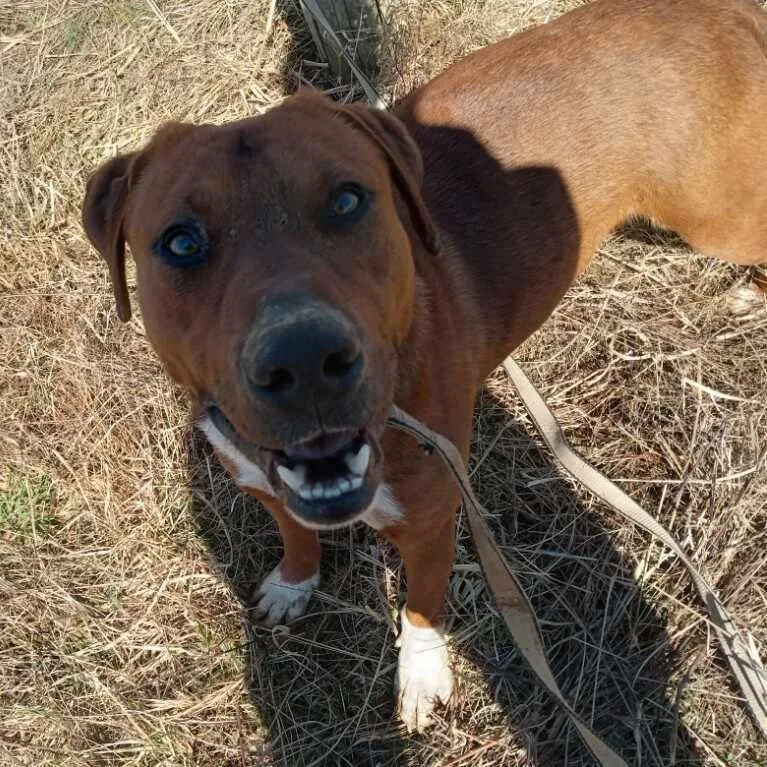
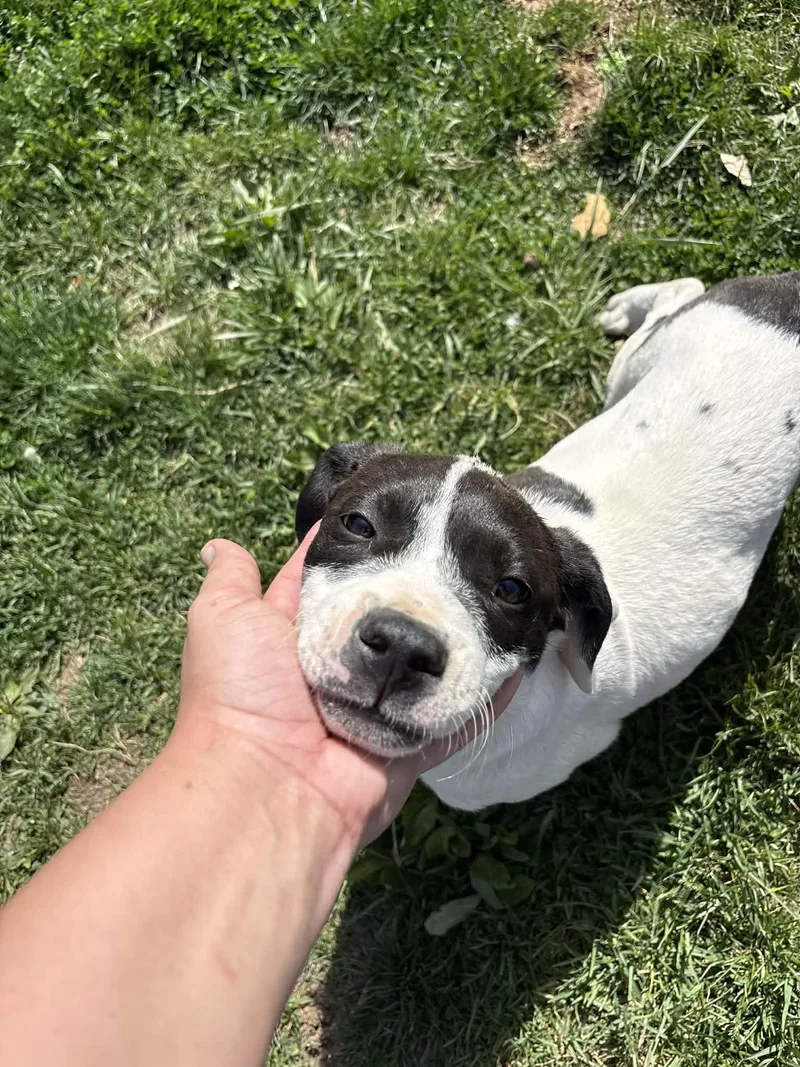
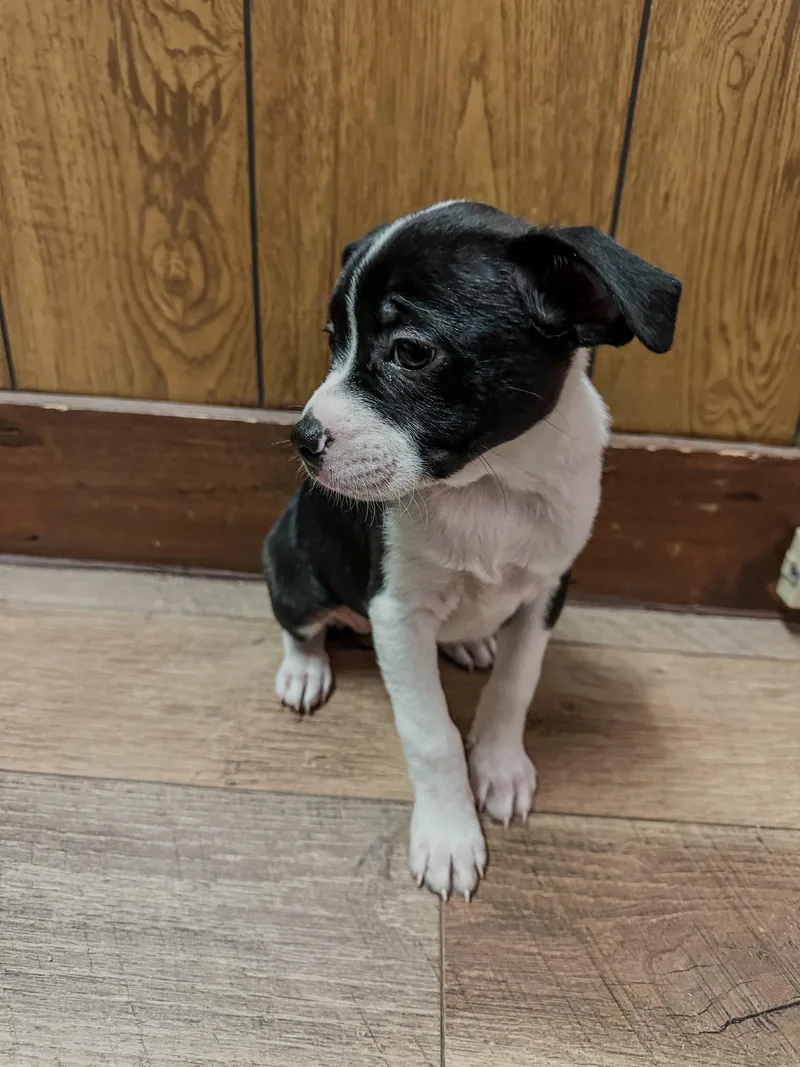
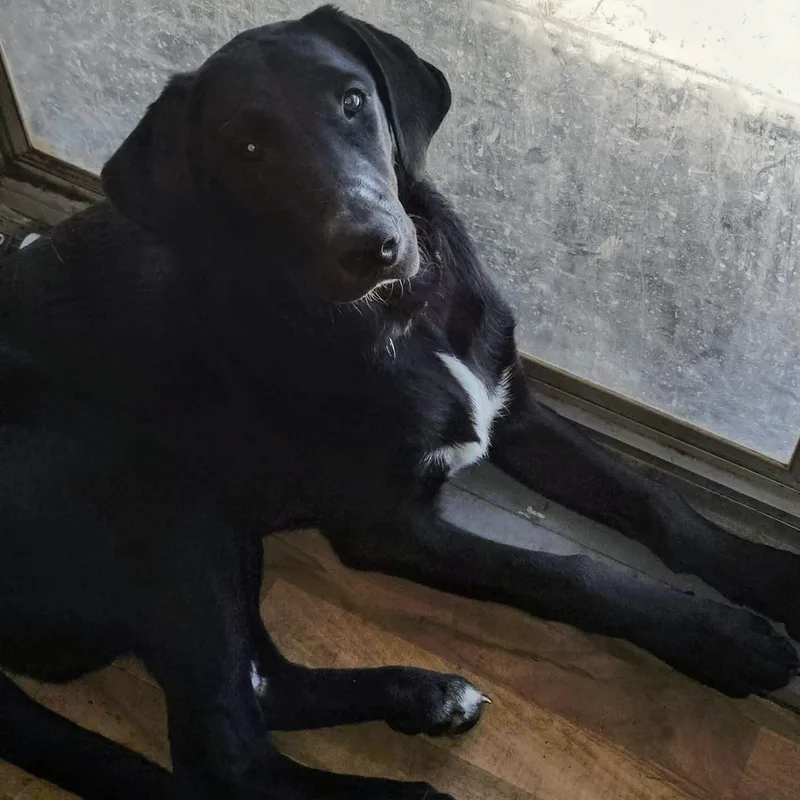
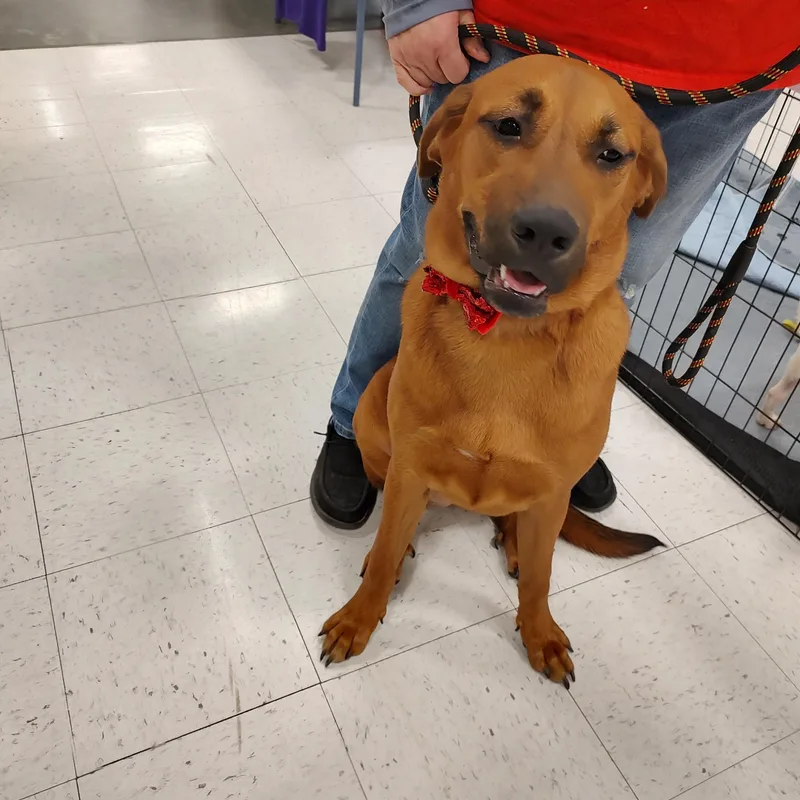
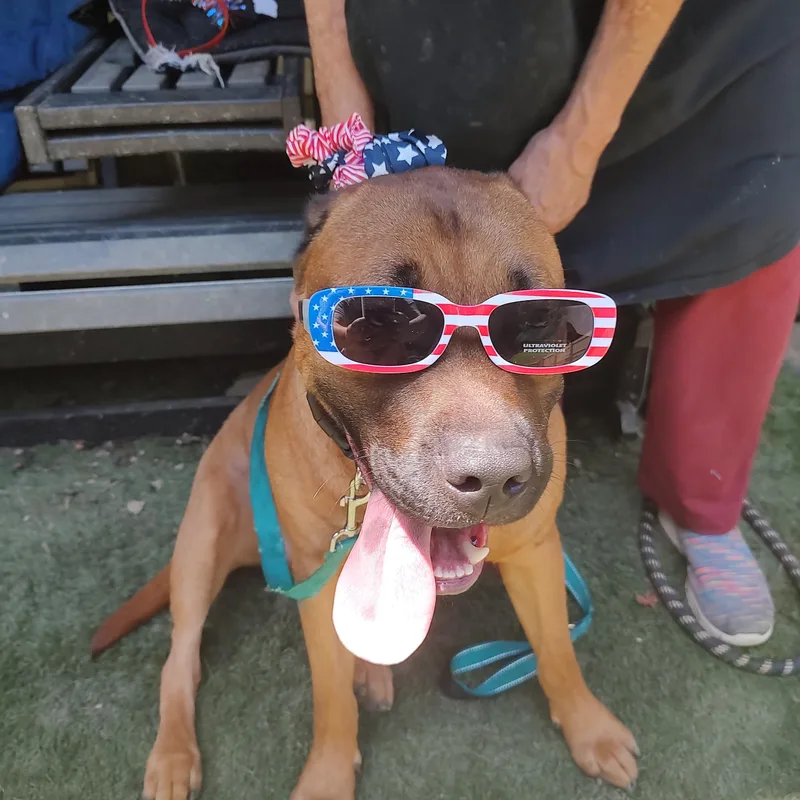
Black Russian Terriers and Similar Breeds Available for Adoption Near Charleston

About the Black Russian Terrier breed

The Black Russian Terrier isn't a true terrier. It was developed in the Soviet Union in the late 1940s and 1950s as a hardy working and guard dog, drawing on about 17 breeds including the Giant Schnauzer, Airedale, Rottweiler and Newfoundland. The AKC placed it in the Working Group in 2004. Expect a heavy-boned dog with a wavy black coat, a bearded muzzle and eyebrows that fall over the eyes.

Many are calm, confident and loyal to their families, and aloof with strangers. They're smart and trainable, but their size and protective streak call for a consistent handler and thorough socialization. Living in Charleston means hillside walks, brushing a few times a week, professional trims, and a beard that holds water and food. Dogs vary, so a rescue dog's own history matters more than the breed label.

Weight
80–130 lbs
Height
26–30 in
Lifespan
10–12 yrs
Temperament
Confident, Protective, Loyal
Group
Working
Shedding
Low

Owning a Black Russian Terrier in Charleston

Having a Black Russian Terrier in Charleston

Black Russians pair a guardian's watchfulness with a steady, family-focused nature. In Charleston, hilly streets, humid summers and snowy winters add to the usual questions of size, training and grooming, so weigh time and experience as carefully as space.

Temperament

Many Black Russians are calm, self-assured and devoted to their own people, and reserved with visitors. That watchfulness works well on quiet Charleston streets when the dog is socialized early to neighbors, delivery drivers and other dogs. Temperament varies from dog to dog, so judge the dog in front of you rather than the breed's reputation.

Exercise Needs

Plan on two good walks a day plus play, swimming or a job such as obedience work. Charleston's hills make even neighborhood loops a workout, and leashed trails at Cato Park or Kanawha State Forest add variety. Skip hard exercise around mealtimes because of bloat risk, and save long outings for cool summer mornings.

Health Considerations

Hip and elbow dysplasia, progressive retinal atrophy, bladder stones from hyperuricosuria and juvenile laryngeal paralysis are known in the breed, and deep-chested giants face bloat risk. A veterinarian can check joints, weight and breathing. Steep hills and icy sidewalks are hard on sore joints, so keep the dog lean.

Living Space

A house with a securely fenced yard suits a Black Russian best, and Charleston's many owner-occupied neighborhoods offer them. A calm adult can manage an apartment with reliable daily exercise, but this dog takes up real floor space. Plan on living indoors with the family rather than spending long hours outside.

What it costs to own a Black Russian Terrier in Charleston

ExpenseTypical costPer year
Food$80 to $160 per month$960 to $1,920
Pet insurance$85 to $170 per month$1,020 to $2,040
Routine vet care$250 to $500 per year$250 to $500
Other*$1,028 to $2,756 per year$1,028 to $2,756
Estimated yearly total (after year one)$3,258 to $7,216

Other costs are estimates and vary with size, age and health.

* The Charleston dog tag, flea, tick and heartworm prevention, a dental cleaning allowance, toys and bedding, professional trims every 6–8 weeks, and joint supplements.

Adopt a Black Russian Terrier in Charleston.

Now that you know more, let’s find you a new best friend. These rescues and shelters below have dogs available in and near Charleston.

Rescues and Shelters in or near Charleston

The Kanawha-Charleston Humane Association has served the city since 1935, and its adoptions include spay/neuter, vaccines and a microchip. Here are the rescues & shelters in the Charleston area with dogs available for adoption, worth asking whether a Black Russian Terrier is coming in.

Frequently Asked Questions

Yes, you can own a Black Russian Terrier in Charleston, and there's no known breed-specific rule. Dogs must be leashed or contained off your property, vaccinated for rabies by six months, and tagged yearly. The main limit is that homes are capped at two dogs unless the owner gets a city permit. Dangerous-dog rules look at a dog's behavior, not its breed.

A Black Russian Terrier fits Charleston best with a fenced yard, a steady routine and an owner willing to train and socialize. Hilly streets give good daily workouts, and the breed's calm side suits quiet neighborhoods. It's a weaker fit for someone who is away all day, dislikes brushing, or wants a dog that greets every stranger warmly.

A calm adult Black Russian Terrier can live in a Charleston apartment, though it isn't the easiest fit. At 80 to 130 pounds, the dog needs floor space and reliable daily walks. Choose a ground-floor unit near green space, since stairs strain a heavy dog's joints, and confirm size limits and pet fees in writing before signing.

Kanawha State Forest, south of the city, is the best bet for a long hike: leashed dogs are welcome on about 14 miles of foot trails across roughly 9,300 acres. Cato Park on the West Side has hiking trails closer to town. Use a strong leash, since bears and deer live on Charleston's wooded hillsides, and pack water.

Black Russian Terriers can handle Charleston summers with care, but their thick black coat makes heat the main concern. About 24 days a year reach 90°F, and July is humid. Walk at dawn or after dark, offer shade and water, keep the dog in air conditioning during afternoons, and never leave it in a parked car.

No, KRT buses in Charleston don't allow pets, and the city has no subway or light rail. Service animals are covered by federal law. A dog weighing up to 130 pounds also needs a roomy vehicle, so plan on a car for vet visits and trips to the trails.

Only at patios that choose to allow dogs. West Virginia has no state law on dogs in outdoor dining, so each restaurant sets its own policy, and downtown Charleston has some dog-friendly patios. Indoors, assume pet dogs aren't allowed. A Black Russian that's wary of strangers should practice settling quietly under the table before dining out.

A Black Russian needs brushing a few times a week and professional trims about every 6–8 weeks, and Charleston's humid summers and wet springs make mats and a damp beard more likely. Rinse and dry the beard after meals and muddy walks. Trims are part of the yearly Other costs, about $1,028 to $2,756, which also cover prevention and dental care.

Black Russian Terriers can be good family dogs for experienced owners. Many are affectionate, calm and protective with their own families and gentle with children they are raised with. Their size and guarding instincts mean they need training, socialization and supervision around visiting kids. An adult rescue with a known history in a family home can be a strong match.

Plan on roughly $3,300 to $7,200 a year for a Black Russian Terrier in Charleston: food at $80 to $160 a month, insurance at $85 to $170 a month, routine vet care at $250 to $500 a year, and $1,028 to $2,756 a year in other costs, mostly grooming and prevention.