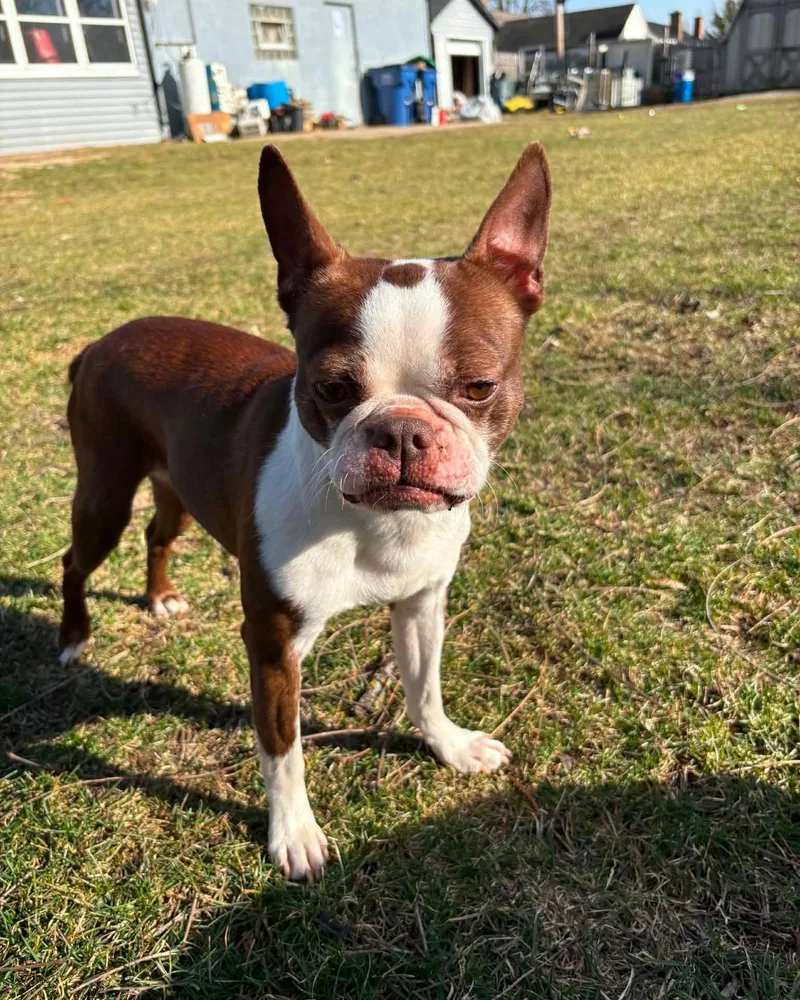
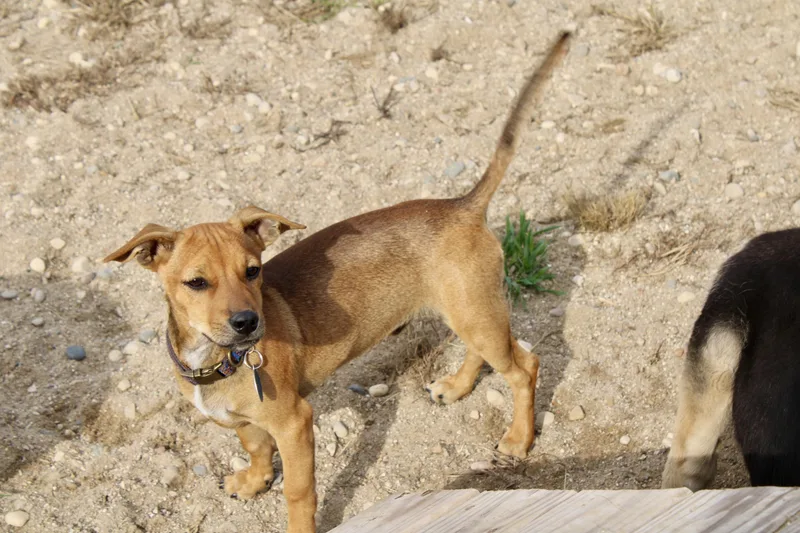
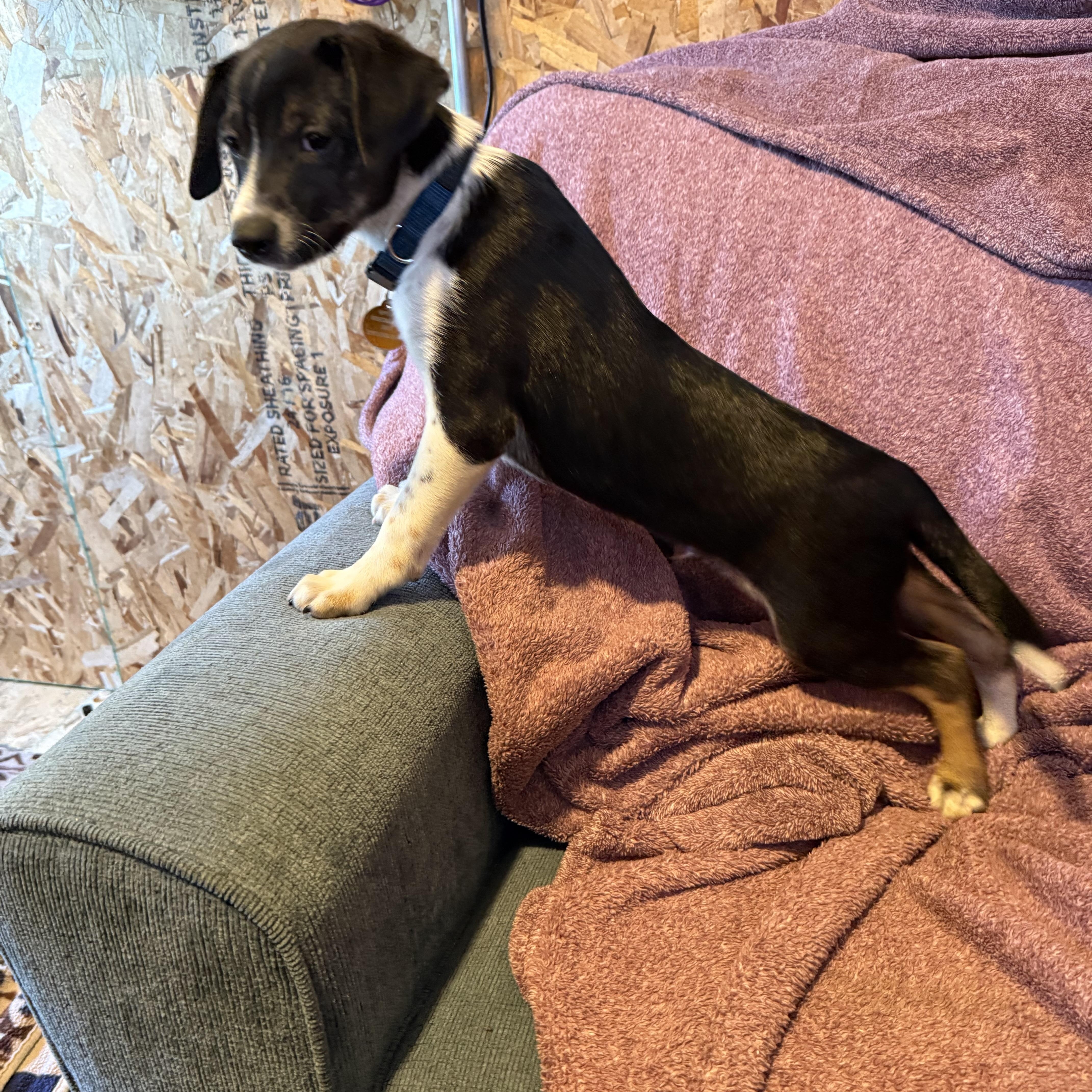
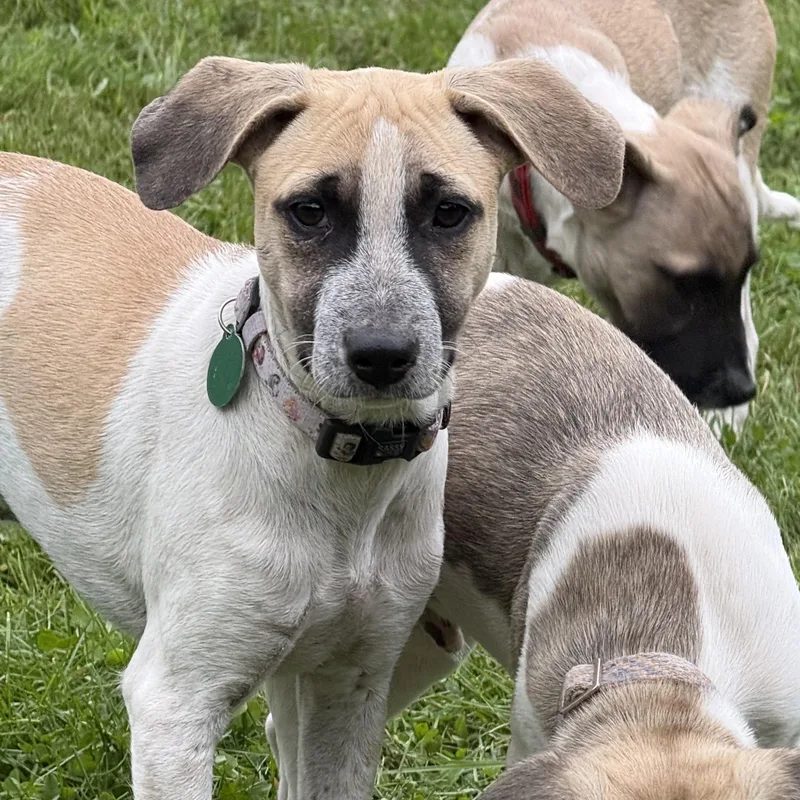
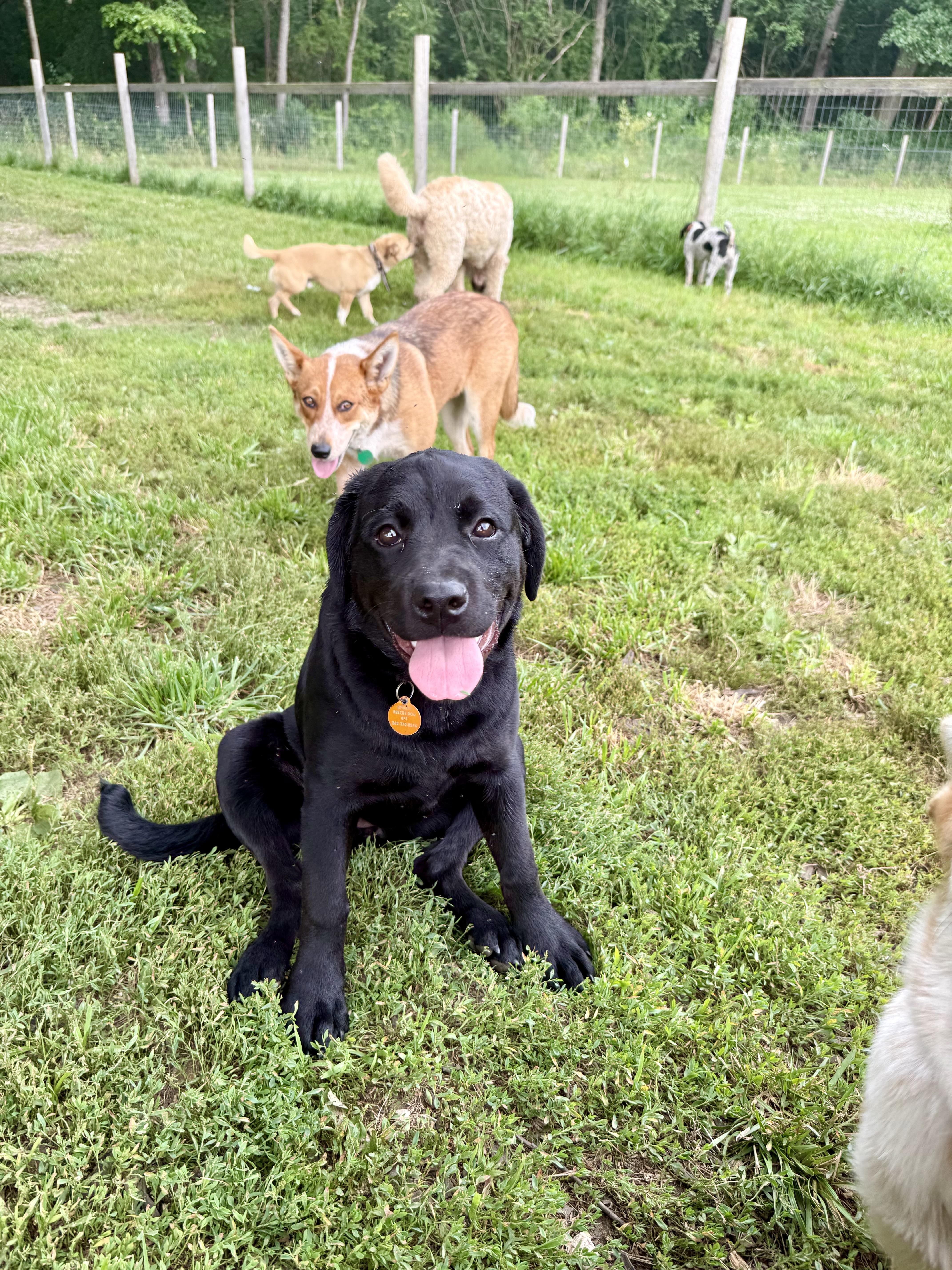
Black Labrador Retriever Dogs for Adoption in Waukesha, WI

Your guide to finding and caring for a Black Labrador Retriever in Waukesha

A black Lab suits Waukesha well if you like being outside in every season. Walks along the older blocks of East Broadway or around Caples' Park give a young Lab plenty to sniff, and a drive out to Minooka Park on Sunset Drive adds off-leash running and a beach for swimming. Most city parks don't allow dogs, so neighborhood walks will do most of the work. Labs love snow and water alike, and they'll expect a towel-off afterward.

3234 Black Labrador Retrievers available in Waukesha and nationwide

Find your Black Labrador Retriever

While we don't have enough dogs near Waukesha, keep in mind that many rescues may offer transport.

Black Labrador Retrievers Available for Adoption Near Waukesha

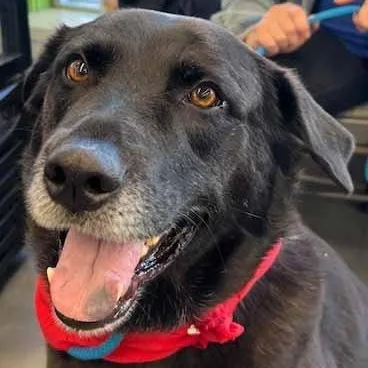
About the Black Labrador Retriever breed

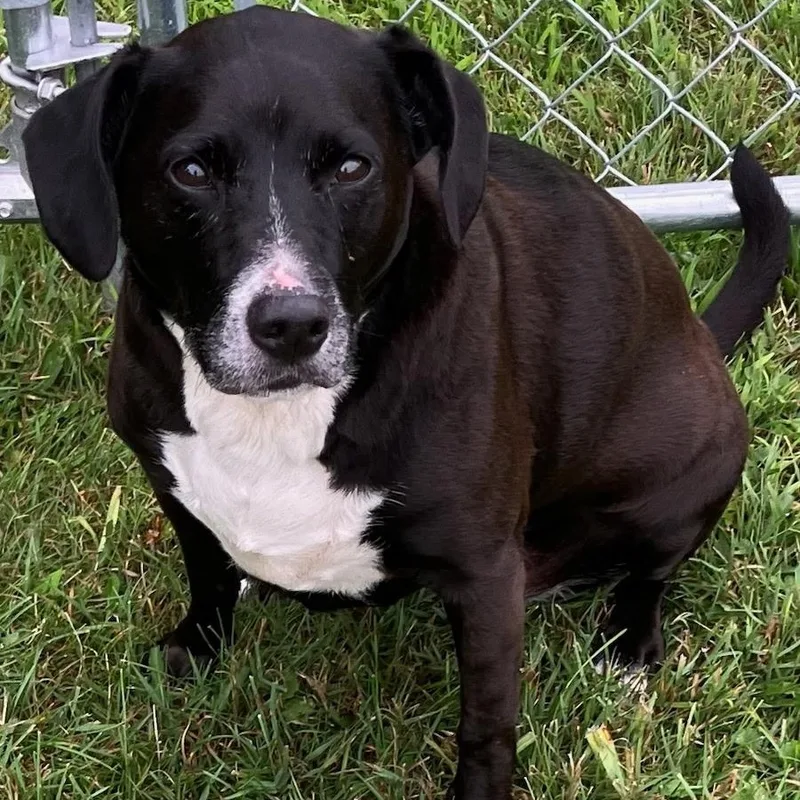
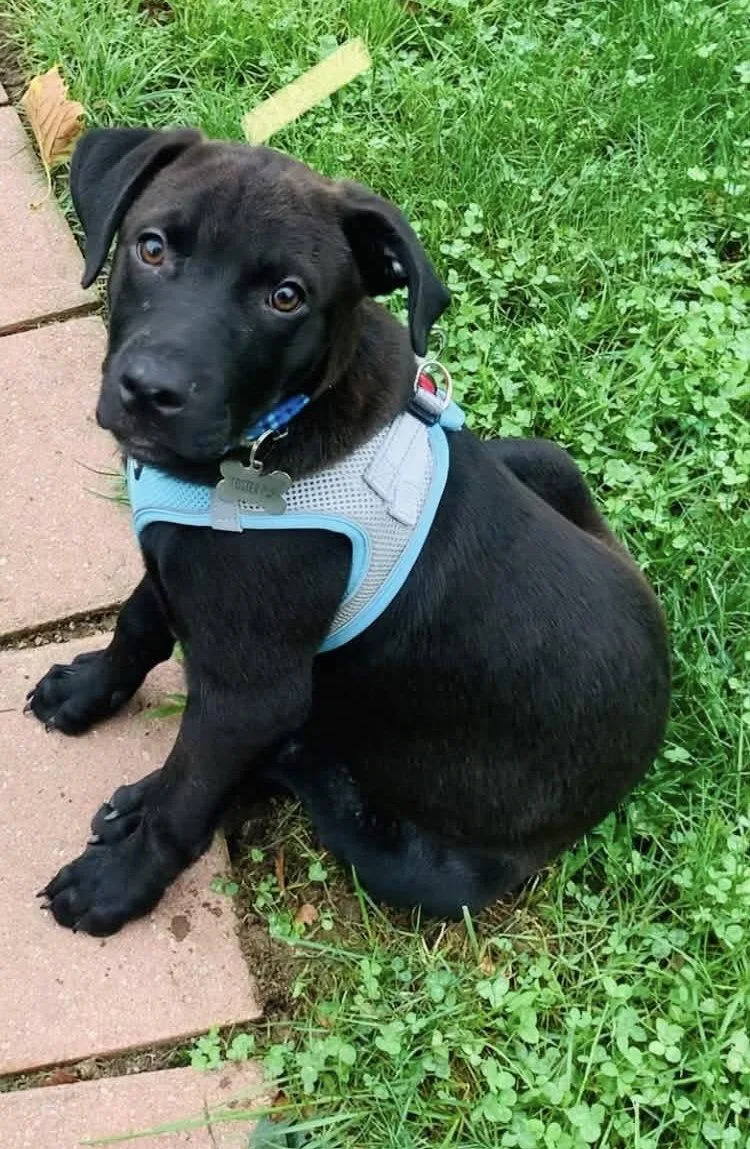
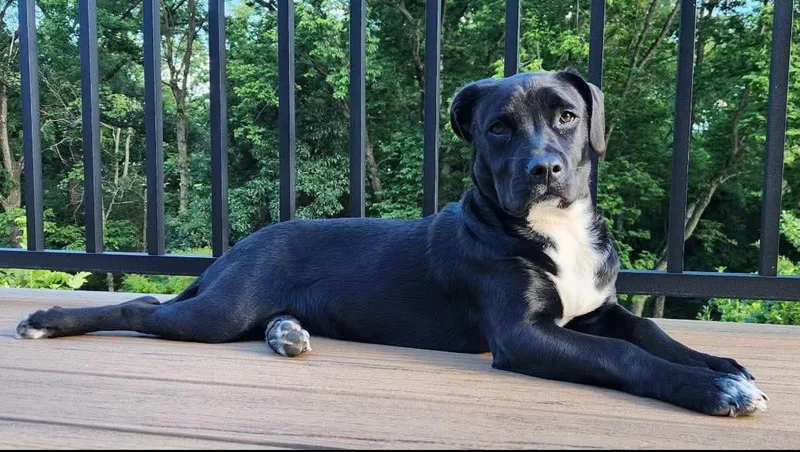
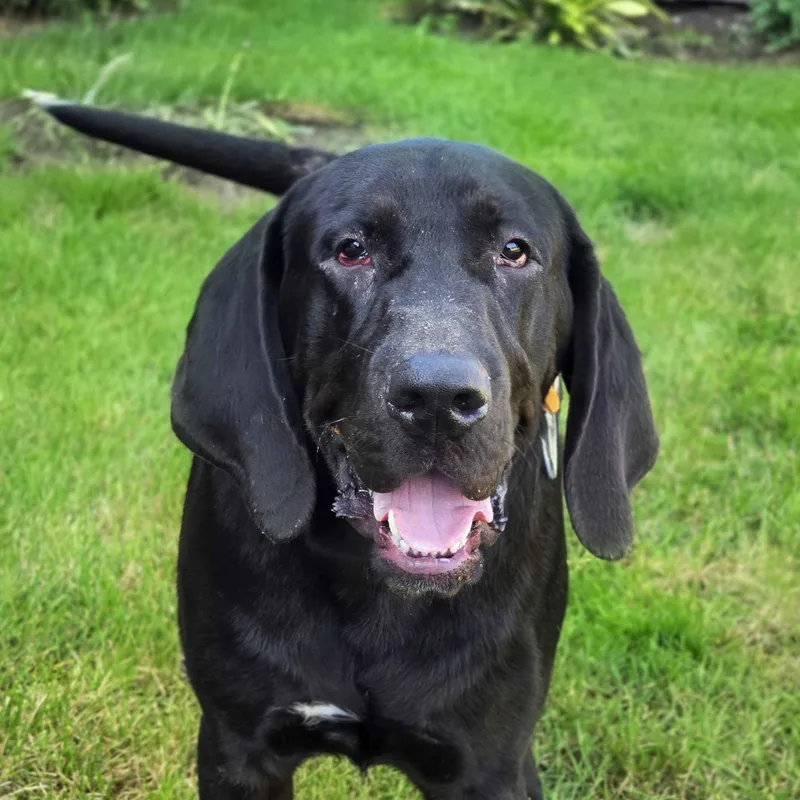
A black Lab is a Labrador Retriever in the breed's original and most familiar coat, not a separate breed. The earliest Labs descended from the St. John's water dogs of Newfoundland, were refined in Britain as gun dogs, and were mostly black. Most stand about 21 to 25 inches tall and weigh 55 to 80 pounds, with a broad head, an otter tail and a dense, water-resistant double coat.

Color doesn't change personality. Black Labs tend to be friendly, food-motivated and eager to please, though dogs vary, and field-bred dogs are often leaner and more driven than show-bred ones. In Waukesha, that coat handles cold, snowy months well, but it sheds heavily in spring and fall. Labs mature slowly and stay bouncy through adolescence, so consistent training and measured portions matter.

Weight
55–80 lbs
Height
21–25 in
Lifespan
10–14 yrs
Temperament
Friendly, Outgoing, Active
Group
Sporting
Shedding
Moderate to High

Owning a Black Labrador Retriever in Waukesha

Having a Black Labrador Retriever in Waukesha

Energy, appetite and seasonal shedding shape daily life with a black Lab far more than coat color does. Waukesha's cold winters and nearby water suit an active Lab, but a dog's age and drive vary, so match them to your routine.

Temperament

Black Labs are usually outgoing and affectionate with family, visitors and other dogs, and many are patient with respectful children. Young dogs can be mouthy and boisterous. Their love of food makes reward-based training work well, which helps on busy Waukesha sidewalks. A dog's age, history and socialization say more than breed reputation or coat color.

Exercise Needs

Plan on vigorous daily activity once a Lab is grown: brisk walks, fetch, swimming or running. Because most Waukesha city parks don't allow dogs, residential-street walks and trips to Minooka Park's dog exercise area carry much of the load. Scent games and short training sessions help fill long winter days indoors.

Health Considerations

Labs can be affected by hip and elbow dysplasia, cruciate ligament tears, exercise-induced collapse and progressive retinal atrophy. Obesity is common, and ear infections and skin allergies also occur, especially after swimming. Have a veterinarian check hips and elbows, keep weigh-ins regular, dry the ears after water play, and ask about year-round parasite prevention.

Living Space

A black Lab can do well in a house or an apartment when daily exercise is covered. A fenced yard makes play easier but doesn't replace walks. Waukesha's snow and slush mean you'll want a spot by the door for towels and paw wipes. Expect shed hair, a sweeping tail and a dog that wants to live indoors.

What it costs to own a Black Labrador Retriever in Waukesha

ExpenseTypical costPer year
Adoption fee$600, one time$600 in year one
Food$55 to $110 per month$660 to $1,320
Pet insurance$65 to $130 per month$780 to $1,560
Routine vet care$250 to $500 per year$250 to $500
Other*$590 to $1,490 per year$590 to $1,490
Estimated yearly total (after year one)$2,280 to $4,870
First-year total (with adoption fee)$2,880 to $5,470

Adoption fee is the fee on Black Labrador Retriever listings in Waukesha on GetBuddy today. Other costs are estimates and vary with size, age and health.

* The yearly Waukesha dog license, flea, tick and heartworm prevention, a dental cleaning, toys and bedding, and brushing and baths for heavy seasonal shedding.

Adopt a Black Labrador Retriever in Waukesha.

Now that you know more, let’s find you a new best friend. These rescues and shelters below currently have Black Labrador Retrievers available.

Rescues in Waukesha with Black Labrador Retrievers Available

Waukesha's rescues and shelters listed below care for dogs of all breeds and sizes, and their listings change often. Here are the rescues & shelters in the Waukesha area where you can find Black Labrador Retrievers and other dogs available for adoption.

Frequently Asked Questions

Yes, no breed-specific rule is known in Waukesha, so black Labs are treated like any other dog. You'll need a yearly dog license and a rabies vaccination, and households are limited to two dogs. Wisconsin holds owners liable for damage a dog causes, so training and a secure leash matter for a strong, energetic Lab.

Yes, most black Labs handle Waukesha winters well thanks to their dense, water-resistant double coat. They still need care: when nights hit 0°F or below, shorten walks, wipe off salt and ice, and consider a coat for seniors or lean field-type dogs. Wisconsin law also requires shelter for any dog kept outdoors in harmful weather.

Minooka Park on Sunset Drive is the best bet for a Lab, with a large-dog exercise area and a beach where dogs can swim. Skip the water if signs close it for algae or bacteria. MacArthur Dog Run is another off-leash option. Most other city parks, including Frame and Lowell, don't allow dogs.

Yes, a black Lab can live in a Waukesha apartment if its daily exercise is covered, but it's a big dog and its sweeping tail and shedding take up space. Look for easy access outdoors, confirm weight limits in the lease, and plan on several walks a day, since there's no yard to fall back on.

Sometimes, but only outdoors. Wisconsin's food code lets dogs into exterior outdoor dining areas, never inside, and requires a separate entrance and approved signage. Dogs can't sit on chairs or tables, and restaurants can't serve them food. Each restaurant decides whether to allow dogs, so look for posted signs and bring a mat for your Lab.

A black Lab needs brushing a couple of times a week, and daily during the heavy spring and fall sheds, plus a bath every month or two. Waukesha's winters mean salt and slush, so wipe paws and rinse the belly after walks. Trim nails regularly and dry the ears after swimming. Most owners handle this at home, within the Other costs listed above.

A black Lab is a good fit for Waukesha if you're active outdoors year-round and home enough to give daily exercise. Snowy walks and nearby swimming suit them, but with few dog-friendly city parks you'll rely on neighborhood walks and the county dog areas. Labs generally dislike long days alone, so consider your work schedule.

A Labrador Retriever is a large sporting dog developed to retrieve game for hunters, especially from water. Labs have a short, dense double coat, a thick otter tail and a broad head, and they come in black, yellow and chocolate. Many are friendly, food-motivated and eager to work, which makes them common family, guide and service dogs.

We have 1 rescue with Black Labrador Retrievers available: Hooves and Paws of my Heart Rescue. You can see every rescue with Black Labrador Retrievers available in the list above these questions, or scroll to the top to see the Black Labrador Retrievers near Waukesha.

Expect about $55–$110 a month for food and $65–$130 for pet insurance, plus $250–$500 a year for routine veterinary care and $590–$1,490 a year for other costs such as parasite prevention, dental care, the license and grooming supplies. Together that's roughly $2,300 to $4,900 a year before any emergencies.