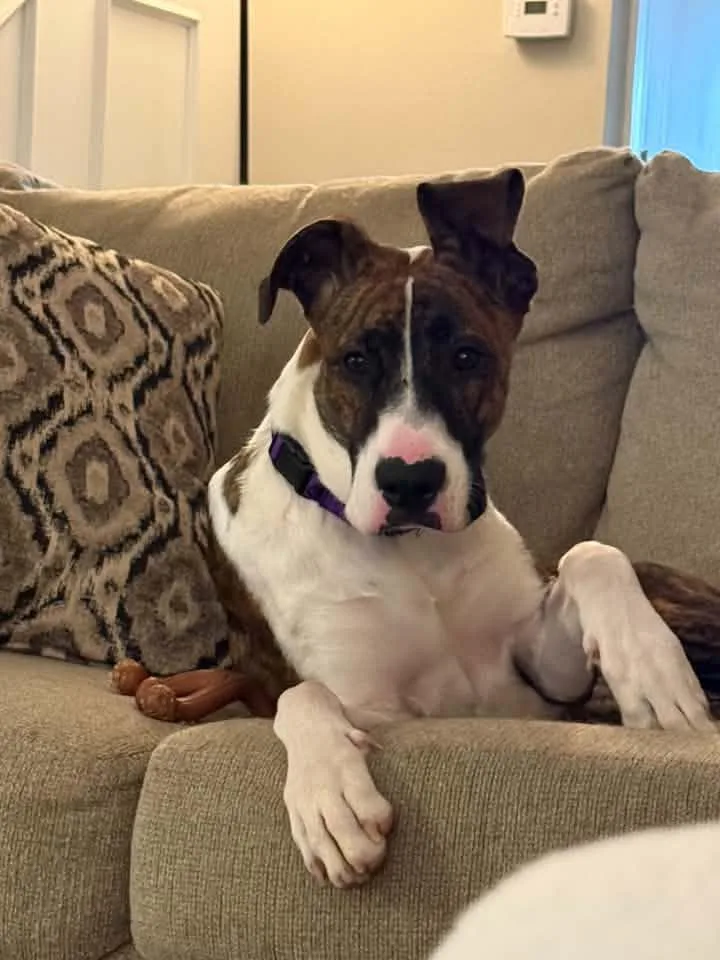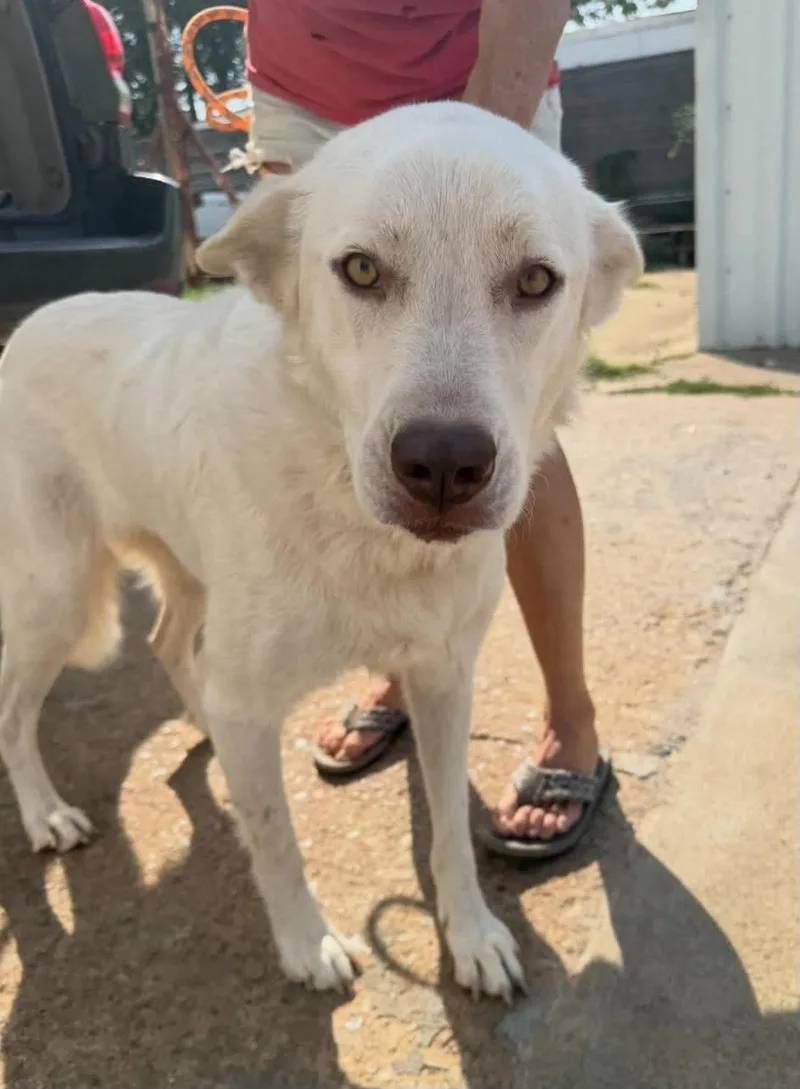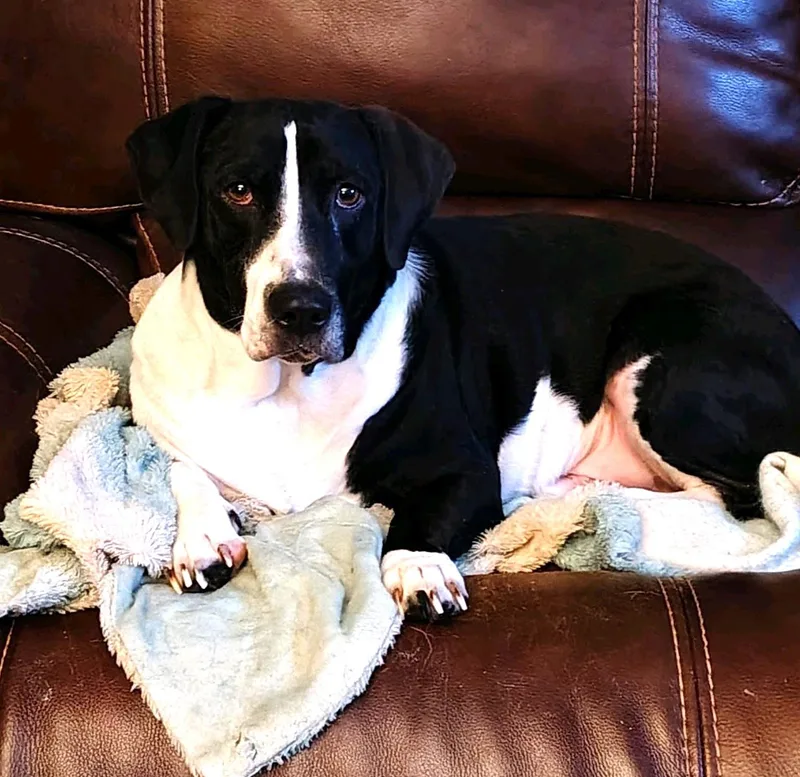


Labrador Retriever Dogs for Adoption in Milwaukee, WI

Your guide to finding and caring for a Labrador Retriever in Milwaukee

Labrador Retrievers suit Milwaukee's outdoorsy, four-season routine. The leashed paths around Washington Park give a big Lab room to stretch out, and the bungalows and duplexes of Riverwest work well for a dog who wants to be wherever the family is. Many Labs shrug off snow, though they come home wet, so keep a towel by the door. Most do best with people who are home a fair amount and up for daily fetch.

14947 Labrador Retrievers available in Milwaukee and nationwide

Fall for a Labrador Retriever

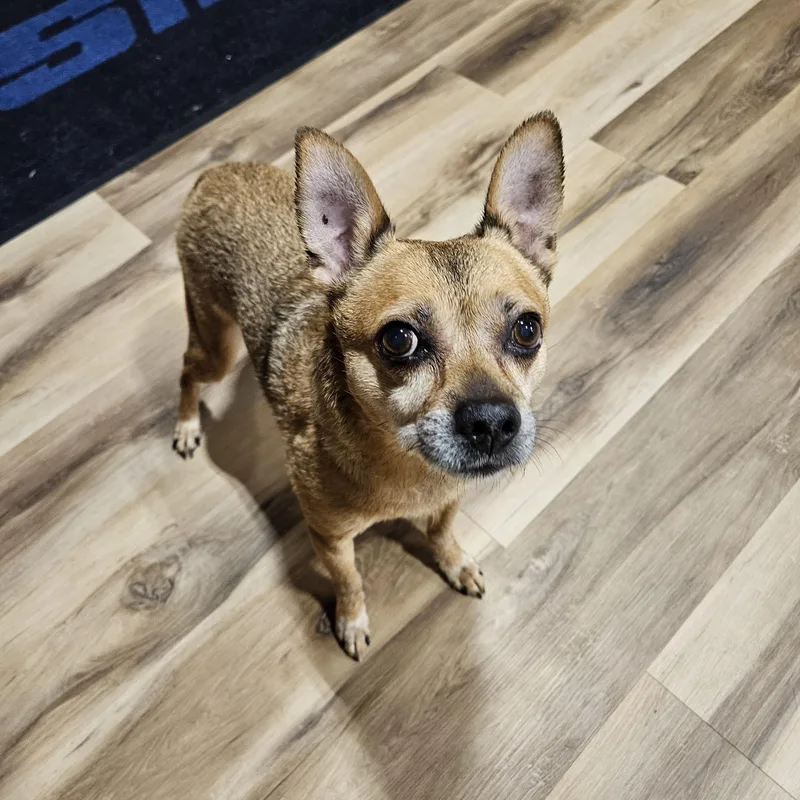
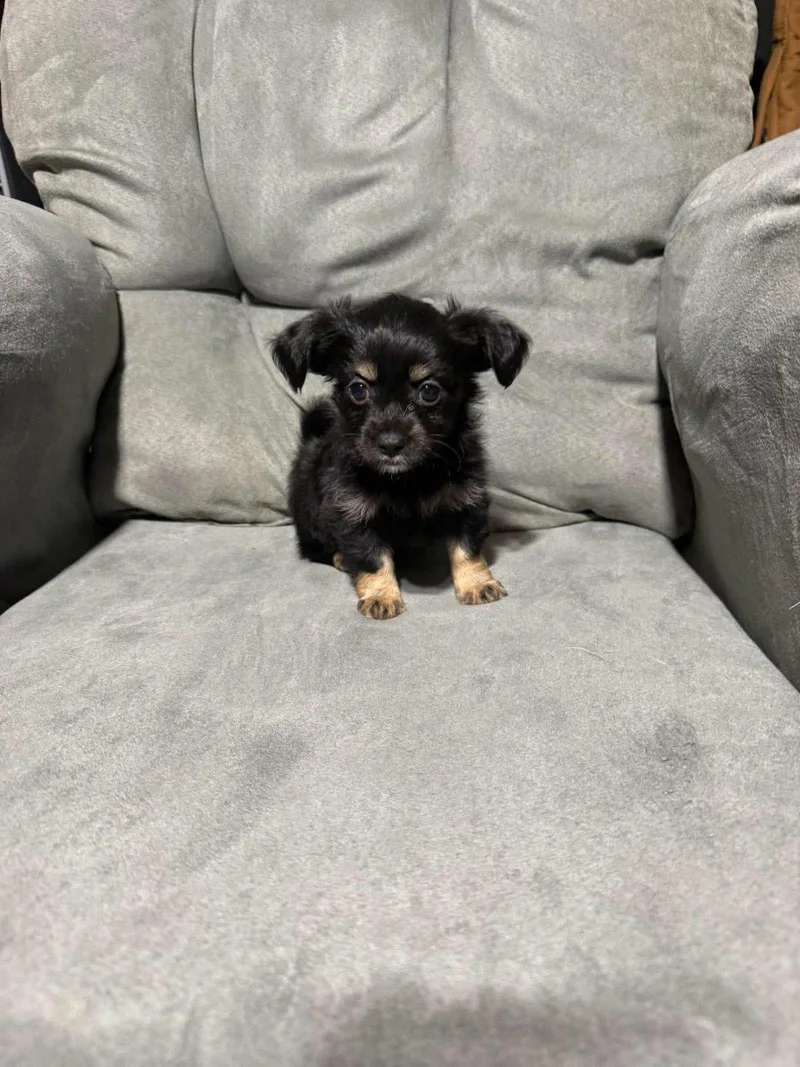
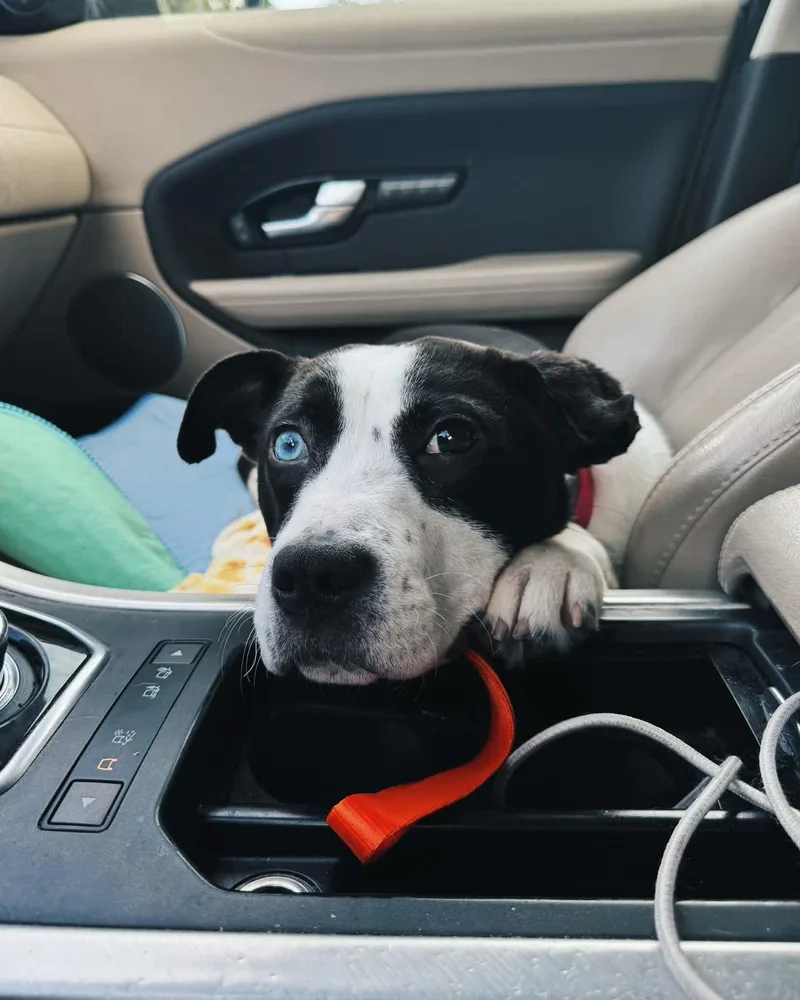
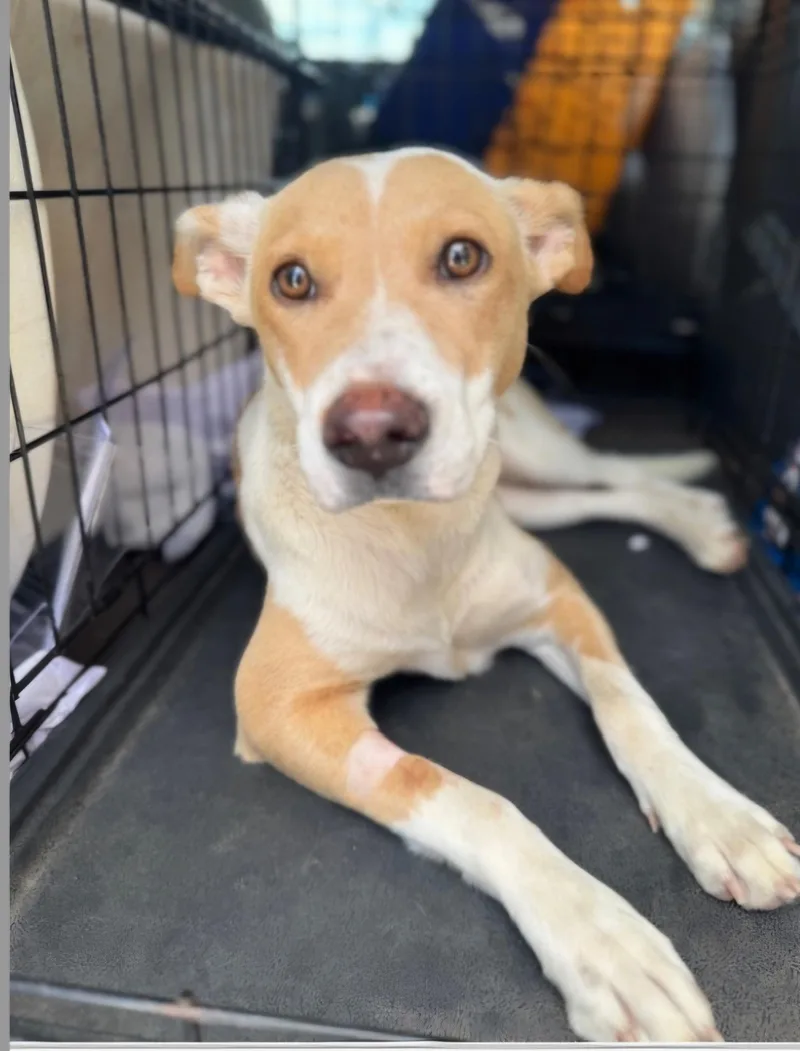
Labrador Retrievers Available for Adoption Near Milwaukee

About the Labrador Retriever breed

Labs descend from the St. John's water dogs of Newfoundland, refined in Britain into gun dogs that retrieve game from land and water. That history explains the dense, water-resistant double coat, the thick otter tail and the webbed toes. Coats come in black, yellow and chocolate, and field-bred Labs tend to be leaner and more driven than show-bred ones.

Most Labs are sociable and eager to please, which is why they work so often as guide and assistance dogs. In Milwaukee, that double coat is a real asset in winter, but expect heavy shedding in spring and fall. Adolescence can stay bouncy until two or three years old, and every Lab's energy and manners vary.

Weight
55–80 lbs
Height
21–25 in
Lifespan
10–14 yrs
Temperament
Friendly, Outgoing, Active
Group
Sporting
Shedding
Moderate to High

Owning a Labrador Retriever in Milwaukee

Having a Labrador Retriever in Milwaukee

Labs pair an open, people-loving outlook with a body built for hours of retrieving. In Milwaukee, that means plenty of outdoor time in every season, a good towel routine, and a close eye on weight through the long winter. Each Lab's energy depends on age and background.

Temperament

Many Labs are friendly with family, visitors and other dogs, which helps on busy Milwaukee sidewalks and at dog parks. Young Labs can be bouncy and mouthy, and an excited jump can topple small children. Food motivation usually makes reward-based training work well. A Lab's history and socialization say more than breed reputation.
Exercise Needs

Most adult Labs need an hour or more of active exercise daily, split between brisk walks and games like fetch or tug. Milwaukee's county trails and dog exercise areas help, but dark winter evenings need a backup, such as indoor training games and scent puzzles. Field-bred Labs often need more, and puppies should skip long runs on hard pavement.

Health Considerations

Labs are prone to hip and elbow dysplasia, cruciate ligament injuries, exercise-induced collapse, and ear and skin trouble. Obesity is the most preventable problem, and it can creep in when Milwaukee winters cut walks short, so measure meals. Icy sidewalks are hard on stiff joints, so ask a veterinarian about joint care for older Labs.

Living Space

A Lab can live in a Milwaukee duplex, bungalow or apartment if daily exercise is dependable. A fenced yard helps but isn't required. Expect a heavy tail at coffee-table height, a lot of shed hair, and a dog that wants to live indoors with the family rather than out in a yard.

What it costs to own a Labrador Retriever in Milwaukee

ExpenseTypical costPer year
Adoption fee$264 to $475, one time$264 to $475 in year one
Food$55 to $110 per month$660 to $1,320
Pet insurance$65 to $130 per month$780 to $1,560
Routine vet care$250 to $500 per year$250 to $500
Other*$587 to $1,475 per year$587 to $1,475
Estimated yearly total (after year one)$2,277 to $4,855
First-year total (with adoption fee)$2,541 to $5,330

Adoption fee is the range of fees on Labrador Retriever listings in Milwaukee on GetBuddy today. Other costs are estimates and vary with size, age and health.

* The Milwaukee County dog license, flea, tick and heartworm prevention, a dental cleaning allowance, toys and bedding, and brushing and baths for heavy seasonal shedding.

Adopt a Labrador Retriever in Milwaukee.

Now that you know more, let’s find you a new best friend. These rescues and shelters below currently have Labrador Retrievers available.

Frequently Asked Questions

Yes, you can own a Labrador Retriever in Milwaukee, and no breed-specific rules apply. Every dog and cat kept in the city must be microchipped and registered with a pet recovery database, and dogs need a current rabies vaccination. Apartments and other multi-family homes allow no more than four dogs, cats and rabbits combined, so count your current pets.

Yes, most Labs handle Milwaukee winters well thanks to their dense double coat, but they still need care. The city gets about 49 inches of snow a year, so keep walks short when it's bitter, wipe paws after ice and road salt, and dry your Lab afterward. Dogs should sleep indoors, and older Labs may struggle on icy sidewalks.

Yes, a Labrador Retriever can live in a Milwaukee apartment if its routine is reliable. Plan on brisk walks morning and evening, a midday break if you work away, and daily games or puzzles, since bored young Labs chew. Ground-floor or elevator access makes icy-weather potty trips much easier with a large dog.

Granville Dog Park, the city's largest off-leash area, gives a Lab room to run, and Roverwest, Bay View and the Downtown Dog Park are smaller options. All require a county dog park permit, and dogs must wear license and rabies tags. Owners can bring no more than three dogs, and puppies under six months should stay home.

No, a full-size Labrador Retriever can't ride Milwaukee County Transit System buses, including CONNECT 1, or The Hop streetcar. Both allow only service animals, or small pets in a closed carrier that fits on your lap. A Lab weighing 55 to 80 pounds won't fit one, so plan on walking or driving.

Yes, but only on some outdoor patios. Wisconsin's food code lets restaurants allow dogs in exterior dining areas, never inside, and it requires a separate entrance and approved signage. Whether a Milwaukee patio welcomes dogs is each restaurant's choice, so look for posted signs. A Lab should settle quietly at your feet, since staff can't serve it food.

A Lab needs weekly brushing most of the year and near-daily brushing during the heavy sheds in spring and fall. Baths are only needed when your dog is muddy or smelly, and winter salt calls for paw wipes. Grooming costs fall under the Other line in the cost table, which counts brushing supplies and occasional baths.

Most Labrador Retrievers live about 10 to 14 years. A large UK veterinary study found a median lifespan of 12 years, with chocolate Labs living about a year and a half less on average than black or yellow ones. Healthy weight, regular veterinary care and good dental and joint care all help, but no lifespan is guaranteed.

We have 3 rescues with Labrador Retrievers available: Basset Buddies Rescue, Lucky Mutts Rescue and Rescue Gang. You can see every rescue with Labrador Retrievers available in the list above these questions, or scroll to the top to see the Labrador Retrievers near Milwaukee.

Expect roughly $2,300 to $4,900 a year for a Lab in Milwaukee. That covers food at $55 to $110 a month, insurance at $65 to $130 a month, routine vet care at $250 to $500 a year, and about $587 to $1,475 in other yearly costs. Big appetites and heavy shedding push costs toward the higher end.