Akita dog

Akita Dogs for Adoption in Milwaukee, WI

Your guide to finding and caring for an Akita in Milwaukee

Akitas suit Milwaukee's quieter residential streets, where a big, reserved dog can settle into a steady routine. On the tree-lined blocks of Story Hill or among the bungalows and duplexes of Layton Park, a calm, watchful Akita fits right in, as long as there's a fenced yard or a patient leash routine instead of a crowded dog park. Winters here match that thick double coat well. Most Akitas bond closely with their own household and stay aloof with visitors, so plan on slow introductions.

454 Akitas available in Milwaukee and nationwide

Your Akita is waiting

While we don't have enough dogs near Milwaukee, keep in mind that many rescues may offer transport.

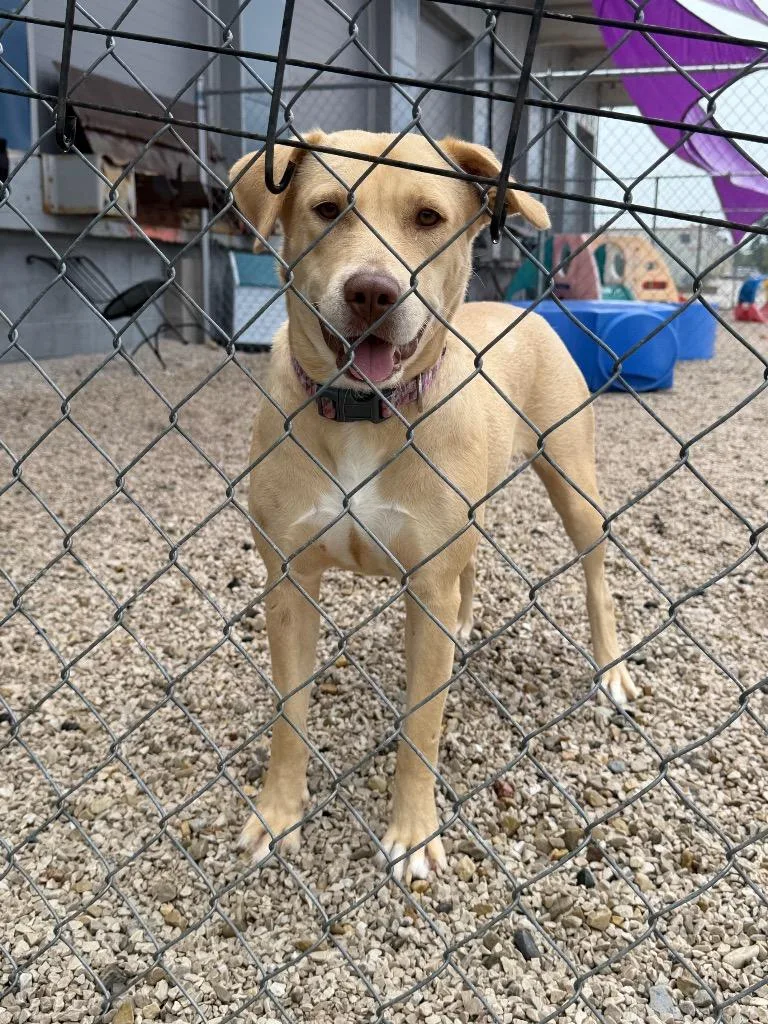
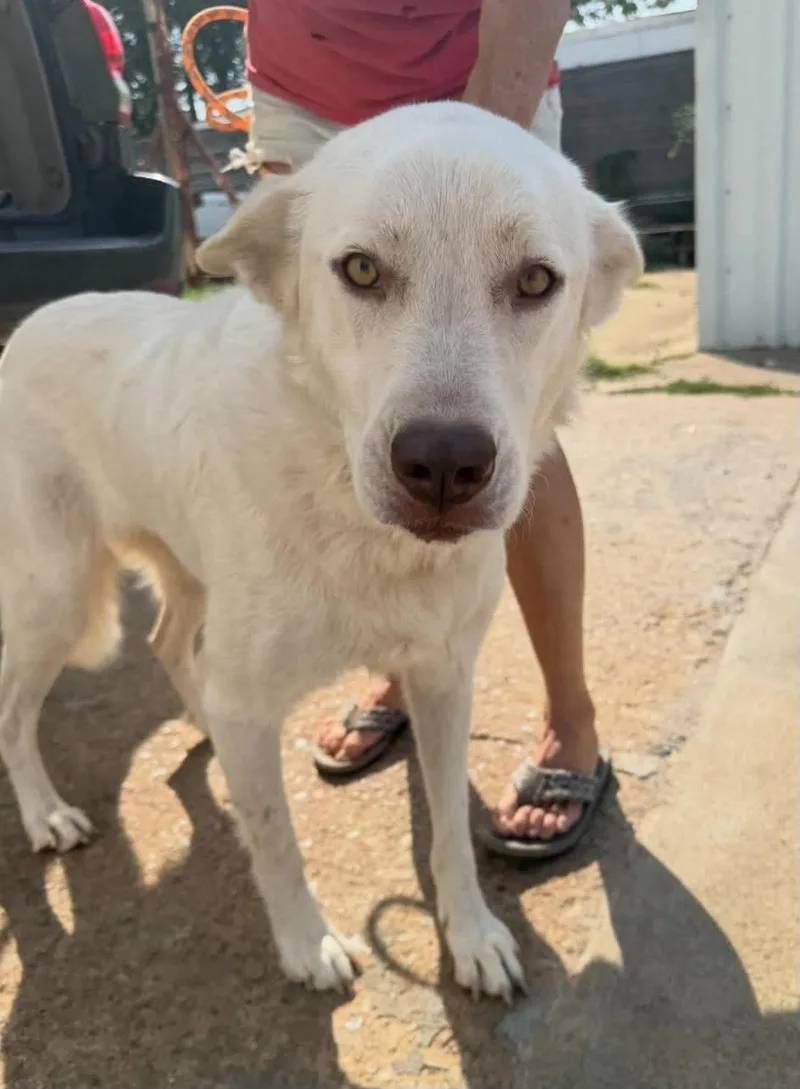
Akitas Available for Adoption Near Milwaukee

About the Akita breed

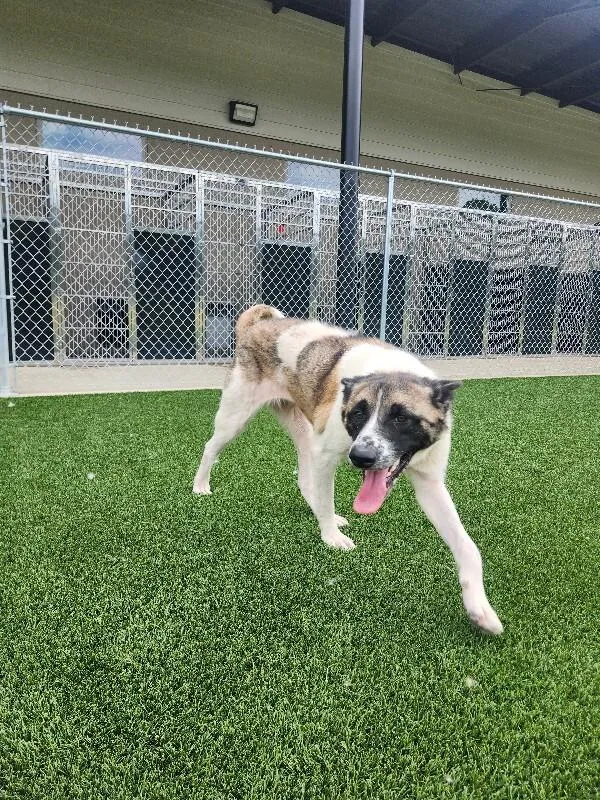
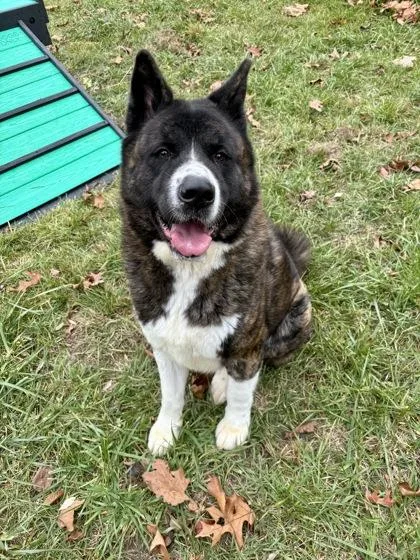
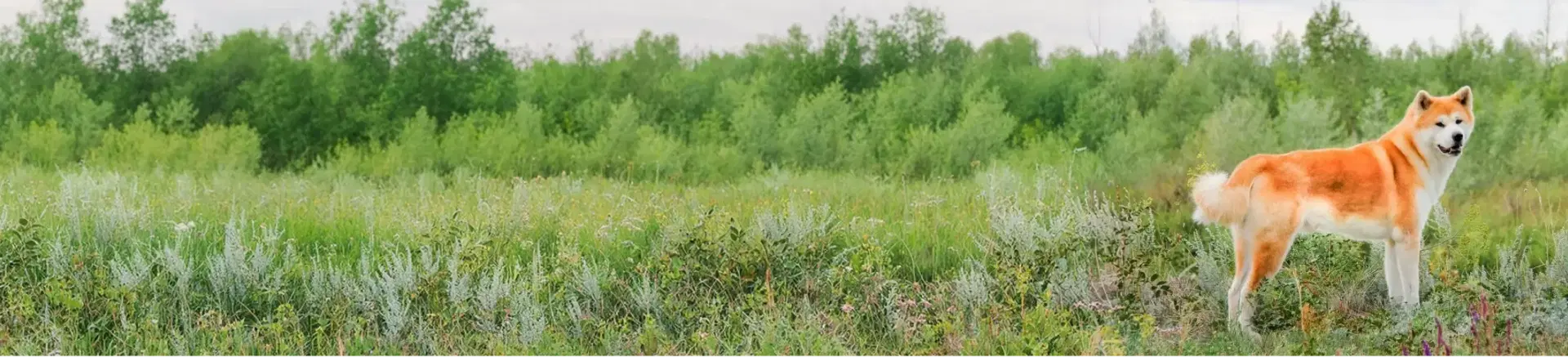
Akitas come from the snowy mountains of northern Japan, where spitz-type hunting dogs worked bear, boar and serow before later guarding estates. The American-type Akita is the heavier, bear-headed version, with a broad head, small upright ears, a plush double coat and a large tail curled over the back. Males often reach 100 to 130 pounds, while females commonly run 70 to 100.

Many Akitas are quiet, dignified and devoted to their own people, and reserved with strangers. Guarding instincts are common, and some don't tolerate other dogs, especially of the same sex. Expect heavy shedding, with a coat blowout about twice a year, and plan on patient, consistent, reward-based training. Each Akita's personality varies, so spend time getting to know the dog you're considering.

Weight
70–130 lbs
Height
24–28 in
Lifespan
10–14 yrs
Temperament
Loyal, Dignified, Protective, Independent
Group
Working
Shedding
High

Owning an Akita in Milwaukee

Having an Akita in Milwaukee

Quiet loyalty in a large, powerful dog is the Akita's draw. In Milwaukee, the heavy coat, guarding instinct and wariness of other dogs shape daily life more than looks do, from snowy winter walks to how you manage visitors and neighborhood dogs.

Temperament

Akitas are typically calm and affectionate with family but reserved with strangers, and many dislike other dogs, especially of the same sex. On Milwaukee sidewalks and in shared hallways, that means giving other dogs room and introducing visitors slowly. Consistent, reward-based training suits their independent streak, though every Akita's personality differs.

Exercise Needs

Plan on moderate daily exercise: brisk neighborhood walks, sniffing outings and play in a securely fenced yard. Leashed dogs are welcome in most Milwaukee County parks, with a 6-foot leash limit. Akitas are rarely good dog park candidates, so quieter routes often work better. Short training sessions help, and puppies should avoid hard, repetitive exercise.

Health Considerations

Akitas can develop hip dysplasia, hypothyroidism, bloat and immune-related conditions, plus eye problems such as progressive retinal atrophy and glaucoma. Their red blood cells hold extra potassium, which can skew lab results, so mention the breed at every veterinary visit. A veterinarian can check hips, thyroid, skin and eyes, and regular checkups matter.

Living Space

An Akita can manage a house or an apartment with daily exercise, but its size and wariness of strangers make busy hallways and shared stairwells harder. A Milwaukee duplex or bungalow with a fenced yard is a comfortable fit. Keep the dog indoors with the family, with a cool spot in warm weather.

What it costs to own an Akita in Milwaukee

ExpenseTypical costPer year
Food$55 to $110 per month$660 to $1,320
Pet insurance$65 to $130 per month$780 to $1,560
Routine vet care$250 to $500 per year$250 to $500
Other*$587 to $1,474 per year$587 to $1,474
Estimated yearly total (after year one)$2,277 to $4,854

Other costs are estimates and vary with size, age and health.

* The Milwaukee County dog license ($12 altered, $24 intact), flea, tick and heartworm prevention, a dental cleaning allowance, toys and bedding, and brushing and baths for heavy seasonal coat blowouts.

Adopt an Akita in Milwaukee.

Now that you know more, let’s find you a new best friend. These rescues and shelters below have dogs available in and near Milwaukee.

Rescues and Shelters in or near Milwaukee

Milwaukee's rescue community includes the county's open-admission animal shelter and nonprofit groups caring for dogs of every size. Here are the rescues & shelters in the Milwaukee area with dogs available for adoption, worth asking whether an Akita is coming in.

Frequently Asked Questions

Often, yes, for adopters who like a calm, watchful dog and cold-weather walks. Akitas handle Milwaukee winters well and do fine in a house or a duplex with a fenced yard. They're less suited to crowded, dog-heavy settings, since many dislike other dogs and stay reserved with strangers. Plan for steady training and heavy shedding.

Yes. The thick double coat suits a city that averages about 123 nights at or below freezing and roughly 49 inches of snow a year. Keep outings shorter on the coldest days, wipe off ice and road salt, and keep the dog indoors with the family. On subzero nights, stick to quick potty trips.

It can, if the dog gets daily walks and calm handling. Many Milwaukee landlords set size or breed limits, so get the rules in writing first. A quiet building or low-traffic unit helps a wary Akita, since busy hallways can be stressful. Multi-family buildings also cap households at four dogs, cats and rabbits combined.

Leashed walks on county park paths and the Oak Leaf Trail suit most Akitas, with a 6-foot leash limit. Washington Park, Lake Park and Riverside Park are good leashed-walk options. Granville Dog Park and Bay View Dog Park offer off-leash space with a county permit, but many Akitas do better away from unfamiliar dogs.

No, not unless the dog is a service animal. MCTS buses, including CONNECT 1, and The Hop streetcar allow only service animals or pets in a closed carrier that fits on a rider's lap. A 70-to-130-pound Akita can't fit, so plan on walking or driving for vet trips and outings.

Brush an Akita a couple of times a week, and daily during the heavy coat blowouts, which often come in spring and fall. Milwaukee's cold winters make the double coat useful, so don't shave it. Baths are only occasional. Professional help during blowouts falls within the Other line of the cost table.

Only to outdoor patios, and only where the restaurant allows it. Wisconsin's food code lets dogs into exterior dining areas with a separate entrance, but never inside, and each restaurant decides. An Akita's wariness of strangers and other dogs makes busy patios tricky, so a quiet spot and a settled dog matter.

An Akita is a large, powerful spitz-type dog from northern Japan, known for its plush double coat, upright ears and tail curled over the back. In the United States, the Akita is the heavier American type, while the lighter Japanese Akita Inu is now registered separately. Many Akitas are devoted to their family, reserved with strangers and selective about other dogs.

An Akita is a big, heavy-boned dog with a broad, bear-like head, small deep-set eyes and thick triangular ears that stand upright. Its dense double coat is about two inches long, and its full tail curls over the back. American-type Akitas come in almost any color, including white, brindle and pinto, often with a dark mask.

Expect roughly $2,300 to $4,850 a year for an adult Akita in Milwaukee. Food runs $55 to $110 a month and pet insurance $65 to $130 a month, while routine vet care is $250 to $500 a year. Other costs, including the license, parasite prevention, dental care and coat grooming, add $587 to $1,474 a year.

Find Akitas in Nearby Cities

Expand your search to find Akitas available for adoption near Milwaukee.