Borzoi Dogs for Adoption in Woodinville, WA

Your guide to finding and caring for a Borzoi in Woodinville

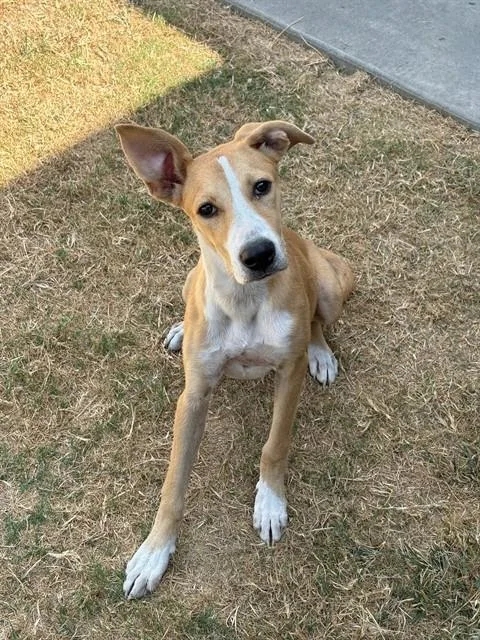
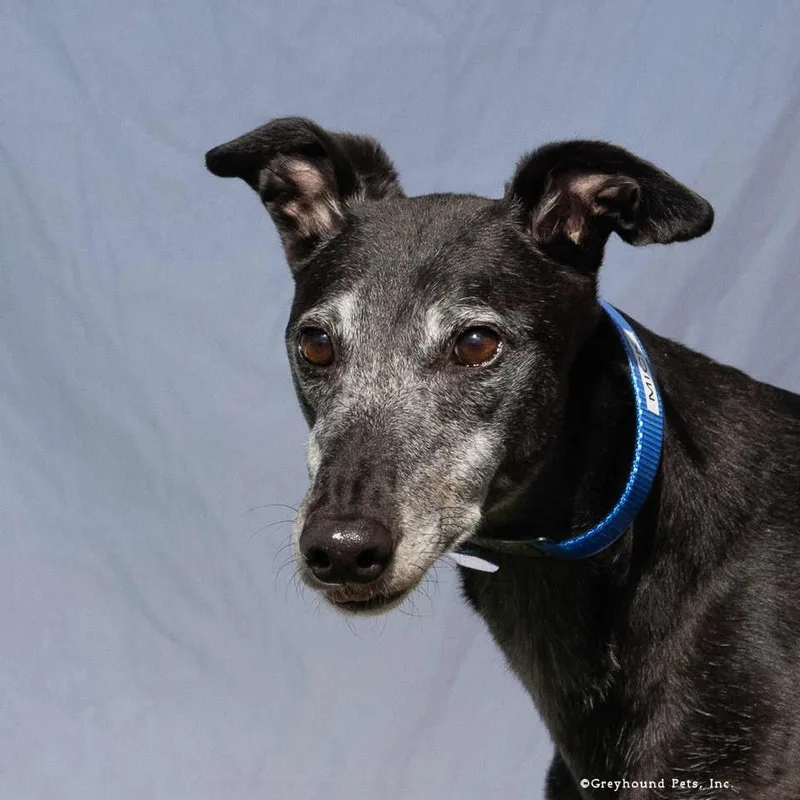
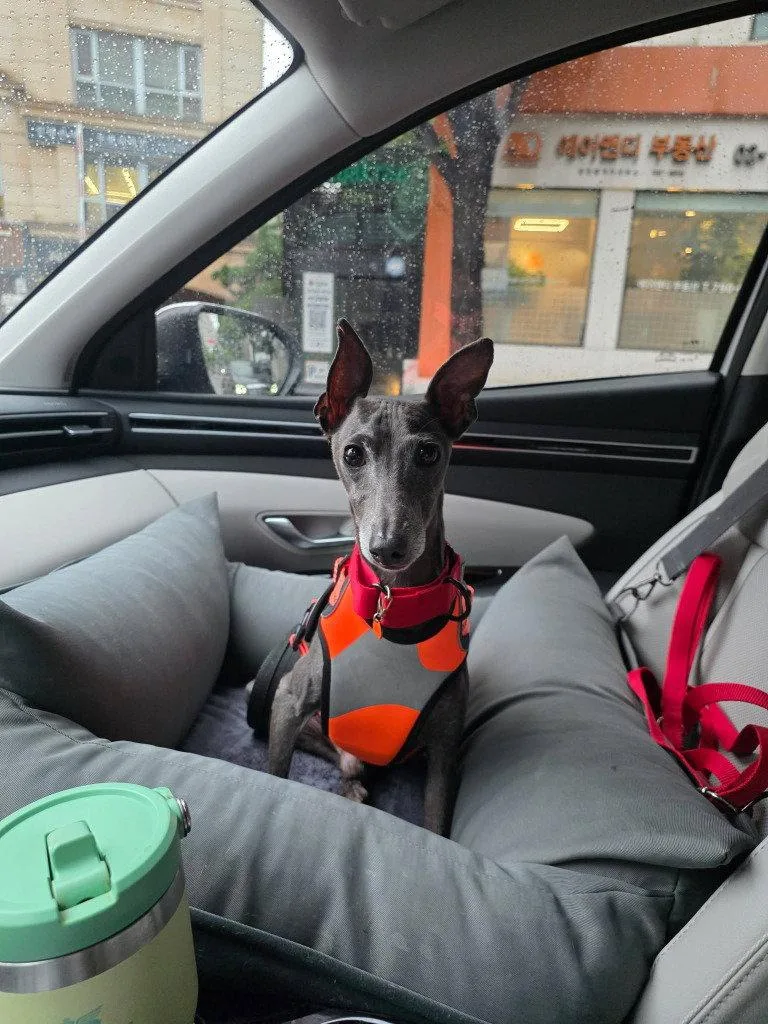
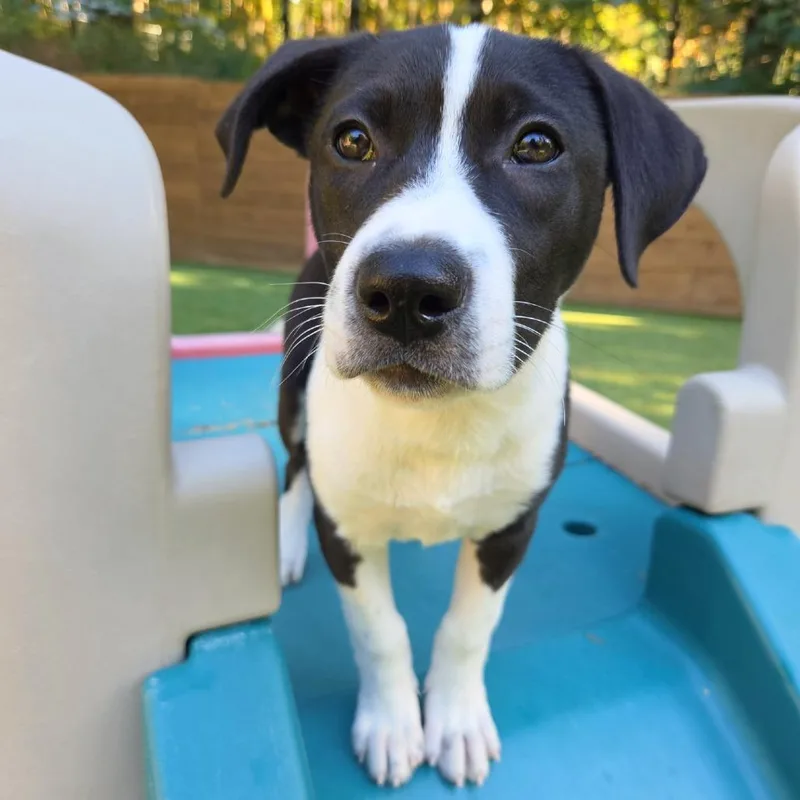
534 dogs similar to Borzoi available in Woodinville and nationwide

Adopt a Borzoi today

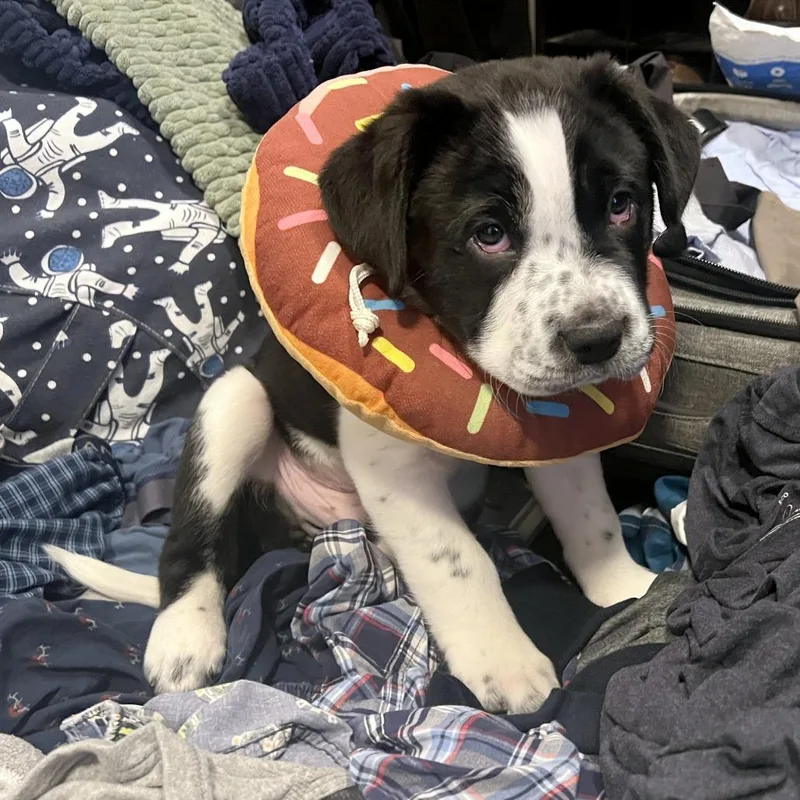
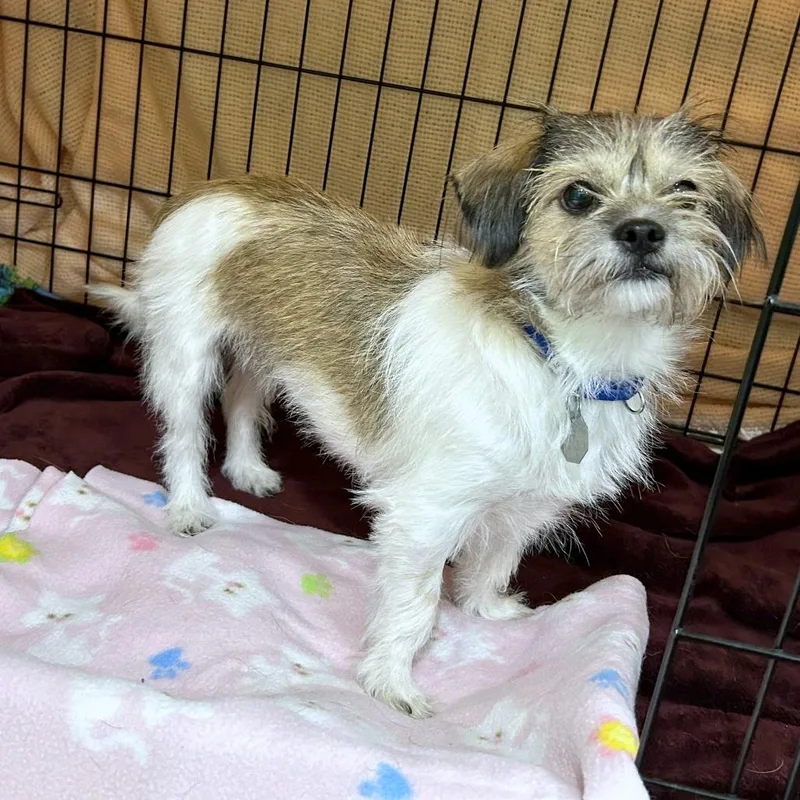
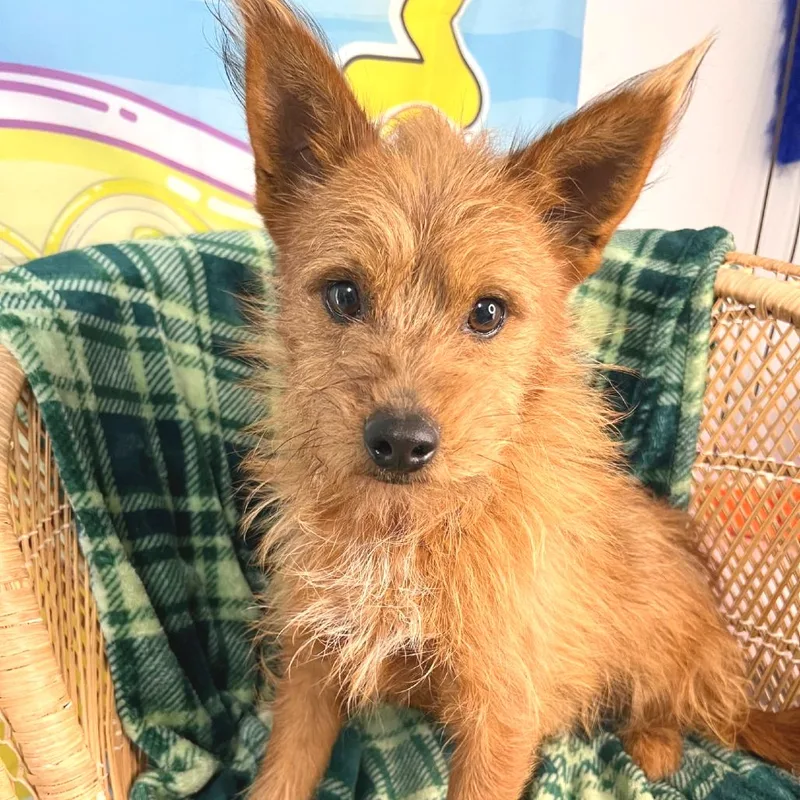
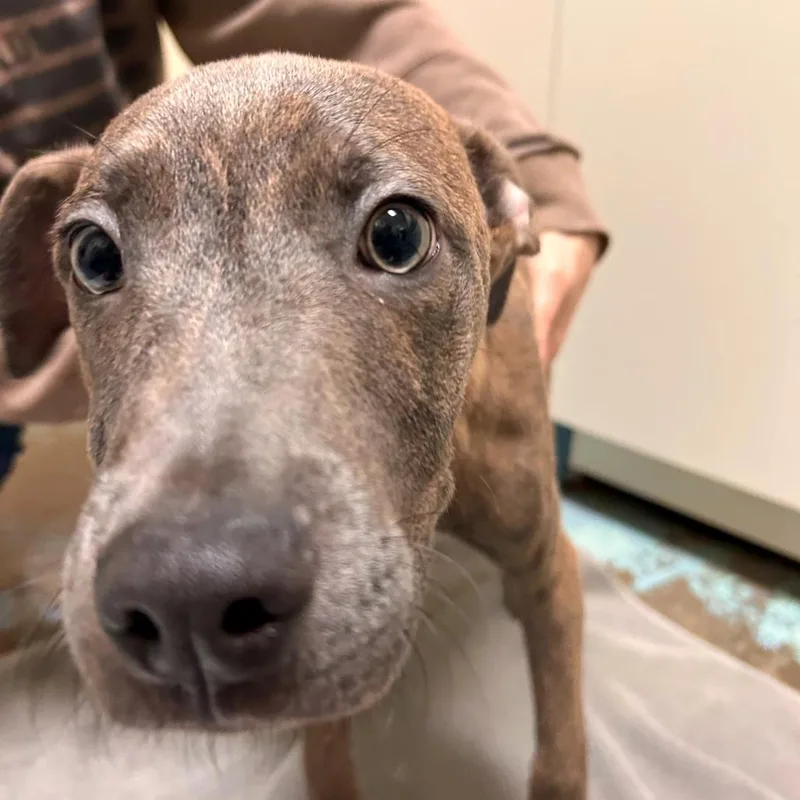
Borzois and Similar Breeds Available for Adoption Near Woodinville

About the Borzoi breed

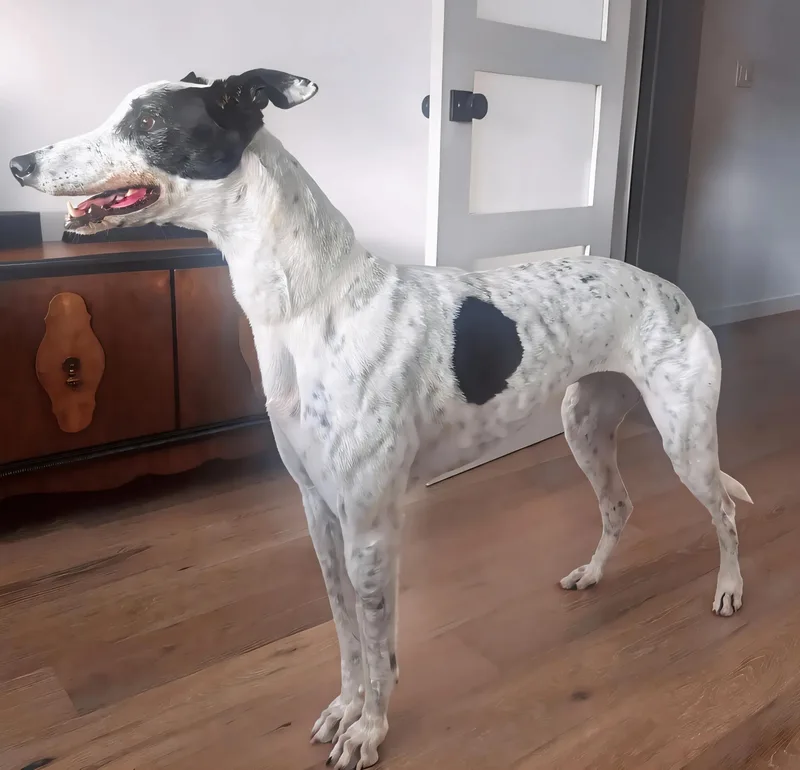
Tall, elegant and built for speed, the Borzoi is a Russian sighthound once kept by the aristocracy to course wolves, foxes and hares across open country. Its name comes from an old Russian word for fast, and in the US it was called the Russian Wolfhound until 1936. The long, narrow head, deep chest, arched back and silky coat, which comes in nearly any color, all reflect a dog designed to spot prey at a distance and run it down.

At home, many Borzoi are quiet, gentle and surprisingly calm, content to lounge on the softest spot in the house. They tend to be independent and sensitive rather than eager to obey, and their prey drive is strong enough that small pets and unfenced spaces are real concerns. Adopters need room for a big dog, a secure place to run and patience with a thinking, catlike companion.

Weight
60–105 lbs
Height
26–33 in
Lifespan
9–14 yrs
Temperament
Dignified, Calm, Independent
Group
Hound
Shedding
Moderate to High

Owning a Borzoi in Woodinville

Having a Borzoi in Woodinville

Living with a Borzoi means balancing two sides: a quiet, gentle housemate and a powerful sighthound that can reach top speed in seconds. Its temperament, need to run, health risks and size all shape which homes suit it best.

Temperament

Borzoi are often affectionate and gentle with their family but reserved with strangers, and few bark much. They tend to think for themselves, so training takes patience and rewards rather than repetition or force. Many live well with other dogs, yet the instinct to chase small, fast animals is strong. Individual history and socialization still matter.

Exercise Needs

Most Borzoi need daily walks plus regular chances to sprint in a large, securely fenced area, since they rarely come back once they spot something to chase. Lure coursing and similar sports suit them well. Outside those bursts, many are relaxed indoors. Mental enrichment, such as new walking routes and gentle training, keeps them engaged.

Health Considerations

Bloat, or gastric dilatation-volvulus, is a serious risk for this deep-chested breed and needs emergency care. Heart disease, including dilated cardiomyopathy, valve disease and arrhythmias, is documented, and degenerative myelopathy, thyroid problems and eye conditions also occur. Like other lean sighthounds, Borzoi can respond differently to anesthesia, so choose a veterinarian familiar with the breed.

Living Space

A Borzoi usually fits best in a house with a tall, secure fence and enough room for a long-legged dog to stretch out. Apartments can work for calm adults who get daily walks and regular safe running time. Space matters less than secure containment, since an open door or gap in a fence can turn into a long chase.

What it costs to own a Borzoi

ExpenseTypical costPer year
Food$55 to $110 per month$660 to $1,320
Pet insurance$65 to $130 per month$780 to $1,560
Routine vet care$250 to $500 per year$250 to $500
Other*$590 to $1,490 per year$590 to $1,490
Estimated yearly total (after year one)$2,280 to $4,870

Other costs are national averages for Borzois; we don't have costs specific to Woodinville yet.

* Flea, tick and heartworm prevention, a dental cleaning allowance, a dog license, toys and soft bedding, and regular brushing and baths for the long coat; license fees vary by city.

Adopt a Borzoi in Woodinville.

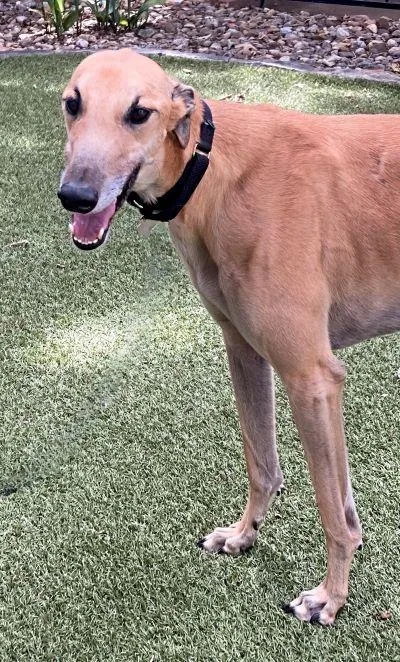
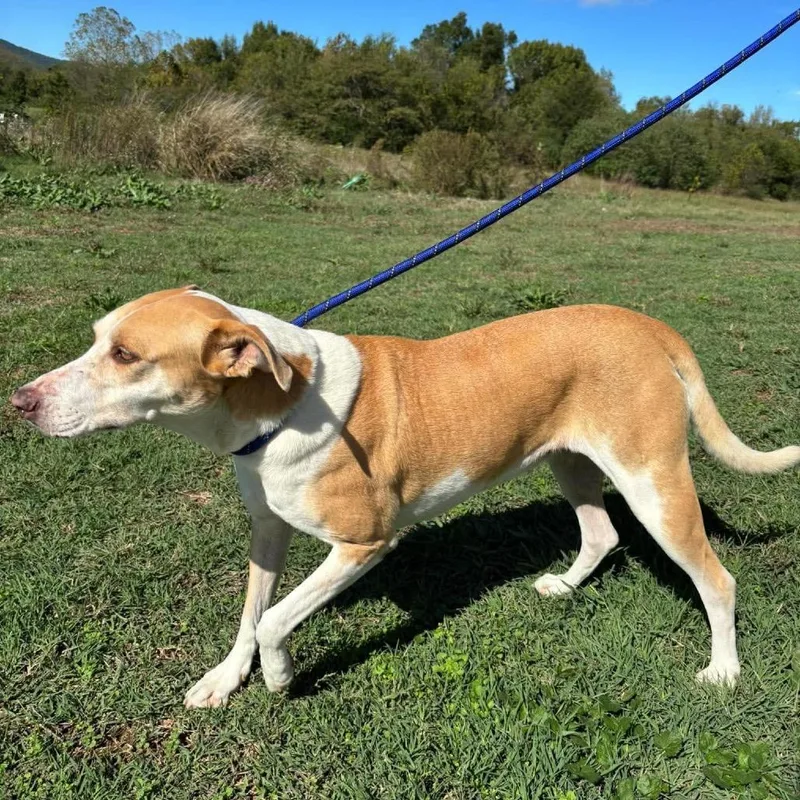
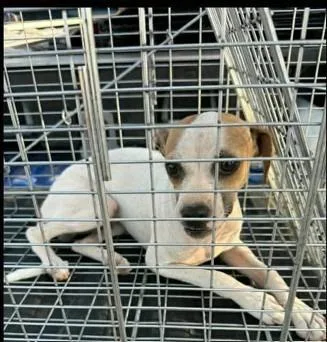
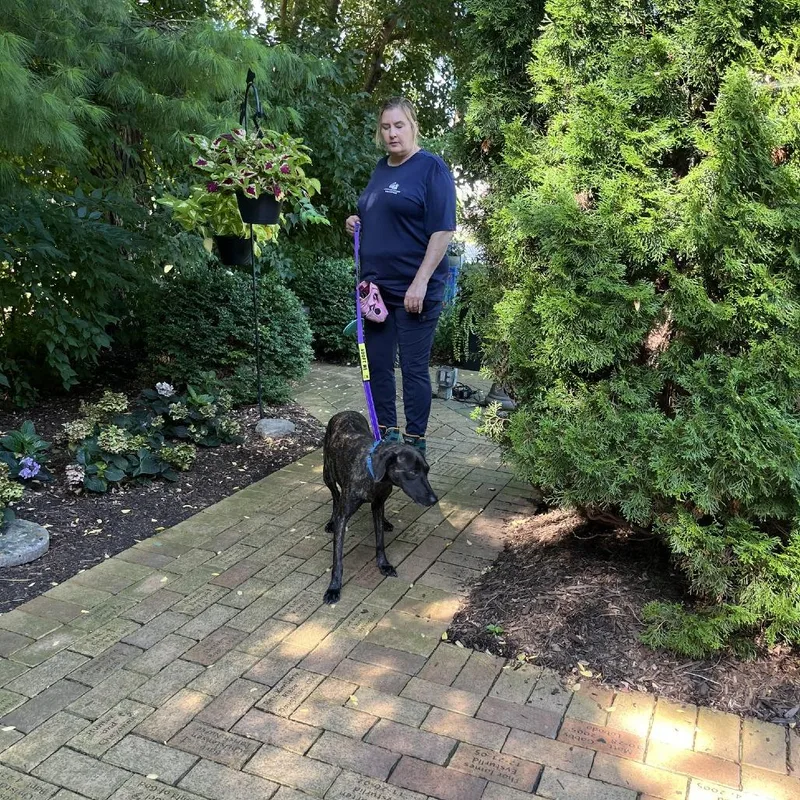
Now that you know more, let’s find you a new best friend. These rescues and shelters below currently have Borzois available.

Rescues in Woodinville with Borzois Available

Here are the rescues & shelters in the Woodinville area where you can find Borzois and other dogs available for adoption.

Frequently Asked Questions

Borzoi were bred to hunt wolves, foxes and hares in Russia. Nobles kept large kennels and hunted on horseback with teams of Borzoi that chased prey by sight across open fields, then pinned it until the hunters arrived. That purpose produced a fast, agile, keen-eyed dog with strong prey drive, traits many Borzoi still show today.

A Borzoi is a large, elegant sighthound from Russia, once known in the US as the Russian Wolfhound. It has a long, narrow head, a deep chest, long legs and a silky coat that can be almost any color. Many Borzoi are calm, gentle and quiet at home but fast and keen to chase when outdoors.

Borzoi typically live about 9 to 14 years, and a 2024 UK study estimated an average life expectancy of around 12 years. Bloat and heart disease are among the conditions that can shorten their lives. Keeping a Borzoi fit, feeding several smaller meals and scheduling regular veterinary checkups, including heart screening, support a longer life.

Borzoi can be good pets for people who appreciate a calm, gentle and somewhat independent dog. Many are quiet, clean and affectionate with family. They need secure fencing, regular chances to run and patience with training, and their prey drive can make small pets unsafe. Their size and grooming needs should also fit your home and budget.

Borzoi look the way they do because they were bred to chase prey by sight at high speed. Long legs, a flexible arched back and a deep chest give them speed and lung capacity, while the long, narrow head offers a wide field of vision. Their thick, silky coat helped protect them through harsh Russian winters.

Borzoi come from Russia, where they were developed over several centuries by crossing sighthounds with thick-coated native dogs. They became prized by the Tsars and Russian nobility, who kept large hunting kennels. After the 1917 revolution the breed nearly disappeared in Russia, but dogs exported earlier to Europe and North America kept it going.

Borzoi are often not good with cats unless they were raised with them, because their prey drive is strong. Some Borzoi live peacefully with the household cat yet chase unfamiliar cats outdoors. Introduce slowly with the dog leashed or muzzled, never leave them unsupervised early on.

Borzoi have long noses because their narrow, elongated head gives them a wide field of vision for spotting prey at a distance. The shape also suits a fast-running sighthound by streamlining the head and allowing a strong jaw for gripping. Russian hunters selected for this look over centuries, and it is a defining feature of the breed.

Borzoi are large, tall dogs. Males usually stand at least 28 inches at the shoulder and often more, while females are at least 26 inches. Males commonly weigh about 75 to 105 pounds and females about 60 to 85 pounds. They are lean and leggy, so they look bigger than their weight suggests.

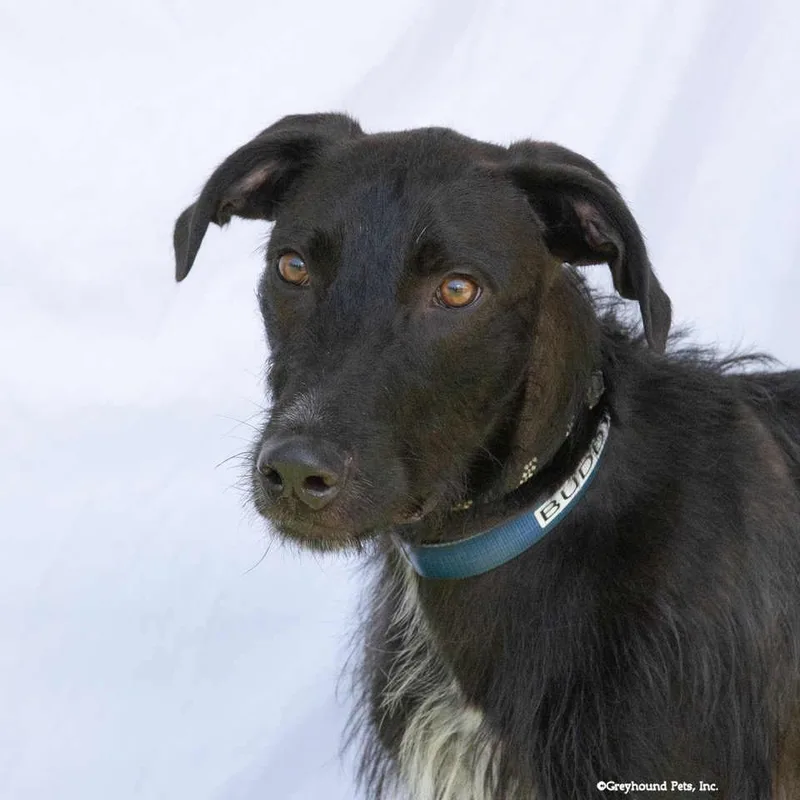
We have 1 rescue with Borzois available: Greyhound Pets, Inc.. You can see every rescue with Borzois available in the list above these questions.