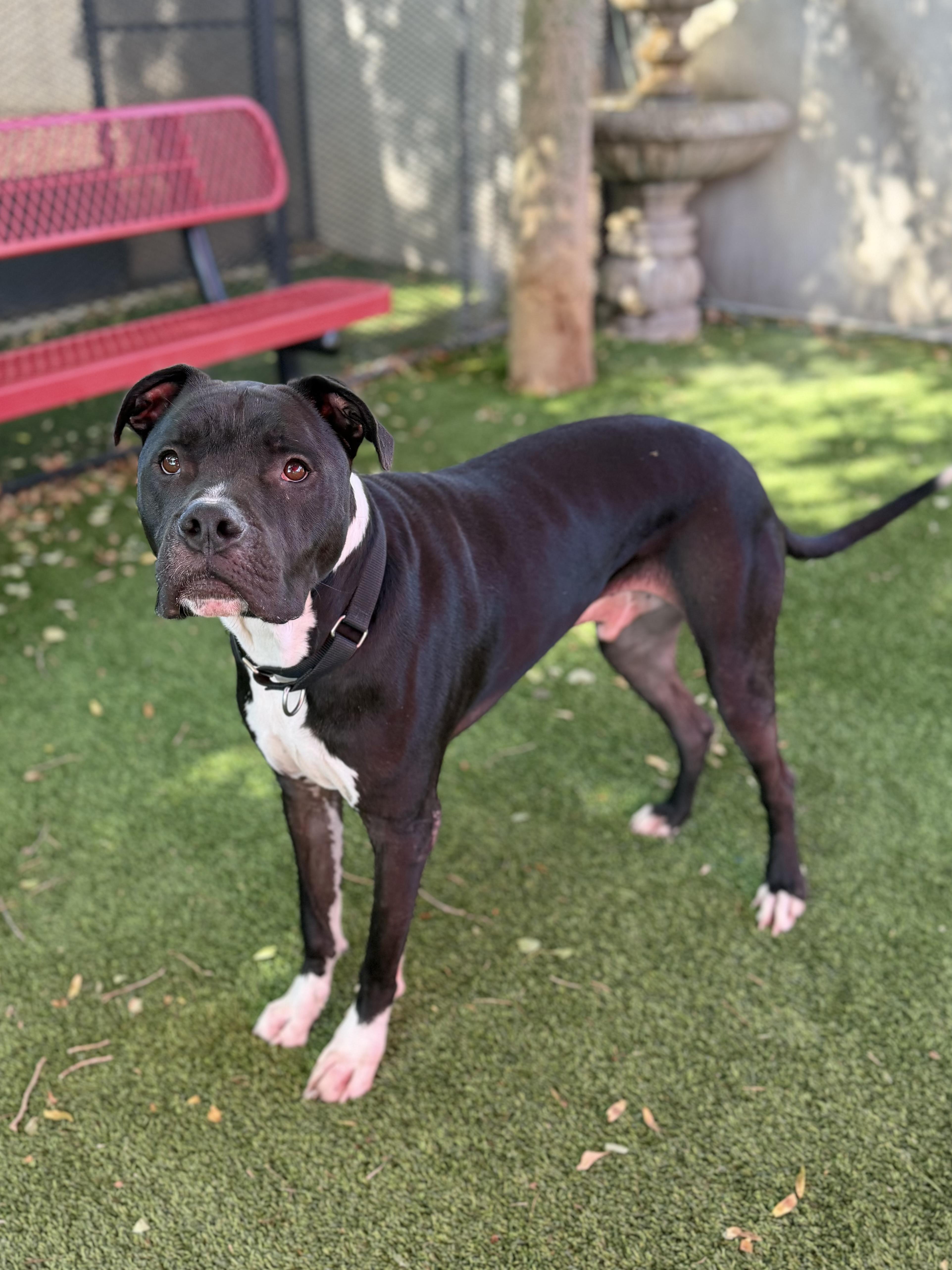
Mastiff Dogs for Adoption in Vancouver, WA

Your guide to finding and caring for a Mastiff in Vancouver

A Mastiff fits best in Vancouver's roomier neighborhoods, like the large-lot streets of Landover-Sharmel or the ranch homes of Evergreen Highlands. These dogs are happy with a slow daily stroll, so a leashed walk on the Burnt Bridge Creek Trail is plenty. What they really need is floor space, a sturdy leash and a family that's home a good part of the day. Mastiffs are huge, drooly and affectionate, and a rental with no weight limit matters more than a big backyard.

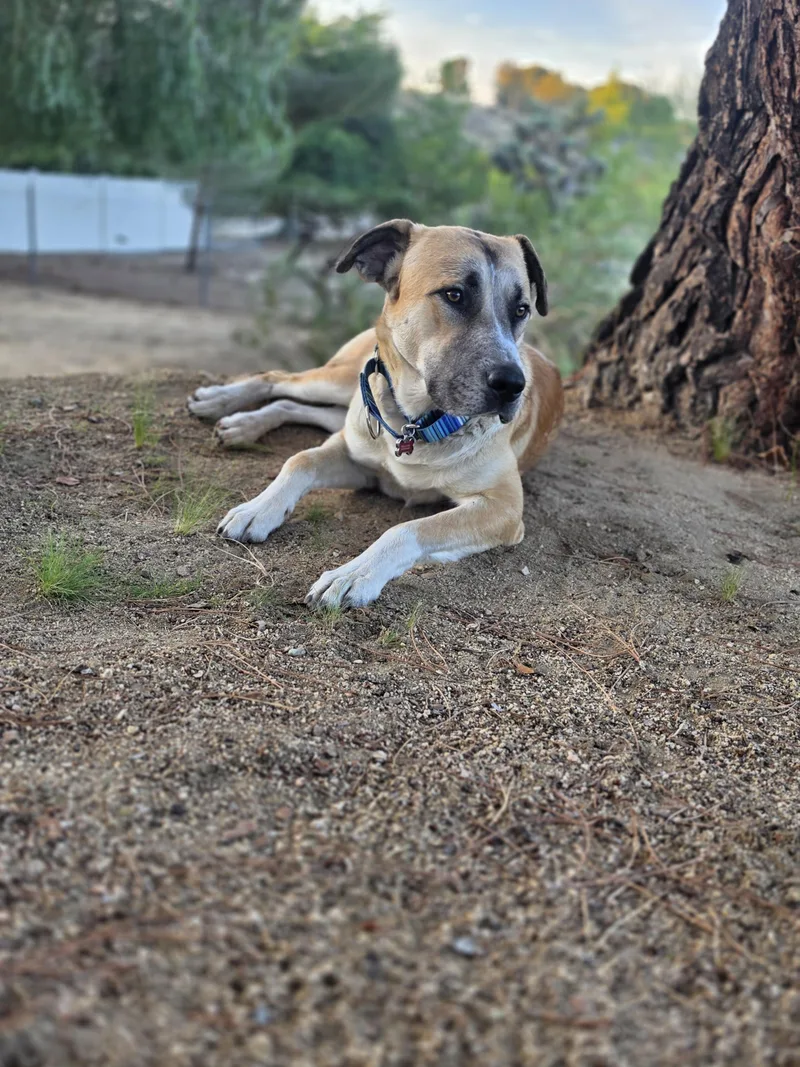
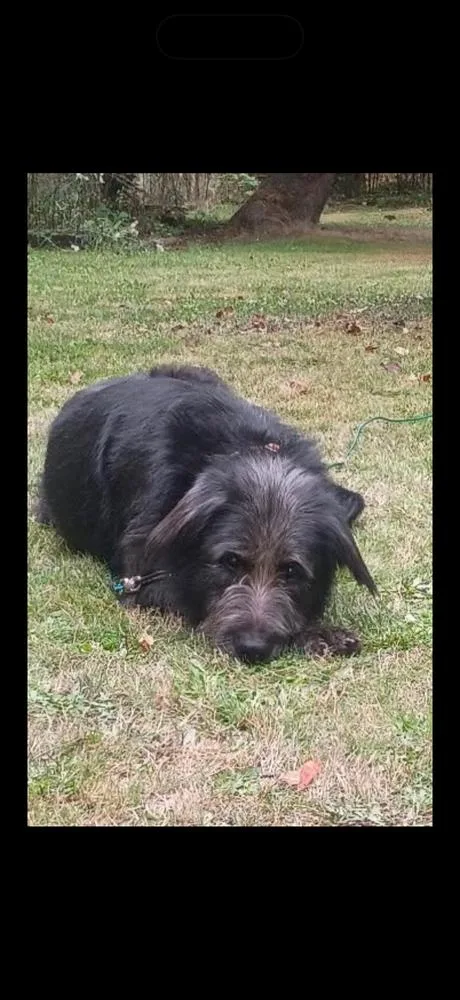
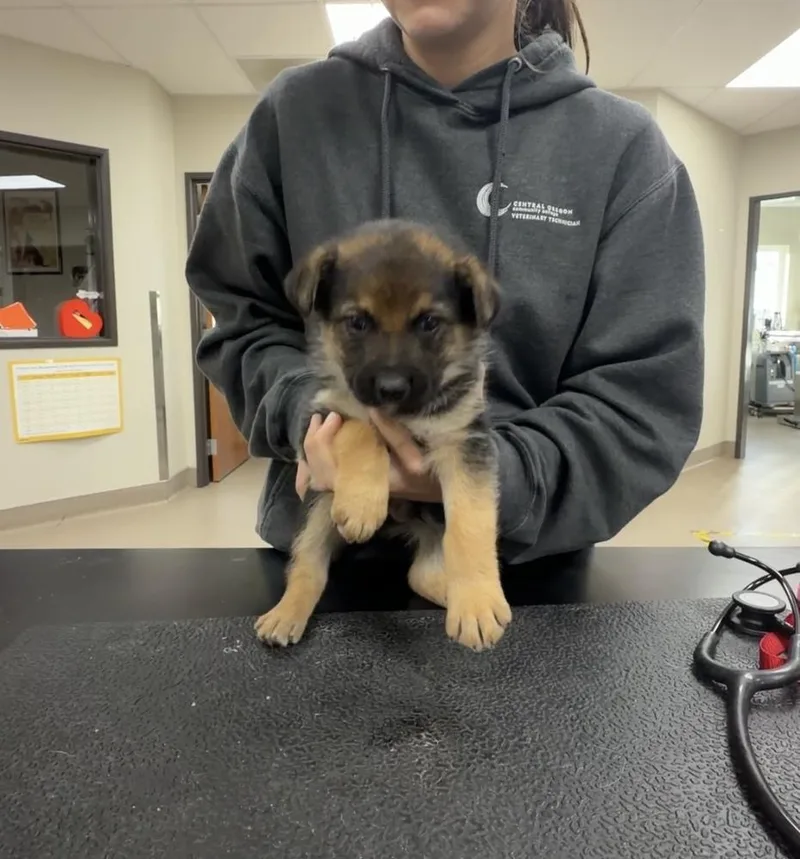
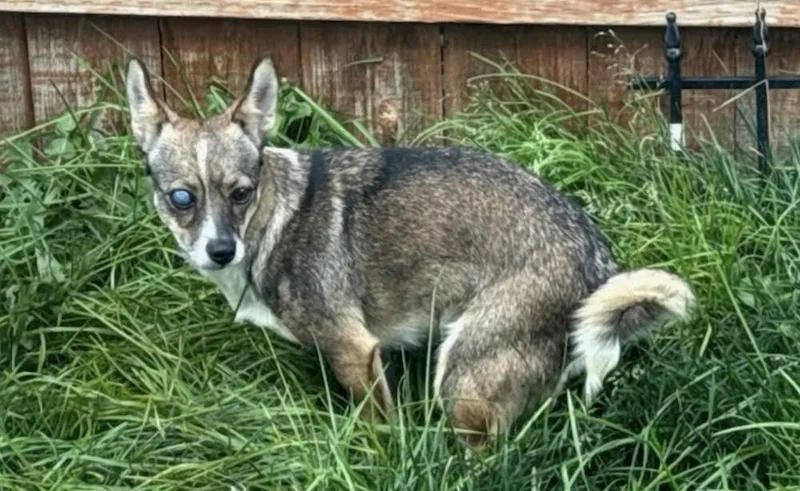
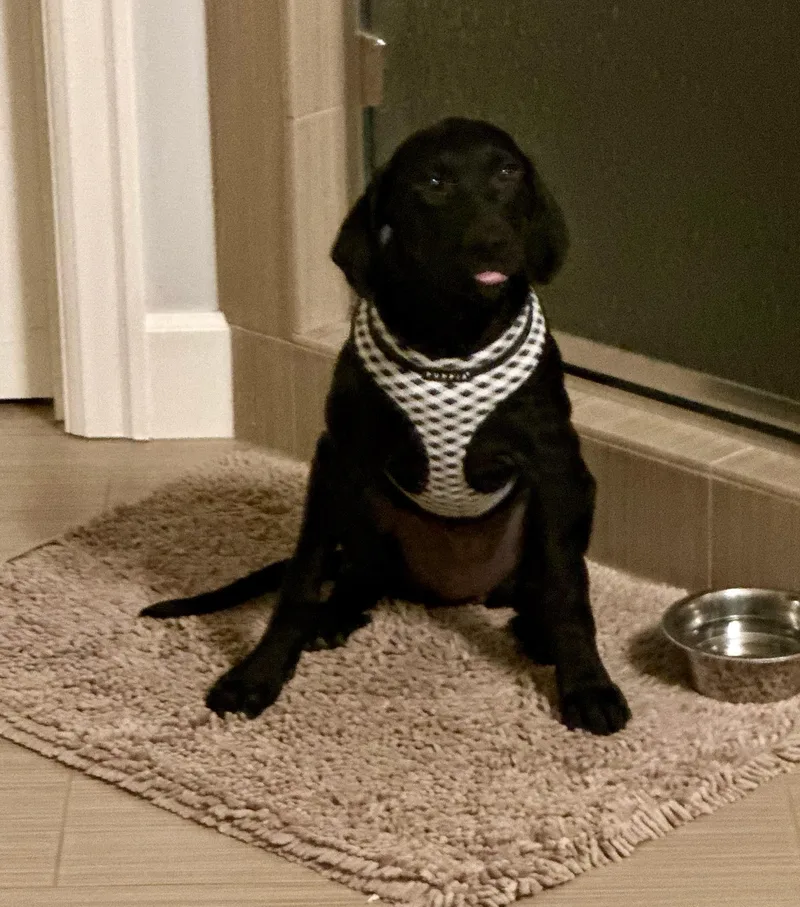
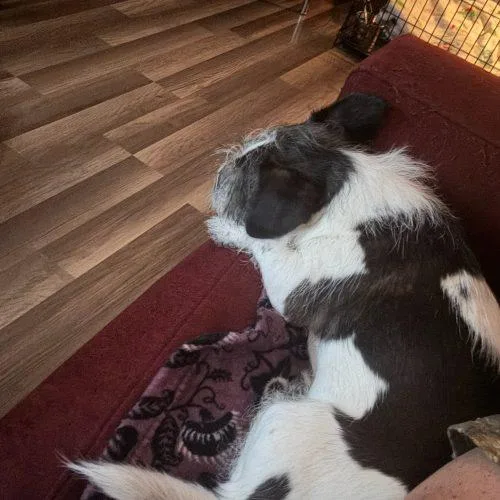
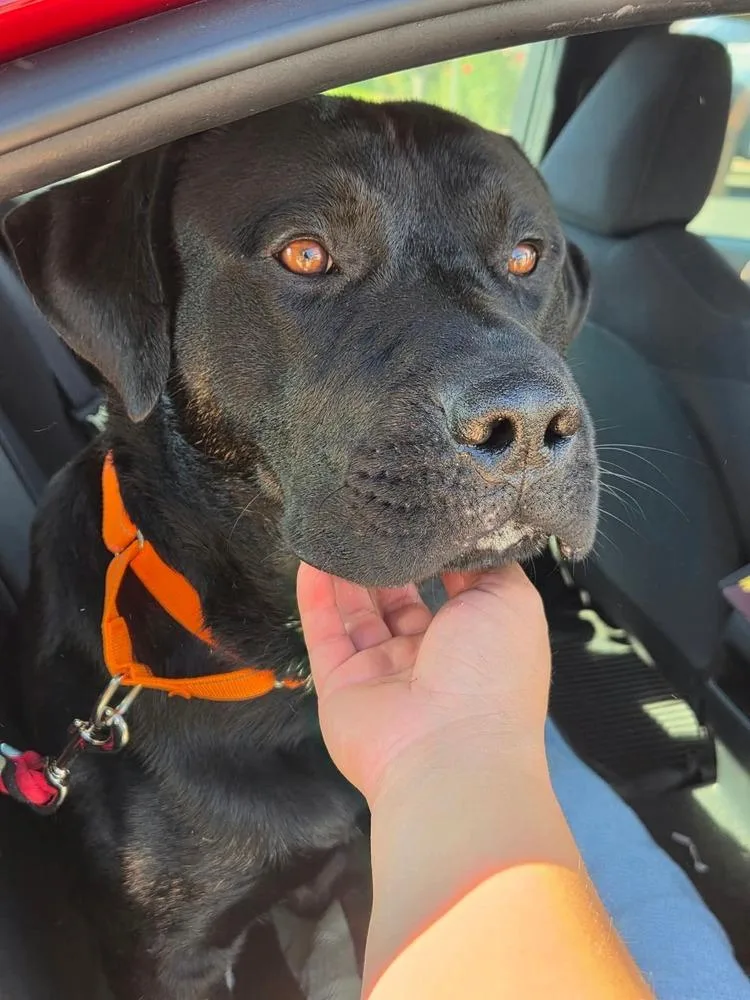
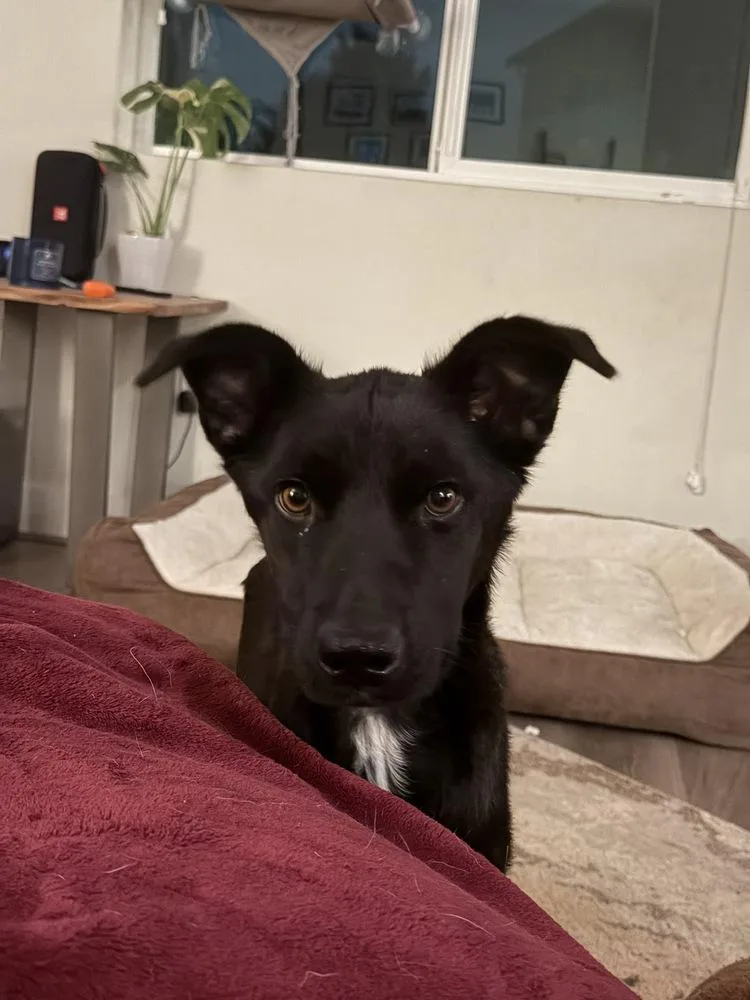
931 Mastiffs available in Vancouver and nationwide

Give a Mastiff a home

While we don't have enough dogs near Vancouver, keep in mind that many rescues may offer transport.

Mastiffs Available for Adoption Near Vancouver

About the Mastiff breed

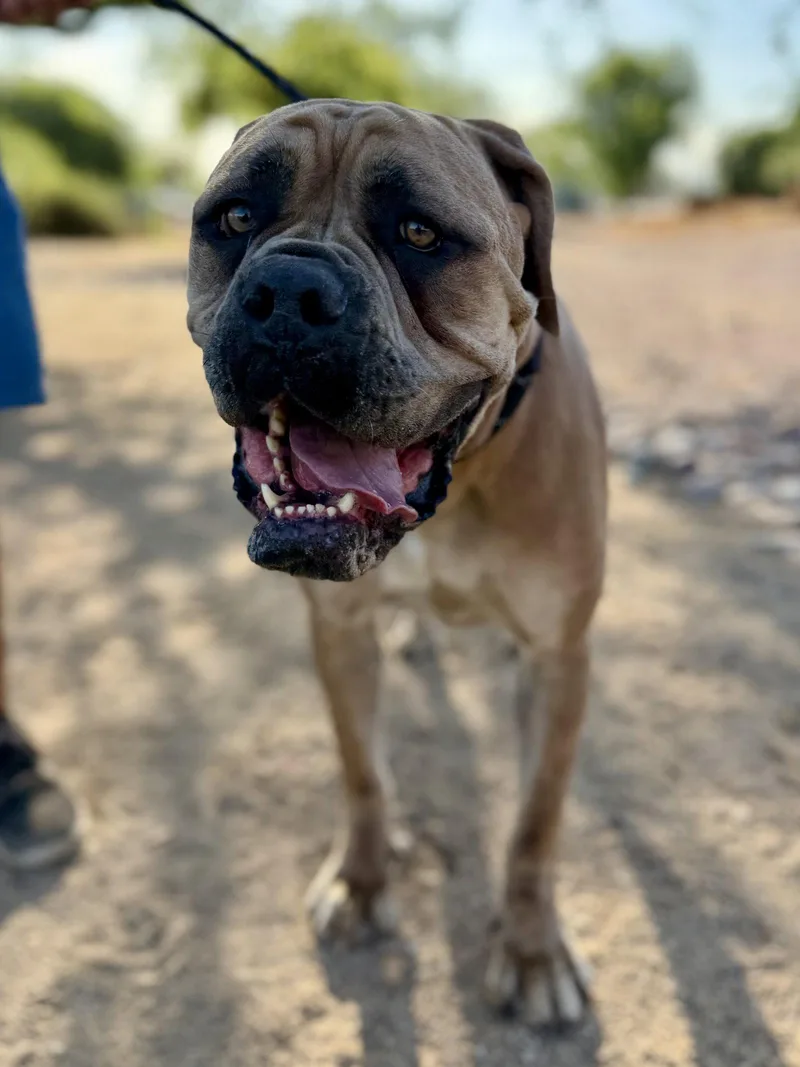
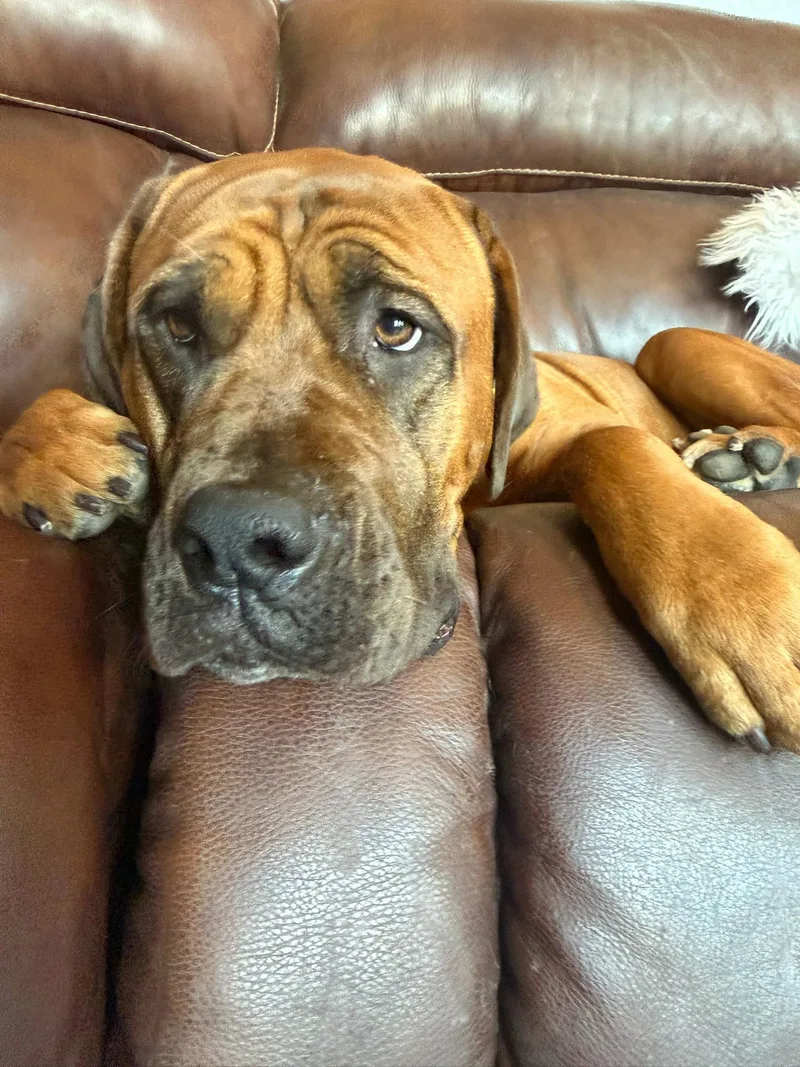
The Mastiff, often called the English Mastiff, is an ancient British guardian with a broad head, dark mask and short fawn, apricot or brindle coat. Adult males commonly top 160 pounds, and many females weigh well over 120, so everything from the leash to the car needs to be sized up.

Most Mastiffs are gentle, dignified and quiet at home, with a protective streak toward unfamiliar people. They shed moderately, drool, and do fine with weekly brushing and a towel by the door on Vancouver's rainy days. Their lifespan often runs under ten years, so it pays to plan early for senior care, joint support and a steady, lean weight.

Weight
120–230 lbs
Height
27–36 in
Lifespan
6–10 yrs
Temperament
Gentle, Dignified, Protective
Group
Working
Shedding
Moderate

Owning a Mastiff in Vancouver

Having a Mastiff in Vancouver

Mastiffs pair a huge frame with a mellow pace, so the cards below focus on what that means in daily Vancouver life: exercise on wet and warm days, joint and bloat care, and how much floor space a dog this size really takes.

Temperament

Mastiffs are usually gentle, steady and affectionate with their families, and watchful but aloof with strangers. Dogs vary, so early, ongoing socialization on busy sidewalks and trails helps. Reward-based training should start young, since a stubborn adult over 150 pounds can't be muscled around. Many are quiet, though a protective Mastiff may bark at unfamiliar visitors.
Exercise Needs

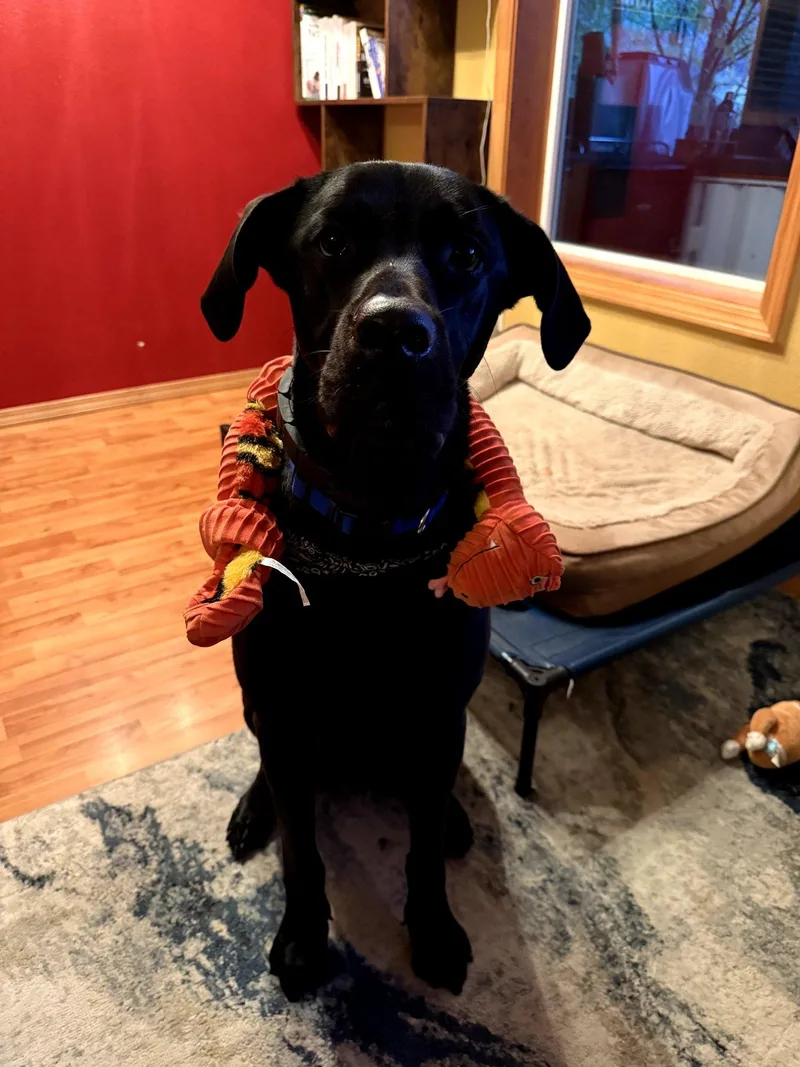
Plan on one or two relaxed walks a day plus gentle play. The Burnt Bridge Creek Trail suits an unhurried leashed stroll, and Vancouver's city parks have no off-leash areas, so a sturdy leash matters. Keep outings short in warm weather, and skip hard running and stair-jumping for puppies while their joints develop.

Health Considerations

Mastiffs are prone to hip and elbow dysplasia, bloat, obesity and bone cancer, and some carry heart or eye conditions. Bloat is an emergency, so learn its signs: a swollen belly, retching and restlessness. Keeping a Mastiff lean protects the joints, and a veterinarian can check hips and heart and set up regular giant-breed visits.

Living Space

Mastiffs are quiet indoors, but a dog this size needs floor space, a giant crate and a car that fits it. Apartments with elevators can work, and Vancouver's larger-lot neighborhoods are easier. Weight limits in some rentals are worth reading before you apply. Expect drool and a tail that clears coffee tables.

What it costs to own a Mastiff in Vancouver

ExpenseTypical costPer year
Adoption fee$500, one time$500 in year one
Food$80 to $160 per month$960 to $1,920
Pet insurance$85 to $170 per month$1,020 to $2,040
Routine vet care$250 to $500 per year$250 to $500
Other*$600 to $1,700 per year$600 to $1,700
Estimated yearly total (after year one)$2,830 to $6,160
First-year total (with adoption fee)$3,330 to $6,660

Adoption fee is the fee on Mastiff listings in Vancouver on GetBuddy today. Other costs are estimates and vary with size, age and health.

* The $25 Clark County dog license for a spayed or neutered dog, giant-dose flea, tick and heartworm prevention, a dental cleaning allowance, durable bedding and toys, basic coat care and joint supplements.

Adopt a Mastiff in Vancouver.

Now that you know more, let’s find you a new best friend. These rescues and shelters below currently have Mastiffs available.

Rescues in Vancouver with Mastiffs Available

Vancouver's sheltering is handled by the Humane Society for Southwest Washington, a nonprofit serving Clark County and several nearby cities. Here are the rescues & shelters in the Vancouver area where you can find Mastiffs and other dogs available for adoption.

Frequently Asked Questions

Yes, Vancouver has no known breed-specific rules, and Washington state law restricts cities from breed-based bans. You'll need a Clark County dog license ($25 if spayed or neutered, $50 if not), a rabies vaccine from six months, and a leash in public. Keeping four or more adult dogs requires a kennel license.

Yes, if the building allows a dog of its size. Look for an elevator or ground floor, check weight limits, and get pet fees in writing, since Washington requires nonrefundable fees to be stated in the rental agreement. Mastiffs are generally quiet indoors, but Vancouver's animal noise rule covers frequent barking, so plan daily leashed walks.

It can be, for a household with space and time. Vancouver's mild, wet climate suits the short coat, and flat trails suit slow walks, but summer heat, leash-only city parks and rentals with weight limits take planning. Budget for giant-breed food and care, and expect a calm, drooly companion who wants to be near you.

Leashed trails are the main option. The Columbia River Renaissance Trail runs about 5 miles along the river from Esther Short Park, and the Burnt Bridge Creek Trail runs about 8 miles across the city. Dakota Memorial Dog Park has 8 fenced acres but requires a Clark County license and vaccines. Keep your dog out of Vancouver Lake and river water because of algae.

With care, yes. Most summer days are mild, but about two weeks a year reach 90°F or higher, and heat waves can be extreme. Mastiffs overheat easily, so walk at dawn or after sunset, keep them in cool air, and never leave them in a parked car, which is a civil infraction in Washington.

Almost certainly not. C-TRAN buses and The Vine allow non-service animals only in an enclosed carrier that fits on the floor or your lap, and a Mastiff is far too big for one. Service animals are the exception. The Current on-demand service takes no pets, so plan on a car with a secure setup for a giant dog.

Only to some patios. In Clark County, a restaurant can welcome dogs outdoors only with Public Health approval, so it varies by venue, and only service animals are allowed inside. Keep the dog leashed and off seats. A lying-down Mastiff can block a walkway, so choose a quiet corner.

Not much. Weekly brushing handles moderate shedding, along with regular nail trims and wiping drool and facial folds. Rainy months mean towel-drying and paw wipes after walks. Most owners groom at home, so coat care stays within the Other costs of $600 to $1,700 a year, with an occasional bath.

We have 1 rescue with Mastiffs available: Mutts and Misfits. You can see every rescue with Mastiffs available in the list above these questions, or scroll to the top to see the Mastiffs near Vancouver.

Plan on roughly $2,830 to $6,160 a year for a Mastiff in Vancouver. That covers food at $80 to $160 a month, insurance at $85 to $170 a month, routine vet care at $250 to $500 a year, and other costs at $600 to $1,700 a year. Emergency care, such as bloat surgery, would be extra.

Find Mastiffs in Nearby Cities

Expand your search to find Mastiffs available for adoption near Vancouver.