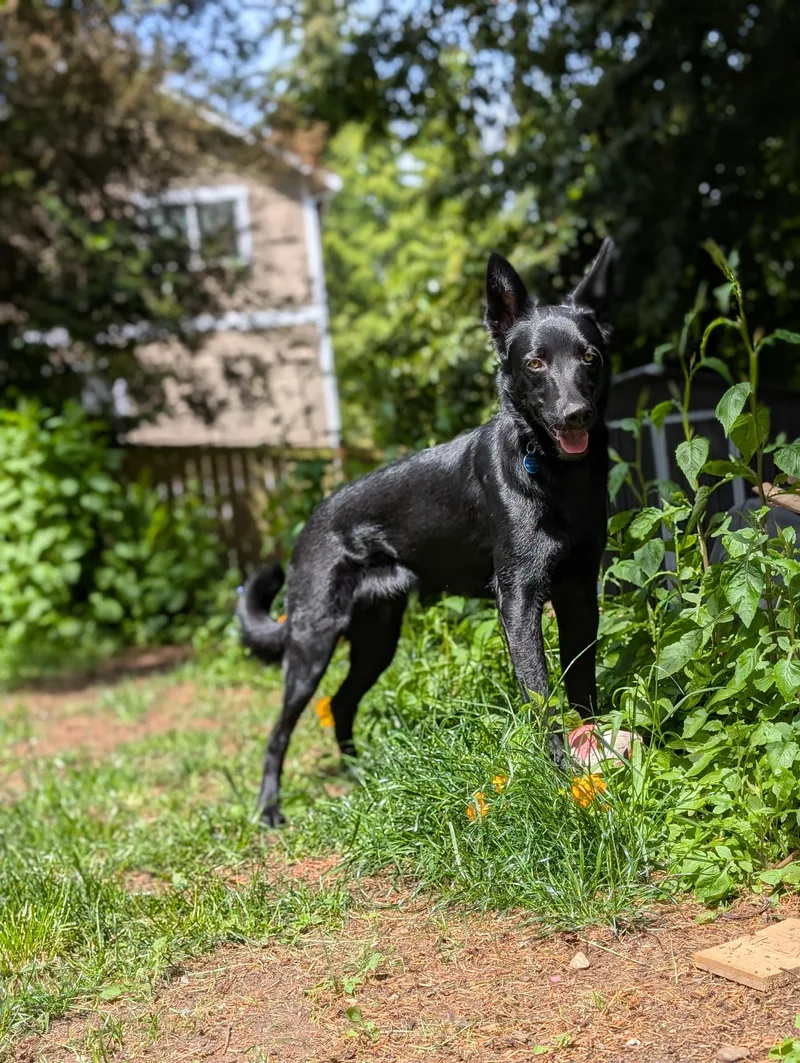
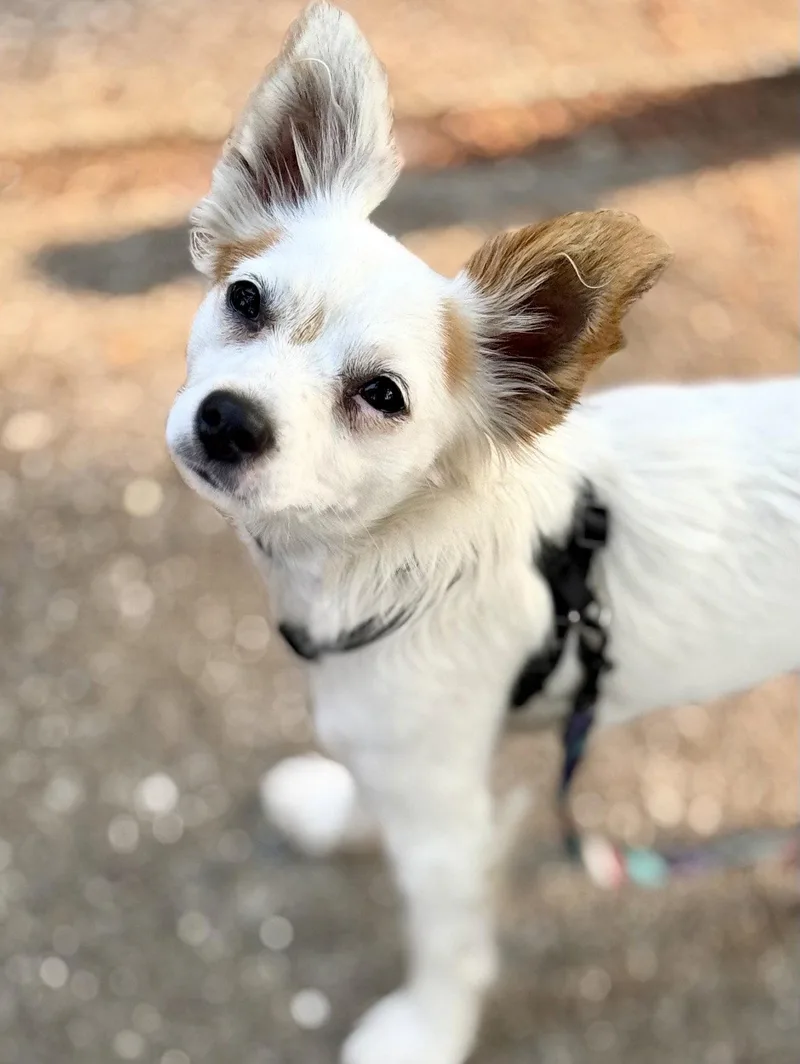
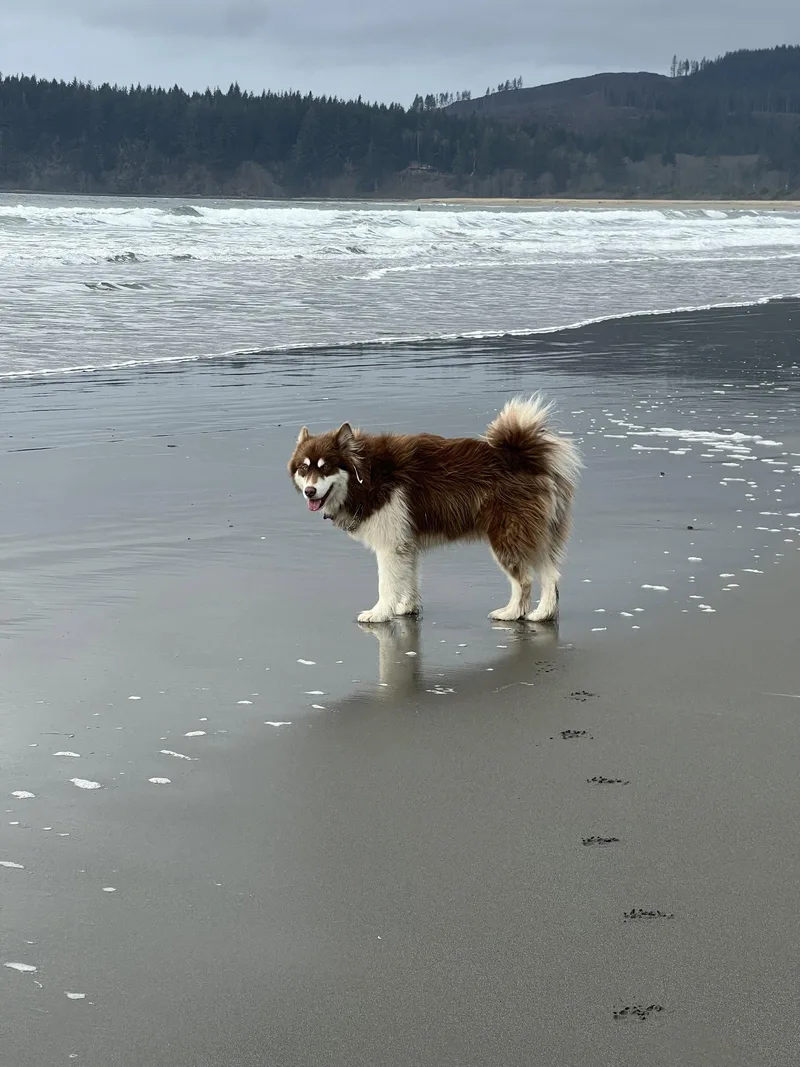
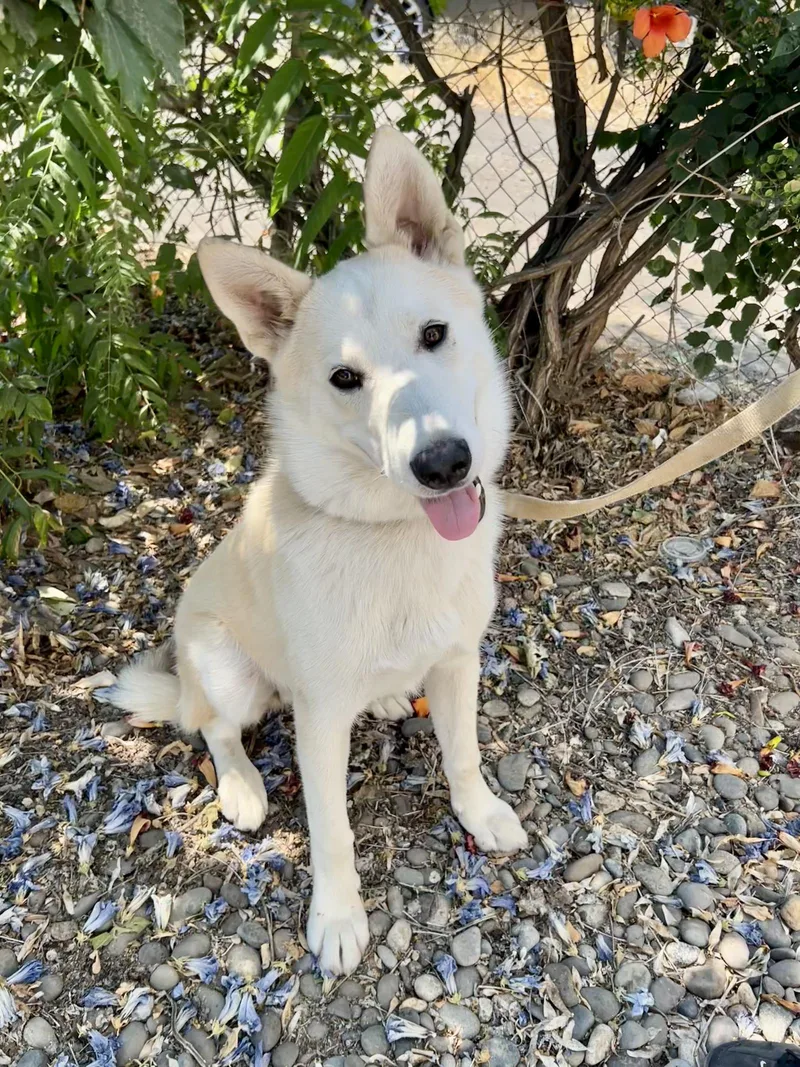
Tibetan Terrier Dogs for Adoption in Seattle, WA

Your guide to finding and caring for a Tibetan Terrier in Seattle

Tibetan Terriers suit Seattle's apartment neighborhoods well, as long as the daily walks happen. In Wallingford, where bungalows sit beside condos and apartment buildings, a medium-sized dog that's content indoors and ready for a loop on the Burke-Gilman Trail makes sense. Many are quick to bark at hallway noise, though, and the long coat needs a towel-off and brushing after a rainy day. If you're thinking of adopting one in Seattle, it fits people who are home often, since many dislike long days alone.

11 Tibetan Terriers available in Seattle and nationwide

Fall for a Tibetan Terrier

While we don't have enough dogs near Seattle, keep in mind that many rescues may offer transport.

Tibetan Terriers Available for Adoption Near Seattle

About the Tibetan Terrier breed

Despite the name, the Tibetan Terrier isn't a terrier. It developed over many centuries in Tibet as a companion for monasteries and herding families, and Europeans added the terrier label later because of its size. The AKC recognized the breed in 1973. The profuse double coat, fall of hair over the eyes and large, flat snowshoe feet are adaptations to a harsh mountain climate.

Many Tibetan Terriers are loyal, sensitive and affectionate with their families, reserved with strangers and quick to bark at anything unusual. The coat sheds little but tangles easily and collects leaves and mud, so expect regular brushing or a practical short clip. Dogs vary, and a Tibetan Terrier's history and socialization shape how outgoing it is.


Weight
18–30 lbs
Height
14–17 in
Lifespan
12–16 yrs
Temperament
Devoted, Affectionate, Intelligent
Group
Non-Sporting
Shedding
Low to Moderate

Owning a Tibetan Terrier in Seattle

Having a Tibetan Terrier in Seattle

A sensitive, people-focused mountain dog with moderate-to-high energy, a coat that needs steady care and a few inherited conditions worth knowing about. In Seattle, rain and shared apartment walls shape most of the daily routine.

Temperament

Tibetan Terriers are often devoted, gentle and playful at home, and may be reserved with strangers. They tend to be alert watchdogs with a deep bark, which matters in Seattle's shared buildings. Sensitive by nature, they respond best to gentle, consistent training. Each dog's history and socialization shape how outgoing it is.

Exercise Needs

Plan on a good daily walk plus playtime, often around an hour for an active adult, though energy varies and older dogs prefer gentler routines. Green Lake's 2.8-mile paved loop is a steady option, and puzzle toys or training games help on drizzly days when a bored dog turns barky.

Health Considerations

Tibetan Terriers can be affected by inherited eye conditions such as primary lens luxation and progressive retinal atrophy, plus hip dysplasia, patellar luxation, hypothyroidism and skin allergies. Regular veterinary and eye checks matter. In Seattle's damp climate, dry the coat and ears after wet walks and have a veterinarian watch for ear and skin trouble.

Living Space

A Tibetan Terrier can do well in a Seattle apartment or house with daily exercise and company. Barking may matter in shared buildings, and many dislike long stretches alone. A fenced yard helps but isn't essential. Expect to brush out leaves and burrs after time outdoors, whatever the housing.

What it costs to own a Tibetan Terrier in Seattle

ExpenseTypical costPer year
Food$35 to $70 per month$420 to $840
Pet insurance$55 to $100 per month$660 to $1,200
Routine vet care$225 to $450 per year$225 to $450
Other*$920 to $2,295 per year$920 to $2,295
Estimated yearly total (after year one)$2,225 to $4,785

Other costs are estimates and vary with size, age and health.

* The $45 Seattle dog license for an altered dog, professional grooming every 6 to 8 weeks, a dental cleaning allowance, flea, tick and heartworm prevention, and toys and bedding.

Adopt a Tibetan Terrier in Seattle.

Now that you know more, let’s find you a new best friend. These rescues and shelters below have dogs available in and near Seattle.

Frequently Asked Questions

Yes, a Tibetan Terrier can do well in a Seattle apartment if it gets daily walks and company. The main issue is barking, since many are alert to hallway and street noise and dislike long days alone. Seattle handles animal noise complaints on a roughly 90-day cycle that starts with a letter, so exercise and training help keep neighbors happy.

Plan on brushing to the skin several times a week, plus a professional groom or clip about every 6 to 8 weeks. Seattle's wet weather adds towel-drying after walks, since damp fur tangles and mats quickly. Trimming hair between the pads helps with mud. Professional grooming is the biggest piece of the yearly Other costs on this page.

Yes. Winters are cool and damp, 38 to 48 degrees, with only about one day a year staying below freezing, and the double coat copes well. Wet is the challenge: dry the coat and paws after walks and wipe off ice-melt. Snow is occasional, but hilly streets can ice up, so keep an indoor routine ready.

Leashed options include the 2.4-mile path at Seward Park, Lincoln Park's 4.6 miles of paths in West Seattle and the Burke-Gilman Trail. For off-leash play, Dr. Jose Rizal Park on Beacon Hill has about 4 acres. Off-leash areas require a licensed, vaccinated dog, and a Tibetan Terrier that's reserved with strangers may prefer quieter hours.

Yes, on many routes. Metro buses allow dogs: small dogs ride free on your lap, while larger dogs ride on the floor with a fare, at the driver's discretion. A Tibetan Terrier at the heavier end will likely need the floor. Sound Transit is piloting leashed dogs on Link through spring 2027, and otherwise pets need carriers.

Sometimes, on patios. Washington rules generally keep dogs out of restaurant dining rooms, but a restaurant with a health-department-approved plan can let dogs into outdoor dining areas, usually leashed and off tables and chairs. Not every patio qualifies, so look for signs. A reserved or barky Tibetan Terrier may settle better in a quiet corner.

Tibetan Terriers shed very little compared with most breeds, but they are not shed-free. Their double coat releases hair that tends to get trapped in the long outer coat rather than falling on the floor, which is why they mat easily. Many shed more noticeably during coat changes, especially as puppies mature. Regular brushing removes loose hair.

No dog is truly hypoallergenic, but Tibetan Terriers are often tolerated better by allergy sufferers because they shed little. They still produce allergens in dander, saliva and urine, and reactions vary from person to person. Frequent grooming and bathing may help. Spend time with a specific Tibetan Terrier before adopting if anyone in your home has allergies.

Clip a Tibetan Terrier by brushing out all tangles first, then using clippers with a guard comb to take the body coat down evenly, often to an inch or two in a practical pet trim. Scissor the legs, feet, face and tail to blend. Many owners prefer professional grooming, since show dogs are kept natural and unclipped.

Expect roughly $2,200 to $4,800 a year for a Tibetan Terrier in Seattle. Food runs $35 to $70 a month and insurance $55 to $100 a month. Routine vet care is $225 to $450 a year, and other costs, mainly grooming, add $920 to $2,295 a year.