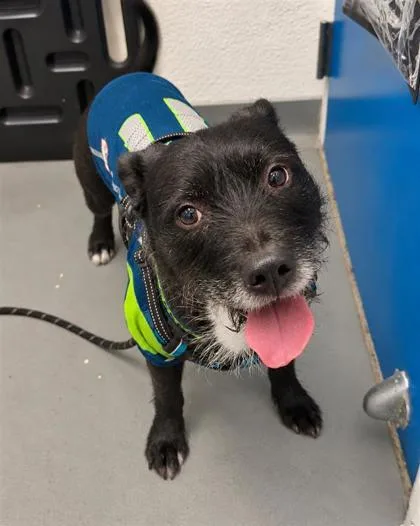
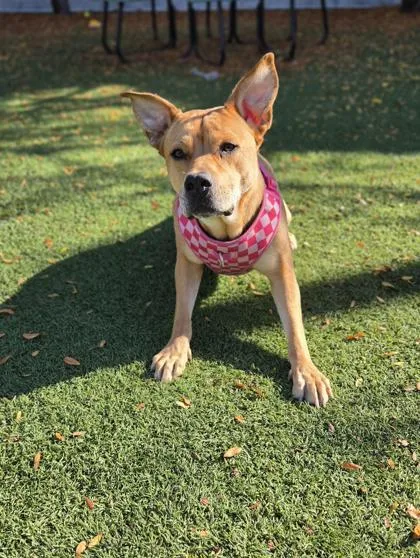
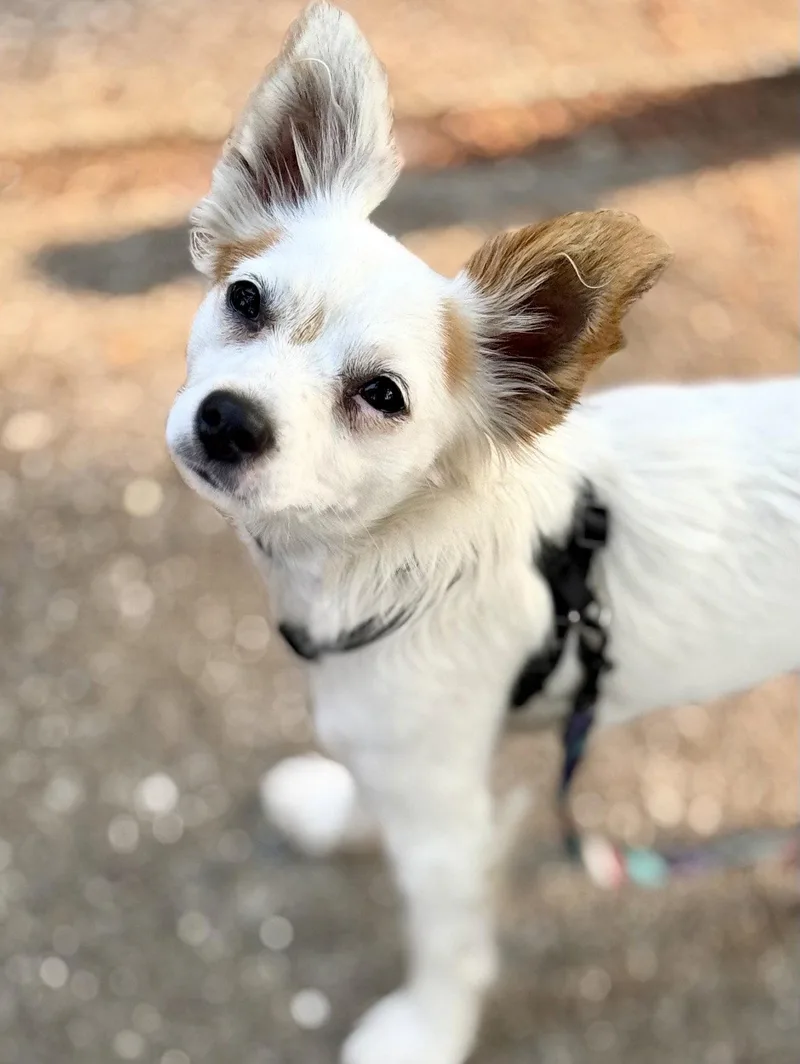
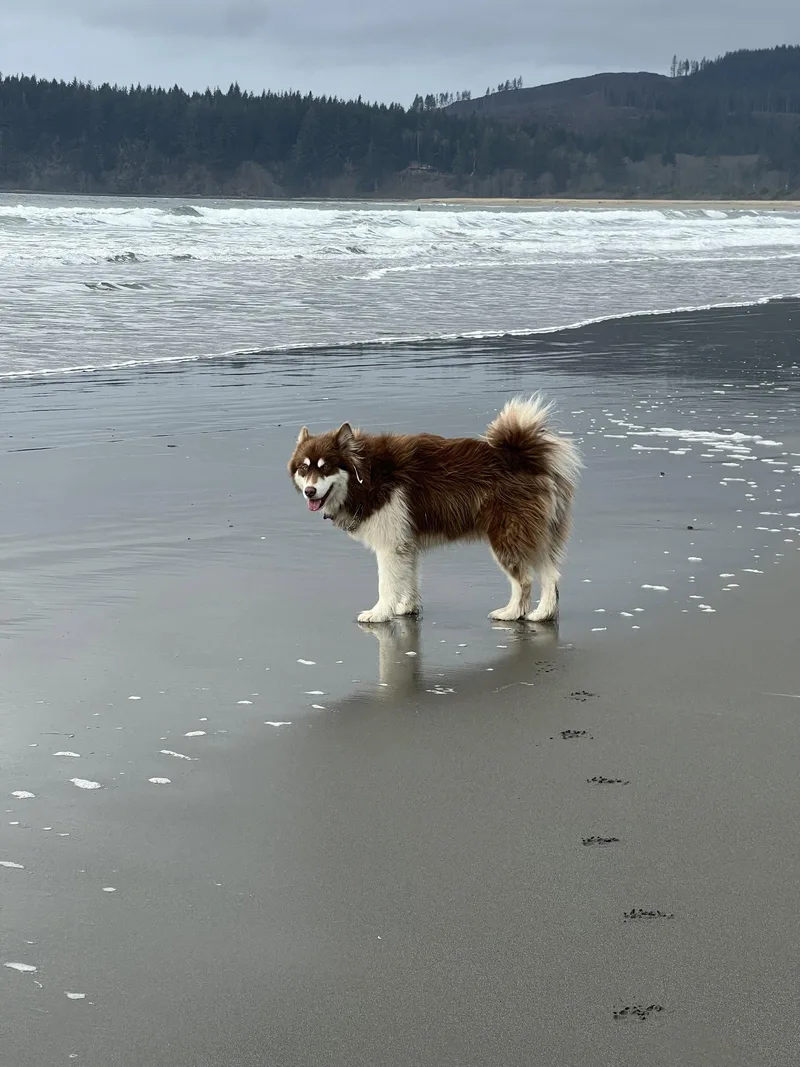
Silky Terrier Dogs for Adoption in Seattle, WA

Your guide to finding and caring for a Silky Terrier in Seattle

Silky Terriers suit Seattle's apartment neighborhoods, provided they get a real walk every day. On Queen Anne, the steep streets and public staircases give a small terrier plenty to sniff and climb, and Kinnear Park's tiny off-leash area sits on the lower slope. Expect a busy, vocal little dog that announces every neighbor in the hallway. Seattle's rain means towel-drying that silky coat often, but most Silkies are happy to trot out anyway.

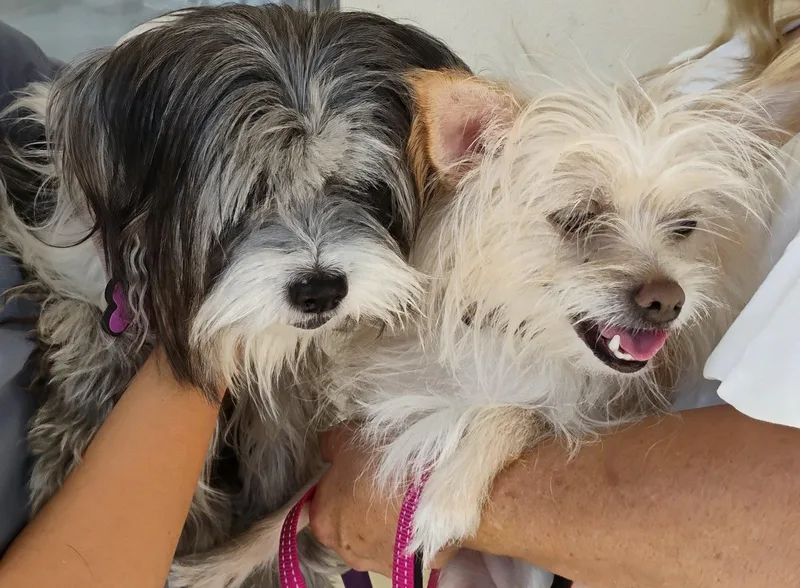
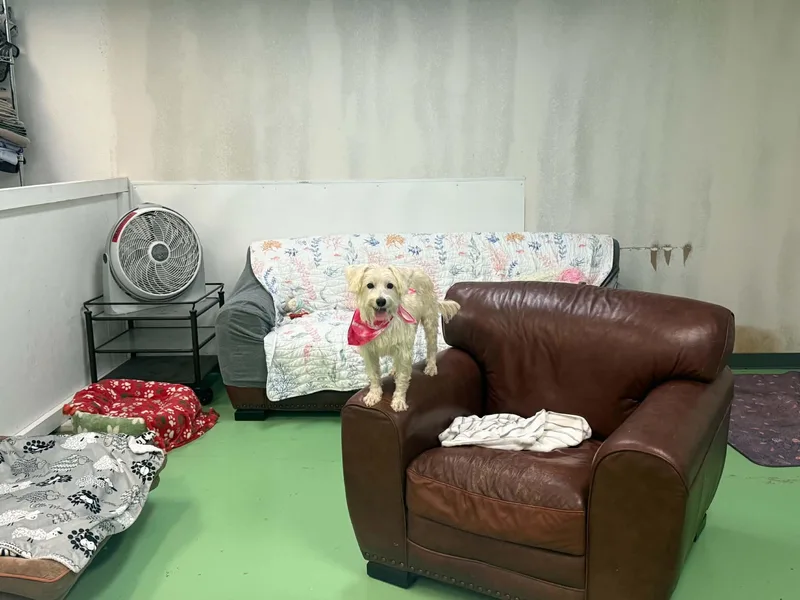
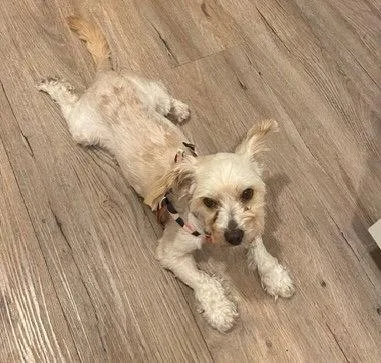
43 Silky Terriers available in Seattle and nationwide

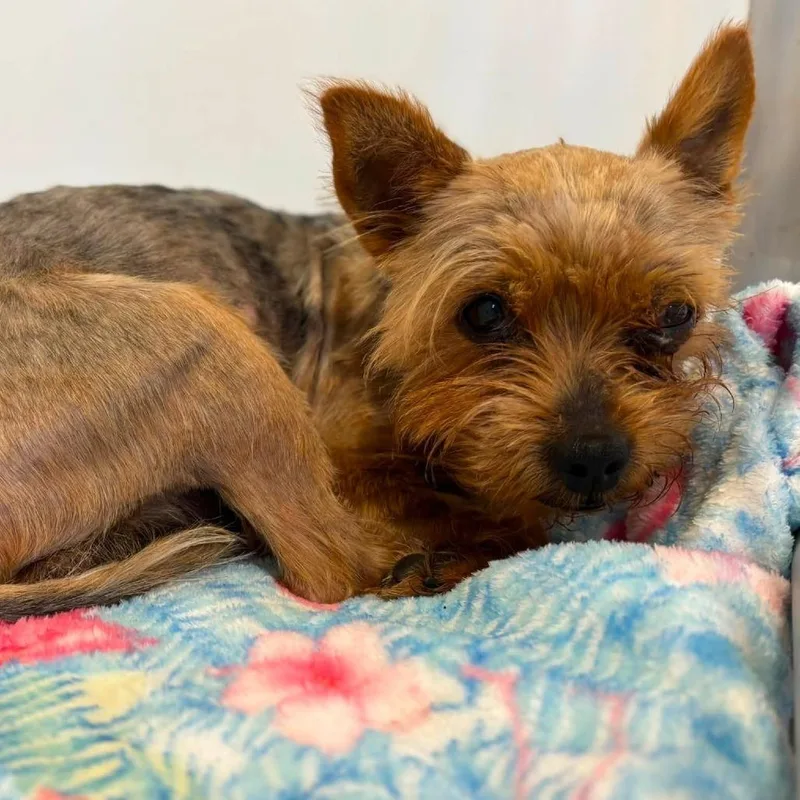
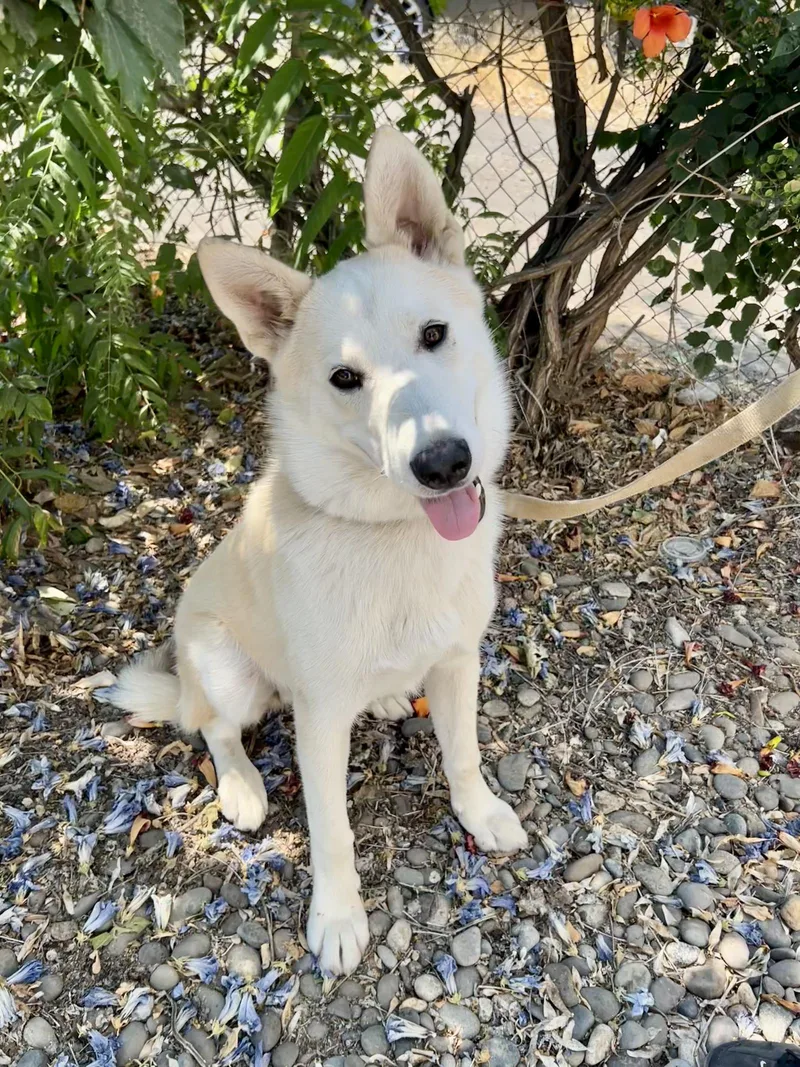
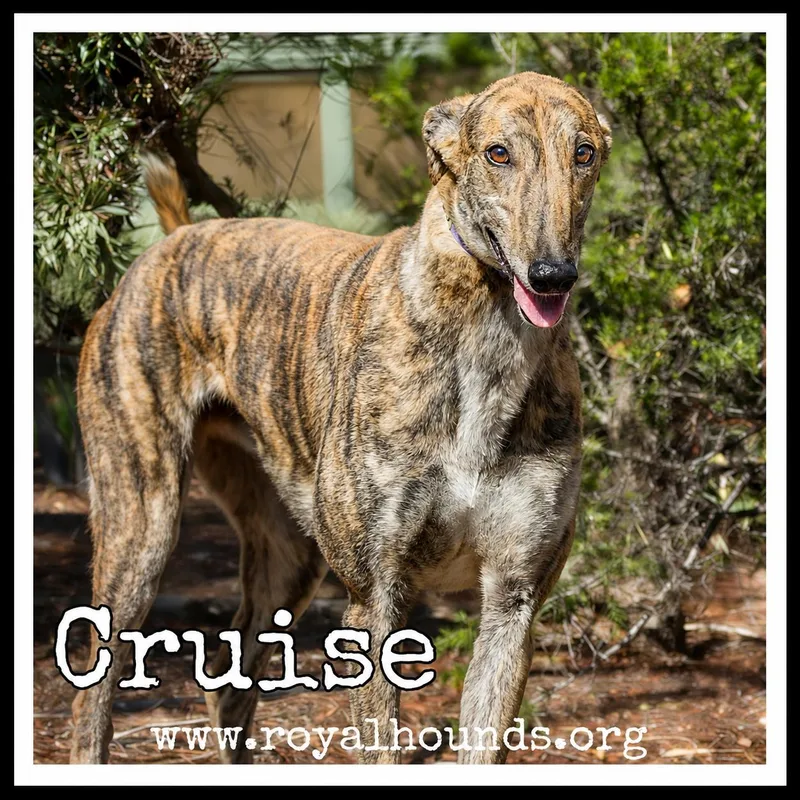
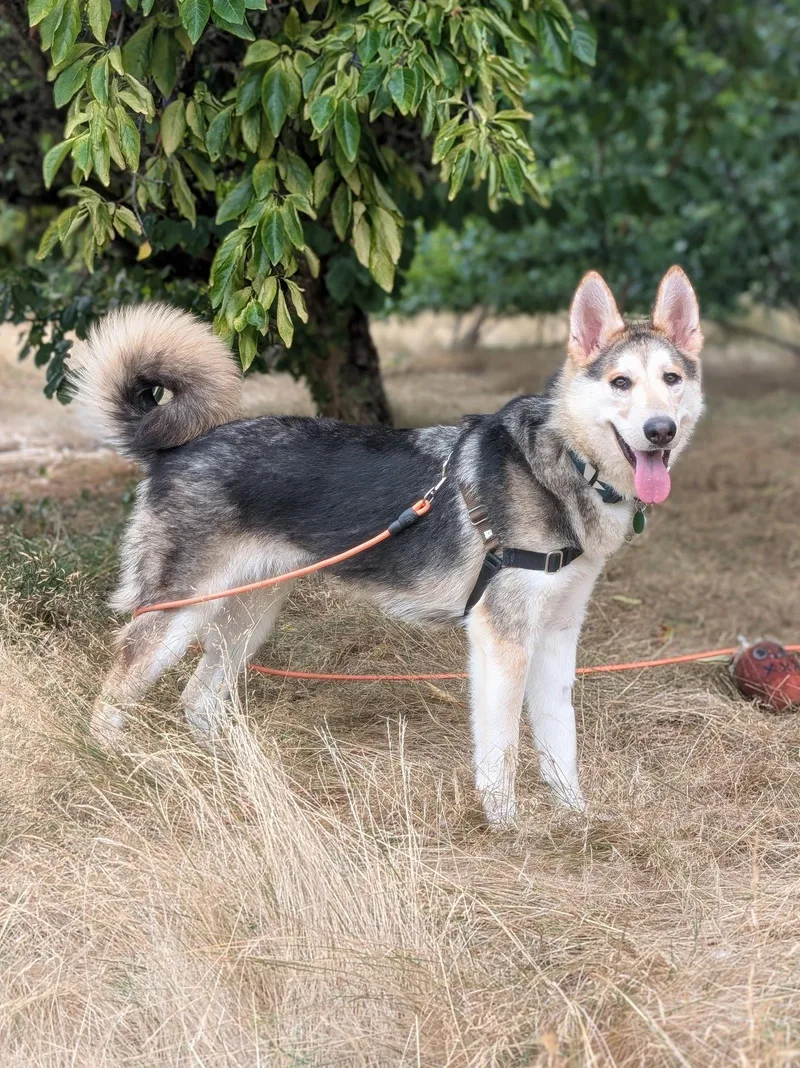
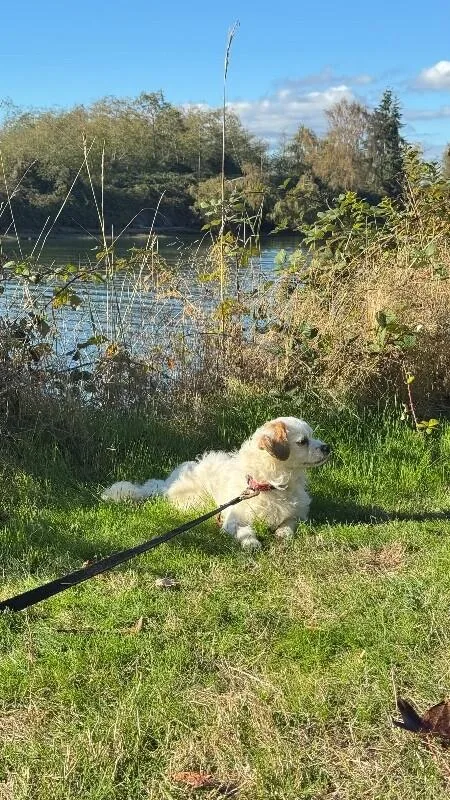
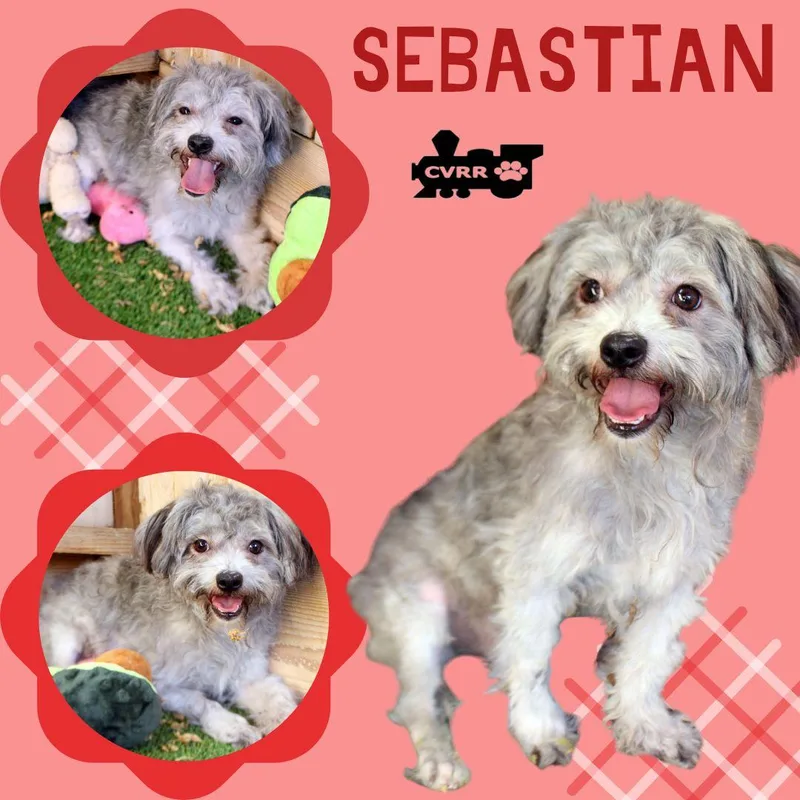
Meet a Silky Terrier who needs you

While we don't have enough dogs near Seattle, keep in mind that many rescues may offer transport.

Silky Terriers Available for Adoption Near Seattle

About the Silky Terrier breed

The Silky Terrier was developed around Sydney, Australia, from Yorkshire Terrier and Australian Terrier crosses. It stands 9 to 10 inches tall and weighs roughly 8 to 12 pounds, with a long, glossy blue-and-tan coat parted down the back. It's sturdier than a Yorkie and has the confidence of a working terrier.

In Seattle, that mix of small size and big attitude matters. Many Silkies are alert, curious and affectionate, and they tend to be more independent and barky than other toy breeds. Chasing and digging come naturally, so a secure leash or fenced space is important. Plan on brushing a few times a week, regular trims, daily tooth care and a harness instead of a collar. Each Silky differs, and age, history and socialization shape a dog's behavior as much as breed does.

Weight
8–12 lbs
Height
9–10 in
Lifespan
12–15 yrs
Temperament
Alert, Spirited, Friendly
Group
Toy
Shedding
Low

Owning a Silky Terrier in Seattle

Having a Silky Terrier in Seattle

Silkies are portable but not low-key. They bring terrier curiosity, a lot of voice and a coat that needs steady care, so daily routines, training and your building's noise tolerance all deserve thought before adopting.

Temperament

Silkies are often lively and affectionate with their people, and quick to bark at hallway footsteps or doorbells. Many are stubborn about training, and some chase cats or other small pets. In Seattle's shared buildings, early reward-based practice with quiet cues pays off. Gentle handling matters around small children, and each dog's personality varies.

Exercise Needs

Plan on at least one good daily walk plus play, since most Silkies have more energy than their size suggests. Seattle's hills and staircases add easy variety, and puzzle toys cover rainy days. Because many chase squirrels and other small animals, keep them leashed outside fenced off-leash areas.

Health Considerations

Silkies can face kneecap dislocation, Legg-Calvé-Perthes disease of the hip, tracheal collapse and epilepsy, and dental disease is common in toy breeds. Use a harness rather than a collar and brush teeth daily. Seattle's steep hills are a good reason to watch for limping, and a veterinarian can check knees and hips.

Living Space

A Silky fits Seattle's apartments, condos and townhomes well when daily exercise is covered. The bigger concern is noise: alert barking carries through shared walls. Dogs this small can slip through gaps, so secure any yard or balcony. Silkies prefer to be near their people and don't do well left outside.

What it costs to own a Silky Terrier in Seattle

ExpenseTypical costPer year
Food$15 to $35 per month$180 to $420
Pet insurance$30 to $60 per month$360 to $720
Routine vet care$200 to $400 per year$200 to $400
Other*$970 to $2,345 per year$970 to $2,345
Estimated yearly total (after year one)$1,710 to $3,885

Other costs are estimates and vary with size, age and health.

* The $45 Seattle license for a spayed or neutered dog, professional trims every 6 to 8 weeks, dental cleanings, flea, tick and heartworm prevention, and toys and bedding.

Adopt a Silky Terrier in Seattle.

Now that you know more, let’s find you a new best friend. These rescues and shelters below currently have Silky Terriers available.

Frequently Asked Questions

Yes, with some limits. King County Metro buses allow dogs: small dogs ride free on your lap, while larger dogs need a fare, and drivers have discretion. A Silky is small enough to ride in your lap. Link light rail is piloting leashed dogs through spring 2027, so carry a small carrier as backup. Check current fares with Metro.

Mostly yes. Seattle's winters are cool and damp rather than frozen, and summers are short and mild, which suits a small, single-coated terrier. The main work is drying the coat and paws after rain on the roughly 90 rainy days a year. A sweater helps on cold mornings, and hot days call for shade and water.

Woodland Park's off-leash area has a small-dog section, and the Green Lake loop is a 2.8-mile leashed path next door. Genesee Park and Westcrest Park also have small-dog areas. Silkies chase small animals, so use fenced off-leash areas for free play, and remember that dogs aren't allowed on Seattle beaches or play areas.

Yes. Seattle has no breed bans, and Washington law limits them statewide. You'll need a city dog license and a rabies vaccination, and you must leash your dog off your property. Households are limited to three dogs and cats combined on a typical lot, so a single Silky fits easily.

Yes, a Silky's small size suits Seattle apartments, as long as it gets daily walks and play. Barking is the main hurdle, since Silkies react to hallway noise. Start reward-based quiet training early, use puzzle toys on rainy days, and set a consistent potty routine, especially if your unit is on an upper floor.

Sometimes, on patios. Washington's food code lets dogs join outdoor dining only when the restaurant has a health-department-approved plan, and inside dining rooms generally don't allow pet dogs. Never assume access, so look for signs first. A Silky that settles quietly under the table makes patio visits easier.

Plan on brushing a damp coat two to three times a week, and more often during wet months when mud causes tangles. Dry the coat and paws after rain walks. Many owners add professional trims every 6 to 8 weeks, which is included in the grooming costs under Other on this page.

A Silky Terrier is a small toy-group terrier from Australia, developed by crossing Yorkshire Terriers and Australian Terriers. It stands about 9 to 10 inches tall, weighs roughly 8 to 12 pounds and has a long, glossy blue-and-tan coat. Silkies are alert, lively and affectionate, with more independence and terrier drive than many lap dogs.

We have 1 rescue with Silky Terriers available: Emerald City Pet Rescue. You can see every rescue with Silky Terriers available in the list above these questions, or scroll to the top to see the Silky Terriers near Seattle.

Most Silky owners in Seattle spend roughly $1,700 to $3,900 a year, or about $140 to $325 a month. That covers food, insurance, routine vet care and other costs like trims, dental cleanings and the license. Grooming and dental care drive the range, and emergencies or illness would add to it.

Find Silky Terriers in Nearby Cities

Expand your search to find Silky Terriers available for adoption near Seattle.