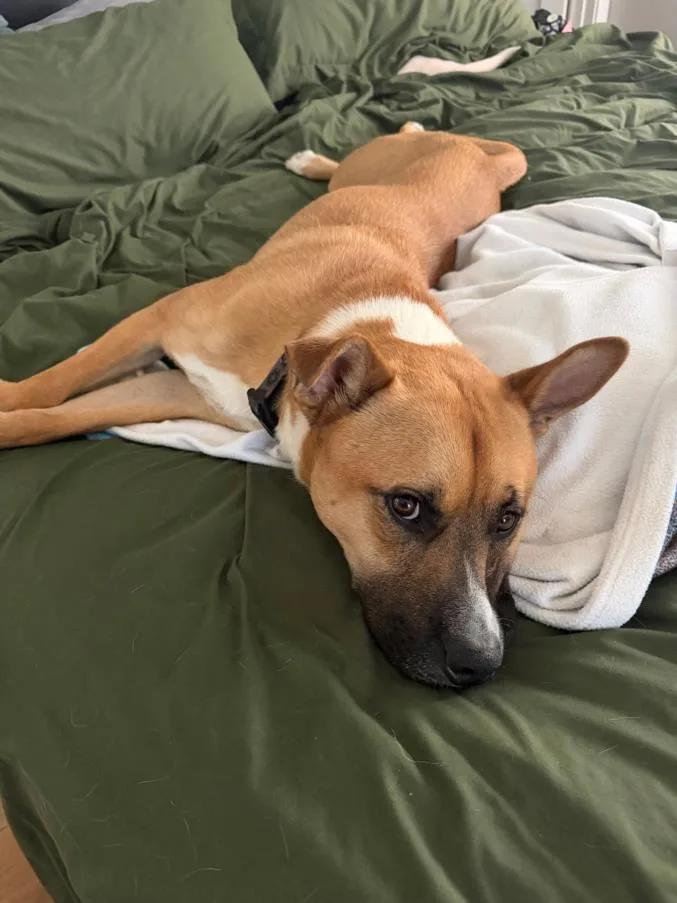
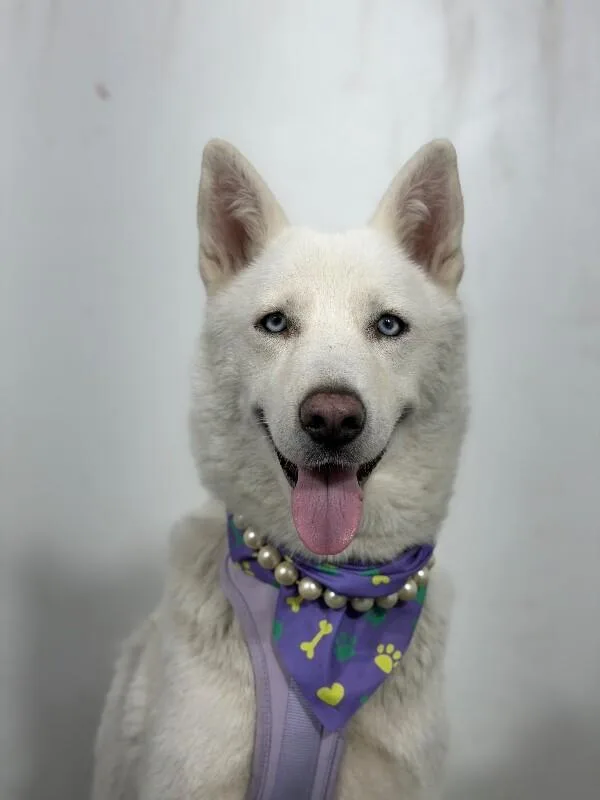
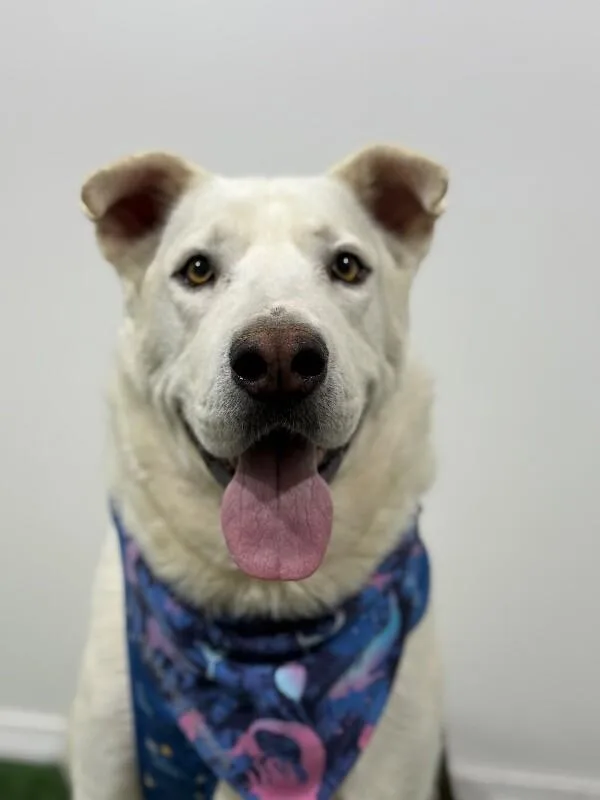
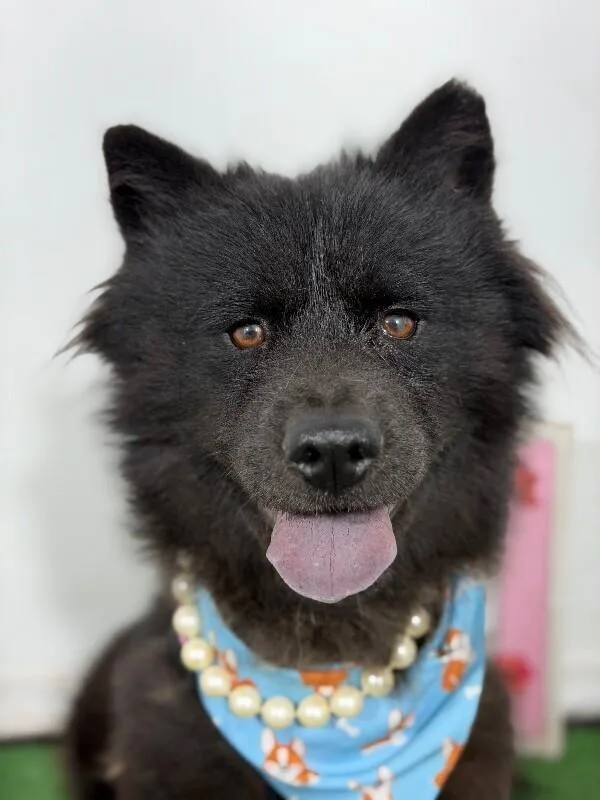
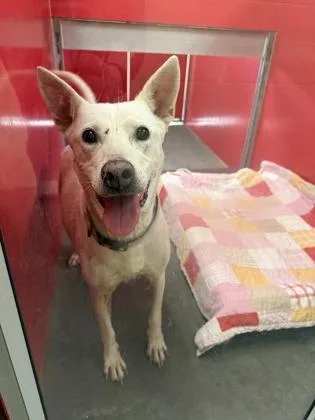
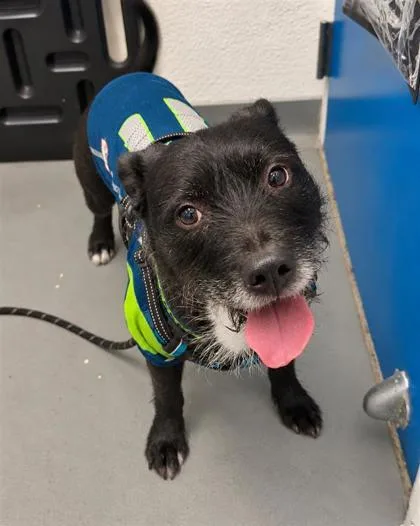
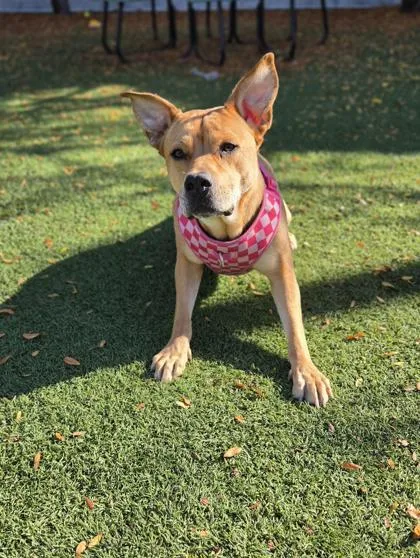
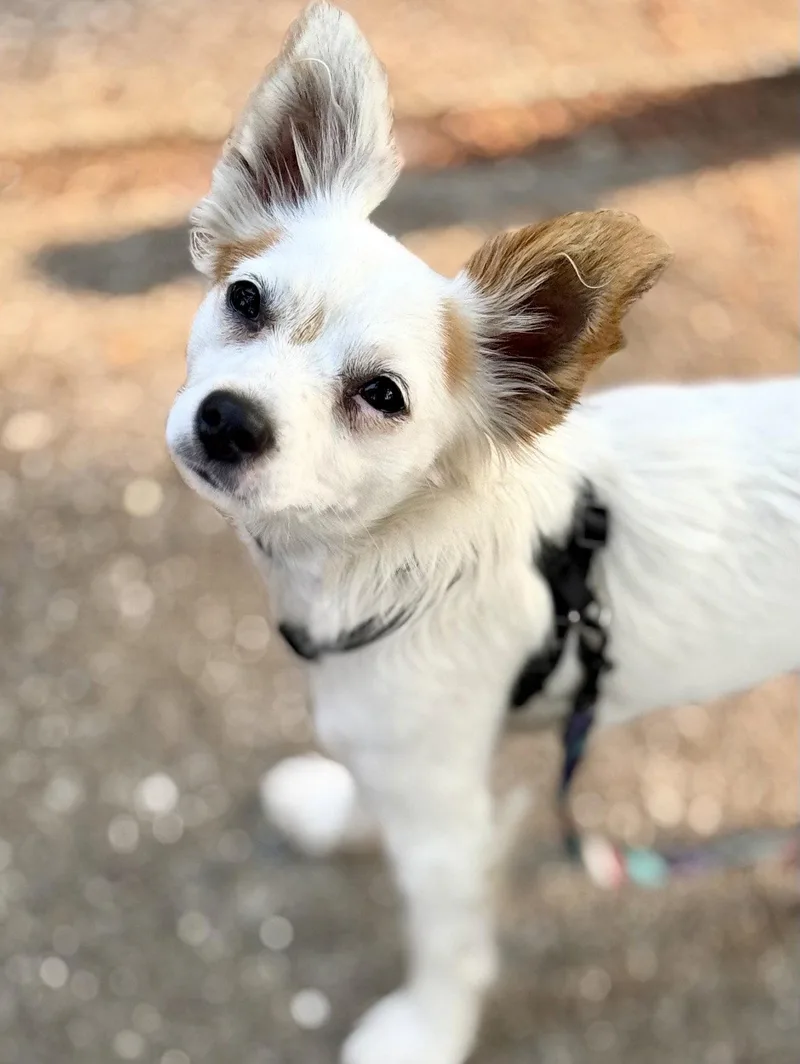
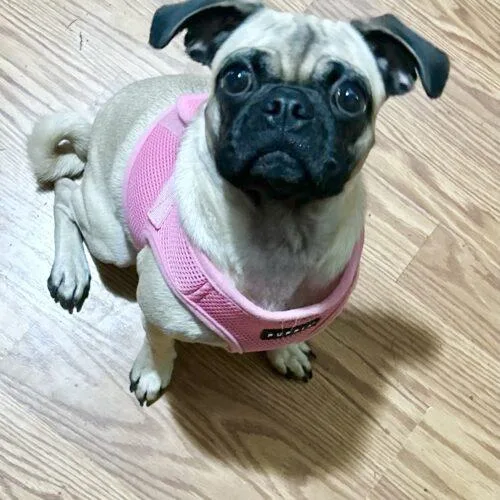
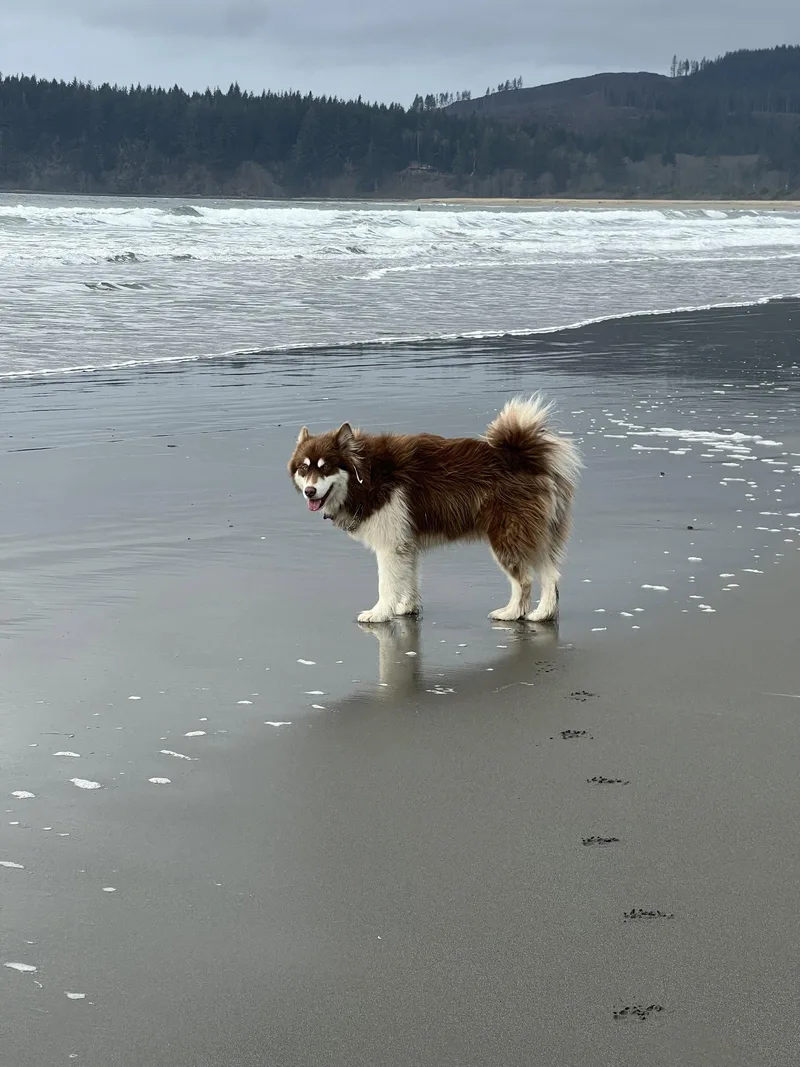
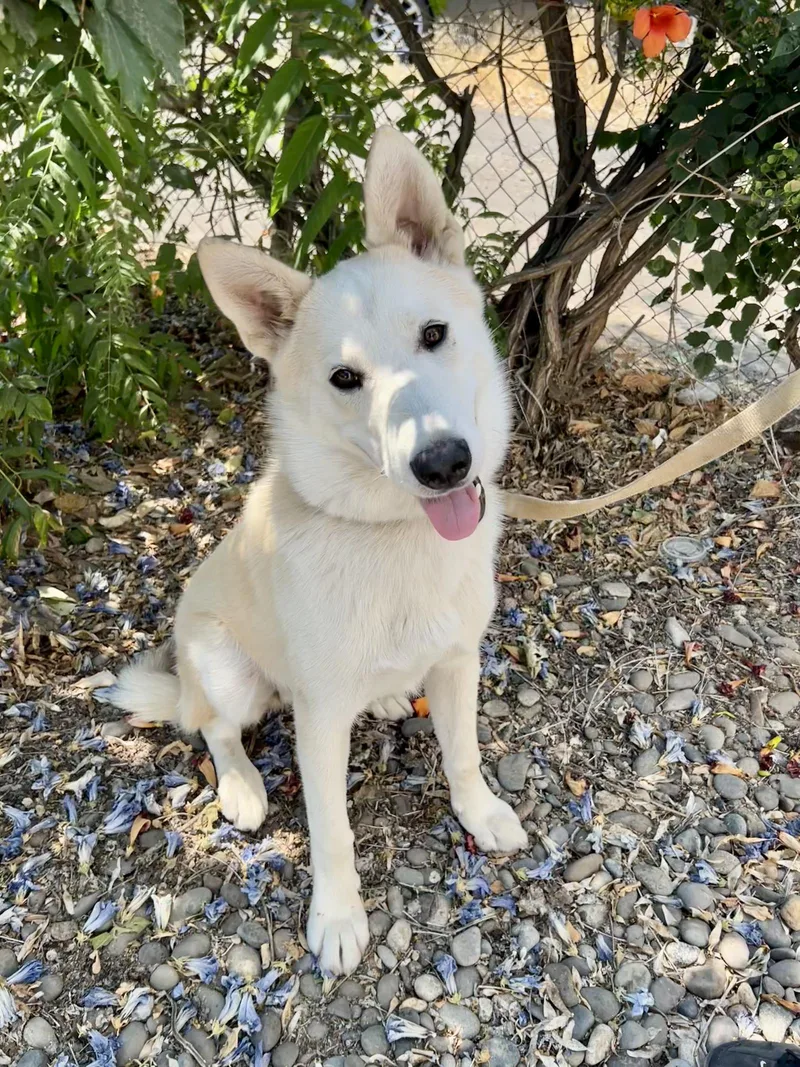
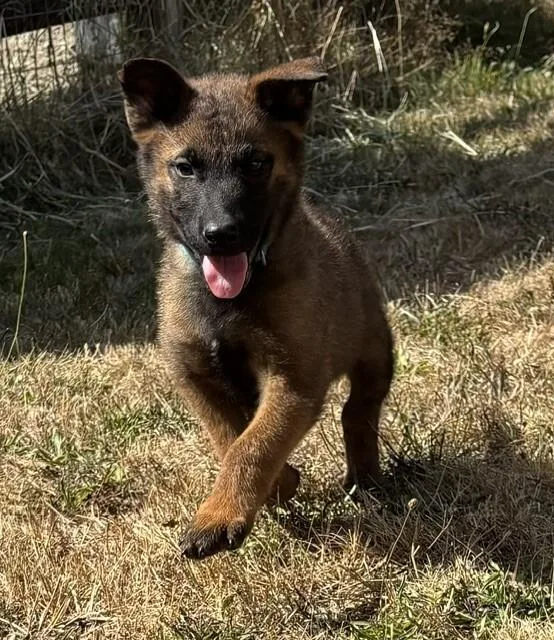
Jindo Dogs for Adoption in Seattle, WA

Your guide to finding and caring for a Jindo in Seattle

Jindos suit Seattle's quieter residential streets better than its busiest blocks. A Wedgwood or Lake City sidewalk gives them the steady daily walks they like, and their clean, calm habits fit a Beacon Hill bungalow or a Columbia City apartment once the exercise is done. They're wary of strangers, so a crowded Green Lake loop on a sunny Saturday can be a lot. Expect a heavy shedder and a rainy-day towel routine you'll get good at fast.

137 Jindos available in Seattle and nationwide

A Jindo is ready for you

While we don't have enough dogs near Seattle, keep in mind that many rescues may offer transport.

Jindos Available for Adoption Near Seattle

About the Jindo breed

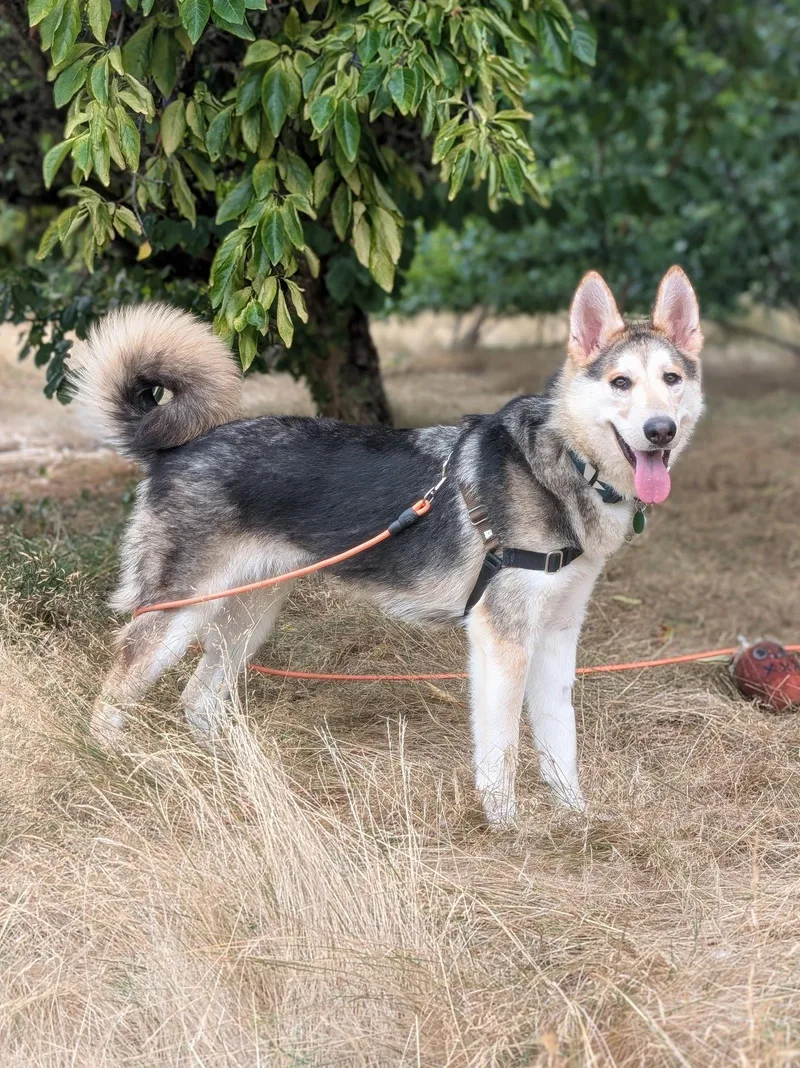
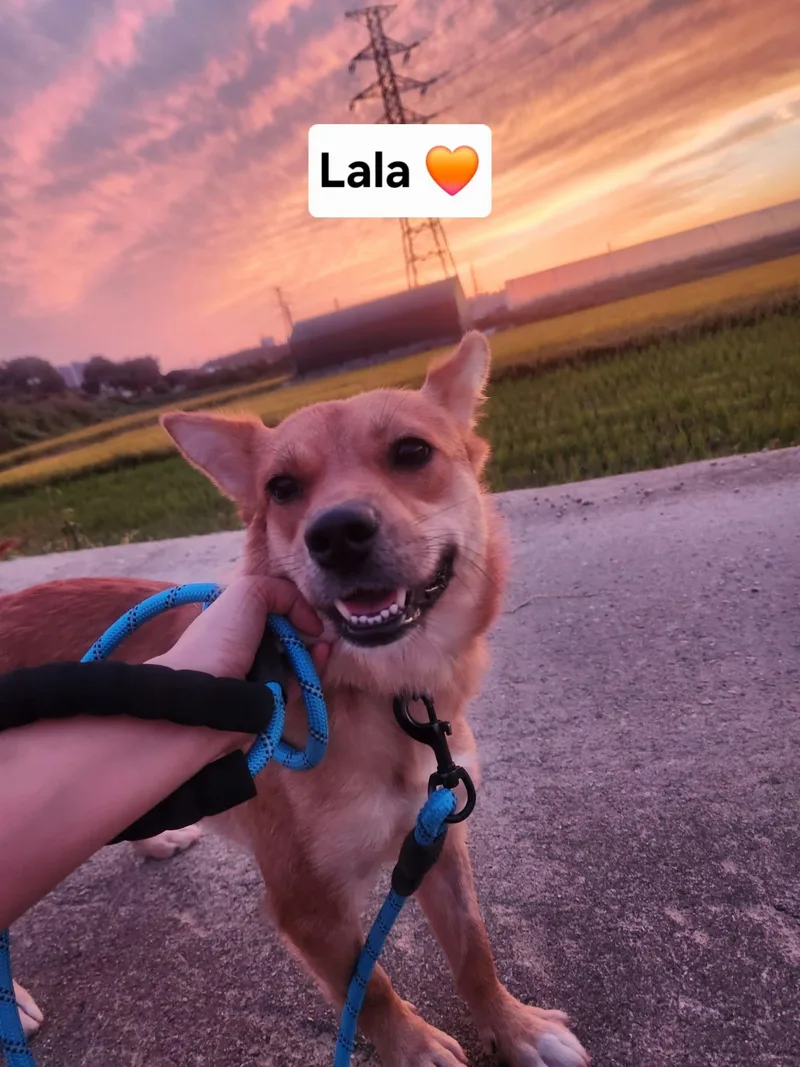
The Jindo is a medium-sized spitz-type dog from Jindo Island, off South Korea's southwest coast, where it hunted game and guarded homes. South Korea protects the breed as a natural monument, and Jindos are famous for loyalty, including one dog that traveled roughly 180 miles back to its first owner. Look for upright ears, a curled or sickle tail and a thick double coat in white, fawn, gray, black or brindle.

In Seattle, Jindos and Jindo mixes suit adopters who like a reserved, tidy and quiet dog and are happy to build trust slowly. Their hunting instinct is strong, so squirrels and the coyotes that live in some of the city's larger green spaces are good reasons to keep a leash on in unfenced areas. Dogs vary, and a Jindo mix may look or act differently.

Weight
30–50 lbs
Height
18–22 in
Lifespan
12–15 yrs
Temperament
Loyal, Independent, Alert, Intelligent
Group
Non-Sporting
Shedding
High

Owning a Jindo in Seattle

Having a Jindo in Seattle

Jindos pair quiet, tidy habits with a hunter's independence. In Seattle, that means dependable leash habits near parks and wildlife, a steady rain routine, and patience with a dog that may take a while to warm up to new people.

Temperament

Jindos are usually devoted to their household and reserved with strangers, and many pick one favorite person. Seattle's busy sidewalks, buses and cafés mean lots of new faces, so go slowly with introductions and reward calm behavior. Some are choosy with other dogs, and dogs vary, so watch how a Jindo reacts at off-leash areas.

Exercise Needs

Plan on about an hour a day: brisk neighborhood walks, hilly routes, and scent games or puzzle toys on wet days. Seattle's 16 off-leash areas are the safest place to run loose, but a Jindo's chase instinct can override recall, so stay leashed everywhere else. Green Lake's loop has a 5-foot leash limit.

Health Considerations

Jindos are generally hardy, but hypothyroidism, discoid lupus affecting the nose, allergies and occasional hip dysplasia do show up. Unexplained weight gain, lethargy or fading nose color are worth a vet visit. Wet weather can keep a thick coat damp, so dry the coat and paws after rain, and have a veterinarian check thyroid and hips.

Living Space

A Jindo can live in a Seattle apartment if exercise is reliable, since the breed is usually quiet and clean indoors. A house with a six-foot fence suits many better, and the dog will want to be inside with you. Jindos climb, jump and dig, so check gates and balcony railings.

What it costs to own a Jindo in Seattle

ExpenseTypical costPer year
Adoption fee$750, one time$750 in year one
Food$35 to $70 per month$420 to $840
Pet insurance$45 to $85 per month$540 to $1,020
Routine vet care$225 to $450 per year$225 to $450
Other*$570 to $1,395 per year$570 to $1,395
Estimated yearly total (after year one)$1,755 to $3,705
First-year total (with adoption fee)$2,505 to $4,455

Adoption fee is the fee on Jindo listings in Seattle on GetBuddy today. Other costs are estimates and vary with size, age and health.

* The $45 Seattle license for a spayed or neutered dog, flea, tick and heartworm prevention, a dental cleaning, toys and bedding, and extra brushing during heavy shedding.

Adopt a Jindo in Seattle.

Now that you know more, let’s find you a new best friend. These rescues and shelters below currently have Jindos available.

Frequently Asked Questions

Westcrest Park's off-leash area is a good place to see how a Jindo handles other dogs, while Seward Park's 2.4-mile path and Lincoln Park's 4.6 miles of paths suit leashed walks. Because Jindos can chase, stay leashed outside off-leash areas, and skip beaches, which are closed to dogs.

Often, yes. Metro buses allow dogs: small dogs ride free on a lap, while a 30-to-50-pound Jindo rides on the floor with a paid fare, at the driver's discretion. Keep the dog leashed and off seats. Sound Transit is piloting leashed dogs on Link through spring 2027, and carriers are otherwise required.

Mostly yes. A Jindo's double coat suits Seattle's cool, damp winters, and summers rarely get hot. Rain falls on roughly 90 days a year, so expect muddy paws and daily towel-drying to keep the coat from staying damp. Rare heat waves and smoky days call for shade, water and shorter walks.

Jindos are tidy and rarely need baths, but the thick double coat sheds heavily in spring and fall. Brush a few times a week, daily during heavy shedding, and towel-dry the coat and paws after rainy walks. Most owners brush at home, and any grooming falls within the yearly Other cost of $570 to $1,395.

Sometimes, on patios. Dogs can join you at some Seattle restaurants when the establishment has a health-department-approved plan, but inside dining rooms generally don't allow pet dogs. Jindos are often wary of strangers, so choose a quiet corner, keep the leash short, and practice settling under a table first.

It can be, for adopters who enjoy walking in drizzle and have a secure home. The cool climate suits the coat, and many neighborhoods have quiet streets for daily walks. A Jindo is a harder fit if you want an off-leash hiking partner, since most parks require leashes, or a dog that greets crowds happily.

A Jindo is a medium-sized, spitz-type hunting and guard dog native to Jindo Island in South Korea, where it is protected as a natural monument. Jindos have erect ears, a curled tail and a thick double coat. They are famous for loyalty, intelligence, cleanliness and independence, and they are often reserved with strangers.

Jindo dogs are not typically aggressive toward their families, but many are wary of strangers, protective of their home and selective with other dogs. Strong prey drive can make them dangerous to cats and small animals. Poor socialization or fear can lead to defensive behavior. Gradual, positive socialization and a rescue's assessment of the individual dog are important.

We have 2 rescues with Jindos available: Love Is Mighty Rescue and Saving Great Animals WA. You can see every rescue with Jindos available in the list above these questions, or scroll to the top to see the Jindos near Seattle.

A Jindo typically costs about $1,755 to $3,705 a year in Seattle before emergencies. That adds up from $35 to $70 a month for food and $45 to $85 for insurance, plus $225 to $450 a year for routine vet care and $570 to $1,395 a year for other costs.

Find Jindos in Nearby Cities

Expand your search to find Jindos available for adoption near Seattle.