Corgi Dogs for Adoption in Seattle, WA

Your guide to finding and caring for a Corgi in Seattle

Corgis fit Seattle's apartment-heavy neighborhoods better than their short legs might suggest. In Wallingford, where about 60% of homes are apartments, condos and townhomes, a corgi can cover a loop to Gas Works Park and still want more. They're opinionated about hallway noise, though, so expect some barking. Rain means a towel by the door most of the year, and Seattle's steep streets and stairs call for care with a long back.

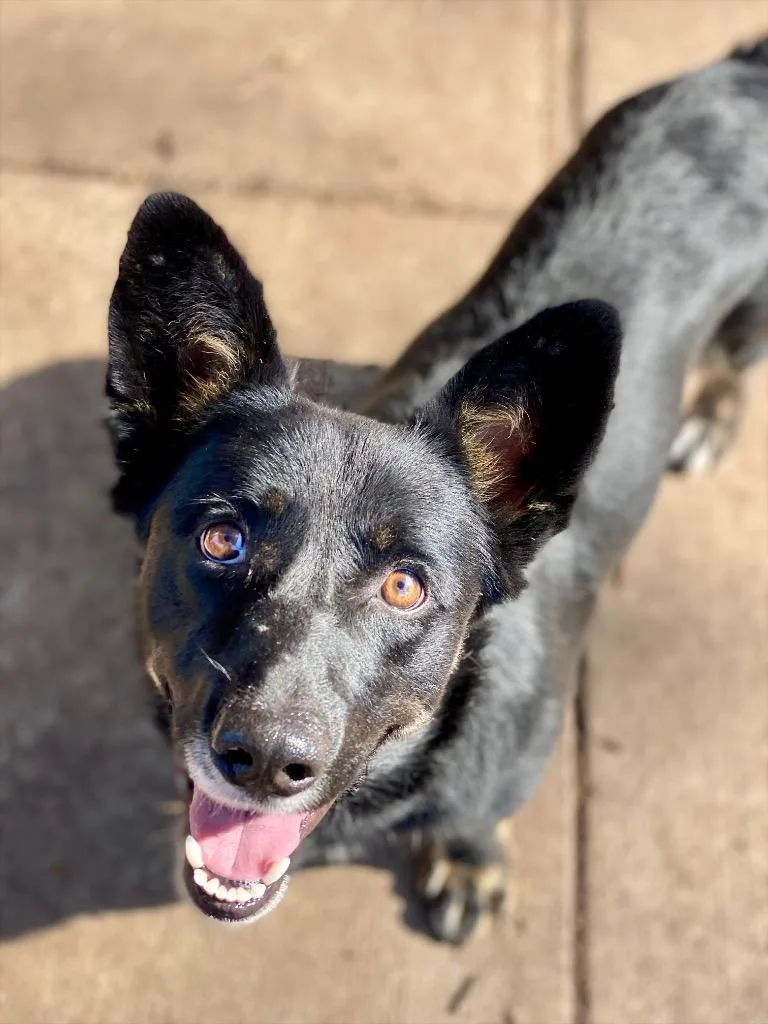
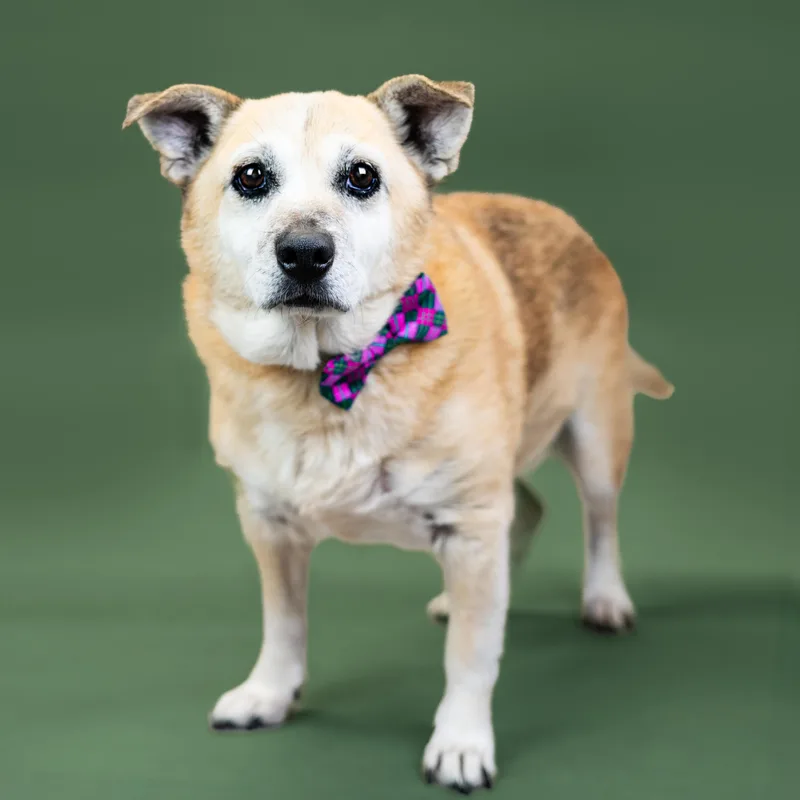
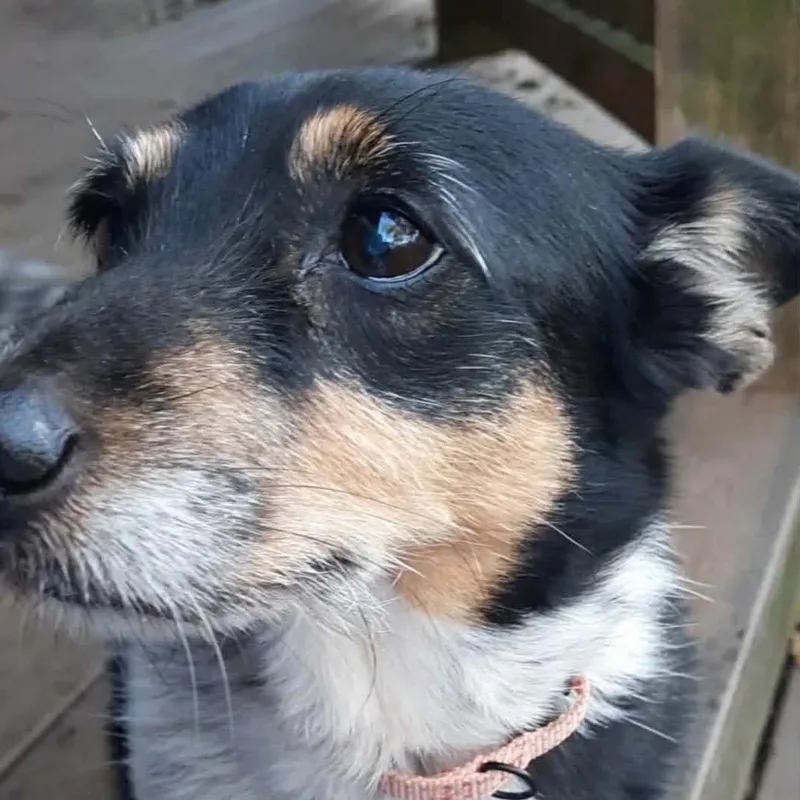
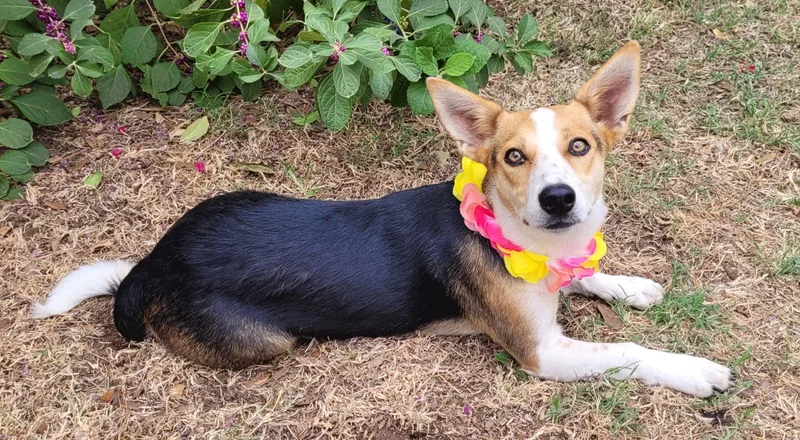
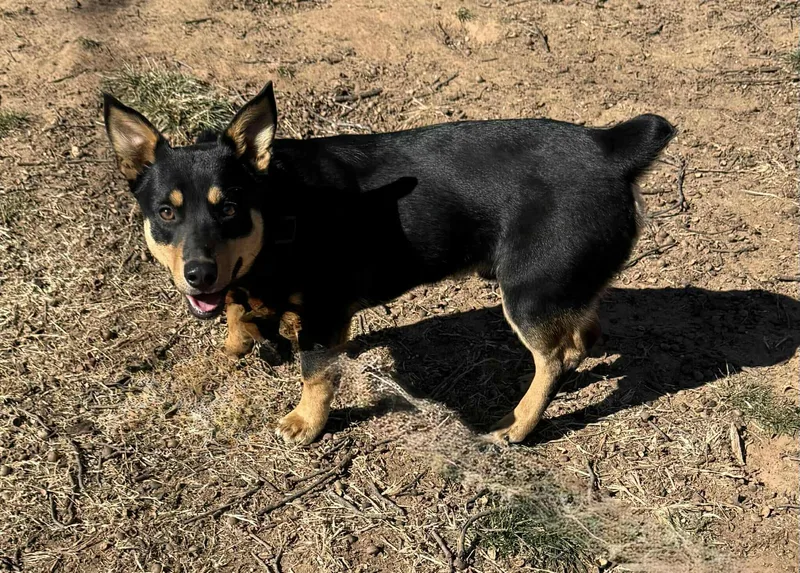
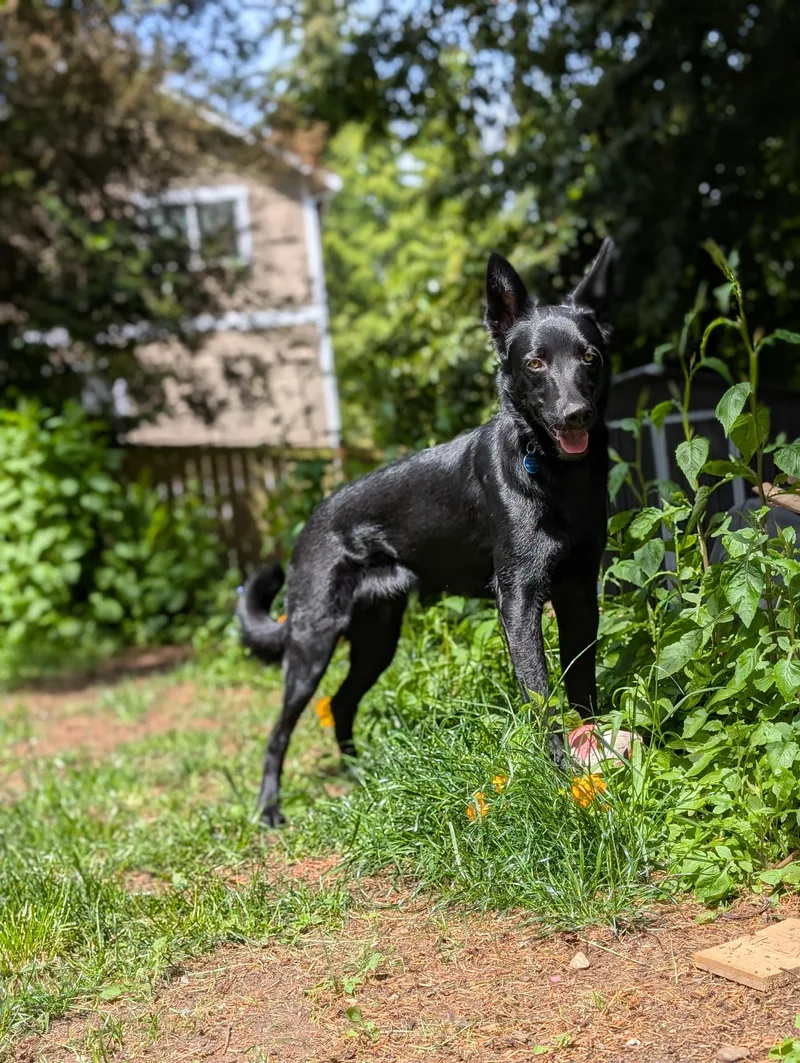
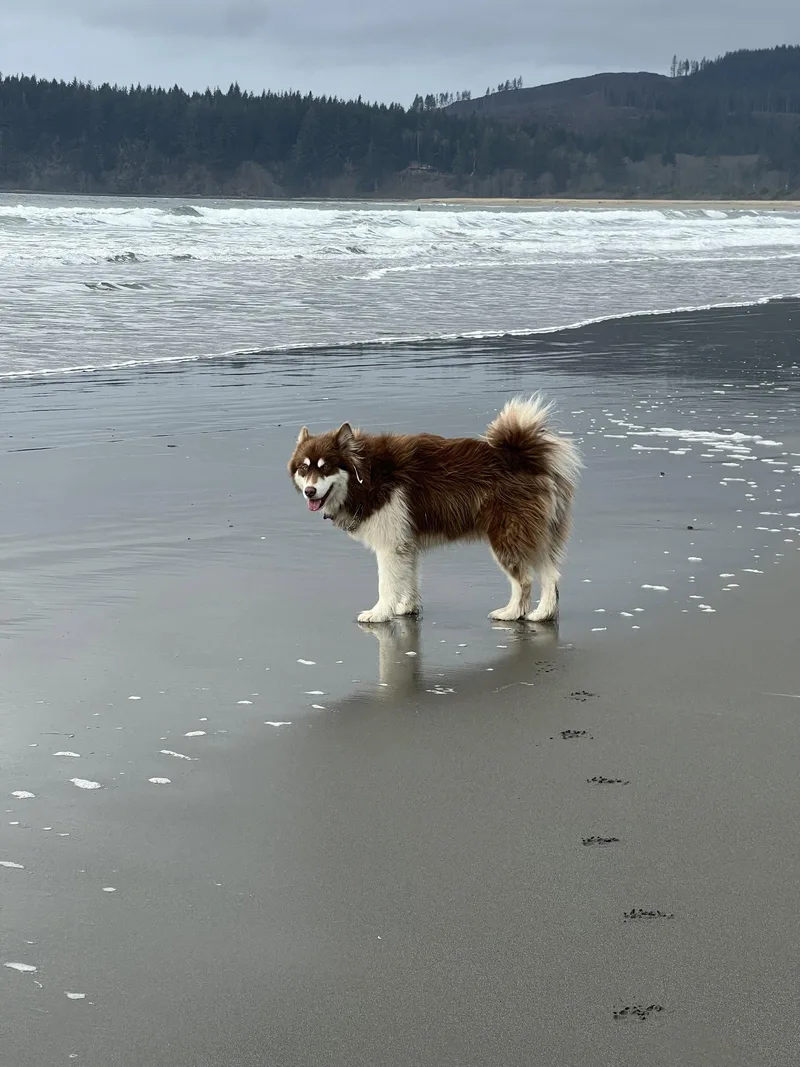
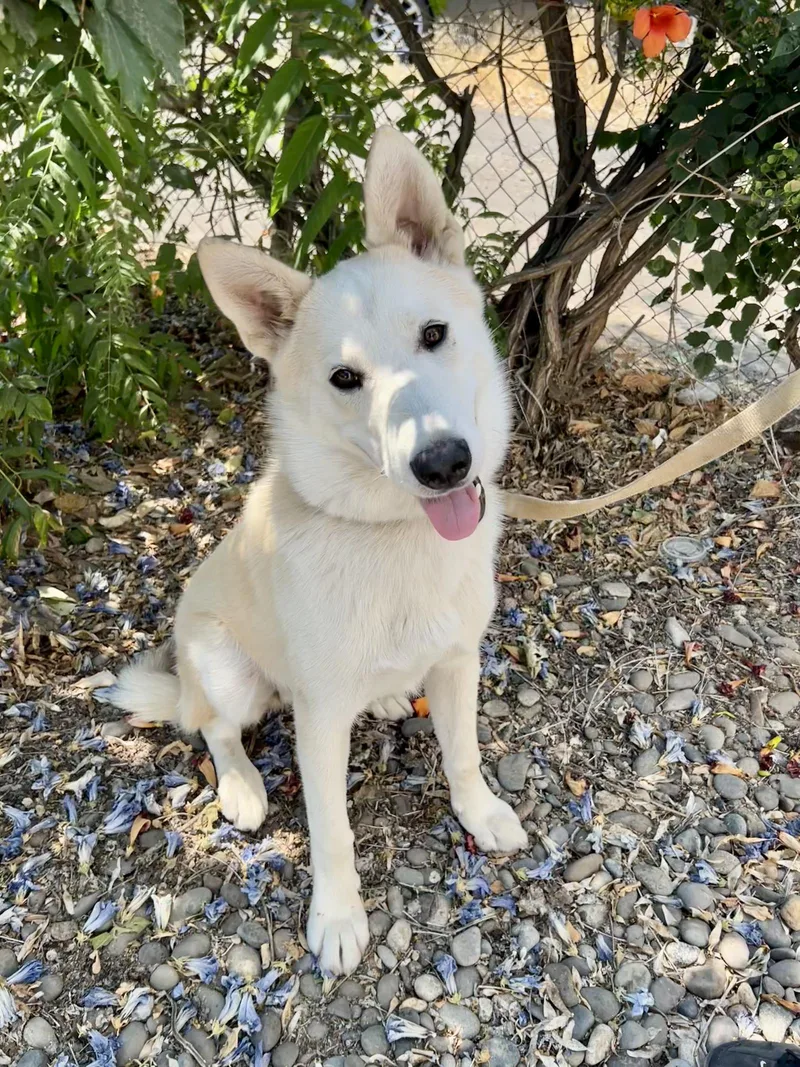
547 Corgis available in Seattle and nationwide

Meet your next Corgi

While we don't have enough dogs near Seattle, keep in mind that many rescues may offer transport.

Corgis Available for Adoption Near Seattle

About the Corgi breed

Corgi covers two Welsh herding breeds, the Pembroke and the Cardigan, and corgi mixes are common enough that they often get the same label. All are long and low with upright ears and a dense double coat. Pembrokes are lighter and foxier, often with a short tail, while Cardigans are heavier with a long, brushy tail.

Their cattle-herding past can show up in Seattle as barking at passersby, nipping at moving heels and strong opinions about everything on the sidewalk. They shed heavily, love food and need daily exercise, so measured portions and regular walks matter, even when the drizzle makes skipping them tempting. A well-matched corgi makes a lively, devoted companion.


Weight
22–38 lbs
Height
10–13 in
Lifespan
12–15 yrs
Temperament
Alert, Intelligent, Affectionate
Group
Herding
Shedding
High

Owning a Corgi in Seattle

Having a Corgi in Seattle

Whether Pembroke, Cardigan or mix, a corgi is a herder built low to the ground. In Seattle, that means planning for hills, wet weather, plenty of shedding and a long back that needs protection from stairs and jumps.

Temperament

Corgis tend to be outgoing, smart and chatty, and many bark at footsteps in the hallway or try to herd by nipping at heels. In a dense Seattle building, early training for quiet and calm greetings pays off. Dogs vary, and Cardigans are often a bit more reserved than Pembrokes.

Exercise Needs

Plan on a daily walk or two plus play and training games. Seattle's hills give a short-legged dog a good workout, and several off-leash areas have small-dog sections for fetch. On rainy days, puzzle toys and short training sessions keep a bored corgi from herding the household.

Health Considerations

Corgis are prone to back problems, hip dysplasia, eye disease and weight gain, and staying lean protects the spine. On Seattle's steep streets and stairs, use ramps or lift a corgi rather than letting it leap. A veterinarian can check the spine, hips and eyes, and watch for back pain or reluctance to move.

Living Space

Corgis fit Seattle apartments and houses alike if they get daily exercise. A building with an elevator or few stairs is easier on a long back, and a ramp to the sofa helps. Expect shed hair year-round and barking at hallway and street noise.

What it costs to own a Corgi in Seattle

ExpenseTypical costPer year
Food$20 to $45 per month$240 to $540
Pet insurance$40 to $85 per month$480 to $1,020
Routine vet care$200 to $400 per year$200 to $400
Other*$520 to $1,295 per year$520 to $1,295
Estimated yearly total (after year one)$1,440 to $3,255

Other costs are estimates and vary with size, age and health.

* The $45 Seattle license for a spayed or neutered dog, flea, tick and heartworm prevention, a dental cleaning allowance, toys and bedding, and brushing and baths for heavy shedding.

Adopt a Corgi in Seattle.

Now that you know more, let’s find you a new best friend. These rescues and shelters below currently have Corgis available.

Frequently Asked Questions

Yes, Corgis can ride Metro buses. Small dogs ride free on your lap, while larger dogs ride on the floor with a paid fare, at the driver's discretion. Dogs can't take a seat or run loose. Sound Transit is piloting leashed dogs on Link light rail through spring 2027; otherwise pets need a small carrier.

Yes, a corgi's double coat handles Seattle winters well, since temperatures usually stay in the 30s and 40s and freezing days are rare. The bigger issues are rain and the occasional snowstorm. Dry the coat and paws after walks, rinse off ice-melt, and plan indoor exercise for the few days when hills turn icy.

Magnuson Park has an 8.6-acre off-leash area with Lake Washington access, and Westcrest Park, Genesee Park and Woodland Park have small-dog sections. For leashed walks, try the 2.8-mile Green Lake loop, the Burke-Gilman Trail or Seward Park. Dogs aren't allowed on city park beaches, athletic fields or play areas.

Yes, a corgi can do well in a Seattle apartment with daily walks and mental stimulation. The main issues are barking at hallway and street noise, and stairs. Practice quiet cues early, pick a building with an elevator or few steps if you can, and use a ramp for the sofa so the dog isn't jumping.

A corgi can be a good fit if you don't mind daily walks in drizzle, towel-drying and vacuuming. The climate is mild, and the city has more than a dozen off-leash areas for play. It suits people who are home for part of the day, since bored corgis bark. Hills and stairs mean protecting its back.

Sometimes, on patios only. Dogs can join you at some Seattle restaurants with outdoor seating when the restaurant has a health-department-approved plan, while indoor dining rooms generally don't allow pet dogs. Keep your corgi leashed, off chairs and tables, and out of the indoor area, and don't assume any given patio allows dogs.

Plan on brushing a few times a week, and daily during the heavy sheds in spring and fall. Seattle's rain adds towel-drying and paw wiping after walks, plus a bath every month or two when muddy. Most owners manage this at home, and any professional grooming falls within the yearly Other costs shown on this page.

A corgi is a small, long-bodied herding dog from Wales with short legs, upright ears and a thick double coat. The name covers two separate breeds, the Pembroke Welsh Corgi and the Cardigan Welsh Corgi, which share a working past driving cattle. Many corgis in shelters are mixes. Most are smart, energetic and affectionate, with a strong opinion about everything.

We have 1 rescue with Corgis available: Saving Great Animals WA. You can see every rescue with Corgis available in the list above these questions, or scroll to the top to see the Corgis near Seattle.

Plan on roughly $20 to $45 a month for food and $40 to $85 for insurance. Routine vet care runs about $200 to $400 a year, and other yearly costs add $520 to $1,295. Altogether, that's around $1,440 to $3,255 a year, not counting emergencies or one-time supplies.