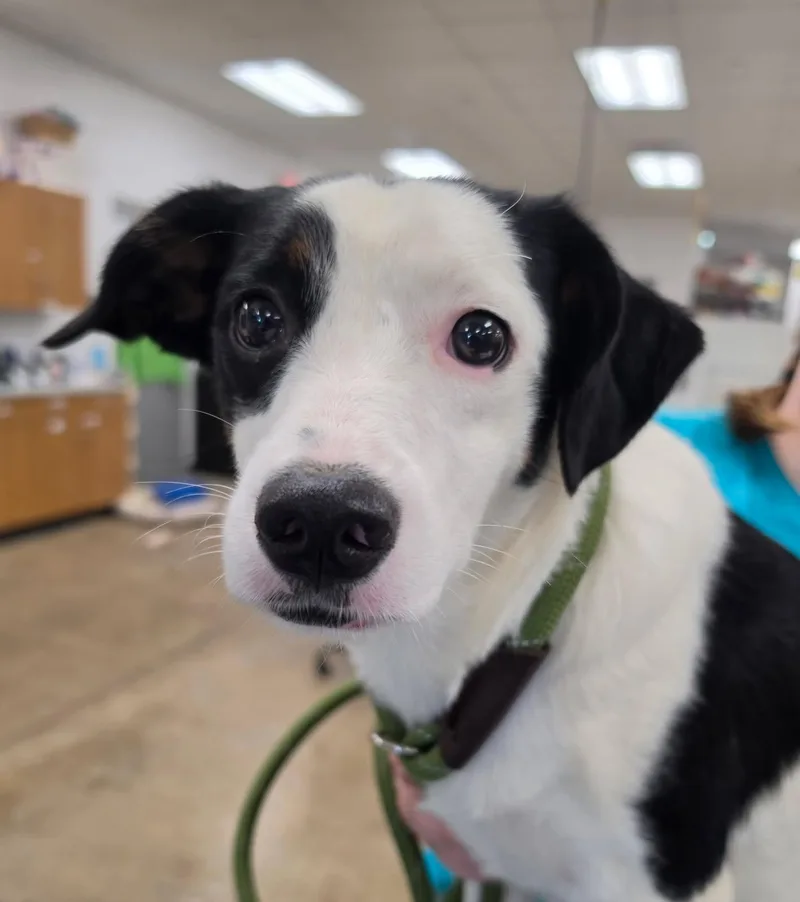
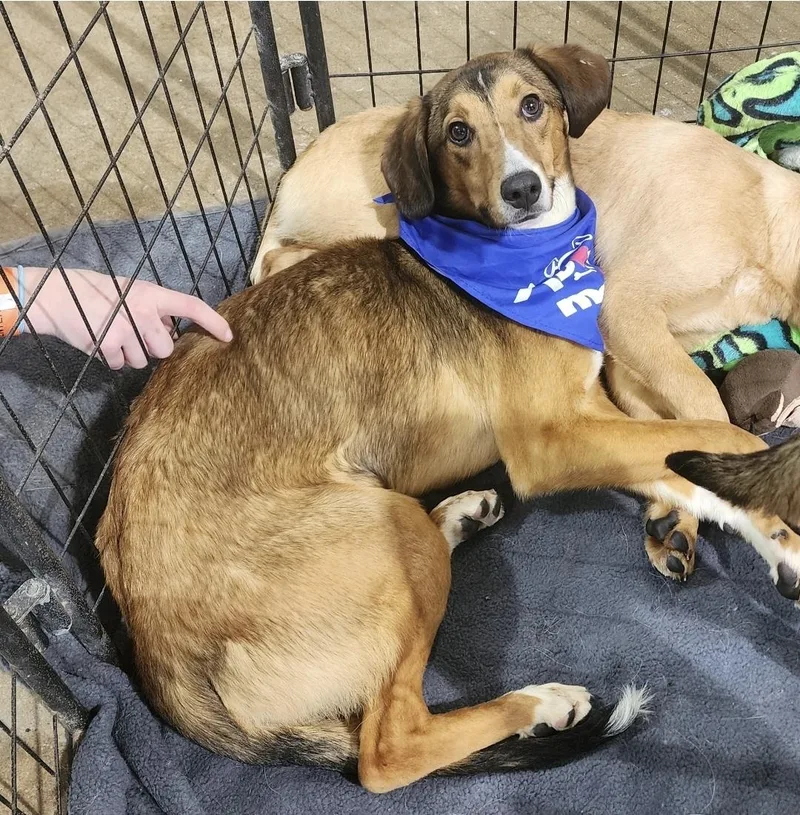
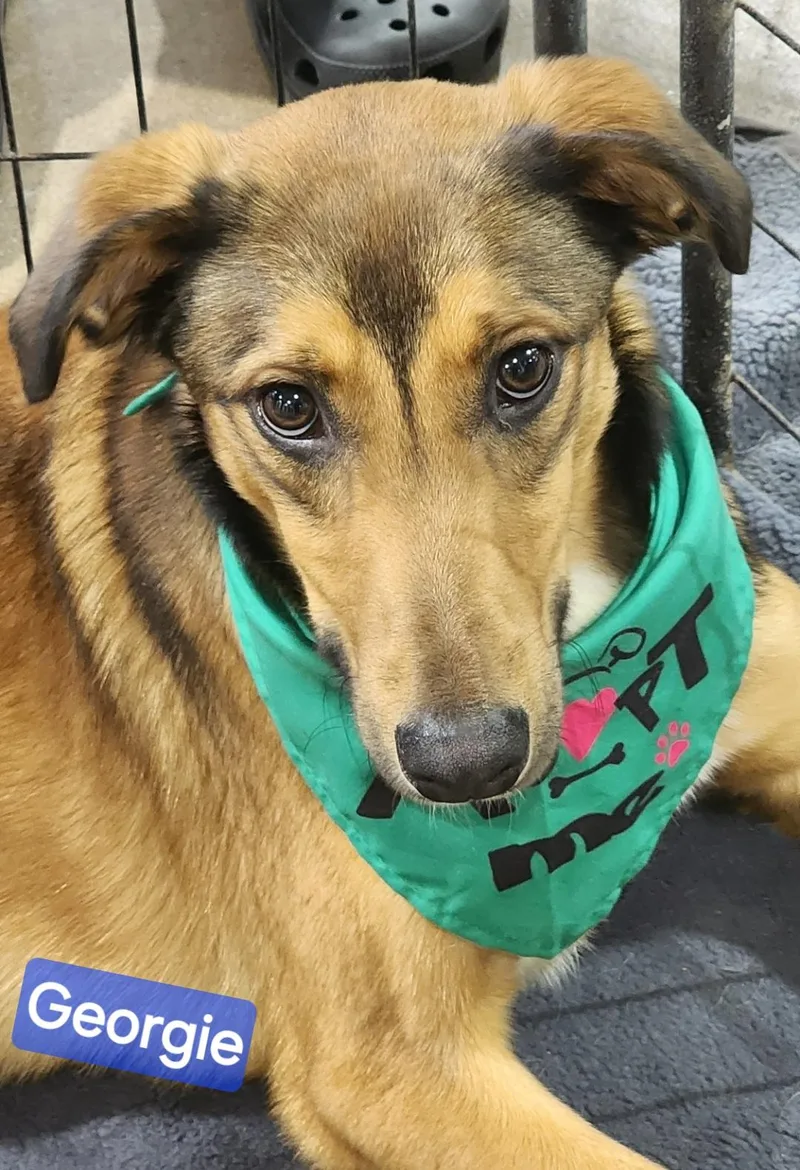
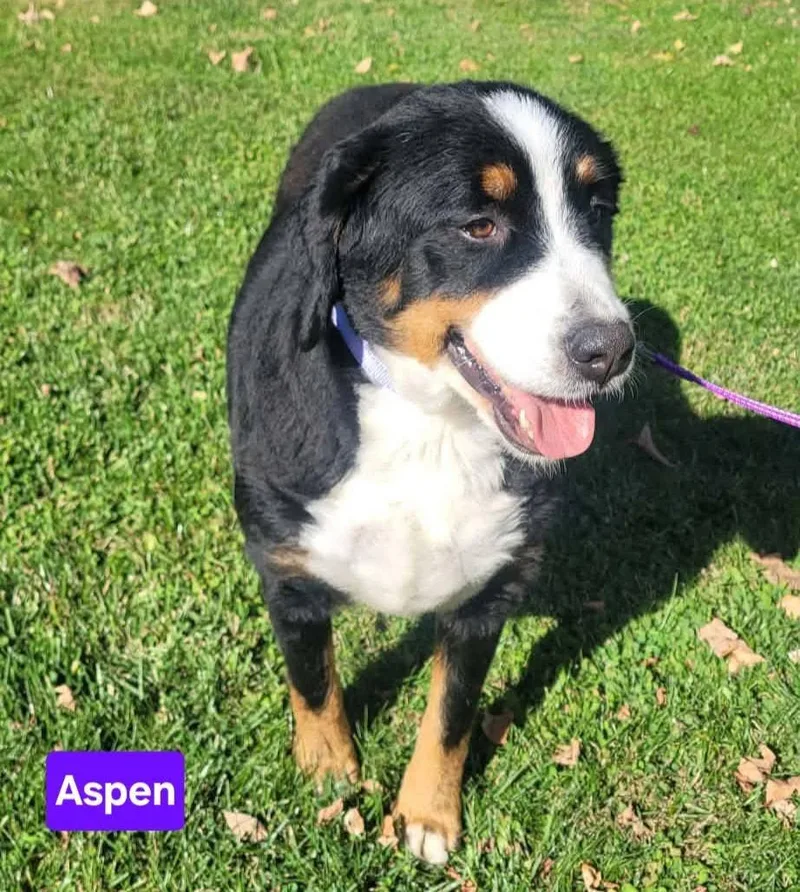
Bernese Mountain Dogs for Adoption in Seattle, WA

Your guide to finding and caring for a Bernese Mountain Dog in Seattle

Bernese Mountain Dogs suit Seattle's cool, drizzly climate better than most giant breeds. A Berner is happy on a Seward Park loop or a Lincoln Park trail, and a Wedgwood or Beacon Hill bungalow with a fenced yard is about the right size for one. Mud and shedding come with the territory. Steep streets in Queen Anne or Magnolia are hard on a heavy dog's joints, so flatter blocks near Green Lake are easier.

131 Bernese Mountain Dogs available in Seattle and nationwide

Adopt a Bernese Mountain Dog today

While we don't have enough dogs near Seattle, keep in mind that many rescues may offer transport.

Bernese Mountain Dogs Available for Adoption Near Seattle

About the Bernese Mountain Dog breed

Bernese Mountain Dogs come from the farms around Bern, Switzerland, where they pulled milk carts, drove cattle and guarded the yard. They're the only long-coated Swiss mountain breed, with a black coat, rust markings and a white blaze, and most weigh 70 to 115 pounds. In Seattle, that thick coat handles the damp well, though it holds mud and water long after a walk.

Berners are usually gentle and devoted, often a little reserved with strangers, and calm indoors. Plan for heavy shedding, a lifespan of roughly 7 to 10 years and higher cancer rates than most breeds. Early leash training matters, since an adult that pulls is hard to hold on Seattle's hilly sidewalks. Dogs vary, so spend time with the Berner you're considering.

Weight
70–115 lbs
Height
23–28 in
Lifespan
7–10 yrs
Temperament
Gentle, Affectionate, Calm
Group
Working
Shedding
High

Owning a Bernese Mountain Dog in Seattle

Having a Bernese Mountain Dog in Seattle

A Berner pairs a soft, people-focused nature with a draft dog's size and strength. In Seattle, the mild climate helps this heat-sensitive breed, while hills, rain and a heavy coat shape the daily routine.

Temperament

Berners tend to be gentle and attached to their people, though some stay reserved around strangers. That suits busy Seattle sidewalks and trails if the dog has learned to greet politely, since a 90-pound dog leaning on a passerby is a lot. Behavior varies from dog to dog, so watch how each one handles new people and noise.

Exercise Needs

Plan on one or two moderate walks a day. Rain doesn't bother most Berners, so loops at Green Lake or the shaded paths at Seward Park work year-round, kept on leash. Save hard play for cool mornings or evenings, and keep puppies off long runs and repetitive jumping while their joints develop.

Health Considerations

Cancer, especially histiocytic sarcoma, is the breed's biggest risk, along with hip and elbow dysplasia, kidney disease and bloat. Seattle's damp weather can invite ear and skin trouble under a thick coat, so dry the dog after walks. A veterinarian can check joints and screen for problems, and a lean weight protects hips and elbows.

Living Space

A giant dog needs floor space and a cool spot to stretch out. Seattle's older bungalows with fenced yards suit a Berner well. A condo or apartment can work with an elevator or ground-floor access, since steep stairs are hard on big joints. Plan for hair on everything and a dry entry spot for towel-offs.

What it costs to own a Bernese Mountain Dog in Seattle

ExpenseTypical costPer year
Food$80 to $160 per month$960 to $1,920
Pet insurance$85 to $170 per month$1,020 to $2,040
Routine vet care$250 to $500 per year$250 to $500
Other*$720 to $1,895 per year$720 to $1,895
Estimated yearly total (after year one)$2,950 to $6,355

Other costs are estimates and vary with size, age and health.

* The $45 Seattle license for a spayed or neutered dog, flea, tick and heartworm prevention, a dental cleaning, coat care, joint supplements, and toys and large bedding.

Adopt a Bernese Mountain Dog in Seattle.

Now that you know more, let’s find you a new best friend. These rescues and shelters below have dogs available in and near Seattle.

Frequently Asked Questions

Yes, Seattle has no breed bans, and Washington law limits breed-based rules statewide. You'll need a city license (the fee is $45 a year for a spayed or neutered dog), a rabies vaccination and a leash whenever you're off your own property. A typical lot can have up to three dogs and cats combined, so one Berner fits comfortably.

Mostly yes. Seattle's cool, wet weather suits a thick-coated Berner, and only about 25 to 30 nights a year dip to freezing. The challenges are mud, drying routines and a few hot days. About 28 to 31 days a year reach 80°F, and heat waves like June 2021 call for early walks and a cool room. Late-summer smoke can mean shorter outings.

Magnuson Park's off-leash area has Lake Washington access, and Westcrest Park and Dr. Jose Rizal Park give a large dog room to move. For leashed walks, try Seward Park's forest path, Green Lake's 2.8-mile loop with a 5-foot leash limit, or Lincoln Park. Dogs can't go on city beaches, and off-leash areas bar puppies under four months.

Yes, on some services. King County Metro allows dogs, but only small dogs on a lap ride free. A larger dog like a Berner rides on the floor with a paid fare, at the driver's discretion, and never on a seat. Sound Transit is piloting leashed dogs on Link through spring 2027, and the Water Taxi and state ferries allow leashed dogs.

Plan on brushing a couple of times a week, and daily during heavy shedding. Seattle's rain adds towel-drying and paw checks after most walks so the thick coat doesn't stay damp and tangle. Professional grooming is optional. The Other estimate of $720 to $1,895 a year includes coat care alongside prevention, dental care and supplements.

Only outdoors, and only at some places. Washington rules generally keep dogs out of food establishments, with an exception for patios where the restaurant has a health-department-approved plan. Dogs usually must stay leashed, off tables and chairs, and out of the indoor area. A Berner takes up a lot of floor, so a roomy patio corner works best.

A Bernese Mountain Dog is a large to giant Swiss working breed originally used on farms to pull carts, drive cattle and guard property. It has a long, tricolored coat of black, rust and white and a sturdy, powerful build. Berners are known for their gentle, affectionate nature, though their lifespan is shorter than many breeds.

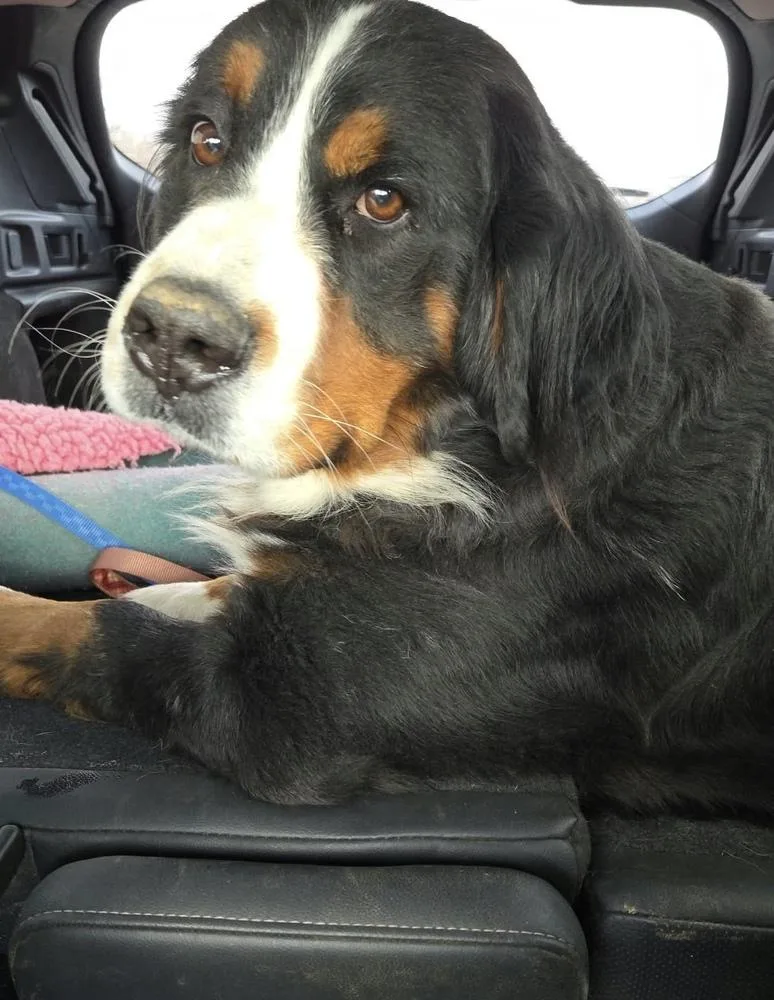
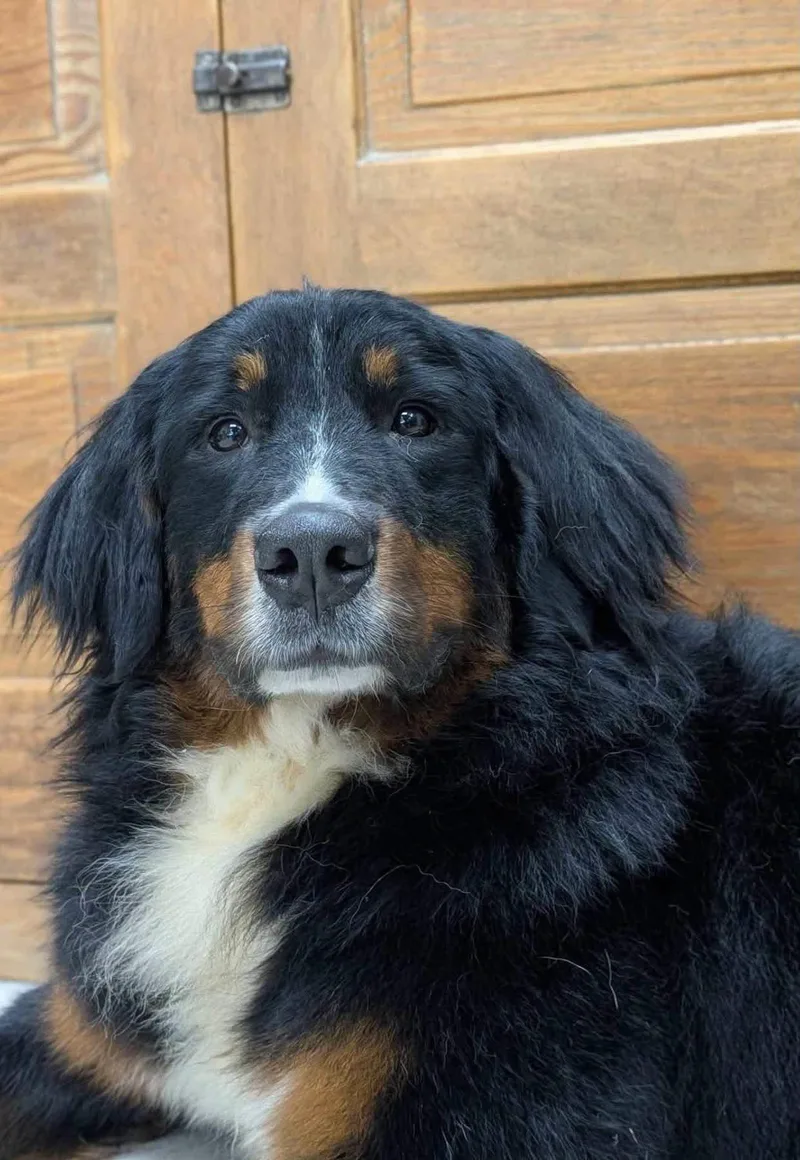
A Bernese Mountain Dog has a thick, moderately long coat that is jet black with rich rust markings over the eyes, on the cheeks, chest and legs, and white on the face, chest, feet and tail tip. The white chest marking often forms an inverted cross. They have a broad head, dark brown eyes and triangular drop ears.

Most adult Bernese Mountain Dogs weigh about 70 to 115 pounds. Males commonly weigh around 80 to 115 pounds and females around 70 to 95 pounds, though some dogs fall outside these ranges. Frame size matters, so veterinarians judge by body condition: you should feel ribs under a light layer of fat. Extra weight strains this breed's joints.

Expect roughly $2,950 to $6,350 a year for a Berner in Seattle, covering food, insurance, routine vet care and other costs. Food and insurance are the largest items for a giant dog, and the breed's cancer and joint risks make insurance worth pricing. Emergency care and boarding would come on top of these ranges.

Find Bernese Mountain Dogs in Nearby Cities

Expand your search to find Bernese Mountain Dogs available for adoption near Seattle.