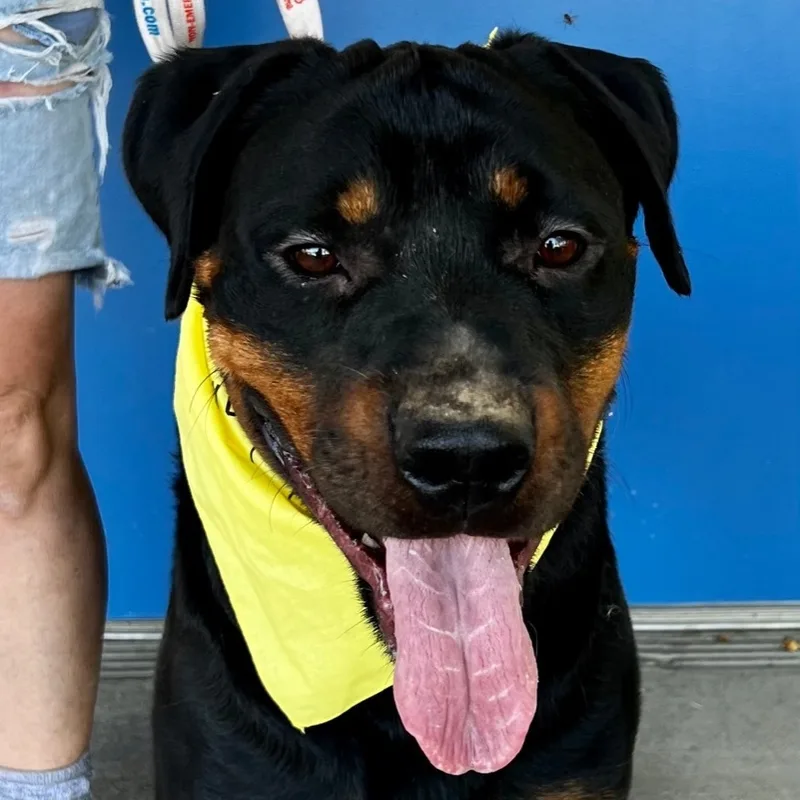
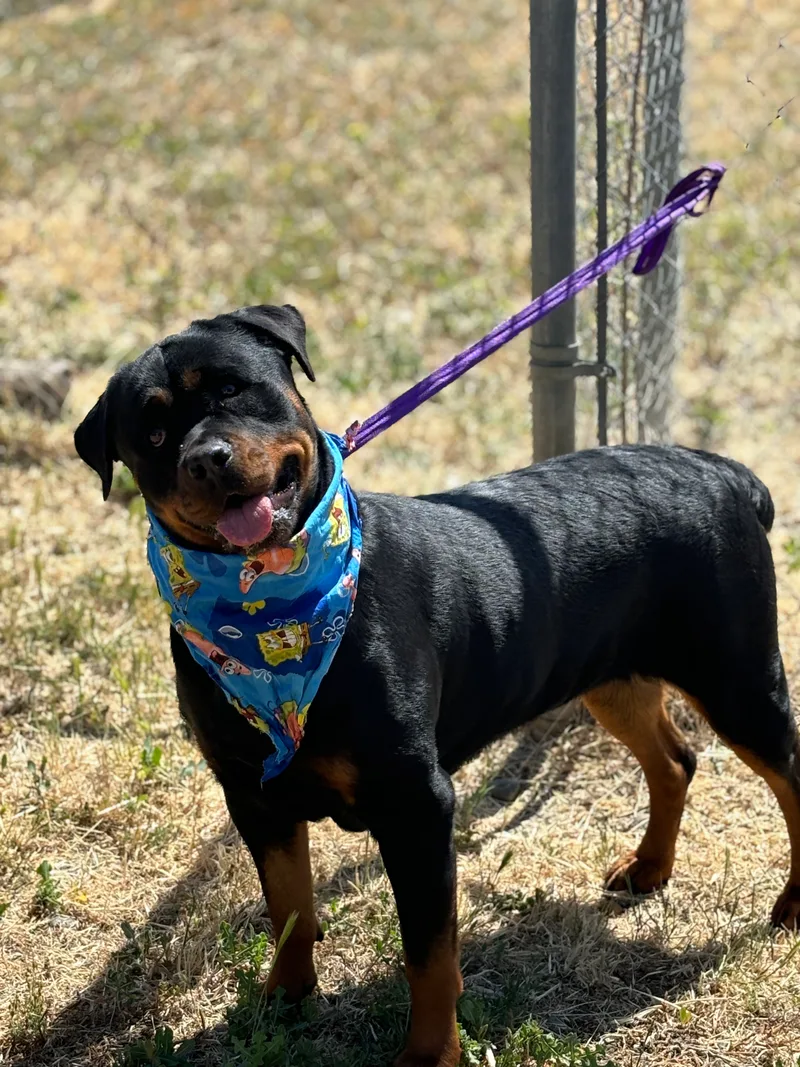
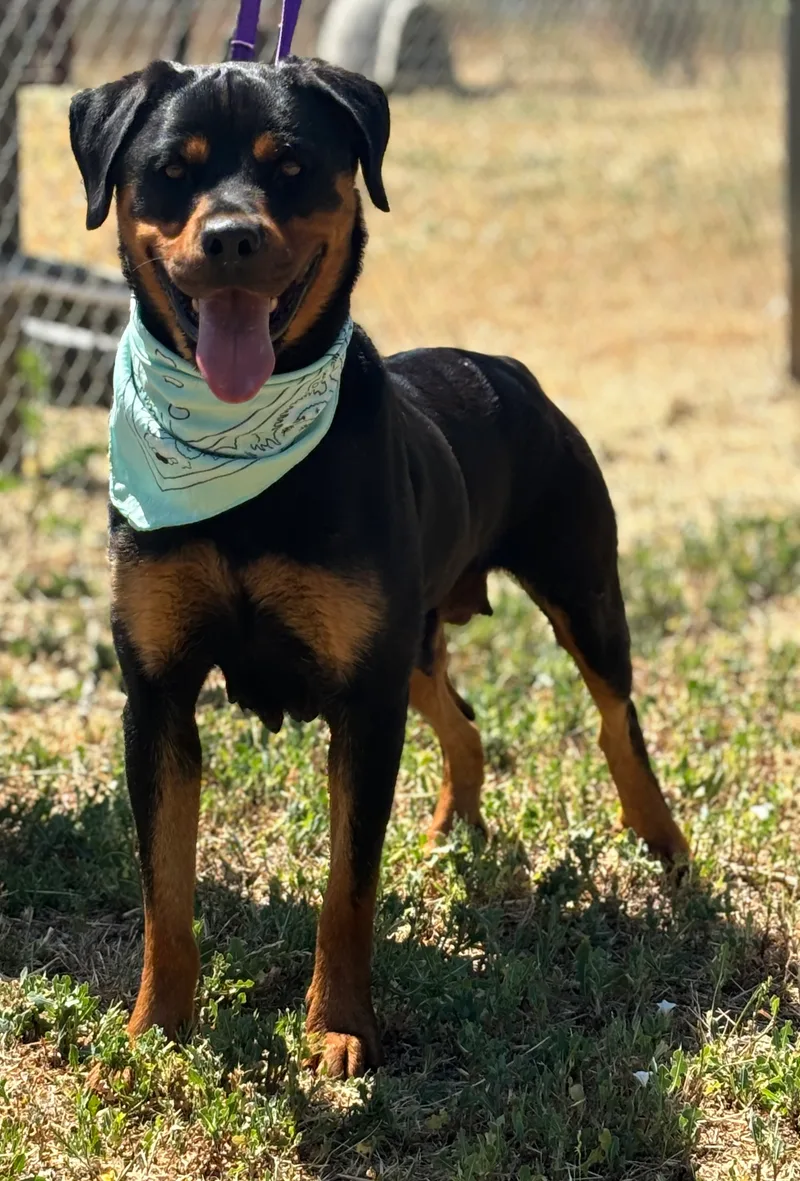
Black Russian Terrier Dogs for Adoption in Ridgefield, WA

Your guide to finding and caring for a Black Russian Terrier in Ridgefield

2682 dogs similar to Black Russian Terrier available in Ridgefield and nationwide

Find your Black Russian Terrier

While we don't have enough dogs near Ridgefield, keep in mind that many rescues may offer transport.

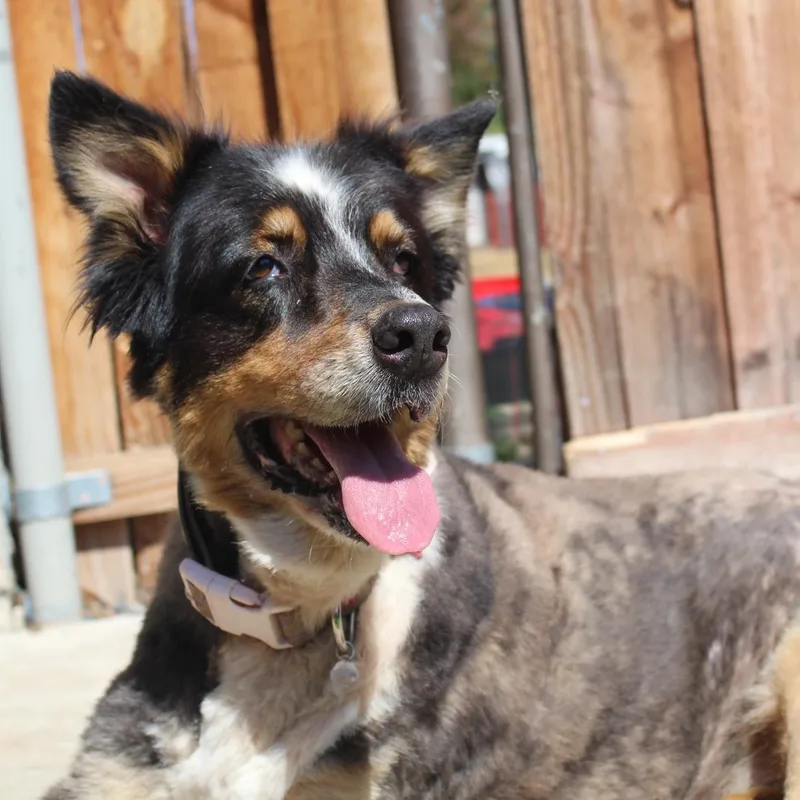
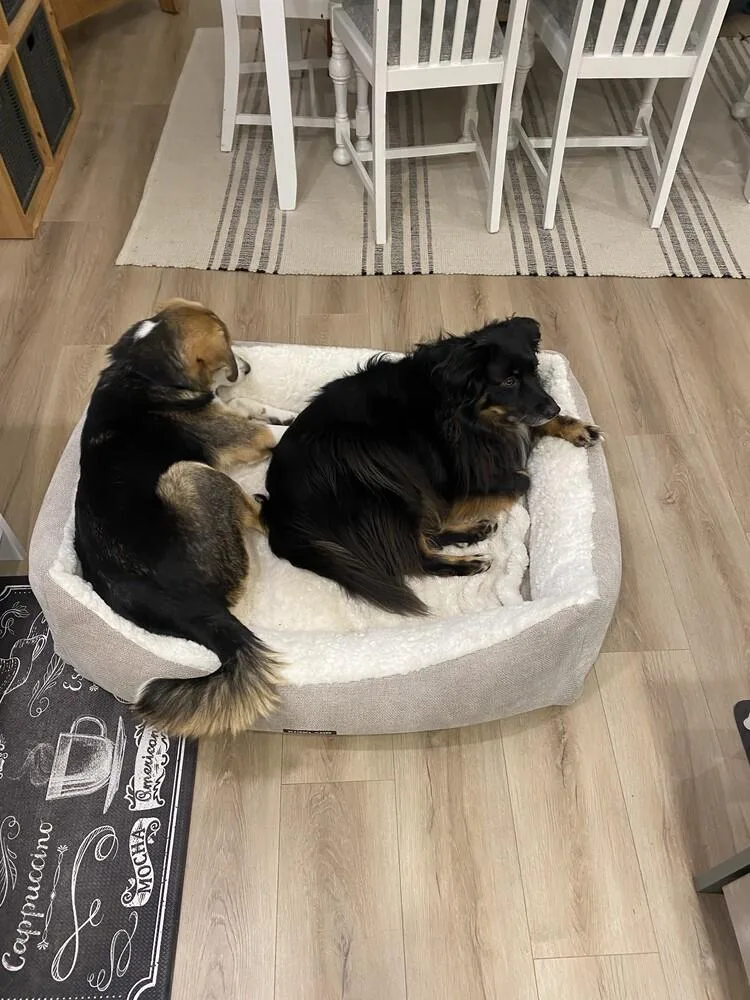
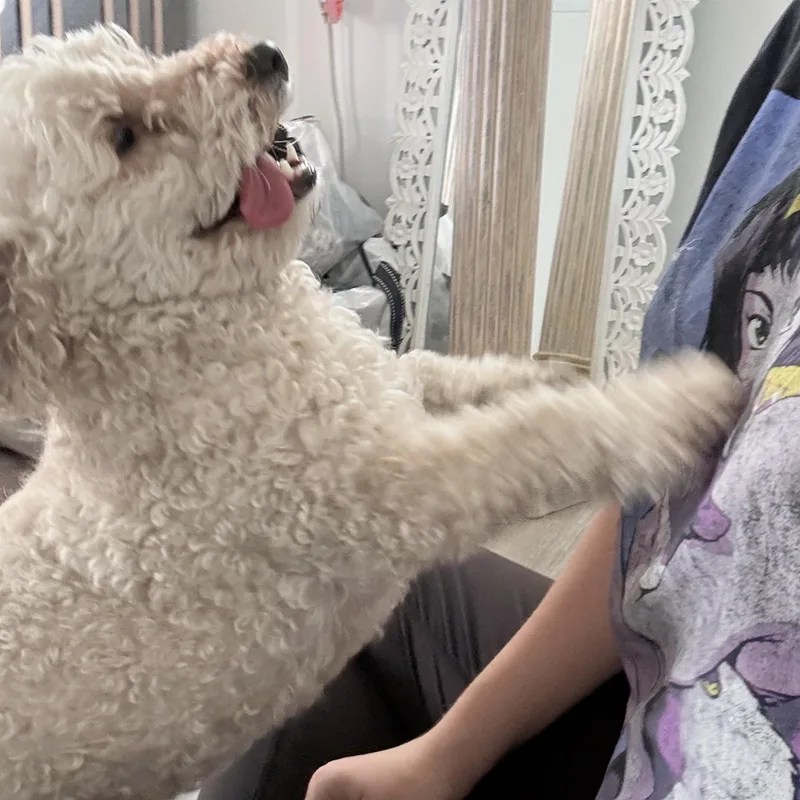
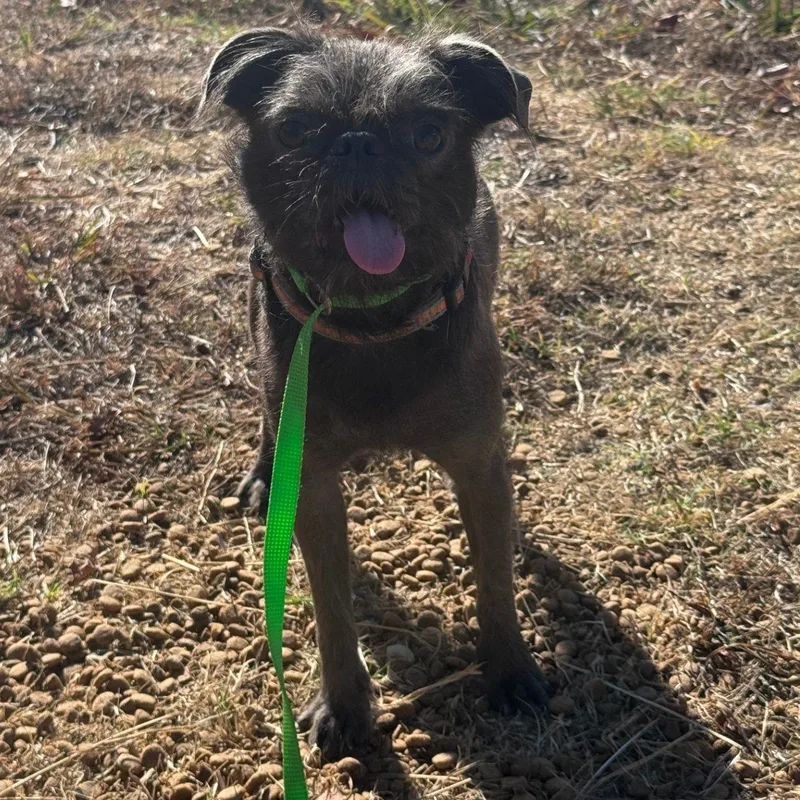
Black Russian Terriers and Similar Breeds Available for Adoption Near Ridgefield

About the Black Russian Terrier breed

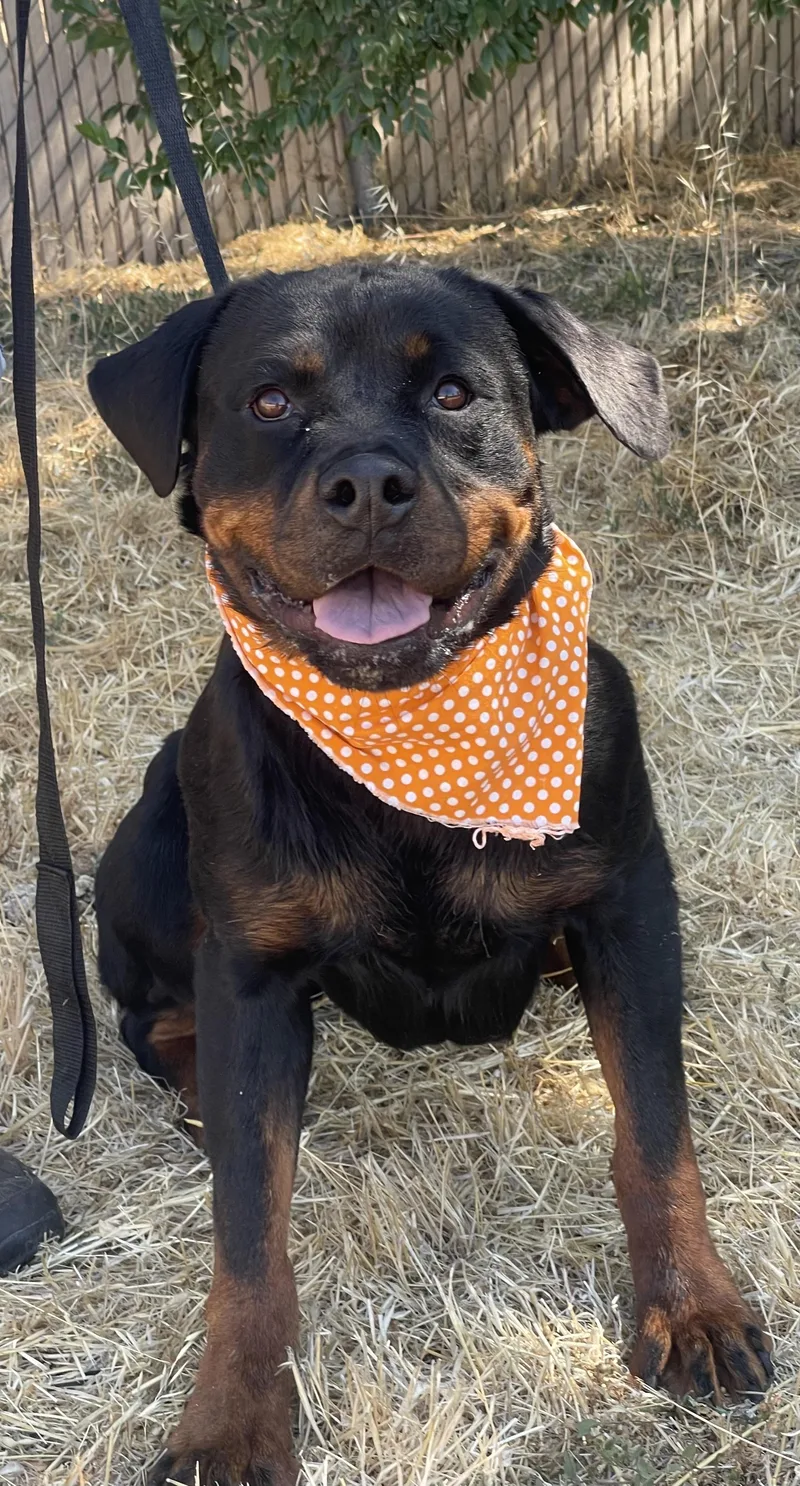
Despite the name, the Black Russian Terrier is not a true terrier. It was created in the late 1940s and 1950s at the Soviet Army's Red Star Kennel as a large, hardy working dog, drawing on about 17 breeds including the Giant Schnauzer, Airedale, Rottweiler and Newfoundland. The result is a powerful, heavy-boned dog with a wavy black double coat, a bearded muzzle and eyebrows that fall over the eyes. The AKC added it to the Working Group in 2004.

Many Black Russians are calm, confident and deeply loyal to their families while staying aloof with strangers, a reflection of their guarding origins. They are intelligent and generally take well to training, but their size and protective instincts call for an experienced, consistent handler and thorough socialization. Their low-shedding coat still needs regular brushing and professional trims, and the beard holds water and food.

Weight
80–130 lbs
Height
26–30 in
Lifespan
10–12 yrs
Temperament
Confident, Protective, Loyal
Group
Working
Shedding
Low

Owning a Black Russian Terrier in Ridgefield

Having a Black Russian Terrier in Ridgefield

A Black Russian Terrier combines a guardian's watchfulness with a steady, family-centered temperament and a coat that demands real upkeep. Its size, training needs and grooming routine shape daily life, so adopters should weigh experience and time as carefully as space.

Temperament

Black Russian Terriers tend to be calm, self-assured and devoted to their own people, often shadowing a favorite family member. Many are reserved or suspicious with strangers and will step in if they sense a threat. Early socialization and calm, reward-based training help channel that protectiveness. A rescue dog's history matters more than breed reputation.

Exercise Needs

Most need moderate to substantial daily exercise, such as two good walks plus play, hiking or swimming. They enjoy having a job, and obedience, tracking or other dog sports keep their minds busy. Avoid hard running before growth plates close and around mealtimes, because of bloat risk. A bored Black Russian may become destructive or pushy.

Health Considerations

Black Russian Terriers can be affected by hip and elbow dysplasia, progressive retinal atrophy, hyperuricosuria, which can cause bladder stones, and juvenile laryngeal paralysis with polyneuropathy. Like other deep-chested giants, they face bloat risk. Have a veterinarian check the joints, keep the dog lean and schedule regular veterinary checkups.

Living Space

A house with a securely fenced yard usually suits a Black Russian best, though a calm adult can manage other homes with reliable daily exercise. This is a big dog that takes up room on floors and sofas. Its thick black coat makes heat a concern, so shade, water and indoor living with the family matter.

What it costs to own a Black Russian Terrier

ExpenseTypical costPer year
Food$80 to $160 per month$960 to $1,920
Pet insurance$85 to $170 per month$1,020 to $2,040
Routine vet care$250 to $500 per year$250 to $500
Other*$1,040 to $2,790 per year$1,040 to $2,790
Estimated yearly total (after year one)$3,270 to $7,250

Other costs are national averages for Black Russian Terriers; we don't have costs specific to Ridgefield yet.

* Flea, tick and heartworm prevention, a dental cleaning allowance, a dog license, toys and bedding, professional trims every 6–8 weeks, and joint supplements; license fees vary by city.

Adopt a Black Russian Terrier in Ridgefield.

Now that you know more, let’s find you a new best friend. These rescues and shelters below have dogs available in and near Ridgefield.

Rescues and Shelters in or near Ridgefield

Here are the rescues & shelters in the Ridgefield area with dogs available for adoption, worth asking whether a Black Russian Terrier is coming in.

Frequently Asked Questions

Black Russian Terriers can be good family dogs for experienced owners. Many are affectionate, calm and protective with their own families and gentle with children they are raised with. Their size and guarding instincts mean they need training, socialization and supervision around visiting kids. An adult rescue with a known history in a family home can be a strong match.

No, Black Russian Terriers are not truly hypoallergenic, since no dog is free of allergens. Their coat sheds little, so they drop less hair around the house than many breeds, which helps some people with mild allergies. Dander and saliva still cause reactions, so spend time with the specific dog before adopting if anyone has allergies.

Black Russian Terriers usually reach their adult height by about 18 months, which the breed standard treats as maturity. Many keep filling out in chest and muscle until two or three years old, and mental maturity can take just as long. Veterinarians often advise avoiding long, repetitive runs on hard surfaces until growth plates have closed.

Black Russian Terriers shed lightly. Their double coat loses some hair, especially during seasonal changes, but much of it is caught in the coat rather than falling on floors, which is why regular brushing matters to prevent mats. Owners typically see far less loose hair than with a Labrador or German Shepherd.

Black Russian Terriers are not generally aggressive, but they are protective guardians that can be suspicious of strangers. The breed standard calls for a calm, confident and stable dog. Without socialization and training, that protectiveness can become a problem, especially in a dog this strong. Introductions to new people and dogs should be gradual and well managed.

Yes, Black Russian Terriers are always black or black with scattered gray hairs. The breed standard accepts no other color and disqualifies any other coat color. Puppies may show some brownish or rusty tones in the coat before it matures, and gray hairs often increase with age. Sun exposure can also lighten the coat's tips.

Yes, Black Russian Terriers are good guard dogs. They were developed as military and guarding dogs, and the breed standard describes them as alert, instinctively protective and fearless. Many bark to warn and will stand between their family and a perceived threat. Training ensures they can tell real threats from ordinary visitors.

Yes, Black Russian Terriers are fairly rare in the United States. The AKC only recognized the breed in 2004, and it is among the less commonly registered working breeds. Shelters see them occasionally, often as adults, and breed rescue groups place many of the ones that need homes, so patient, wide searching helps.

You can shave a Black Russian Terrier for medical reasons or a badly matted coat, but routine shaving is usually not recommended. The double coat protects the skin from sun, cold and scratches, and a shaved black dog can sunburn. A shorter, even trim from a groomer usually keeps the dog comfortable in warm weather while preserving protection.

Yes, you can trim a Black Russian Terrier's beard. Many owners keep it tidier and a little shorter so it collects less water, food and dirt, especially on pet dogs that do not show. A full beard is part of the breed's traditional look, so groomers usually shape it rather than remove it. Wipe it daily.