Corgi Dogs for Adoption in Kennewick, WA

Your guide to finding and caring for a Corgi in Kennewick

404 Corgis available in Kennewick and nationwide

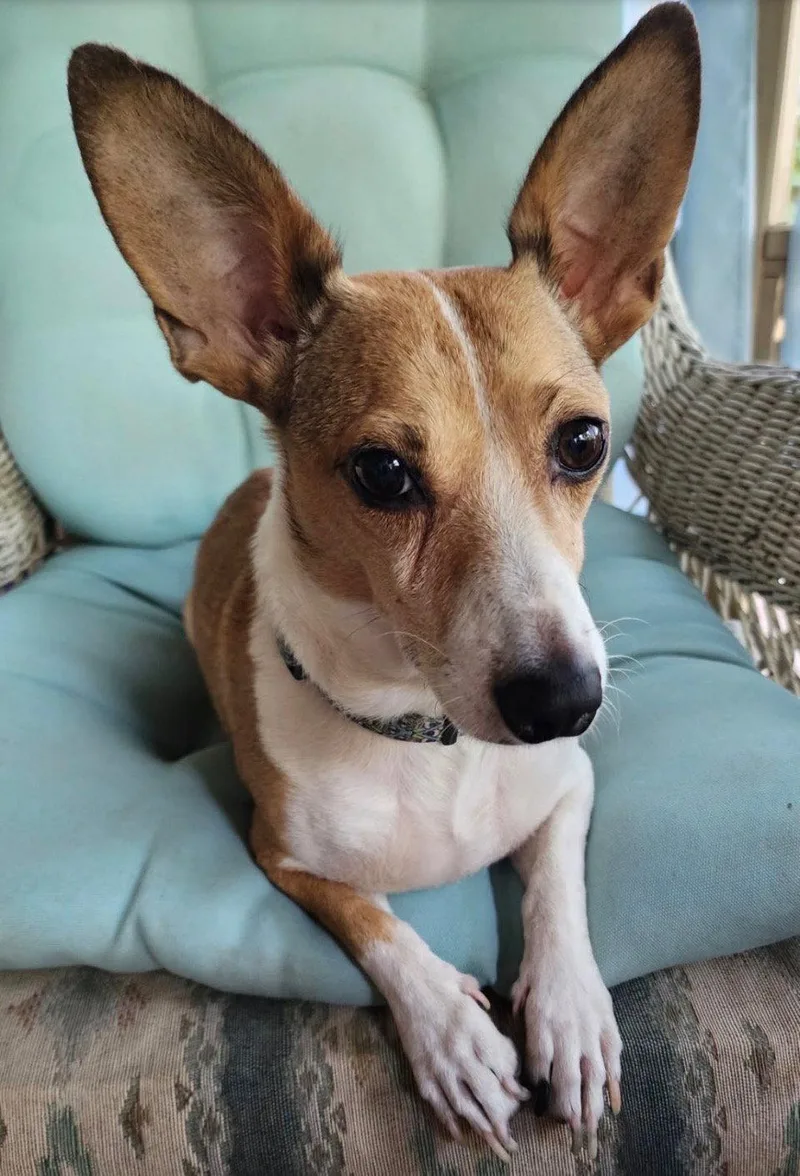
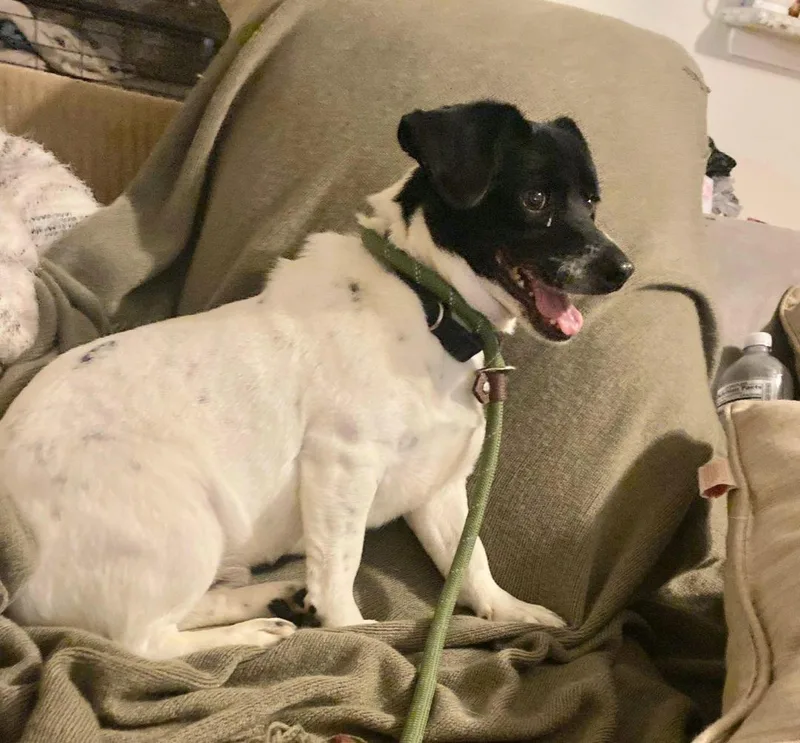
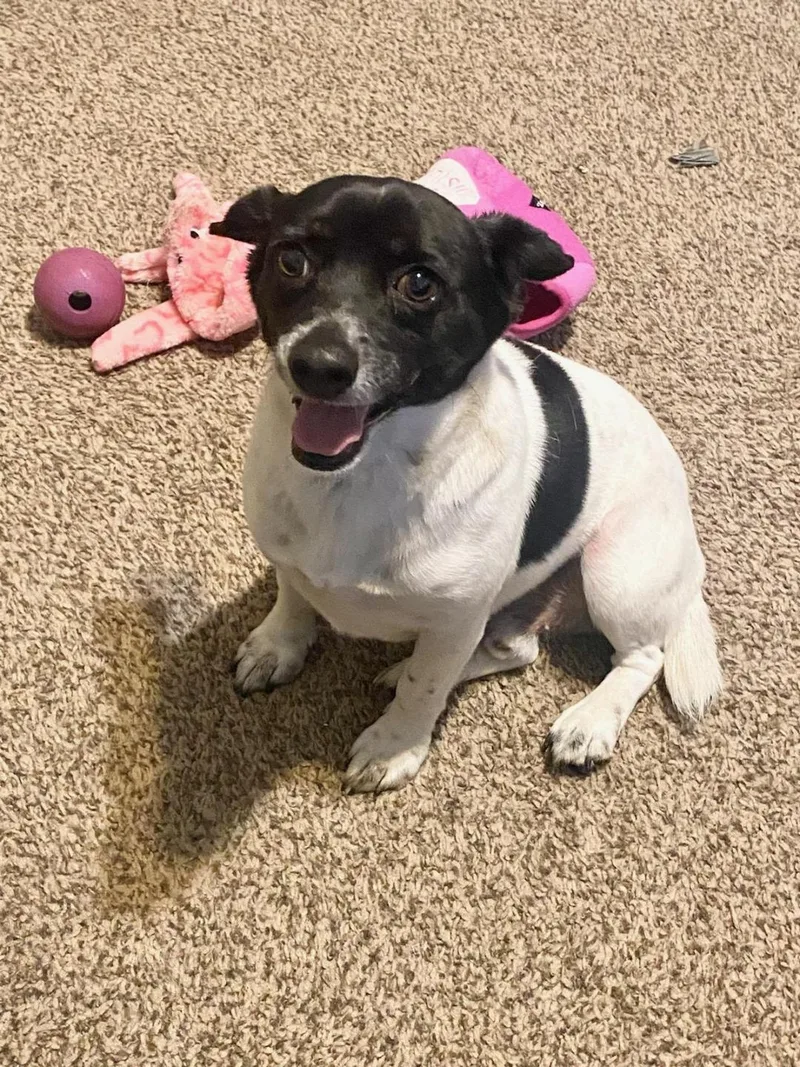
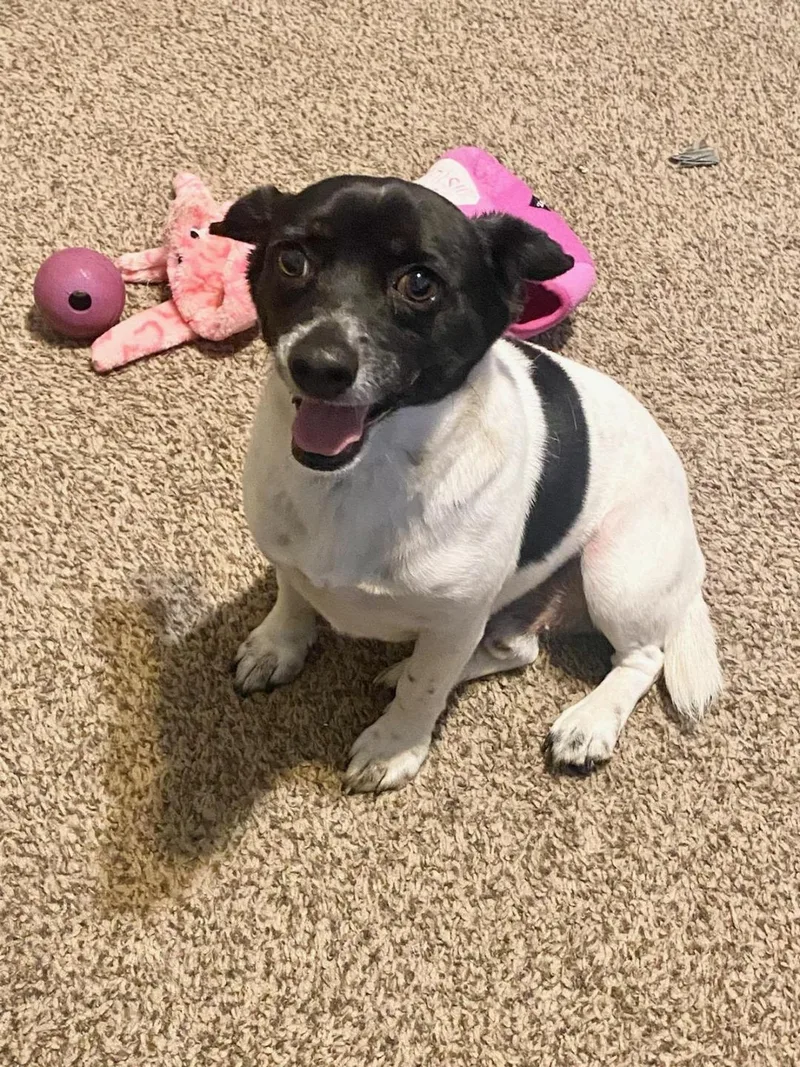
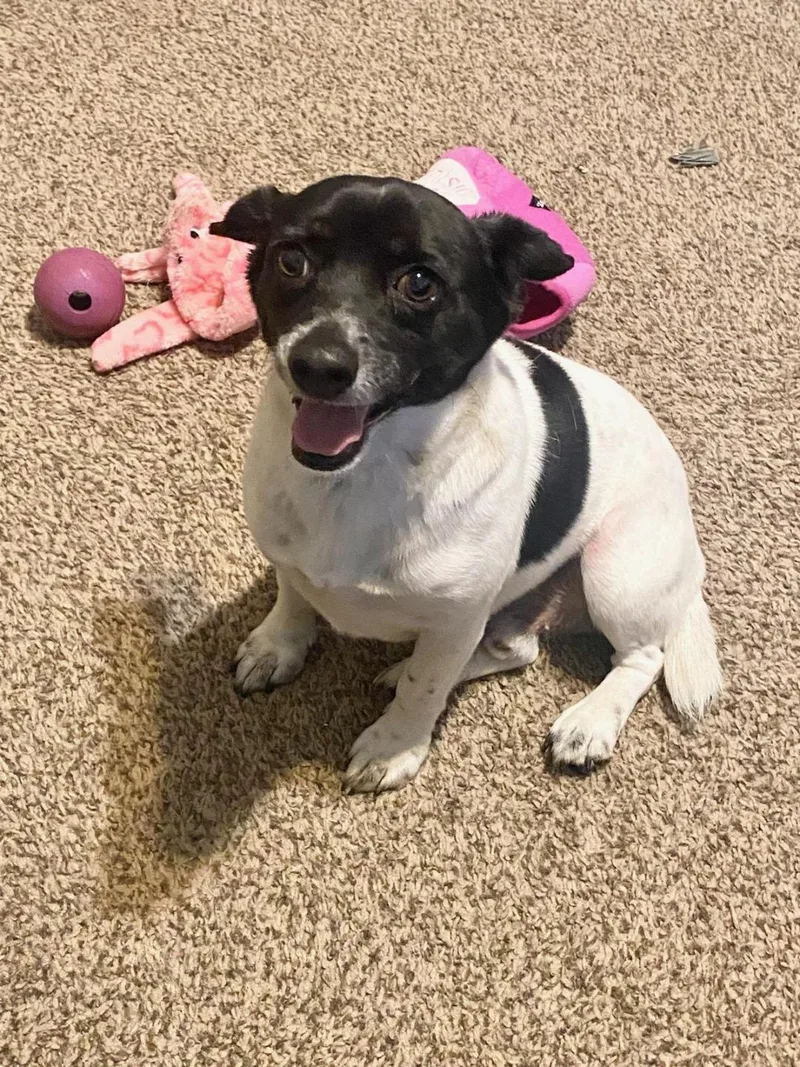
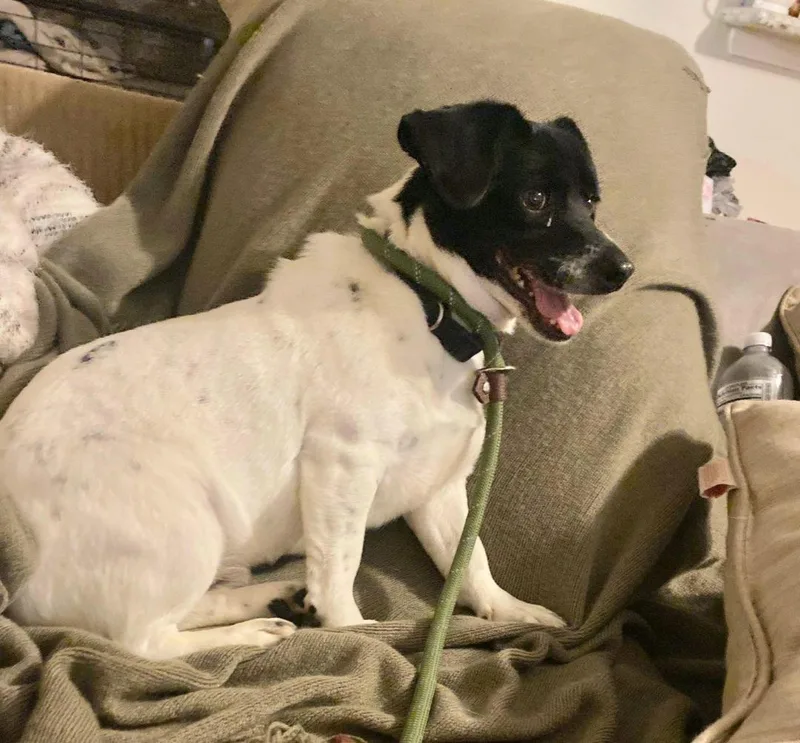
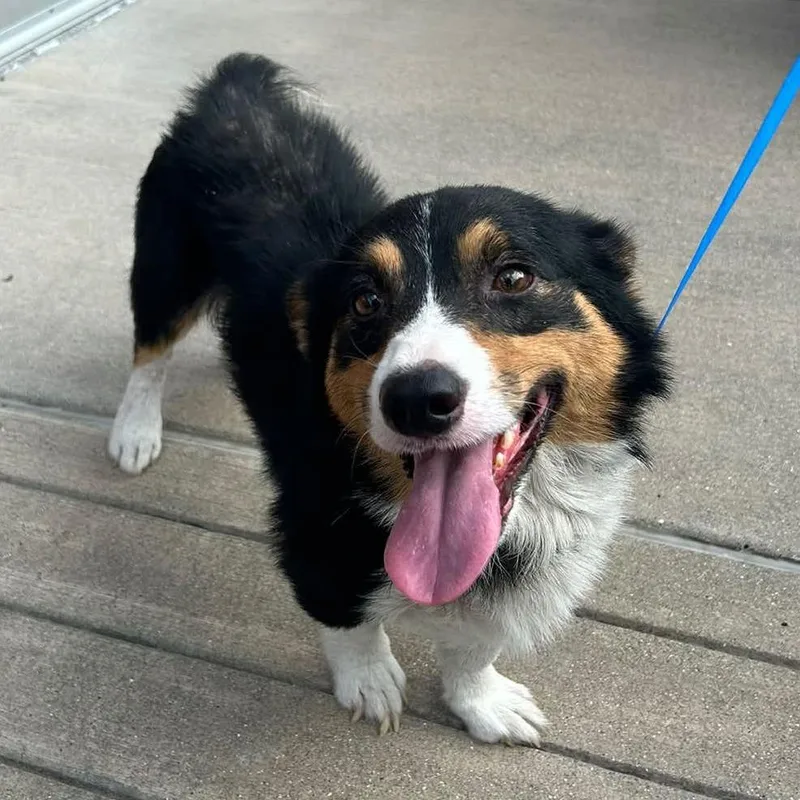
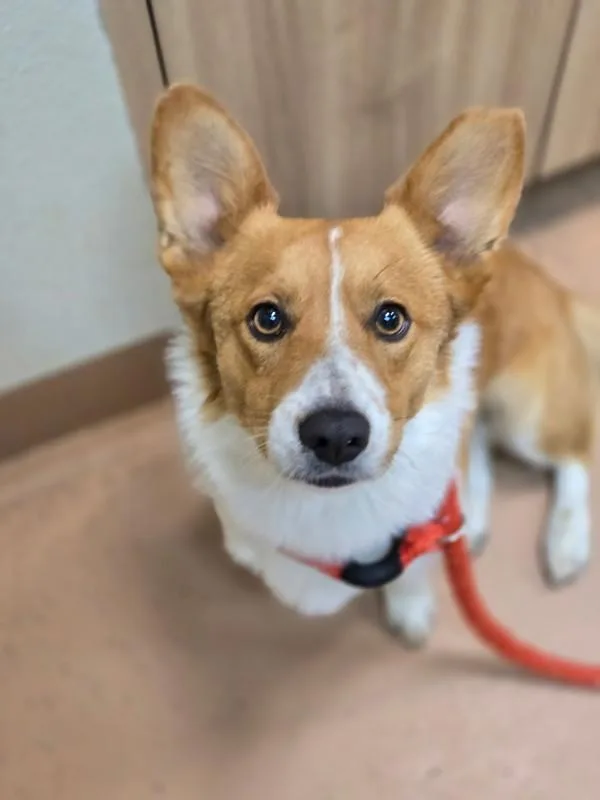
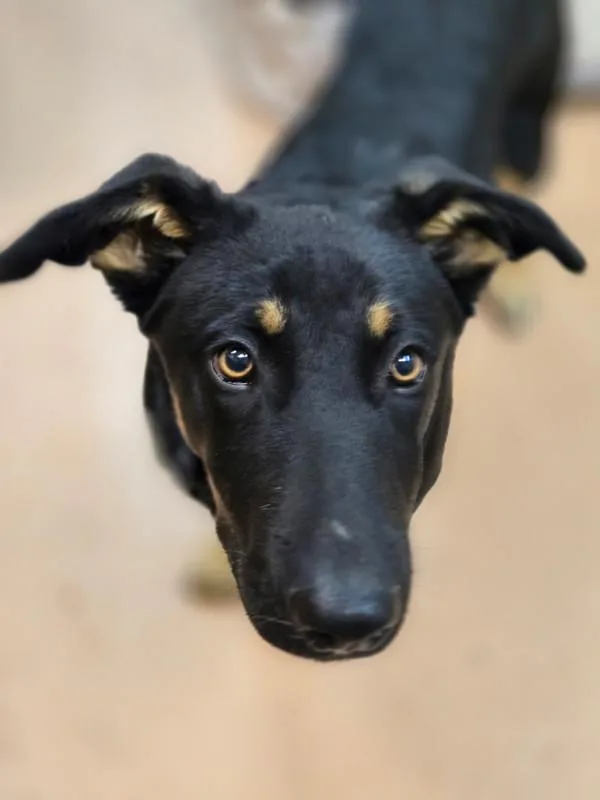
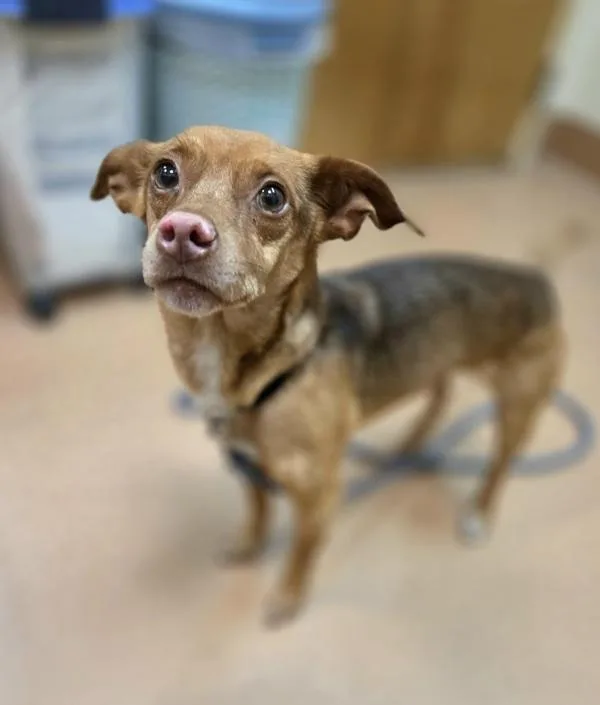
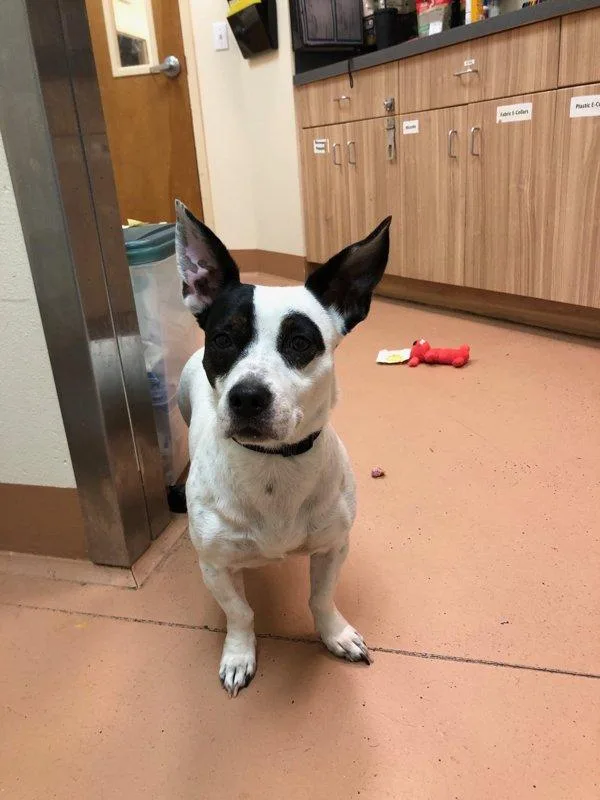
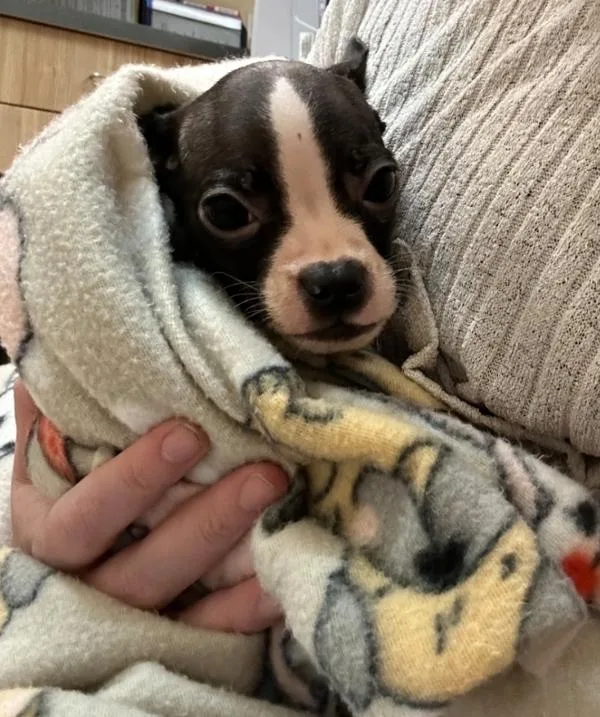
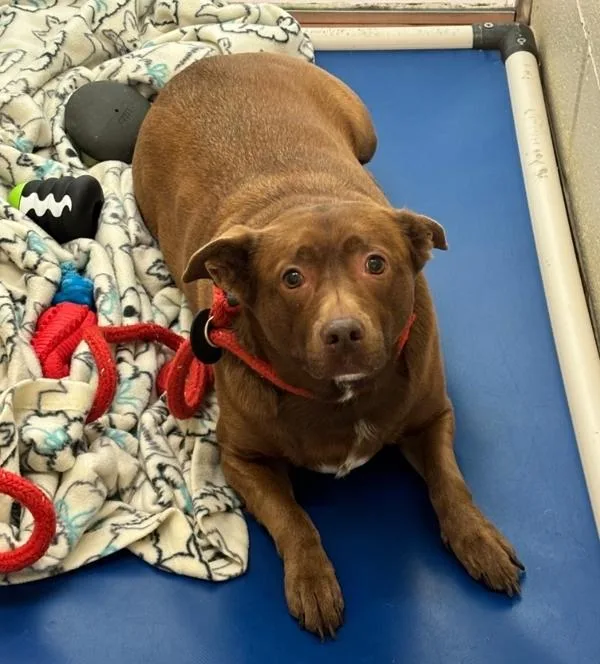
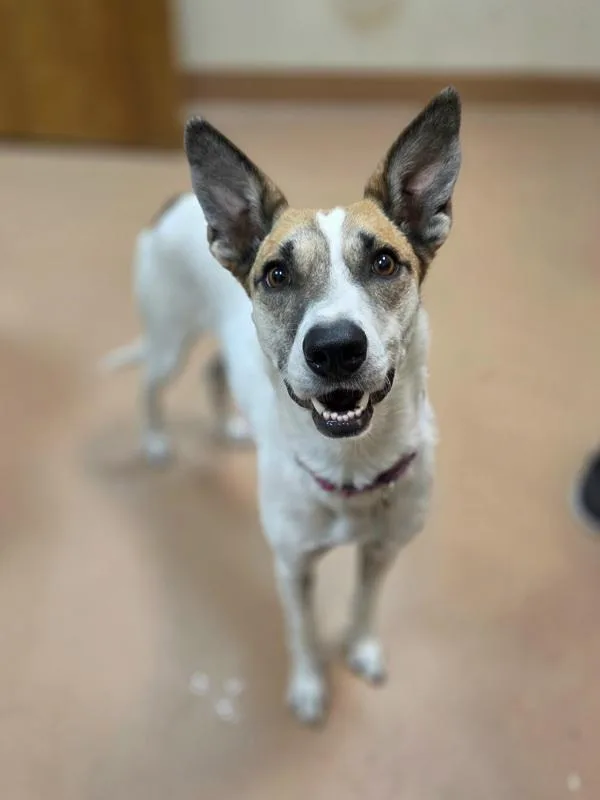
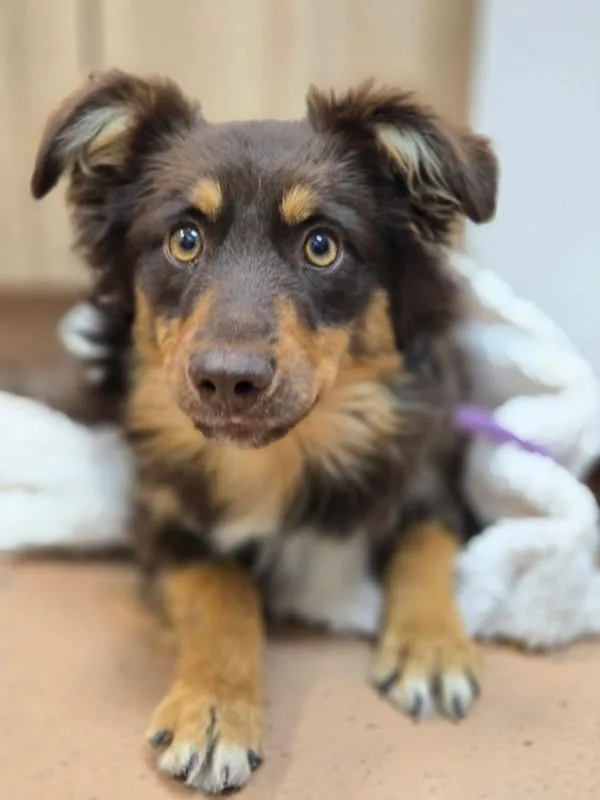
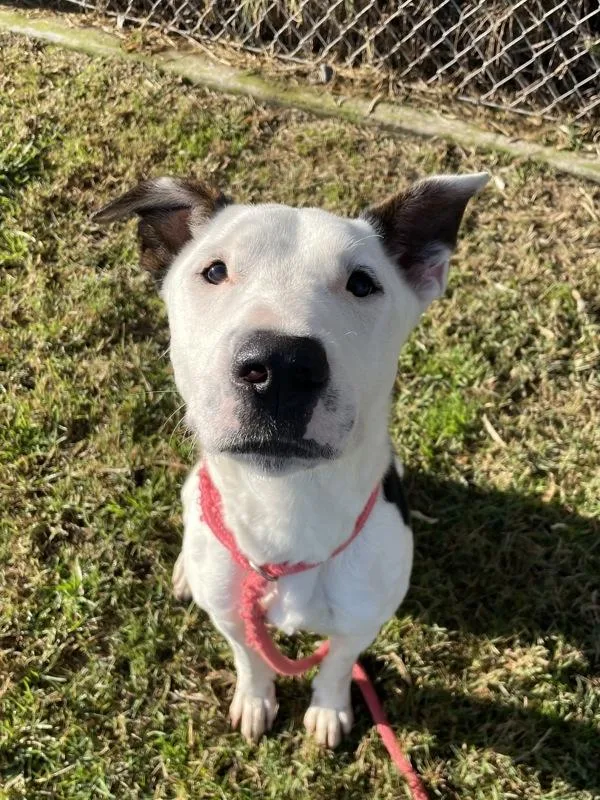
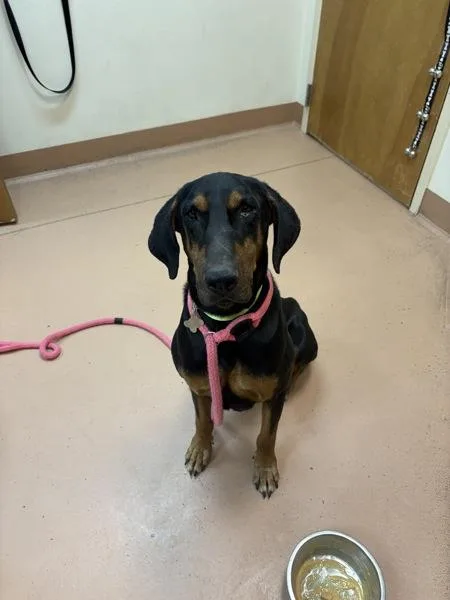
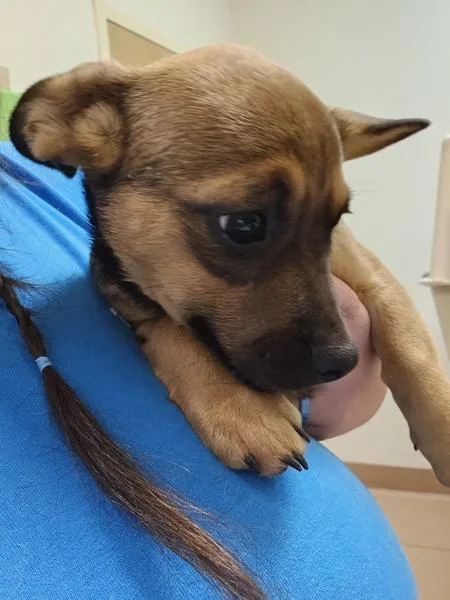
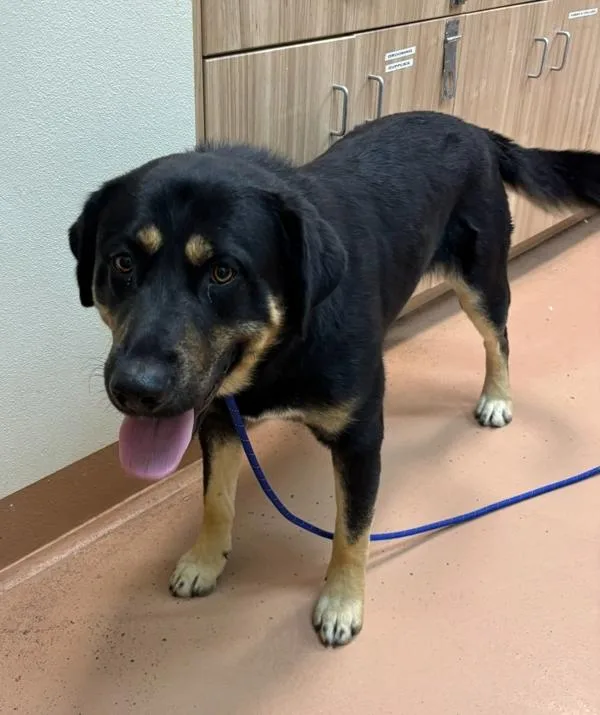
Meet your next Corgi

While we don't have enough dogs near Kennewick, keep in mind that many rescues may offer transport.

Corgis Available for Adoption Near Kennewick

About the Corgi breed

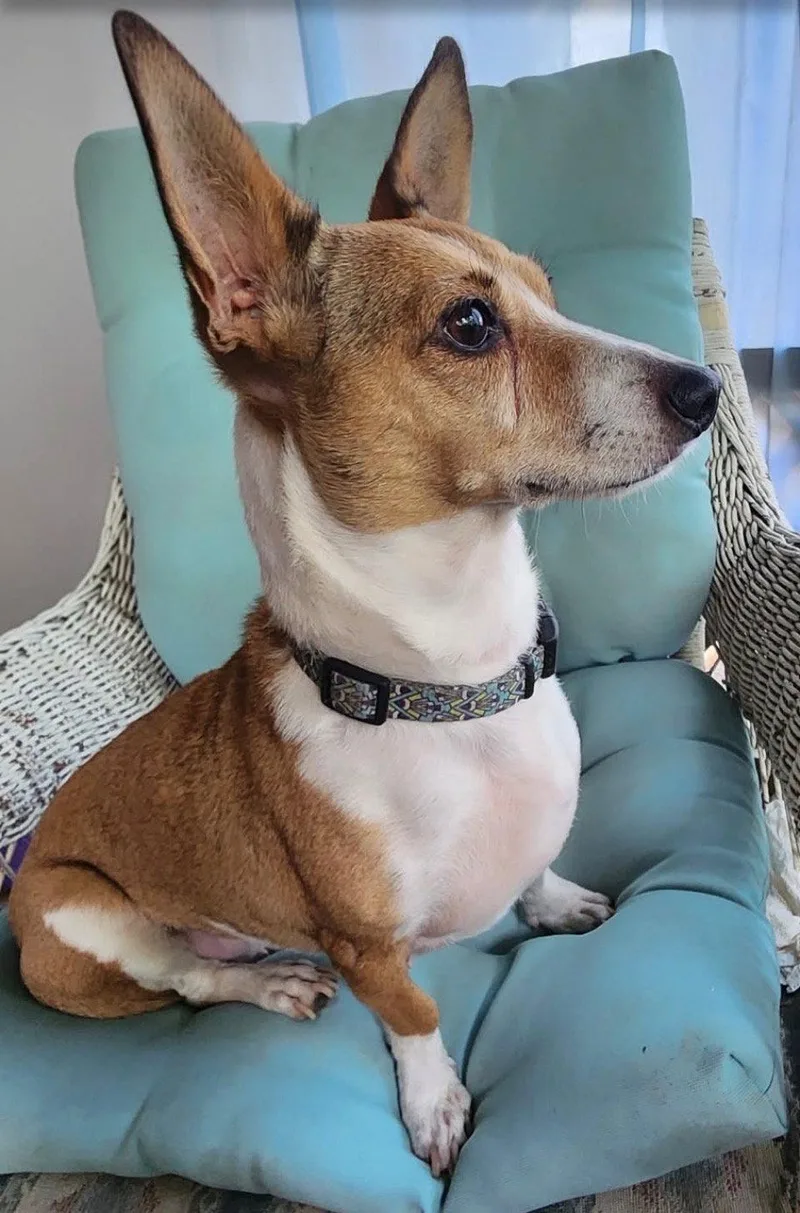
Corgi is a shared name for two separate Welsh herding breeds, the Pembroke Welsh Corgi and the Cardigan Welsh Corgi, and shelters also use it for corgi mixes. Both are long, low cattle dogs with upright ears, a dense double coat and surprising athleticism. The Pembroke is the more familiar, foxy-faced dog, usually red, sable or tricolor with a short or docked tail, while the heavier Cardigan always keeps a long, brushy tail and can also be brindle or blue merle.

Most corgis are bright, alert and affectionate, with big-dog confidence in a compact body. Their herding heritage often shows as barking, bossiness and nipping at moving heels, especially in young dogs. They shed heavily, enjoy food a little too much and need daily exercise, but for many households they make lively, devoted and entertaining companions.

Weight
22–38 lbs
Height
10–13 in
Lifespan
12–15 yrs
Temperament
Alert, Intelligent, Affectionate
Group
Herding
Shedding
High

Owning a Corgi in Kennewick

Having a Corgi in Kennewick

Whether Pembroke, Cardigan or mix, a corgi is a working herder in a low-slung frame. Its quick mind, vocal nature, heavy shedding and long back shape the training, exercise and health care adopters should plan for in everyday life.

Temperament

Corgis tend to be friendly, outgoing and eager to take part in family life, often with a clownish streak. Many are also opinionated, vocal and quick to herd children or pets by nipping at heels. Cardigans are often a bit more reserved with strangers than Pembrokes. Early training and socialization help a corgi's confidence stay friendly.

Exercise Needs

Most corgis need daily walks plus active play, such as fetch on soft ground, herding games or beginner agility. Training games and puzzle toys matter too, since a bored corgi often barks or herds the household. Their long backs make repeated jumping off furniture or down stairs unwise, and steady exercise helps prevent the weight gain they are prone to.

Health Considerations

Both corgi breeds are chondrodystrophic, so intervertebral disc disease is a real risk, and keeping them lean protects their backs. Hip dysplasia, degenerative myelopathy and eye disease such as progressive retinal atrophy are documented, and Pembrokes can carry von Willebrand disease. Have a veterinarian check the spine and watch for back pain, weakness or reluctance to move.

Living Space

A corgi can live happily in an apartment or a house if it gets daily exercise and attention. Ramps or steps onto furniture and limited stair use are kind to a long back. Expect noticeable shed hair year-round and barking at sounds outside. Corgis do best indoors with their families, where they can supervise everything that happens.

What it costs to own a Corgi

ExpenseTypical costPer year
Food$20 to $45 per month$240 to $540
Pet insurance$40 to $85 per month$480 to $1,020
Routine vet care$200 to $400 per year$200 to $400
Other*$490 to $1,290 per year$490 to $1,290
Estimated yearly total (after year one)$1,410 to $3,250

Other costs are national averages for Corgis; we don't have costs specific to Kennewick yet.

* Flea, tick and heartworm prevention, a dental cleaning allowance, a dog license, toys and bedding, and brushing and baths for heavy shedding; costs vary with the dog's size and coat, and license fees vary by city.

Adopt a Corgi in Kennewick.

Now that you know more, let’s find you a new best friend. These rescues and shelters below currently have Corgis available.

Rescues in Kennewick with Corgis Available

Here are the rescues & shelters in the Kennewick area where you can find Corgis and other dogs available for adoption.

Frequently Asked Questions

A corgi is a small, long-bodied herding dog from Wales with short legs, upright ears and a thick double coat. The name covers two separate breeds, the Pembroke Welsh Corgi and the Cardigan Welsh Corgi, which share a working past driving cattle. Many corgis in shelters are mixes. Most are smart, energetic and affectionate, with a strong opinion about everything.

Corgis were bred to herd cattle on Welsh farms. They drove livestock by nipping at the cattle's heels, and their low build helped them duck under kicking hooves. Farmers also used them with sheep, ponies and poultry and as watchdogs. That heritage explains why many corgis still bark readily, chase moving things and try to herd children and other pets.

A corgi has a long, low body on short, sturdy legs, a fox-like head and large erect ears. Its medium-length double coat often has a thicker ruff around the neck. Pembrokes are usually red, sable, fawn or black and tan with white, with a short tail. Cardigans are heavier boned, have a long brushy tail and may be brindle or blue merle.

Corgis are small dogs, standing about 10 to 13 inches at the shoulder. Pembrokes usually weigh up to about 30 pounds, while Cardigans are heavier, with males around 30 to 38 pounds and females 25 to 34. Their long bodies and solid bone make them feel bigger than their height suggests, and many gain weight easily if overfed.

Corgis are usually lively, alert and affectionate dogs with a strong sense of humor and a bossy streak. Many love company, learn quickly and enjoy games and training. They also tend to bark, herd people by nipping at heels and shed heavily. Pembrokes are often more outgoing, while Cardigans can be a little more reserved and steady.

Most corgis are friendly with their families and many enjoy meeting new people, especially Pembrokes. Cardigans are often a bit more reserved with strangers but warm up with time. Their friendliness can come with barking, bossiness or nipping from herding instincts. Socialization and training shape how sociable a corgi becomes, so an adult's history is a useful guide.

The word corgi is usually explained as coming from the Welsh cor, meaning dwarf, and ci, meaning dog, so it roughly translates as dwarf dog. That fits the breed's short-legged build. A popular Welsh legend says corgis were the steeds of fairies, pointing to saddle-like markings on their shoulders, but that story is folklore rather than history.

Dogs similar to corgis include the Swedish Vallhund and the Lancashire Heeler, both small, low-set herding breeds with comparable energy and outlook. Dachshunds and Basset Hounds share the short-legged body shape but are hounds with different instincts. Shiba Inus and other spitz breeds have a similar foxy face. A corgi mix may also share many corgi traits.

Yes, both corgi breeds are purebreds. The Pembroke Welsh Corgi and the Cardigan Welsh Corgi are each recognized as separate breeds by the American Kennel Club and major registries worldwide. Many dogs called corgis in shelters are mixes, though, often crossed with breeds like Huskies, Chihuahuas or German Shepherds, and they can make equally good companions.
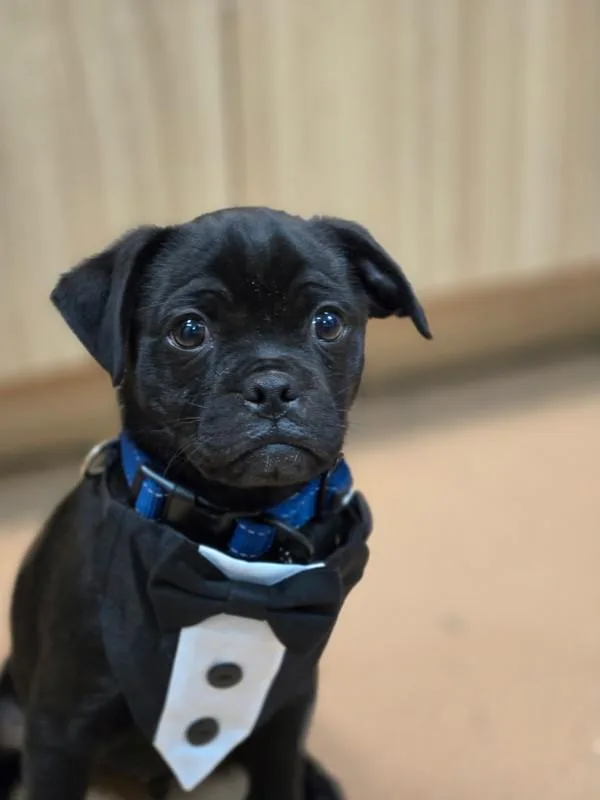
We have 1 rescue with Corgis available: Benton-Franklin Humane Society. You can see every rescue with Corgis available in the list above these questions, or scroll to the top to see the Corgis near Kennewick.