Presa Canario Dogs for Adoption in Burlington, VT

Your guide to finding and caring for a Presa Canario in Burlington

A Presa Canario in Burlington does best in a house with a fenced yard, which points toward the New North End or the South End. Those areas have bigger lots and older single-family homes, while downtown and the Old North End are mostly apartments and tight streets that are hard with a guarding dog of 85 pounds or more. Leashed walks on the bike path suit this breed well. Winters are long here, and a Presa's short coat offers little insulation.

56 Presa Canarios available in Burlington and nationwide

A Presa Canario is ready for you

While we don't have enough dogs near Burlington, keep in mind that many rescues may offer transport.

Presa Canarios Available for Adoption Near Burlington

About the Presa Canario breed

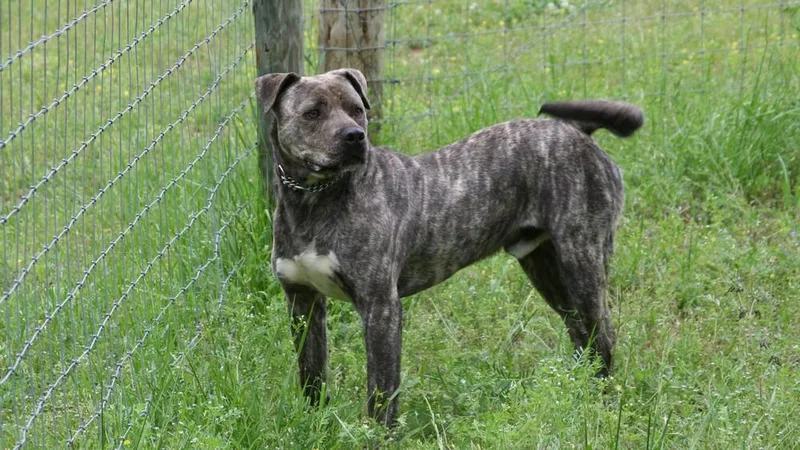
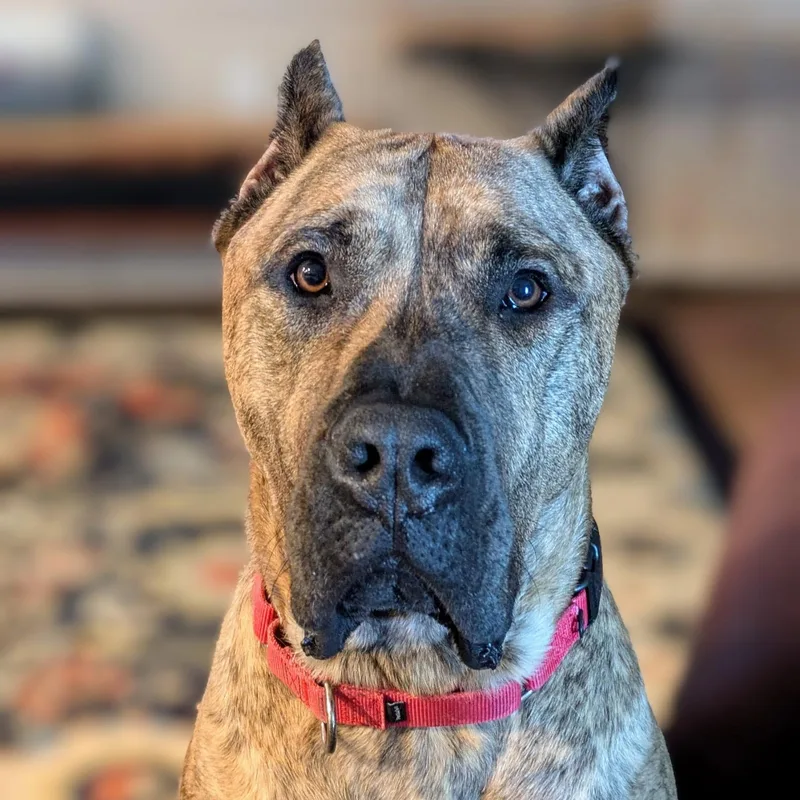
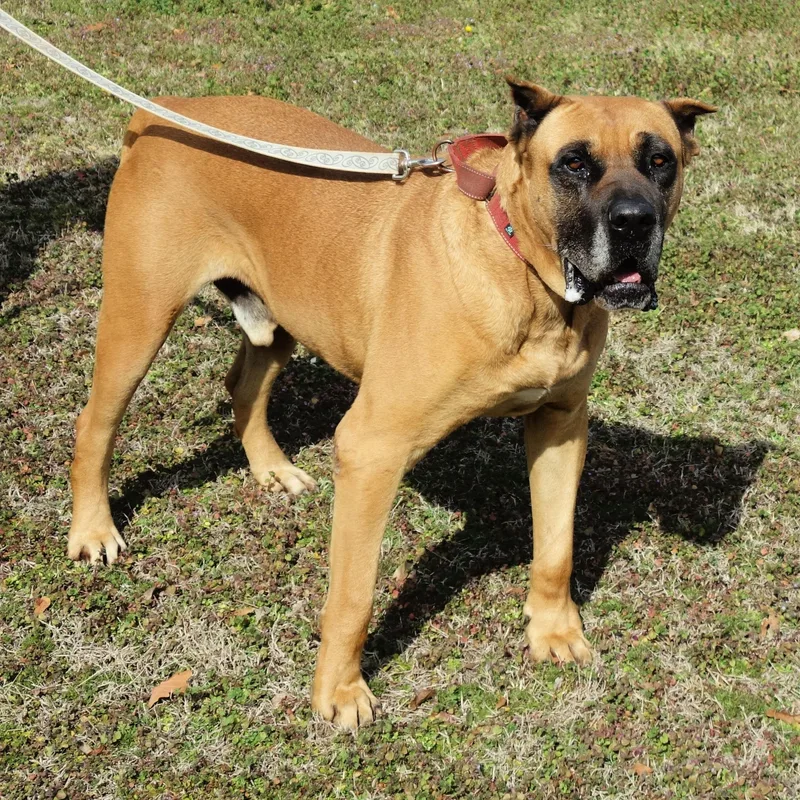
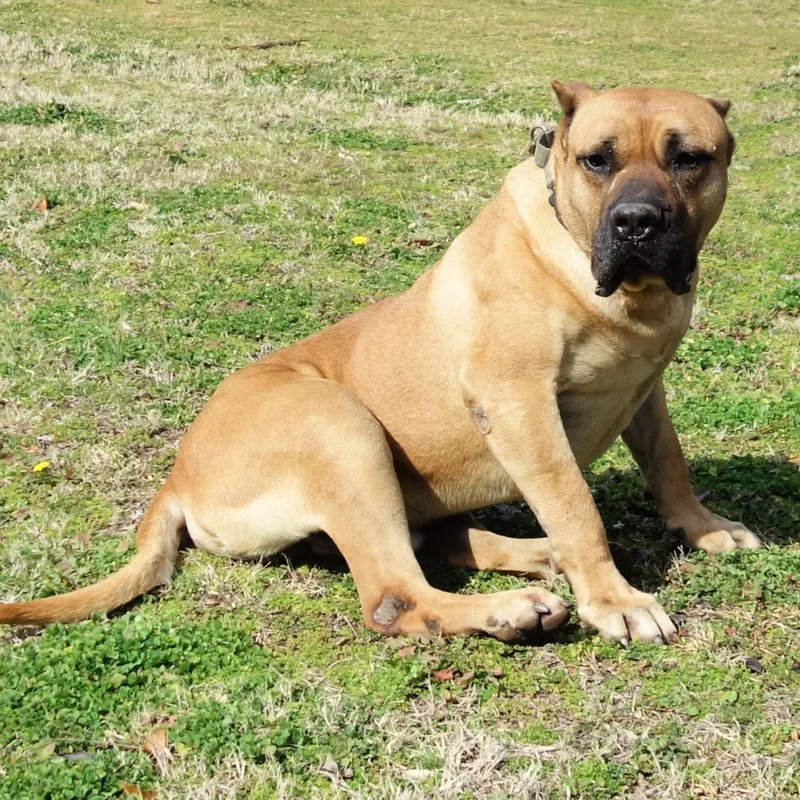
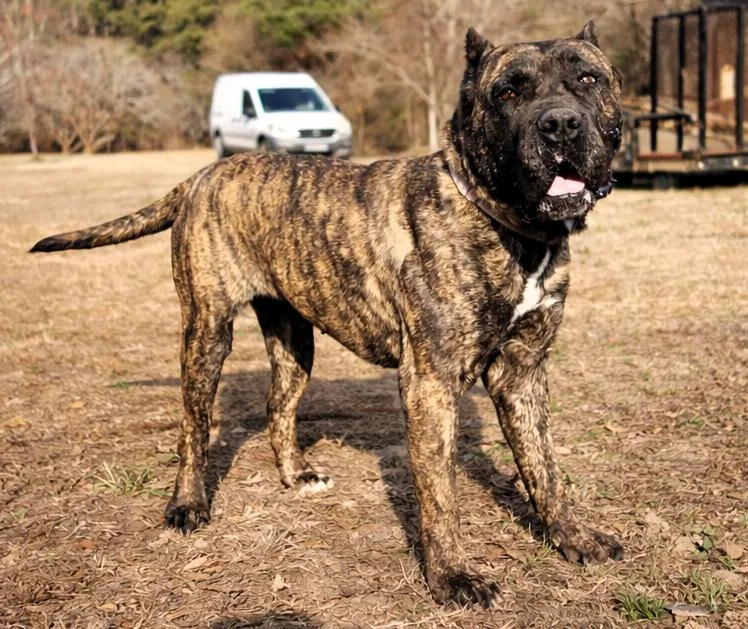
Farmers in the Canary Islands developed the Presa Canario to guard property and to catch and hold cattle. The breed nearly disappeared in the mid-twentieth century before it was revived, and the American Kennel Club lists it in its Foundation Stock Service rather than giving full recognition. Presas are massive, muscular mastiffs, usually 85 to 130 pounds, with a broad head and a short, coarse coat.

At home, many Presas are steady and devoted, but guarding instinct and wariness of strangers are typical, and some dogs don't accept other dogs, especially of the same sex. In a city where leashes are required in parks and neighbors are close, this is a dog for an experienced adopter ready to invest in socialization, reward-based training and secure handling for life. Dogs vary, and many adoptable Presas are mixes.


Weight
85–130 lbs
Height
22–26 in
Lifespan
8–11 yrs
Temperament
Protective, Confident, Loyal
Group
Working
Shedding
Moderate

Owning a Presa Canario in Burlington

Having a Presa Canario in Burlington

Power and a strong guarding drive define the Presa Canario. In Burlington, that means thinking ahead about fences, leashes, visitors and other dogs, since a dog this size needs reliable handling more than it needs a lot of room.

Temperament

Presas are often calm and affectionate with their own family but wary of unfamiliar people, and many guard territory without being asked. Intolerance of strange dogs, especially of the same sex, is a known breed concern. Socialization helps but doesn't replace careful management. Busy sidewalks and crowded paths call for a confident handler and a short leash.

Exercise Needs

Plan on long daily walks plus training or scent games rather than hard runs. In Burlington, the leashed bike path and quiet residential streets give steady mileage. Keep exercise gentle in warm weather and limit high-impact play while a young dog is still growing, since heavy mastiffs tire quickly in heat.

Health Considerations

Presas can face hip and elbow dysplasia, dilated cardiomyopathy, epilepsy, demodectic mange and bloat, a stomach emergency in deep-chested dogs. Studies suggest a shorter lifespan than most breeds. Keep the dog lean, feed smaller meals, and have a veterinarian check the heart and joints. Tick prevention matters in Chittenden County.

Living Space

A house with a securely fenced yard usually works best, and Burlington's New North End and South End have more of that housing than downtown. Shared hallways, stairwells and busy sidewalks are harder with a large guarding dog. Plan for the dog to live indoors with the family and for secure fencing.

What it costs to own a Presa Canario in Burlington

ExpenseTypical costPer year
Food$55 to $110 per month$660 to $1,320
Pet insurance$65 to $130 per month$780 to $1,560
Routine vet care$250 to $500 per year$250 to $500
Other*$490 to $1,290 per year$490 to $1,290
Estimated yearly total (after year one)$2,180 to $4,670

Other costs are estimates and vary with size, age and health.

* The Burlington dog license (about $27 a year for a spayed or neutered dog), a dental cleaning allowance, flea, tick and heartworm prevention, durable toys and a large bed, and minimal grooming for the short coat.

Adopt a Presa Canario in Burlington.

Now that you know more, let’s find you a new best friend.

Frequently Asked Questions

Yes. Burlington's dog ordinance has no known breed-specific rule, and Vermont has no statewide breed ban. Dangerous-dog rules turn on a dog's behavior, not its breed. You'll need to license the dog each year once it's over six months old, with proof of rabies vaccination. Landlords and insurers can still set their own breed limits, so review lease and policy terms first.

Generally no. Green Mountain Transit buses allow pets only in a closed, secured carrier, and a Presa Canario weighing 85 to 130 pounds won't fit in one. Service animals are allowed. Plan on walking or driving instead, and get the dog comfortable riding in a car early so vet visits and outings stay low-stress.

The Burlington bike path, about 8 miles in the city, is a good leashed route. Starr Farm Dog Park and the fenced Waterfront Dog Park allow off-leash play, but a Presa that's intolerant of other dogs is often safer on leash. Dogs aren't allowed on the sand at Oakledge, Leddy or North Beach.

It's possible but difficult. About 58% of Burlington households rent, yet size or breed limits may apply to large guarding dogs, and shared hallways and stairwells are hard for a dog that's wary of strangers. A ground-floor unit with a quiet entrance helps. Pet deposits are capped at half a month's rent.

Yes, with preparation. Burlington averages about 16 nights a year at 0°F or below, and a Presa's short coat has little undercoat. Use a coat, shorten walks on bitter days, keep the dog indoors, and wipe paws after salted sidewalks. Ice is the bigger risk for a heavy dog on steep streets.

Sometimes, on patios. Patio policies are set by each restaurant and are often seasonal, and Vermont has no known rule on dogs at outdoor dining. Dining rooms generally don't allow pet dogs. Leashed dogs are common on Church Street, but a crowded pedestrian mall can be stressful for a guarding breed, so a quieter route is wiser.

Very little. A weekly brushing with a rubber curry mitt handles moderate shedding, with extra sessions in spring and fall. Bathe only when needed and keep nails trimmed. In Burlington's winters, wipe paws and bellies after salted sidewalks. Professional grooming is optional, so it adds little to the yearly Other costs.

A Presa Canario is a large, powerful mastiff breed from Spain's Canary Islands, developed to guard farms and to catch and hold cattle. Presas have a broad, square head, a short coarse coat in fawn, brindle or black, and a muscular body. Many are devoted to family and wary of strangers, so they need experienced, consistent handling.

Presa Canarios can be dangerous in the wrong circumstances because they are powerful, territorial guardians, and poorly managed dogs have caused serious attacks. Many Presa Canarios are stable and gentle with their family. Risk depends heavily on genetics, socialization, training and containment. They are best matched with experienced owners who manage visitors and other dogs carefully.

Expect roughly $55 to $110 a month for food, $65 to $130 a month for pet insurance, $250 to $500 a year for routine vet care, and $490 to $1,290 a year for other costs. That comes to about $2,180 to $4,670 a year, before emergencies or illness.