Black Russian Terrier Dogs for Adoption in Burlington, VT

Your guide to finding and caring for a Black Russian Terrier in Burlington

Black Russian Terriers suit the roomier parts of Burlington, like the New North End, where 1940s and '50s houses often come with garages and real yards. The bike path, Leddy Park and Ethan Allen Park are all close, which helps with the two good walks a day this breed needs. Black Russians tend to bond hard with their families and stay reserved with strangers, so they're happiest with someone home a fair amount. A dog this size also makes the steep Hill Section streets a workout, especially when they're icy.

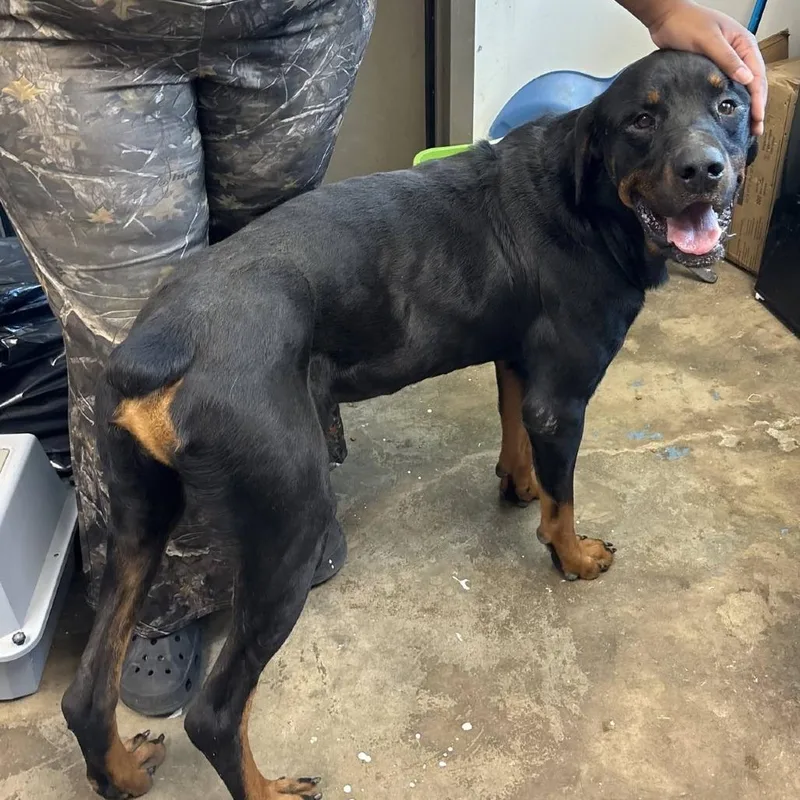
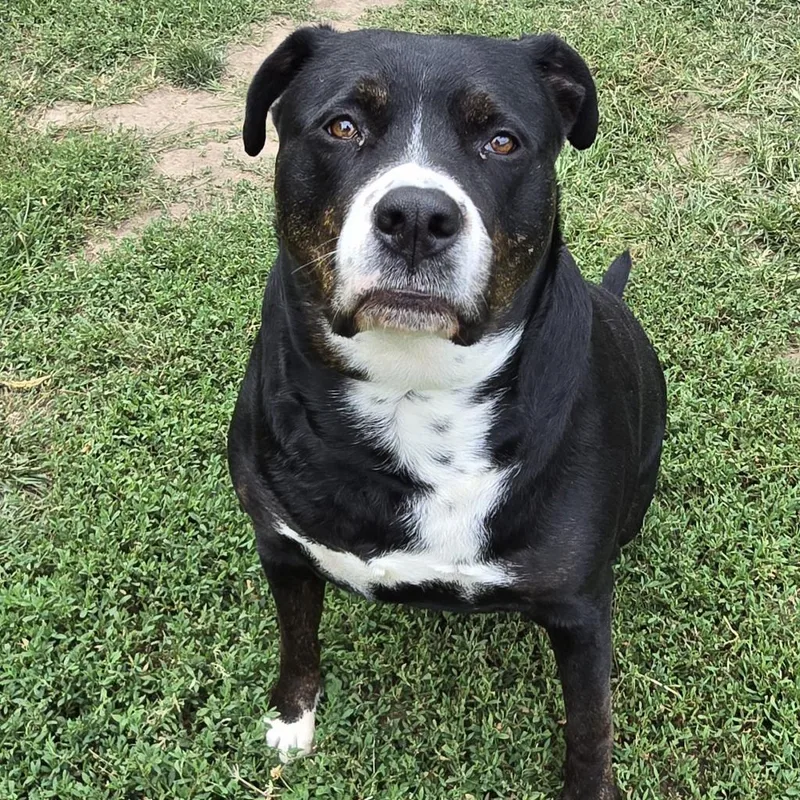
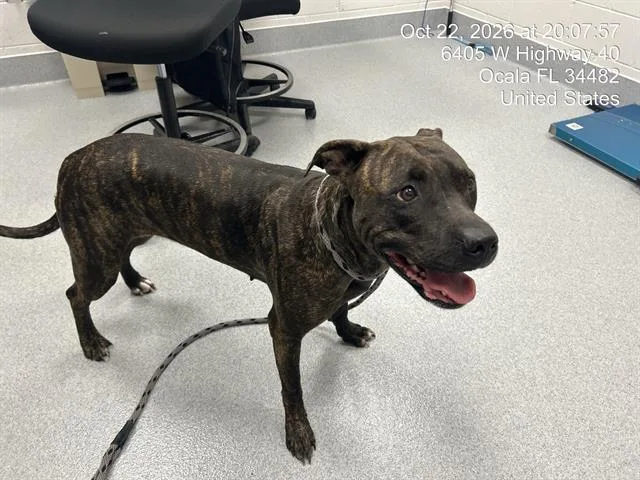
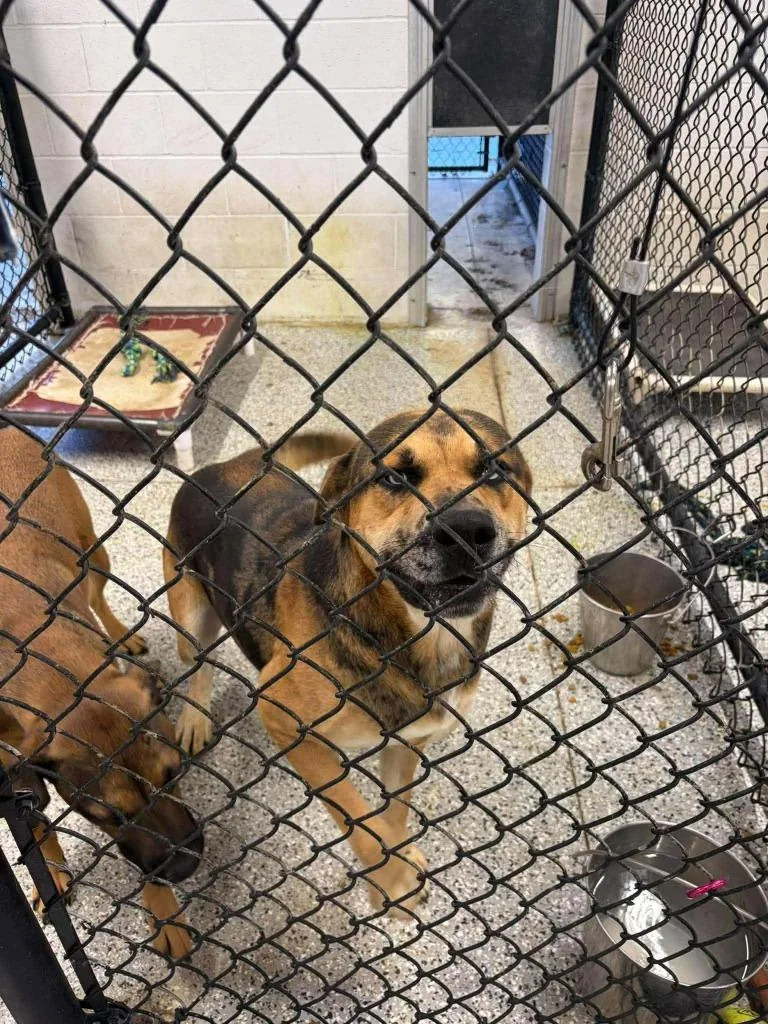
2696 dogs similar to Black Russian Terrier available in Burlington and nationwide

Find your Black Russian Terrier

While we don't have enough dogs near Burlington, keep in mind that many rescues may offer transport.

Black Russian Terriers and Similar Breeds Available for Adoption Near Burlington

About the Black Russian Terrier breed

Despite the name, the Black Russian Terrier isn't a true terrier. It was developed in the Soviet Union in the late 1940s and 1950s as a military guard dog, using about 17 breeds that included the Giant Schnauzer, Airedale and Rottweiler. Adults typically weigh 80 to 130 pounds and wear a wavy black double coat with a beard and eyebrows.

Many are calm, confident and devoted to their families, and aloof with strangers. They're smart and usually trainable, but their size and protective streak suit a consistent, experienced handler. In Burlington, that means plenty of leashed neighborhood walks and early socialization around Church Street crowds, bikes and other dogs. The low-shedding coat needs regular brushing and trims, and temperament varies from one dog to the next.


Weight
80–130 lbs
Height
26–30 in
Lifespan
10–12 yrs
Temperament
Confident, Protective, Loyal
Group
Working
Shedding
Low

Owning a Black Russian Terrier in Burlington

Having a Black Russian Terrier in Burlington

A Black Russian Terrier brings a guardian's watchfulness, a big frame and a coat that needs steady upkeep. In Burlington, the main questions are daily exercise on leash, winter footing, and whether your home has room for a dog this size.

Temperament

Black Russians are usually calm, self-assured and loyal, often following a favorite person from room to room. Many stay reserved with strangers, so early socialization on busy Burlington sidewalks and calm, reward-based training matter. Temperament varies from dog to dog, and a rescue dog's behavior tells you more than breed reputation does.

Exercise Needs

Plan on at least two solid walks a day plus play, hiking or swimming. Burlington has just three designated off-leash areas, so most exercise happens on leash along the bike path and in city parks. Skip hard exercise around mealtimes because of bloat risk, and give a bored dog a job, like training games or sniffing walks.

Health Considerations

Hip and elbow dysplasia, progressive retinal atrophy, bladder stones and juvenile laryngeal paralysis are known in the breed, and deep-chested giants face bloat. Ticks matter in Chittenden County, where Lyme infection rates in ticks have run high. Keep the dog lean, and have a veterinarian check joints and set up tick prevention.

Living Space

A house with a fenced yard suits this breed best, and the New North End and South End have more of those than downtown. A calm adult can manage an apartment with reliable daily exercise, but stairs, elevators and floor space all matter with an 80-to-130-pound dog that wants to stretch out near the family.

What it costs to own a Black Russian Terrier in Burlington

ExpenseTypical costPer year
Food$80 to $160 per month$960 to $1,920
Pet insurance$85 to $170 per month$1,020 to $2,040
Routine vet care$250 to $500 per year$250 to $500
Other*$1,040 to $2,790 per year$1,040 to $2,790
Estimated yearly total (after year one)$3,270 to $7,250

Other costs are estimates and vary with size, age and health.

* The Burlington dog license, professional trims every 6–8 weeks, flea, tick and heartworm prevention, a dental cleaning allowance, toys and bedding, and joint supplements.

Adopt a Black Russian Terrier in Burlington.

Now that you know more, let’s find you a new best friend.

Frequently Asked Questions

Yes. No known Burlington or Vermont rule bans or restricts Black Russian Terriers, and dangerous-dog rules depend on a dog's behavior, not its breed. Vermont also expects dogs to be licensed by April 1 each year, and a late license costs more. There's no known limit on how many dogs a household can have.

Yes, most Black Russian Terriers handle Burlington winters well, since the thick double coat was built for cold. The city sees about 145 freezing nights a year and around 16 nights at or below 0°F. Keep the dog indoors with the family, shorten walks in the deepest cold, and comb ice from the beard afterward.

The bike path is the best everyday trail for a big dog: about 8 paved miles through the city, with room to stride on leash. Starr Farm Dog Park and the fenced Waterfront Dog Park let a well-trained dog run off leash. Skip the Intervale trails after heavy rain, since they can flood, and check for ticks afterward.

A calm adult can, but it takes planning. Many Burlington homes are rentals, and an 80-to-130-pound dog needs floor space, manageable stairs and a landlord who accepts its size. Look for a ground-floor unit near the bike path or a park, and commit to reliable daily walks so the dog doesn't turn restless or destructive.

Almost never. Green Mountain Transit buses allow pets only in a closed, secured carrier, and a Black Russian Terrier weighing 80 to 130 pounds won't fit in one. Service animals are allowed. Plan on a car for vet visits and trips beyond walking distance, or pick a home close to the places you'll walk.

Plan on brushing a few times a week and professional trims about every 6 to 8 weeks, which is included in the yearly Other costs on this page. In winter, snow, ice and road salt clump in the beard and leg hair, so comb and wipe after walks. In summer a shorter trim helps, but don't shave to the skin.

Sometimes, on patios. Vermont has no known statewide rule on dogs at outdoor tables, so policies are up to each restaurant and often seasonal. Leashed dogs are common on Church Street Marketplace, but assume dogs aren't welcome indoors. A giant dog needs room under the table, so pick quiet times and make sure the dog settles calmly.

Black Russian Terriers can be good family dogs for experienced owners. Many are affectionate, calm and protective with their own families and gentle with children they are raised with. Their size and guarding instincts mean they need training, socialization and supervision around visiting kids. An adult rescue with a known history in a family home can be a strong match.

No, Black Russian Terriers are not truly hypoallergenic, since no dog is free of allergens. Their coat sheds little, so they drop less hair around the house than many breeds, which helps some people with mild allergies. Dander and saliva still cause reactions, so spend time with the specific dog before adopting if anyone has allergies.

Budget roughly $80 to $160 a month for food, $85 to $170 a month for pet insurance, and $250 to $500 a year for routine vet care. Other yearly costs, mainly professional trims, parasite prevention and dental care, run about $1,040 to $2,790. Giant-breed food and grooming drive most of the total.