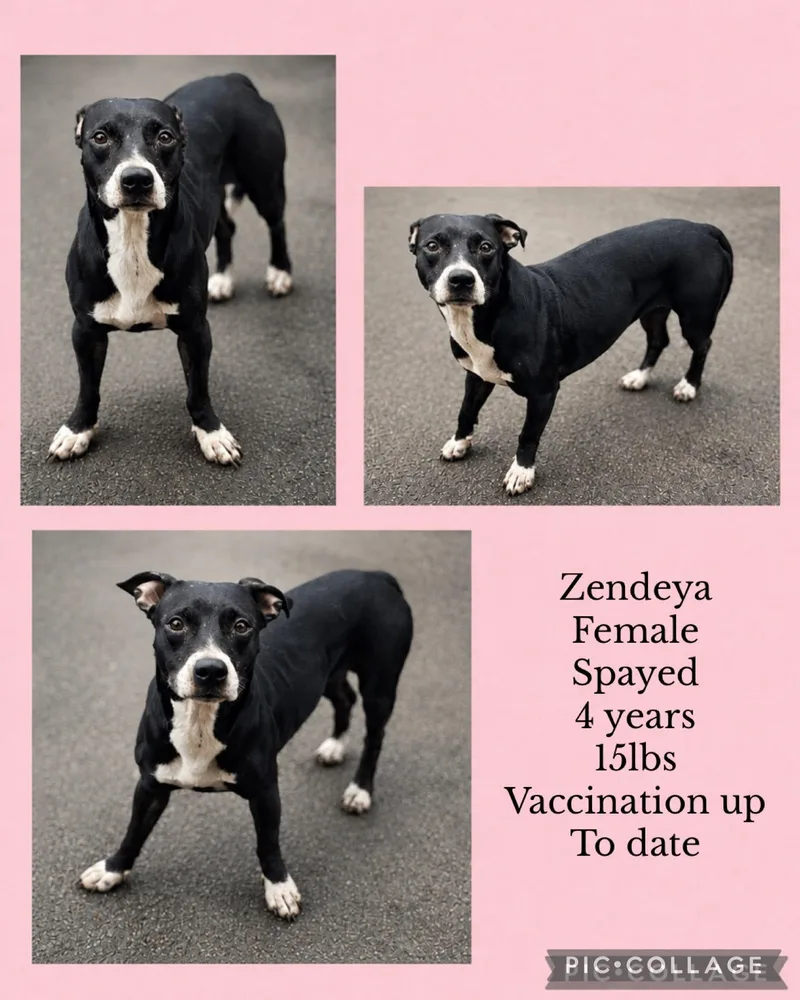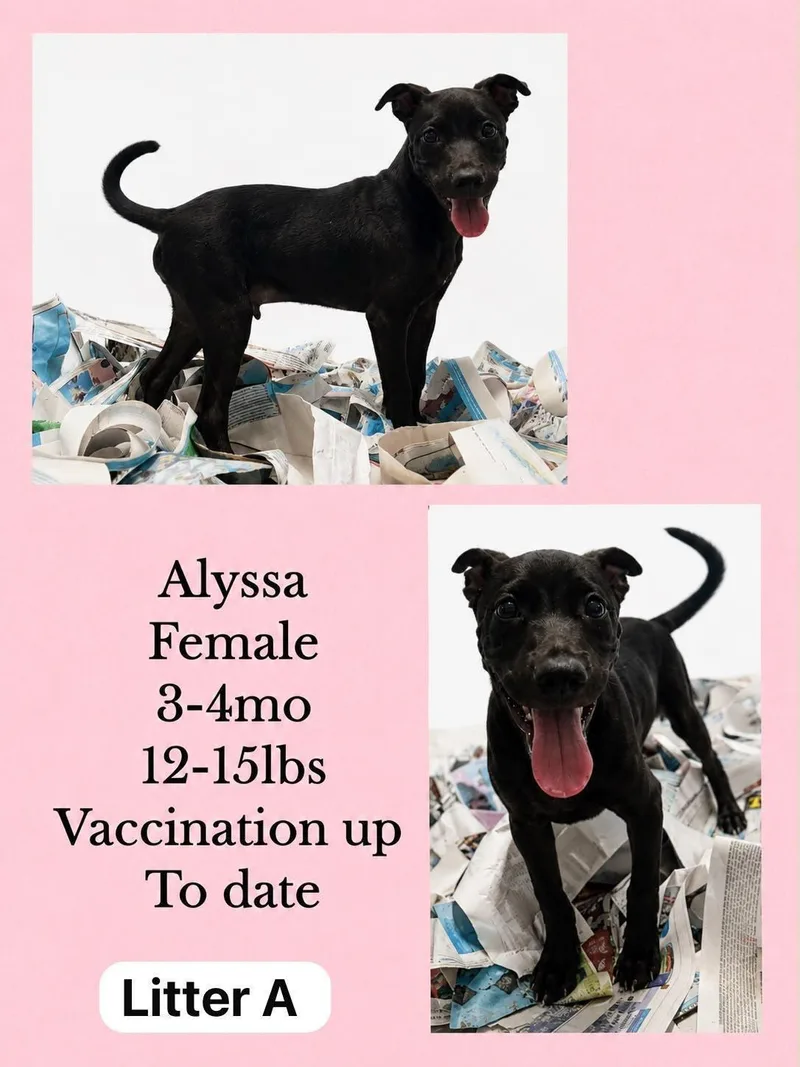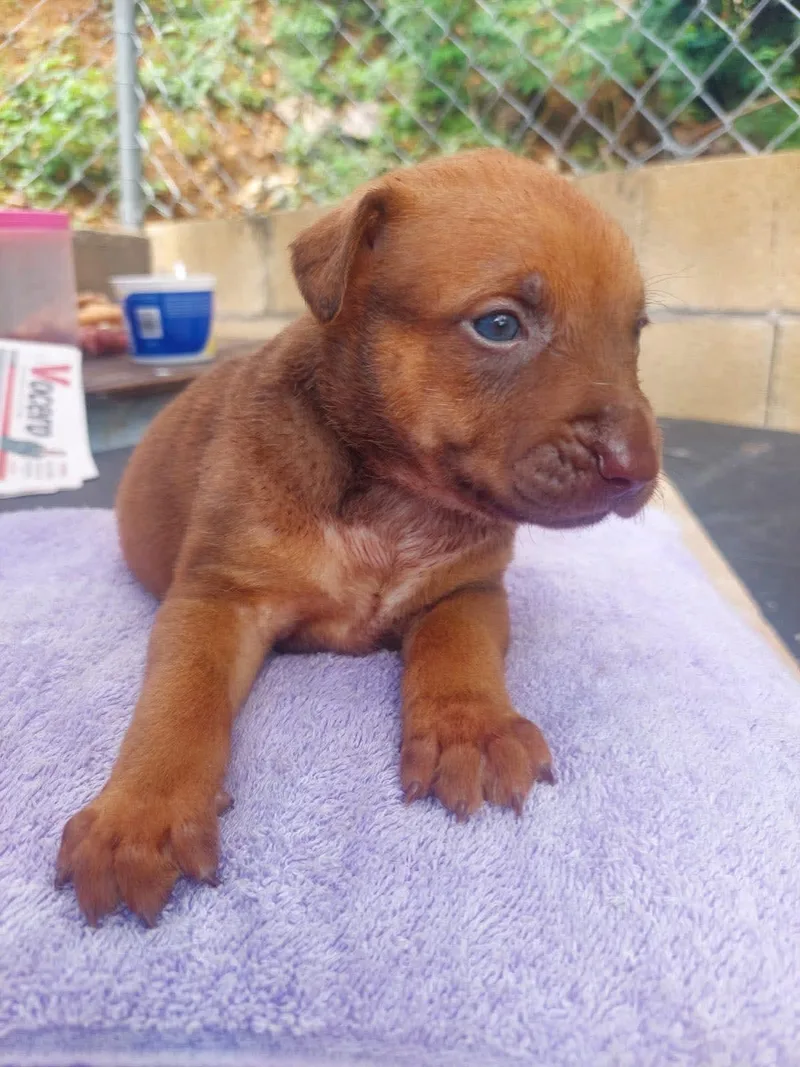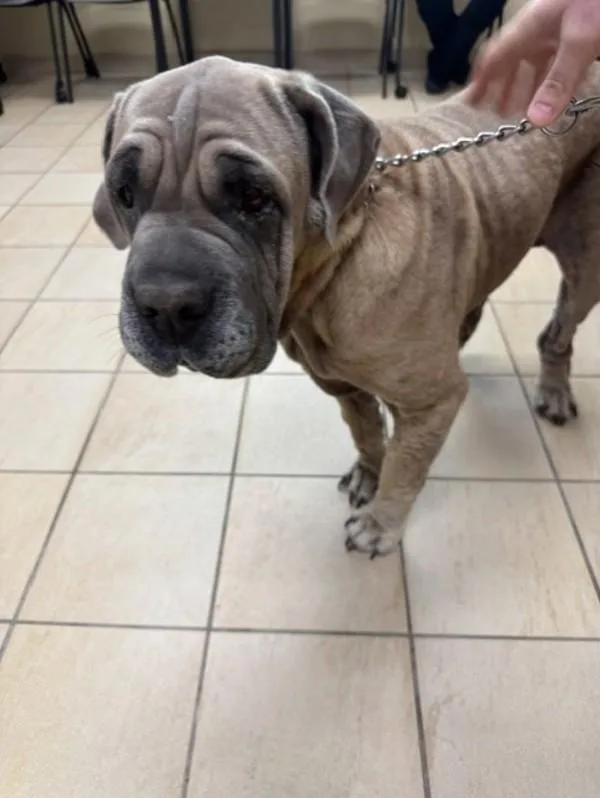
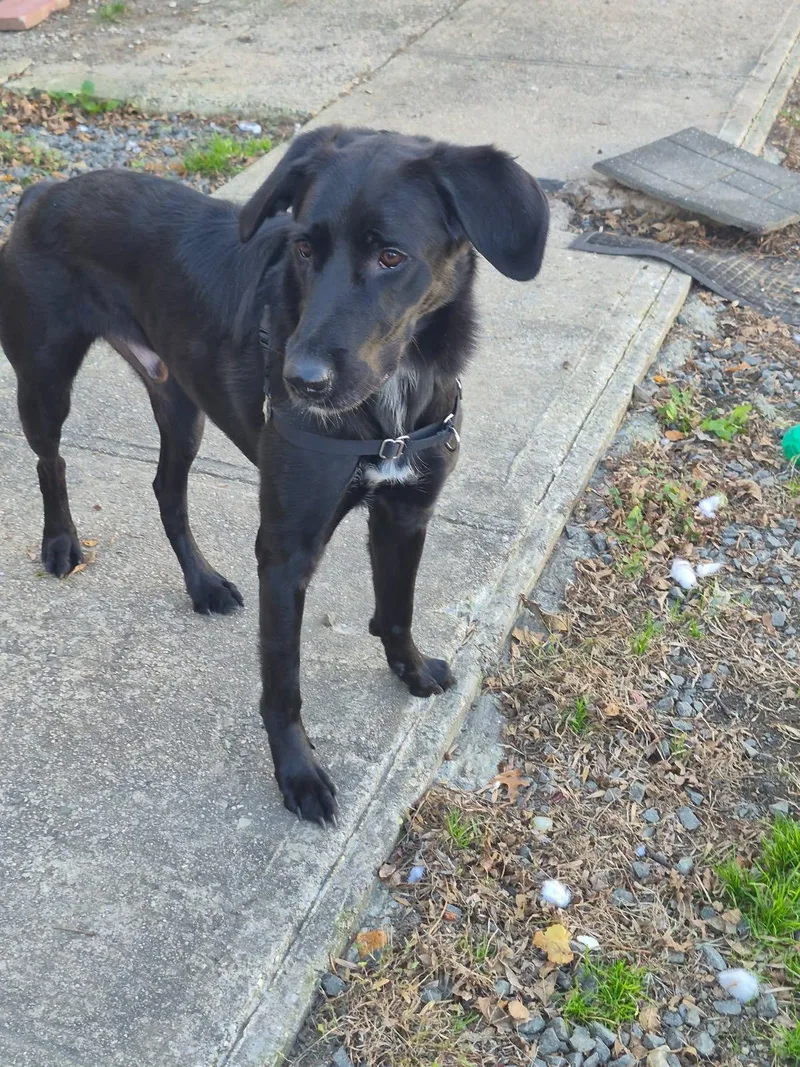
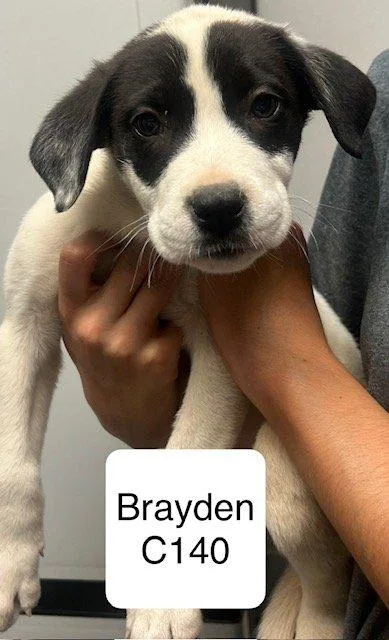
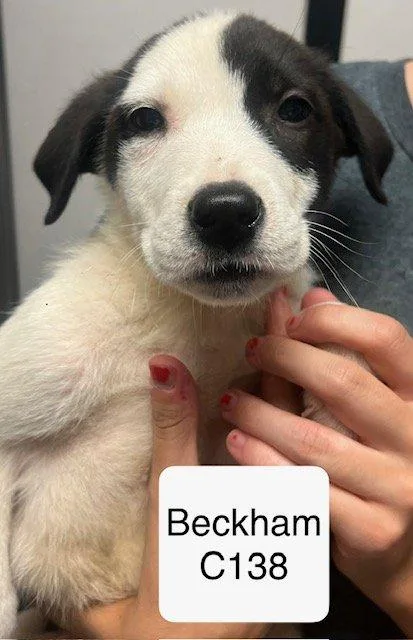
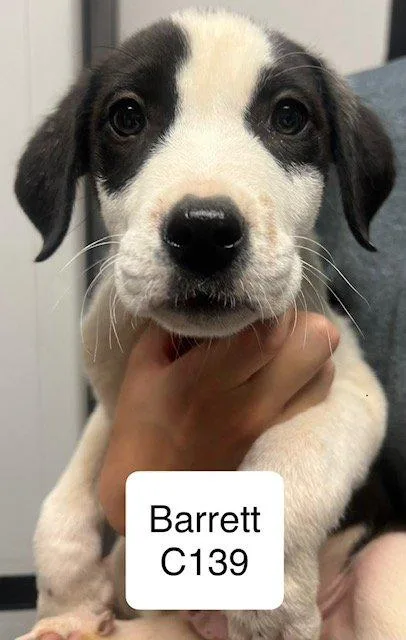

Great Pyrenees dog

Great Pyrenees Dogs for Adoption in Virginia Beach, VA

Your guide to finding and caring for a Great Pyrenees in Virginia Beach

Great Pyrenees do best in the Virginia Beach neighborhoods with real yards, like Green Run or Kempsville. A Pyr is a giant guardian that likes to patrol a fenced yard and barks at anything odd after dark, so a solid fence matters more here than a spot near the sand. Indoors they're calm, and a couple of moderate walks usually covers their exercise. The thick white coat holds heat in July, so plan on air conditioning and plenty of white hair on the couch.

2323 Great Pyrenees available in Virginia Beach and nationwide

Open your home to a Great Pyrenees

While we don't have enough dogs near Virginia Beach, keep in mind that many rescues may offer transport.

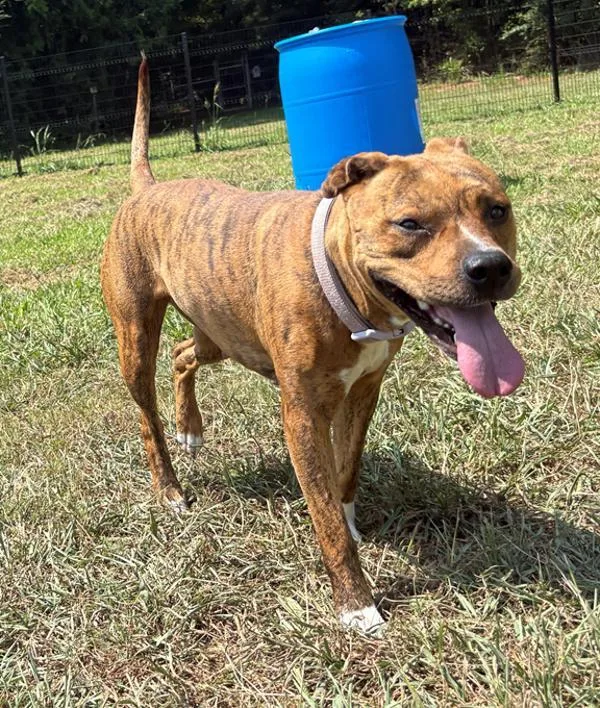
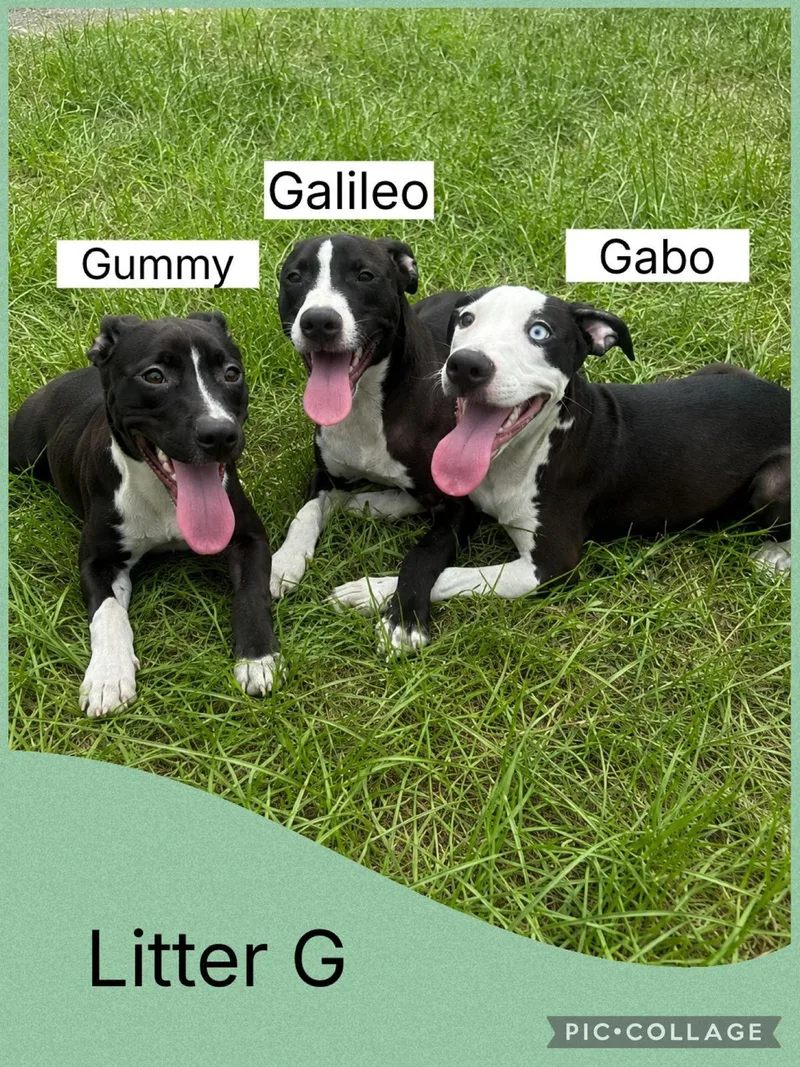
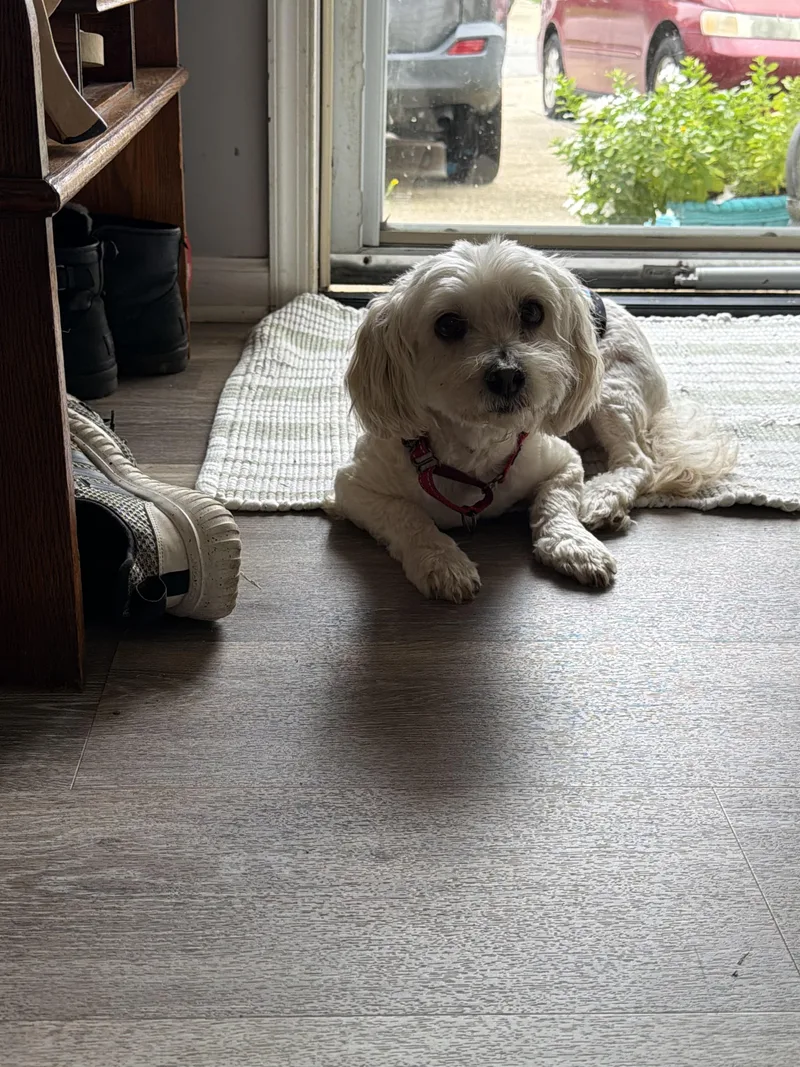
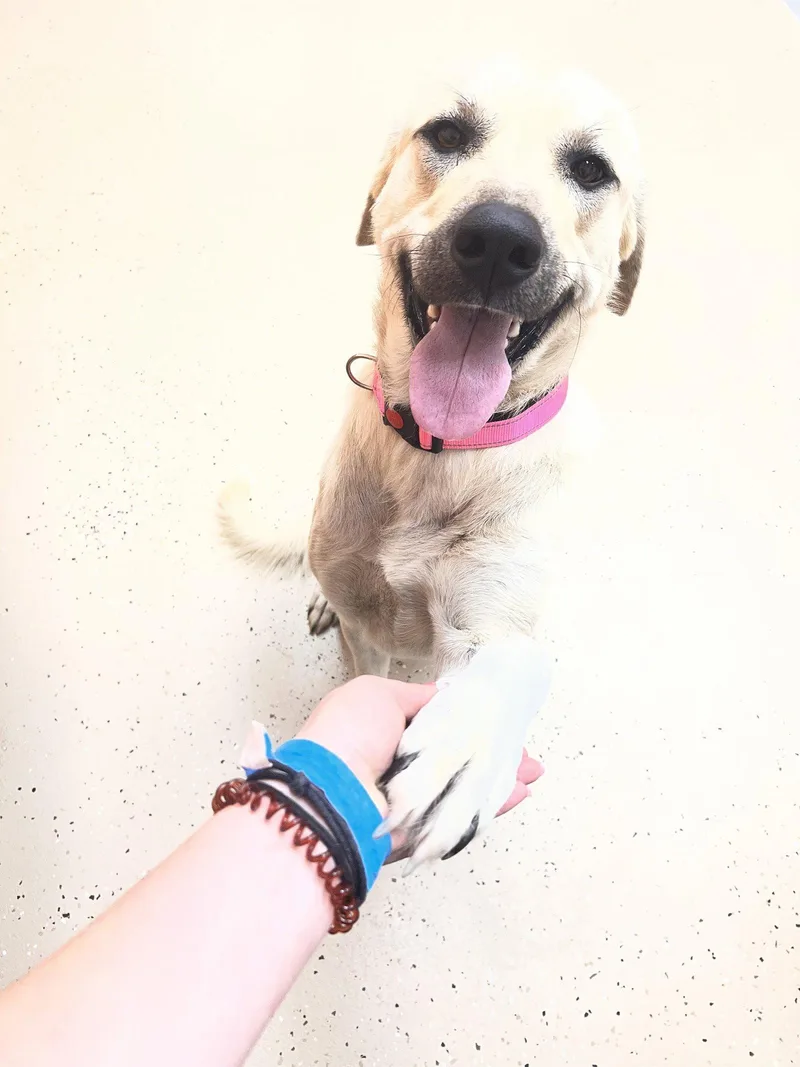
Great Pyrenees Available for Adoption Near Virginia Beach

About the Great Pyrenees breed

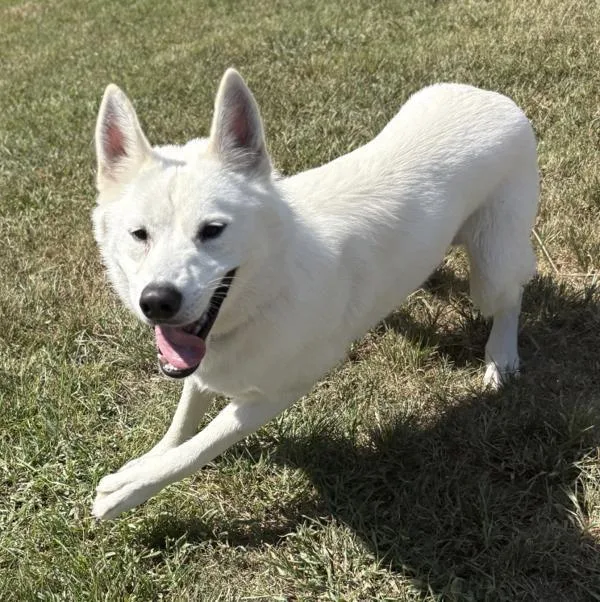
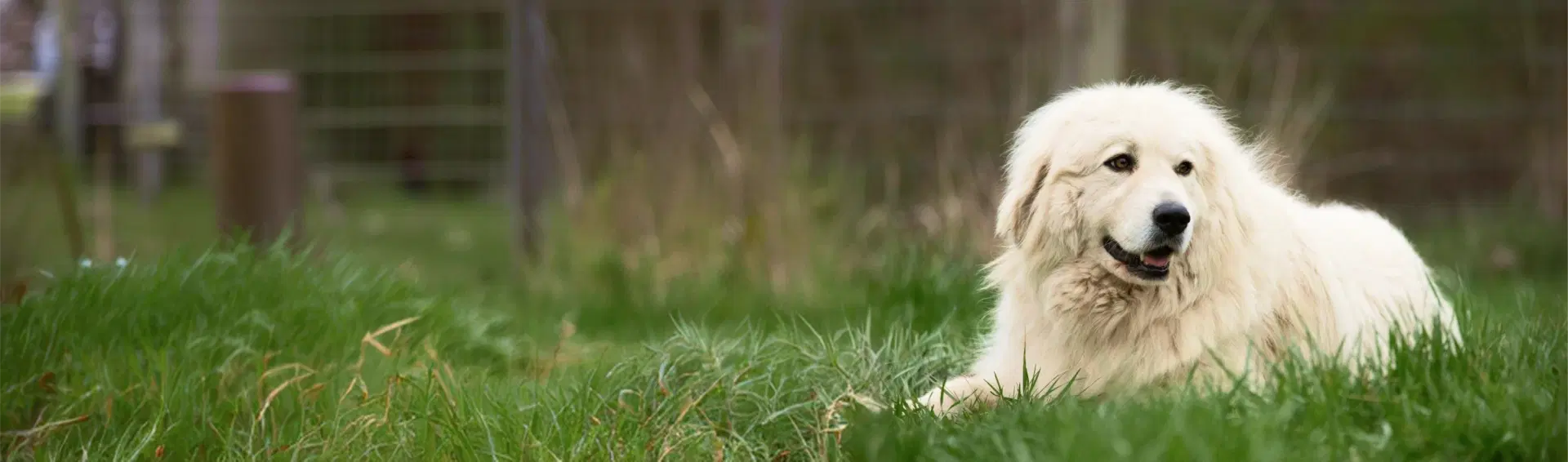
The Great Pyrenees began as a livestock guardian in the Pyrenees mountains between France and Spain, sitting with flocks and driving off wolves, bears and thieves. Today's Pyr is a giant dog, usually 85 to 120 pounds, with a thick white double coat that may carry gray, tan or badger markings, plus double dewclaws on each hind leg.

Many Pyrs are calm, gentle and devoted to their people, but they were bred to decide things alone. That makes them independent, slow to obey and prone to roaming and barking at night. In Virginia Beach, where dogs must be leashed on sidewalks and in parks, that means secure fencing and patient training. Dogs vary, and Pyr mixes are common.

Weight
85–120 lbs
Height
25–32 in
Lifespan
10–12 yrs
Temperament
Calm, Protective, Independent
Group
Working
Shedding
High

Owning a Great Pyrenees in Virginia Beach

Having a Great Pyrenees in Virginia Beach

Great Pyrenees are quiet and patient but think for themselves, and their size and coat shape daily routines. In Virginia Beach, the main questions are fencing, summer humidity, and whether your household can live with night barking and shedding.

Temperament

Pyrs are usually gentle with their family and wary of strangers, and many bark at night to announce anything unusual, which matters in close-set neighborhoods. Independence often looks like stubbornness, so patient reward-based training and early socialization help. Temperament varies from dog to dog, so judge each Pyr by how it actually behaves.
Exercise Needs

Most Pyrs are content with daily walks and time patrolling a fenced yard, not long runs. In Virginia Beach, early morning and evening walks beat midday in summer, and mild winter days suit longer outings. Keep a leash on, since many roam and the city's leash law applies in parks and on sidewalks. Sniff walks add enrichment.

Health Considerations

Pyrs can face hip and elbow dysplasia, kneecap luxation, bloat and bone cancer, and giant breeds tend to have shorter lives. Learn the signs of bloat, feed smaller meals and avoid hard exercise around them. Keep the dog lean and ask a veterinarian about joint screening. Humid summers make heat stress a concern, so watch for heavy panting.

Living Space

A Pyr does best with a securely fenced yard, which fits Virginia Beach's single-family neighborhoods. Calm adults can manage in apartments, though size and barking can be hard on neighbors. Indoors they settle quietly and seek out cool floors. Expect white hair everywhere, and give a giant dog room to stretch out.

What it costs to own a Great Pyrenees in Virginia Beach

ExpenseTypical costPer year
Food$80 to $160 per month$960 to $1,920
Pet insurance$85 to $170 per month$1,020 to $2,040
Routine vet care$250 to $500 per year$250 to $500
Other*$682 to $1,860 per year$682 to $1,860
Estimated yearly total (after year one)$2,912 to $6,320

Other costs are estimates and vary with size, age and health.

* The Virginia Beach dog license ($7 a year for a spayed or neutered dog), a dental cleaning, flea, tick and heartworm prevention, brushing and baths for heavy shedding, joint supplements, and toys and bedding.

Great Pyrenees dog

Adopt a Great Pyrenees in Virginia Beach.

Now that you know more, let’s find you a new best friend. These rescues and shelters below currently have Great Pyrenees available.

Rescues in Virginia Beach with Great Pyrenees Available

Virginia Beach has a city-run shelter and private nonprofit groups, all listed here with their adoptable dogs. Here are the rescues & shelters in the Virginia Beach area where you can find Great Pyrenees and other dogs available for adoption.

Frequently Asked Questions

Yes, you can own a Great Pyrenees in Virginia Beach. No breed-specific rule is known, and Virginia law bars calling a dog dangerous solely because of its breed. Dogs four months and older need a city license and a current rabies vaccine, and a leash is required on sidewalks, streets and in parks. A secure fence makes daily life easier.

A Great Pyrenees can live in a Virginia Beach apartment, but it's a harder fit than a house. Calm adults can manage with an attentive owner, yet size and night barking can strain close neighbors, and owners can be cited for nuisance barking. A ground-floor unit near walking space helps, and the lease should be checked for breed and weight limits.

A Great Pyrenees can handle Virginia Beach summers with careful management. Humidity is harder on a thick-coated Pyr than the thermometer, since nights stay near 70°F. Walk at dawn or after dark, keep fresh water and shade handy, and let the dog rest in air conditioning through the afternoon. Watch for heavy panting or lagging on walks.

Bayville Farms Park, Marshview Park, Salem Woods Park and Woodstock Park all have fenced dog areas, and users need a current city license and rabies vaccination. For trail walks, First Landing State Park has 20 miles of trails and requires a leash of 6 feet or shorter, while Pleasure House Point Natural Area has trails along the Lynnhaven River. Keep a Pyr leashed outside the fences.

Generally no. HRT buses and the VB Wave trolley allow animals only in small cages that don't need a separate seat, so a giant Pyr can't ride unless it's a service animal. The Tide light rail runs only in Norfolk and also allows only service animals. Plan on car trips, or walk to nearby parks from home.

A Great Pyrenees can join you at some Virginia Beach restaurants, but only on open-air patios that choose to allow dogs. Virginia's food rules require a separate entrance and posted signs there, and dogs must stay leashed, off chairs and benches, and under an adult's control. Indoor dining rooms are off-limits, and a Pyr that barks at strangers needs calm practice first.

A Great Pyrenees needs weekly brushing with a pin or slicker brush in Virginia Beach, and more often during the heavy spring and fall sheds. Don't shave the coat, because it insulates against heat and protects skin from sun. After beach days, rinse out salt and sand and dry the undercoat well, since humid air can leave damp coat prone to mats.

A Great Pyrenees is a good fit for Virginia Beach if you have a fenced yard, spend a fair amount of time home and can live with night barking and white fur. It's a tougher fit if you want an off-leash beach companion or a dog that's quiet in close quarters. Hurricane season also calls for a large crate and an evacuation plan.

We have 1 rescue with Great Pyrenees available: Virginia Beach Animal Control and Adoption Center. You can see every rescue with Great Pyrenees available in the list above these questions, or scroll to the top to see the Great Pyrenees near Virginia Beach.

Plan on roughly $2,900 to $6,300 a year for a Pyr in Virginia Beach: food at $80 to $160 a month, insurance at $85 to $170 a month, $250 to $500 for routine vet care, and $682 to $1,860 for other costs like prevention, grooming and the city dog license.

Find Great Pyrenees in Nearby Cities

Expand your search to find Great Pyrenees available for adoption near Virginia Beach.