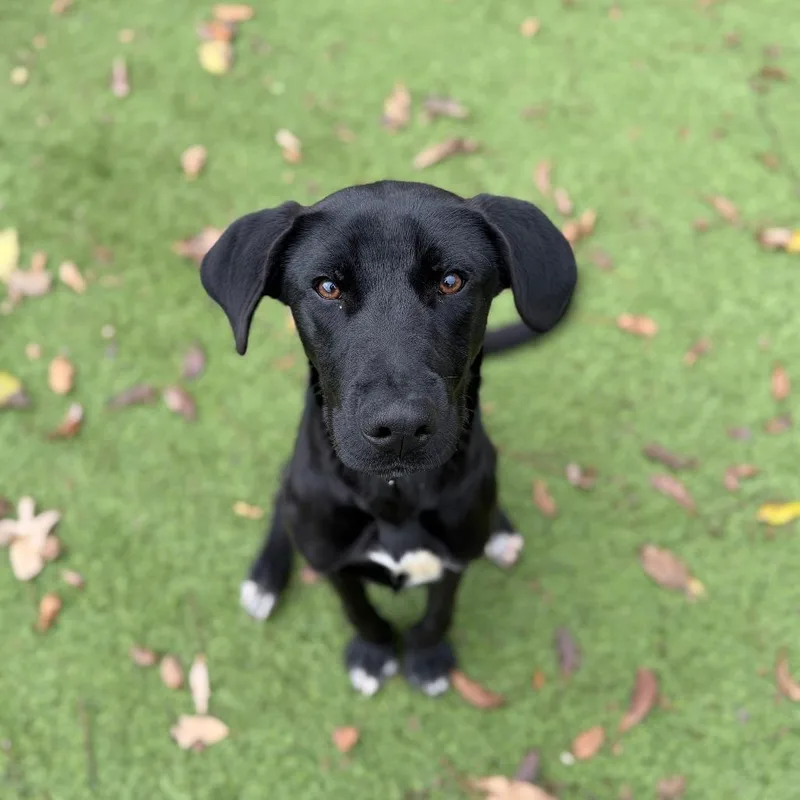
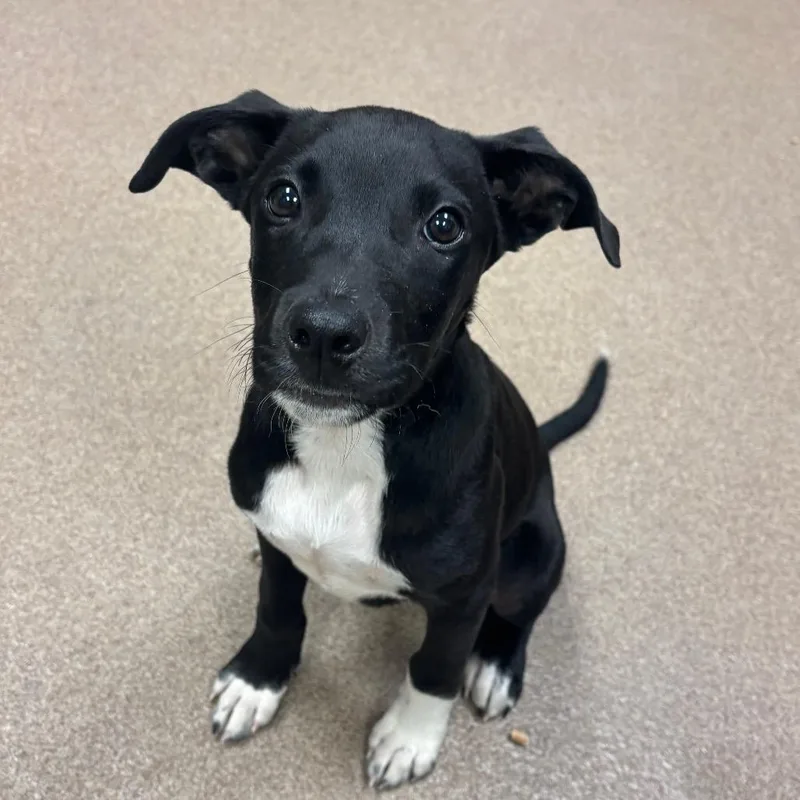
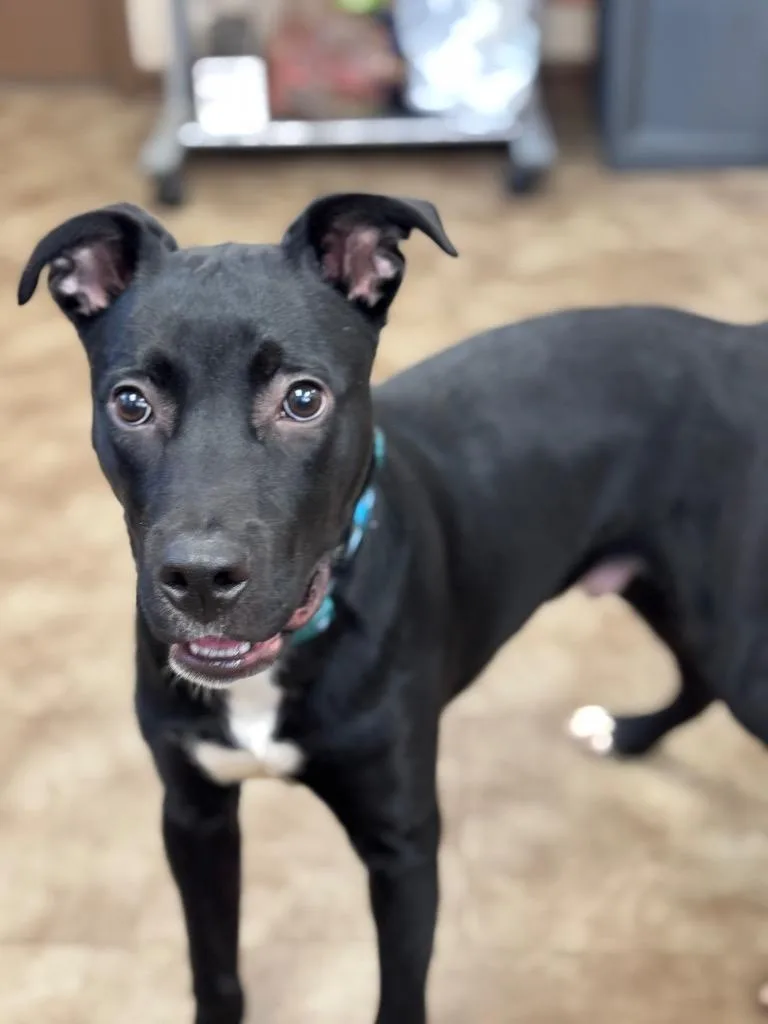
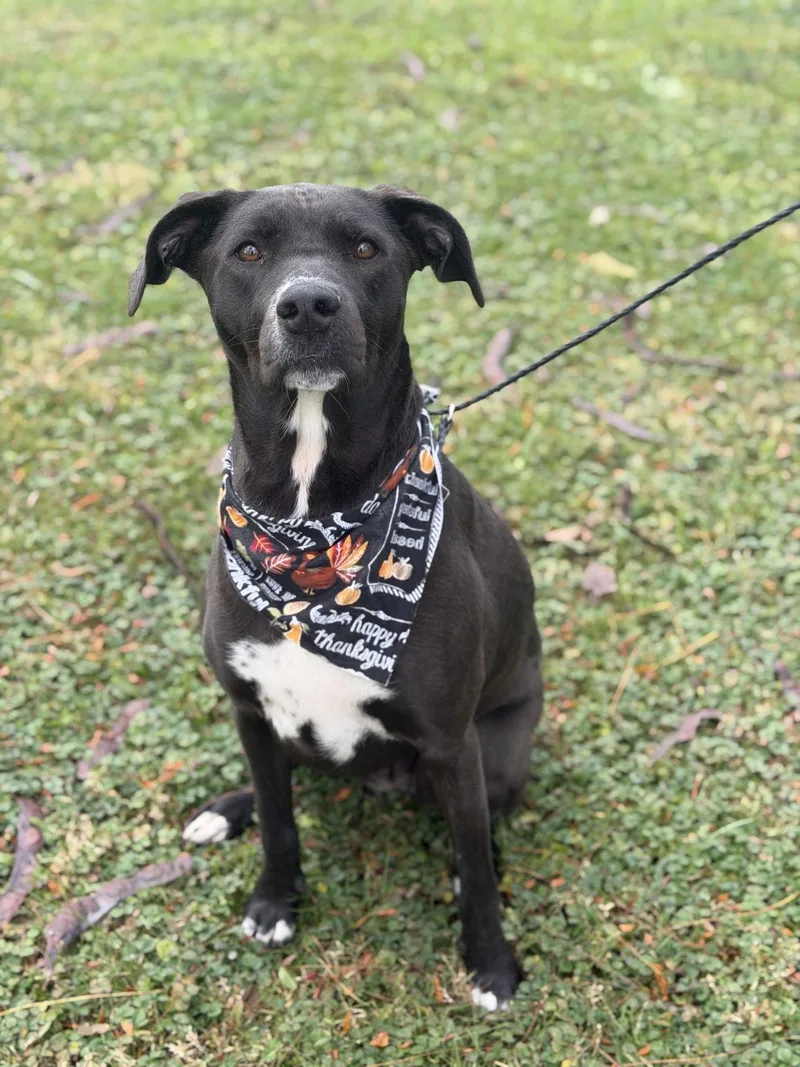
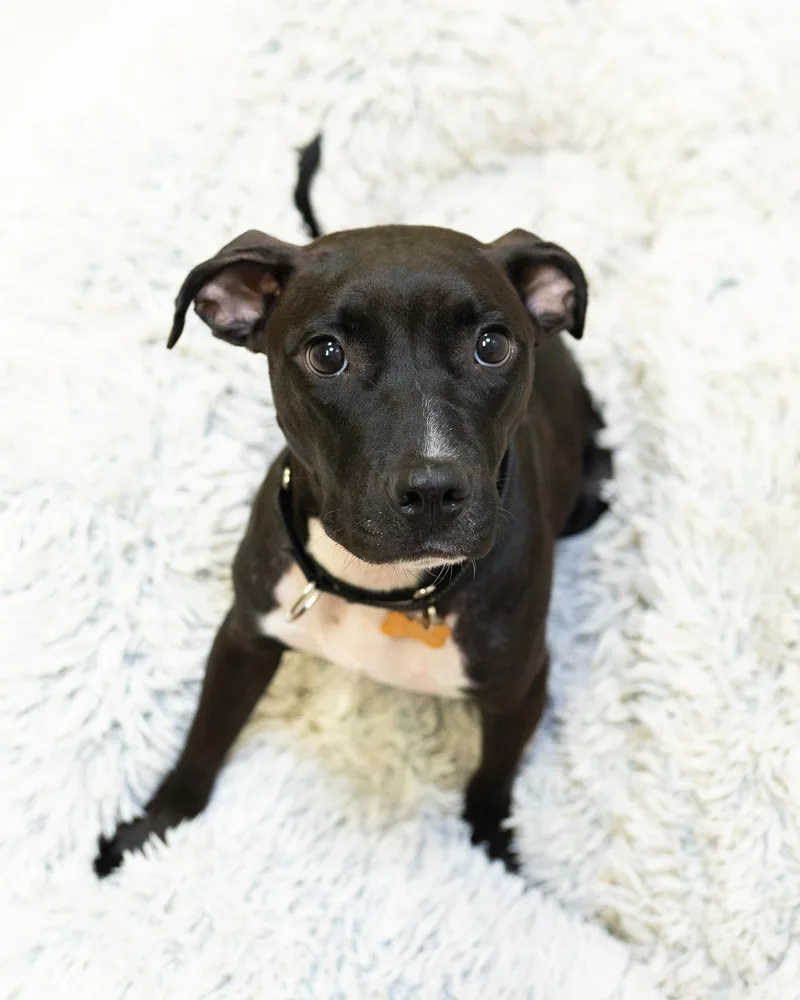
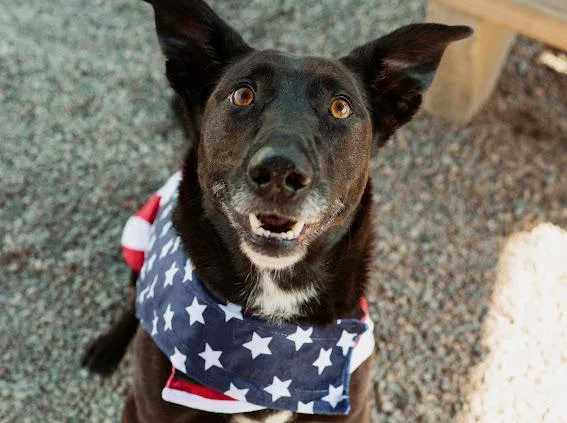
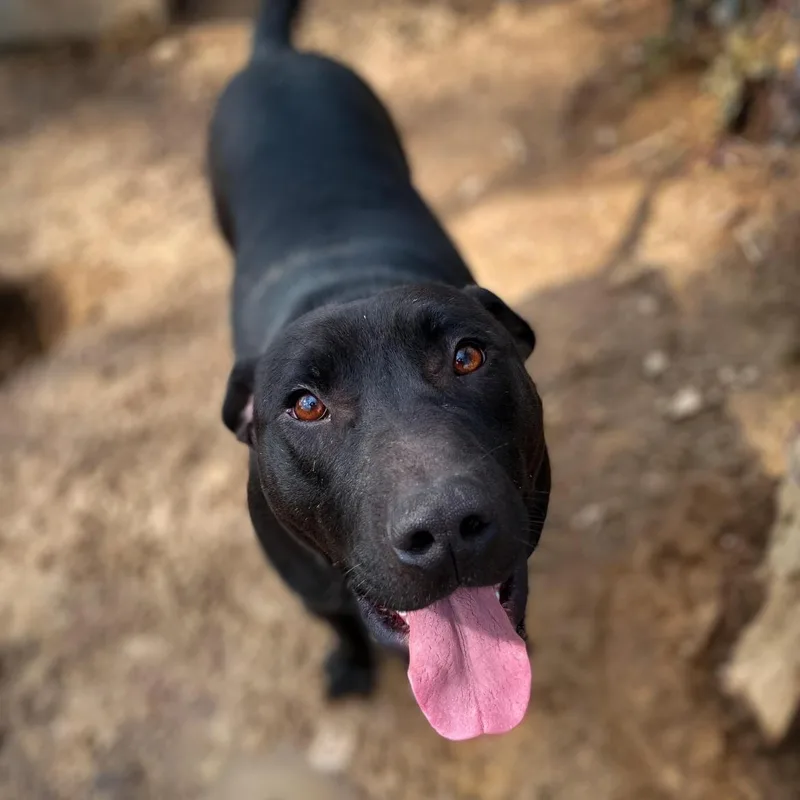
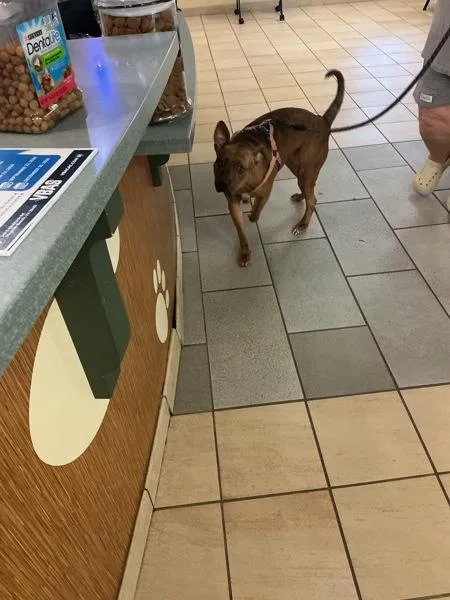
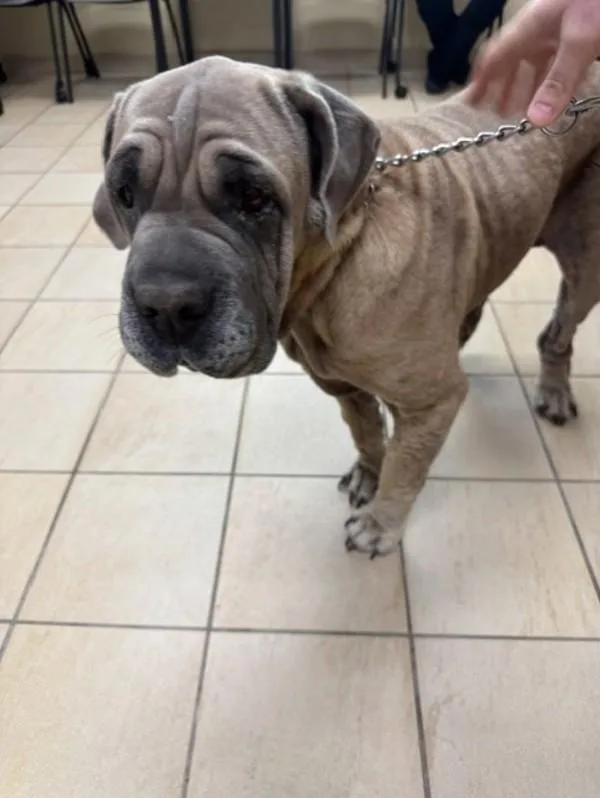
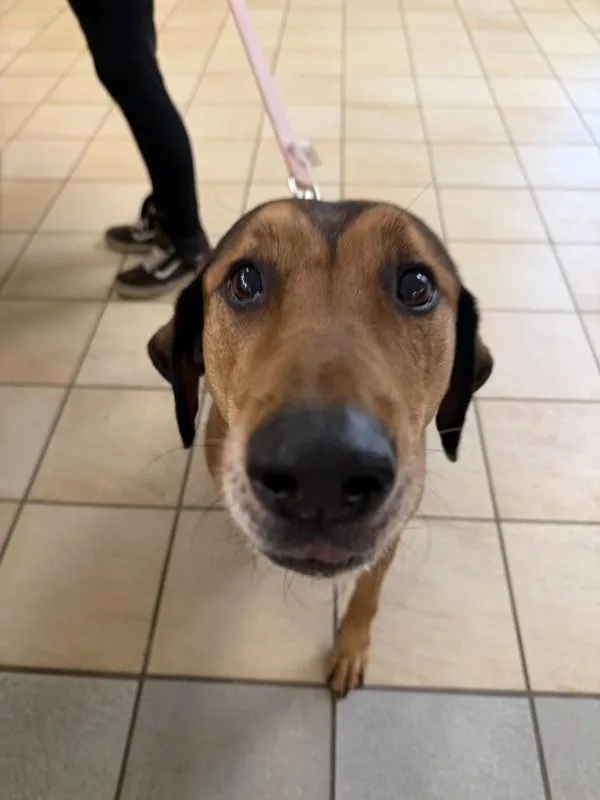
Black Labrador Retriever Dogs for Adoption in Virginia Beach, VA

Your guide to finding and caring for a Black Labrador Retriever in Virginia Beach

Black Labs suit Virginia Beach, where so much of the city is built around water and walking. In Green Run, the green belts and quiet residential streets make daily laps easy, and the trails at Pleasure House Point give a Lab plenty to sniff along the Lynnhaven River. A dark coat soaks up the humid summer sun, so midday outings get short. Most Labs want company and a job, which fits a household where someone is home a good part of the day.

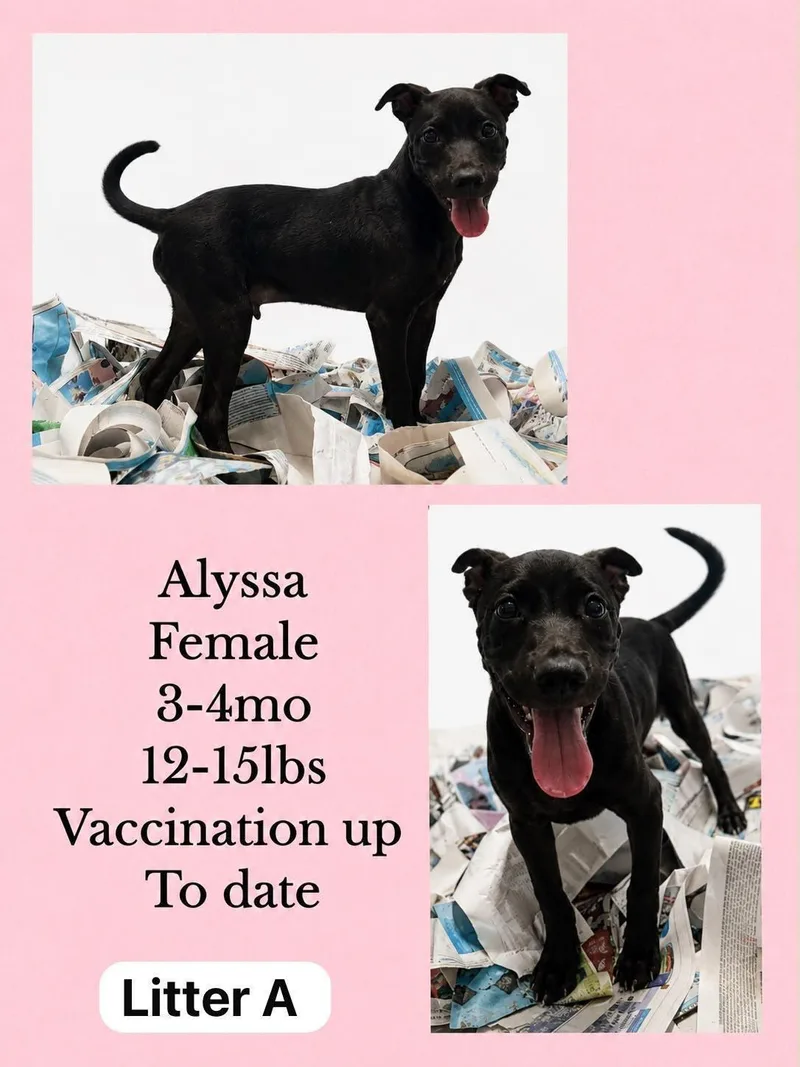
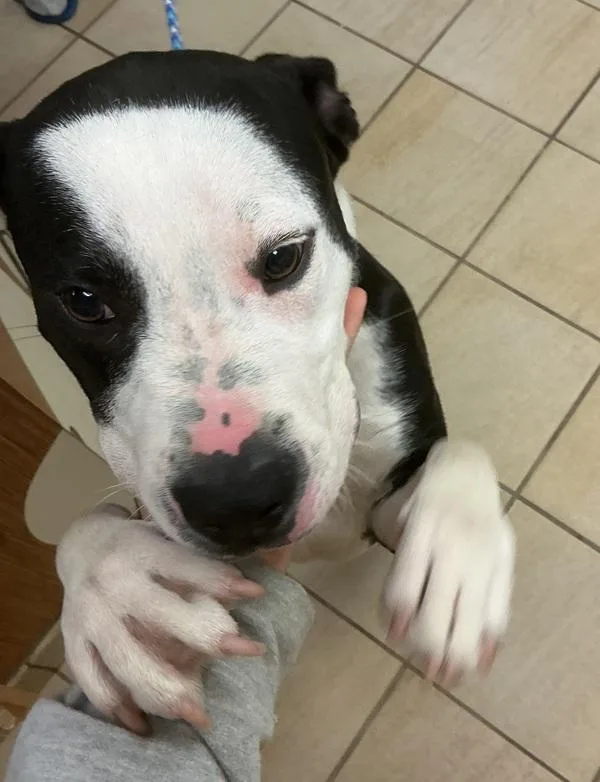
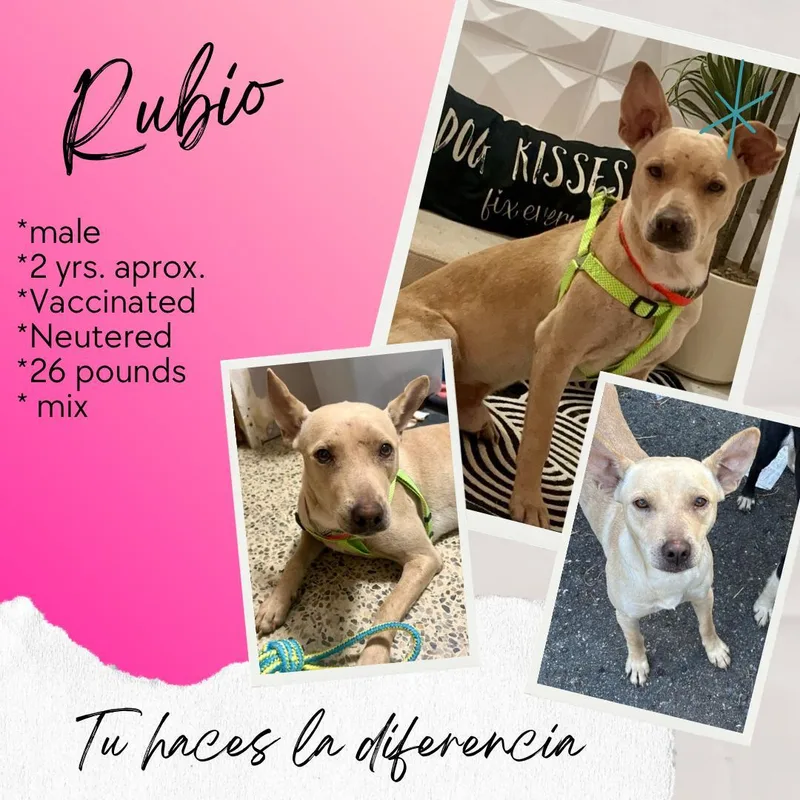
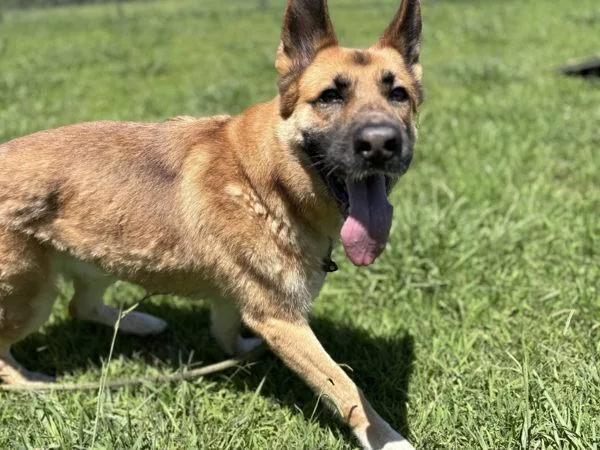
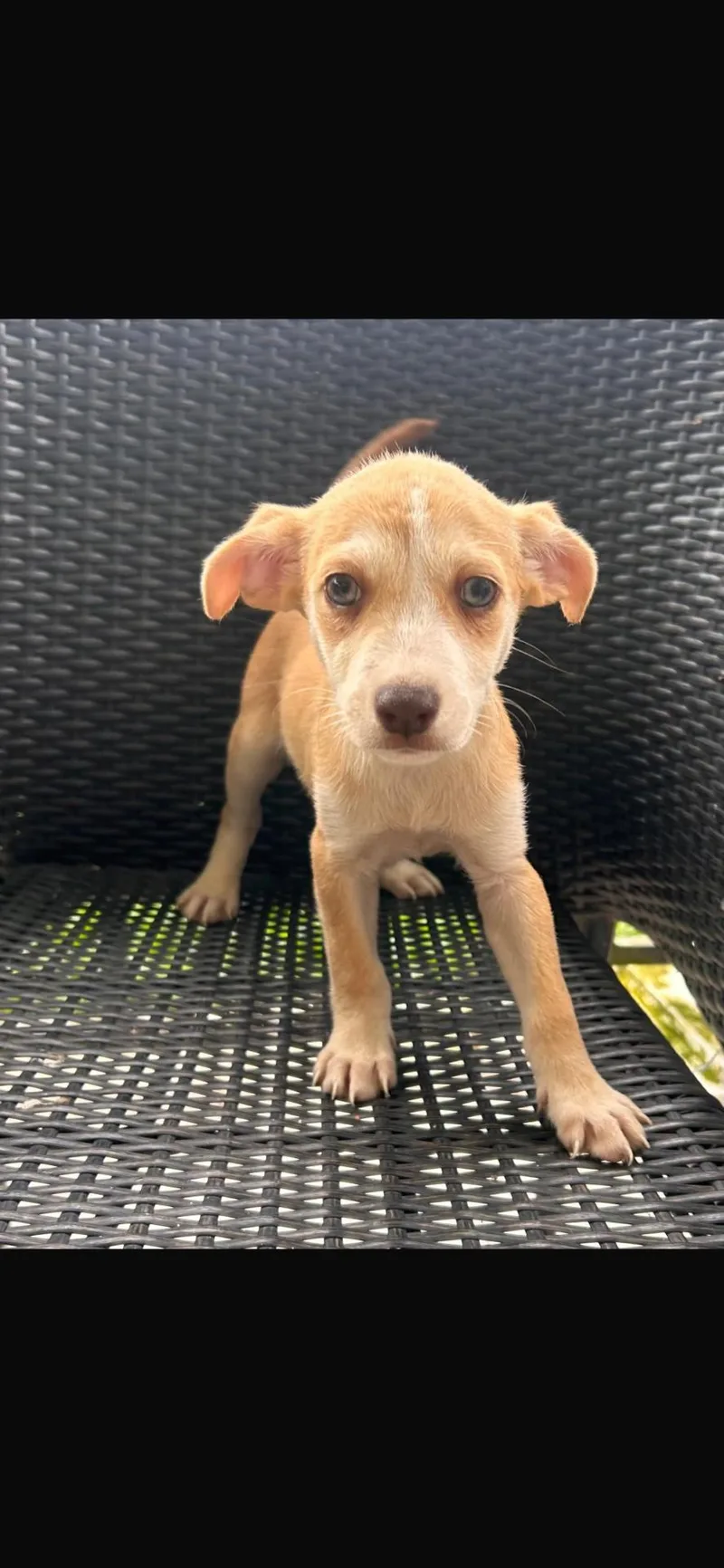
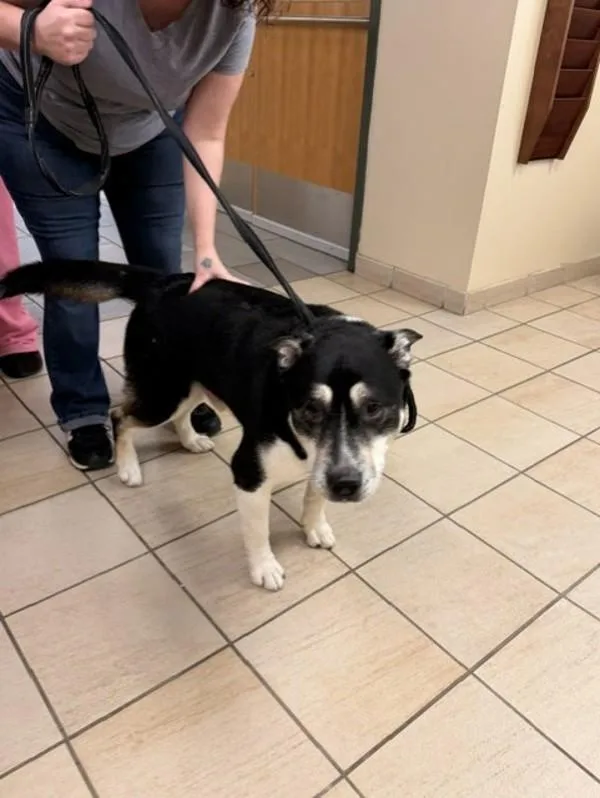
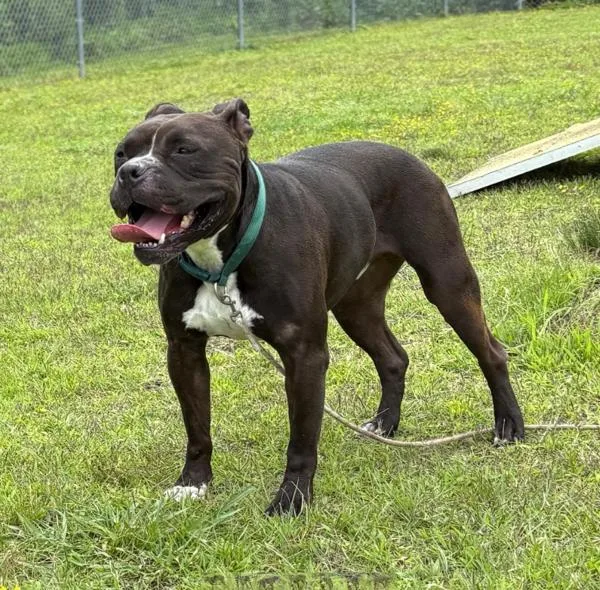
3118 Black Labrador Retrievers available in Virginia Beach and nationwide

Find your Black Labrador Retriever

Black Labrador Retrievers Available for Adoption Near Virginia Beach

About the Black Labrador Retriever breed

A black Labrador Retriever is a Lab in the breed's original and most familiar color, not a separate breed. The earliest Labs descended from Newfoundland's St. John's water dogs and were refined in Britain as gun dogs, and many of them were black. The otter tail, broad head and dense, water-resistant double coat all come from that retrieving work, which is why plenty of Labs head straight for any puddle, creek or bay.

Color doesn't change personality. Black Labs tend to be friendly, food-motivated and eager to please, though dogs from field lines are often leaner and more driven than those from show lines. In Virginia Beach, expect a dog that needs daily exercise, steady training and measured portions, plus plenty of brushing during shedding season. Labs mature slowly, so adolescents can stay bouncy and mouthy well past their first birthday.

Weight
55–80 lbs
Height
21–25 in
Lifespan
10–14 yrs
Temperament
Friendly, Outgoing, Active
Group
Sporting
Shedding
Moderate to High

Owning a Black Labrador Retriever in Virginia Beach

Having a Black Labrador Retriever in Virginia Beach

A black Lab pairs steady stamina with an easygoing nature. In Virginia Beach, energy, appetite and seasonal shedding shape daily life far more than coat color, and the dark coat adds a heat consideration in humid summers.

Temperament

Black Labs tend to be outgoing and affectionate with family, guests and other dogs, which helps on busy Virginia Beach sidewalks and at neighborhood gatherings. Young dogs can be mouthy and boisterous. Food-motivated Labs respond well to reward-based training. A dog's history and socialization say more than breed or coat color.

Exercise Needs

Plan on vigorous daily exercise such as brisk walks, fetch or running once a Lab is grown. In summer, early mornings and evenings work best. After Labor Day, dogs may run off leash on the sand if closely supervised and reliable on recall. Scent games and short training sessions add mental work.

Health Considerations

Labs can be affected by hip and elbow dysplasia, cruciate ligament tears, exercise-induced collapse and progressive retinal atrophy. Obesity is common, and ear infections and skin allergies occur, especially after salt water or humid days. Have a veterinarian check hips and elbows, keep up weigh-ins, and stay current on heartworm, flea and tick prevention.

Living Space

A black Lab can do well in a Town Center apartment or a Green Run townhouse if daily exercise is covered, though a fenced yard makes play easier in the city's many single-family neighborhoods. Expect shed hair, a sweeping tail and a dog that wants to live indoors with the family.

What it costs to own a Black Labrador Retriever in Virginia Beach

ExpenseTypical costPer year
Adoption fee$350, one time$350 in year one
Food$55 to $110 per month$660 to $1,320
Pet insurance$65 to $130 per month$780 to $1,560
Routine vet care$250 to $500 per year$250 to $500
Other*$582 to $1,460 per year$582 to $1,460
Estimated yearly total (after year one)$2,272 to $4,840
First-year total (with adoption fee)$2,622 to $5,190

Adoption fee is the fee on Black Labrador Retriever listings in Virginia Beach on GetBuddy today. Other costs are estimates and vary with size, age and health.

* The Virginia Beach dog license ($7 a year if spayed or neutered, $10 if not), flea, tick and heartworm prevention, a dental cleaning allowance, toys and bedding, and brushing and baths for heavy seasonal shedding.

Adopt a Black Labrador Retriever in Virginia Beach.

Now that you know more, let’s find you a new best friend. These rescues and shelters below currently have Black Labrador Retrievers available.

Rescues in Virginia Beach with Black Labrador Retrievers Available

Virginia Beach has a city-run shelter and private nonprofit rescues, and the groups below list dogs looking for homes. Here are the rescues & shelters in the Virginia Beach area where you can find Black Labrador Retrievers and other dogs available for adoption.

Frequently Asked Questions

Yes. No known Virginia Beach rule restricts Labs, and Virginia law says a dog can't be declared dangerous solely because of its breed. Dogs are judged on behavior. Plan to keep your Lab leashed in public, keep its rabies vaccine and city license current, and pick up waste, since violations can bring misdemeanor charges.

Yes, most can with planning. Summers are humid and a black coat soaks up sun, so keep walks to early morning or evening and carry water. Virginia law bars tethering a dog outdoors at 85°F or higher or during heat advisories, so a Lab should spend hot afternoons indoors. Heavy panting or slowing down means rest right away.

Large Labs do well at Marshview Park and Bayville Farms Park, which have fenced areas split by dog size; a city license and rabies vaccination are required. For leashed walks, try Pleasure House Point Natural Area, Mount Trashmore Park or Lake Lawson/Lake Smith Natural Area. Back Bay National Wildlife Refuge doesn't allow pets.

Generally not. Hampton Roads Transit buses and the VB Wave trolley only allow animals in small cages that don't need a separate seat, so a full-grown Lab can't ride unless it's a service animal. Virginia Beach has no subway, and The Tide light rail runs only in Norfolk and admits service animals only. Plan on driving or walking.

Sometimes, on patios only. Virginia rules let restaurants admit dogs to open-air patios with a separate entrance and posted signs, but it's each restaurant's choice. Dogs must stay leashed and off chairs and tables, and indoor dining rooms are off-limits. A well-exercised Lab that settles under the table makes patio visits much easier.

Yes, if daily exercise happens. Plan on two walks and a play session, since a bored Lab may chew or bark, and the city can cite owners for nuisance barking. A ground-floor unit or a building with an elevator makes trips out easier. Confirm in the lease that there are no breed or weight limits.

Brush once or twice a week, and daily during spring and fall shedding when the double coat blows. A bath every month or two is plenty, with a fresh-water rinse after beach days to remove salt and sand. Professional shedding baths run about $100 to $300 a year, included in the Other costs on this page.

Often, for active households. Off-season beaches, fenced dog parks and trails give a Lab plenty to do, and many Labs love water and company. The trade-offs are humid summers for a dark coat, hurricane-season planning and a dog that dislikes long days alone. Think through your schedule and evacuation plan before adopting.

We have 1 rescue with Black Labrador Retrievers available: Save our Sheps Rescue . You can see every rescue with Black Labrador Retrievers available in the list above these questions, or scroll to the top to see the Black Labrador Retrievers near Virginia Beach.

Expect roughly $2,270 to $4,840 a year. Food runs $55 to $110 a month and insurance $65 to $130 a month, routine vet care $250 to $500 a year, and other costs $582 to $1,460 a year. Insurance and prevention are the biggest swing factors for a large Lab.