Alaskan Malamute dog

Alaskan Malamute Dogs for Adoption in Virginia Beach, VA

Your guide to finding and caring for an Alaskan Malamute in Virginia Beach

Alaskan Malamutes suit Virginia Beach best in a house with a fenced yard, like those in Green Run or Kempsville. They're big, sociable dogs that want a long walk every day, and the beach is open to dogs all day from after Labor Day to the Friday before Memorial Day. Summer is the catch, since a dog built for snow handles Virginia Beach humidity poorly. Adopting one here works best for active people who are home often and can keep the air conditioning on.

279 Alaskan Malamutes available in Virginia Beach and nationwide

Adopt an Alaskan Malamute today

While we don't have enough dogs near Virginia Beach, keep in mind that many rescues may offer transport.

Alaskan Malamutes Available for Adoption Near Virginia Beach

About the Alaskan Malamute breed

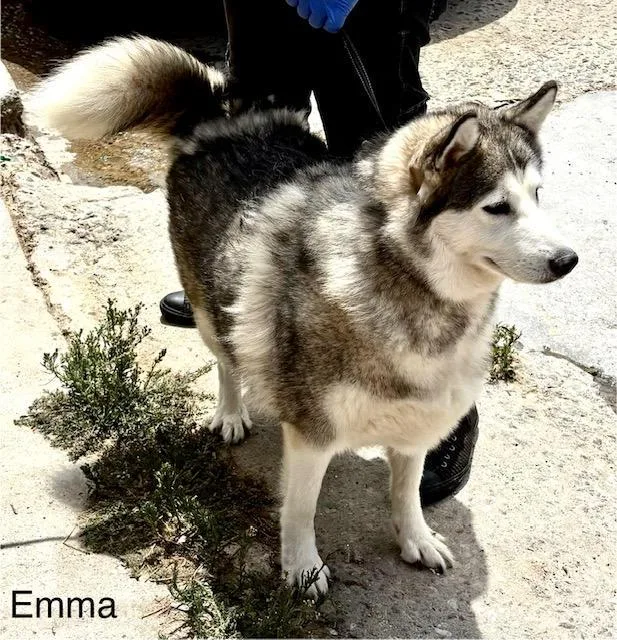
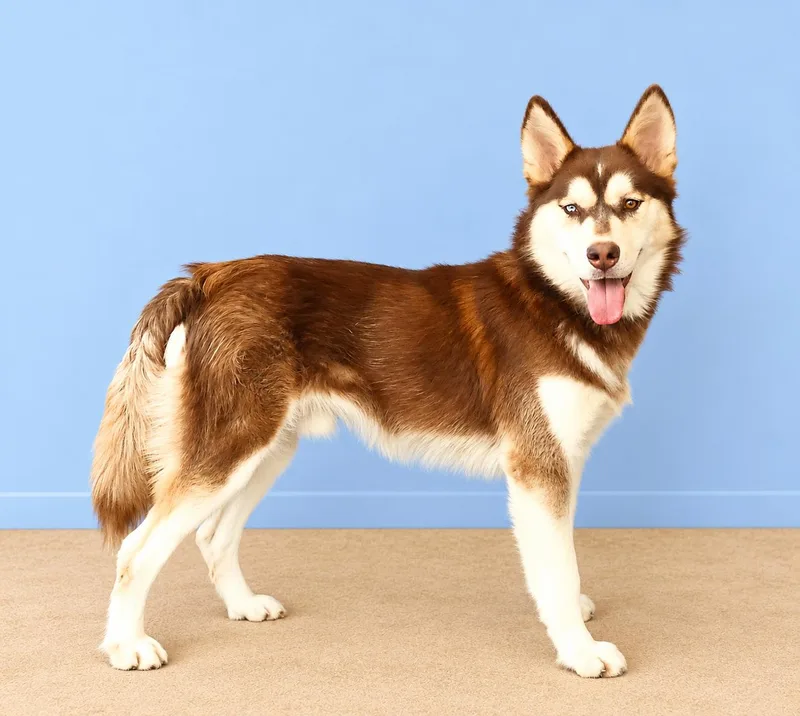
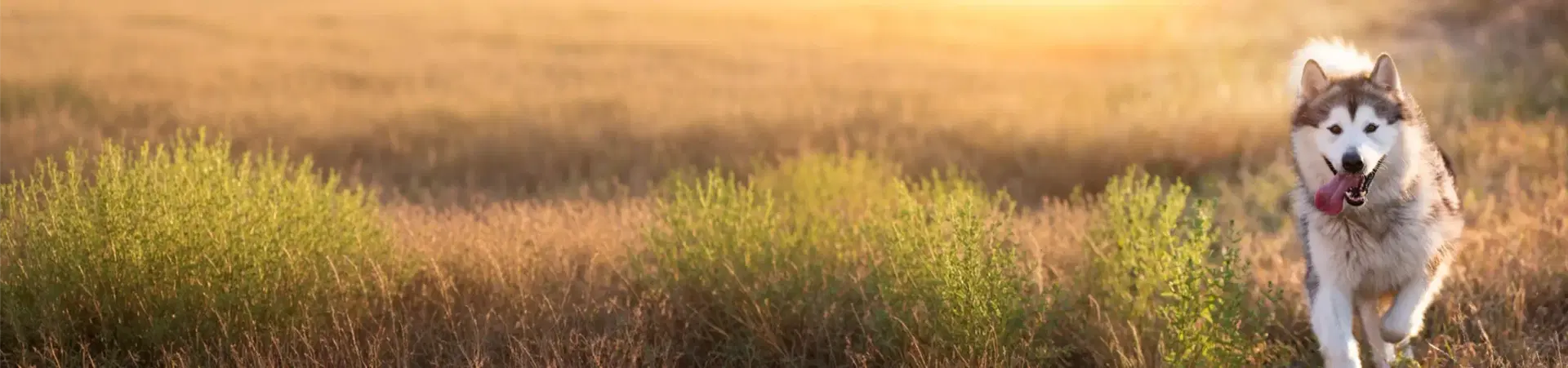
The Alaskan Malamute was developed by the Mahlemiut Inupiaq people of northwestern Alaska to haul heavy freight over long distances, and it's one of the oldest Arctic sled breeds. Built for strength and endurance rather than speed, it has heavy bone, a deep chest, snowshoe feet and a thick, coarse double coat, with a plumed tail carried over the back. Most adults weigh 70 to 95 pounds.

Malamutes are usually affectionate and friendly with people, which makes them poor guard dogs but engaging companions. They also tend to be independent, strong-willed and food-motivated, with a strong prey drive and a talent for digging. In Virginia Beach, that points to sturdy fencing, firm and patient training, and a cool spot indoors. Dogs vary, so the dog in front of you matters more than the breed description.

Weight
70–95 lbs
Height
23–26 in
Lifespan
10–14 yrs
Temperament
Affectionate, Friendly, Independent, Loyal
Group
Working
Shedding
High

Owning an Alaskan Malamute in Virginia Beach

Having an Alaskan Malamute in Virginia Beach

Strength, heavy shedding, heat sensitivity and an independent streak shape life with a Malamute more than its friendly face suggests. In Virginia Beach, the humid summers and the long cool season set the rhythm of the year.

Temperament

Malamutes are typically warm with strangers, so crowded sidewalks and friendly neighbors often don't bother them. They're also independent and may ignore cues that seem pointless, so training takes consistency and treats. Many have a strong prey drive, and some are intolerant of dogs of the same sex, so careful introductions and a firmly held leash matter in busy parks.

Exercise Needs

Plan on an hour or more of brisk activity daily: long leashed walks, hikes or pulling sports. In Virginia Beach, the cool season is prime time, with trails at First Landing State Park and off-season beach walks. From June through September, shift exercise to dawn and dusk and add indoor puzzles and training games.

Health Considerations

Malamutes can develop hip dysplasia, hypothyroidism, cataracts, day blindness, and inherited conditions such as chondrodysplasia and polyneuropathy. A lean weight protects the joints, and a veterinarian can advise on screening. Locally, flea and heartworm prevention matter during the long warm season, and heat stroke is the most immediate summer risk for a thick-coated dog.

Living Space

A house with a securely fenced yard is the best match, since many Malamutes dig and climb. Green Run and Kempsville have plenty of single-family streets, while a Town Center high-rise would make daily exercise and shedding harder. Whatever the home, air conditioning matters more than square footage.

What it costs to own an Alaskan Malamute in Virginia Beach

ExpenseTypical costPer year
Food$55 to $110 per month$660 to $1,320
Pet insurance$65 to $130 per month$780 to $1,560
Routine vet care$250 to $500 per year$250 to $500
Other*$582 to $1,460 per year$582 to $1,460
Estimated yearly total (after year one)$2,272 to $4,840

Other costs are estimates and vary with size, age and health.

* The $7 to $10 Virginia Beach dog license, flea, tick and heartworm prevention, a dental cleaning allowance, toys and bedding, and brushing and baths for the heavy seasonal coat blow.

Adopt an Alaskan Malamute in Virginia Beach.

Now that you know more, let’s find you a new best friend. These rescues and shelters below have dogs available in and near Virginia Beach.

Rescues and Shelters in or near Virginia Beach

Virginia Beach has a city shelter and private nonprofit rescues working to place dogs of every size with adopters. Here are the rescues & shelters in the Virginia Beach area with dogs available for adoption, worth asking whether an Alaskan Malamute is coming in.

Frequently Asked Questions

Yes, if the household keeps the dog cool. Malamutes are built for snow, and Virginia Beach summers pair mid-80s highs with humidity, so most need air conditioning and walks at dawn or dusk. Heavy panting, drooling or sudden lethargy are warning signs: move the dog into shade or cool air and call a veterinarian right away.

For long leashed hikes, First Landing State Park offers 20 miles of trails with a six-foot leash limit, and Lake Lawson/Lake Smith Natural Area has over 1.5 miles of soft trails. Pleasure House Point and Mount Trashmore's paths and hill add more walking. Back Bay National Wildlife Refuge doesn't allow pets, and state parks bar them from designated swim areas.

Yes. No known Virginia Beach rule bars Malamutes, and state law prohibits calling a dog dangerous solely because of its breed. The harder limits tend to be private: landlord pet policies and homeowners insurance, which sometimes restrict large breeds. Confirm the lease or policy allows a dog of this size before you adopt, then license the dog with the city.

Generally no. Hampton Roads Transit buses and the VB Wave trolley allow animals only in small cages that don't need their own seat, which rules out a 70-to-95-pound Malamute. Service animals are the exception. The Tide light rail runs only in Norfolk and also admits only service animals, so a car is the practical way to travel with a large dog.

Sometimes, on open-air patios only. Virginia rules let restaurants admit dogs outdoors if the patio has a separate entrance and posted signs, but each restaurant chooses whether to opt in. Dogs must stay leashed and off chairs and tables, and indoor dining rooms are off-limits. A large Malamute needs floor space and shade, and hot summer pavement can burn paws.

Plan on brushing a few times a week, and daily during the heavy spring and fall coat blows. Shaving isn't recommended, because the double coat also insulates against heat. Rinse off salt water and sand after beach trips. Home brushing is cheap, and occasional professional baths fall within the $582 to $1,460 yearly Other costs.

Alaskan Malamutes are large dogs, typically standing about 23 to 26 inches at the shoulder, with males around 25 inches and females around 23. Their heavy bone, deep chest and thick coat make them look even bigger. Most reach full height by about a year old but keep filling out until two or three, so a young adult may still be broadening.

Most Alaskan Malamutes weigh about 75 to 95 pounds, and the breed standard describes ideal freighting weights of about 85 pounds for males and 75 for females. Individual dogs can be lighter or heavier depending on bone, sex and body condition. A fit Malamute has a visible waist under its coat, so feeling for ribs is more reliable than looking.

An Alaskan Malamute is a large, powerful Arctic sled dog from Alaska, bred to pull heavy freight over long distances. It belongs to the AKC Working Group and is Alaska's official state dog. Malamutes are typically friendly, independent and energetic, with a thick double coat, plumed tail and a strong appetite for both food and activity.

A Malamute in Virginia Beach typically runs roughly $2,270 to $4,840 a year. That covers food at $55 to $110 a month, pet insurance at $65 to $130 a month, routine vet care at $250 to $500 a year, and other costs such as grooming, prevention and the city license at $582 to $1,460 a year.