Husky Dogs for Adoption in Suffolk, VA

Your guide to finding and caring for a Husky in Suffolk

A Husky fits Suffolk best in a home with a fenced yard and a runner for an owner. Most of the city is farmland, woods and swamp edge, so places like Whaleyville and Holland have the room these dogs want, and Lone Star Lakes Park's four-mile loop out in Chuckatuck is a good long leash walk. Huskies will test any gap in a fence, though, and Suffolk's humid summers are hard on that thick coat. If you're thinking of adopting one, plan on daily miles and air conditioning.

4369 Huskies available in Suffolk and nationwide

Your Husky is waiting

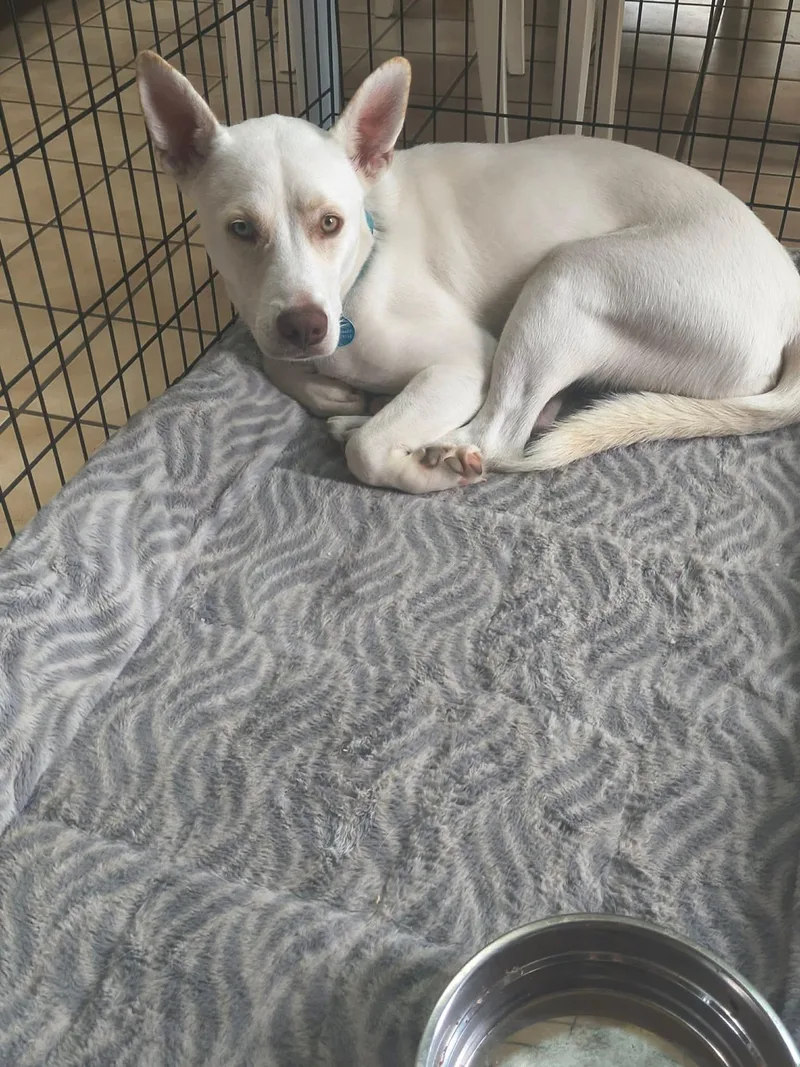
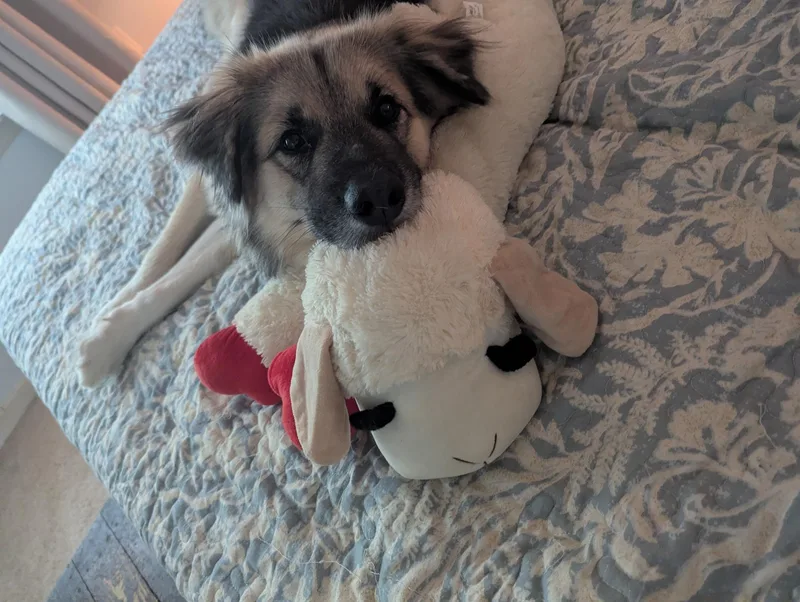
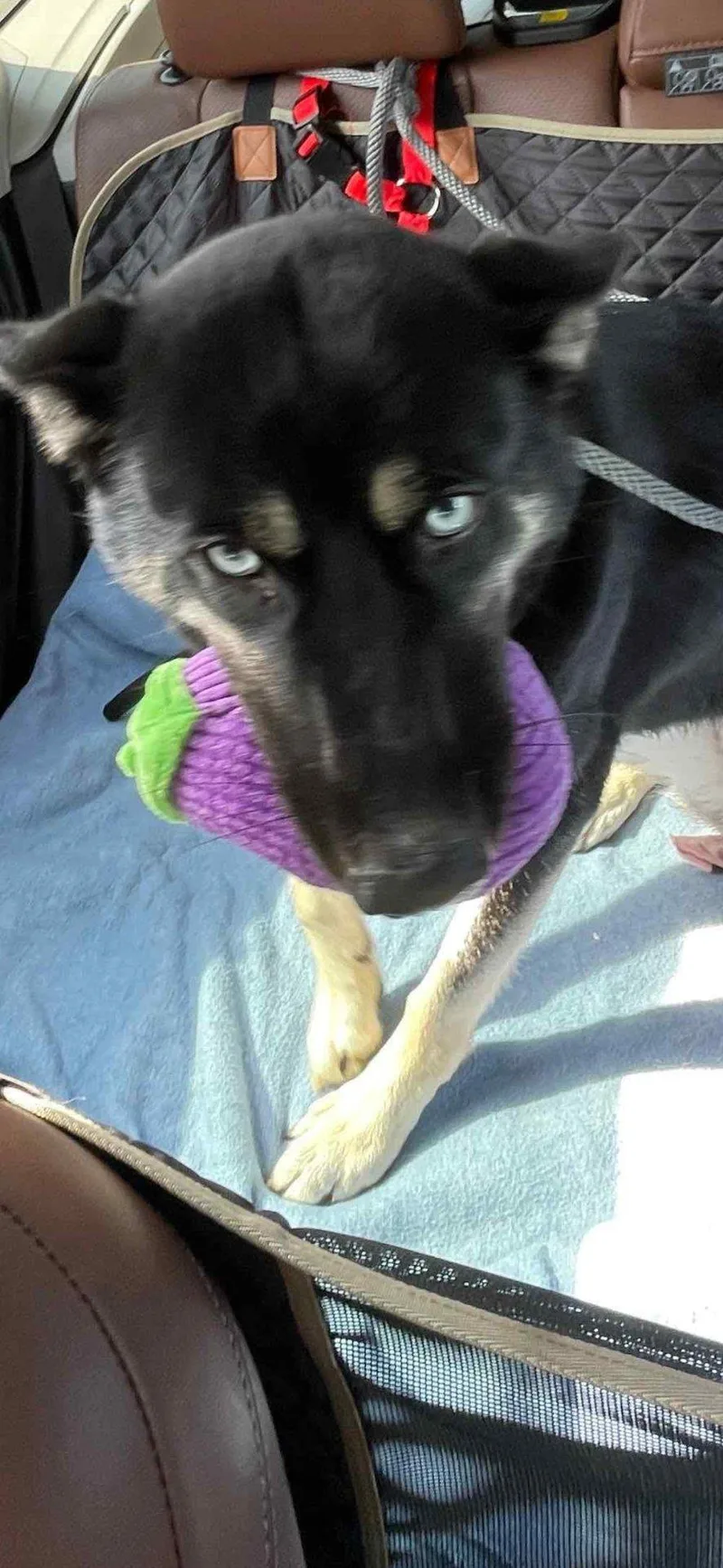
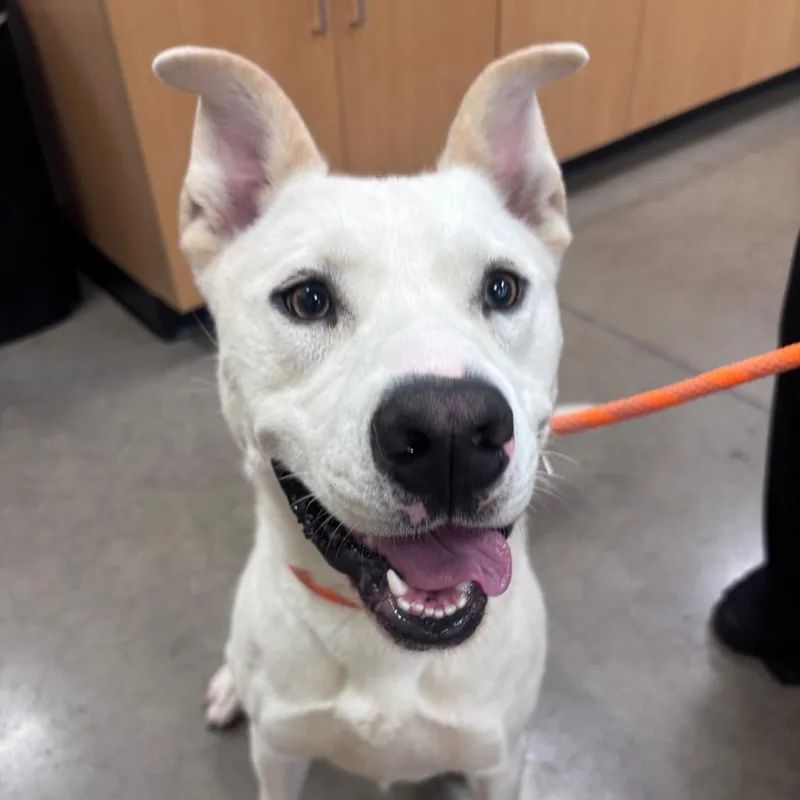
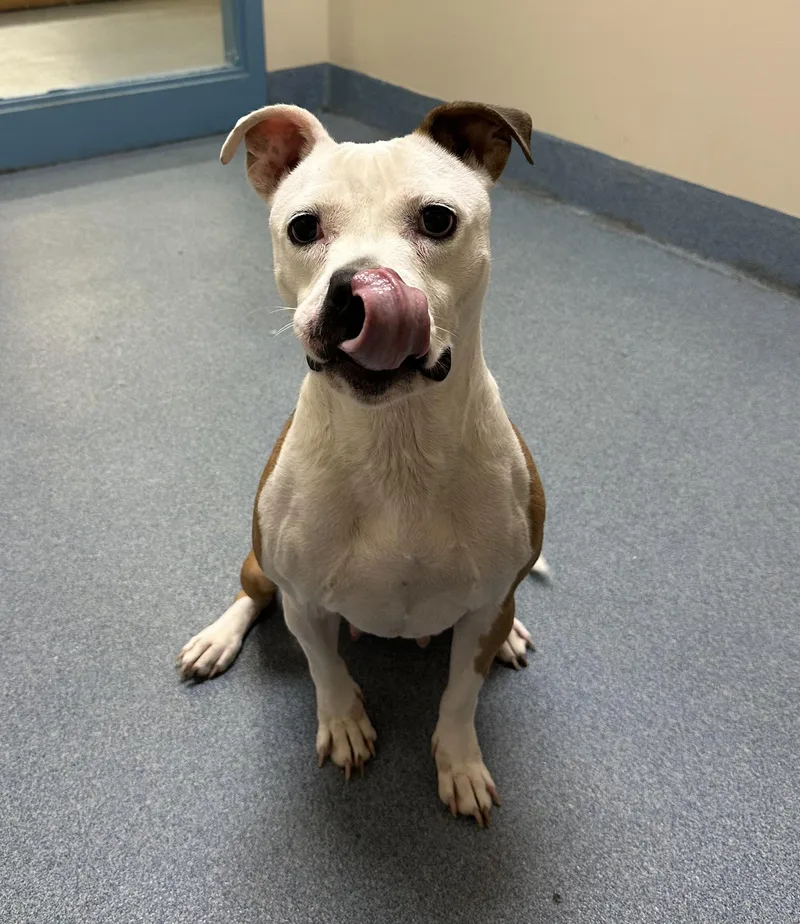
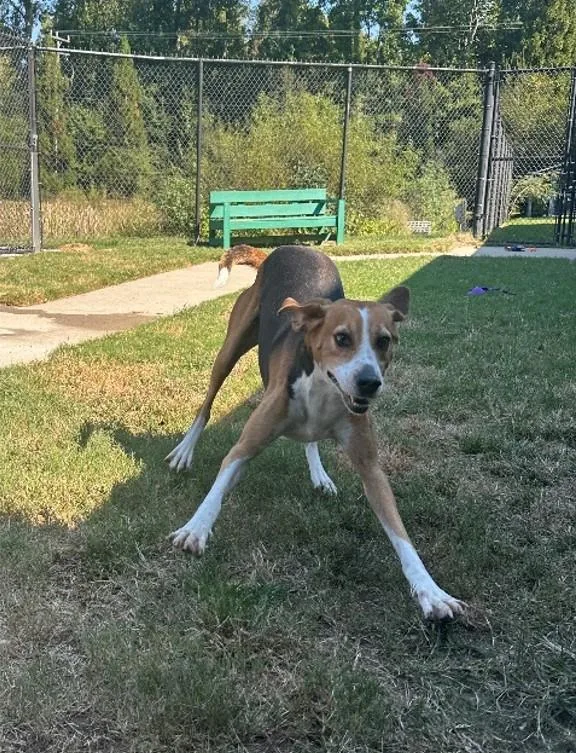
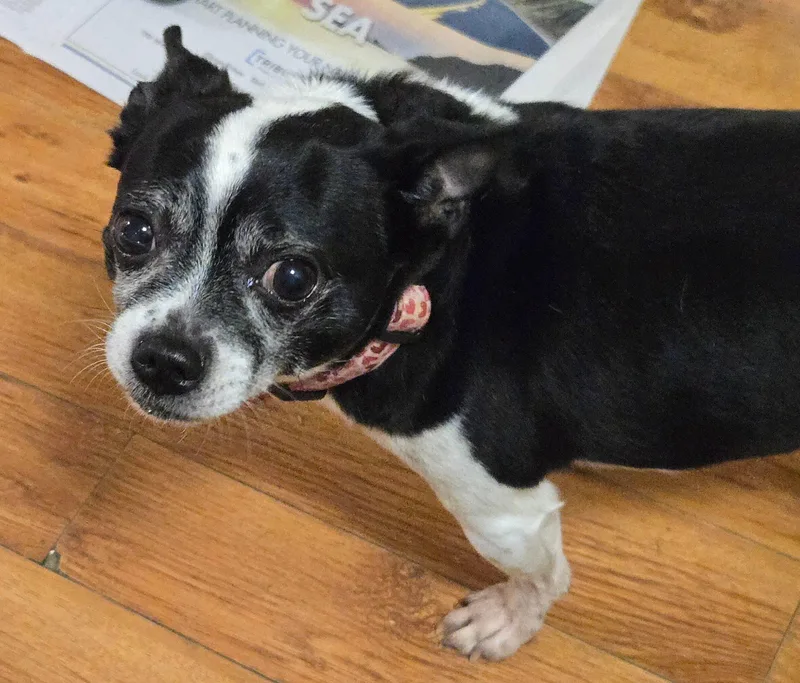
Huskies Available for Adoption Near Suffolk

About the Husky breed

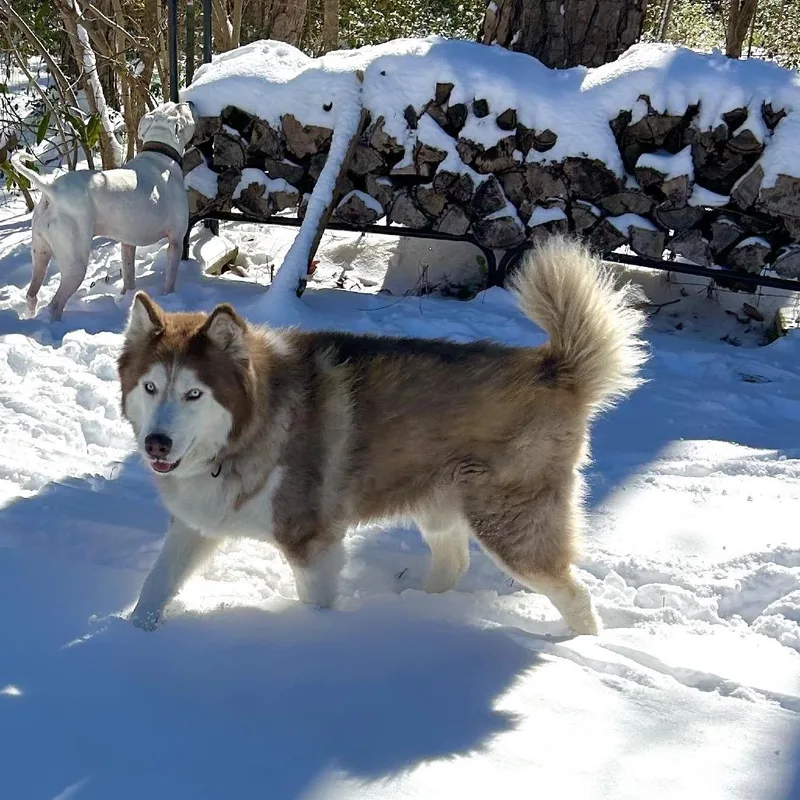
Husky is a catch-all name for northern sled dogs rather than one breed. In Suffolk, as elsewhere, it usually means a Siberian Husky or a Siberian mix, though some dogs carry Alaskan husky or Alaskan Malamute ancestry. Most weigh roughly 35 to 70 pounds and share erect triangular ears, a thick double coat, a brush tail and sometimes blue or mismatched eyes.

Personalities are friendly and playful, but also independent, vocal and quick to chase small animals. Huskies tend to howl more than bark, shed heavily, and dig or escape when bored, and mixes in particular can differ in size and stamina. Suffolk's yards and rural roads offer room to run, but the fence needs to be tall and secure, and the coat needs a plan for the humid months.

Weight
35–70 lbs
Height
20–25 in
Lifespan
11–15 yrs
Temperament
Friendly, Energetic, Independent, Vocal
Group
Working
Shedding
High

Owning a Husky in Suffolk

Having a Husky in Suffolk

Huskies come with sled-dog stamina, a thick coat and a self-directed streak. In Suffolk, that means plenty of daily exercise, a secure fence and a cooling plan for humid summers, with the details varying from dog to dog, particularly in mixes.

Temperament

Huskies are usually outgoing and gentle with people, strangers included, so they make poor guard dogs. Many like other dogs, but a strong prey drive puts cats and small pets at risk. They're smart yet independent and may ignore commands that seem pointless. Temperament varies, especially in mixes, so judge each dog on its own behavior.

Exercise Needs

Plan on an hour or more of hard exercise daily, such as running, hiking or canicross, ideally in cooler hours. In Suffolk, Lone Star Lakes Park offers 4-mile and 1-mile loops, and Lake Meade's trails and fenced dog park suit shorter outings. Recall is often unreliable, so keep walks on leash outside fenced areas.

Health Considerations

Husky-type dogs are generally hardy, but Siberians can develop juvenile cataracts, corneal dystrophy, progressive retinal atrophy and zinc-responsive skin disease. Heat is the bigger daily risk in Suffolk's humid summers. Year-round heartworm and flea prevention matters here, and a veterinarian can check eyes and hips at regular visits.

Living Space

Yards are common in Suffolk, and a husky does best with a fenced one at least six feet high and dig-proofed. Apartments, which cluster downtown and in Harbour View, can work for a dog that gets serious daily exercise, though howling and shedding may test neighbors. Huskies should live indoors, and they need air conditioning in summer.

What it costs to own a Husky in Suffolk

ExpenseTypical costPer year
Food$35 to $70 per month$420 to $840
Pet insurance$45 to $85 per month$540 to $1,020
Routine vet care$225 to $450 per year$225 to $450
Other*$530 to $1,360 per year$530 to $1,360
Estimated yearly total (after year one)$1,715 to $3,670

Other costs are estimates and vary with size, age and health.

* The $5 to $10 Suffolk dog license, flea, tick and heartworm prevention, a dental cleaning allowance, toys and bedding, and brushing for heavy seasonal shedding.

Adopt a Husky in Suffolk.

Now that you know more, let’s find you a new best friend. These rescues and shelters below have dogs available in and near Suffolk.

Rescues and Shelters in or near Suffolk

Suffolk's rescue community includes a city-run animal care center and a nonprofit humane society, along with other groups. Here are the rescues & shelters in the Suffolk area with dogs available for adoption, worth asking whether a Husky is coming in.

Frequently Asked Questions

Yes, no known Suffolk rule bans or limits Huskies, and Virginia law bars labeling a dog dangerous solely because of its breed. You'll need a city dog license and rabies vaccination, and a leash on public streets and sidewalks. Because unattended tethering is banned, a Husky needs a fenced yard or indoor time while you're away.

They can with planning, though summer is their hardest season here. Humid days regularly reach the upper 80s and some hit 90°F, so keep a Husky indoors with air conditioning in the afternoon, walk at dawn or after dark, and always offer water and shade. Virginia law also bars tethering a dog outdoors at 85°F or higher.

Lone Star Lakes Park in Chuckatuck is the top pick for distance, with 4-mile and 1-mile loops. Lake Meade Park downtown pairs walking trails with a fenced dog park that has a large-dog side. Bennett's Creek and Sleepy Hole parks are listed as dog-friendly for shorter North Suffolk walks. Keep a Husky leashed everywhere outside the dog park.

It can be for active people with a fenced yard and time to run. Suffolk offers room and long trails, and winters are mild enough for a double coat. The tradeoffs are humid summers, escape attempts, loud howling and heavy shedding, and a Husky left alone all day tends to get destructive. Dogs vary, so match the dog's energy to your routine.

Generally no. Suffolk Transit buses are run by Virginia Regional Transit, whose rider rules allow no animals except service animals, and Suffolk has no subway or rail service. Most Husky owners will rely on a car, so get a Husky comfortable with crates and seat belts early, and keep the car cool in summer.

Sometimes, on outdoor patios. Virginia lets restaurants opt in to admitting leashed dogs outdoors if the area has its own entrance and signs, and dogs can't be on chairs or tables. Suffolk's tourism office lists more than a dozen dog-friendly patios and breweries, but pet dogs aren't allowed inside dining rooms. Choose quiet times for a Husky.

Plan on weekly brushing most of the year and daily brushing during the heavy spring and fall sheds. Shaving isn't recommended, since the double coat also helps insulate against heat. Professional shed-out baths, if you want them, are a modest part of the yearly other costs listed above, and Suffolk's humidity makes thorough drying important.

A Husky is a northern sled dog type rather than one specific breed. The name most often refers to the Siberian Husky, a recognized AKC breed, but it also covers the Alaskan husky, a mixed racing type, and many husky mixes in shelters. Most are medium-sized, thick-coated, energetic dogs with erect ears and a friendly, independent nature.

Huskies were bred to pull sleds. The Chukchi people of northeastern Siberia developed the ancestors of the Siberian Husky to haul light loads over long distances in teams, and the dogs later became famous in Alaskan sled racing. That purpose explains their stamina, their pack-oriented sociability and their strong urge to run, which still shapes life with a pet husky today.

Expect roughly $1,700 to $3,700 a year for a husky in Suffolk, combining food, insurance, routine vet care and other costs. Food and insurance are the biggest monthly items, while yearly extras include parasite prevention, dental care, supplies, the low-cost city license and brushing during heavy shedding. Emergency care isn't included.

Explore Other Breeds in Suffolk

Looking for a different breed? Browse other dogs available for adoption in Suffolk.