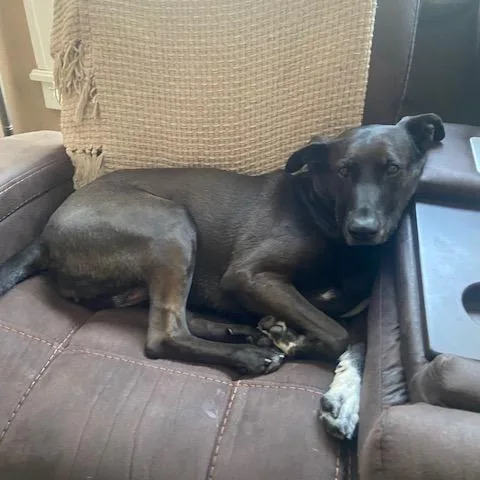
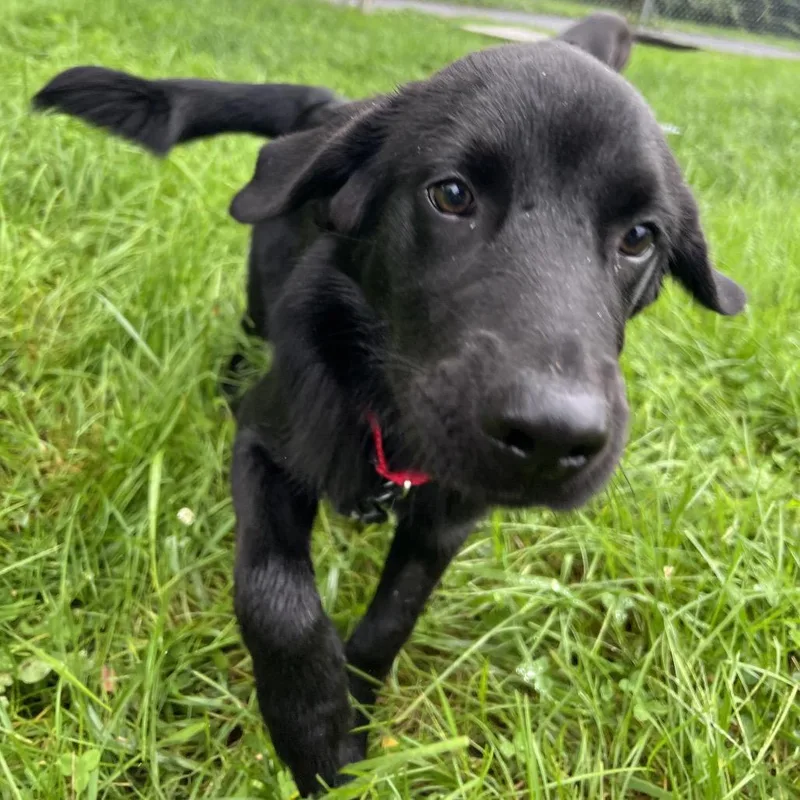
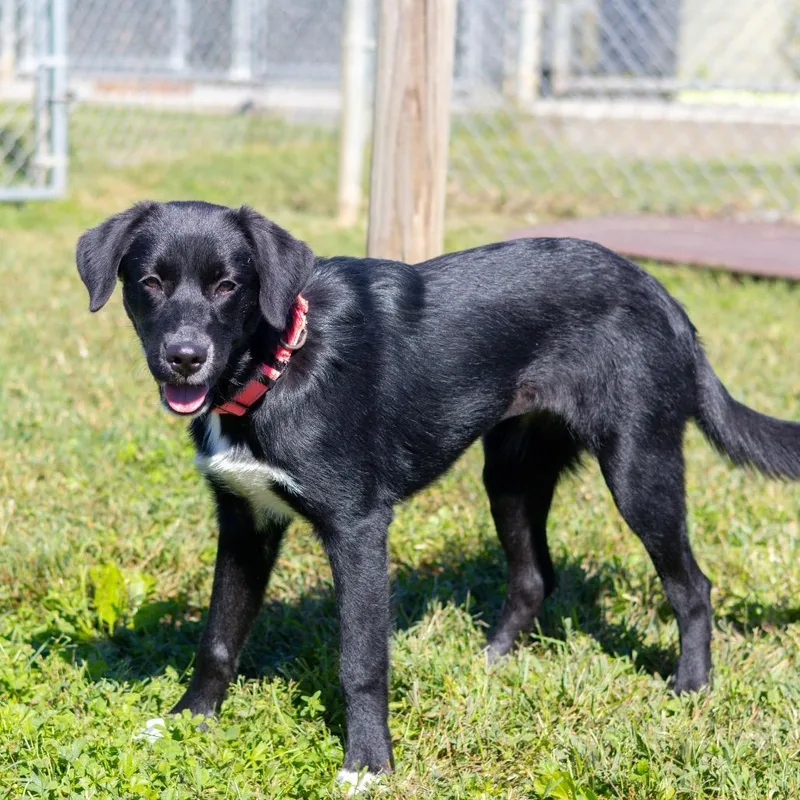
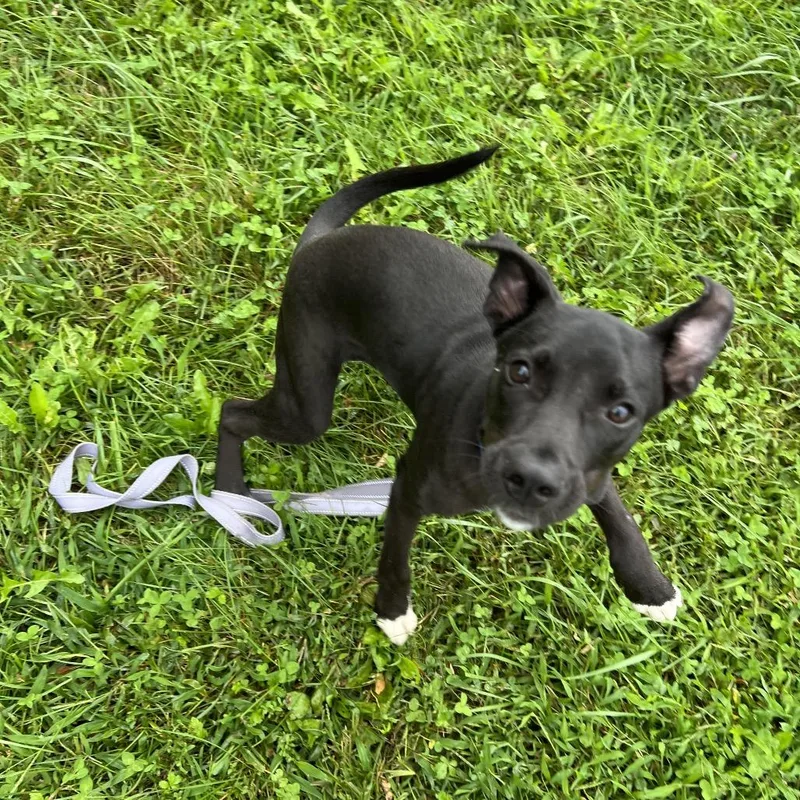
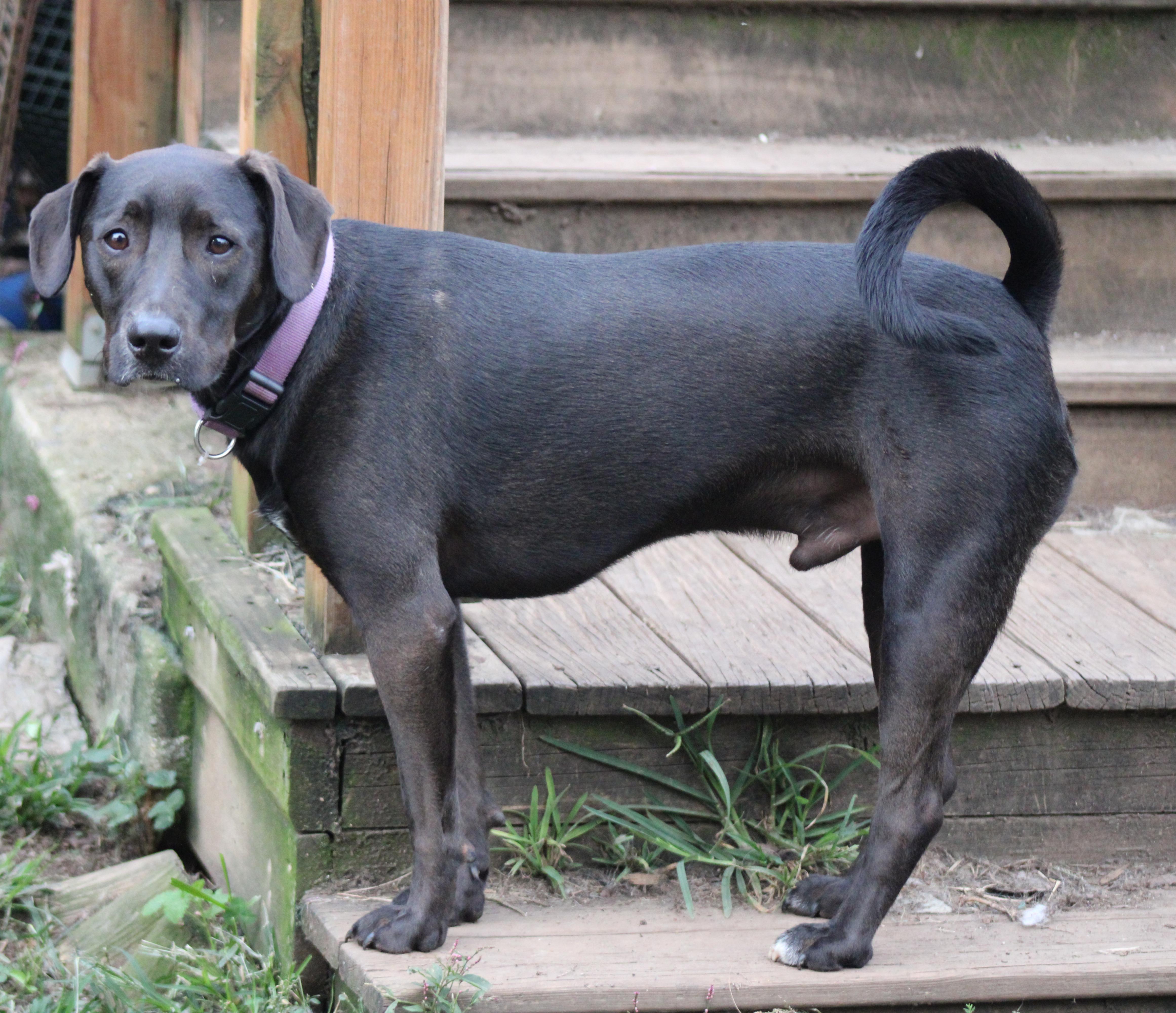
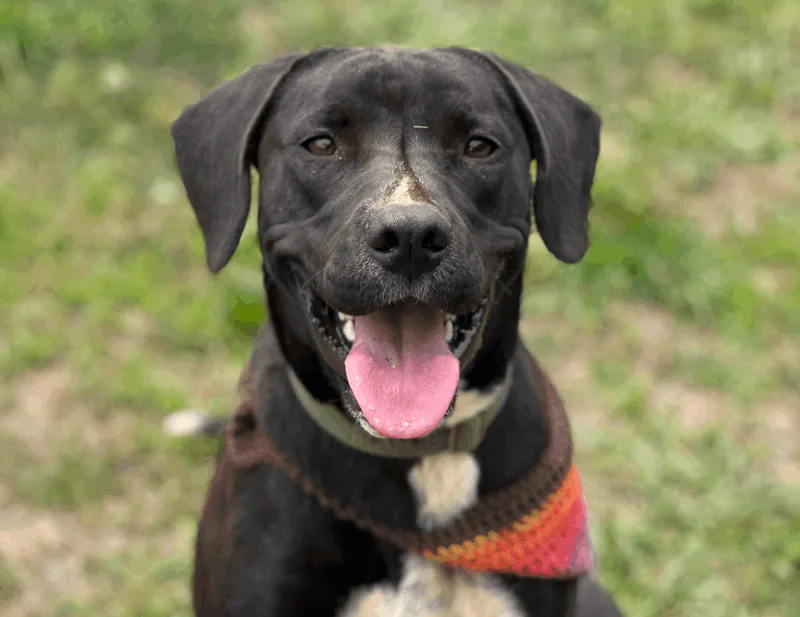
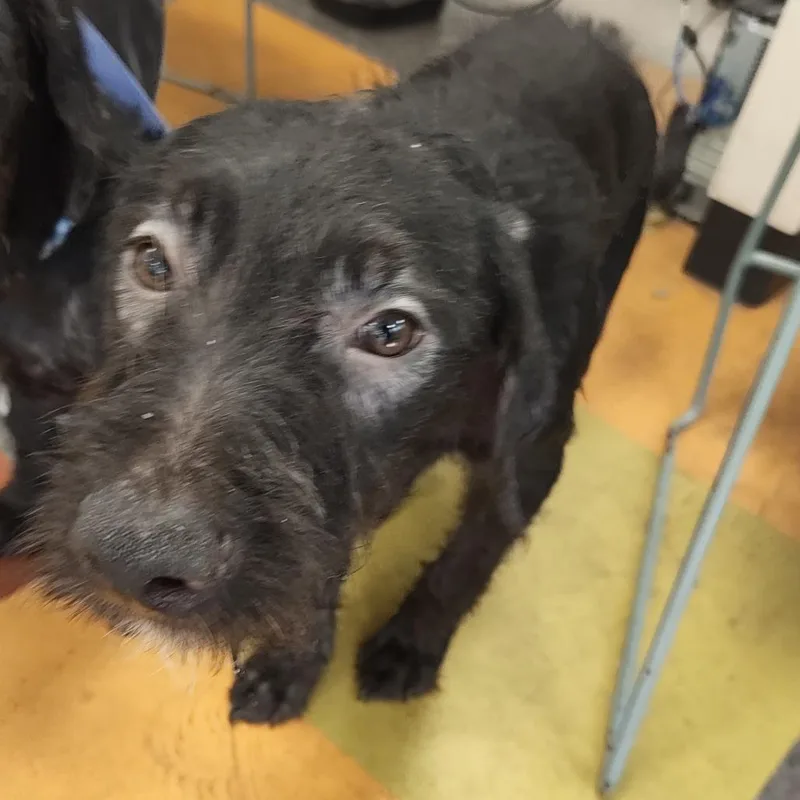
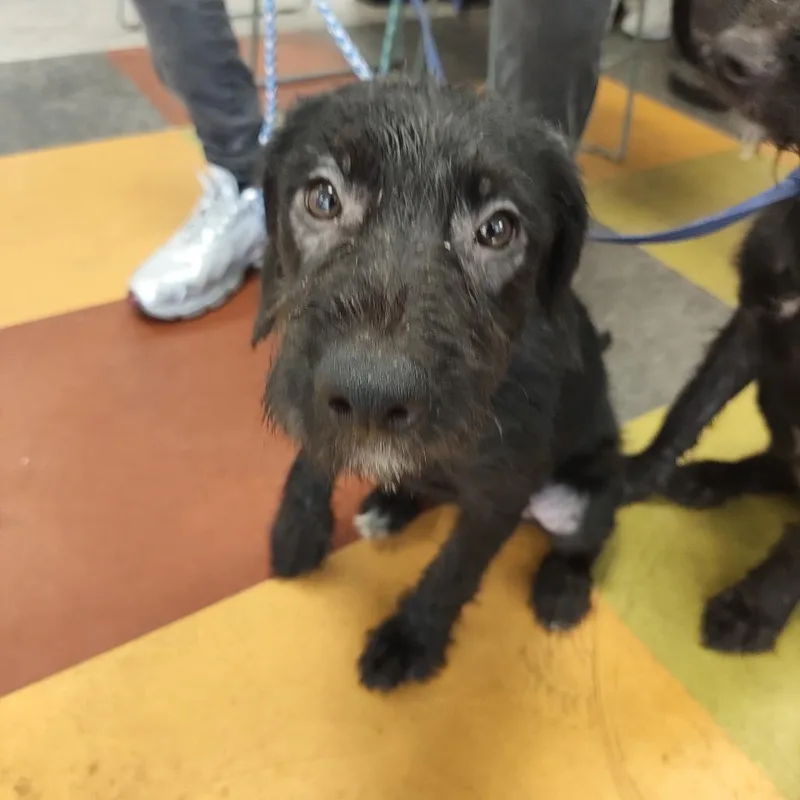
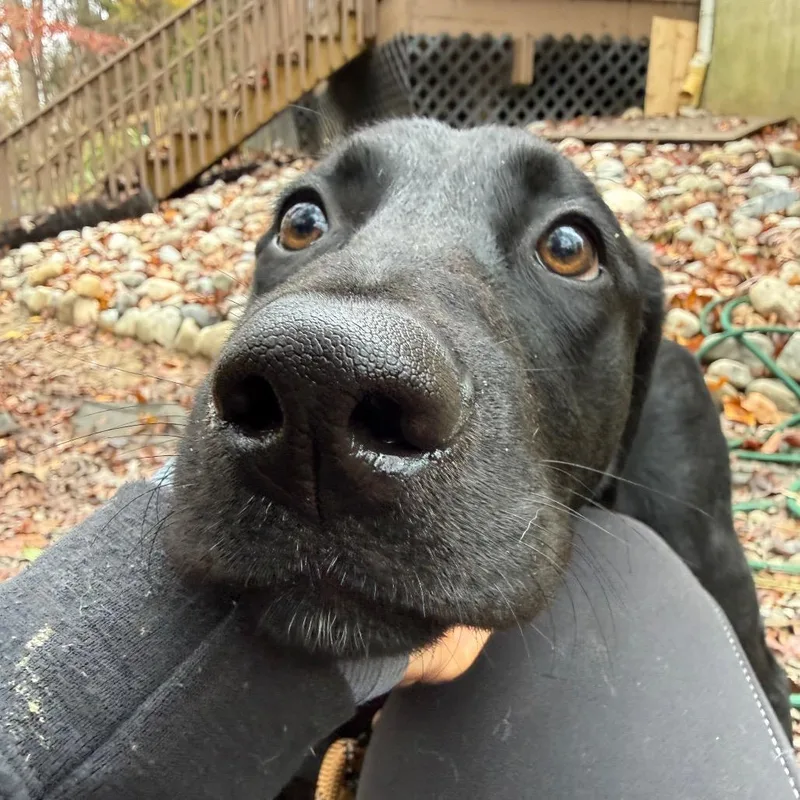
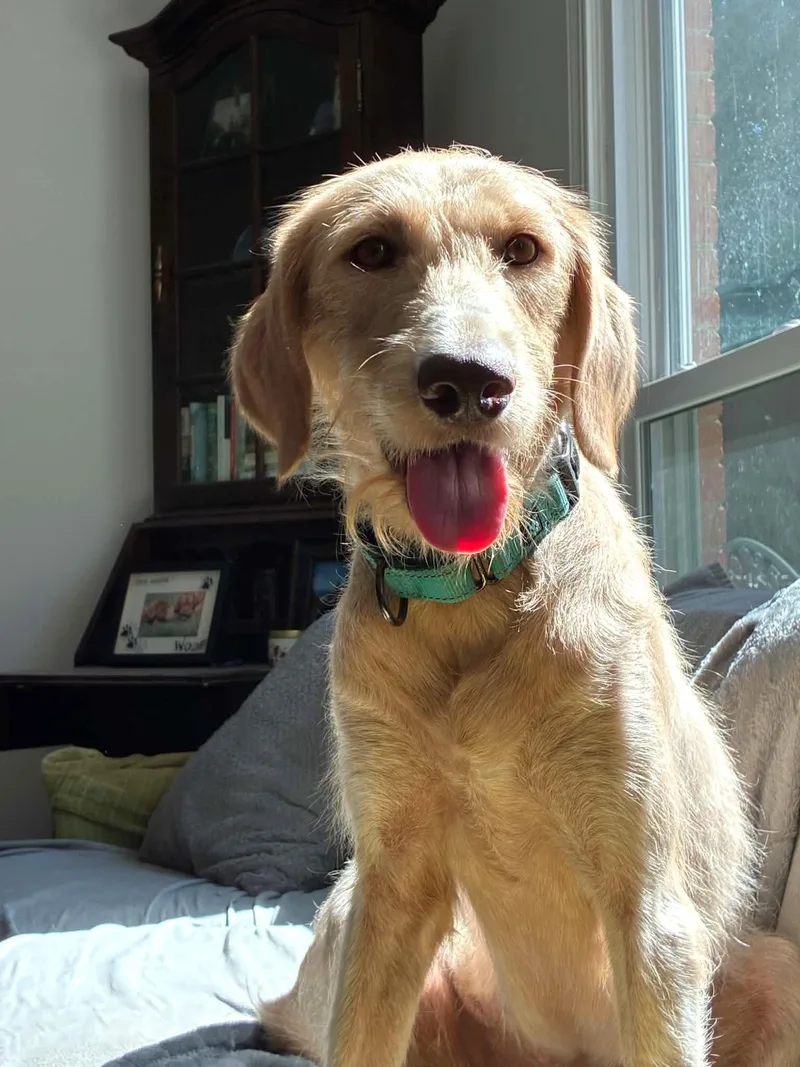
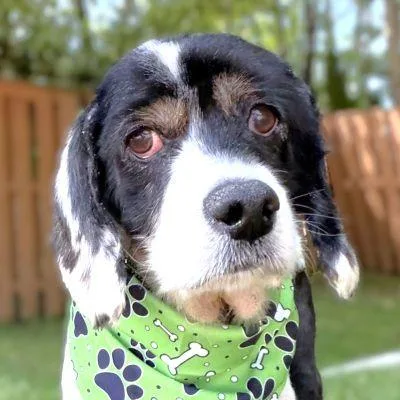
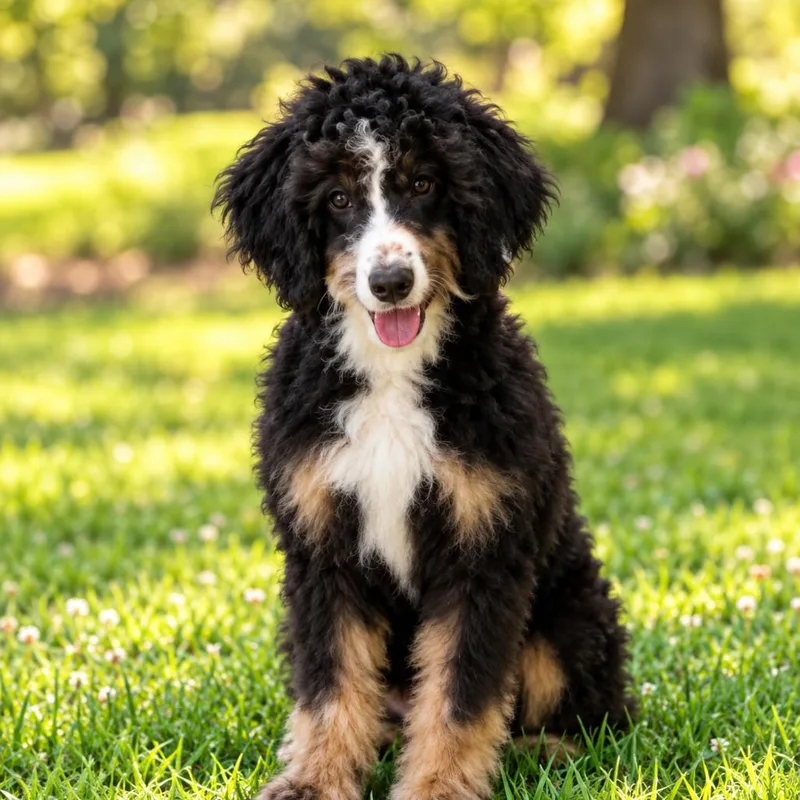
Black Labrador Retriever Dogs for Adoption in Arlington, VA

Your guide to finding and caring for a Black Labrador Retriever in Arlington

A black Lab suits Arlington as long as the day includes a real walk. The Four Mile Run Trail passes right by Glencarlyn, and the hilly Custis Trail will tire out a young Lab on a leash. Fairlington's condo and townhouse streets work fine for a dog that gets out twice a day, and the off-leash run at Fort Ethan Allen Dog Park is a good place for fetch. Black coats soak up sun, so summer outings belong at dawn.

3413 Black Labrador Retrievers available in Arlington and nationwide

Find your Black Labrador Retriever

Black Labrador Retrievers Available for Adoption Near Arlington

About the Black Labrador Retriever breed

The black Lab is the Labrador Retriever in its original and most familiar color, not a separate breed. The line traces to the St. John's water dogs of Newfoundland, refined in Britain into gun dogs, and it still shows in the dense, water-resistant double coat, the otter tail and a sturdy frame that usually weighs 55 to 80 pounds.

In Arlington that coat matters in two ways: it sheds heavily as the seasons change, and it holds heat in July. Labs are usually friendly and food-motivated, but they mature slowly, and a bouncy adolescent needs steady training and measured portions. Field-bred dogs tend to be leaner and more driven than show-bred ones, so a shelter Lab's age and energy tell you more than its color.


Weight
55–80 lbs
Height
21–25 in
Lifespan
10–14 yrs
Temperament
Friendly, Outgoing, Active
Group
Sporting
Shedding
Moderate to High

Owning a Black Labrador Retriever in Arlington

Having a Black Labrador Retriever in Arlington

Energy, appetite and shedding shape daily life with a black Lab far more than coat color does. In Arlington, that means planning for trail miles, summer heat, careful portions and regular brushing. Each dog's age and drive vary, so match them to your routine.

Temperament

Black Labs are usually outgoing and affectionate, which suits Arlington's busy sidewalks, dog parks and apartment hallways. Young dogs can be mouthy and boisterous, and many are strong enough to topple a small child. Food-motivated training works well. A dog's history and socialization say more than breed or coat color.

Exercise Needs

Healthy adults often need an hour or more of activity daily: brisk walks, fetch, or a leashed trail outing. The Four Mile Run and Custis trails offer long paved miles, and the county's off-leash dog parks allow fetch. Scent games and short training sessions give a Lab's mind a job. Seniors still need gentler daily outings.

Health Considerations

Labs can face hip and elbow dysplasia, cruciate ligament tears, exercise-induced collapse, progressive retinal atrophy, and ear or skin problems. Obesity is common, so measure meals and weigh the dog regularly. Rabies is present in local wildlife, so keep vaccines current. A veterinarian can check hips and elbows and advise on weight.

Living Space

A black Lab can live in an Arlington apartment, condo or house if daily exercise happens, and a fenced yard doesn't replace walks. Expect shed hair and a sweeping tail that clears low tables. Barking that carries into a neighbor's unit can draw a noise citation, so enough exercise and company help keep a Lab settled.

What it costs to own a Black Labrador Retriever in Arlington

ExpenseTypical costPer year
Food$55 to $110 per month$660 to $1,320
Pet insurance$65 to $130 per month$780 to $1,560
Routine vet care$250 to $500 per year$250 to $500
Other*$590 to $1,490 per year$590 to $1,490
Estimated yearly total (after year one)$2,280 to $4,870

Other costs are estimates and vary with size, age and health.

* The $30 lifetime Arlington dog license, flea, tick and heartworm prevention, dental cleanings, toys and bedding, and brushing and baths for heavy seasonal shedding.

Adopt a Black Labrador Retriever in Arlington.

Now that you know more, let’s find you a new best friend. These rescues and shelters below currently have Black Labrador Retrievers available.

Rescues in Arlington with Black Labrador Retrievers Available

Arlington's shelters and rescues help Labs and Lab mixes find homes, and the groups below list their current pets. Here are the rescues & shelters in the Arlington area where you can find Black Labrador Retrievers and other dogs available for adoption.

Frequently Asked Questions

Fort Ethan Allen in North Arlington, Utah Dog Park in Fairlington and Fort Barnard in South Arlington are off-leash options. Dogs must be licensed, vaccinated and over four months old, with no more than three per handler and no food inside. For leashed miles, try the Mount Vernon Trail along the river, where leashes must be six feet or shorter.

Yes, with planning. Arlington's humid July and August heat is hard on a dark-coated Lab, so exercise at dawn or after sunset, carry water and offer air conditioning afterward. Watch for heavy panting, drooling or stumbling, which call for shade, water and a vet call. Never leave a dog in a parked car; officers can break in to rescue one.

Yes. Neither Arlington County nor Virginia bans or restricts dogs by breed. A new dog needs a county license, which you can apply for online with a rabies certificate, usually approved in three to five business days. Keep the dog leashed outside dog parks, and remember that short tethers are limited to three hours in a 24-hour period.

Yes, many Labs do well in apartments if they get daily exercise. Look for a building near a trail or dog park, and plan two real walks a day plus playtime. Bored Labs bark and chew, and barking that reaches neighbors can bring a civil noise citation, so build the routine before move-in.

No, unless the dog is a service animal. Metrorail, which runs underground through Rosslyn, Courthouse, Clarendon, Virginia Square and Ballston, allows pets only in a closed carrier, and a 55 to 80 pound Lab won't fit in one. Arlington's MICRO on-demand service also asks that pets ride in an airline-approved carrier, so plan to walk or drive.

Sometimes, on patios. Virginia lets restaurants opt in to allowing dogs on outdoor patios that meet state conditions, including a separate entrance and signs, with the dog leashed and kept off chairs and tables. Dogs aren't allowed in indoor dining rooms. Confirm a patio's policy before you go, and bring a mat for your Lab.

Brush weekly most of the year and every day or two when the coat blows, usually in spring and fall. Humid summers call for baths as needed and thorough drying, but never shave a Lab's double coat. Most owners handle this at home, and any professional baths fall under the Other cost line.

A Labrador Retriever is a large sporting dog developed to retrieve game for hunters, especially from water. Labs have a short, dense double coat, a thick otter tail and a broad head, and they come in black, yellow and chocolate. Many are friendly, food-motivated and eager to work, which makes them common family, guide and service dogs.

We have 1 rescue with Black Labrador Retrievers available: Worthy Dog Rescue. You can see every rescue with Black Labrador Retrievers available in the list above these questions, or scroll to the top to see the Black Labrador Retrievers near Arlington.

Plan on roughly $2,300 to $4,900 a year for a black Lab in Arlington. Food runs $55 to $110 a month, insurance $65 to $130 a month, routine vet care $250 to $500 a year, and other costs $590 to $1,490 a year. Emergencies, boarding and training are extra.