Fila Brasileiro Dogs for Adoption in Salt Lake City, UT

Your guide to finding and caring for a Fila Brasileiro in SLC

A Fila Brasileiro in SLC does best in a house with a tall, solid fence, which points toward neighborhoods like Rose Park. Many homes there were built on larger lots in the 1940s and 50s, giving a 90-to-150-pound guardian room to patrol. Filas are devoted to their own people and wary of everyone else, so quiet side streets beat crowded sidewalks. Daily leashed walks along the Jordan River Parkway can fill the exercise gap.

1782 dogs similar to Fila Brasileiro available in Salt Lake City and nationwide

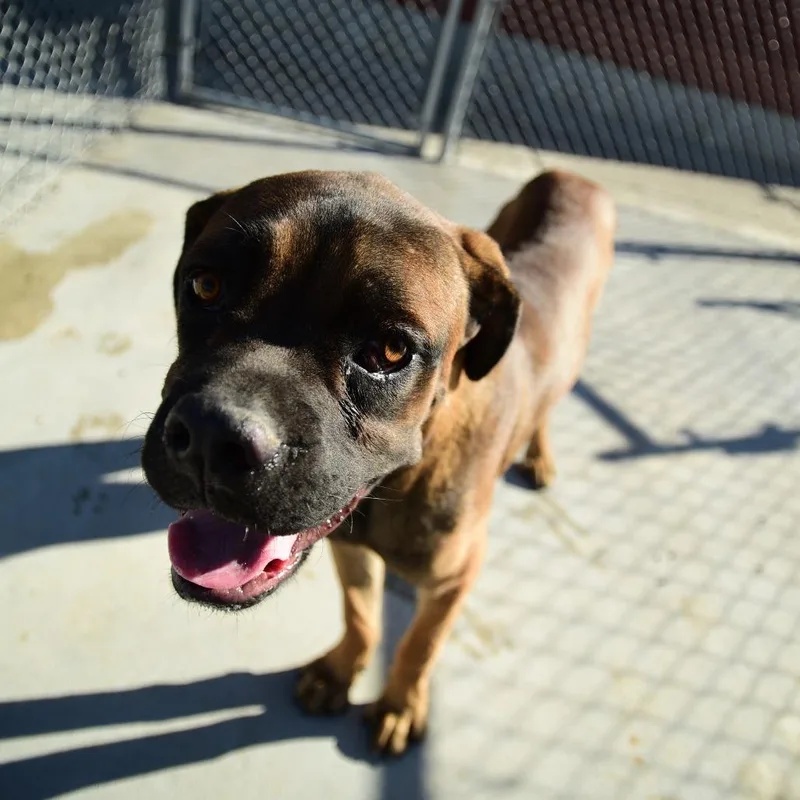
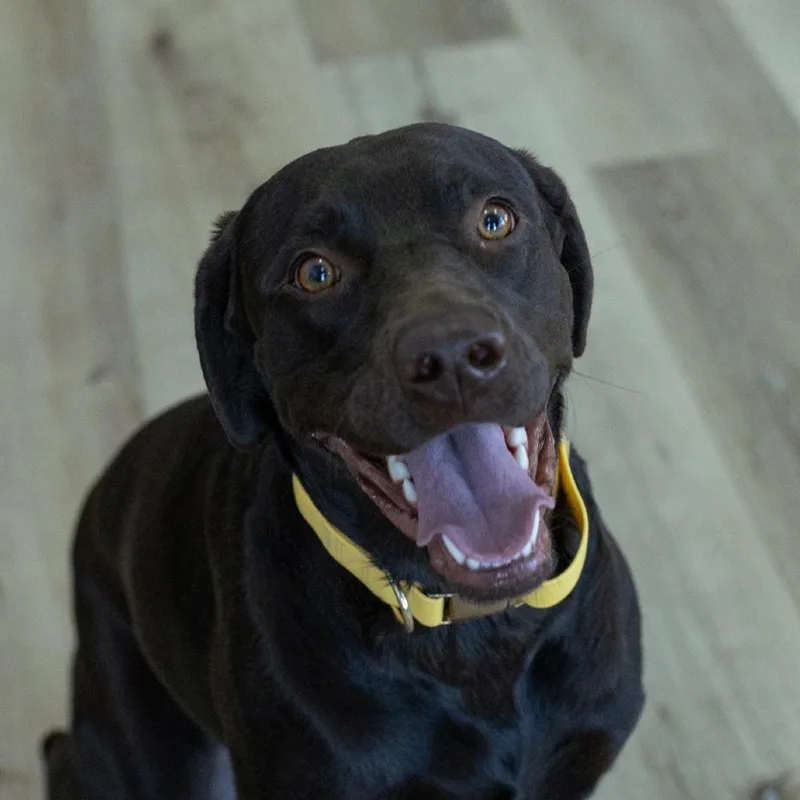
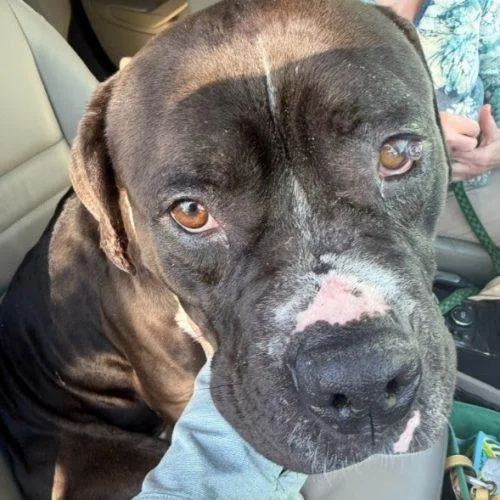
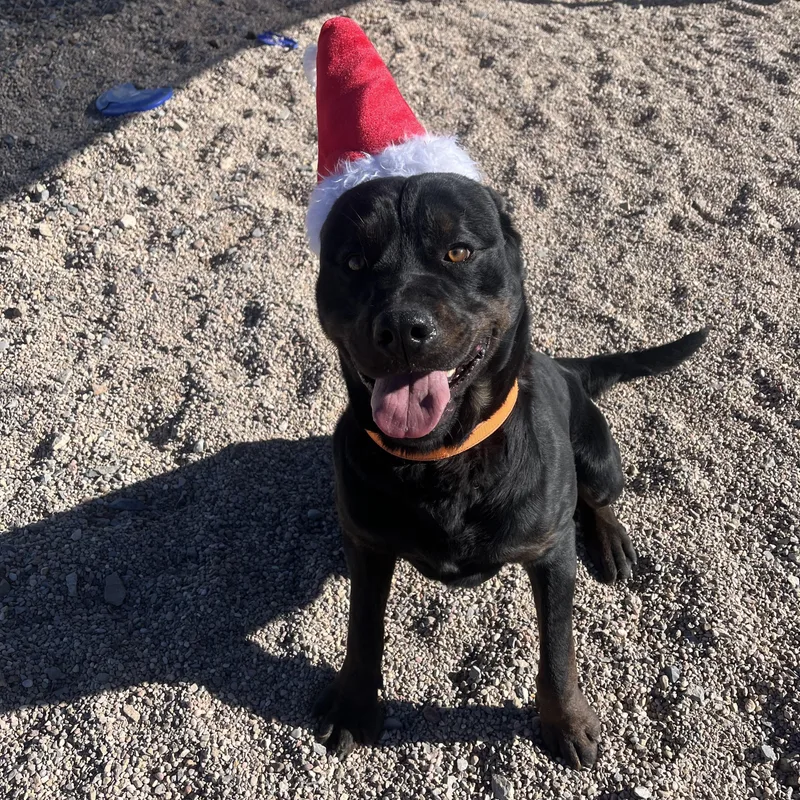
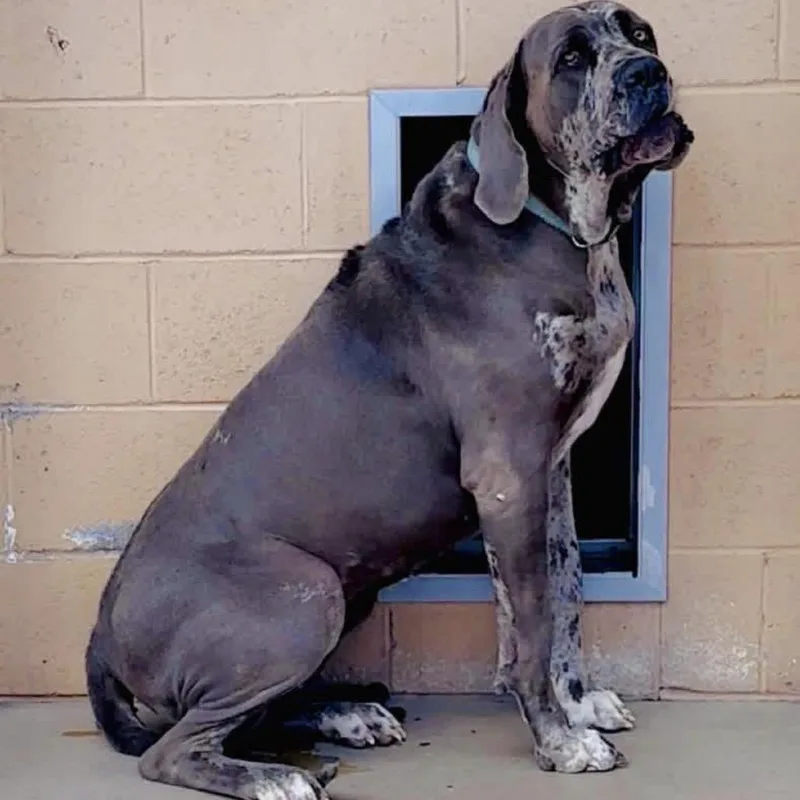
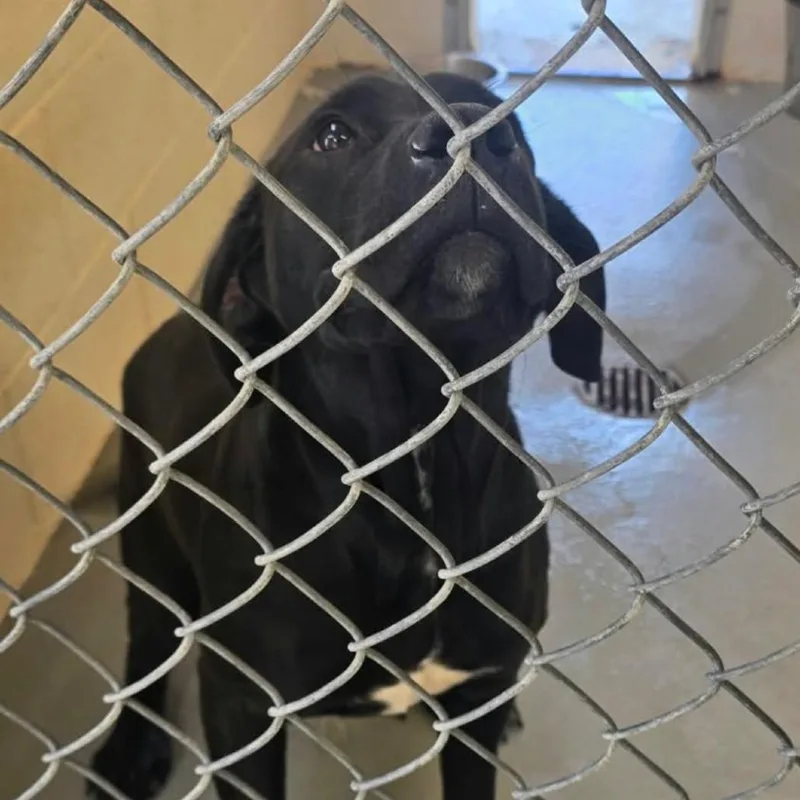
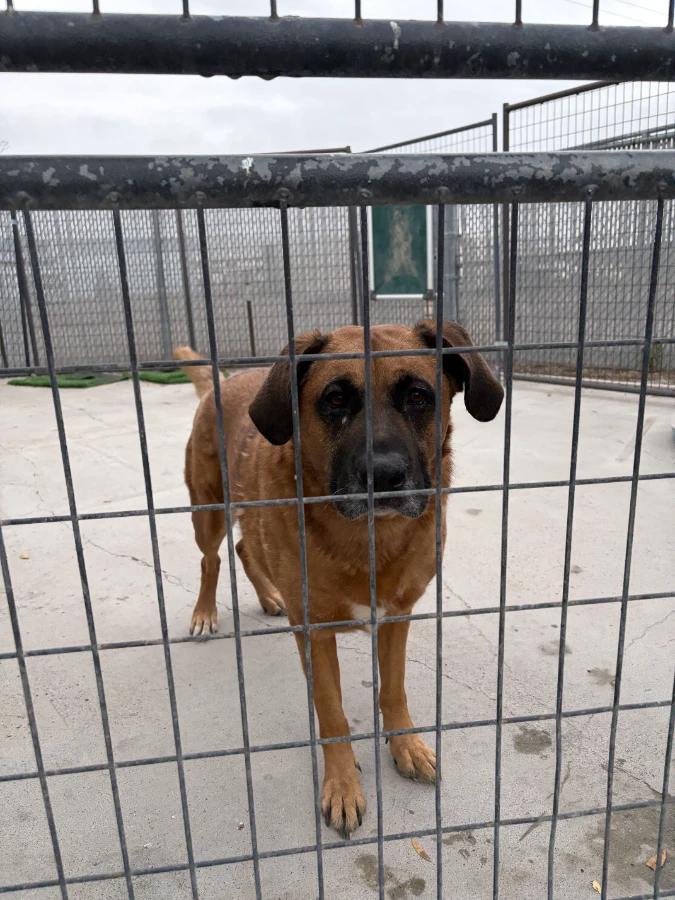
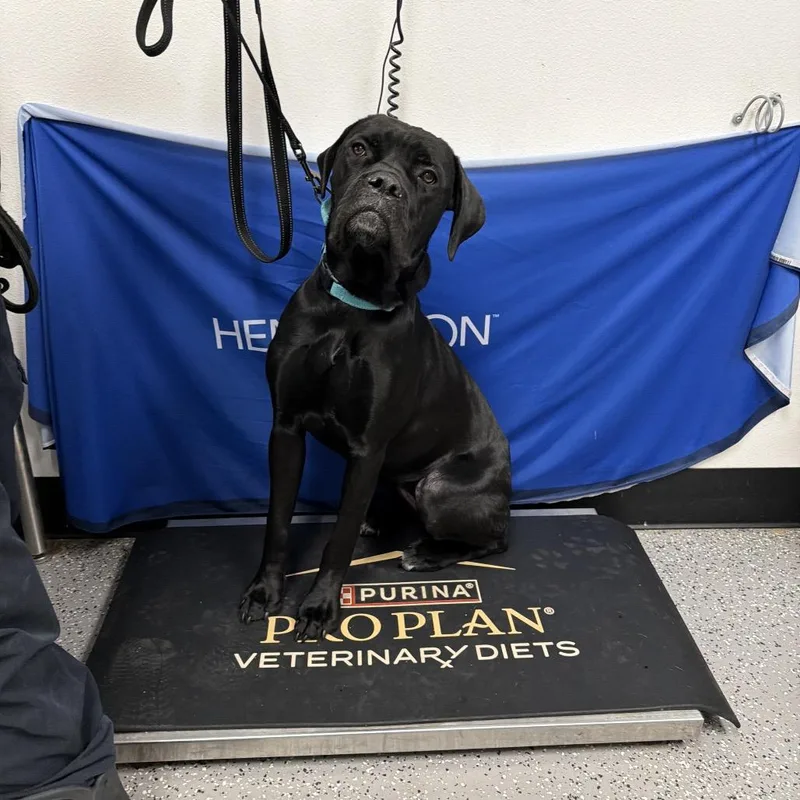
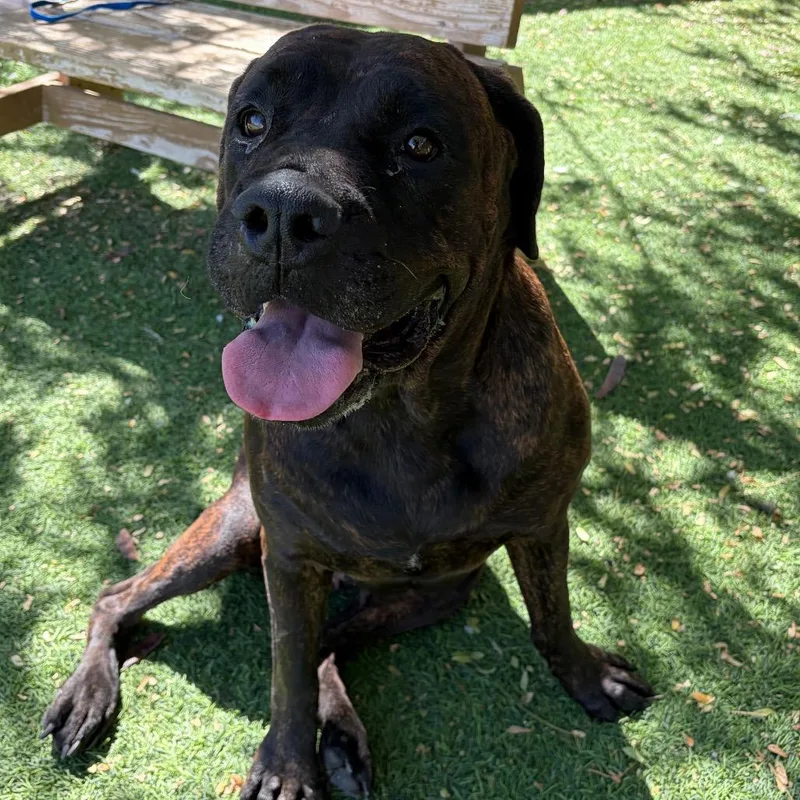
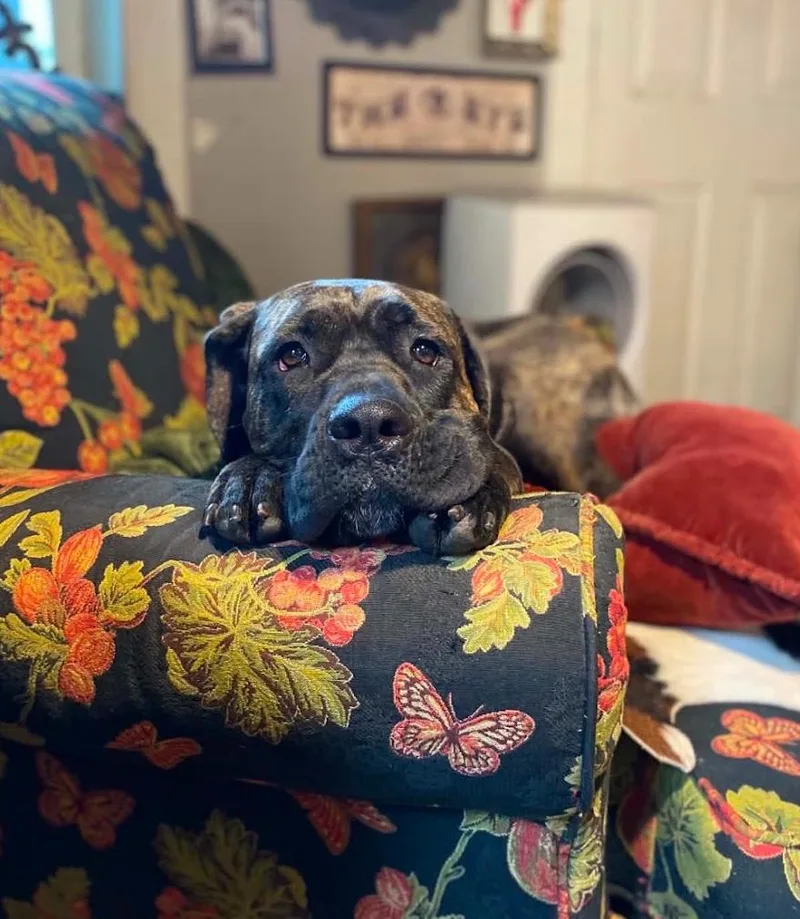
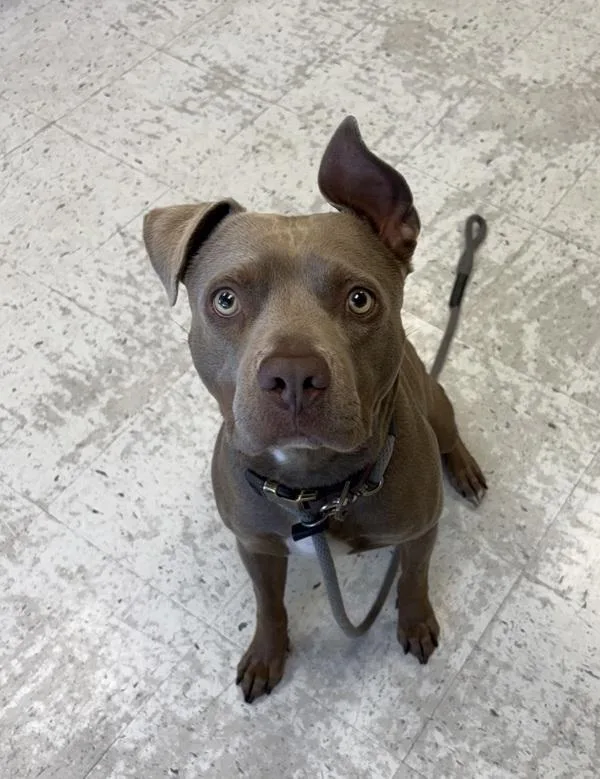
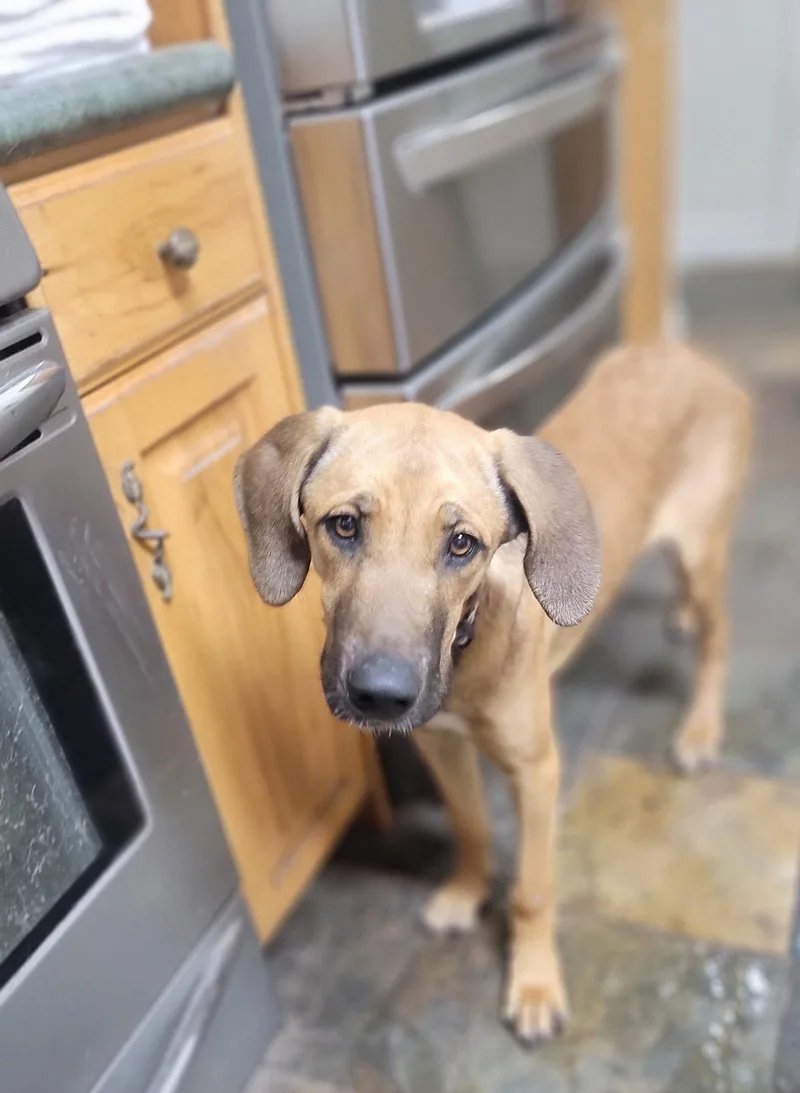
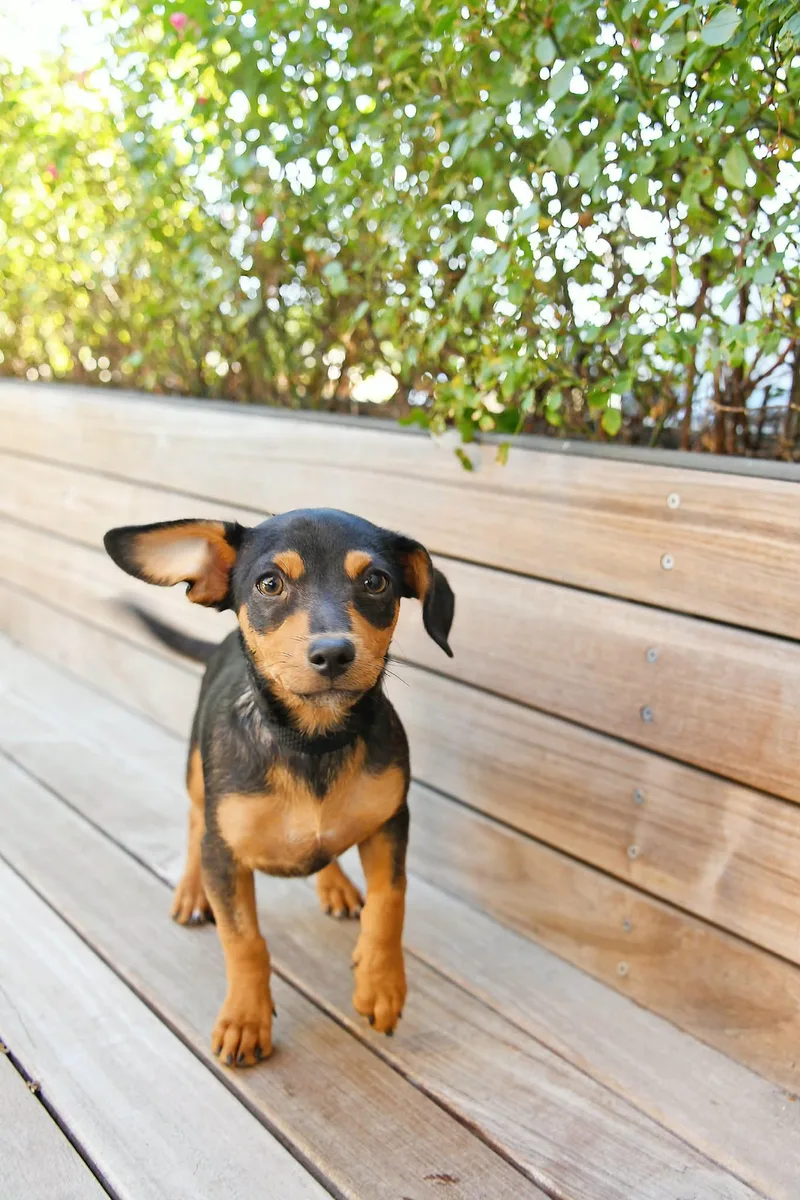
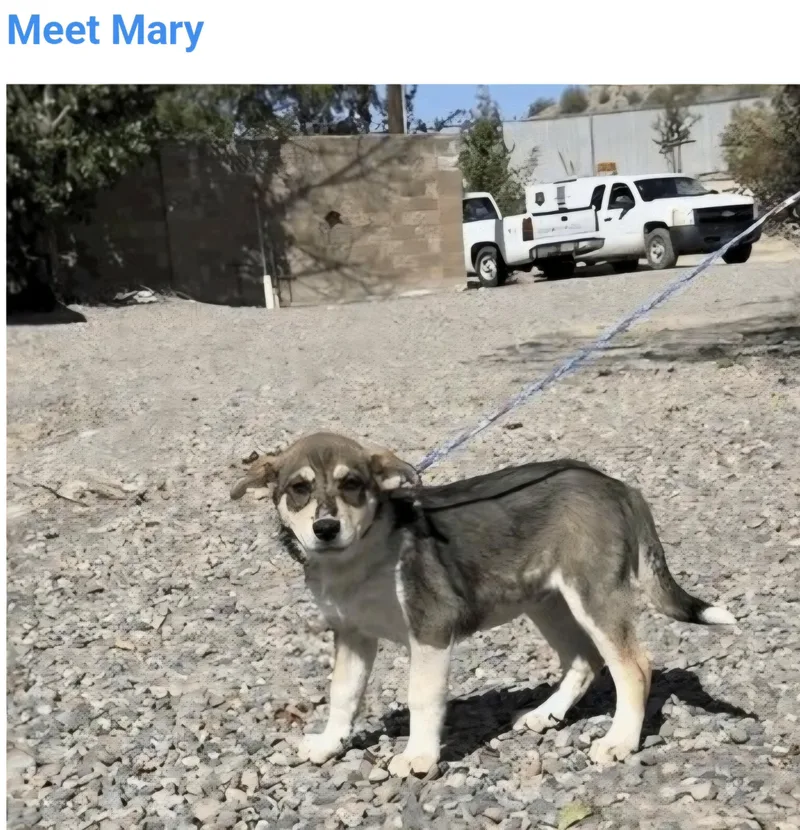
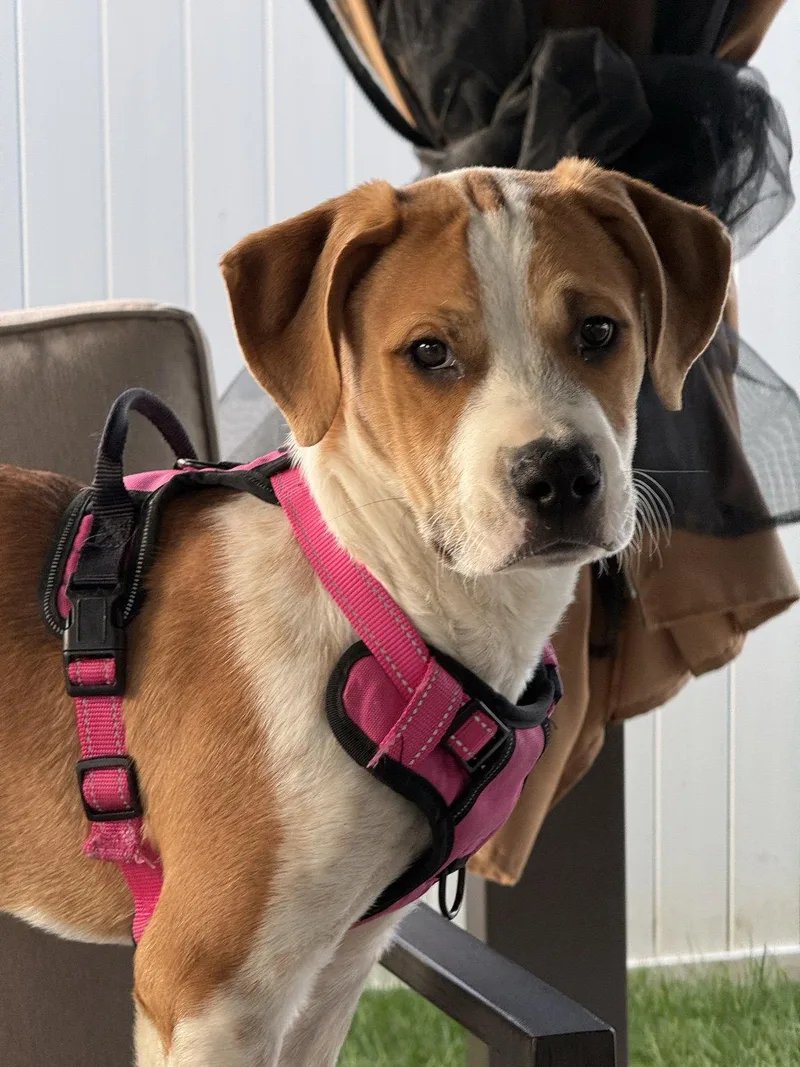
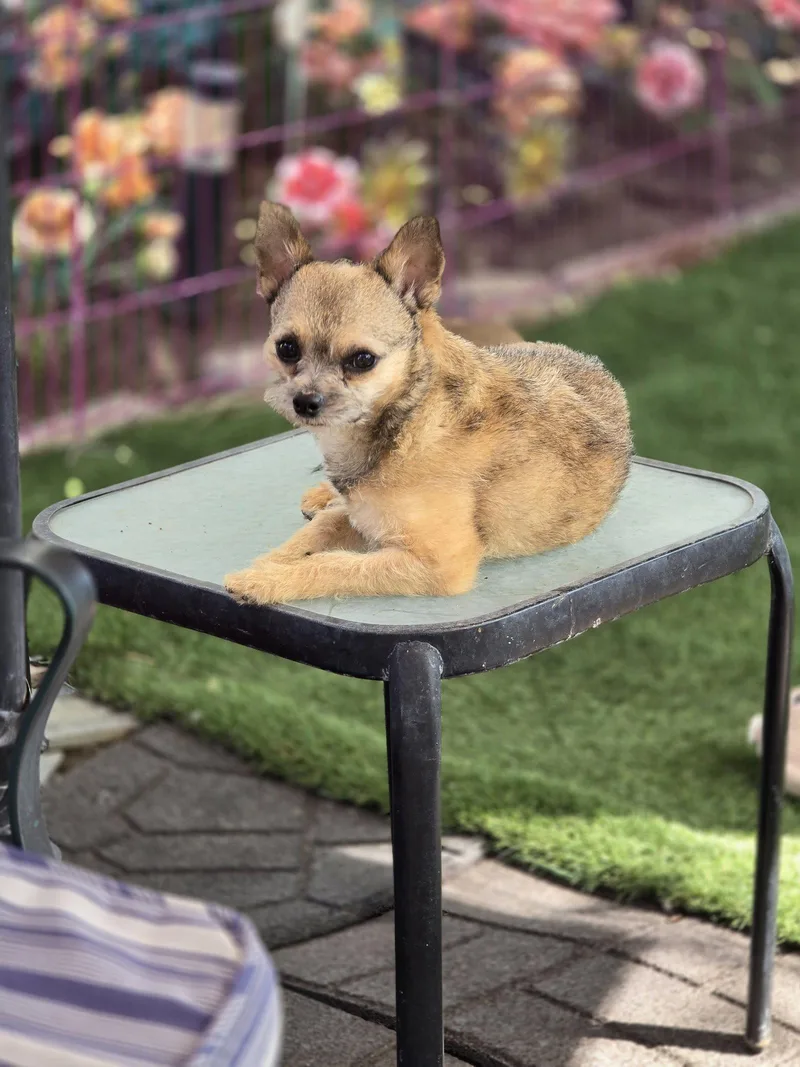
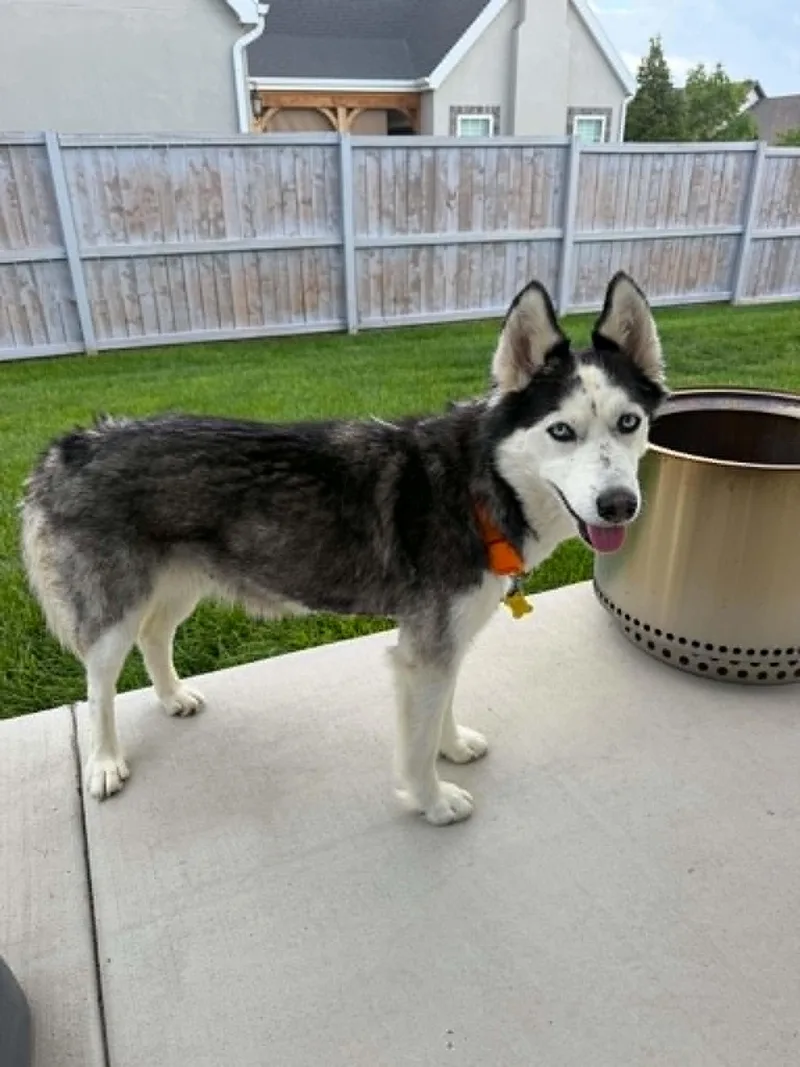
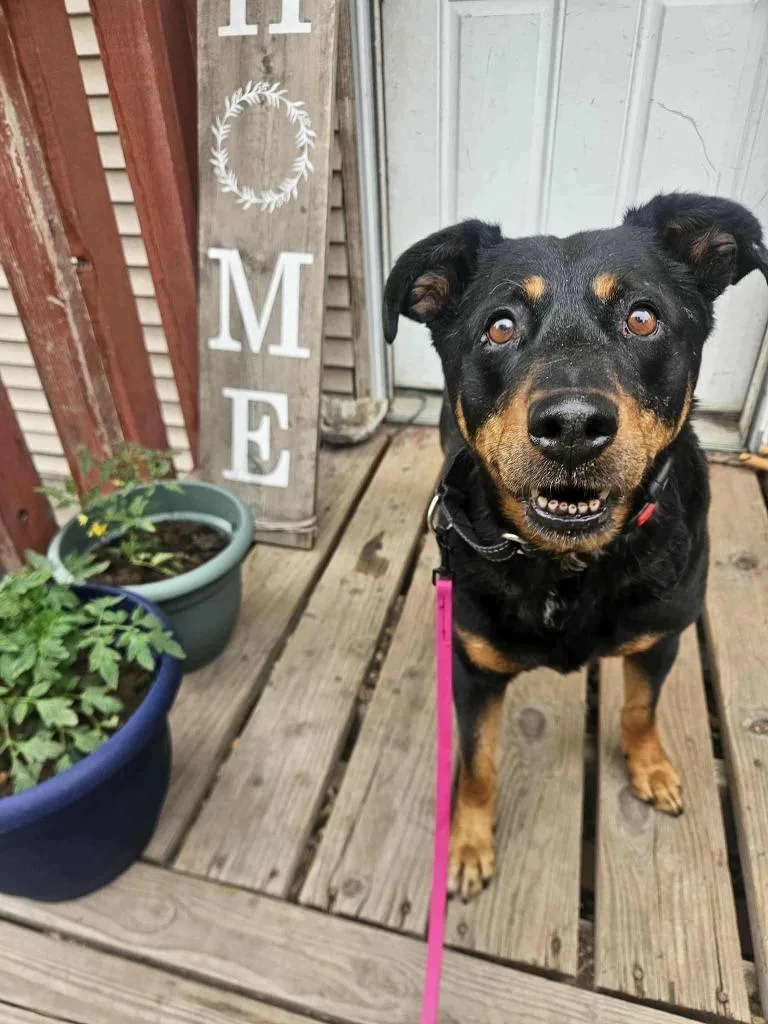
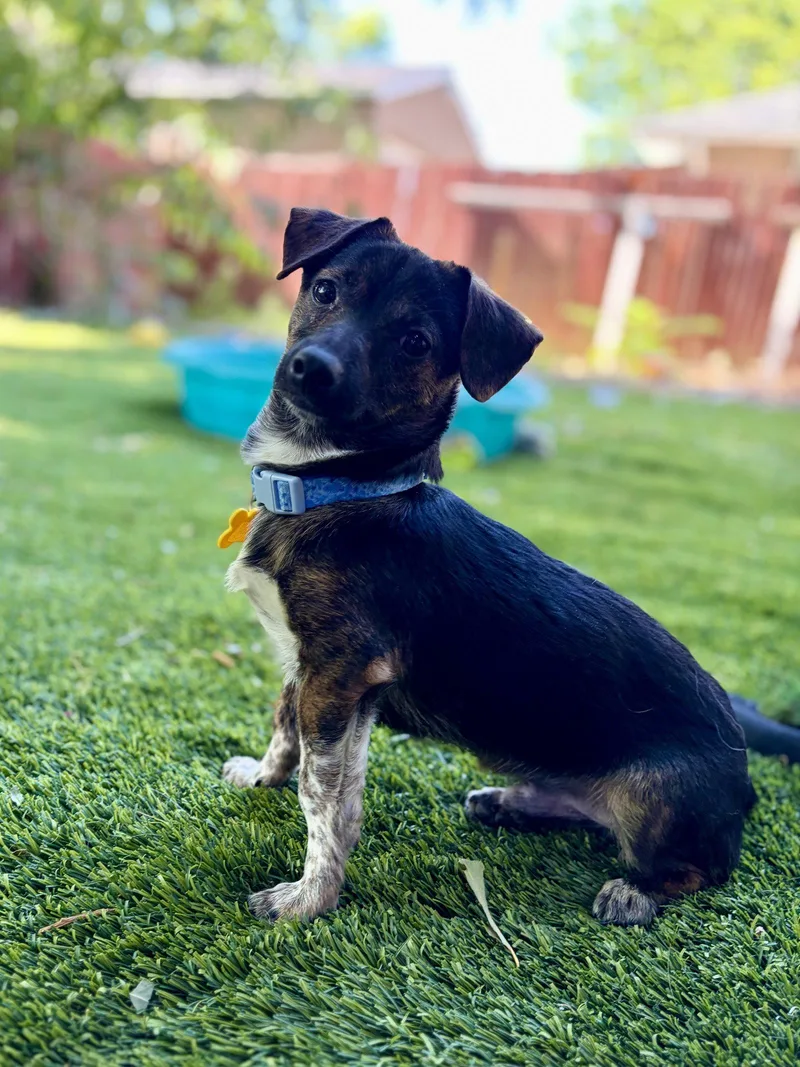
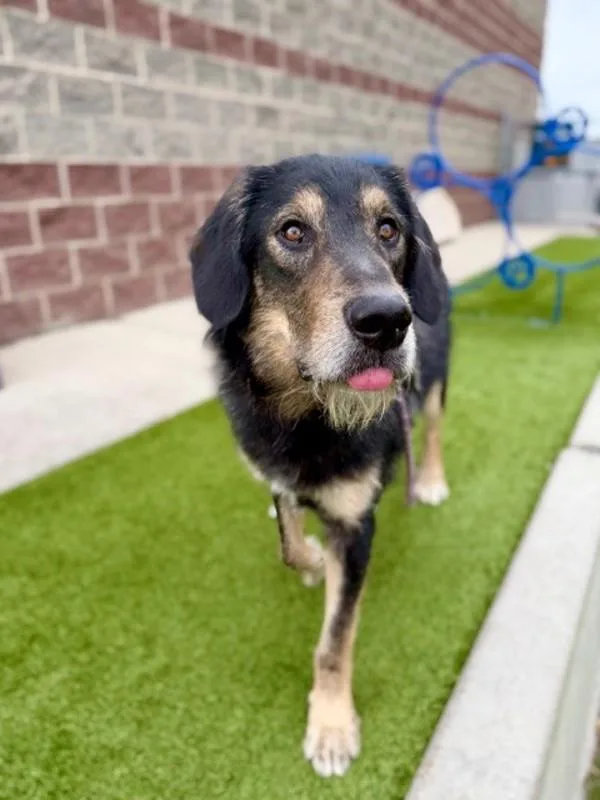
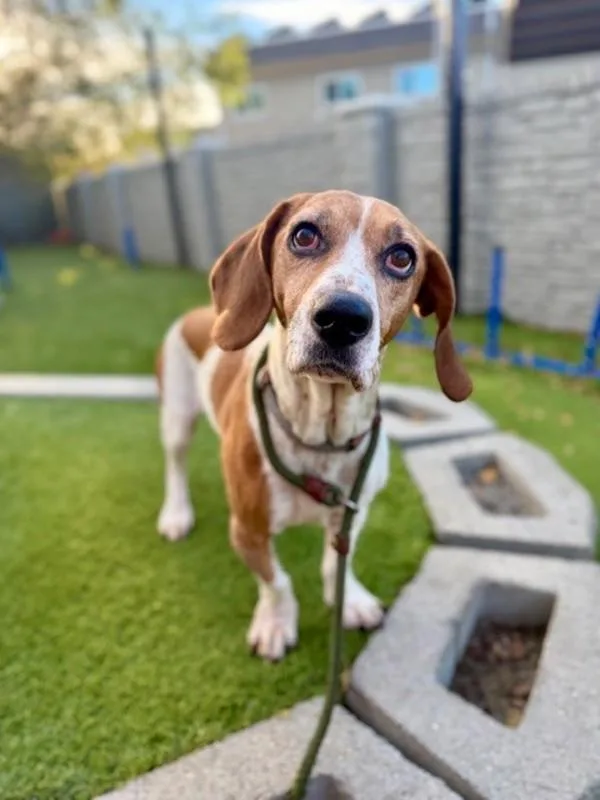
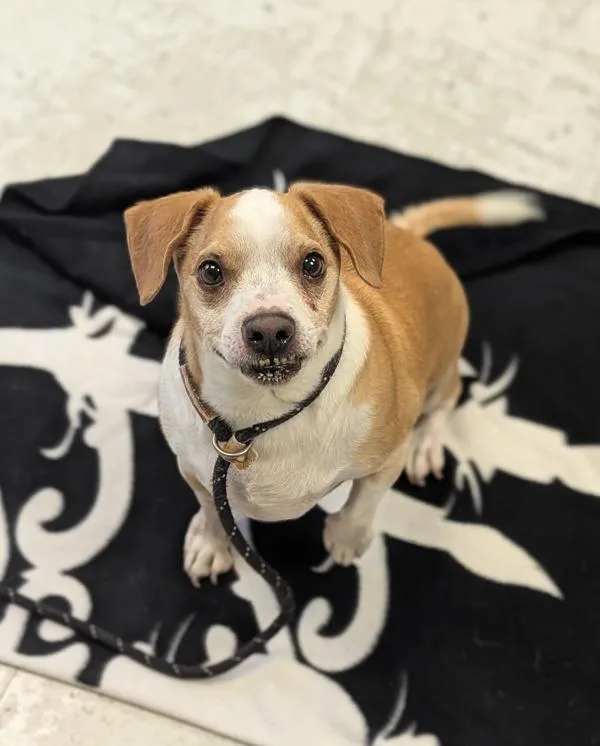
Meet a Fila Brasileiro who needs you

While we don't have enough dogs near Salt Lake City, keep in mind that many rescues may offer transport.

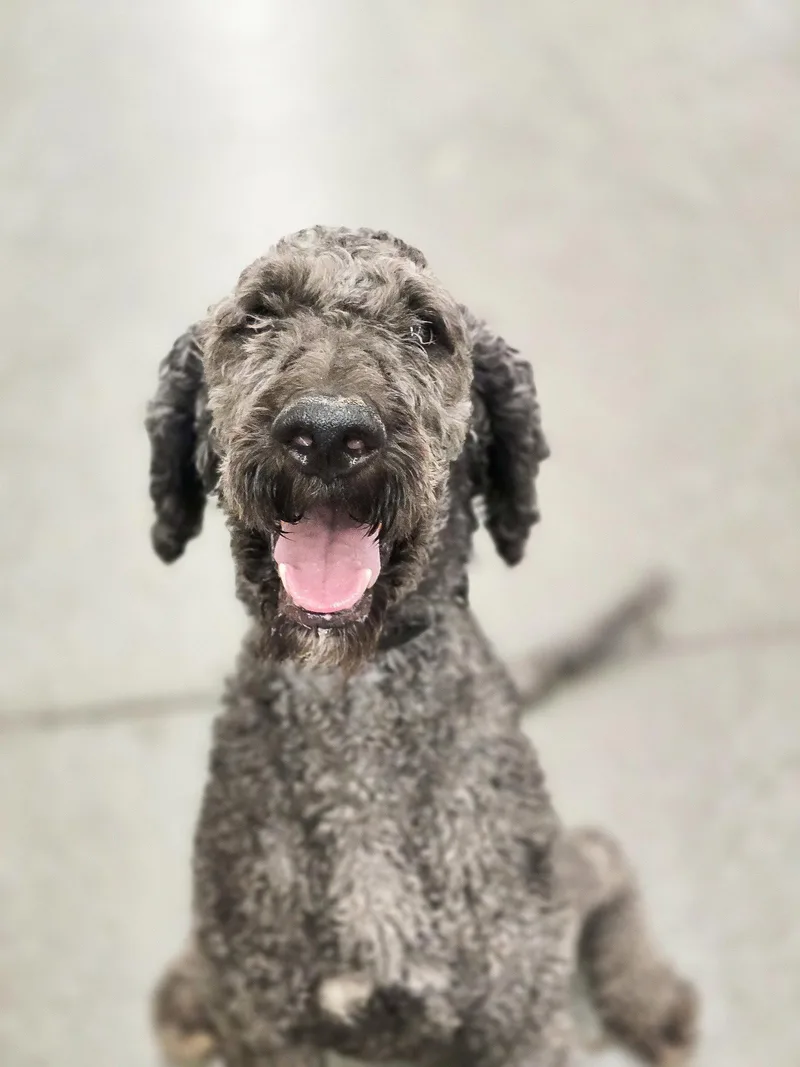
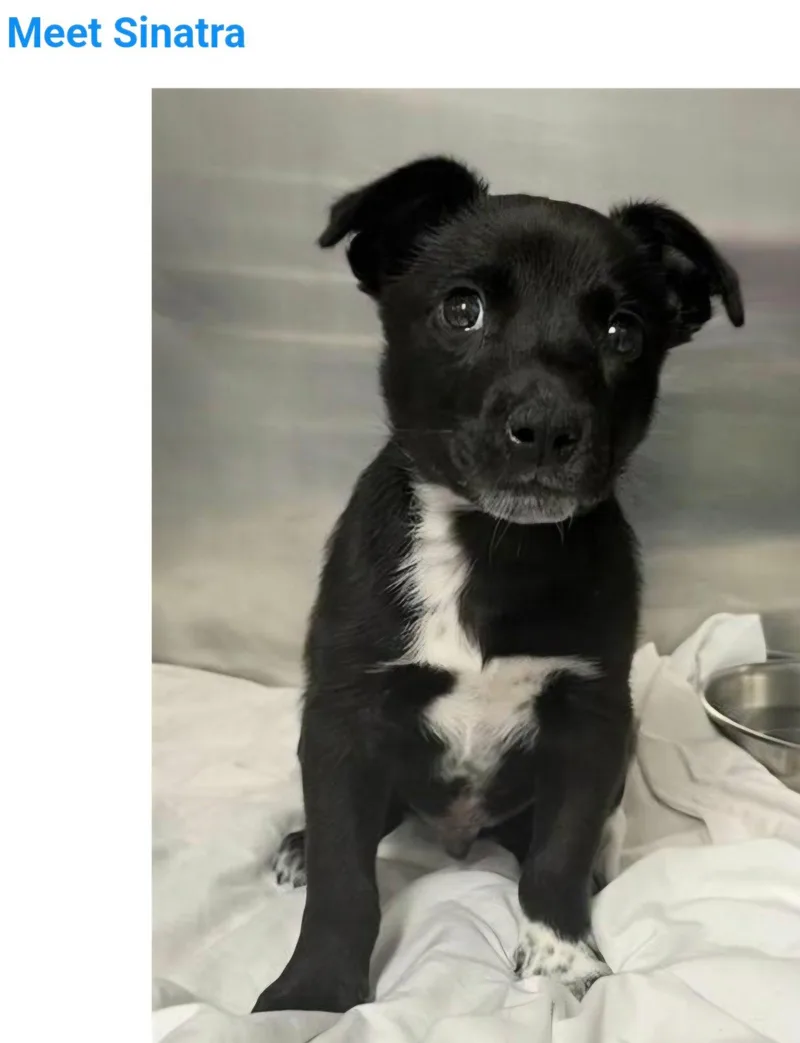
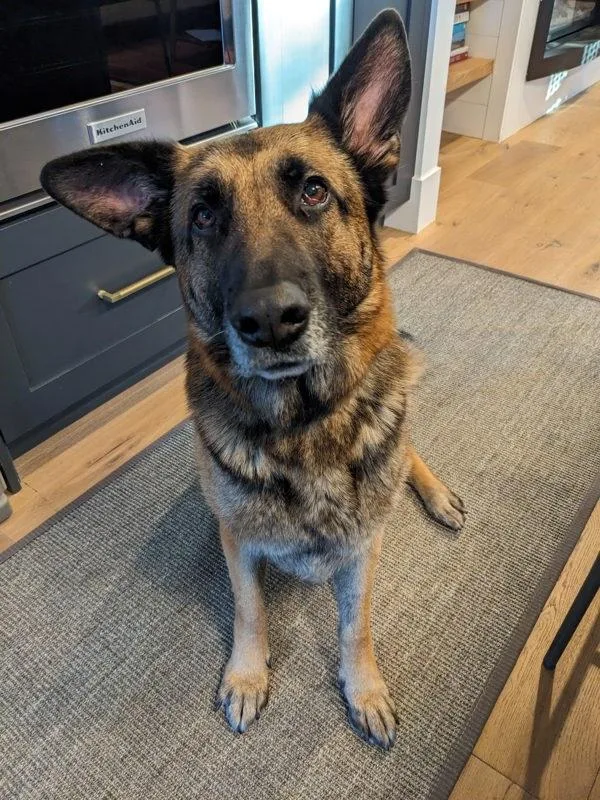
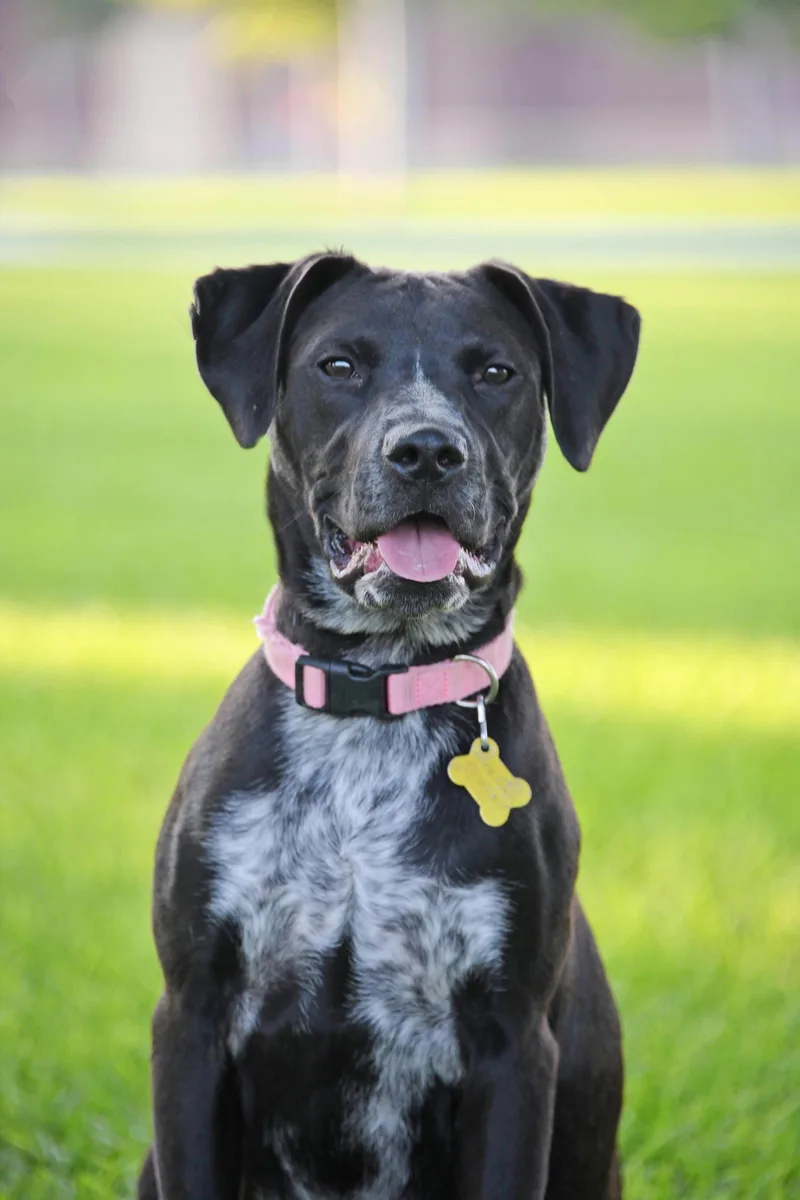
Fila Brasileiros and Similar Breeds Available for Adoption Near Salt Lake City

About the Fila Brasileiro breed

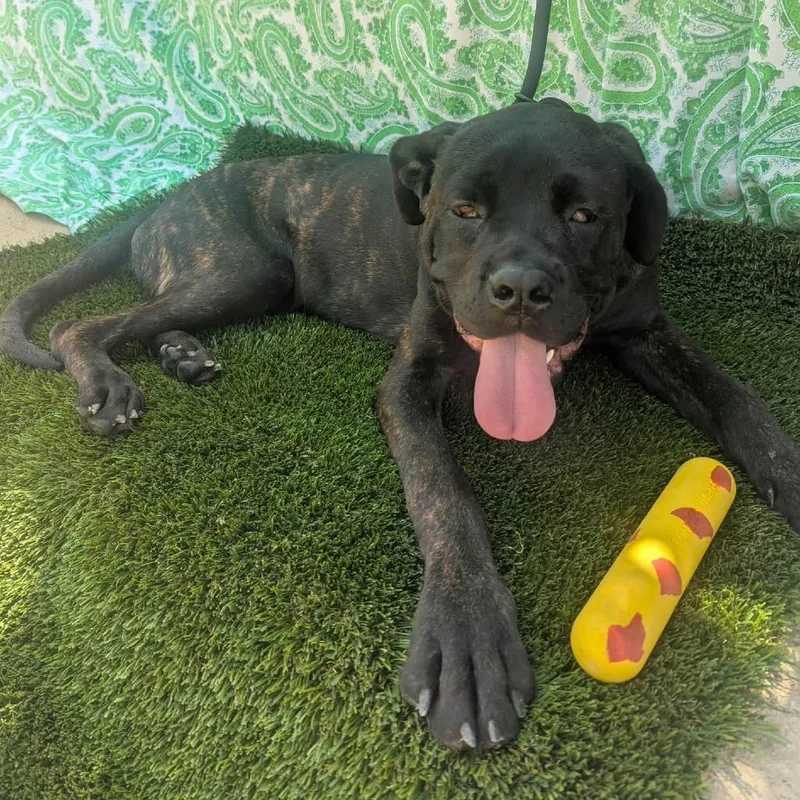
The Fila Brasileiro, or Brazilian Mastiff, is a giant molosser developed on Brazil's colonial ranches from European mastiff, bloodhound and bulldog-type dogs. It guarded estates, worked cattle and held big game, and its name comes from the Portuguese filar, to grab and hold. Loose, thick skin, heavy dewlaps and a rolling, camel-like pacing gait set it apart from other mastiffs.

The breed standard describes a dog that is docile and devoted with its own family but naturally aloof with strangers, a trait called ojeriza. In SLC, that means a secure yard, controlled introductions and an owner with experience. Dogs vary, and many need lifelong management, so a Fila's calm behavior around new people matters more than its breed label. The short coat keeps grooming simple.

Weight
90–150 lbs
Height
24–30 in
Lifespan
9–11 yrs
Temperament
Protective, Devoted, Courageous
Group
Working
Shedding
Moderate

Owning a Fila Brasileiro in Salt Lake City

Having a Fila Brasileiro in SLC

Giant size, a guarding instinct and a need for experienced handling define this breed. In SLC, a fenced yard, leashed walks and a plan for visitors, snow and summer heat matter more than any single trait.

Temperament

Filas are usually calm and affectionate with their own family but wary of unfamiliar people and dogs, and many never warm to visitors. Dogs vary, so watch how a Fila reacts to new people. In SLC, crowded trails and building lobbies call for a short leash and steady, reward-based training.

Exercise Needs

Plan on moderate daily exercise: steady leashed walks plus time patrolling a fenced yard. Liberty Park's on-leash loops suit a calm walk, and the Jordan River Parkway offers west-side miles. Foothills trails are on-leash, with coyotes and cougars about. Training games add mental work, and young dogs need low-impact play.

Health Considerations

Giant mastiffs can face hip and elbow dysplasia and bloat, a sudden stomach emergency, so learn the signs: a swollen belly, retching and restlessness. Keep a Fila lean and feed smaller meals. A veterinarian can check the joints and discuss bloat prevention, since health data on the breed is limited.

Living Space

A Fila does best in a house with a tall, secure fence and an owner who controls who comes and goes. SLC's apartment buildings and shared hallways are the harder fit, since constant strangers can stress the dog and neighbors. Inside, a Fila needs room to stretch out and its family nearby.

What it costs to own a Fila Brasileiro in Salt Lake City

ExpenseTypical costPer year
Food$80 to $160 per month$960 to $1,920
Pet insurance$85 to $170 per month$1,020 to $2,040
Routine vet care$250 to $500 per year$250 to $500
Other*$590 to $1,690 per year$590 to $1,690
Estimated yearly total (after year one)$2,820 to $6,150

Other costs are estimates and vary with size, age and health.

* Giant-size flea, tick and heartworm prevention, a dental cleaning allowance, the SLC dog license, sturdy toys and bedding, minimal coat care and joint supplements.

Adopt a Fila Brasileiro in Salt Lake City.

Now that you know more, let’s find you a new best friend. These rescues and shelters below have dogs available in and near Salt Lake City.

Rescues and Shelters in or near Salt Lake City

Shelters and rescues across the Salt Lake City area list dogs of every size, from small companions to giant guardians. Here are the rescues & shelters in the SLC area with dogs available for adoption, worth asking whether a Fila Brasileiro is coming in.

Frequently Asked Questions

Yes. Utah law bars cities from adopting breed-specific rules, so SLC can't ban Filas or require special breed permits. You still need a dog license by five months of age with rabies proof, and a dangerous-animal designation, which depends on a dog's behavior, brings a permit and muzzle rules. Landlords and insurers may set their own limits, so confirm before adopting.

Leashed walks at Liberty Park suit a Fila better than busy off-leash areas. Foothills Natural Area trails are on-leash, with coyotes and cougars around, and upper City Creek and the Cottonwood and Parleys canyons are closed to dogs. Mill Creek Canyon, outside the city, allows dogs off leash on odd days, which a guarding breed should usually skip.

Almost never in practice. UTA lets pets ride buses, TRAX and FrontRunner only inside a cage, kennel, carrier or container, and staff won't carry it for you. Only service animals ride without one. A Fila weighing 90 pounds or more won't fit a carrier, so plan on car travel for vet visits and outings.

It's possible but difficult. A Fila needs calm, controlled surroundings, and shared hallways, elevators and neighbors mean constant contact with strangers. Many apartment buildings also restrict giant or guardian breeds. A ground-floor unit with private outdoor space is easier, but a house with a tall, secure fence suits the breed best.

Yes, with planning. Filas have a short, smooth coat, so SLC's freezing nights and snowy stretches call for sleeping indoors, a coat for longer walks and paw wipes after salted sidewalks. Keep walks short on poor-air inversion days, and watch footing on ice, which is hard on giant joints.

Only to patios the Salt Lake County Health Department has approved, marked with an Approved Dog Patio sticker. Dogs must be leashed and wear a current license and rabies tag, and may drink water but not eat food or treats. Because Filas are wary of strangers, a crowded patio is rarely a relaxing outing.

Very little. The short, dense coat needs a weekly brush, a bit more during heavier shedding, and occasional baths. In SLC's dry air and cold winters, focus on skin and paws: dry skin folds and dewlaps after wet spring days, and check paws after salted sidewalks. Grooming costs are minor and fall within the Other line of the cost table.

A Fila Brasileiro is a giant Brazilian mastiff-type guardian, also called the Brazilian Mastiff. It was developed on colonial ranches to guard property, drive cattle and catch large game. Filas have loose skin, heavy dewlaps and a distinctive pacing gait. They tend to be devoted to their own family and strongly distrustful of strangers, so they suit experienced owners.

The Fila Brasileiro is banned or restricted in some countries because lawmakers judge its guarding temperament, size and strength to pose a risk to the public. The breed standard itself describes a natural aversion to strangers. Countries including the United Kingdom, Norway, Australia, Fiji, Cyprus and Turkey prohibit or tightly restrict ownership, usually under broader dangerous-dog laws.

Expect roughly $2,800 to $6,200 a year for a Fila in SLC. Food runs $80 to $160 a month and insurance $85 to $170, though some insurers surcharge guardian breeds. Routine vet care is $250 to $500 a year, and other costs such as prevention, dental care and joint support add $590 to $1,690.