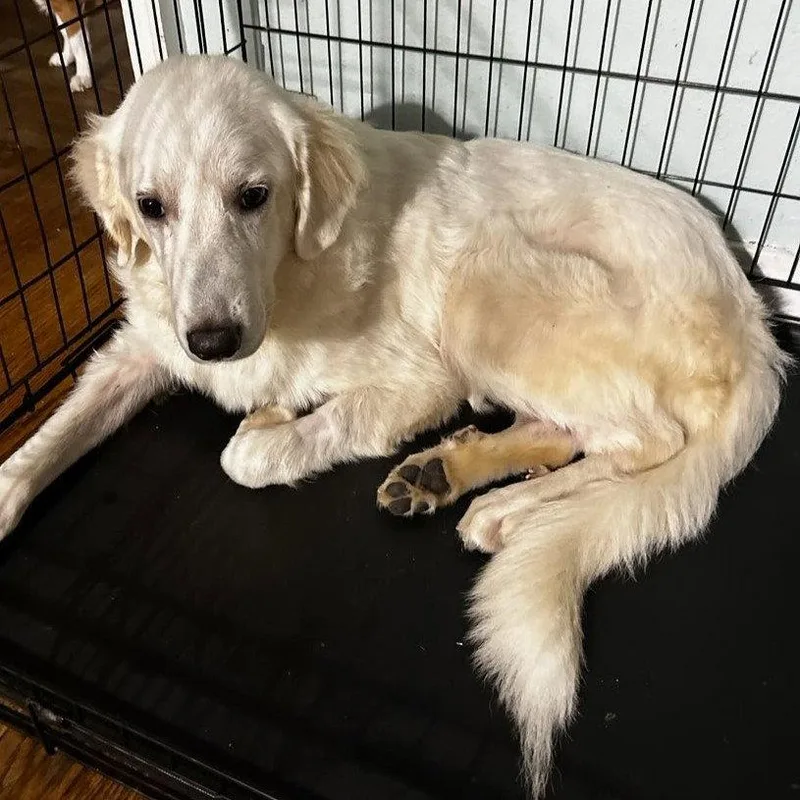
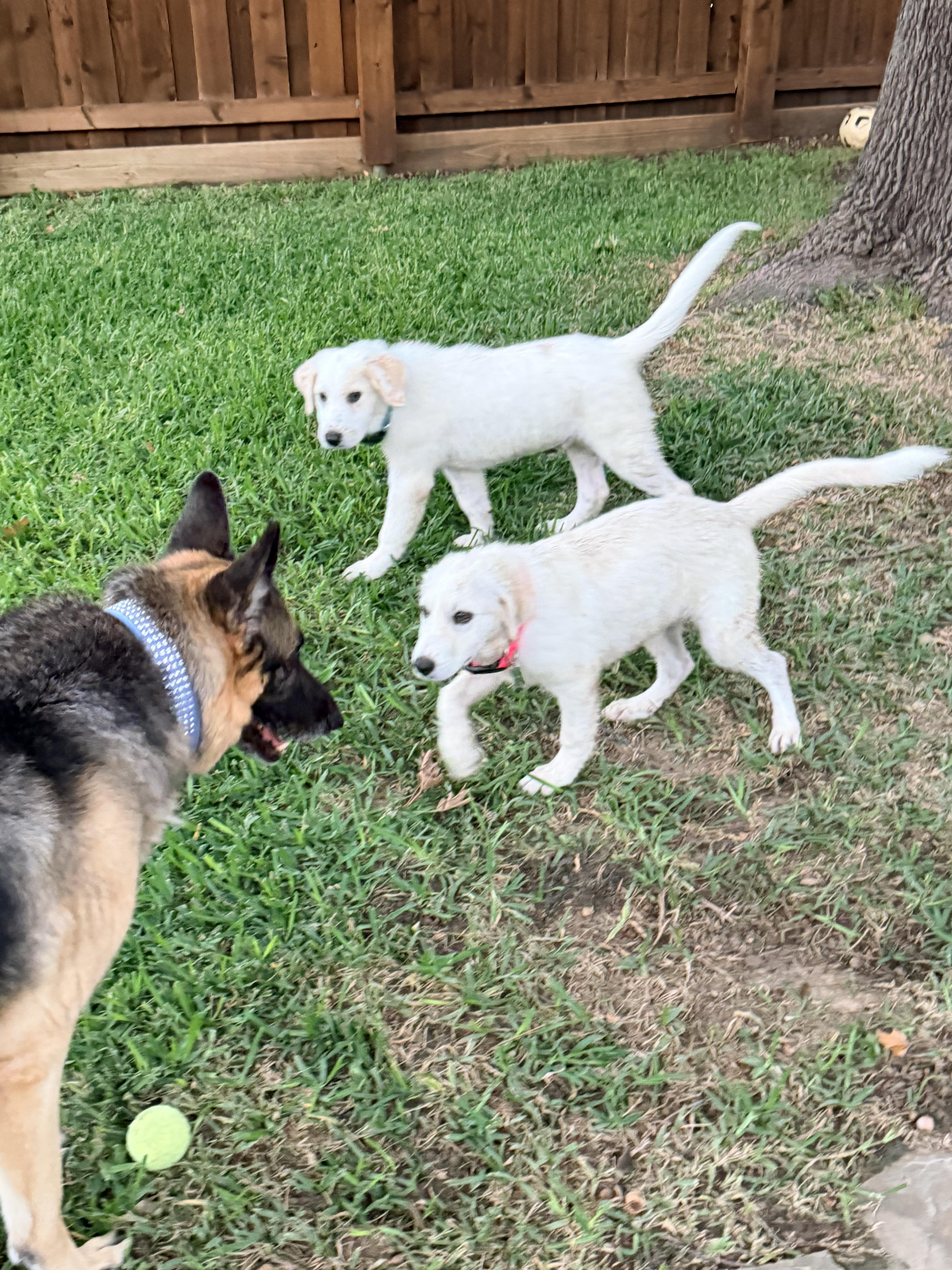
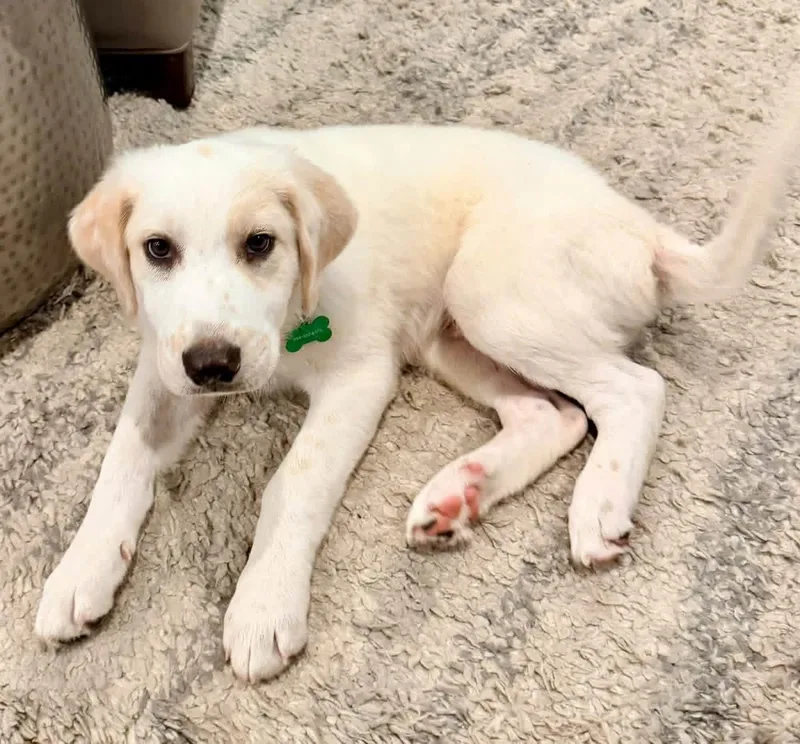
Komondor Dogs for Adoption in Whitewright, TX

Your guide to finding and caring for a Komondor in Whitewright

3117 dogs similar to Komondor available in Whitewright and nationwide

Bring home a Komondor

Komondors and Similar Breeds Available for Adoption Near Whitewright

About the Komondor breed

Few dogs are as unmistakable as the Komondor, a giant Hungarian flock guardian covered from head to tail in heavy white cords. For centuries it lived with sheep on the open plains, its coat helping it blend into the flock and shielding it from weather and wolf bites. The breed nearly vanished during World War II, when only a few dozen were thought to remain in Europe, and it has since been rebuilt in Hungary and abroad.

Komondorok, as Hungarians say in the plural, tend to be calm, devoted and gentle with their own families but independent, territorial and deeply suspicious of strangers and unfamiliar animals. They need an experienced owner, early socialization and secure fencing. The corded coat is a serious commitment too, demanding regular cord separation and baths that can take a day or more to dry.

Weight
80–130 lbs
Height
25–31 in
Lifespan
10–12 yrs
Temperament
Protective, Independent, Devoted, Calm
Group
Working
Shedding
Low

Owning a Komondor in Whitewright

Having a Komondor in Whitewright

A Komondor's defining traits are a strong guardian instinct and an extraordinary corded coat. Its independence, wariness of strangers, giant size and time-consuming grooming shape daily life far more than its exercise needs, which are fairly modest for an adult.

Temperament

Komondors are usually calm and affectionate with family, including children they know, yet they decide for themselves who is welcome. Many are reserved or confrontational with strangers and unfamiliar dogs. They were bred to make decisions alone, so training takes patience and consistency. Early socialization and firm, fair, reward-based guidance help prevent overprotectiveness.

Exercise Needs

Adult Komondors are often fairly inactive indoors but benefit from daily walks and room to patrol a large, securely fenced yard. Puppies and young dogs are more playful. Dog parks are usually a poor fit because of guarding instincts. Mental work, such as training sessions and calm exploration, keeps an independent mind engaged.

Health Considerations

Komondors have relatively few breed-specific problems, but hip dysplasia, entropion, juvenile cataracts and bloat occur. The heavy coat can hide skin infections, ticks and hot spots, so regular skin checks are important. Some dogs develop skin reactions to certain diets. Keep regular veterinary checkups.

Living Space

A Komondor generally suits a house with a large, well-fenced yard more than an apartment, because of its size, territorial barking and need to patrol. It handles cold well but struggles in heat, so shade and air conditioning matter. It should live indoors with family, with space set aside for drying the coat after baths.

What it costs to own a Komondor

ExpenseTypical costPer year
Food$80 to $160 per month$960 to $1,920
Pet insurance$85 to $170 per month$1,020 to $2,040
Routine vet care$250 to $500 per year$250 to $500
Other*$990 to $2,490 per year$990 to $2,490
Estimated yearly total (after year one)$3,220 to $6,950

Other costs are national averages for Komondors; we don't have costs specific to Whitewright yet.

* Giant-size flea, tick and heartworm prevention, a dental cleaning allowance, a dog license, sturdy toys and bedding, and corded-coat care such as cord splitting, long baths and drying, done at home or by an experienced groomer.

Adopt a Komondor in Whitewright.

Now that you know more, let’s find you a new best friend. These rescues and shelters below currently have Komondors available.

Rescues in Whitewright with Komondors Available

Here are the rescues & shelters in the Whitewright area where you can find Komondors and other dogs available for adoption.

Frequently Asked Questions

Komondors have dreadlock-like cords because their soft, woolly undercoat becomes trapped in a coarser outer coat as they mature, forming felted ropes. This coat evolved for livestock guarding: it insulates against harsh weather, protects against predator bites and helps the dog blend in with sheep. The cords are a natural feature of the breed, not a styling choice.

Komondors shed very little once their cords have formed, because loose hair gets trapped within the cords instead of falling out. Puppies shed more before cording begins. Low shedding does not mean low maintenance, however, since the trapped hair must be managed by separating cords and bathing regularly to keep the coat clean and healthy.

Grooming a Komondor centers on separating cords by hand, rather than brushing, so they don't fuse into large mats. Starting around 8 to 12 months, owners split clumps into small sections and check them regularly. Baths use diluted shampoo, a thorough rinse and long drying. Trim around the eyes, mouth and feet as needed, and check the skin often.

A Komondor is a giant Hungarian livestock guardian dog famous for its long white corded coat, which resembles a mop or dreadlocks. Bred to protect sheep from wolves and other predators, it is calm and devoted with its family but independent and protective with strangers. The breed needs an experienced owner and significant coat care.

Yes, Komondor dreadlocks are natural. The cords form on their own as the soft undercoat and coarser outer coat intertwine, usually beginning between 8 and 12 months of age. Owners do guide the process by splitting clumps into evenly sized sections so the cords stay separate. Without that help, the coat can mat into large sheets.

Komondors can see through their hair to a degree, as the cords hang in strands rather than forming a solid curtain, and the breed has always worked this way. Heavy cords can still limit vision, especially to the side. Many owners trim or tie back hair around the eyes to help the dog see and to keep the eye area clean.

Yes, you can shave or trim a Komondor's coat, and some pet owners keep it short for easier care, especially in hot climates. A shaved coat will take months or years to cord again, and a full corded coat is required only for showing. Clipping is best done by a groomer experienced with corded breeds to avoid skin injuries.

Komondors are not typically aggressive with their families, but they are powerful, territorial guardians that may act defensively toward strangers, unfamiliar dogs or perceived threats. Their breed history encourages independent decisions about danger. Early socialization, consistent training and careful management of visitors are essential. An adult dog's known history is very important when adopting.

No dog is truly hypoallergenic, including the Komondor, but its low shedding means less loose hair around the house, and some people with mild allergies tolerate it better. Allergens in dander and saliva are still present, and the cords can trap dust and pollen. Spend time with a specific Komondor before adopting if allergies are a concern.

We have 1 rescue with Komondors available: Bluebonnet Animal Rescue Network. You can see every rescue with Komondors available in the list above these questions.