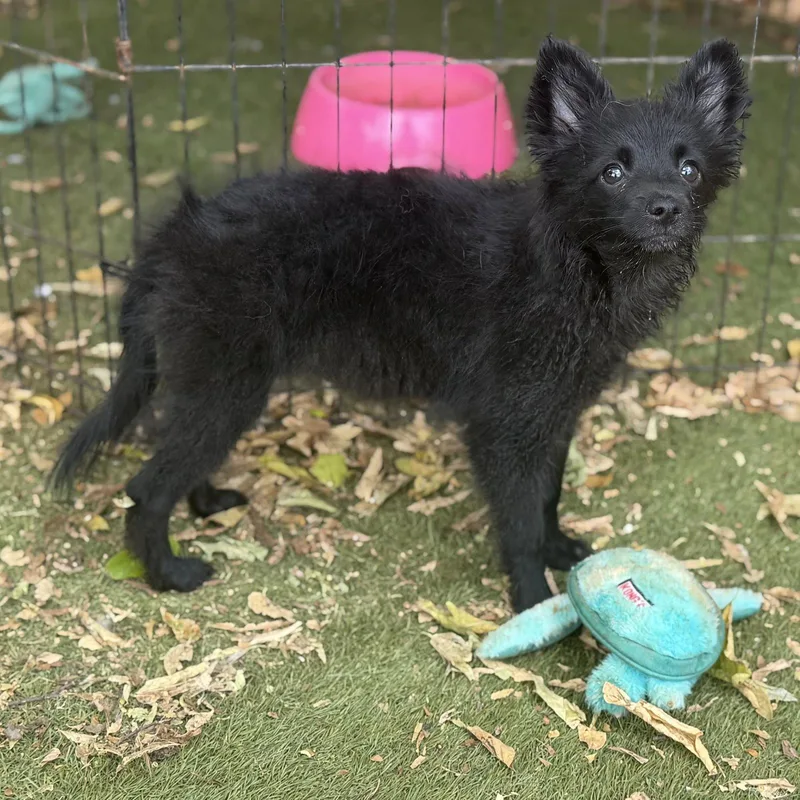
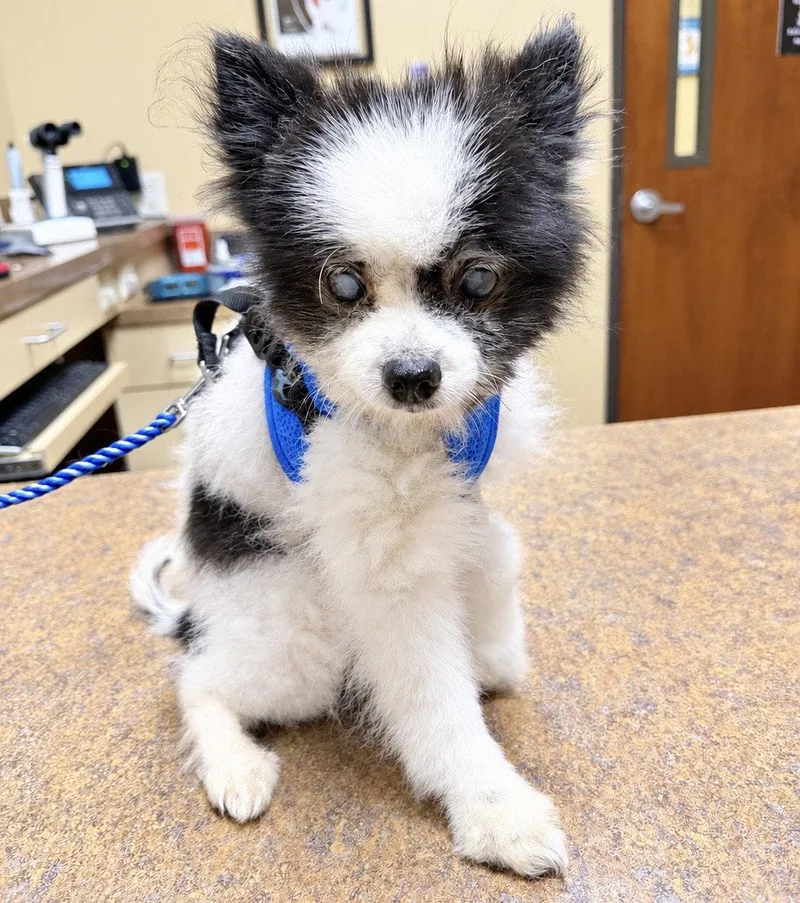
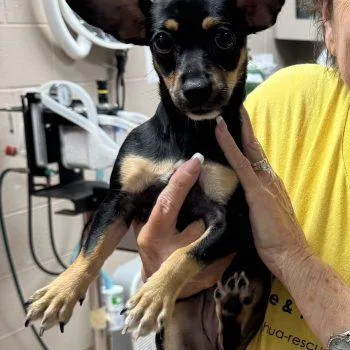
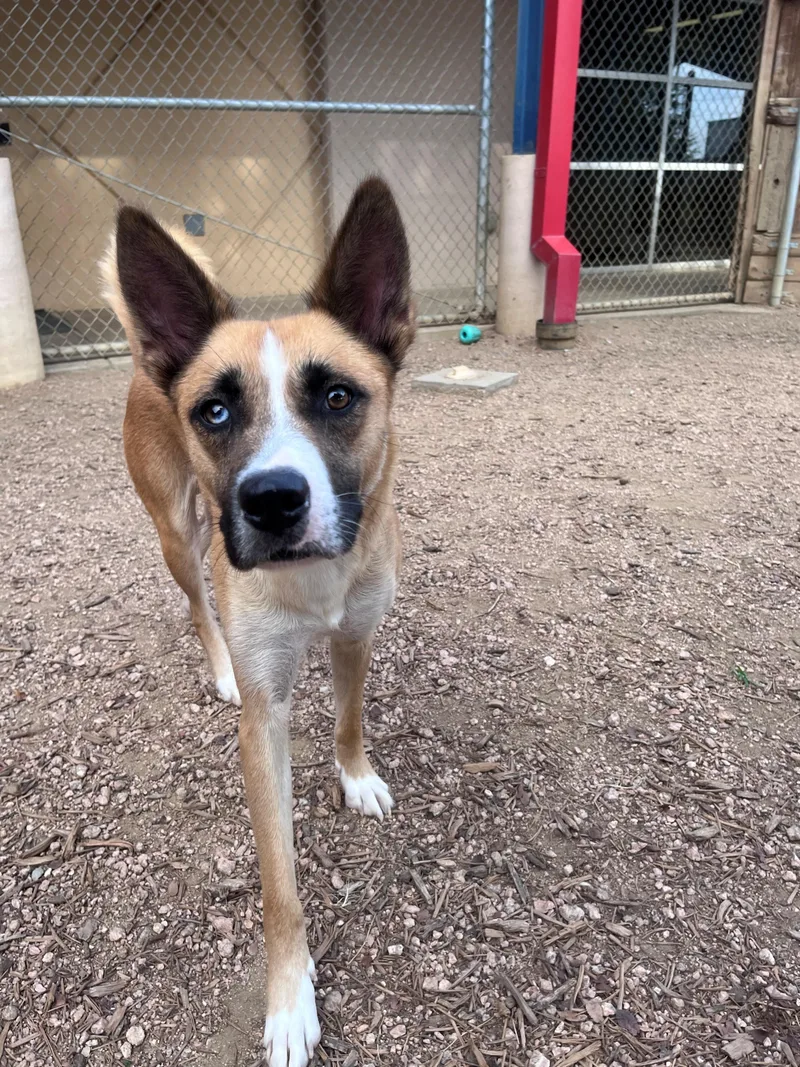
Pomeranian dog

Pomeranian Dogs for Adoption in Plano, TX

Your guide to finding and caring for a Pomeranian in Plano

Pomeranians fit Plano's townhomes and apartments well, since a short walk and some play indoors cover most of their day. A Collin Creek townhome or a place near Russell Creek Park gives a toy dog plenty of room, and the Bluebonnet Trail is an easy paved stroll. The catch is that thick double coat in a Texas summer, so outings shift to early morning and evening. Poms also announce every visitor, which neighbors in shared buildings notice.

686 Pomeranians available in Plano and nationwide

Bring home a Pomeranian

Pomeranians Available for Adoption Near Plano

About the Pomeranian breed

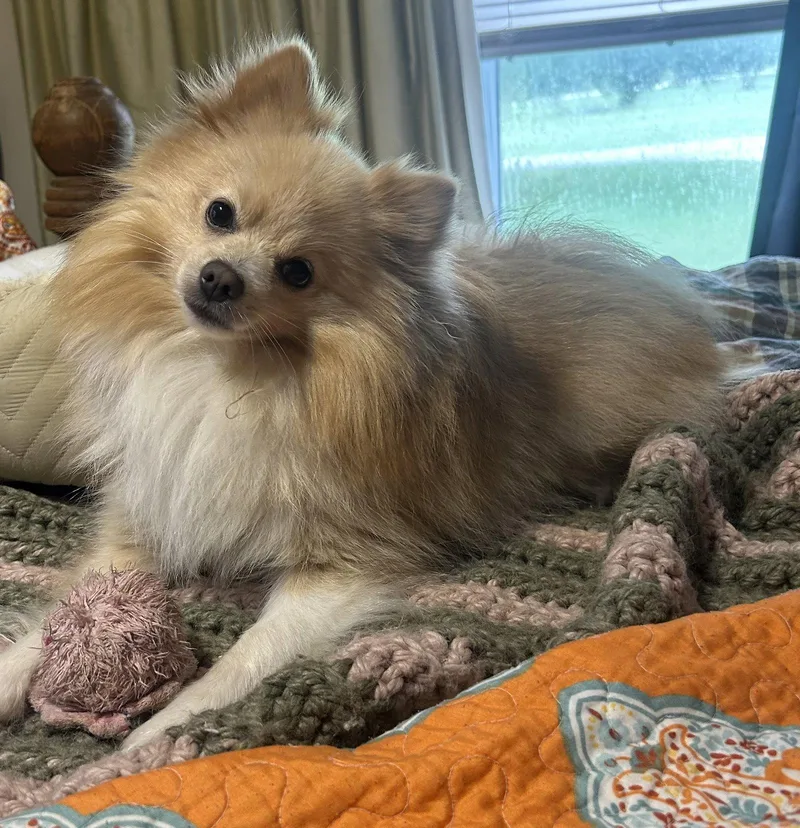
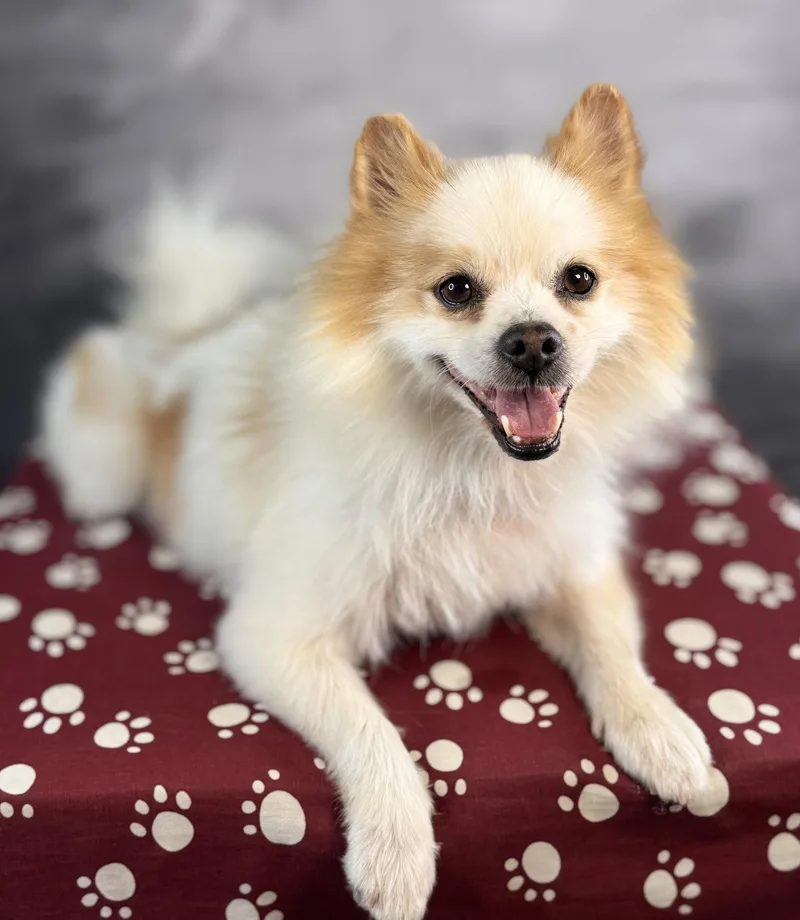
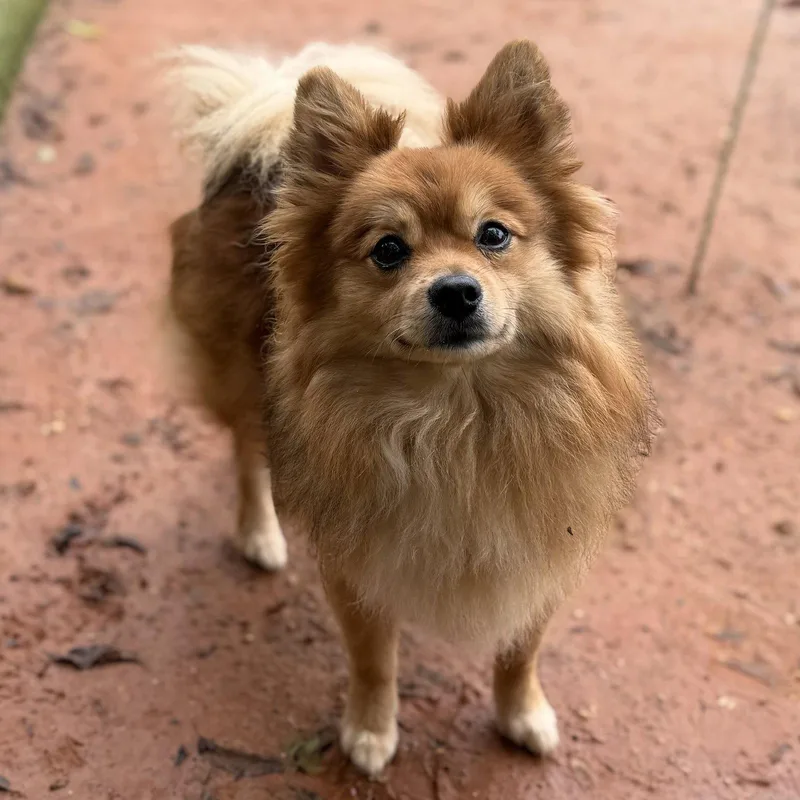
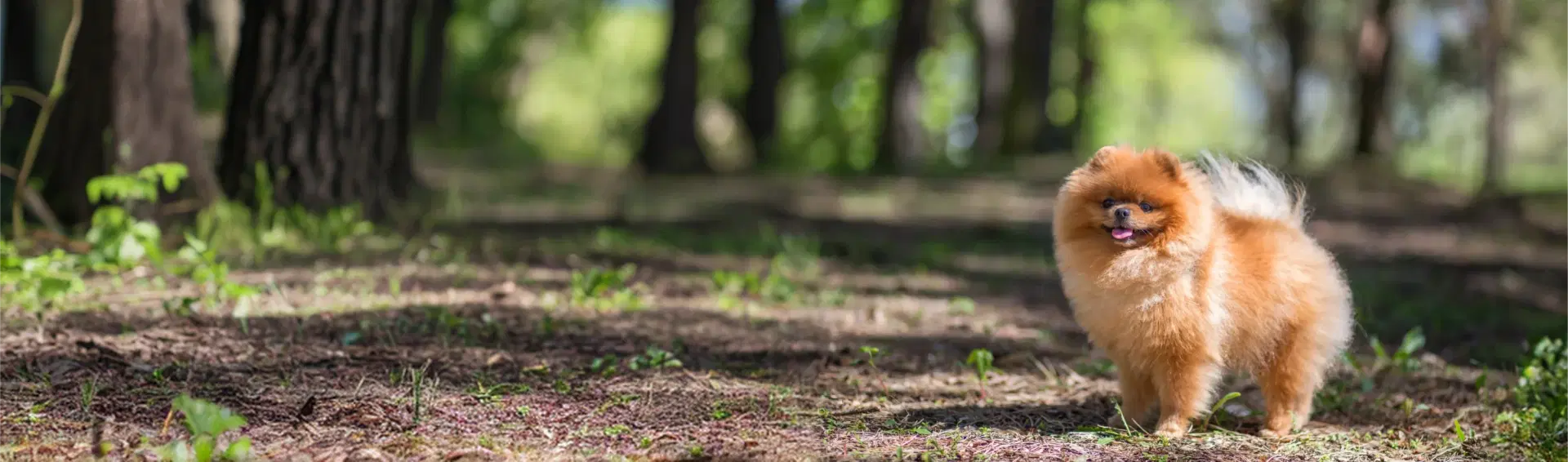
The Pomeranian descends from larger German Spitz dogs and takes its name from Pomerania, a Baltic region. Queen Victoria's fondness for small Poms in the late 1800s helped shrink the breed to today's 3 to 7 pounds, though some Poms in adoption listings run a bit heavier. A standoff double coat, plumed tail and foxy face give them their look.

In Plano, the coat and the small size shape daily care. Poms shed moderately to heavily, so plan on brushing several times a week, plus regular dental care. They're bold and chatty, and they do best with adults and older children who handle a small dog gently. Dogs vary, so a Pom's own personality matters more than the breed description.


Weight
3–7 lbs
Height
6–11 in
Lifespan
12–16 yrs
Temperament
Lively, Alert, Curious, Bold
Group
Toy
Shedding
Moderate to High

Owning a Pomeranian in Plano

Having a Pomeranian in Plano

Pomeranians are small, watchful and heavily coated, so life in Plano comes down to a few themes: managing heat, keeping barking in check, protecting delicate joints and airways, and keeping up with brushing and dental care. Every dog differs, but these come up often.

Temperament

Many Pomeranians are bold, curious and quick to announce visitors, which can carry down the hallway of a busy Plano apartment building. They often attach to one favorite person and can get pushy with bigger dogs at the park. Early socialization and reward-based training go a long way, and each Pom's personality varies.

Exercise Needs

A couple of short walks and indoor play usually cover a Pomeranian's day. Plano's paved trails, like the Bluebonnet Trail, suit small legs, and puzzle toys help on days that are too hot or icy outside. Use a harness rather than a collar to protect the trachea, and carry a tired dog.

Health Considerations

Pomeranians are prone to luxating kneecaps, collapsing trachea and dental disease, and some develop alopecia X coat loss. Heat makes breathing trouble worse, so Plano summers call for care. Daily tooth brushing, a lean weight and regular checkups help catch problems early, and a veterinarian can check a new dog's knees, teeth and heart.

Living Space

A Pomeranian fits Plano's apartments, townhomes and detached houses alike, since indoor play covers most of its exercise. Barking is the main issue in shared buildings, so start training early. Block off stairs and high furniture, watch open doors, and fence yards fully, because a Pom can slip through small gaps and coyotes live in Plano.

What it costs to own a Pomeranian in Plano

ExpenseTypical costPer year
Food$15 to $35 per month$180 to $420
Pet insurance$35 to $70 per month$420 to $840
Routine vet care$200 to $400 per year$200 to $400
Other*$590 to $1,440 per year$590 to $1,440
Estimated yearly total (after year one)$1,390 to $3,100

Other costs are estimates and vary with size, age and health.

* Flea, tick and heartworm prevention, dental cleanings, the Plano dog registration, toys and bedding, and brushing and baths for the double coat.

Pomeranian dog

Adopt a Pomeranian in Plano.

Now that you know more, let’s find you a new best friend. These rescues and shelters below currently have Pomeranians available.

Frequently Asked Questions

Often, yes, for people who can handle the heat and the barking. A Pom's small size suits Plano's mix of detached houses and apartments, and short walks meet most of its needs. Expect early or evening outings from May through September, an indoor plan for ice storms, and some training so alert barking doesn't bother neighbors.

Yes. Plano has no breed bans, and its code says a dog can't be judged dangerous based solely on breed, size or appearance. You'll need a current rabies vaccine and annual city registration for any dog over four months, with both tags on a collar or harness. Off your property, keep the dog on a leash no longer than six feet.

Yes, with planning. Plano sees roughly 95 to 105 days a year at or above 90°F, and nights stay in the 70s, so a Pomeranian's thick coat and small airway make midday outings risky. Walk at dawn or after sunset, test pavement with your hand, keep water handy, and never leave a dog in a parked car.

Plano's three fenced city dog parks, at Bob Woodruff, Jack Carter and Windhaven Meadows, are the best picks, since small dogs get their own area. Dogs need a current rabies tag and city registration tag, and parks close after heavy rain, so call the rain-out line first. For leashed outings, the Chisholm Trail is paved and gentle on a Pom's joints.

Yes, if the Pomeranian rides in a securely latched carrier. DART allows non-service animals on its buses and trains only when they're carried in a cage or container, and a Pomeranian's 3 to 7 pounds fits one easily. Keep the carrier closed and on your lap or at your feet, and out of the aisle.

Plan on brushing a Pomeranian's double coat several times a week, more during heavy shedding, plus a bath every month or two. In Plano's long hot season, avoid shaving down to the skin, which can damage regrowth; keep the coat brushed and lightly trimmed instead. Coat care is counted in the Other costs shown on this page.

Sometimes, where a restaurant chooses to allow it. Texas law lets restaurants welcome leashed dogs on outdoor patios, provided a sign says dogs are allowed and the dog enters directly from outside. The Pomeranian must stay off seats and tables and out of the indoor dining room, so look for the posted sign first.

Pomeranians come from the Pomerania region along the Baltic Sea, now part of northern Poland and northeastern Germany, where its larger German Spitz ancestors developed. The breed as we know it was shaped in England, where royals including Queen Charlotte and Queen Victoria kept them in the 1700s and 1800s and the dogs grew steadily smaller. The first English breed club formed in 1891.

We have 1 rescue with Pomeranians available: Plano Animal Shelter. You can see every rescue with Pomeranians available in the list above these questions, or scroll to the top to see the Pomeranians near Plano.

A Pomeranian in Plano typically runs about $1,390 to $3,100 a year. That covers food at $15 to $35 a month, insurance at $35 to $70 a month, routine vet care at $200 to $400 a year, and $590 to $1,440 a year for dental care, parasite prevention, registration, supplies and grooming.