German Longhaired Pointer Dogs for Adoption in Plano, TX

Your guide to finding and caring for a German Longhaired Pointer in Plano

A German Longhaired Pointer fits Plano best when the day starts on a trail, like the natural paths at Arbor Hills Nature Preserve. This is a rare, athletic sporting dog that needs a real run and a job for its nose every day. Plano's detached houses with fenced yards suit that well, and the Legacy Trail gives leashed dogs room to roam. Once the exercise is done, most settle in as calm, affectionate housemates.

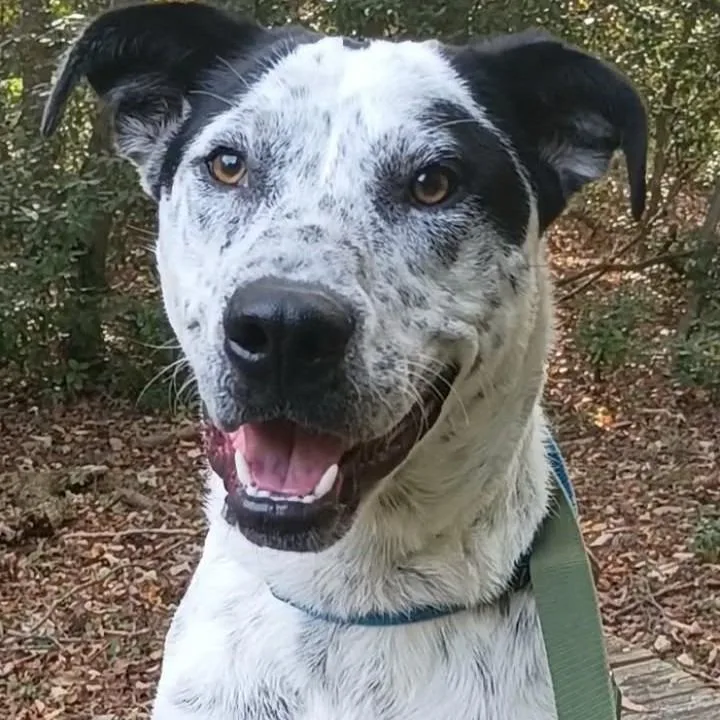
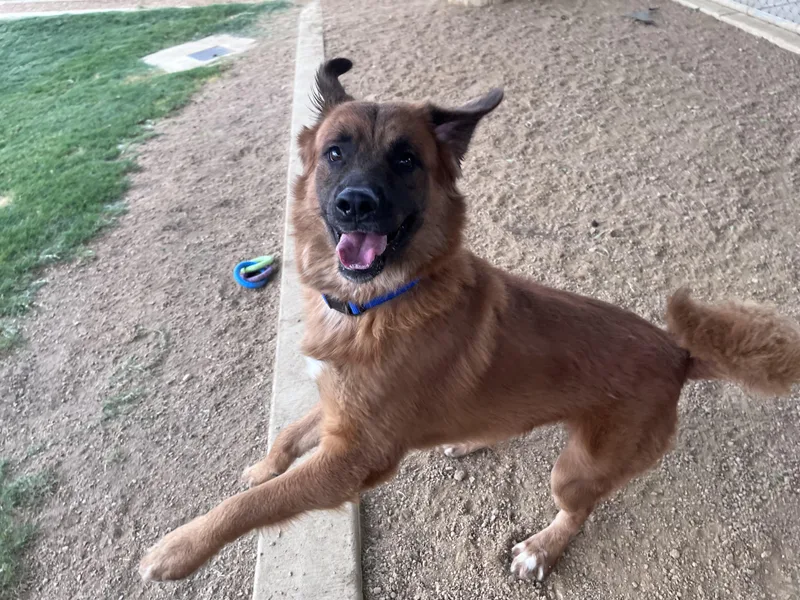
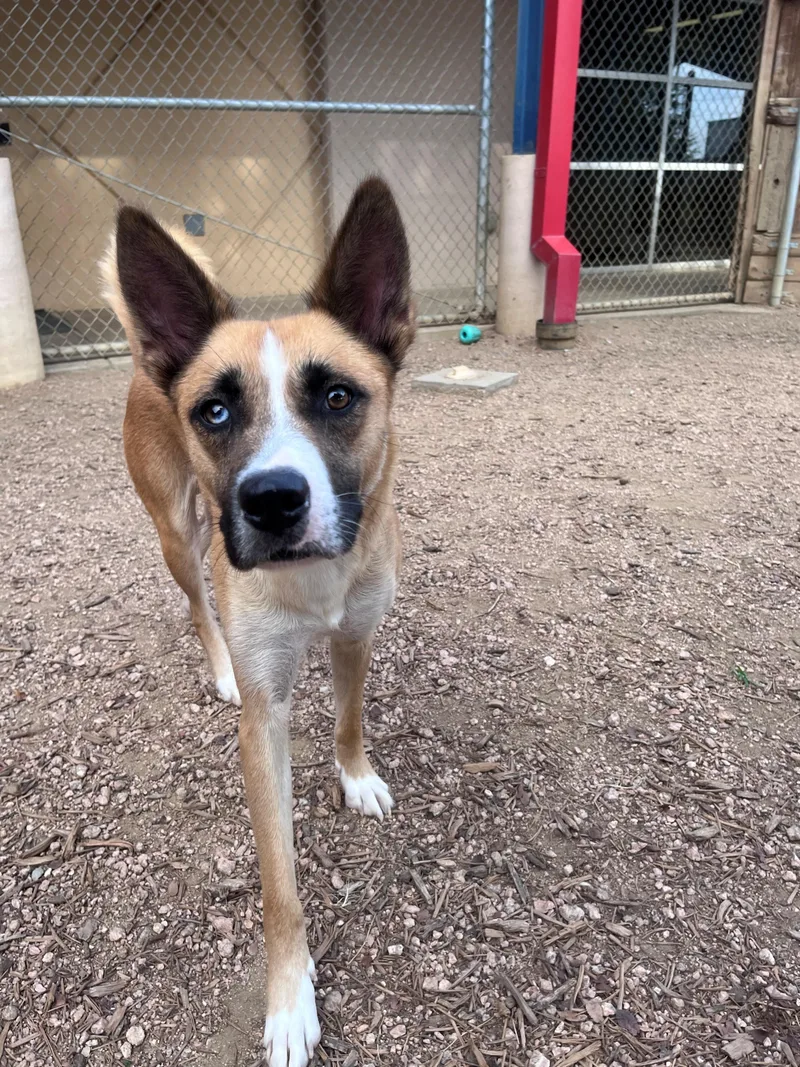
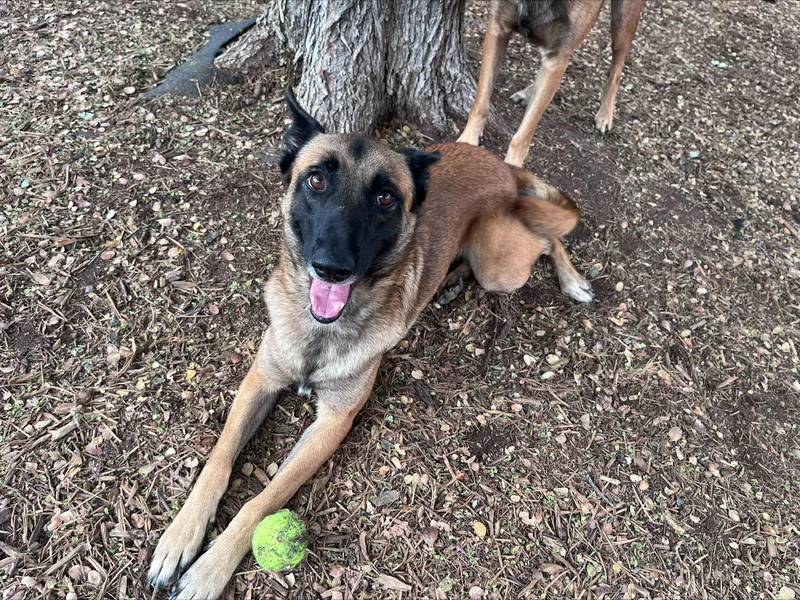
759 dogs similar to German Longhaired Pointer available in Plano and nationwide

Meet your German Longhaired Pointer

German Longhaired Pointers and Similar Breeds Available for Adoption Near Plano

About the German Longhaired Pointer breed

The German Longhaired Pointer is a versatile gun dog developed in Germany in the late 1800s to point game, track wounded animals and retrieve on land and from water. Adults are muscular, athletic dogs, roughly 55 to 80 pounds, with a medium-length coat that's feathered on the ears, chest, legs and tail, in solid brown, brown with white, or roan.

At home, many are calm, affectionate and people-oriented, then turn keen and tireless outdoors. They usually need plenty of exercise, a job for their nose, and careful handling around cats and small animals. In Plano, that means leashed time on the trail network and a securely fenced yard. Dogs vary, so a particular dog may be mellower or more driven than this description.


Weight
55–80 lbs
Height
23–28 in
Lifespan
12–14 yrs
Temperament
Affectionate, Energetic, Intelligent
Group
Sporting
Shedding
Moderate

Owning a German Longhaired Pointer in Plano

Having a German Longhaired Pointer in Plano

Exercise needs, a strong prey drive, a feathered coat and long ears shape daily life with this breed. In Plano, a fenced yard, shade in summer and a plan for storm season matter as much as a good trail nearby.

Temperament

Many German Longhaired Pointers are sweet, even-tempered and devoted, and they often get along with children and other dogs. Outdoors they turn focused and determined, so squirrels, rabbits and cats can trigger a chase on Plano's creek trails. They're sensitive and tend to dislike long stretches alone, which matters for commuters.

Exercise Needs

Plan on vigorous daily exercise, such as long walks, running or hiking. Plano's paved Chisholm and Bluebonnet trails and the natural paths at Arbor Hills and Oak Point suit leashed outings, and the fenced city dog parks allow off-leash running. Add tracking or retrieving games for the nose. A bored dog may turn restless, destructive or noisy.

Health Considerations

Hip dysplasia, bloat and ear infections are reported in the breed, and eye testing for progressive retinal atrophy is often advised. In Plano's warm, humid weather, check and clean the long ears regularly. Measured meals help prevent weight gain. A veterinarian can check hips, eyes and ears at the first visit.

Living Space

Plano's many detached houses with fenced yards suit this breed well. Apartments are harder unless daily exercise is fully met. Burrs and mud tend to come home after trail days, so keep a brush and towel by the door. Since unattended tethering isn't allowed in Plano, good fencing matters.

What it costs to own a German Longhaired Pointer in Plano

ExpenseTypical costPer year
Food$55 to $110 per month$660 to $1,320
Pet insurance$55 to $110 per month$660 to $1,320
Routine vet care$250 to $500 per year$250 to $500
Other*$585 to $1,480 per year$585 to $1,480
Estimated yearly total (after year one)$2,155 to $4,620

Other costs are estimates and vary with size, age and health.

* The Plano dog registration, flea, tick and heartworm prevention, a dental cleaning allowance, toys and bedding, and brushing, baths and ear care for the feathered coat.

Adopt a German Longhaired Pointer in Plano.

Now that you know more, let’s find you a new best friend. These rescues and shelters below currently have German Longhaired Pointers available.

Frequently Asked Questions

Yes. Plano has no breed bans or breed-specific rules, and a dog can't be declared dangerous based on breed or appearance alone. Expect to keep a current rabies vaccination, register the dog with the city, and carry waste bags. A single-family lot can have up to four unaltered dogs and cats.

Often yes, for active adopters. Plano's trail network, three fenced dog parks and many detached houses with yards suit a high-energy sporting dog. The tradeoffs are summer heat, spring storms and a dog that may dislike long days alone, so a commute-heavy schedule works best with a midday break arranged.

Yes, with planning. Plano sees roughly 95 to 105 days a year at or above 90°F, with warm nights, so this medium-coated breed needs help from May through September. Exercise at dawn or after dark, test pavement with your hand, carry water, and keep the dog indoors in the afternoon.

Arbor Hills Nature Preserve and Oak Point's unpaved Rowlett Creek trails give a nose-driven dog plenty to sniff on leash. For off-leash play, Bob Woodruff, Jack Carter and Windhaven Meadows have fenced dog parks. Plano dogs need rabies and city registration tags there, owners can bring three dogs at most, and treats stay outside the fence.

Sometimes, on patios. Texas law lets restaurants choose to allow leashed dogs outdoors if they post a sign, the dog enters directly from outside, and it stays off seats and tables. Look for a posted dogs-allowed sign. Practice a calm down-stay first, since a pointer's nose will be busy around food.

Generally only in a carrier. DART allows non-service animals on its buses and trains only in a securely latched cage or container, and a 55 to 80 pound German Longhaired Pointer is too big for one. Service animals are exempt from that rule. Plan on driving, with the dog restrained in the vehicle.

The German Longhaired Pointer is a large, versatile gun dog from Germany, developed to point, track and retrieve game on land and in water. It is muscular and athletic, with a medium-length brown or roan coat that is longer on the ears, legs and tail. Calm and affectionate at home, it becomes a keen, tireless hunter outdoors.

The German Longhaired Pointer comes from Germany, where it was developed from the late 1800s from older longhaired hunting dogs. Its modern standard dates to 1897, and it was recognized internationally in 1954. It remains best known in Germany and elsewhere in Europe, and it is still rare in the United States, where it is used both as a hunting companion and a family dog.

We have 1 rescue with German Longhaired Pointers available: Furever Home Pet Rescue. You can see every rescue with German Longhaired Pointers available in the list above these questions.

Expect roughly $2,150 to $4,600 a year. Food runs $55 to $110 a month, insurance $55 to $110 a month, and routine vet care $250 to $500 a year. Other costs, including city registration, parasite prevention, dental care and coat and ear upkeep, add about $585 to $1,480 a year.