

Bernese Mountain Dogs for Adoption in Houston, TX

Your guide to finding and caring for a Bernese Mountain Dog in Houston

A Bernese Mountain Dog in Houston lives mostly indoors, in the air conditioning. That's the trade-off for a thick-coated Swiss farm dog in a city where summers run long and hot. Berners are calm and mellow, so a Greater Heights bungalow with a shaded yard and a short leashed stroll along the White Oak Bayou greenway can suit them well. Expect early-morning or after-dark walks, plenty of shed hair on the floor, and a big, sweet dog flopped beside the vent.

131 Bernese Mountain Dogs available in Houston and nationwide

Adopt a Bernese Mountain Dog today

While we don't have enough dogs near Houston, keep in mind that many rescues may offer transport.

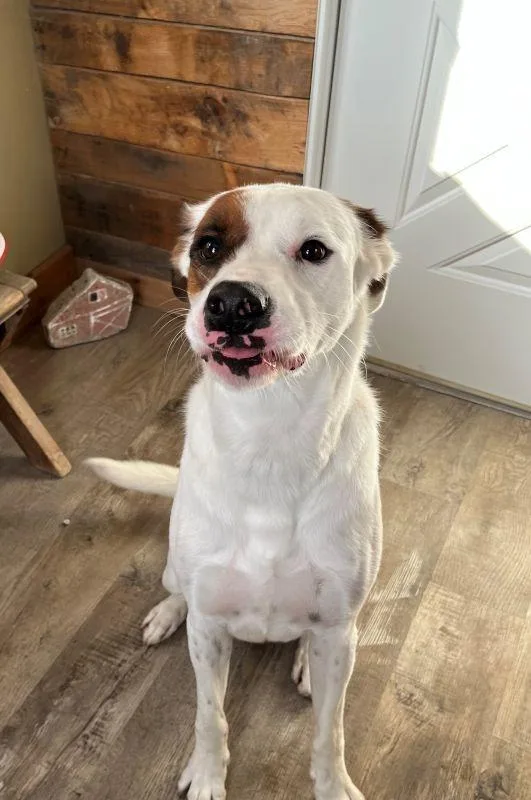
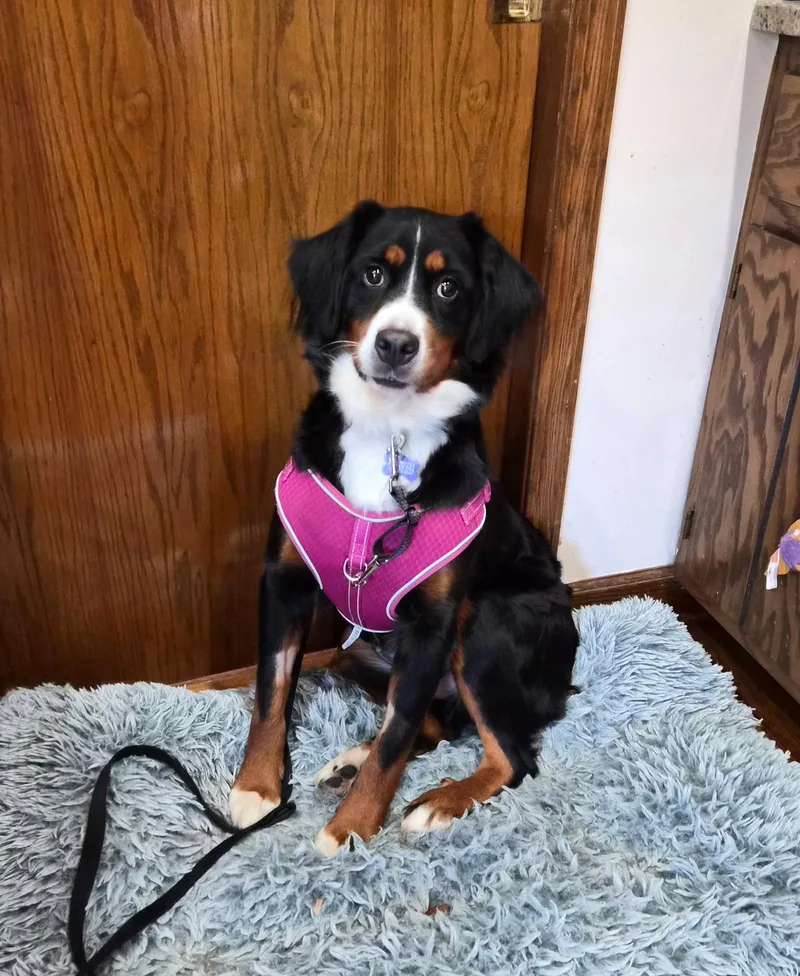
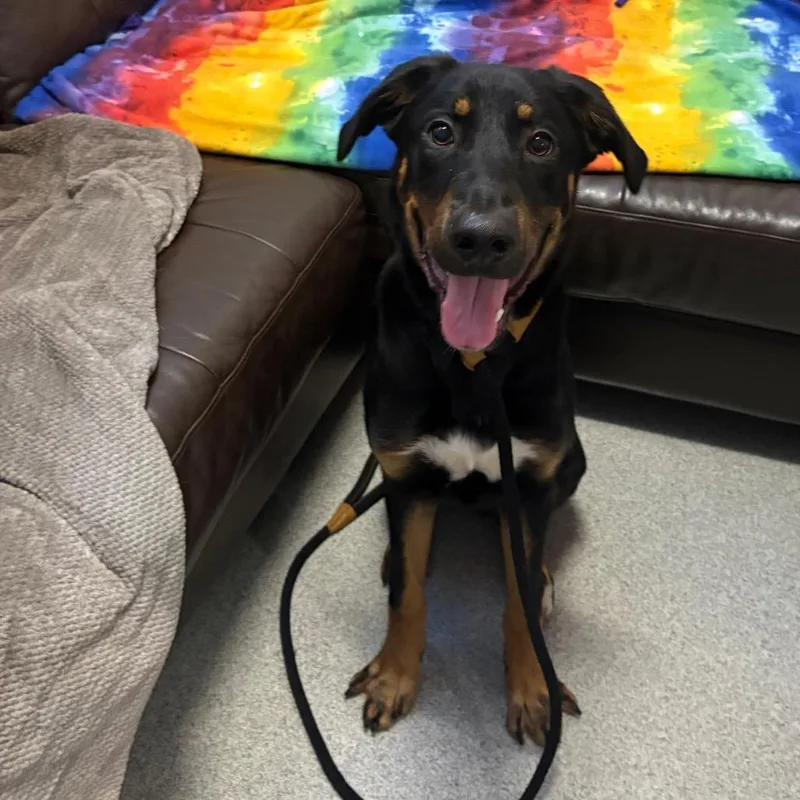
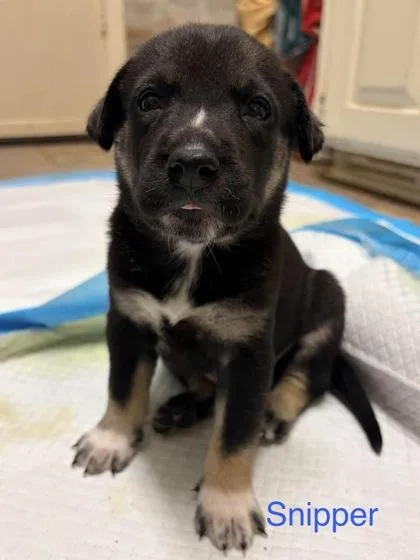
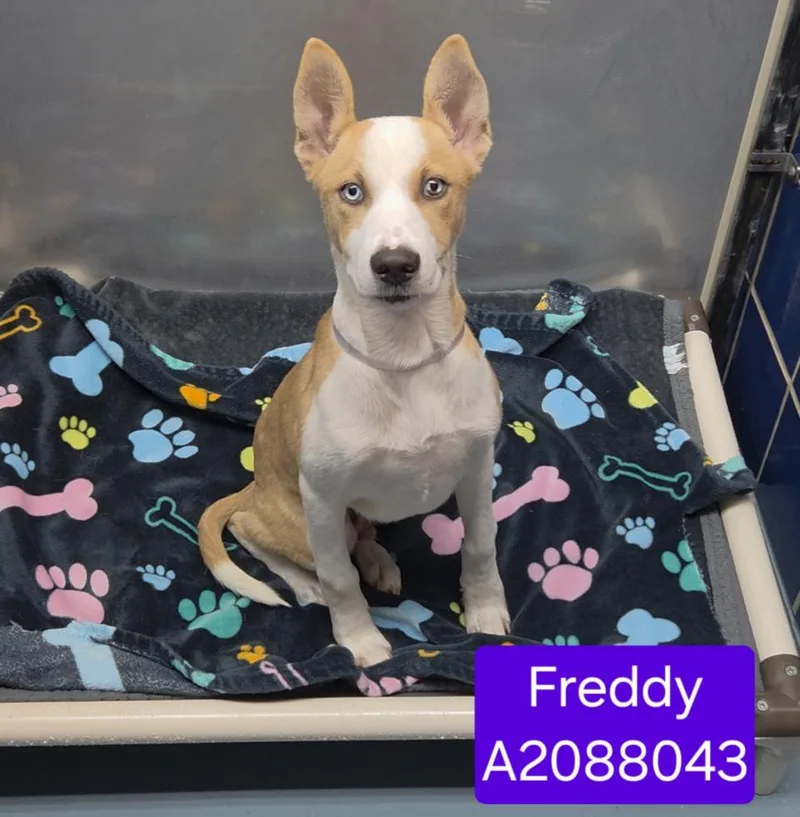
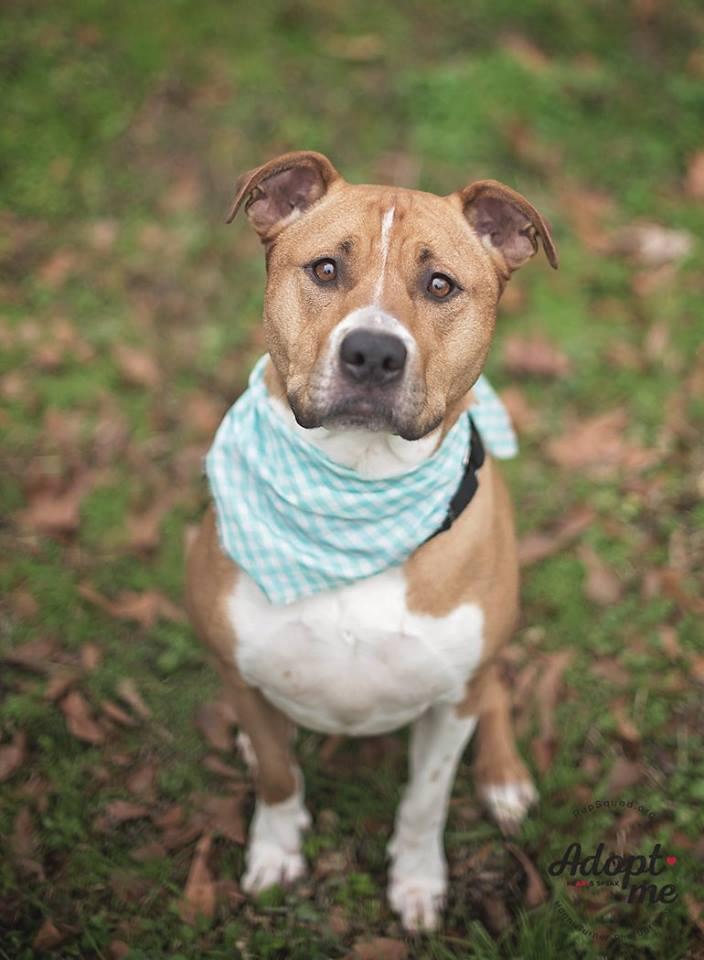
Bernese Mountain Dogs Available for Adoption Near Houston

About the Bernese Mountain Dog breed

The Bernese Mountain Dog comes from the farms around Bern, Switzerland, where it pulled milk carts, drove cattle and guarded the yard. It's the only long-coated Swiss mountain dog, with a jet-black coat, rust markings and a white blaze, and most adults weigh 70 to 115 pounds.

Berners tend to be gentle, affectionate and eager to please, though some are reserved with strangers. The coat and the size are what you plan around: heavy shedding all year, regular brushing, and a lifespan of about 7 to 10 years because of high cancer rates. Early leash training matters, since a pulling adult is hard to handle on a busy Houston sidewalk.

Weight
70–115 lbs
Height
23–28 in
Lifespan
7–10 yrs
Temperament
Gentle, Affectionate, Calm
Group
Working
Shedding
High

Owning a Bernese Mountain Dog in Houston

Having a Bernese Mountain Dog in Houston

A Berner's gentle, people-focused nature is easy to live with. The harder parts are size, heavy shedding and heat sensitivity. In Houston, heat and humidity shape the daily routine more than anything else, and health planning matters too.

Temperament

Berners are usually gentle, patient and devoted, and many stay calm in a busy apartment complex or on a crowded sidewalk. Some are reserved with strangers, and a few are sensitive to harsh correction. Each dog differs, so watch how a Berner handles new people, noises and other dogs before deciding if the dog fits your household.
Exercise Needs

Plan one or two moderate walks a day, kept to early morning or after sunset in Houston's heat. Dogs must stay leashed in City parks outside the dog parks, so a sturdy leash and good manners matter. Add training games and indoor play on hot days, and skip long runs.

Health Considerations

Berners face high cancer rates, plus hip and elbow dysplasia, kidney disease and bloat. In Houston, mosquitoes spread heartworm and breed in standing water after rain, so year-round prevention matters. Heat stress is a real risk for a thick-coated giant. Keeping the dog lean protects its joints, and regular vet checkups catch problems early.

Living Space

A Berner needs room to stretch out, and a cool floor matters more than yard size. Houston's mix of bungalow lots and large apartment complexes can both work if the home is air-conditioned and the dog can rest indoors. Elevator buildings or ground-floor units make daily trips easier for a heavy dog.

What it costs to own a Bernese Mountain Dog in Houston

ExpenseTypical costPer year
Food$80 to $160 per month$960 to $1,920
Pet insurance$85 to $170 per month$1,020 to $2,040
Routine vet care$250 to $500 per year$250 to $500
Other*$690 to $1,890 per year$690 to $1,890
Estimated yearly total (after year one)$2,920 to $6,350

Other costs are estimates and vary with size, age and health.

* The $20 Houston registration for an altered dog, flea, tick and heartworm prevention, a dental cleaning, coat care for heavy shedding, joint supplements, and toys and large bedding.

Adopt a Bernese Mountain Dog in Houston.

Now that you know more, let’s find you a new best friend. These rescues and shelters below have dogs available in and near Houston.

Rescues and Shelters in or near Houston

Houston-area shelters and rescues listed below care for dogs of every size, including large breeds and mixes. Here are the rescues & shelters in the Houston area with dogs available for adoption, worth asking whether a Bernese Mountain Dog is coming in.

Frequently Asked Questions

Only as an air-conditioned indoor dog. Summer is the hardest season for a Berner in Houston, so walk at dawn or after dark, keep water available, and never leave the dog in a car. Storm-related power outages can make heat dangerous, so plan a cool place to go. Heavy panting, glazed eyes or unsteadiness mean a vet visit right away.

Realistically, no. METRO buses and METRORail allow pets only when they're properly restrained in an animal carrier, and a Berner at 70 to 115 pounds won't fit in one. Service animals are the exception and must stay under the handler's control. For a Berner, plan on a car for vet visits and outings.

Hermann Park's McWilliams Dog Park is a top pick, with just over two acres along Brays Bayou, a large-dog area, shade and a dog wash; it's closed Mondays. For leashed walks, try Buffalo Bayou Park's Sandy Reed Memorial Trail or Memorial Park, where dogs must stay leashed. Go early, and note Johnny Steele Dog Park is temporarily closed.

Yes. Houston has no breed bans, and Texas law doesn't allow breed-specific dangerous-dog rules. You'll need to register your Berner with the City once it's four months old, with a yearly rabies certificate and a microchip. Registration is $20 a year for an altered dog. Rental buildings can still set their own size or breed limits.

Only to outdoor patios, and only where the restaurant chooses to allow dogs. Texas law lets restaurants permit leashed dogs in outdoor dining areas if a sign is posted, the dog enters directly from outside, and it stays off seats and tables and out of the interior. Look for the sign, and make sure a summer patio has shade and water.

Plan on brushing at least once or twice a week, and daily during heavy shedding, which can feel year-round in Houston's warm climate. Avoid shaving the coat; brush out loose undercoat and keep the dog cool indoors instead. Professional grooming or de-shedding baths fit within the roughly $690 to $1,890 a year in other costs.

A Bernese Mountain Dog is a large to giant Swiss working breed originally used on farms to pull carts, drive cattle and guard property. It has a long, tricolored coat of black, rust and white and a sturdy, powerful build. Berners are known for their gentle, affectionate nature, though their lifespan is shorter than many breeds.

A Bernese Mountain Dog has a thick, moderately long coat that is jet black with rich rust markings over the eyes, on the cheeks, chest and legs, and white on the face, chest, feet and tail tip. The white chest marking often forms an inverted cross. They have a broad head, dark brown eyes and triangular drop ears.

Most adult Bernese Mountain Dogs weigh about 70 to 115 pounds. Males commonly weigh around 80 to 115 pounds and females around 70 to 95 pounds, though some dogs fall outside these ranges. Frame size matters, so veterinarians judge by body condition: you should feel ribs under a light layer of fat. Extra weight strains this breed's joints.

Plan on about $80 to $160 a month for food and $85 to $170 a month for insurance, plus $250 to $500 a year for routine vet care and $690 to $1,890 a year for other costs such as prevention, dental care, grooming and joint supplements. That adds up to roughly $2,920 to $6,350 a year.

Find Bernese Mountain Dogs in Nearby Cities

Expand your search to find Bernese Mountain Dogs available for adoption near Houston.