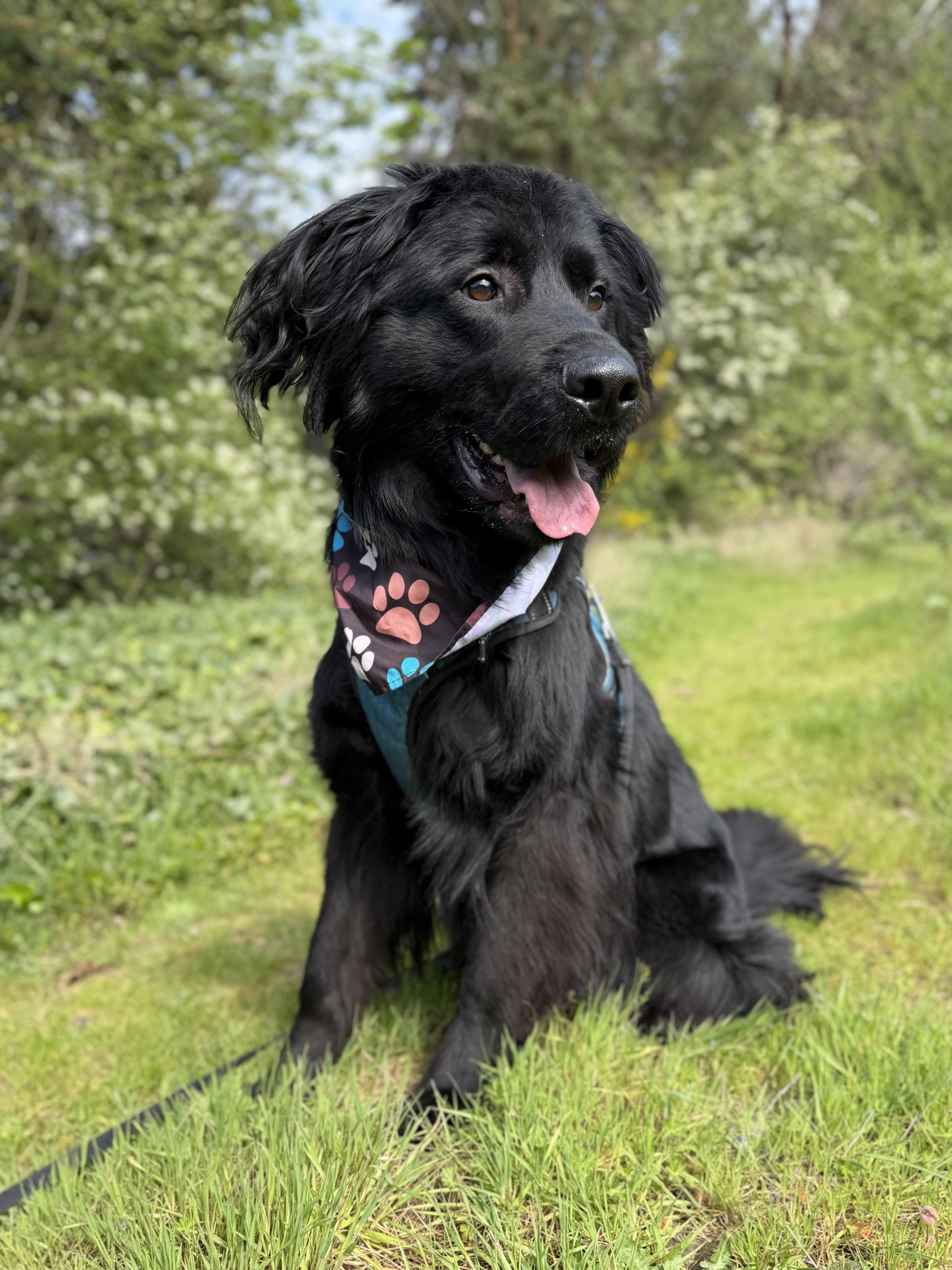
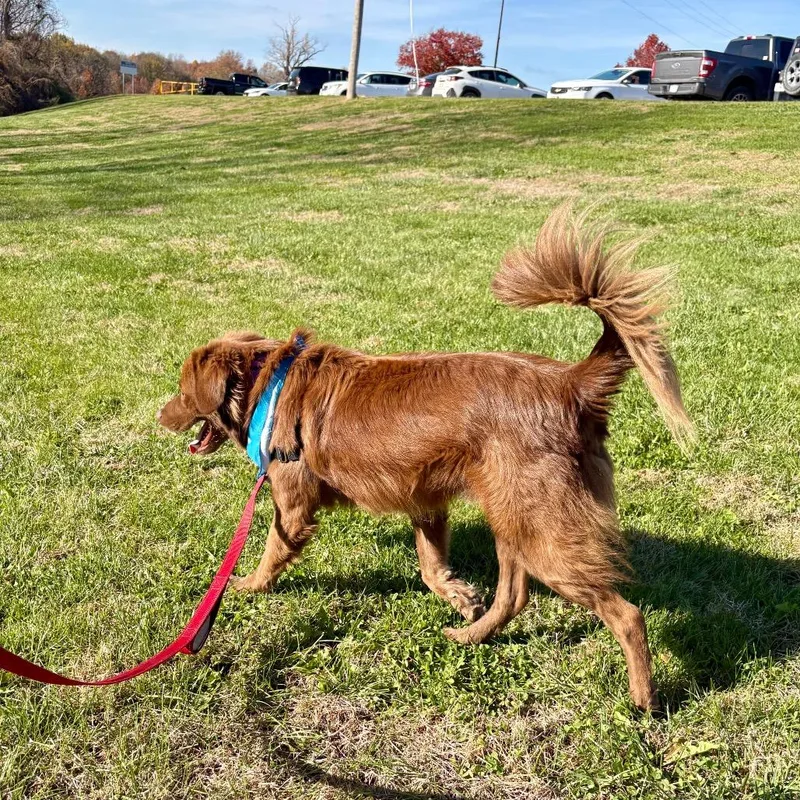
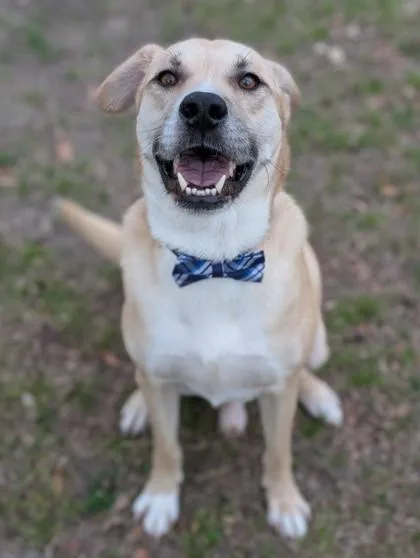
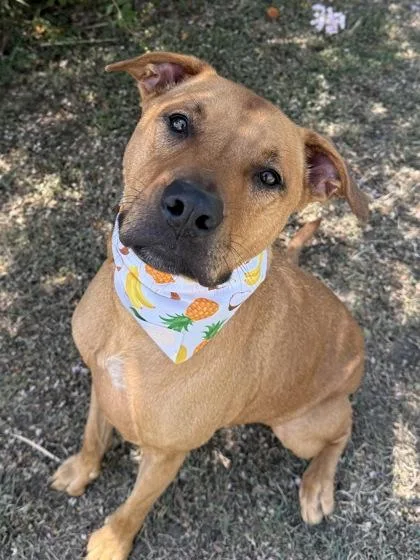
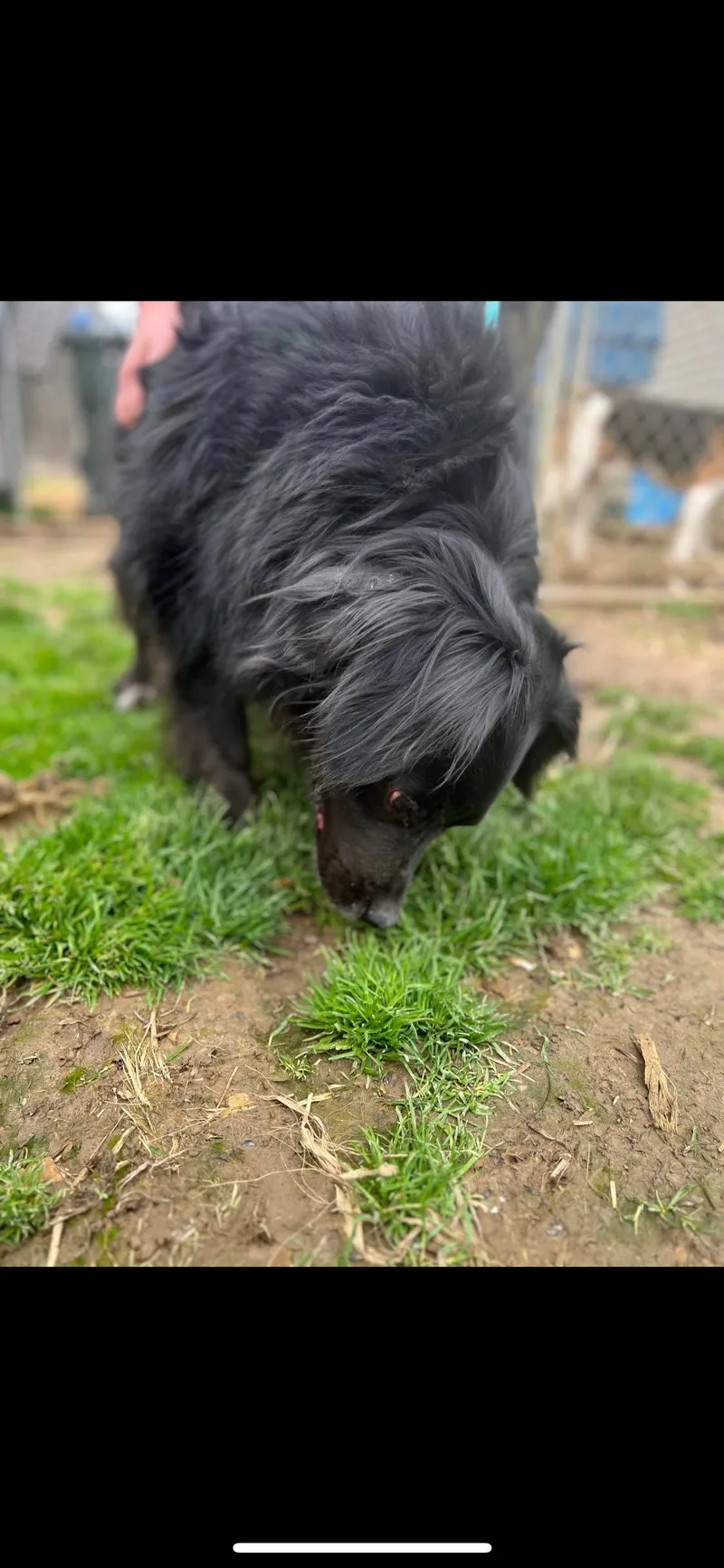
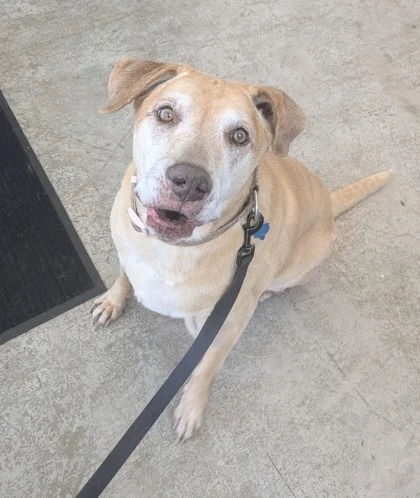
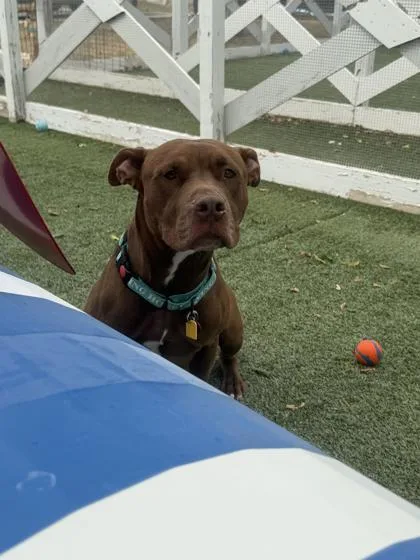
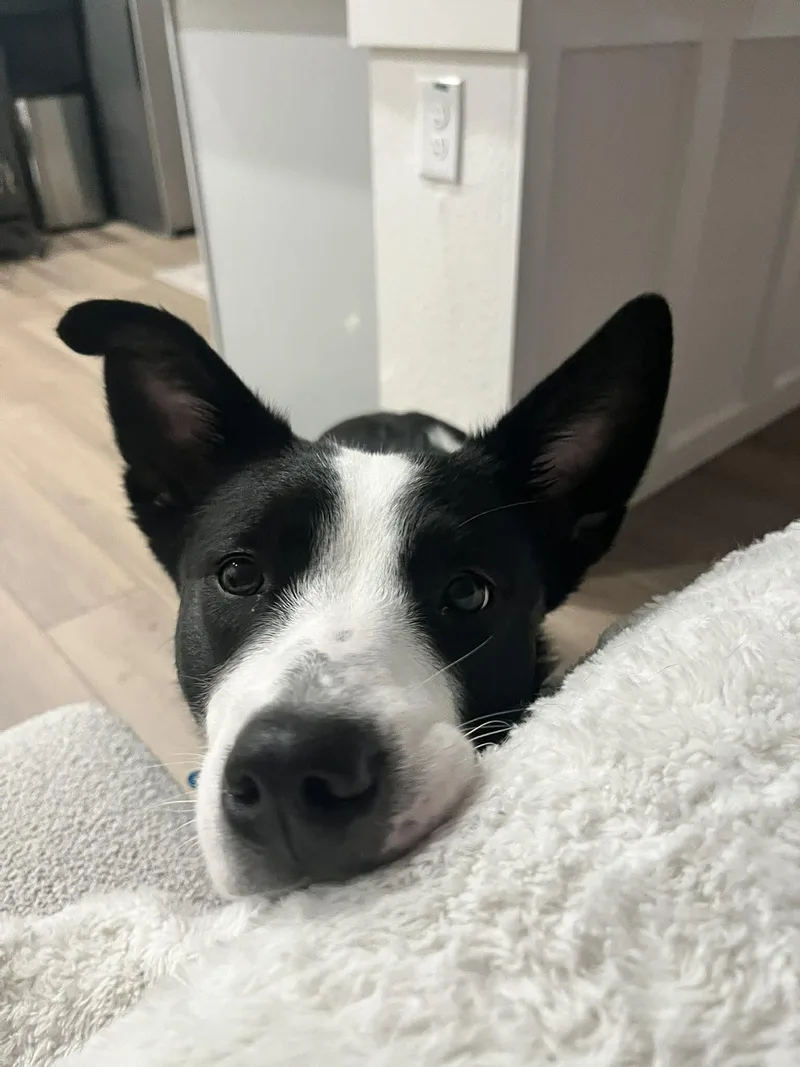
Retriever Dogs for Adoption in Fort Worth, TX

Your guide to finding and caring for a Retriever in Fort Worth

Retriever-type dogs fit well in Tanglewood, where winding streets and a shaded park trail make easy loops for a daily walk. On weekends, Trinity Park's paths along the Clear Fork are another leashed option closer to downtown. Most listings are Lab or Golden mixes, so size and energy vary from dog to dog. They're social and will greet every neighbor, which is part of the charm. Plan on a cool spot indoors for the long Fort Worth summer, and plenty of fetch.

913 Retrievers available in Fort Worth and nationwide

Bring home a Retriever mix

Retrievers Available for Adoption Near Fort Worth

About the Retriever breed

Retriever isn't one breed but a family of gun dogs developed to find shot birds and carry them back gently. On adoption listings the word most often means a Labrador or Golden Retriever mix, or a dog with that look and unknown ancestry. Most weigh 50 to 80 pounds and have a water-resistant double coat that sheds moderately to heavily.

These dogs are usually sociable and food-motivated, and happiest with a job like fetching, swimming or scent games. Expect a bouncy adolescence and a steady supply of hair on the furniture. Because ancestry varies, what you see of a dog's actual behavior tells you more than the label does, and a veterinarian can help estimate age and a healthy weight after adoption.

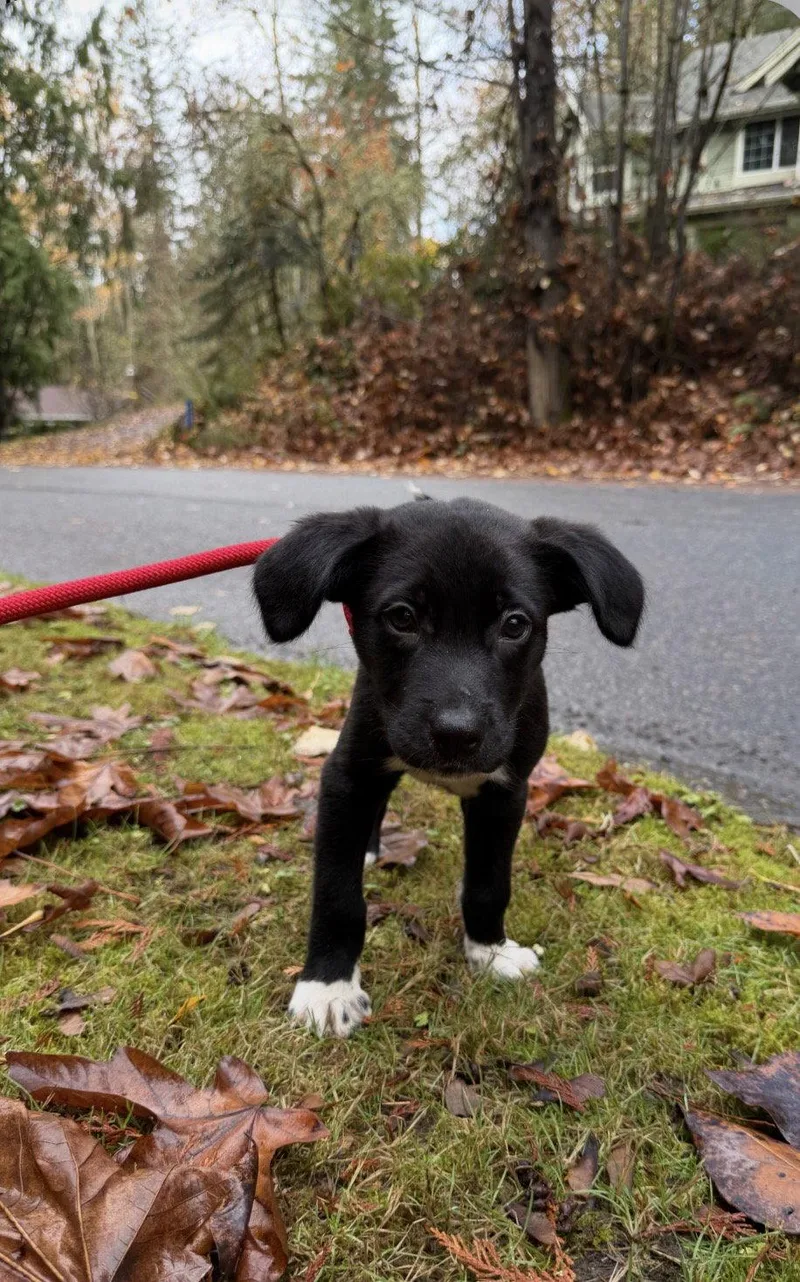
Weight
50–80 lbs
Height
20–25 in
Lifespan
10–14 yrs
Temperament
Friendly, Outgoing, Active
Group
Sporting
Shedding
Moderate to High

Owning a Retriever in Fort Worth

Having a Retriever in Fort Worth

Retriever is a type rather than a single breed, so these cards describe tendencies across Labrador and Golden-style dogs: stamina, a love of carrying things and a thick coat. Fort Worth adds heat, storms and a few local rules to plan around.

Temperament

Retriever-type dogs are usually friendly and eager to please, which suits busy sidewalks and neighborhood dog parks. Young ones can be mouthy and bouncy around small children. Most respond well to treats and praise. Each dog differs, so watch how a dog reacts to new people and loud noises rather than relying on the label.

Exercise Needs

Plan on an hour or more of vigorous activity a day, such as brisk walks, fetch and training games. Fort Woof and ZBonz offer fenced off-leash space for running, and scent games or a food puzzle help tire out the mind. In summer, shift outings to dawn or after dark.

Health Considerations

Hips, elbows, ears, skin allergies and weight are the usual concerns, and some dogs carry inherited eye disease or a higher cancer risk. Fort Worth's long warm season makes year-round flea, tick and heartworm prevention worth discussing with a veterinarian. Dry floppy ears after swimming, and keep the dog lean to protect joints.

Living Space

A retriever can live in a Fort Worth house or apartment if exercise happens reliably, though a securely fenced yard makes play easier. These dogs want to be indoors with their people, not left outside all day. Plan for shed hair, a sweeping tail at table height and a dog who delivers every shoe.

What it costs to own a Retriever in Fort Worth

ExpenseTypical costPer year
Adoption fee$400, one time$400 in year one
Food$55 to $110 per month$660 to $1,320
Pet insurance$55 to $110 per month$660 to $1,320
Routine vet care$250 to $500 per year$250 to $500
Other*$575 to $1,450 per year$575 to $1,450
Estimated yearly total (after year one)$2,145 to $4,590
First-year total (with adoption fee)$2,545 to $4,990

Adoption fee is the fee on Retriever listings in Fort Worth on GetBuddy today. Other costs are estimates and vary with size, age and health.

* Flea, tick and heartworm prevention, a dental cleaning allowance, toys and bedding, and brushing and baths for a shedding coat.

Adopt a Retriever in Fort Worth.

Now that you know more, let’s find you a new best friend. These rescues and shelters below currently have Retrievers available.

Frequently Asked Questions

Yes, you can own a Retriever in Fort Worth, and the city has no breed-specific rules. At home, a fence at least 48 inches high is required, and 60 inches is wiser for a big, athletic dog. Tethering a dog unattended is banned, and frequent, long-continued barking can count as a noise violation, so plan for exercise and company.

Yes, most can, with planning. Fort Worth summers are long and hot with warm nights, so walk at dawn or after dark and keep pavement time short. Provide shade, fresh water and air conditioning indoors; Texas law requires shade and water for dogs left outside, and a parked car is never safe. Heavy panting or stumbling needs a veterinarian.

Fort Woof in Gateway Park and ZBonz on West Camp Bowie Boulevard are the best fits, with fenced off-leash space and, at ZBonz, two ponds. Fort Woof closes Thursdays and ZBonz closes Wednesdays, and neither allows food. For leashed hikes, the Fort Worth Nature Center & Refuge welcomes dogs for $2.

Yes, if the daily exercise happens reliably. A retriever-type dog wants an hour or more of activity plus company, and a bored dog may bark or chew. That matters with shared walls, since frequent, long-continued barking is a violation in Fort Worth. Look for easy access to green space, and expect shed hair on carpet.

Not as a typical pet. Trinity Metro buses and TEXRail allow pets only in approved carriers that don't block the aisle, and a 50-to-80-pound Retriever won't fit in one. Service animals are treated differently. Fort Worth has no subway, so plan on a car or on walking for outings with a large dog.

Possibly, on outdoor patios only. Texas law lets a restaurant welcome dogs in an outdoor dining area if it posts a visible dogs-welcome sign, but it's the restaurant's choice. Your Retriever must stay leashed and under control, off seats and tables, and out of the interior. Only service animals may go inside.

Plan on brushing a few times a week, and daily during heavy sheds in spring and fall, with a bath every month or two as needed. Avoid shaving the double coat, since it also helps with heat. Home brushing costs little, and the cost table's Other line covers grooming alongside prevention and dental care.

Most retriever-type dogs live about 10 to 14 years, with some reaching 15. Retriever is a type label rather than one breed, so mixes and different retriever breeds vary. Keeping a retriever lean, staying current on veterinary checkups all support a longer, more comfortable life.

We have 3 rescues with Retrievers available: Saving Hope Animal Rescue Fund, Ace’s Place All Dog Rescue Inc. and TAO Animal Rescue ( The Abandoned Ones). You can see every rescue with Retrievers available in the list above these questions, or scroll to the top to see the Retrievers near Fort Worth.

Expect roughly $2,150 to $4,600 a year for a retriever-type dog in Fort Worth, covering food ($55 to $110 a month), insurance ($55 to $110 a month), routine vet care ($250 to $500 a year) and other costs ($575 to $1,450 a year). Larger, heavier-coated dogs land toward the top, and illness or emergencies cost extra.