German Longhaired Pointer Dogs for Adoption in Fort Worth, TX

Your guide to finding and caring for a German Longhaired Pointer in Fort Worth

German Longhaired Pointers suit Fort Worth households with a fenced yard and a habit of getting outside. In Tanglewood or Wedgwood, with their single-story ranch houses and winding streets, one of these dogs can burn off energy on a morning walk and settle on the couch by evening. They're rare in the US, so listings don't come along often. Summer heat shapes the routine, with walks at dawn when it's coolest.

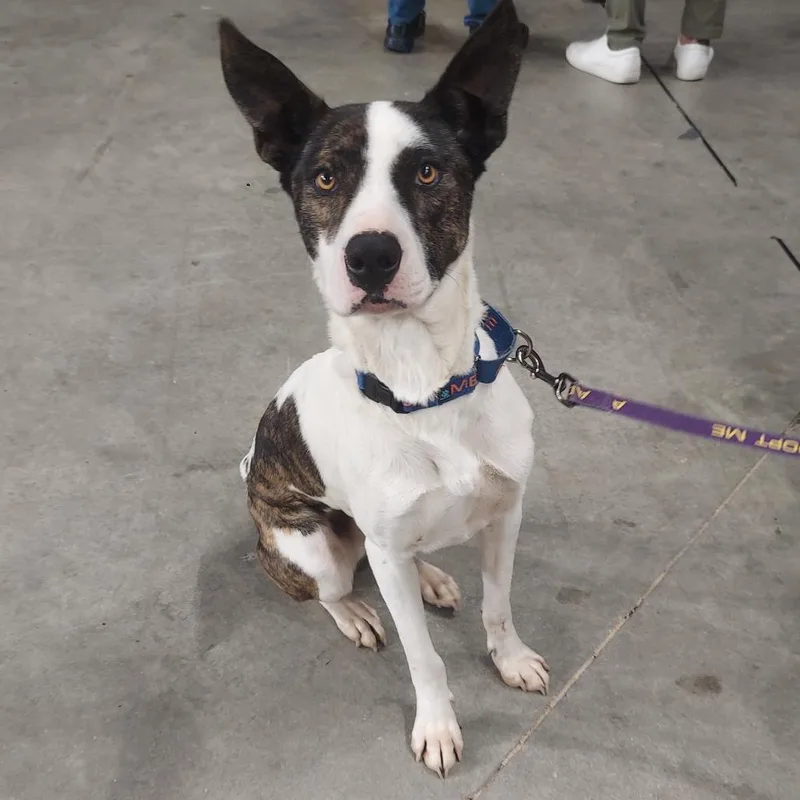
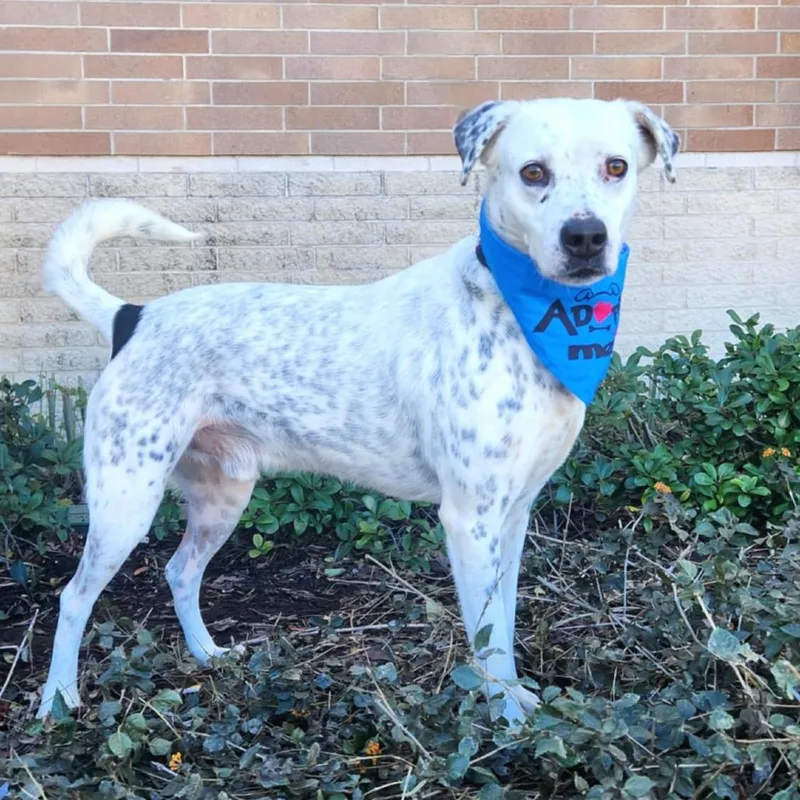
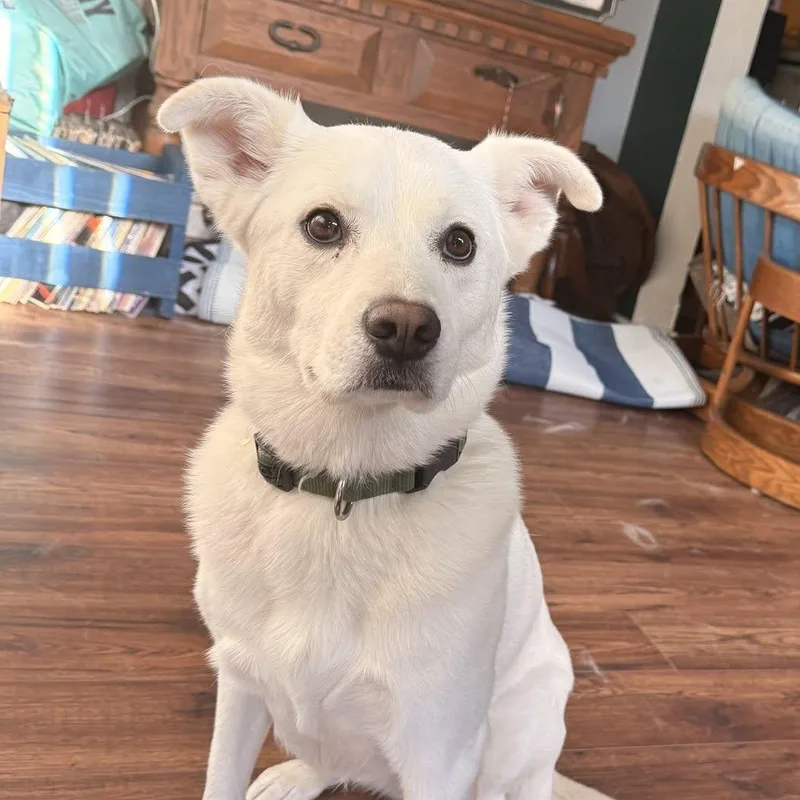
513 dogs similar to German Longhaired Pointer available in Fort Worth and nationwide

Meet your German Longhaired Pointer

German Longhaired Pointers and Similar Breeds Available for Adoption Near Fort Worth

About the German Longhaired Pointer breed

The German Longhaired Pointer is a versatile gun dog developed in Germany from the late 1800s to point game, track wounded animals and retrieve on land and from water. Adults are muscular and athletic, usually 55 to 80 pounds, with a medium-length coat that is longer on the ears, chest, legs and tail, in solid brown, brown with white, or roan.

At home many are calm, affectionate and close to their people, then turn keen and tireless outdoors. In Fort Worth that means a daily outlet for the nose and legs, secure fences, and care around cats and small animals. Coat care is modest, though the feathering collects burrs and the long ears need regular checks. Dogs vary, so get to know each one.


Weight
55–80 lbs
Height
23–28 in
Lifespan
12–14 yrs
Temperament
Affectionate, Energetic, Intelligent
Group
Sporting
Shedding
Moderate

Owning a German Longhaired Pointer in Fort Worth

Having a German Longhaired Pointer in Fort Worth

A German Longhaired Pointer pairs a gentle house manner with a hunter's stamina. In Fort Worth, the big questions are whether you can give it daily exercise, a secure fence and shade, and enough company during the day.

Temperament

Many German Longhaired Pointers are sweet, even-tempered and devoted, though dogs vary. They're smart but sensitive, and many dislike long days alone, which matters for Fort Worth commuters. Prey drive can kick in around squirrels, armadillos and neighborhood cats, so a sturdy leash and a closed gate matter on every outing.

Exercise Needs

Plan on vigorous daily exercise: long walks, runs or fetch. Fort Woof and ZBonz offer off-leash room, and leashed dogs are welcome at the Fort Worth Nature Center & Refuge for a $2 dog admission. Add scent games or training for mental work, and keep warm-weather outings to early morning.

Health Considerations

Hip dysplasia, bloat and ear infections are reported in the breed, and eye screening for progressive retinal atrophy is often advised. Fort Worth's long warm season makes weekly ear checks worth it, especially after swimming or muddy trails. Year-round parasite prevention and measured meals are worth discussing with your veterinarian.

Living Space

A house with a securely fenced yard suits this breed best. Fort Worth's code requires a fence at least 48 inches high, and 60 inches is recommended for large, athletic dogs like this one. Apartment life works only if daily exercise is fully covered, and many dogs will struggle otherwise.

What it costs to own a German Longhaired Pointer in Fort Worth

ExpenseTypical costPer year
Adoption fee$75, one time$75 in year one
Food$55 to $110 per month$660 to $1,320
Pet insurance$55 to $110 per month$660 to $1,320
Routine vet care$250 to $500 per year$250 to $500
Other*$590 to $1,490 per year$590 to $1,490
Estimated yearly total (after year one)$2,160 to $4,630
First-year total (with adoption fee)$2,235 to $4,705

Adoption fee is the fee on German Longhaired Pointer listings in Fort Worth on GetBuddy today. Other costs are estimates and vary with size, age and health.

* Flea, tick and heartworm prevention, a dental cleaning allowance, toys and bedding, and brushing, baths and ear care for a feathered coat.

Adopt a German Longhaired Pointer in Fort Worth.

Now that you know more, let’s find you a new best friend. These rescues and shelters below currently have German Longhaired Pointers available.

Frequently Asked Questions

A German Longhaired Pointer can be a good fit for Fort Worth if you have a fenced yard, enjoy daily outdoor time and are home a fair amount. The city's parks and mild spring and fall days help. The hot summers mean dawn walks and indoor rest, so it's a tougher match for people with long workdays away from home.

Yes. Fort Worth has no breed-specific rules, so a German Longhaired Pointer is treated like any other dog, by behavior. Plan for a fence at least 48 inches high, with 60 inches better for an athletic dog, leashed walks off your property, and no unattended tethering. The city's microchip and vaccination rules apply to every dog.

Fort Woof in Gateway Park and ZBonz on West Camp Bowie Boulevard are the best off-leash options, and ZBonz has two ponds. Dogs need current rabies tags, puppies under four months aren't allowed, and each park closes one weekday. For leashed hikes, try the Fort Worth Nature Center & Refuge, where dogs pay $2.

Yes, with care. Fort Worth summers are long and hot, with warm nights, so a German Longhaired Pointer needs dawn walks, shade, fresh water and cool indoor rest. Never leave the dog in a parked car. Heavy panting, drooling or lagging behind on a walk are signs to stop, move to shade and cool the dog down.

Not realistically. Trinity Metro buses and TEXRail allow only service animals and pets in approved carriers that don't block the aisle, and a German Longhaired Pointer at 55 to 80 pounds won't fit in one. Plan on car travel for park trips and vet visits.

Only to outdoor patios, and only where the restaurant chooses to allow dogs. Texas law requires a visible dogs-welcome sign, a leash, and keeping the dog off seats and tables and out of the interior. Look for the sign before sitting down. A calm, well-exercised dog does best, since patio crowds and food smells can test a keen nose.

The German Longhaired Pointer is a large, versatile gun dog from Germany, developed to point, track and retrieve game on land and in water. It is muscular and athletic, with a medium-length brown or roan coat that is longer on the ears, legs and tail. Calm and affectionate at home, it becomes a keen, tireless hunter outdoors.

The German Longhaired Pointer comes from Germany, where it was developed from the late 1800s from older longhaired hunting dogs. Its modern standard dates to 1897, and it was recognized internationally in 1954. It remains best known in Germany and elsewhere in Europe, and it is still rare in the United States, where it is used both as a hunting companion and a family dog.

We have 1 rescue with German Longhaired Pointers available: Pet Connectors. You can see every rescue with German Longhaired Pointers available in the list above these questions.

Expect roughly $55 to $110 a month for food and $55 to $110 for insurance, plus $250 to $500 a year for routine vet care and $590 to $1,490 for other costs like parasite prevention, dental care and coat care. That comes to about $2,160 to $4,630 a year. Adoption fees depend on the listing.

Find German Longhaired Pointers in Nearby Cities

Expand your search to find German Longhaired Pointers available for adoption near Fort Worth.