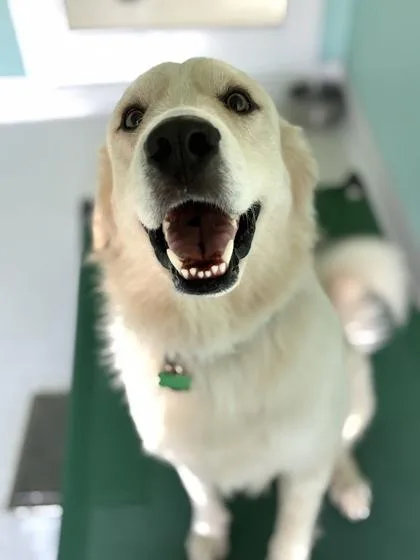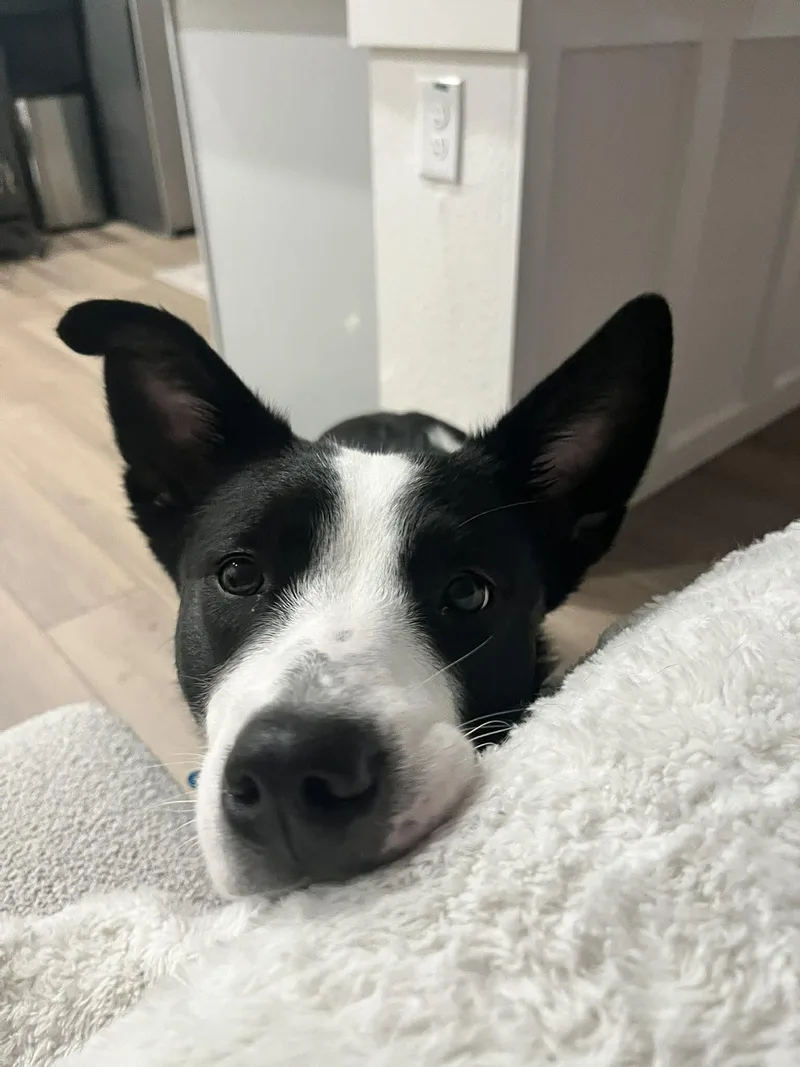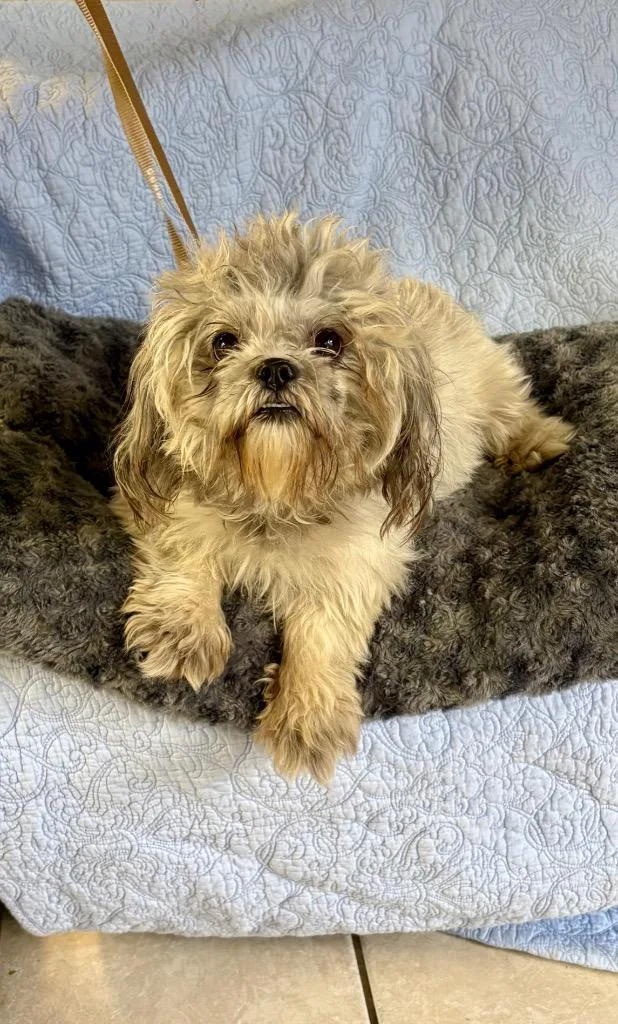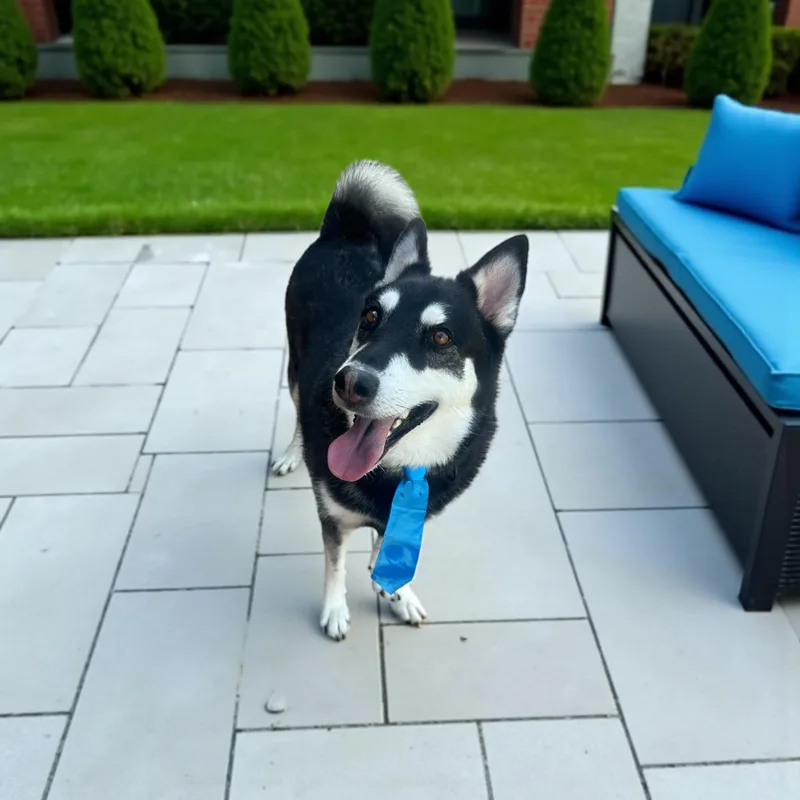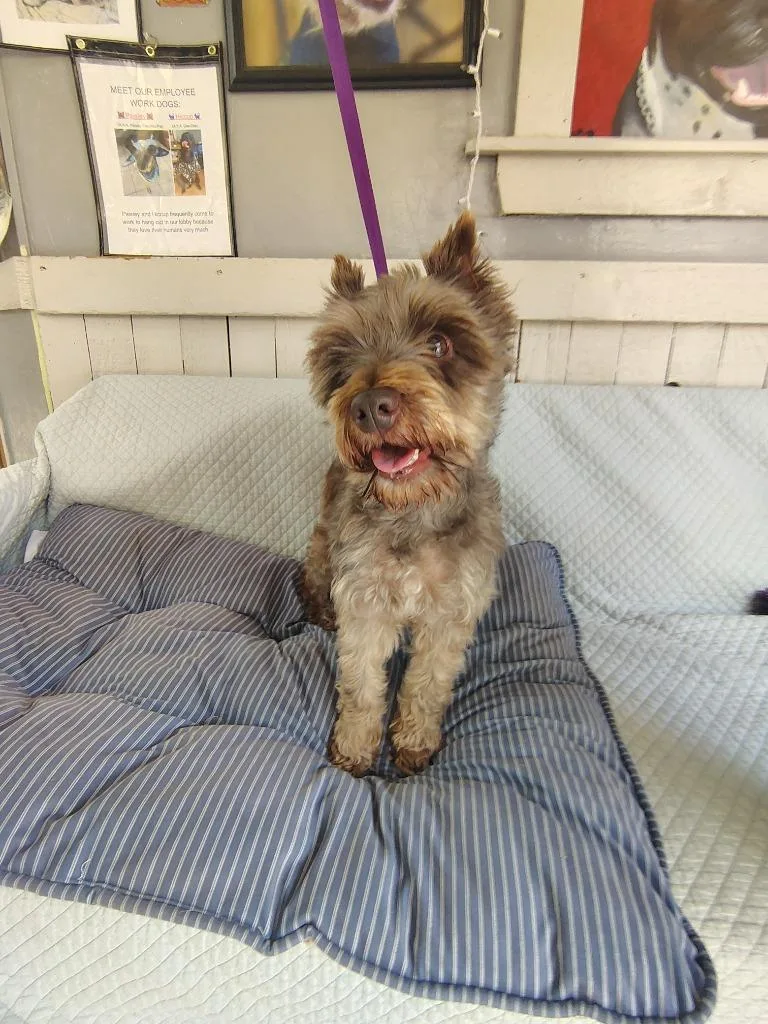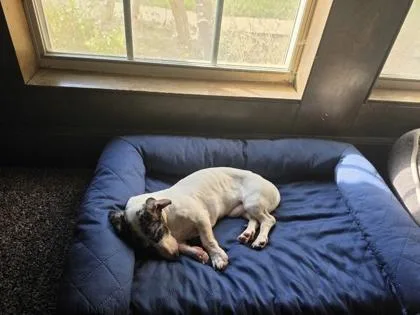
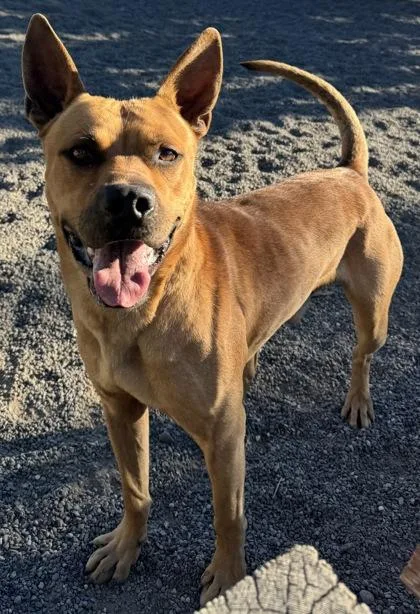
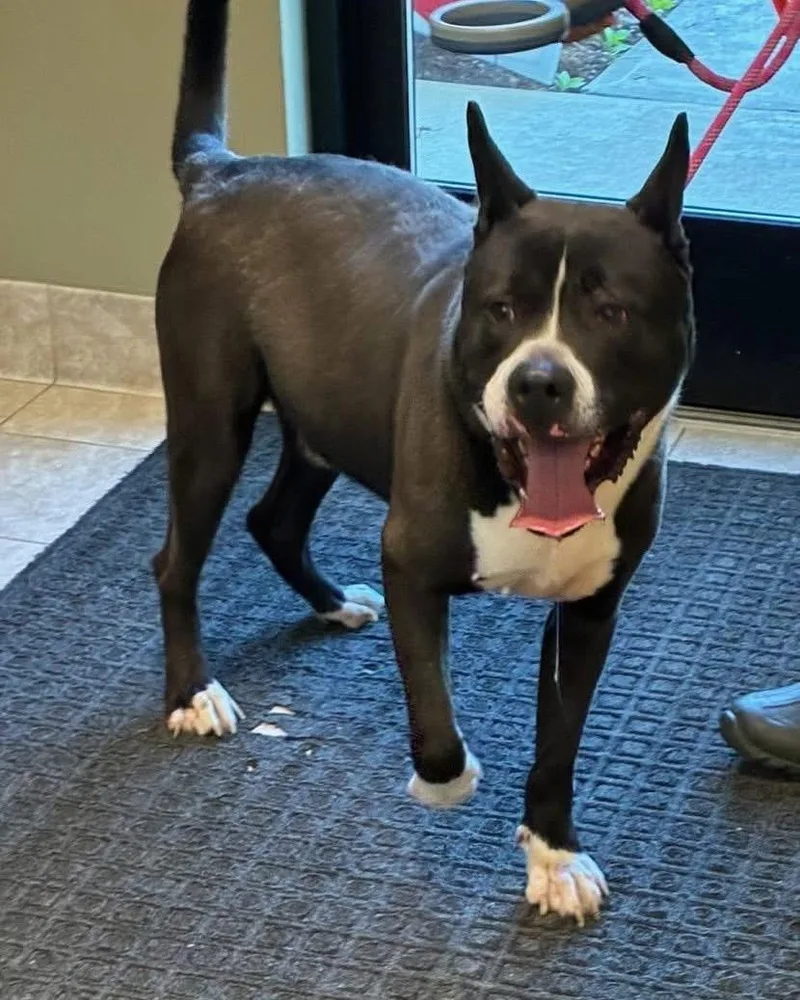

Akita dog

Akita Dogs for Adoption in Fort Worth, TX

Your guide to finding and caring for an Akita in Fort Worth

Akitas fit well in Fort Worth neighborhoods like Tanglewood and Wedgwood, where mostly single-story ranch houses leave room for a fenced yard. A fence of five feet or more is smart for a dog this size, and it gives an Akita a private place to patrol instead of a crowded dog park. Most are happiest with quiet evening walks on those residential streets and a cool floor indoors once the summer heat settles in. They're devoted to their own people and reserved with everyone else.

452 Akitas available in Fort Worth and nationwide

Your Akita is waiting

Akitas Available for Adoption Near Fort Worth

About the Akita breed

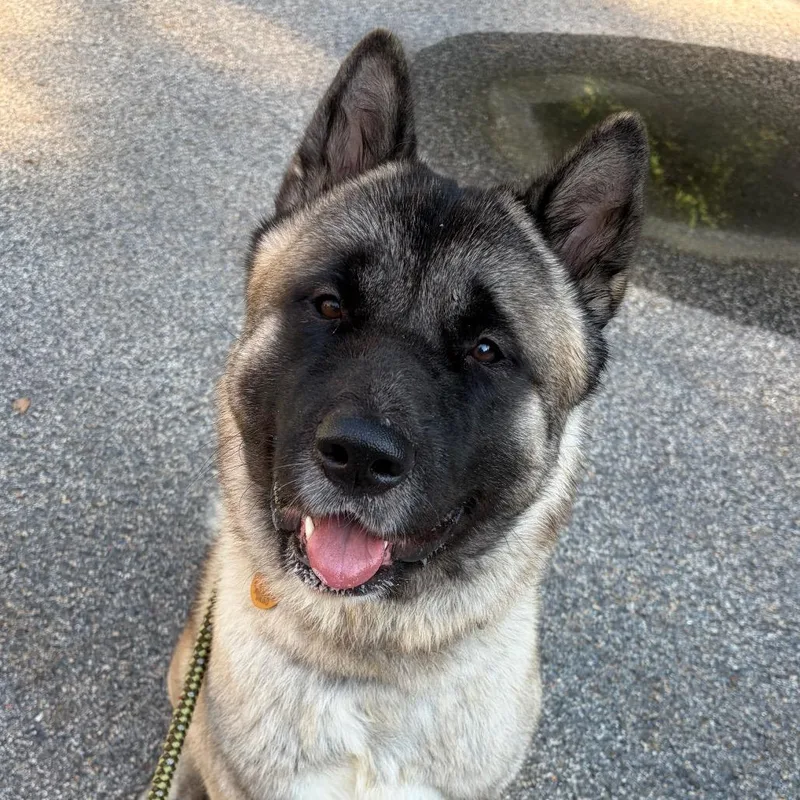
Akitas come from the mountains of northern Japan, where spitz-type dogs hunted bear and boar before guarding estates. The American type is the heavier one, with a broad head, small upright ears, a plush double coat and a tail curled over the back. Males can reach 130 pounds, while females are often 70 to 100.

Many Akitas are quiet, dignified and fiercely loyal to their own people, yet wary of strangers. Some don't get along with other dogs, especially of the same sex, so careful introductions matter. Expect heavy shedding twice a year and a dog that does best with patient, consistent training and a secure fence. Dogs vary, so spend time with the Akita you're considering.

Weight
70–130 lbs
Height
24–28 in
Lifespan
10–14 yrs
Temperament
Loyal, Dignified, Protective, Independent
Group
Working
Shedding
High

Owning an Akita in Fort Worth

Having an Akita in Fort Worth

Akitas pair quiet loyalty with real strength, so the match matters more than the looks. In Fort Worth, a secure fence, a plan for summer heat and a calm, steady household count most.

Temperament

Akitas are usually calm and affectionate with family and watchful with strangers. Many dislike other dogs, especially of the same sex, and some chase small animals. In a busy city, that means steady leash manners and calm introductions. They're smart but independent, so consistent, reward-based training works best, and each dog's personality differs.
Exercise Needs

Plan on moderate daily exercise: brisk leashed walks, sniffing time and play in a fenced yard. In Fort Worth's summers, walk at dawn or after dark and skip midday pavement. Most Akitas aren't dog-park dogs, so quiet streets and city trails suit them better. Short training sessions help keep their minds busy.

Health Considerations

Akitas can develop hip dysplasia, hypothyroidism, bloat and immune-related skin and eye conditions, so regular veterinary checks matter. Fort Worth's long warm season makes flea, tick and heartworm prevention worth reviewing with a veterinarian, who can also look over a new dog's records and explain Akita-specific blood test quirks.

Living Space

Akitas can manage a house or an apartment if they get daily exercise, but their size and wariness of strangers make busy hallways harder. Fort Worth's ranch-house neighborhoods suit them, especially with a fence of five feet or more. They belong indoors with the family, with a cool spot to rest.

What it costs to own an Akita in Fort Worth

ExpenseTypical costPer year
Adoption fee$350, one time$350 in year one
Food$55 to $110 per month$660 to $1,320
Pet insurance$65 to $130 per month$780 to $1,560
Routine vet care$250 to $500 per year$250 to $500
Other*$590 to $1,490 per year$590 to $1,490
Estimated yearly total (after year one)$2,280 to $4,870
First-year total (with adoption fee)$2,630 to $5,220

Adoption fee is the fee on Akita listings in Fort Worth on GetBuddy today. Other costs are estimates and vary with size, age and health.

* Flea, tick and heartworm prevention, a dental cleaning allowance, toys and bedding, brushing and baths for heavy seasonal coat blowouts, and a city license only if the dog isn't microchipped.

Adopt an Akita in Fort Worth.

Now that you know more, let’s find you a new best friend. These rescues and shelters below currently have Akitas available.

Frequently Asked Questions

It can be, for the right household. An Akita does best in a Fort Worth home with a securely fenced yard, someone around for a good part of the day, and no other dogs it dislikes. Summer heat means early and late walks and a cool indoor spot. Adopters wanting a social dog-park companion may prefer a different breed.

Quiet leashed routes beat dog parks for most Akitas. Heritage Park's bluff above the river, Lake Como Park and the Fort Worth Nature Center & Refuge, where leashed dogs pay $2, all offer room to walk. Fort Woof and ZBonz allow off-leash play, but an Akita that dislikes other dogs is usually better off skipping them.

Plan on brushing weekly, and daily during the two heavy coat blowouts each year, often in spring and fall. Baths are only needed occasionally. Never shave the double coat in summer heat, because it helps insulate against warmth too. Brushing supplies and the occasional professional bath fall under the yearly Other costs shown in the cost table.

Generally no. Trinity Metro buses and TEXRail allow pets only in approved carriers that don't block the aisle, and an Akita weighing 70 to 130 pounds won't fit in one. Only service animals ride without a carrier. Plan on car travel for vet visits and outings, and get the dog comfortable with car rides early.

Yes, if the lease allows it and the dog gets daily exercise. Choose a ground-floor unit or one near an elevator, since a big, wary dog is easier to manage with fewer neighbors in the hallway. Plan dawn and late-evening walks in summer, and expect shedding to need frequent vacuuming.

Only to outdoor patios, and only where the restaurant chooses to allow dogs. Texas law requires a posted "dogs welcome" sign, a leash, and keeping the dog off seats and tables. Because many Akitas are wary of strangers and other dogs, a quiet off-peak patio table is a better bet than a busy one.

An Akita is a large, powerful spitz-type dog from northern Japan, known for its plush double coat, upright ears and tail curled over the back. In the United States, the Akita is the heavier American type, while the lighter Japanese Akita Inu is now registered separately. Many Akitas are devoted to their family, reserved with strangers and selective about other dogs.

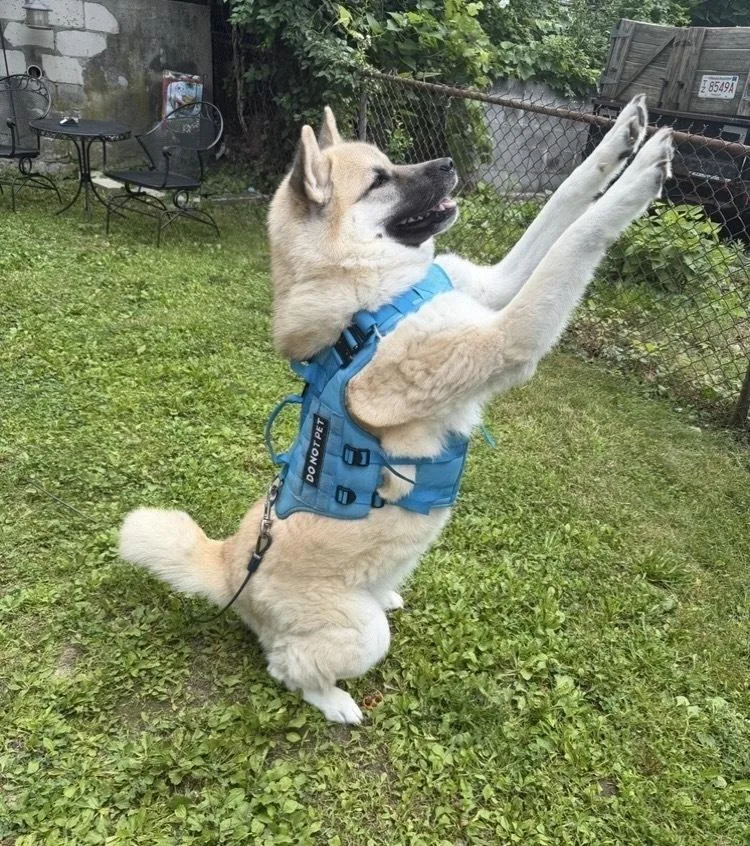
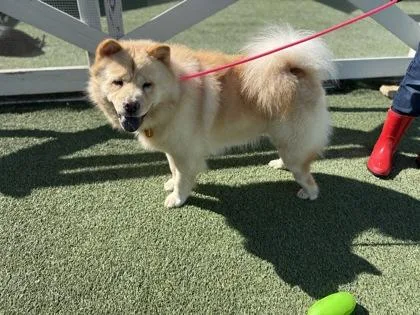
An Akita is a big, heavy-boned dog with a broad, bear-like head, small deep-set eyes and thick triangular ears that stand upright. Its dense double coat is about two inches long, and its full tail curls over the back. American-type Akitas come in almost any color, including white, brindle and pinto, often with a dark mask.

We have 1 rescue with Akitas available: Mutts N Such Rescue. You can see every rescue with Akitas available in the list above these questions, or scroll to the top to see the Akitas near Fort Worth.

Expect food around $55–$110 a month and insurance around $65–$130 a month. Routine vet care runs about $250–$500 a year, and other costs such as parasite prevention, dental care and coat grooming add $590–$1,490 a year. A large body and heavy seasonal shedding can push an Akita toward the higher end.

Find Akitas in Nearby Cities

Expand your search to find Akitas available for adoption near Fort Worth.