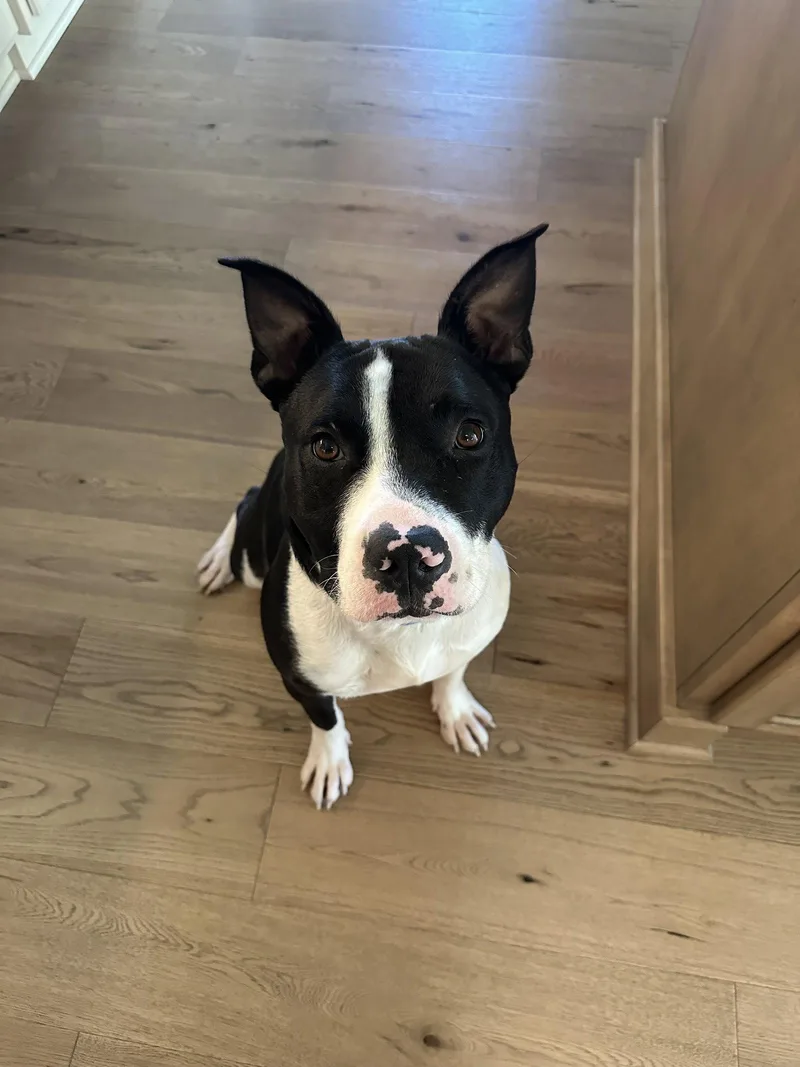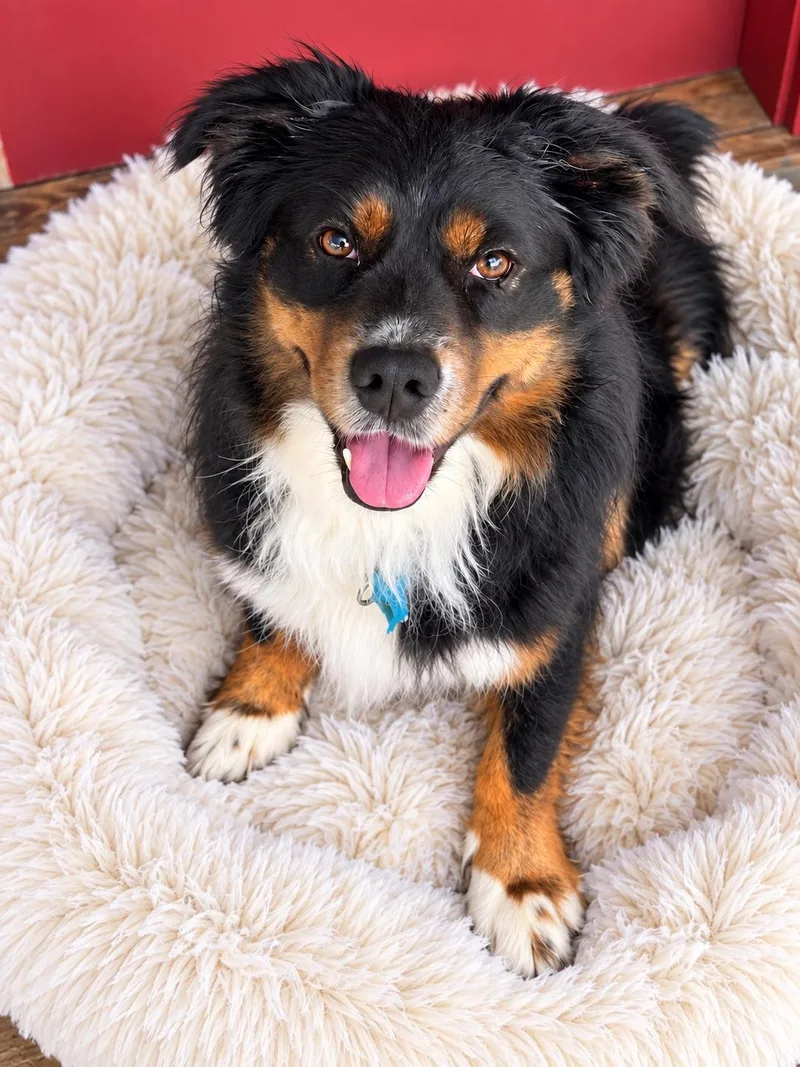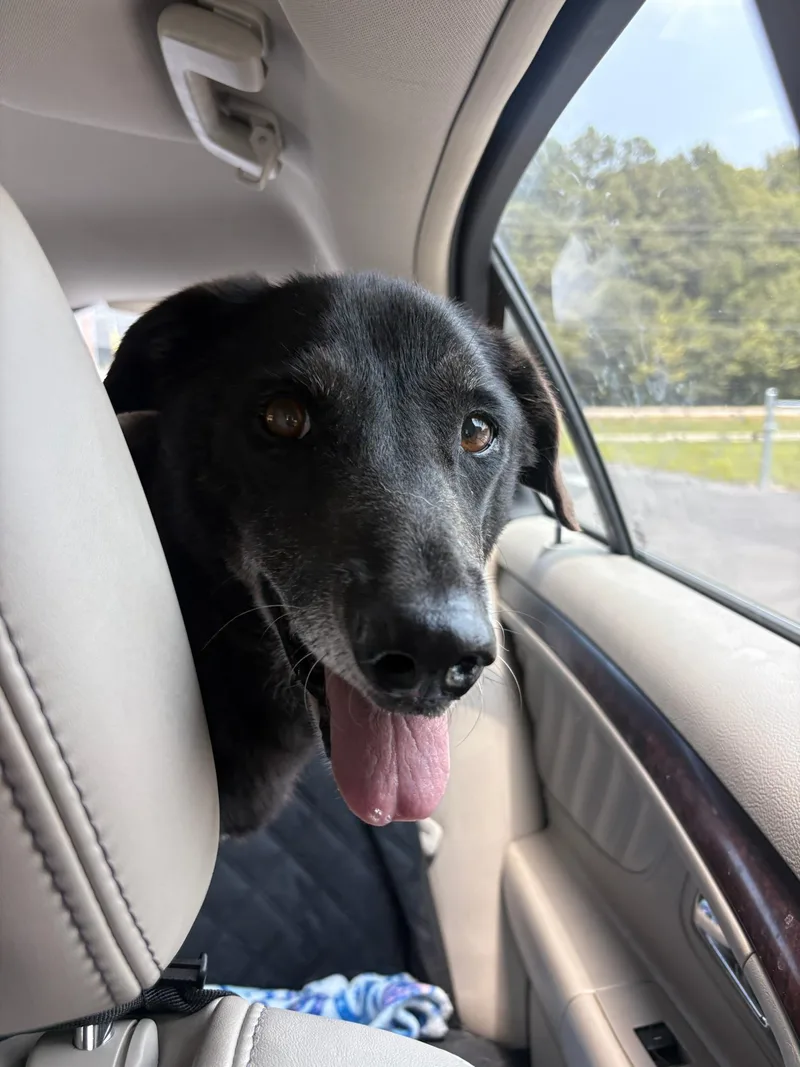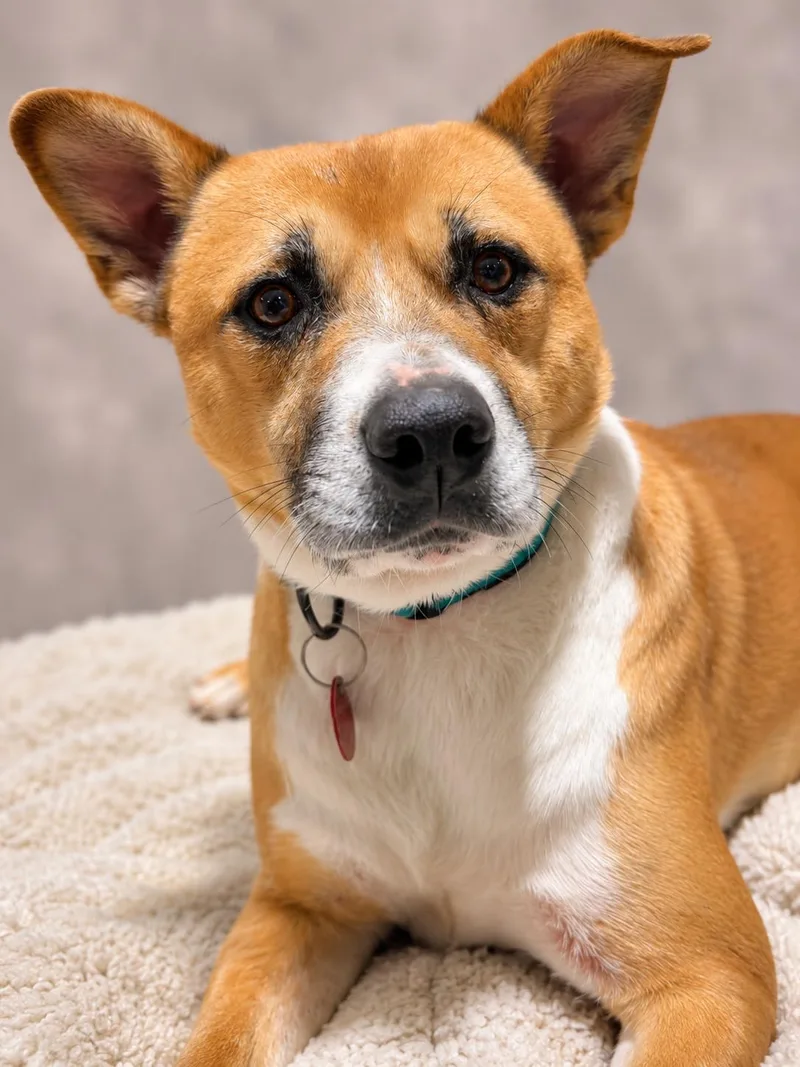
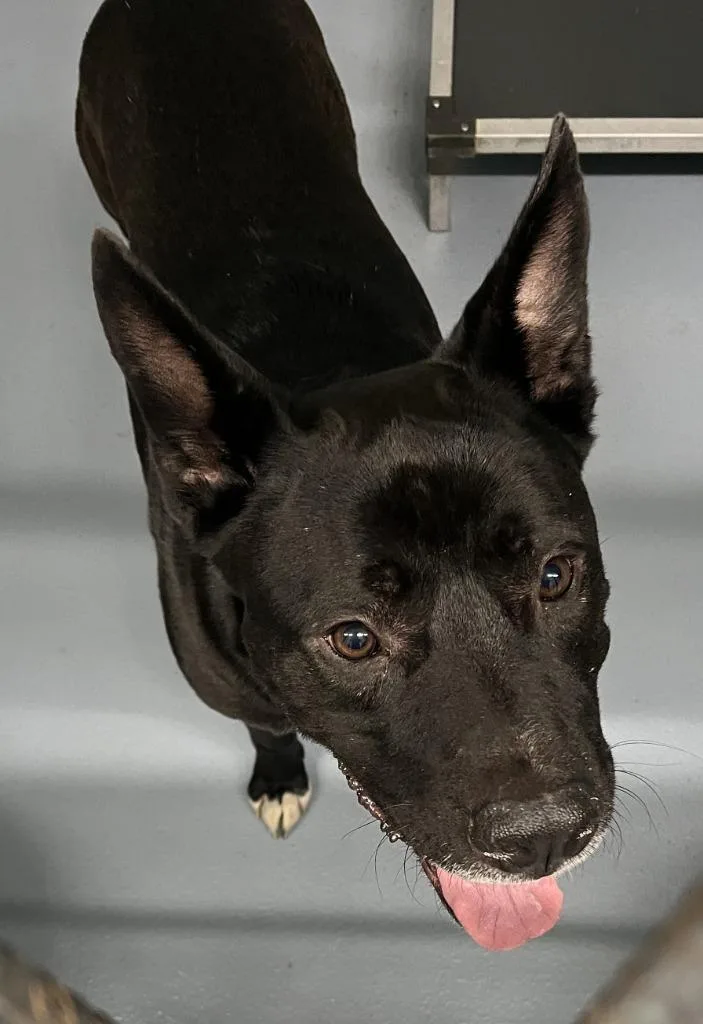
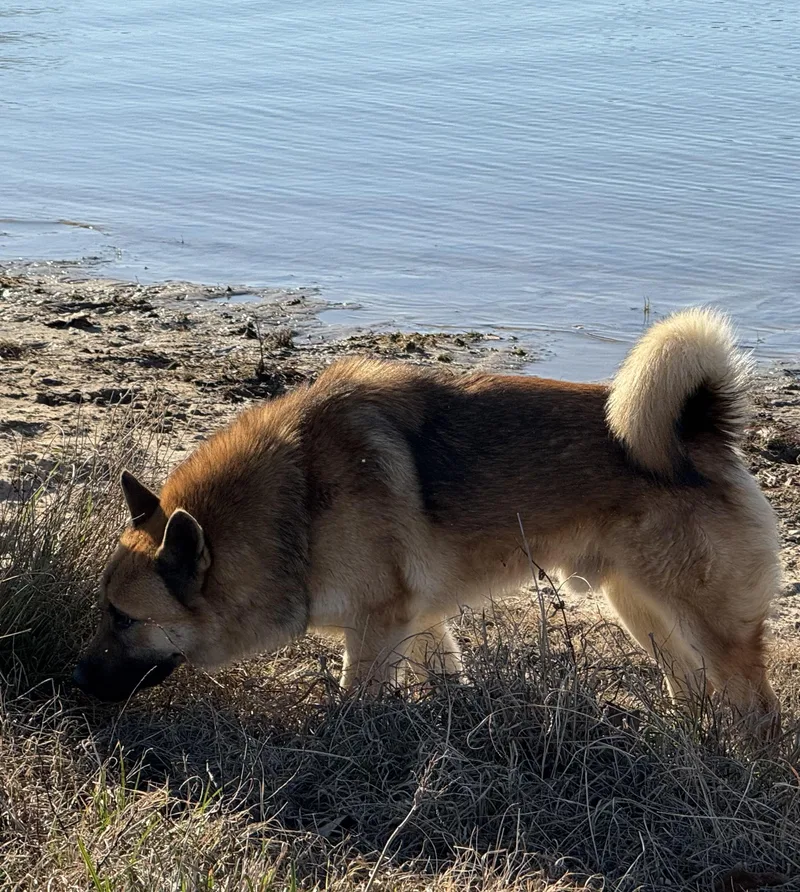
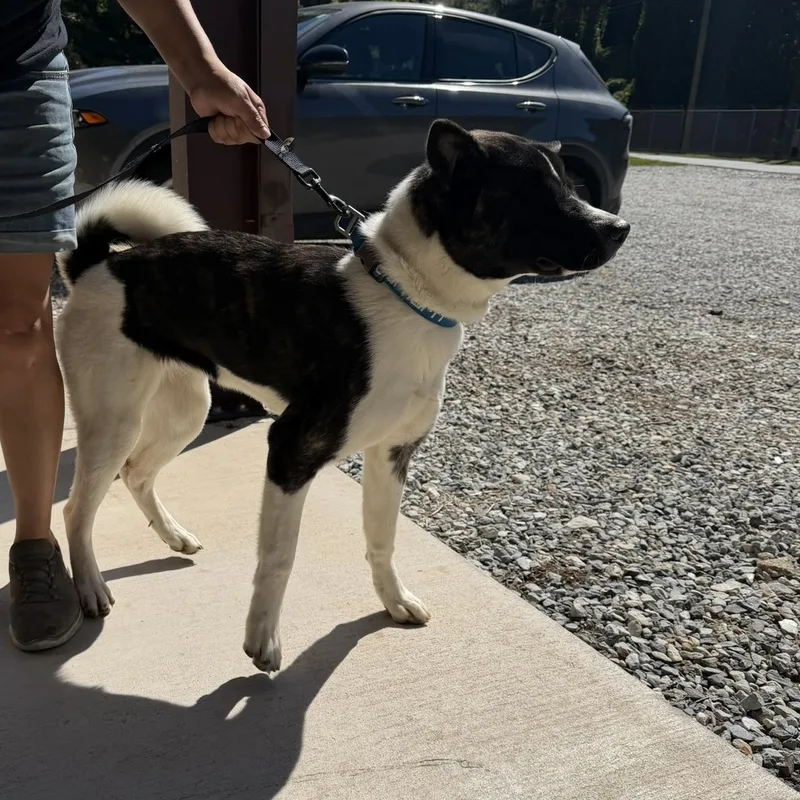

Akita dog

Akita Dogs for Adoption in Nashville, TN

Your guide to finding and caring for an Akita in Nashville

An Akita fits Nashville best in a quiet home with a fenced yard, like the brick ranch houses of Donelson or the farmhouses around Joelton. Akitas are calm indoors and devoted to their own people, but they're wary of strangers and often don't get along with other dogs, so crowded sidewalks take some planning. A leashed walk along the greenway by the Stones River gives them a steady outlet. Summer humidity is the thing to plan around, so a shaded yard and a cool living room matter.

466 Akitas available in Nashville and nationwide

Your Akita is waiting

While we don't have enough dogs near Nashville, keep in mind that many rescues may offer transport.

Akitas Available for Adoption Near Nashville

About the Akita breed

The Akita began in the snowy mountains of northern Japan, where spitz-type dogs hunted bear, boar and serow before later guarding estates. The American-type Akita is the heavier, bear-headed version, with a broad head, small upright ears, a plush double coat and a large tail curled over the back. Males can reach 130 pounds, while females often run 70 to 100.

Many Akitas are quiet, dignified and fiercely loyal, though reserved with visitors and sometimes intolerant of other dogs, especially of the same sex. That makes careful introductions and training a bigger part of daily life than their looks suggest. The coat blows out heavily twice a year, so plan on regular brushing, a good vacuum and patient, consistent, reward-based training.

Weight
70–130 lbs
Height
24–28 in
Lifespan
10–14 yrs
Temperament
Loyal, Dignified, Protective, Independent
Group
Working
Shedding
High

Owning an Akita in Nashville

Having an Akita in Nashville

Akitas pair a big, powerful frame with a quiet, independent nature. In Nashville, the biggest everyday factors are the heavy coat in humid summers, selective tolerance of other dogs, and the room a large dog needs at home.

Temperament

Akitas tend to be affectionate and calm with family but reserved, even suspicious, with strangers, and many dislike other dogs, especially of the same sex. They're clever but independent, so consistent, reward-based training works best. In Nashville, expect to manage greetings on busy greenways and at the door, since Akitas vary widely in how they handle company.
Exercise Needs

Most Akitas need moderate exercise: a brisk daily walk, sniffing time and play in a securely fenced yard. Leashed greenways, where Nashville limits leashes to 6 feet, suit them better than crowded off-leash dog parks. Walk early or late in summer, and skip creekside trails after heavy rain.

Health Considerations

Akitas can develop hip dysplasia, hypothyroidism, bloat and immune-related skin and eye conditions, and their blood naturally holds more potassium, which can confuse lab results. Ticks, fleas and mosquitoes are active in Nashville's warm months, so keep prevention current and have a veterinarian review records and run baseline checks.

Living Space

An Akita can adapt to an apartment or a house if it gets daily exercise, but its size and wariness of strangers make busy hallways and elevators harder. A securely fenced yard helps a lot. It should live indoors with its family, with a cool spot for summer, and heavy shedding means frequent vacuuming.

What it costs to own an Akita in Nashville

ExpenseTypical costPer year
Food$55 to $110 per month$660 to $1,320
Pet insurance$65 to $130 per month$780 to $1,560
Routine vet care$250 to $500 per year$250 to $500
Other*$583 to $1,458 per year$583 to $1,458
Estimated yearly total (after year one)$2,273 to $4,838

Other costs are estimates and vary with size, age and health.

* The $8 Davidson County rabies license tag, flea, tick and heartworm prevention, a dental cleaning allowance, toys and bedding, and brushing and baths for heavy seasonal coat blowouts.

Adopt an Akita in Nashville.

Now that you know more, let’s find you a new best friend. These rescues and shelters below have dogs available in and near Nashville.

Frequently Asked Questions

An Akita can be a good fit in Nashville for a calm household with a securely fenced yard and a plan for summer heat. It's less ideal for a social life built around patios and dog parks, since many Akitas are wary of strangers and unfamiliar dogs. Each dog varies, so read each dog's profile on this page.

Yes, an Akita can live in a Nashville apartment if it gets daily exercise and calm handling, but shared hallways, elevators and neighbors' dogs can stress a wary dog. Ground-floor units with quiet entrances work best. Get landlord approval in writing and ask about weight limits, since Akitas often weigh 70 to 130 pounds.

Leashed greenways usually suit Akitas better than dog parks. Shelby Bottoms Greenway in East Nashville and Warner Parks in the southwest give room to walk, with greenway leashes limited to 6 feet. Metro's fenced dog parks, like Two Rivers in Donelson, are worth trying only if your Akita is truly dog-friendly. Radnor Lake bans dogs on its trails.

Mostly no. WeGo's code of conduct allows non-service animals on its buses and the WeGo Star train only in an approved transfer cage, and an Akita weighing 70 to 130 pounds won't fit in a carrier. Service animals are the exception. Plan on driving to greenways and other outings, and check current WeGo rules before any trip.

Sometimes, on patios only. Metro allows leashed dogs on the patios of restaurants that hold a city permit, with a non-retractable leash of six feet or less and a current rabies license tag on the collar. Dogs can't go inside. Since many Akitas are reserved around strangers and other dogs, a quiet off-peak table works best.

Plan on brushing a few times a week, and daily during the spring and fall coat blowouts, when Akitas shed heavily. Nashville's humid summers make clearing loose undercoat important for airflow, but shaving a double coat isn't recommended. Baths are occasional. Brushing and baths are covered in the Other costs on this page.

An Akita is a large, powerful spitz-type dog from northern Japan, known for its plush double coat, upright ears and tail curled over the back. In the United States, the Akita is the heavier American type, while the lighter Japanese Akita Inu is now registered separately. Many Akitas are devoted to their family, reserved with strangers and selective about other dogs.

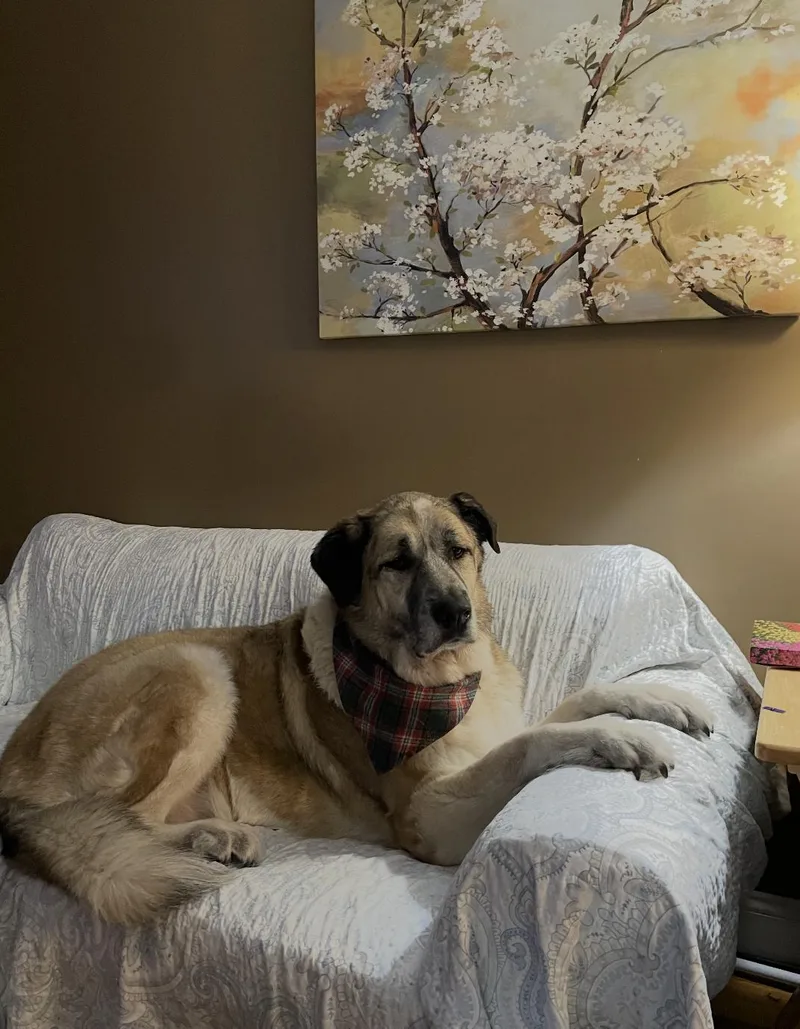
An Akita is a big, heavy-boned dog with a broad, bear-like head, small deep-set eyes and thick triangular ears that stand upright. Its dense double coat is about two inches long, and its full tail curls over the back. American-type Akitas come in almost any color, including white, brindle and pinto, often with a dark mask.

Akitas are large dogs. Males usually stand 26 to 28 inches at the shoulder and weigh 100 to 130 pounds, while females typically stand 24 to 26 inches and weigh 70 to 100 pounds. The Japanese Akita Inu tends to be lighter and more finely built. Most Akitas reach full height around a year but keep filling out until two or three.

Expect about $55 to $110 a month for food, $65 to $130 a month for insurance, $250 to $500 a year for routine vet care, and $583 to $1,458 a year for other costs such as prevention, dental care, grooming and the $8 rabies license. Large dogs eat more, and heavy coat seasons add grooming.

Find Akitas in Nearby Cities

Expand your search to find Akitas available for adoption near Nashville.