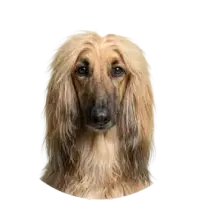
Afghan Hound dog

Afghan Hound Dogs for Adoption in Nashville, TN

Your guide to finding and caring for an Afghan Hound in Nashville

Afghan Hounds do best in Nashville neighborhoods with a fenced yard, like the brick ranch-house streets of Donelson. They're quiet, elegant dogs, but they're sighthounds, so they need somewhere safe to sprint. Two Rivers Dog Park, the city's largest at about 6.6 acres, is close by, and a tall fence at home helps. Once they've run, many Afghans settle happily on the couch. If you're thinking of adopting one in Nashville, plan for the coat as much as the exercise.

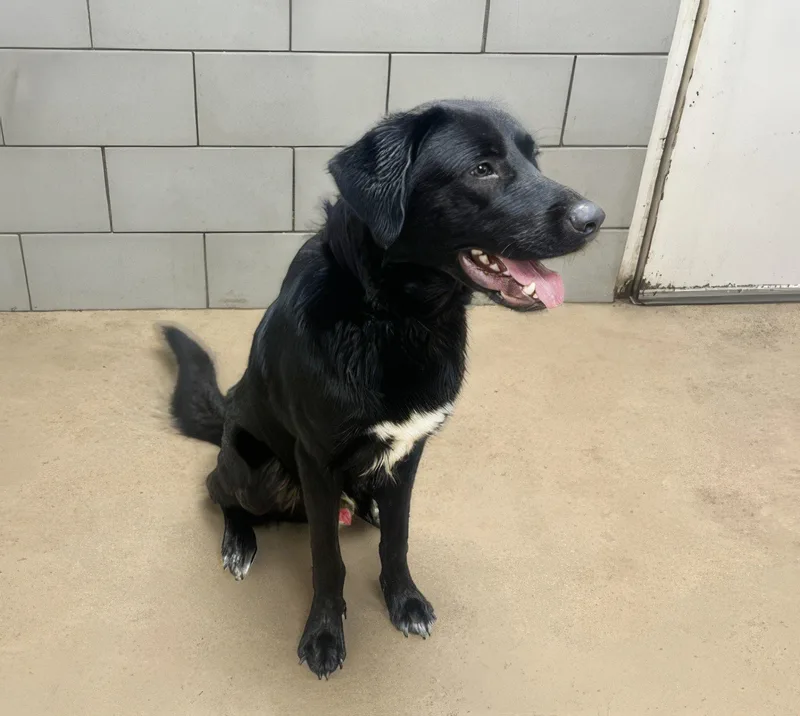
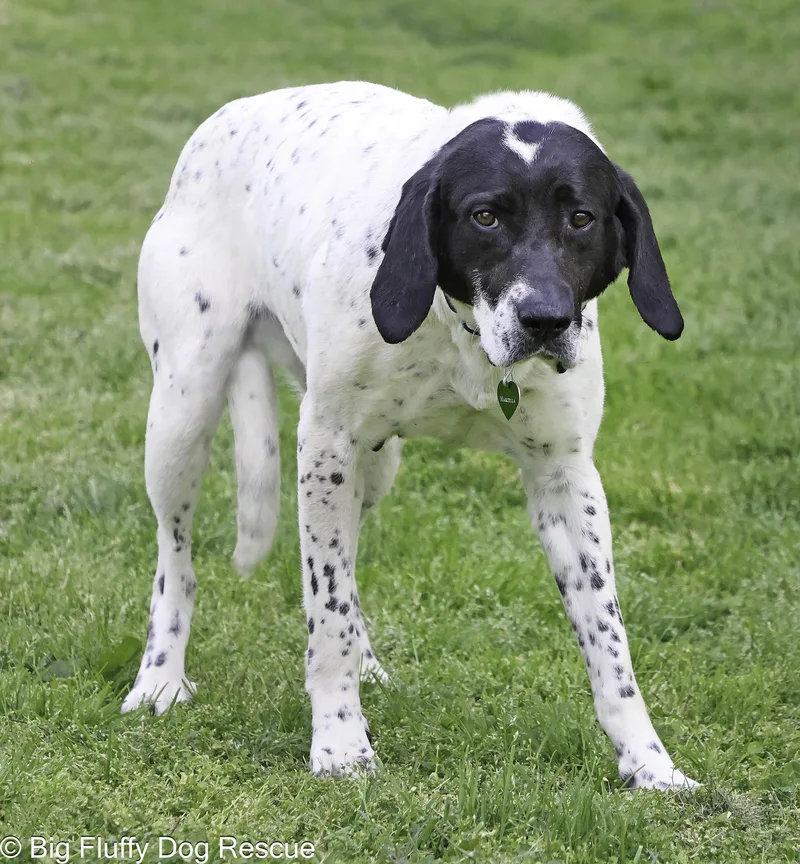
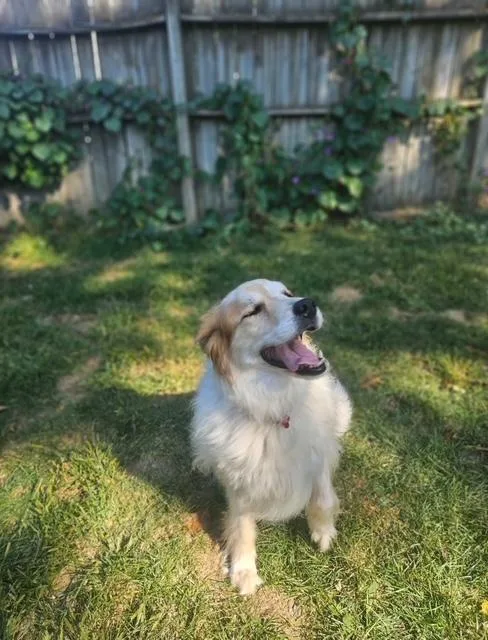
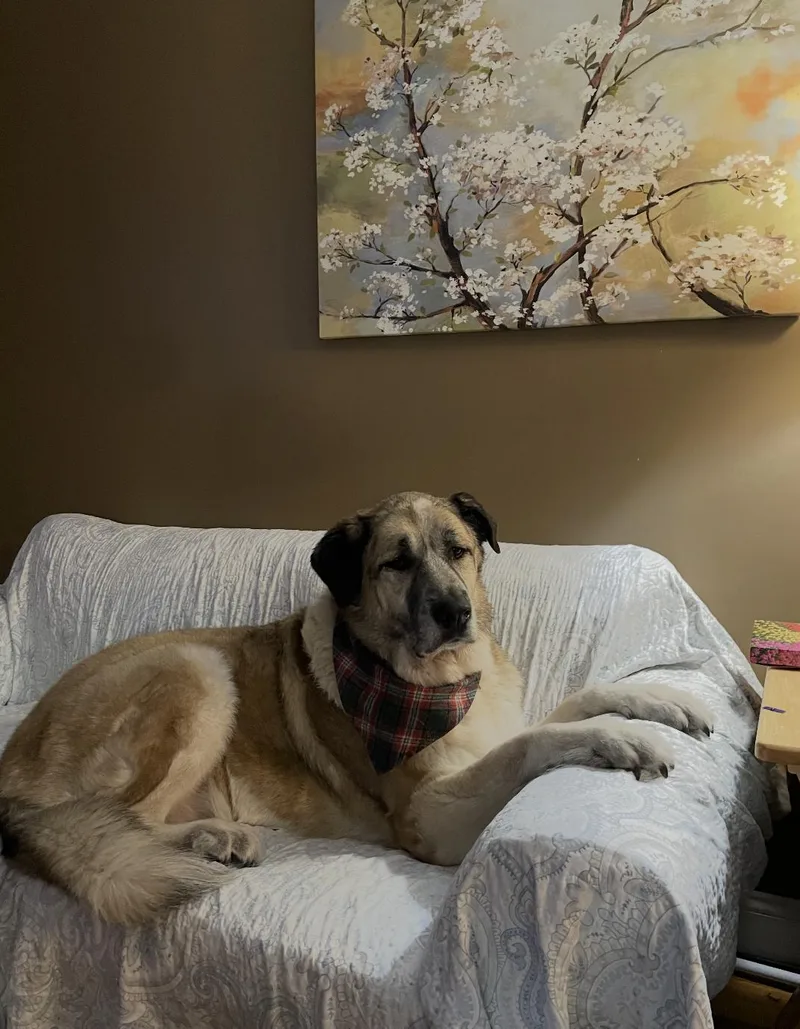
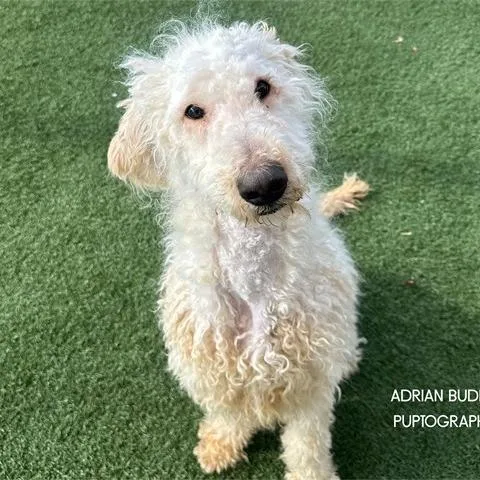
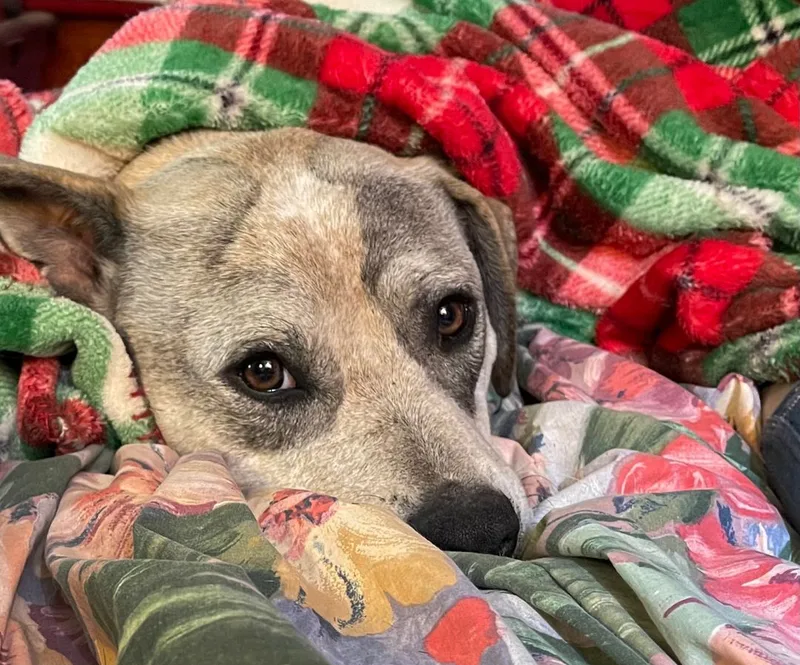
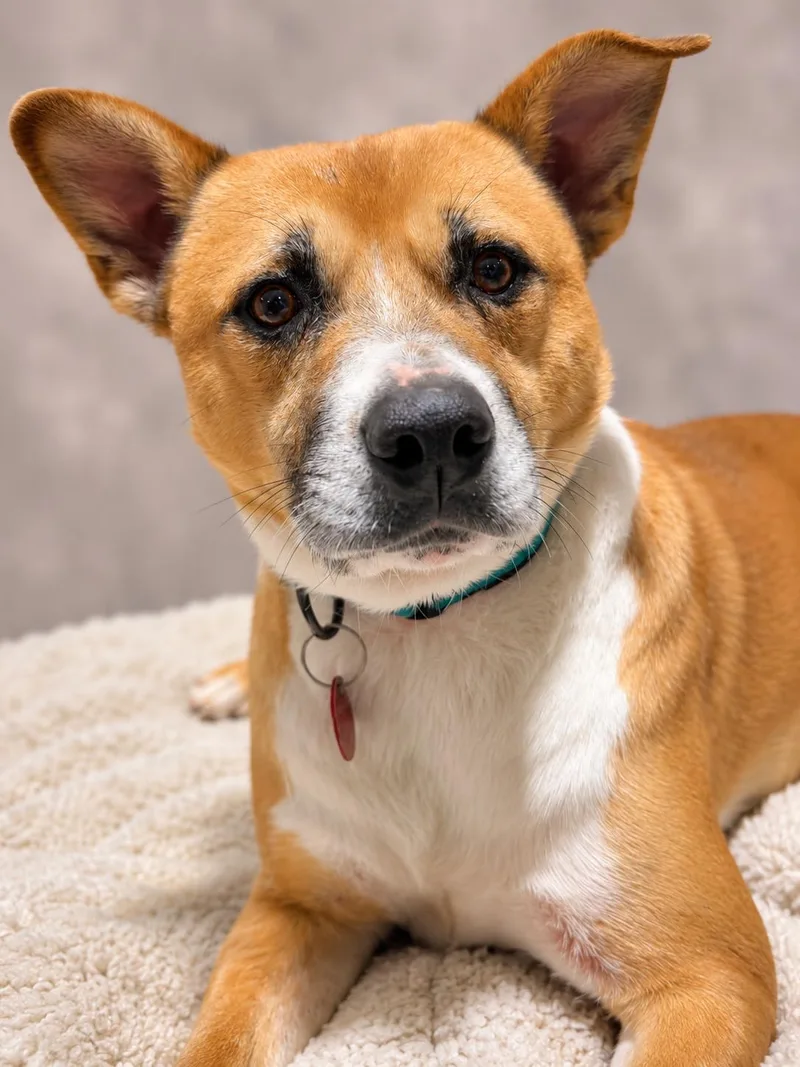
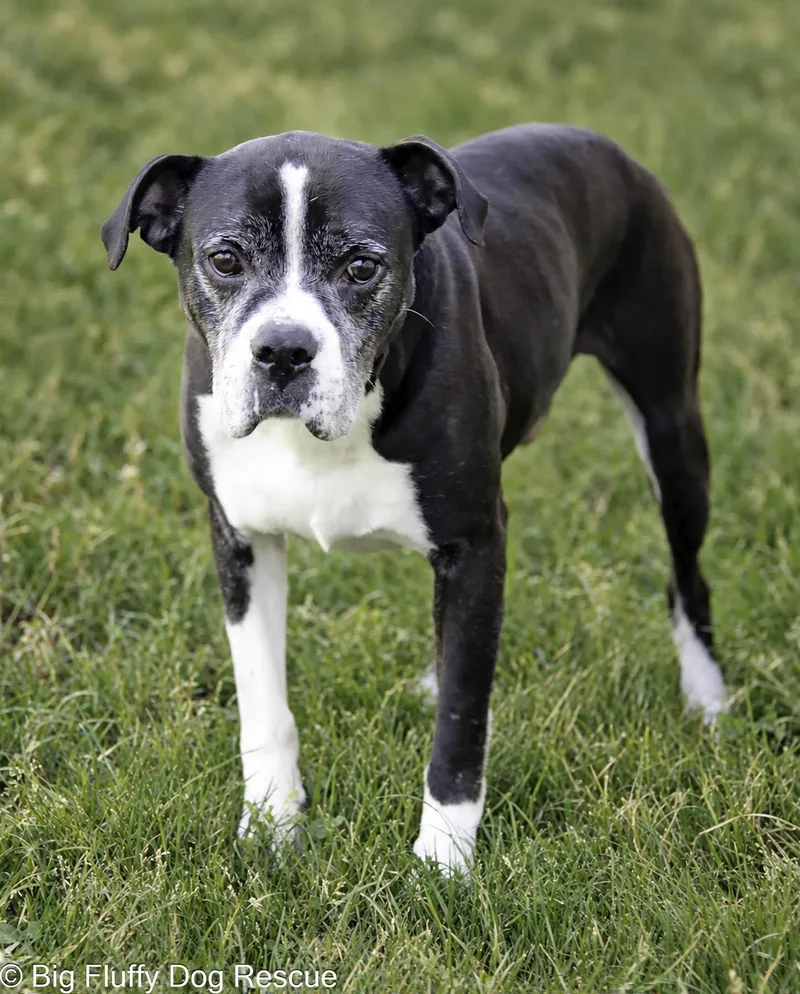
13 Afghan Hounds available in Nashville and nationwide

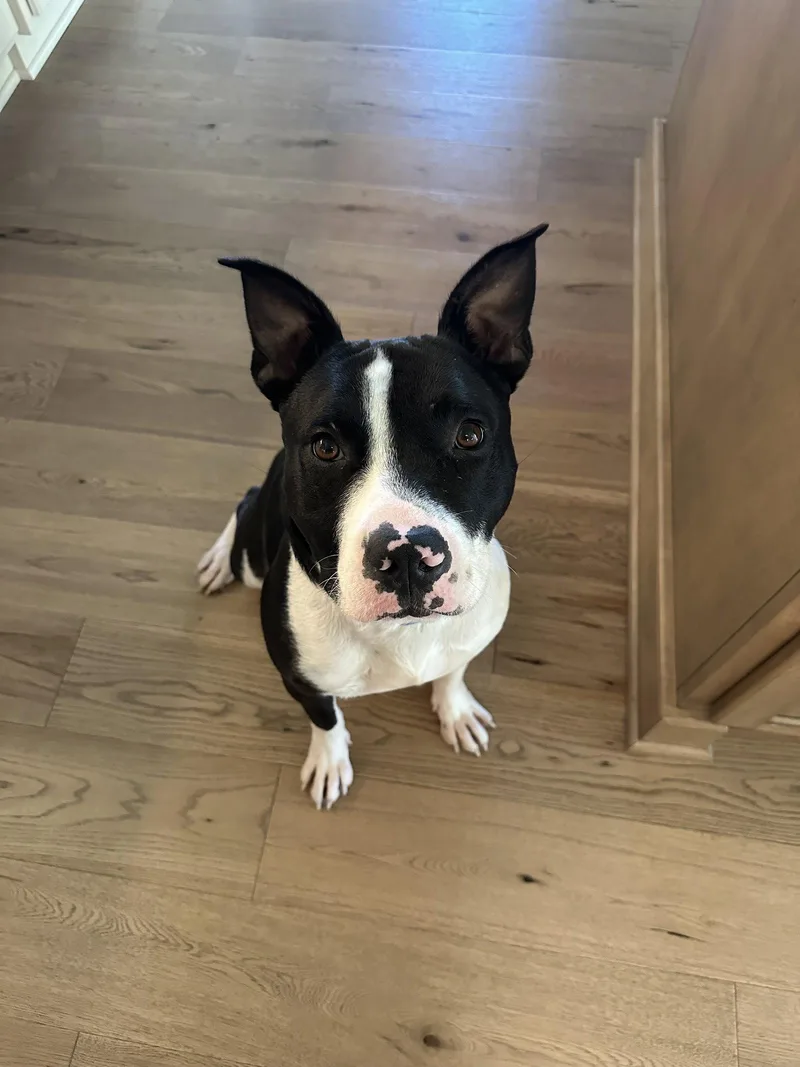
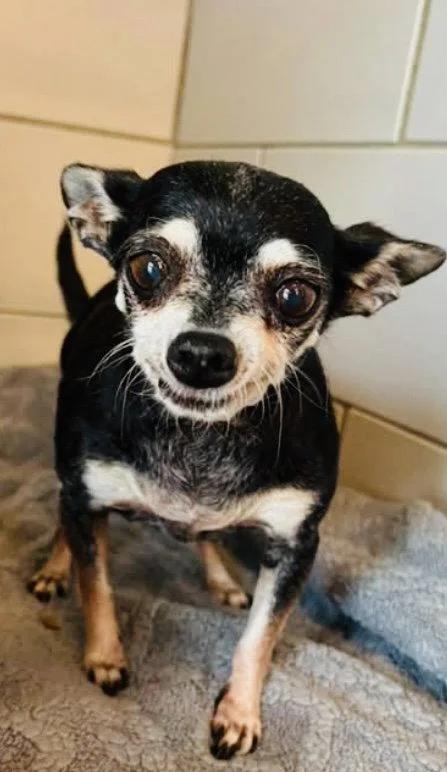
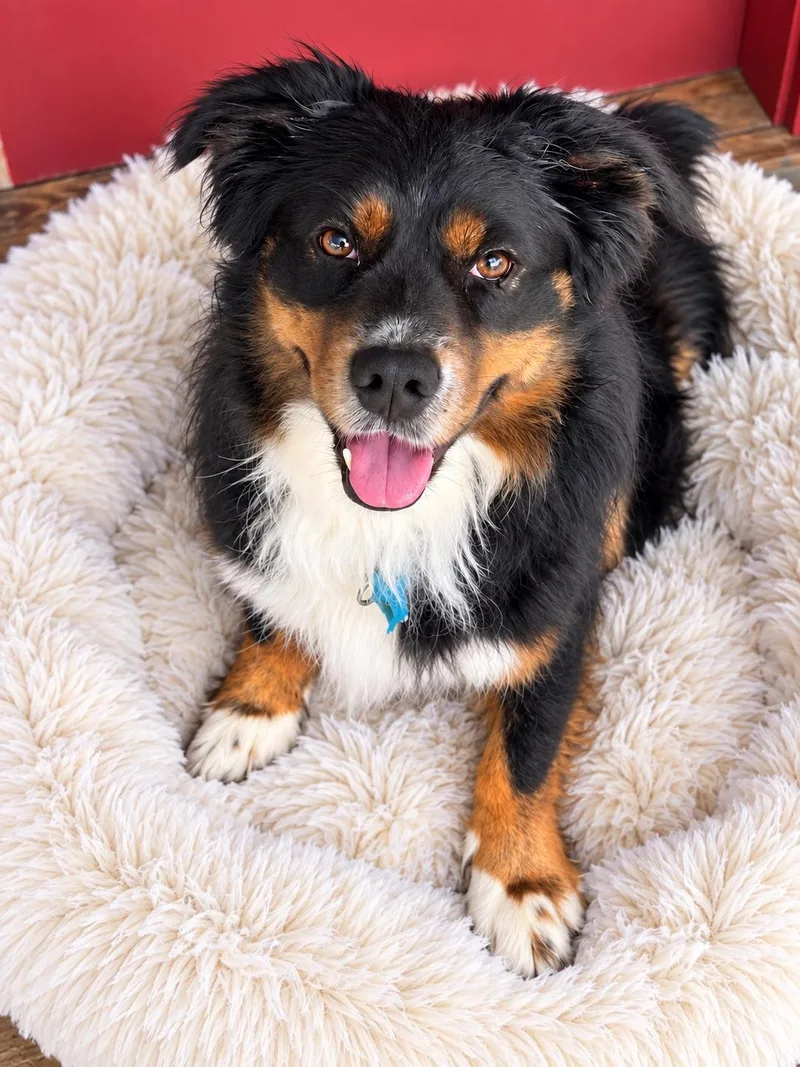
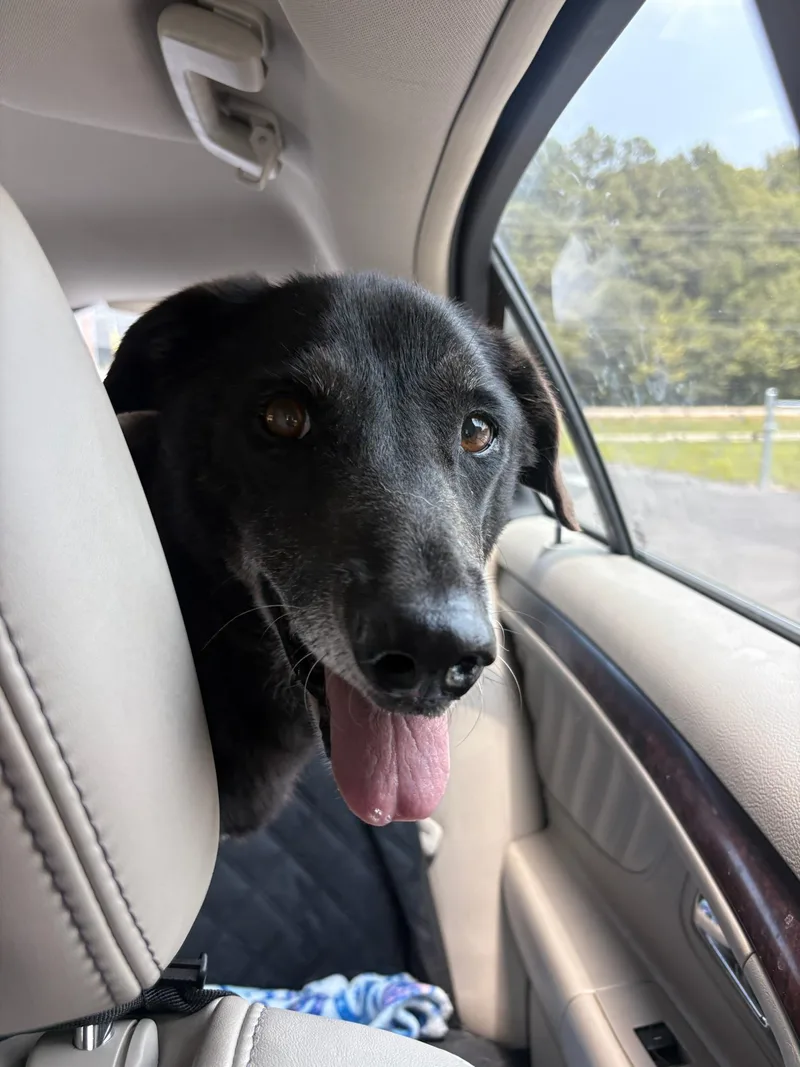
Meet an Afghan Hound who needs you

While we don't have enough dogs near Nashville, keep in mind that many rescues may offer transport.

Afghan Hounds Available for Adoption Near Nashville

About the Afghan Hound breed

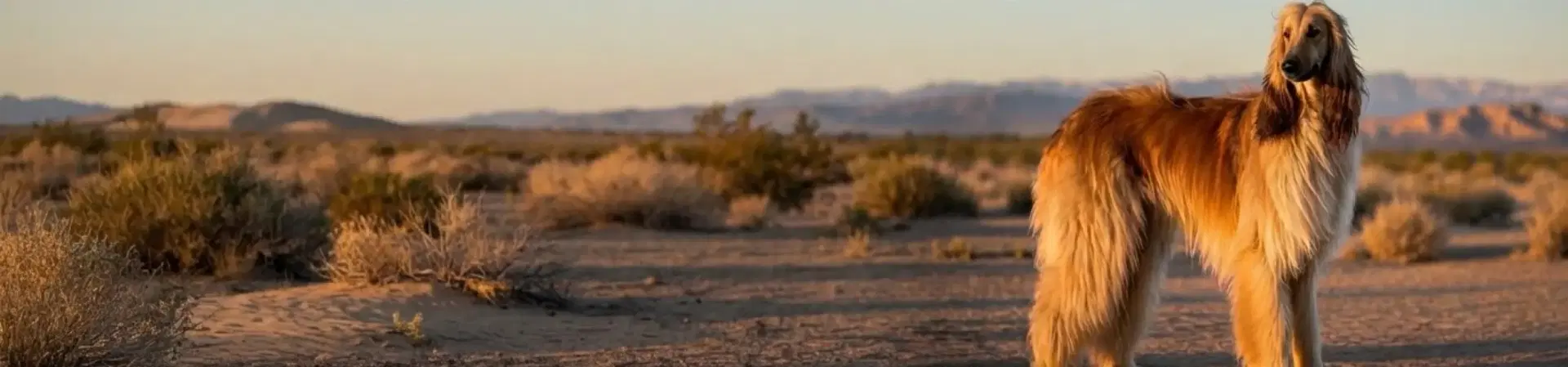
Afghan Hounds are among the oldest dog breeds, sighthounds from the mountains and deserts of Afghanistan that coursed game by sight and speed. Their silky coat once protected them from harsh cold, and their big padded feet cushioned rocky ground. British officers brought these hounds to England in the late 1800s, and the breed became a show-ring icon.

Behind the glamour is a sensitive, independent hound, often aloof with strangers but affectionate and even clownish with its own people. Strong prey drive and selective recall make fenced space important, especially in a county where coyotes are common in neighborhoods. The coat takes frequent bathing and brushing to prevent painful mats, and Nashville's year-round rain and mud make that routine matter even more.

Weight
50–60 lbs
Height
24–28 in
Lifespan
11–14 yrs
Temperament
Dignified, Independent, Loyal, Playful
Group
Hound
Shedding
Low

Owning an Afghan Hound in Nashville

Having an Afghan Hound in Nashville

Afghan Hounds combine ancient sighthound speed with a dignified, independent streak. In Nashville, the big questions are secure fencing, coat care through muddy, humid weather, and whether your routine leaves room for a daily sprint. Every dog varies, so these are tendencies, not guarantees.

Temperament

Afghan Hounds tend to be reserved with strangers and devoted to their own people, often with a goofy side at home. Many are sensitive to harsh handling and loud noise, which matters during Nashville's spring storms and around July fireworks. Their independence means gentle, patient training works best, and each dog's personality differs.

Exercise Needs

Plan on daily walks plus regular sprints in a securely fenced space. Metro's dog parks are fenced, though dogs must be leashed entering and leaving, and puppies under four months aren't allowed. Greenways require a leash no longer than 6 feet, and an Afghan's prey drive makes off-leash recall unreliable.

Health Considerations

Afghan Hounds are prone to hip dysplasia, hypothyroidism, allergies, cataracts and some cancers, and the breed is among those most affected by chylothorax, fluid in the chest. Sighthounds can be sensitive to anesthesia, so a veterinarian familiar with them helps. Nashville's ticks, fleas and mosquitoes make current parasite prevention worthwhile.

Living Space

An Afghan Hound can live in a house or an apartment if it gets daily exercise and safe chances to run. Nashville offers both, from Donelson ranch houses to Antioch's low-rise apartment complexes. A tall fence matters for a dog that jumps and chases, and you'll want room to bathe and dry the coat.

What it costs to own an Afghan Hound in Nashville

ExpenseTypical costPer year
Food$55 to $110 per month$660 to $1,320
Pet insurance$55 to $110 per month$660 to $1,320
Routine vet care$250 to $500 per year$250 to $500
Other*$933 to $2,358 per year$933 to $2,358
Estimated yearly total (after year one)$2,503 to $5,498

Other costs are estimates and vary with size, age and health.

* The $8 Davidson County rabies tag, a dental cleaning allowance, flea, tick and heartworm prevention, toys and bedding, and professional grooming for a long silky coat.

Adopt an Afghan Hound in Nashville.

Now that you know more, let’s find you a new best friend. These rescues and shelters below have dogs available in and near Nashville.

Frequently Asked Questions

Yes, with some care. Nashville summers reach about 90°F and stay humid, and an Afghan's long coat holds heat. Walk early or late, test the pavement with your hand for 5 to 10 seconds, and provide shade, fresh water and air conditioning on the hottest days. Never leave the dog in a parked car.

Fenced Metro dog parks are the safest places for an Afghan to sprint. Two Rivers Dog Park in Donelson is the largest at 6.64 acres, and Shelby Dog Park in East Nashville and Warner Dog Park in Edwin Warner Park are other options. Greenways require a leash of 6 feet or less, and Radnor Lake bans dogs on its trails.

Yes. Metro code has no breed-specific restrictions. Dogs six months or older need a rabies vaccine and a Davidson County rabies tag, and off your property a dog must be on a leash or tether of eight feet or less. Your lease or HOA may add its own limits, so confirm those before adopting.

Yes, if the dog gets daily exercise and regular chances to run safely. Afghans are often calm and quiet indoors once exercised, but they need walks plus fenced sprints. Look for a building near a fenced dog park, confirm any weight limits, and leave room to bathe and dry the coat.

Probably not, unless the dog is a service animal. WeGo's code of conduct allows non-service animals on its buses, property and the WeGo Star train only in an approved transfer cage. A 50 to 60 pound Afghan Hound won't fit in a carrier, so plan on driving to parks and vet visits.

Only to patios. Metro lets restaurants with a $20 health department permit allow leashed dogs outdoors, so many Nashville patios welcome them, but not every one does. Your dog needs a current rabies tag on its collar and a non-retractable leash of six feet or less, and it can't go inside or sit on furniture.

Afghan Hounds shed lightly compared with most breeds, losing hair in small amounts rather than heavy seasonal coats. Their long, fine hair tends to tangle into mats instead of falling out, which is why frequent brushing and bathing are essential. Puppies shedding their puppy coat as the adult coat grows in, often between about one and three years, can mat especially quickly.

No, Afghan Hounds are not truly hypoallergenic, because all dogs produce allergens in their skin, saliva and urine. Their low shedding means less hair around the house, which some allergy sufferers find easier to live with. Reactions vary widely between people and dogs, so spend time with an Afghan before adopting and talk with your doctor about managing allergies.

Yes, Afghan Hounds are intelligent, but their intelligence is independent rather than obedience-focused. They were bred to hunt by sight and make decisions far from their handlers, so they often ignore commands they see no reason to follow. That is why they rank low on obedience lists. Patient, reward-based training and motivating games work much better than repetition or force.

Expect roughly $2,500 to $5,500 a year. Food runs $55 to $110 a month, insurance $55 to $110 a month, and routine vet care $250 to $500 a year. Other costs, mostly grooming, dental care and parasite prevention, add $933 to $2,358 a year.