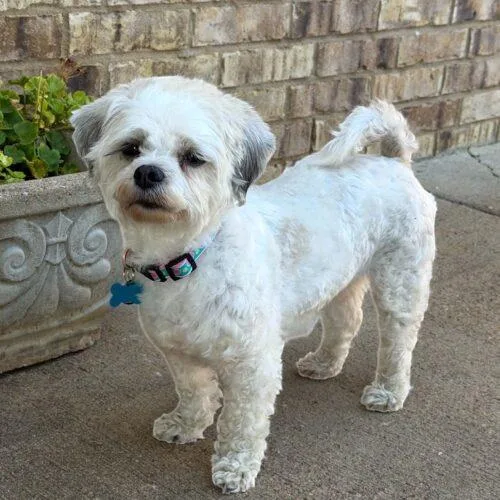
Papillon Dogs for Adoption in Memphis, TN

Your guide to finding and caring for a Papillon in Memphis

A Papillon fits easily into a Crosstown Concourse apartment or a Harbor Town row house. At 5 to 10 pounds, much of the exercise happens indoors, and a stroll along the Mud Island river levee covers the rest. They're bright and chatty, though, so expect an alert bark when the elevator dings or a neighbor walks past. Papillons love company, which suits anyone who works from home or keeps a flexible schedule in Memphis.

122 Papillons available in Memphis and nationwide

Adopt a Papillon today

While we don't have enough dogs near Memphis, keep in mind that many rescues may offer transport.

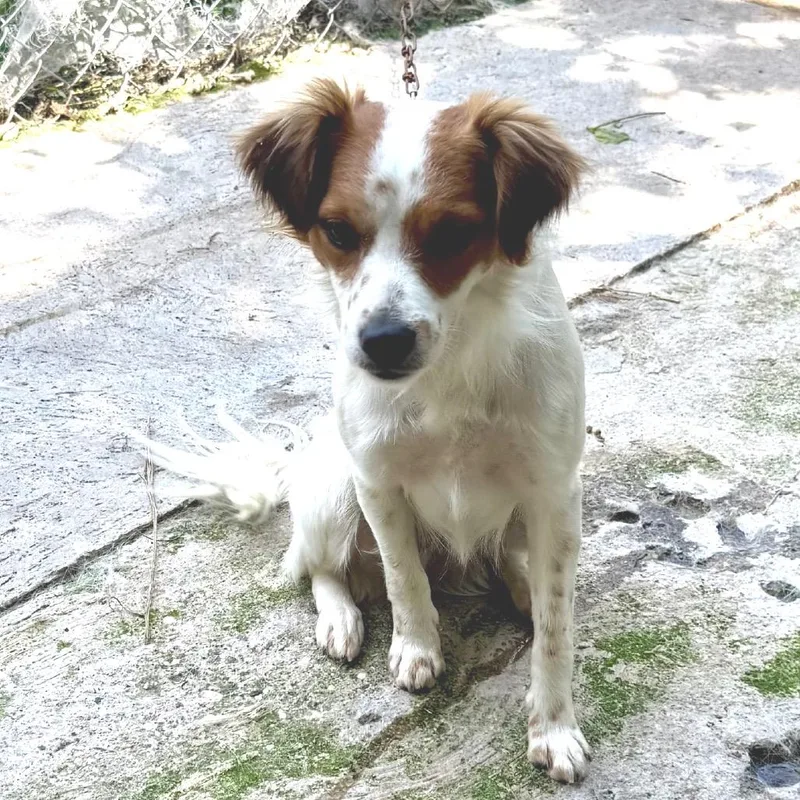
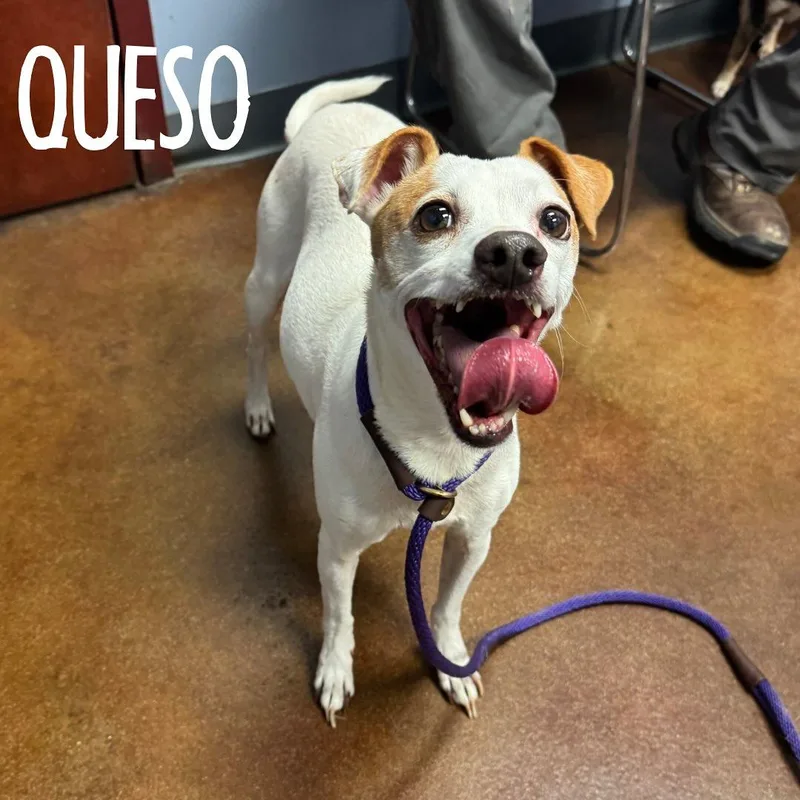
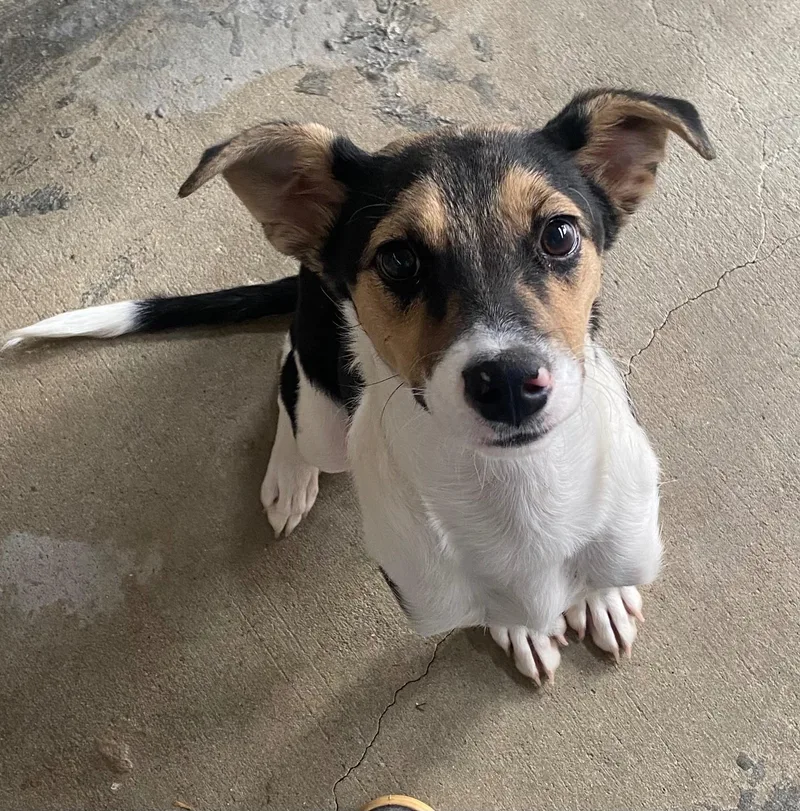
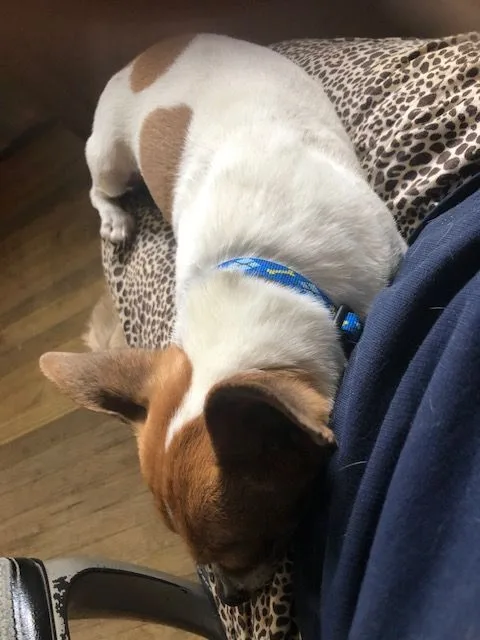
Papillons Available for Adoption Near Memphis

About the Papillon breed

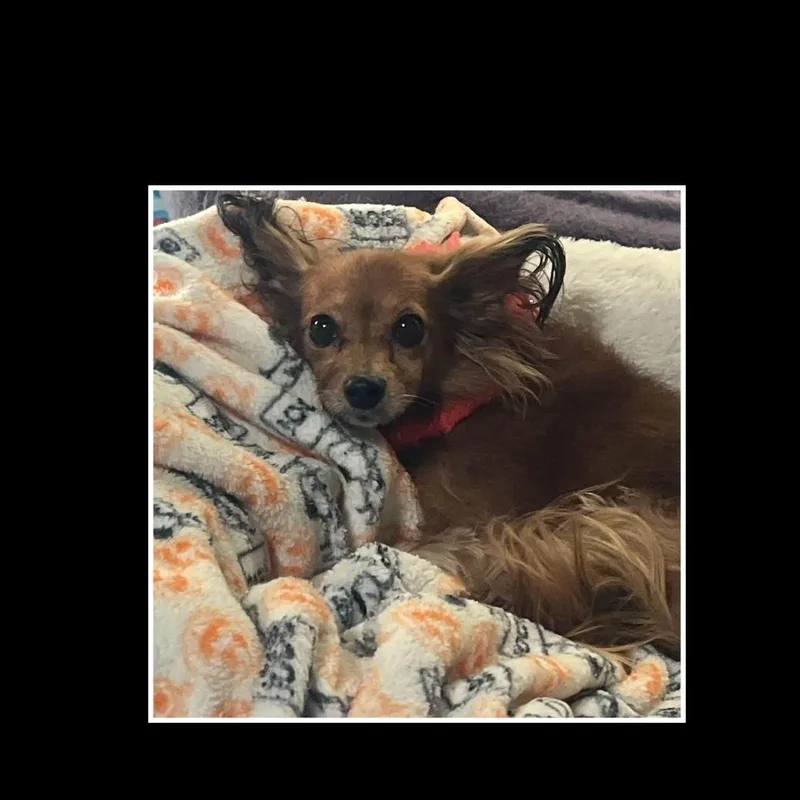
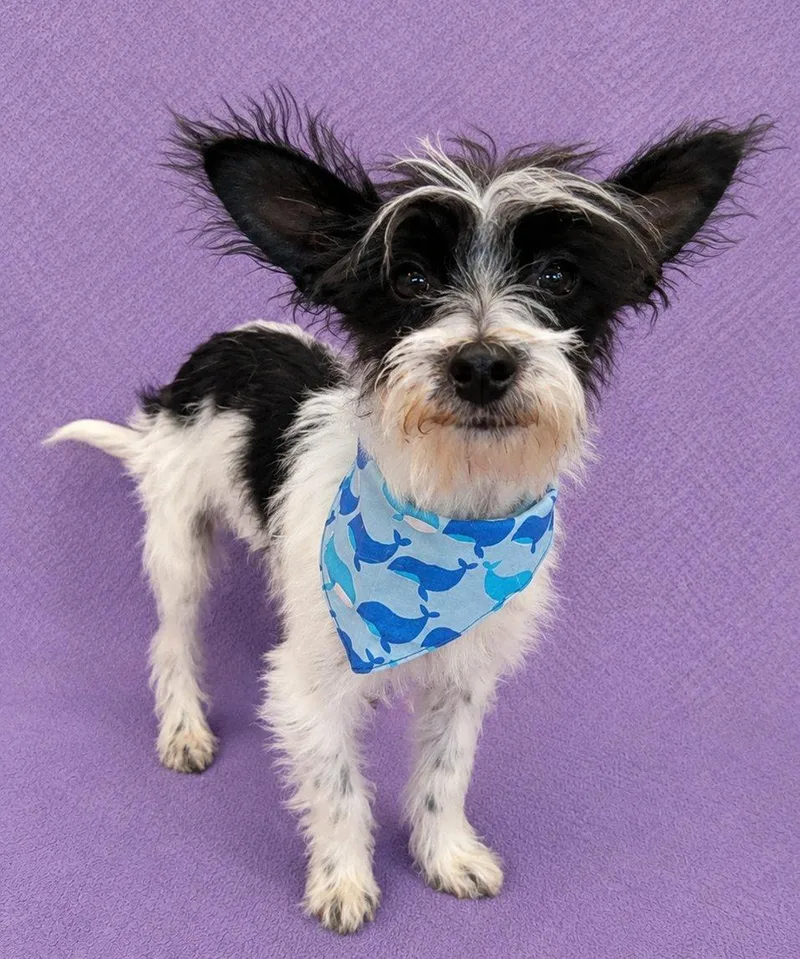
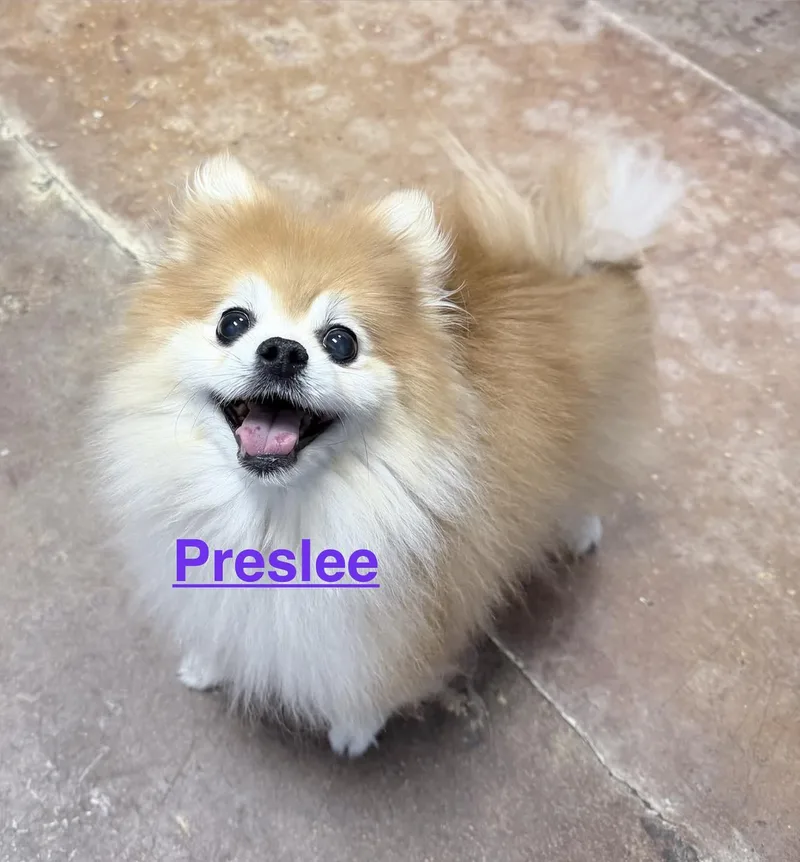
Papillons are toy spaniels that developed in France and Belgium, and the American Kennel Club recognized the breed in 1935. They have a long, silky coat that is white with patches of color, and large fringed ears. Dogs with drooping ears are called Phalènes and belong to the same breed.

Beyond the delicate look, a Papillon is sturdy, athletic and quick to learn. Many are curious, friendly and fond of tricks or agility, and most are talkative. A single coat with no undercoat keeps grooming light, which helps in Memphis's muggy climate. Their small, fine bones need gentle handling, and each dog's energy and temperament will differ from the breed average.

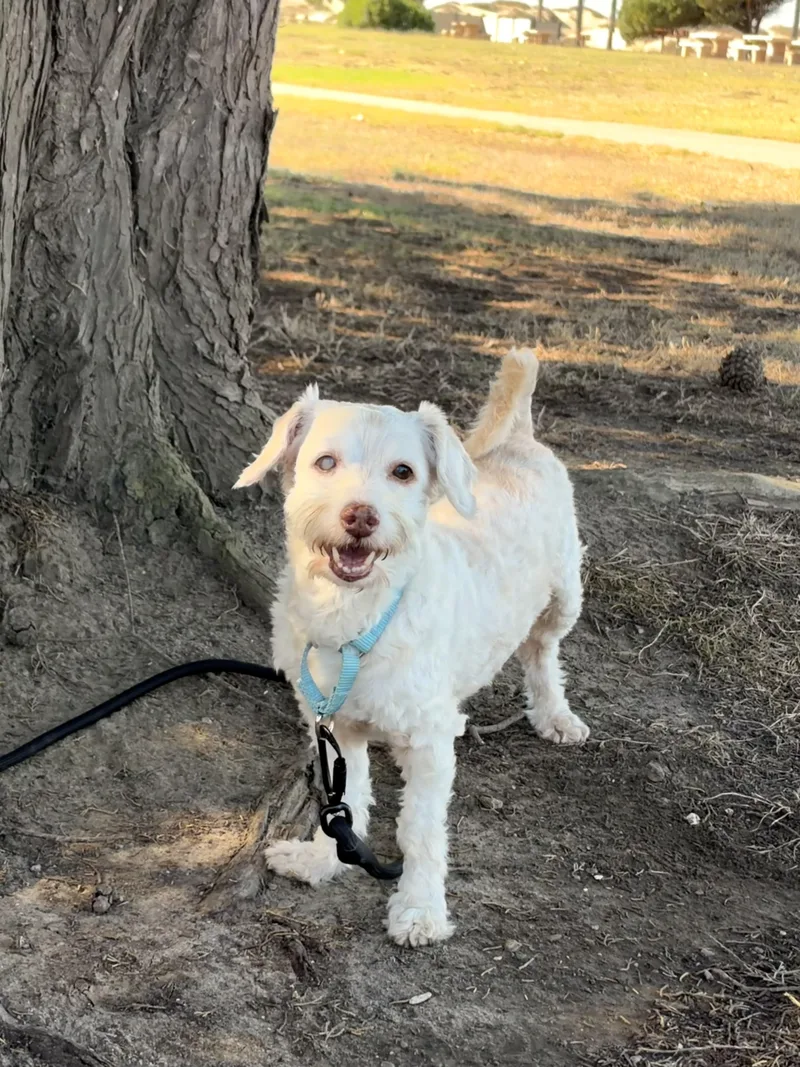
Weight
5–10 lbs
Height
8–11 in
Lifespan
13–16 yrs
Temperament
Intelligent, Playful, Alert
Group
Toy
Shedding
Moderate

Owning a Papillon in Memphis

Having a Papillon in Memphis

Papillons combine quick learning, steady energy and a sociable streak in a tiny, fine-boned body. In Memphis, alert barking, heat, and small-dog safety around bigger dogs and furniture tend to matter most day to day.

Temperament

Papillons are usually friendly, curious and eager to be near their people, and many love learning tricks. They're often alert barkers, so a doorbell or a footstep in the hallway may get a reply. Some turn snappy when handled roughly, and many act bolder than their size around big dogs. Each dog's personality varies.

Exercise Needs

Plan on daily walks plus indoor play, such as fetch with small toys. A neighborhood loop or a fenced park gives a Papillon room to sprint, and training games, puzzle toys and agility-style tricks keep the mind busy. A bored Papillon often fills the time by barking.

Health Considerations

Papillons often live 13 to 16 years, but patellar luxation, dental disease, progressive retinal atrophy and some heart problems occur. Their fine bones can break in falls from furniture. Memphis's mosquito season makes steady heartworm prevention important, and a veterinarian can check knees, teeth, eyes and heart.

Living Space

A Papillon fits a one-bedroom apartment, a Midtown bungalow or a house with a fenced yard. Block gaps in fencing, since a tiny dog can slip through. Use ramps or steps for beds and sofas, and supervise closely around young children. Thin walls and a vocal dog can mix poorly, so plan some training.

What it costs to own a Papillon in Memphis

ExpenseTypical costPer year
Food$15 to $35 per month$180 to $420
Pet insurance$30 to $60 per month$360 to $720
Routine vet care$200 to $400 per year$200 to $400
Other*$490 to $1,240 per year$490 to $1,240
Estimated yearly total (after year one)$1,230 to $2,780

Other costs are estimates and vary with size, age and health.

* Flea, tick and heartworm prevention, a dental care allowance for a toy breed, the yearly Memphis dog license, toys and bedding, and light home grooming.

Adopt a Papillon in Memphis.

Now that you know more, let’s find you a new best friend. These rescues and shelters below have dogs available in and near Memphis.

Frequently Asked Questions

Yes, Papillons are welcome in Memphis, with one rule worth knowing: dogs over six months old must be spayed or neutered unless a veterinarian certifies a health reason or the owner holds a fertile-animal permit. Tennessee also requires rabies vaccination by six months. Rules differ in suburbs like Germantown or Collierville, so confirm your address first.

Often, yes, especially for people who are home a good part of the day. A Papillon's small size suits Memphis apartments and Midtown bungalows, and the coat is easy to keep up. The tradeoffs are hot, muggy summers, spring storms and an alert bark. Each Papillon differs, so match a dog's energy and noise level to your routine.

Yes, Papillons usually do well in apartments because much of their exercise can happen indoors. Memphis has plenty of rentals, so look for a lease that allows pets and compare deposits and pet rent. Barking is the main concern with shared walls; short training sessions, puzzle toys and regular walks help keep a Papillon settled.

With care, yes. Memphis summers are long, hot and humid, and a tiny dog still heats up quickly even without a flat face. Walk at dawn or after sunset, test the pavement with your hand, carry water and keep a Papillon indoors on the hottest afternoons. Heavy panting or lethargy means cooling down right away.

Leashed paths often suit a Papillon best: the Shelby Farms Greenline, the Wolf River Greenway's Mud Island loop and the riverwalk near Tom Lee Park. Leash in hand is required on the Greenline. In Overton Park, dogs stay leashed except inside Overton Bark. The Outback's open off-leash fields are shared with larger dogs.

Not much. A Papillon has a silky single coat with no undercoat, so weekly combing, regular nail trims and a bath every few months usually do it. Memphis humidity and muddy spring days can tangle the fringe behind the ears and legs, so towel-dry after wet walks. Most owners groom at home, keeping costs low.

Memphis has MATA buses but no subway, and the heritage trolleys have been suspended since August 2024. MATA's published rider rules don't address pets, so check current rules with MATA before boarding. If a ride is allowed, a zipped carrier is the safest way to travel with a Papillon.

Only to patios, and only where the restaurant allows it. Dogs can't come inside dining rooms or food-preparation areas, and outdoor policies are set by each restaurant, so confirm before you go. Keep a Papillon leashed and off chairs and tables, and bring water for the walk.

Papillon means butterfly in English. The French name refers to the breed's large, upright ears, which are fringed with long hair and spread out from the head like a butterfly's wings. Papillons born with drooping ears are called Phalènes, the French word for moth. Both ear types appear in the same litters and belong to the same breed.

Food runs about $15 to $35 a month and pet insurance about $30 to $60 a month. Routine vet care is roughly $200 to $400 a year, and other costs such as dental care, parasite prevention, the license and supplies add $490 to $1,240. Altogether, expect roughly $1,230 to $2,780 a year.