Husky Dogs for Adoption in Charleston, SC

Your guide to finding and caring for a Husky in Charleston

A Husky in Charleston needs a daily outlet more than a big house, and the city has room to run one on leash. The West Ashley Greenway is a rail trail of roughly eight miles, and the one-mile loop around Hampton Park makes an easy morning lap. Huskies are social, so the fenced Grove Street dog park next door gives them a place to meet other dogs. The catch is summer: nights stay warm and muggy, so walks happen at dawn or after dark.

4280 Huskies available in Charleston and nationwide

Your Husky is waiting

While we don't have enough dogs near Charleston, keep in mind that many rescues may offer transport.

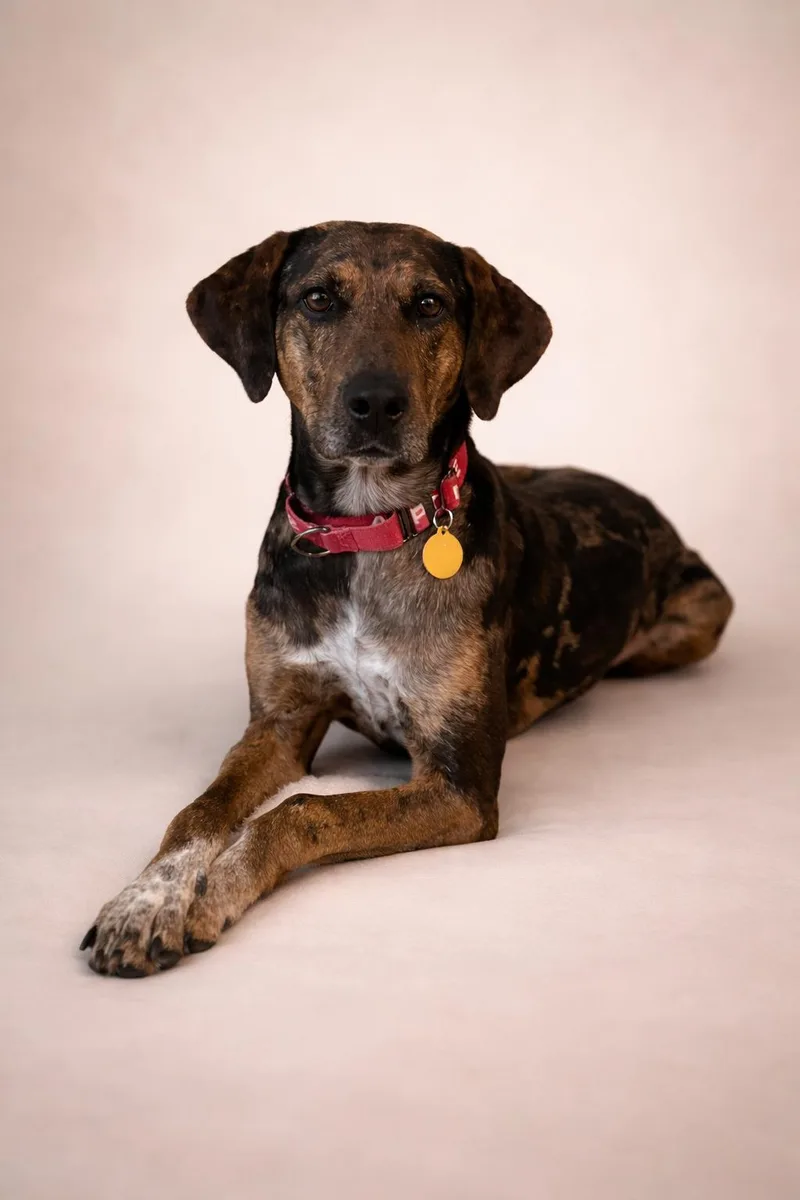
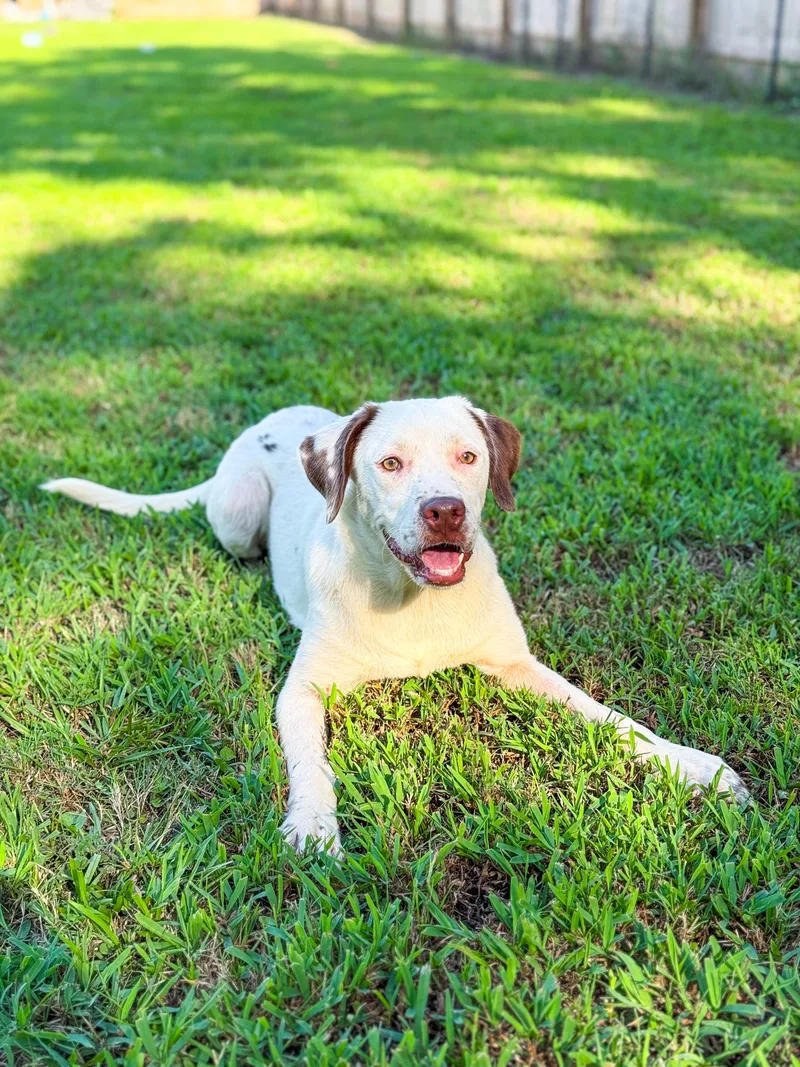
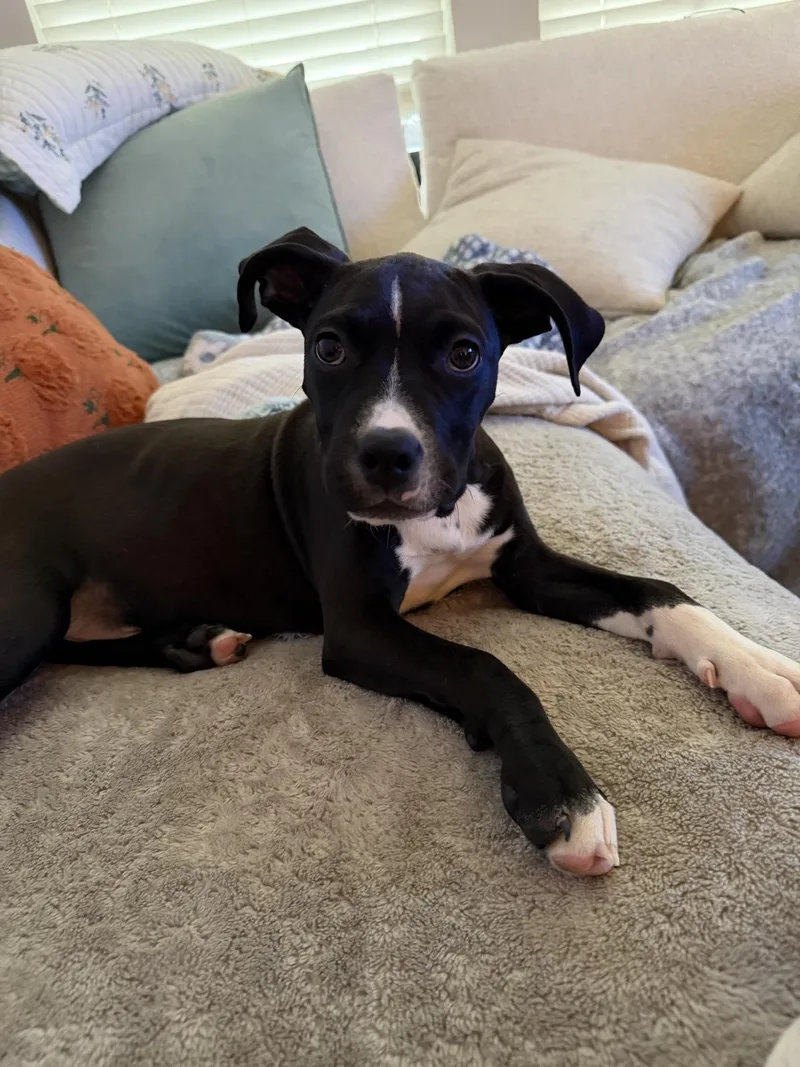
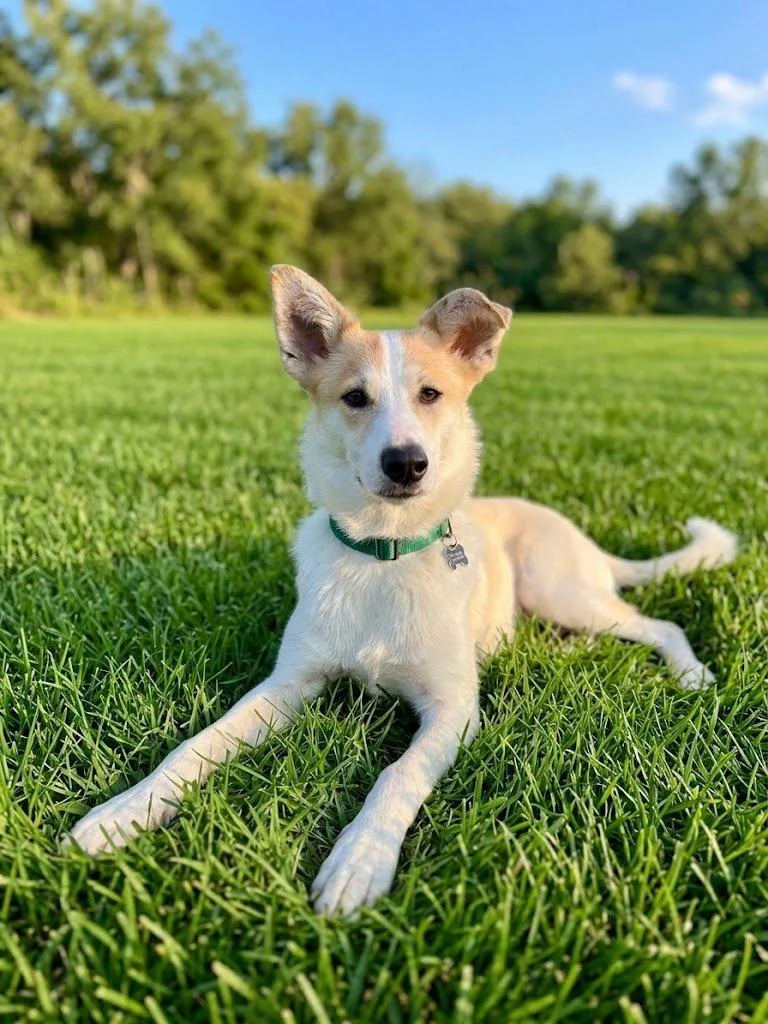
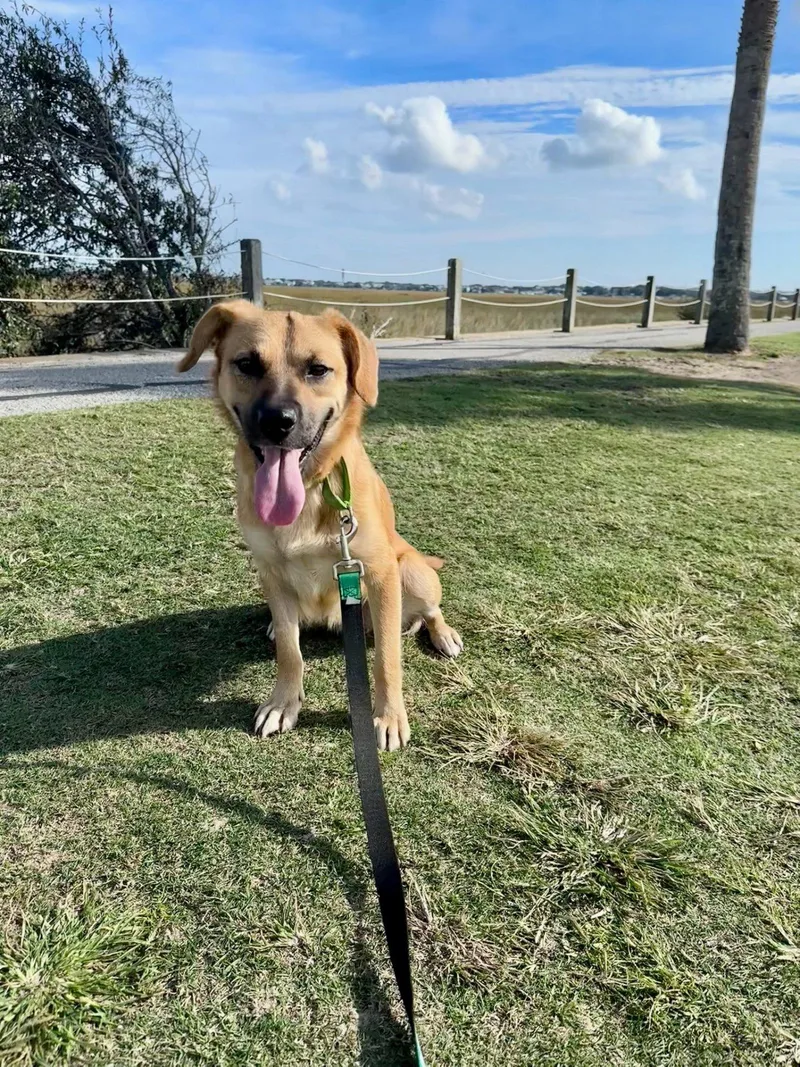
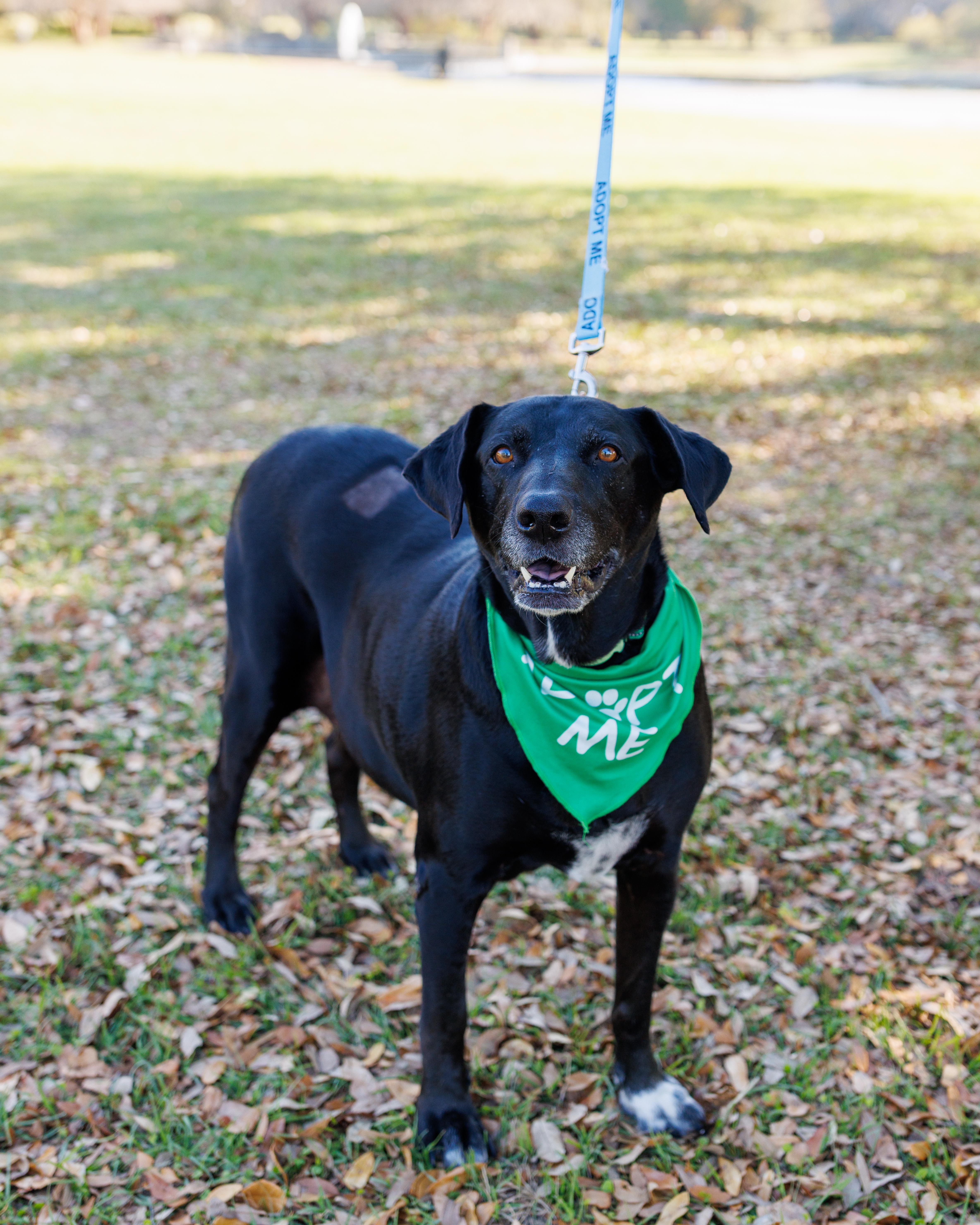
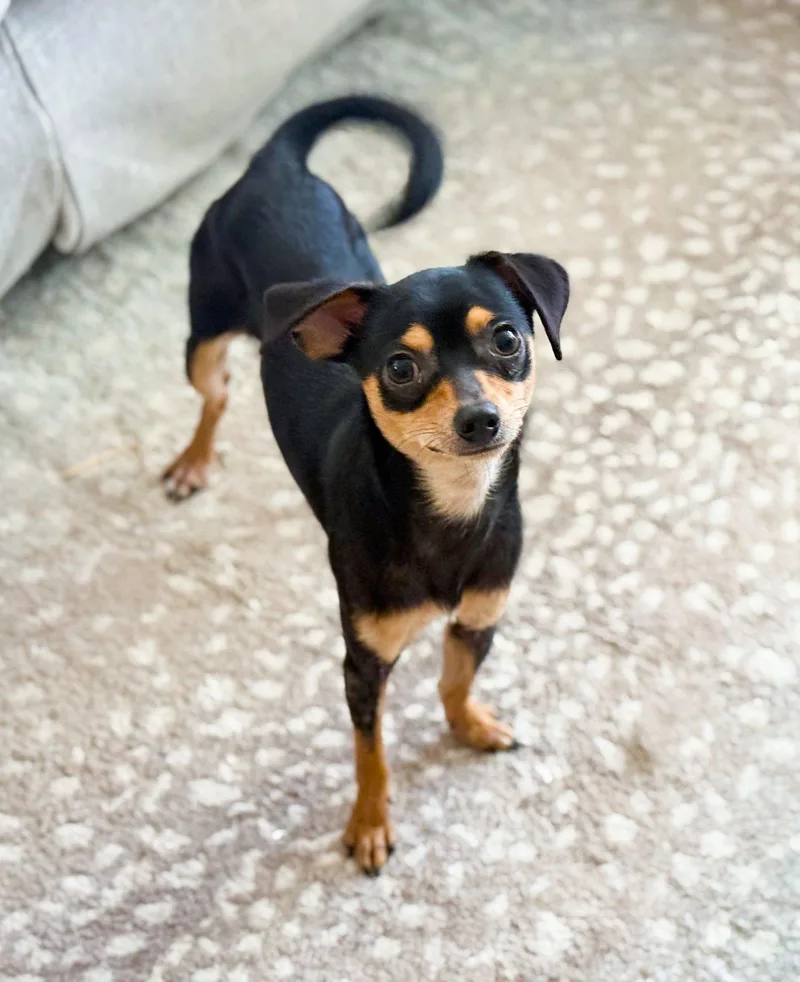
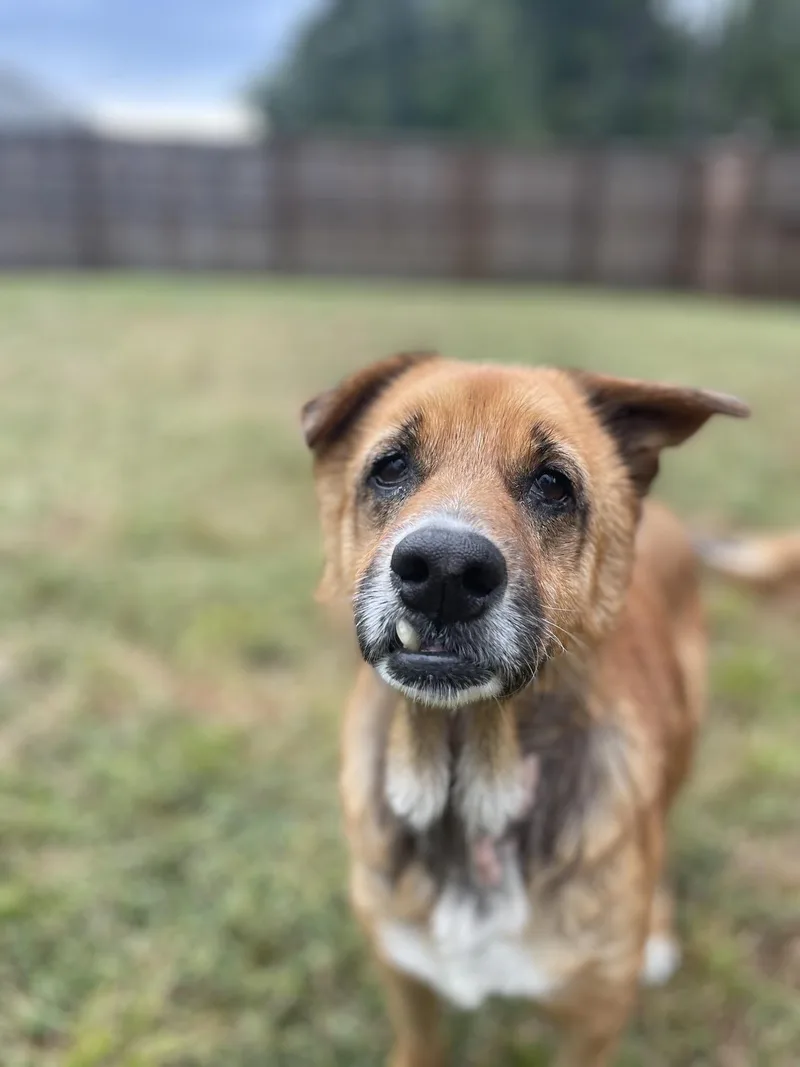
Huskies Available for Adoption Near Charleston

About the Husky breed

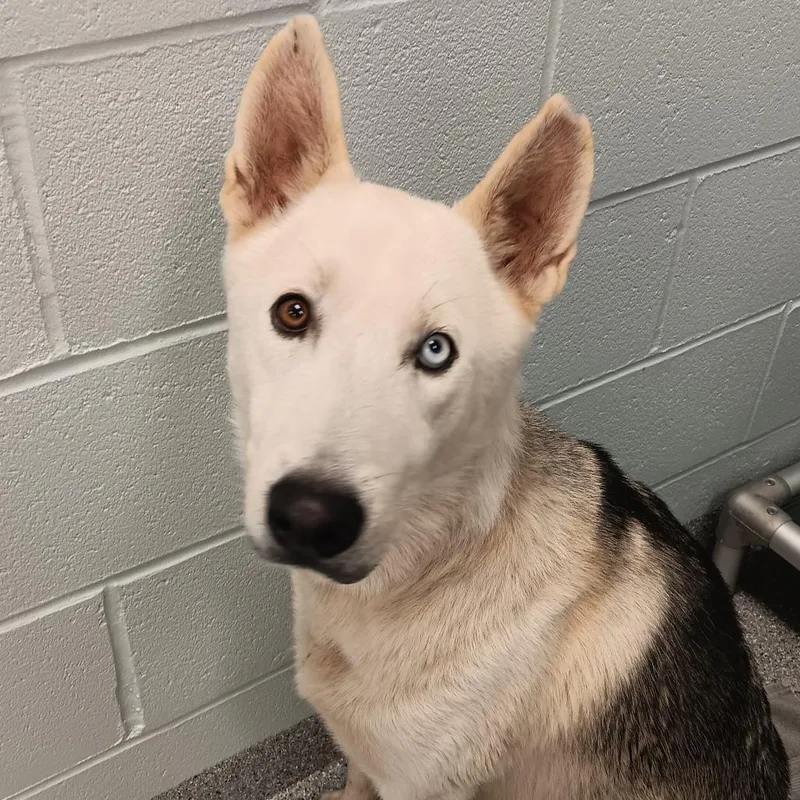
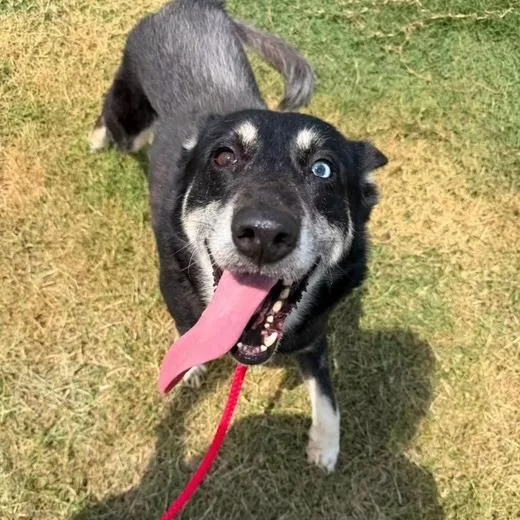
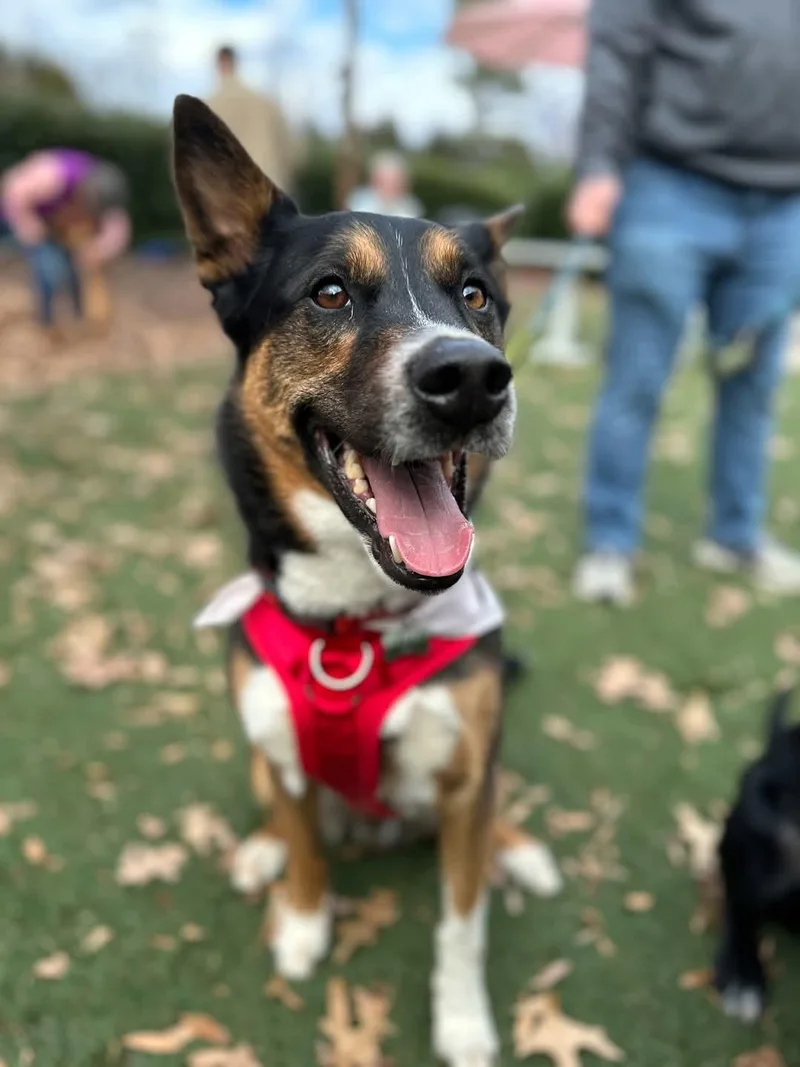
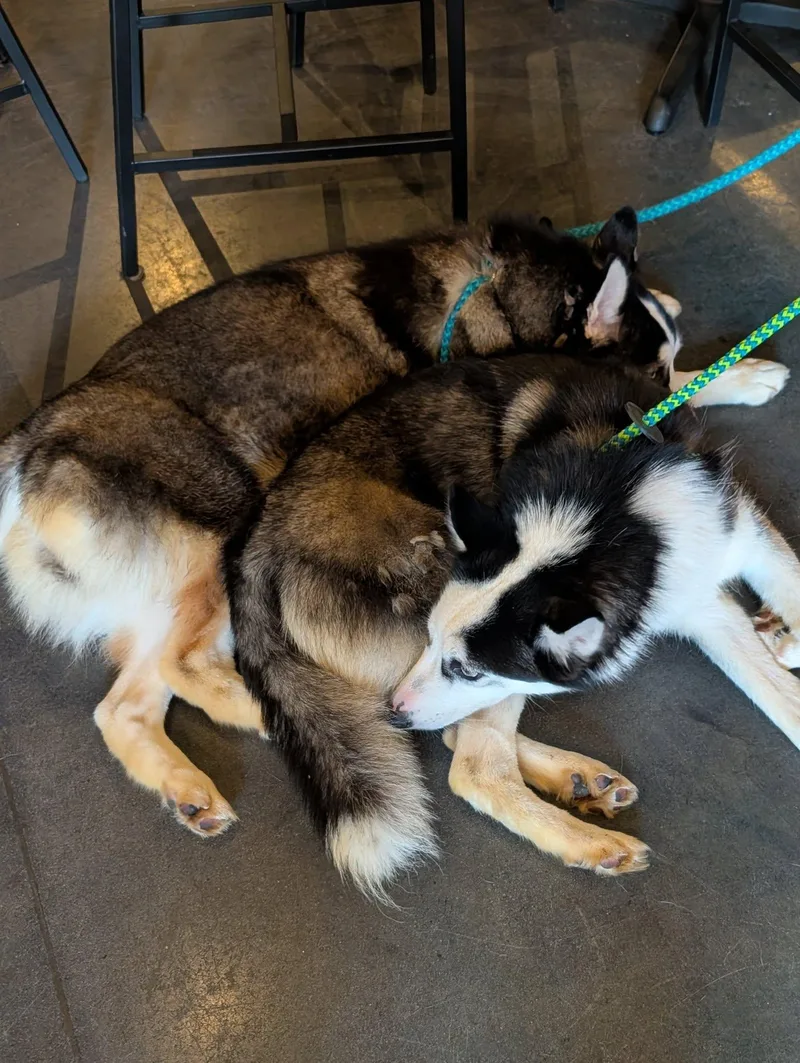
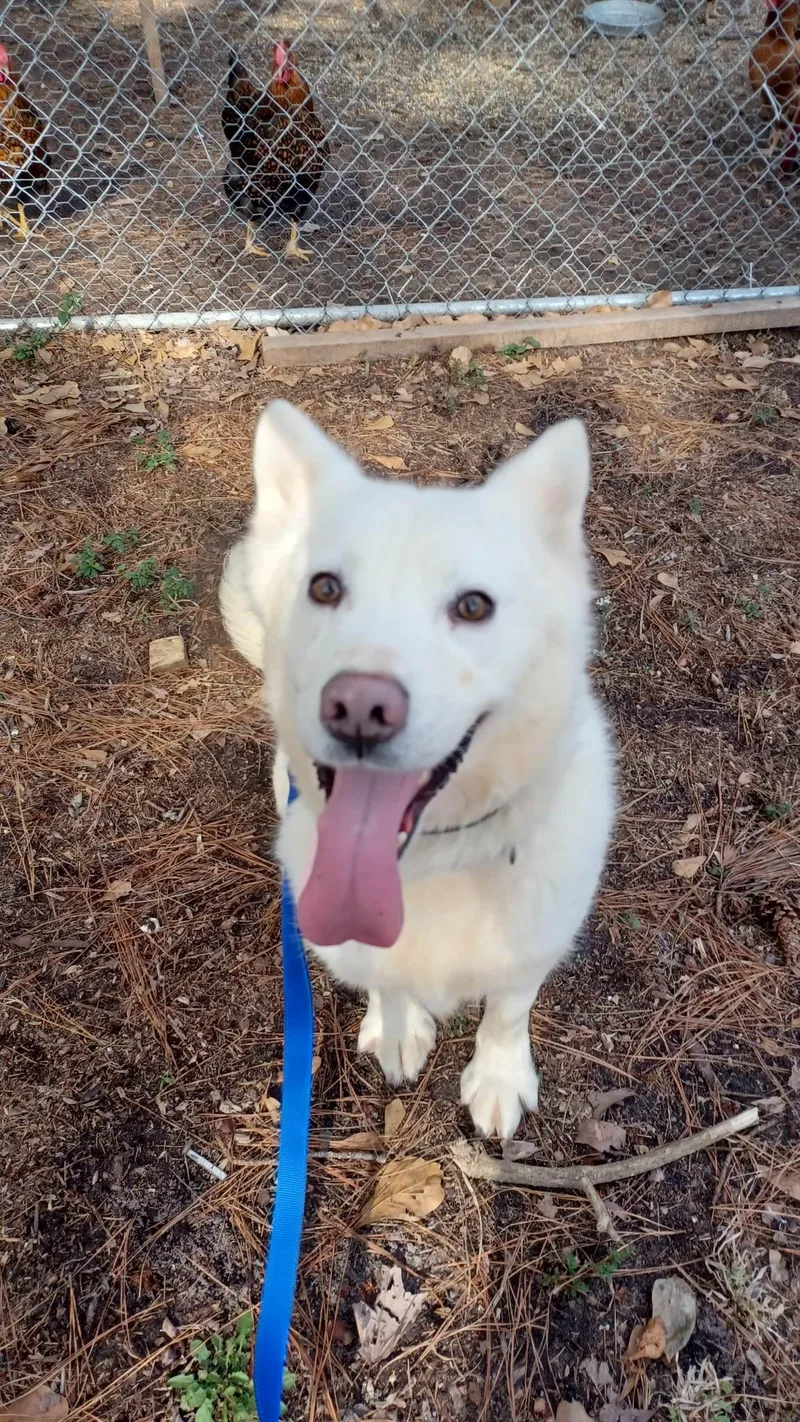
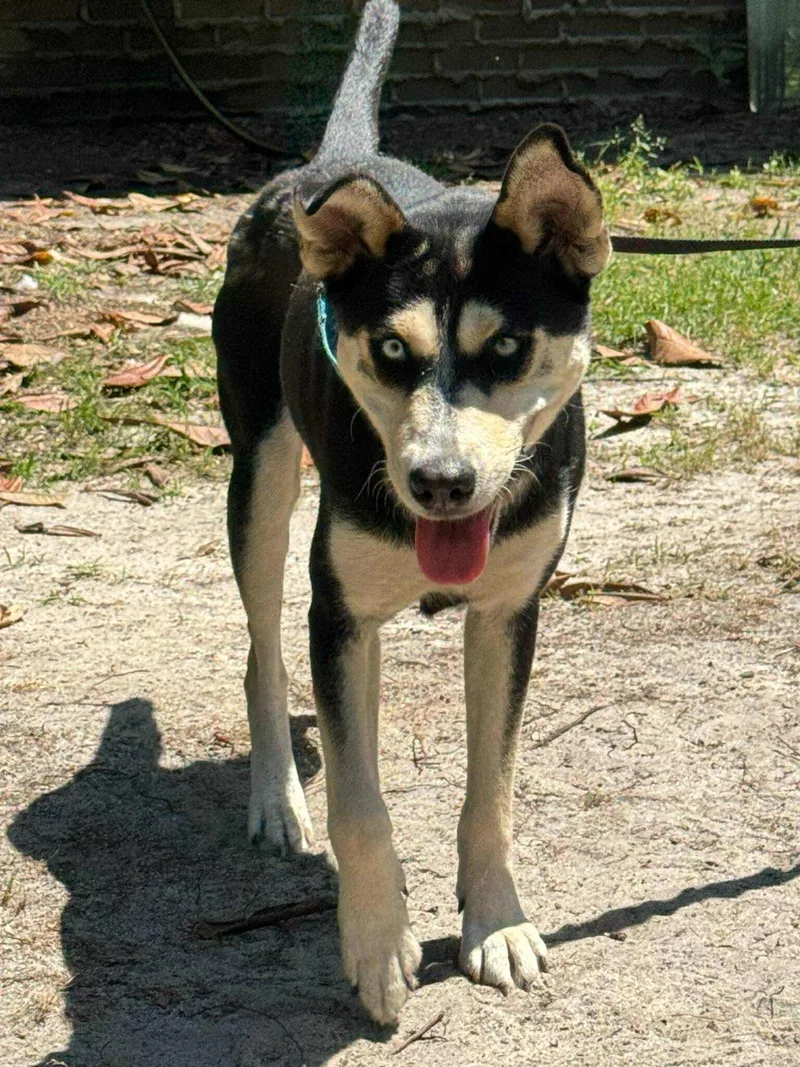
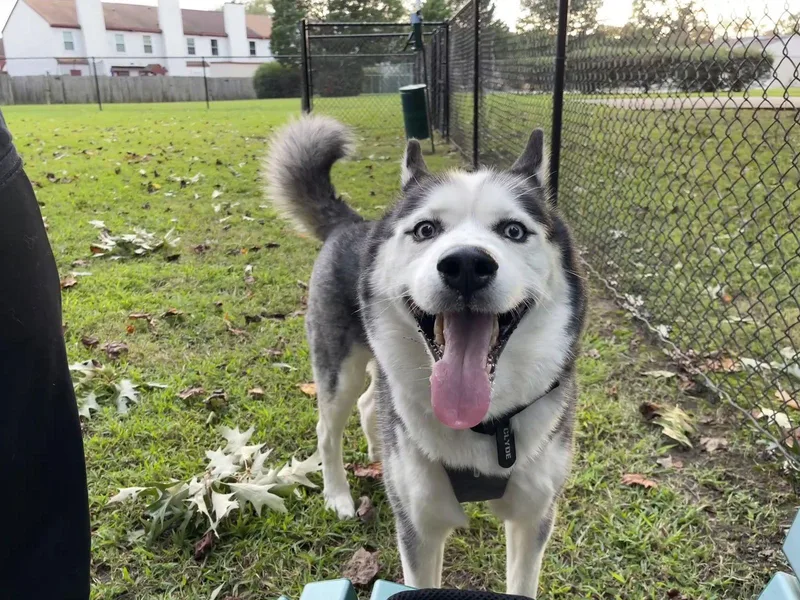
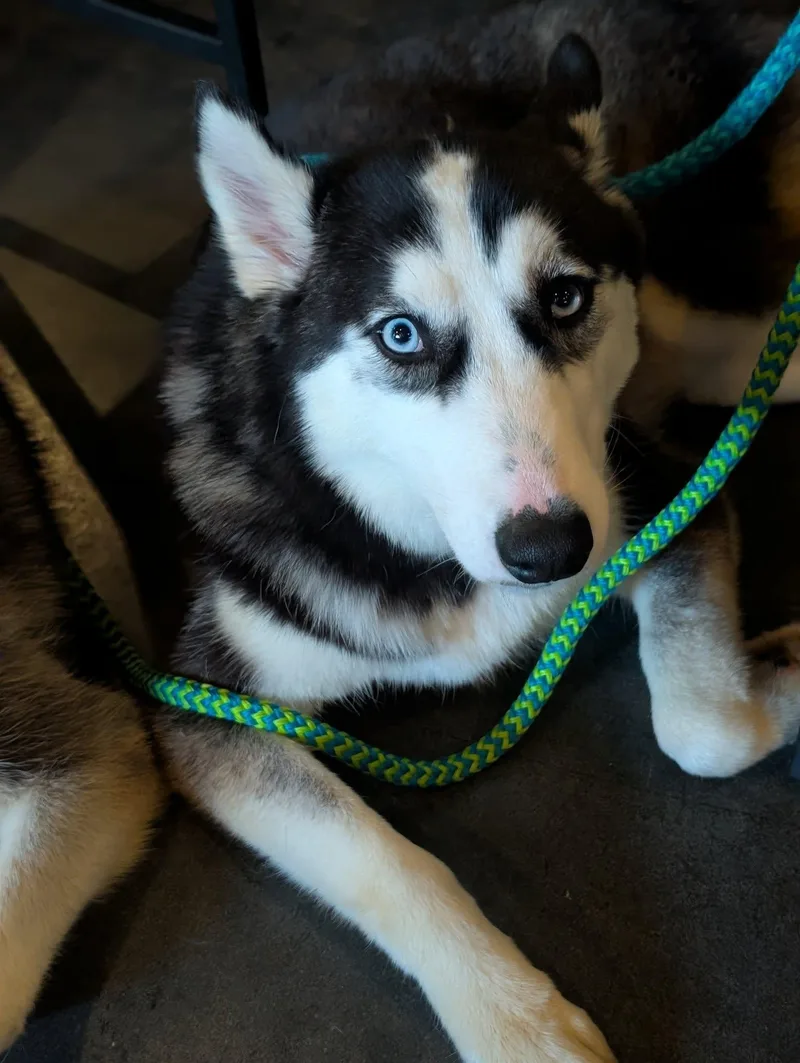
"Husky" is a broad label for northern sled dogs, and in Charleston it usually means a Siberian Husky or a Siberian mix. Some are Alaskan husky types, a mixed racing dog, or have Alaskan Malamute in them. All share the Arctic look: erect triangular ears, a thick double coat, a brush tail and sometimes striking blue or mismatched eyes.

Most weigh roughly 35 to 70 pounds and were built to run all day in a team. Many are friendly, playful and talkative, but also independent, quick to dig or escape, and inclined to chase small animals. In a humid coastal city that coat sheds heavily and holds heat, so a Husky here does best with indoor living, air conditioning and a firm exercise routine.

Weight
35–70 lbs
Height
20–25 in
Lifespan
11–15 yrs
Temperament
Friendly, Energetic, Independent, Vocal
Group
Working
Shedding
High

Owning a Husky in Charleston

Having a Husky in Charleston

Huskies bring sled-dog stamina, a sociable but strong-willed streak and a coat made for cold. In Charleston, two things shape daily life: heat and humidity limit when the dog can run, and the leash law shapes where.

Temperament

Huskies tend to be outgoing and gentle with people, including strangers, so they make poor guard dogs. Many enjoy other dogs, but a strong prey drive can put cats and small pets at risk. They're smart yet independent and may ignore commands that seem pointless. Mixes vary widely, so each dog's own behavior matters more than the label.
Exercise Needs

Most Huskies need vigorous exercise every day, such as running, hiking or pulling sports. In Charleston, that means early mornings or late evenings for much of the year. Recall is often unreliable, so use a leash or a fenced run. Puzzle toys and training help burn off energy that would otherwise turn into digging, howling and escape attempts.

Health Considerations

Husky-type dogs are generally hardy, but eye problems like juvenile cataracts and progressive retinal atrophy, zinc-responsive skin disease and hip problems turn up in some. Overheating is the main local concern, and mosquito-borne heartworm prevention matters in this humid climate. Rinse paws after walks through floodwater, and ask your veterinarian to check eyes and hips.

Living Space

A Husky can live in a house or an apartment if the exercise is reliable, but most do best with a securely fenced yard at least six feet high and dig-proofed. They should live indoors with the family. Expect fur everywhere, plenty of howling or talking, and a dog that needs air conditioning through Charleston summers.

What it costs to own a Husky in Charleston

ExpenseTypical costPer year
Food$35 to $70 per month$420 to $840
Pet insurance$45 to $85 per month$540 to $1,020
Routine vet care$225 to $450 per year$225 to $450
Other*$540 to $1,390 per year$540 to $1,390
Estimated yearly total (after year one)$1,725 to $3,700

Other costs are estimates and vary with size, age and health.

* Flea, tick and heartworm prevention, a dental cleaning, the dog license, toys and bedding, and grooming for heavy seasonal shedding.

Adopt a Husky in Charleston.

Now that you know more, let’s find you a new best friend. These rescues and shelters below have dogs available in and near Charleston.

Rescues and Shelters in or near Charleston

Shelters and rescues across the Charleston area list dogs for adoption, and the pets shown below change often. Here are the rescues & shelters in the Charleston area with dogs available for adoption, worth asking whether a Husky is coming in.

Frequently Asked Questions

Huskies can handle Charleston summers with careful management, but heat is their hardest season. Downtown nights stay around 76°F in July and August, so cooling doesn't come at sundown. Exercise at dawn or late evening, keep the dog in air conditioning most of the day, offer shade and water, and never leave the dog in a parked car.

Fenced runs suit a Husky best, since escapes and weak recall are common. Grove Street Dog Park beside Hampton Park, Governor's Park on Daniel Island and James Island Rec Center are fenced city runs, and James Island County Park's dog park has a swimming lake. For leashed miles, try Hampton Park's one-mile loop. Fenced runs allow two dogs per person.

Yes, you can own a Husky in Charleston. No breed-specific rule is known, and state law says a dog isn't dangerous solely because of its breed. You'll need a rabies tag and city license, a microchip or ID collar for dogs over four months, a leash no longer than 16 feet outside off-leash areas, and waste pickup.

Yes, if the dog gets daily running and the lease allows it. Expect howling that neighbors may hear, heavy shedding and a need for air conditioning through the long humid summer. Check weight limits, since Huskies can reach 70 pounds. A unit near a fenced dog park makes daily routines much easier.

Brush a Husky a few times a week, and daily during the heavy shedding that comes with warming spring weather. Never shave the coat, because it helps insulate against heat. Humidity and floodwater make regular paw rinses and baths useful. Occasional professional deshedding falls within the Other line of the cost table.

Sometimes, on outdoor patios only. South Carolina lets restaurants choose to allow dogs in outdoor dining areas with table service, so each restaurant decides. Dogs must stay leashed and under control, off tables and seats, and out of the building. A Husky that greets everyone may be easier to manage at a quiet patio during off-peak hours.

Service animals are always accommodated on CARTA buses, including the free DASH shuttle downtown. Charleston has no subway or rail system. Check CARTA's current rules on pets before riding, and keep in mind that a large, energetic Husky may be hard to manage on a crowded bus.

A Husky is a northern sled dog type rather than one specific breed. The name most often refers to the Siberian Husky, a recognized AKC breed, but it also covers the Alaskan husky, a mixed racing type, and many husky mixes in shelters. Most are medium-sized, thick-coated, energetic dogs with erect ears and a friendly, independent nature.

Huskies were bred to pull sleds. The Chukchi people of northeastern Siberia developed the ancestors of the Siberian Husky to haul light loads over long distances in teams, and the dogs later became famous in Alaskan sled racing. That purpose explains their stamina, their pack-oriented sociability and their strong urge to run, which still shapes life with a pet husky today.

Plan on roughly $1,725 to $3,700 a year for a Husky in Charleston. That covers food at $35 to $70 a month, insurance at $45 to $85 a month, routine vet care at $225 to $450 a year, and other costs of $540 to $1,390 a year, including grooming tools and prevention.