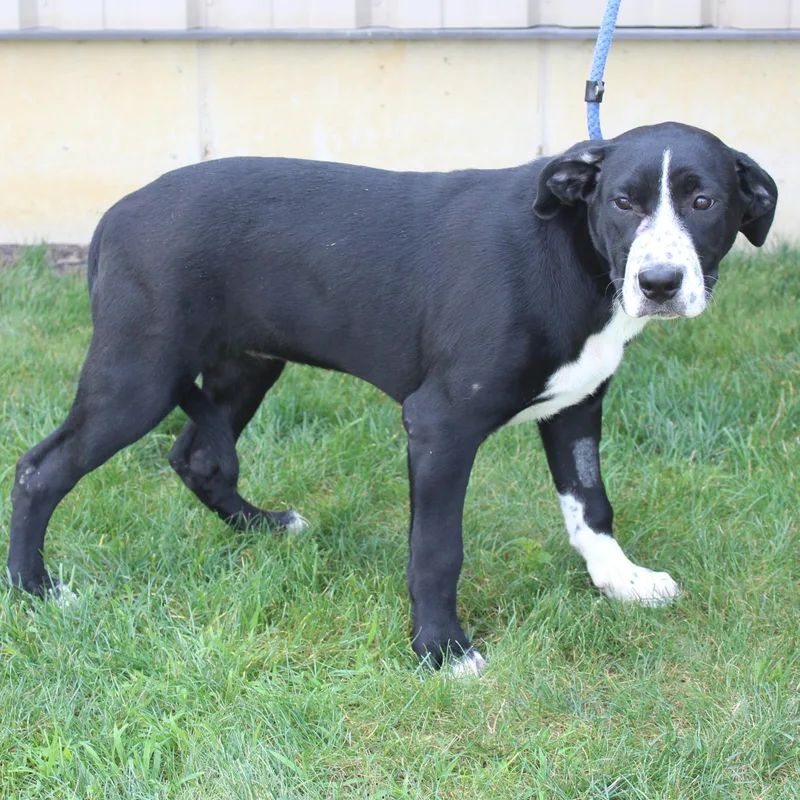
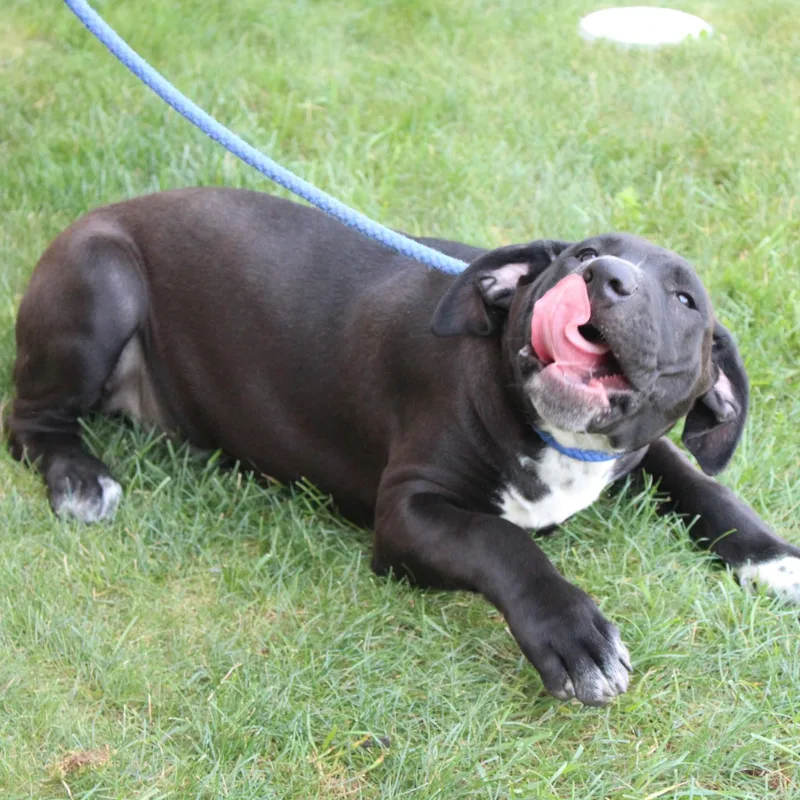
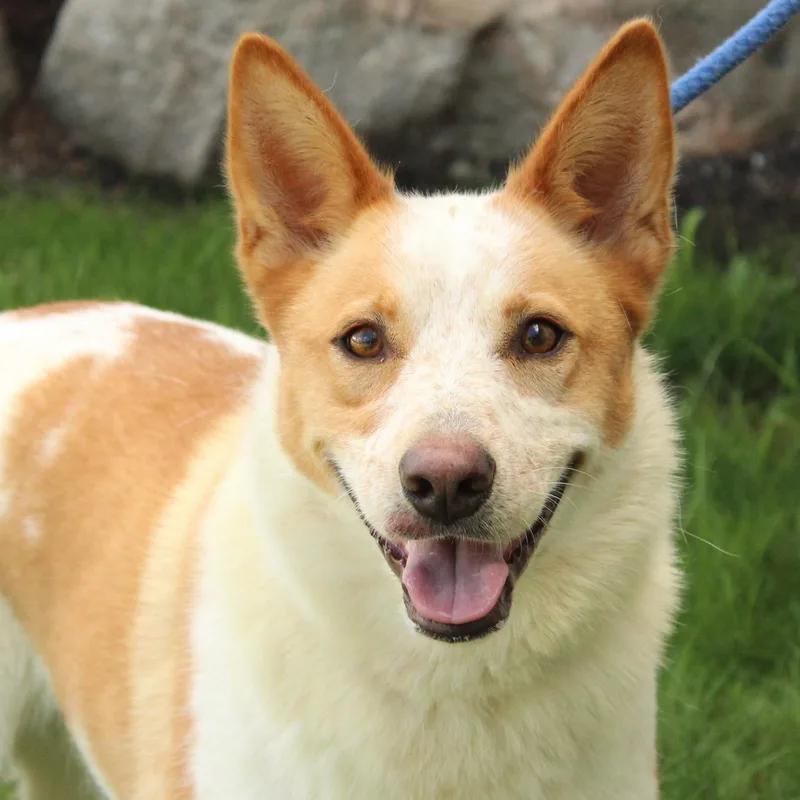
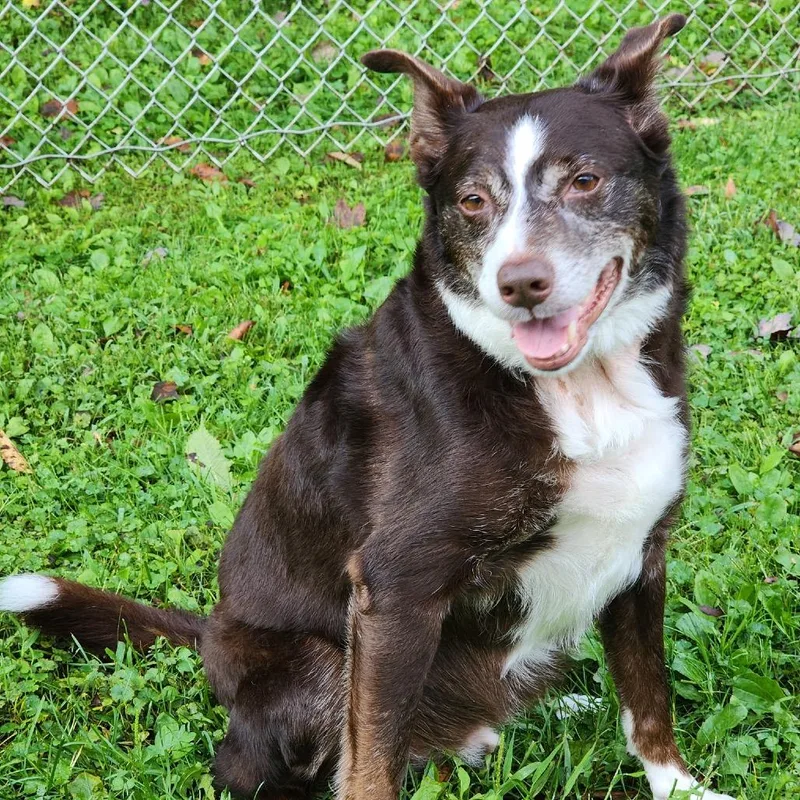
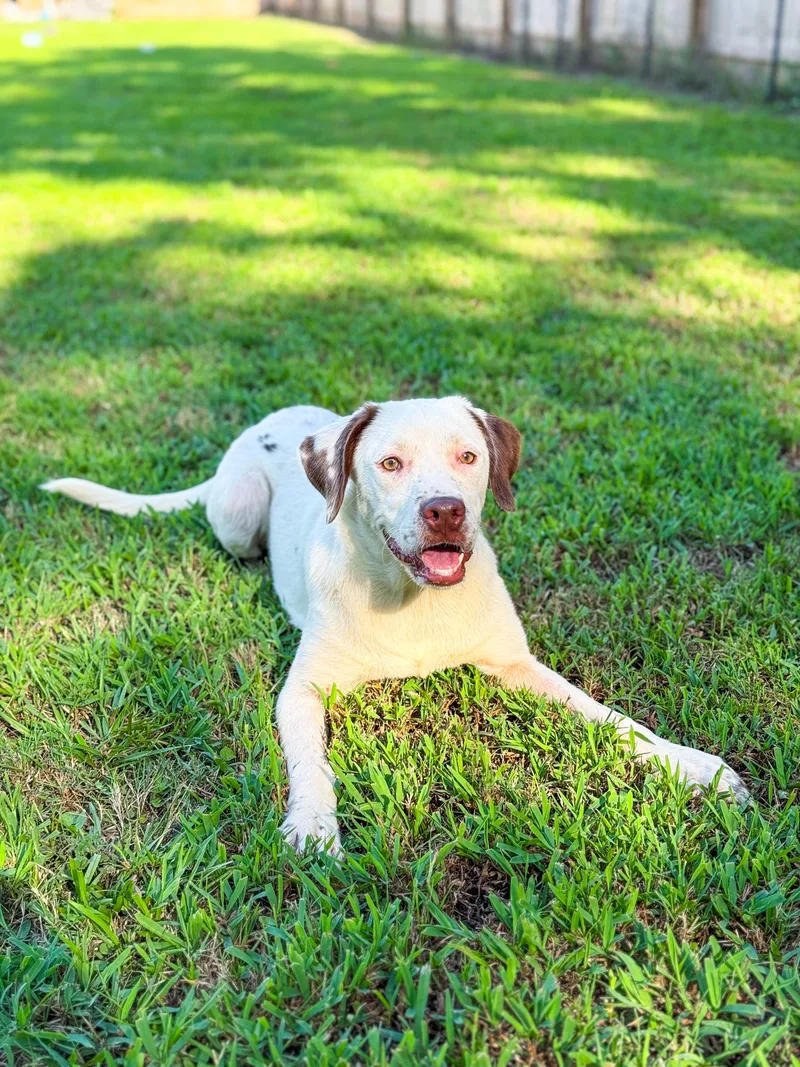
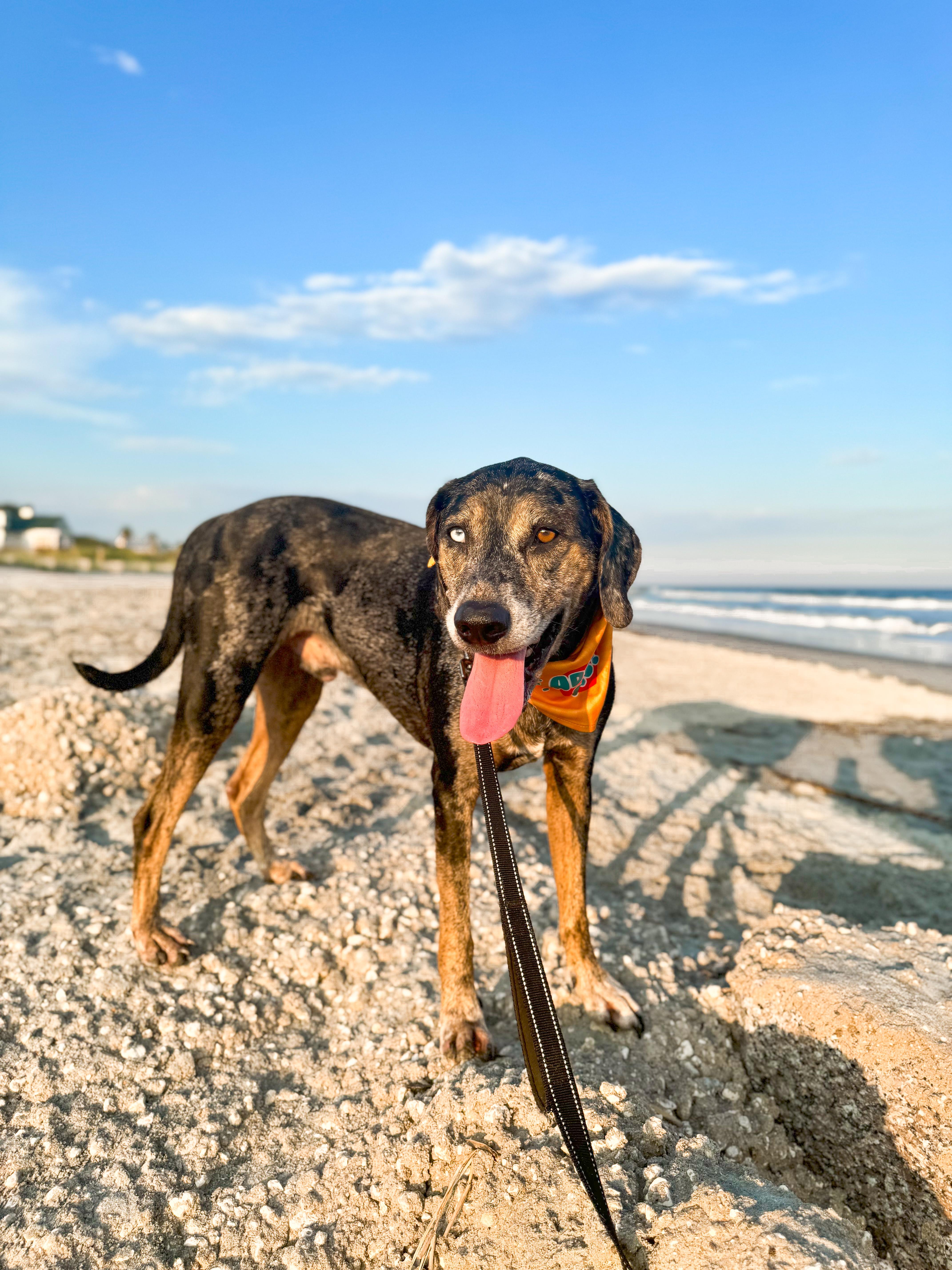
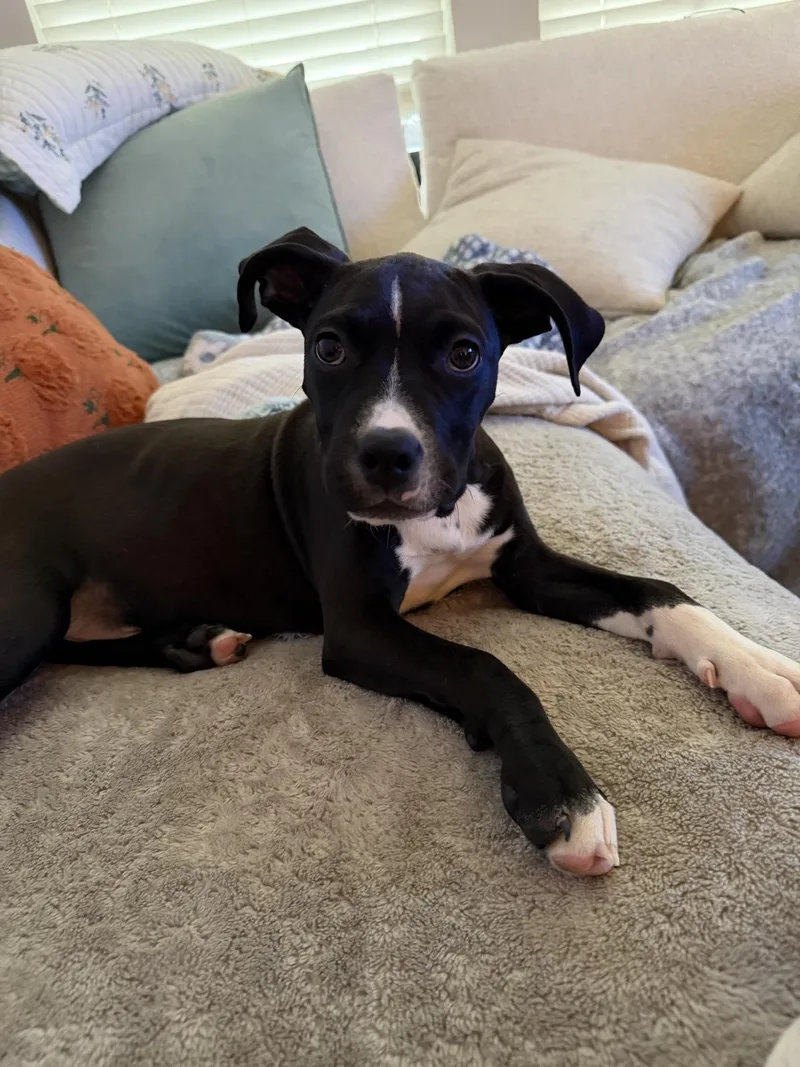
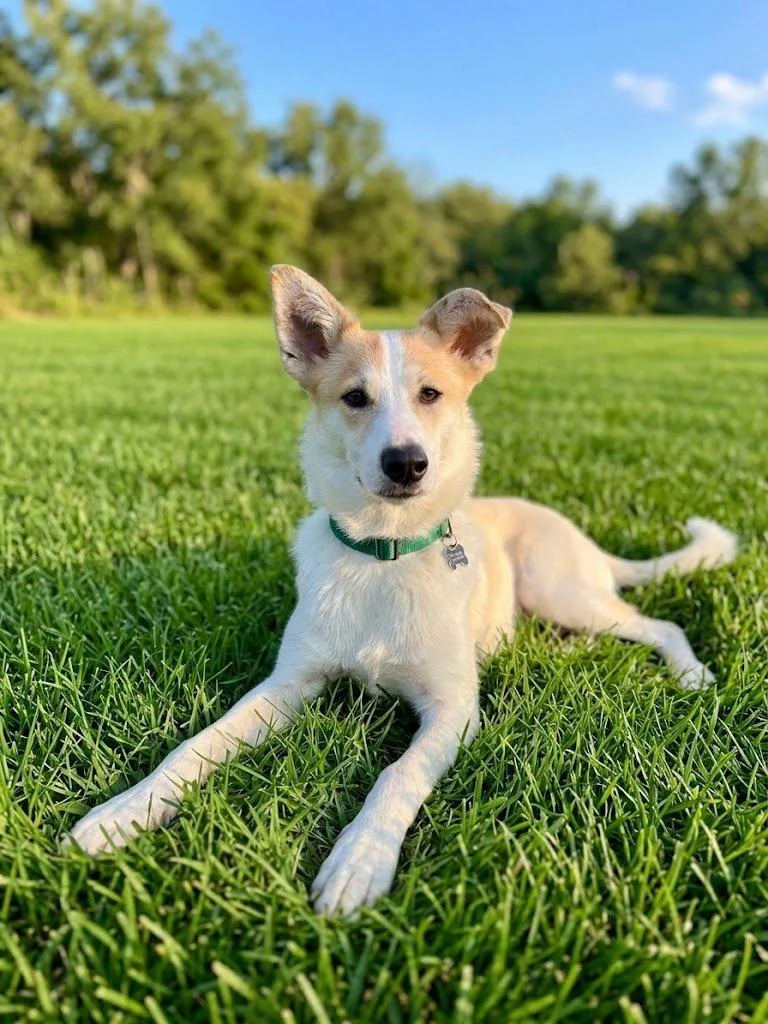
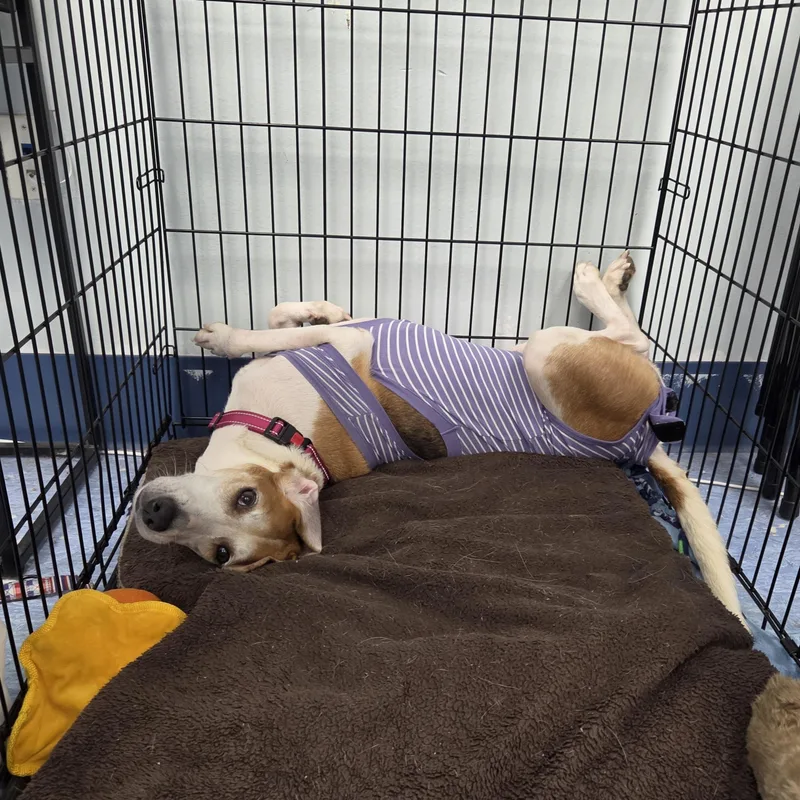
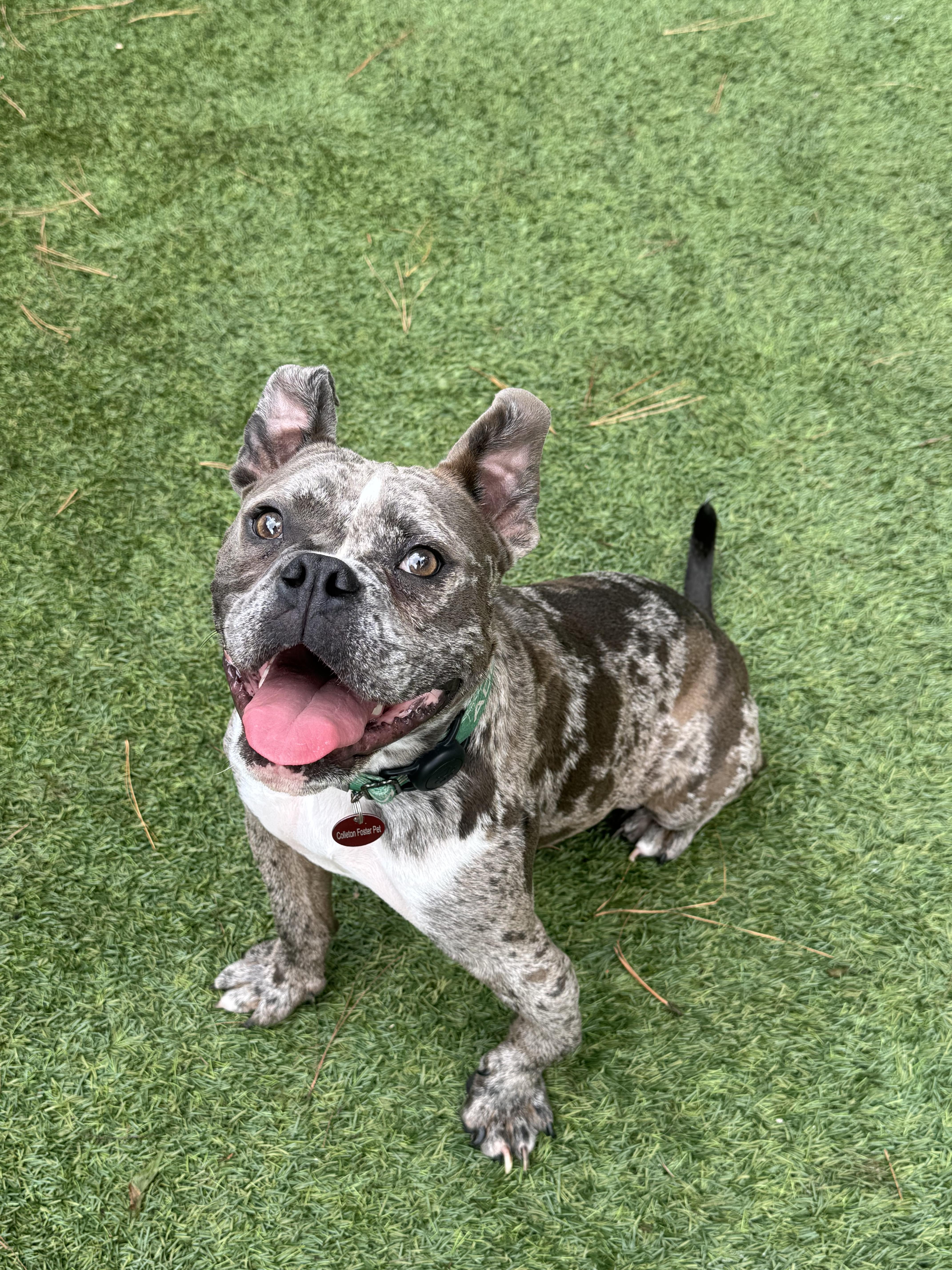
Australian Cattle Dog / Blue Heelers for Adoption in Charleston, SC

Your guide to finding and caring for an Australian Cattle Dog / Blue Heeler in Charleston

Blue Heelers suit Charleston's outdoorsy side, especially on James Island and Johns Island. James Island County Park's dog park has acres to run and a lake for swimming, and Johns Island Park has an off-leash area for fetch. A Heeler needs that kind of outlet every day, plus training games to keep a sharp mind busy. Warm, humid evenings mean the longest walk often happens at dawn. It's a good match for people who love being outside.

4378 Australian Cattle Dog / Blue Heelers available in Charleston and nationwide

Say hello to your Blue Heeler

While we don't have enough dogs near Charleston, keep in mind that many rescues may offer transport.

Australian Cattle Dog / Blue Heelers Available for Adoption Near Charleston

About the Australian Cattle Dog / Blue Heeler breed

Australian Cattle Dogs, often called Blue Heelers or Queensland Heelers, were developed in nineteenth-century Australia to move cattle over long distances in heat and dust. Settlers crossed collie-type herding dogs with dingoes, and the result is a compact, muscular dog of about 35 to 50 pounds with a weatherproof short double coat in blue or red speckle.

Heelers are loyal, alert and clever, often attaching closely to one person and staying wary of strangers. Their stamina and herding instincts can show up as nipping at heels, chasing bikes or bossing other pets. In Charleston, where outdoor life is easy most of the year, they do best with owners who give them real work, consistent training and a secure fence or a leash. Many live 12 to 16 years.

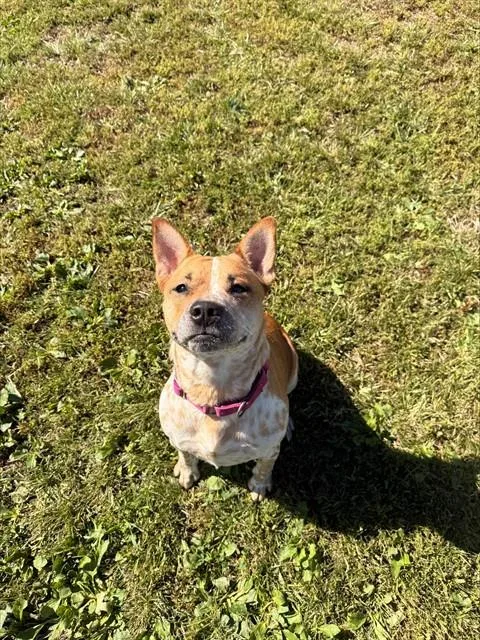
Weight
35–50 lbs
Height
17–20 in
Lifespan
12–16 yrs
Temperament
Energetic, Intelligent, Loyal, Alert
Group
Herding
Shedding
Moderate

Owning an Australian Cattle Dog / Blue Heeler in Charleston

Having an Australian Cattle Dog / Blue Heeler in Charleston

A Blue Heeler's working drive shapes life with one more than its medium size does. Stamina, a sharp mind and herding instincts reward active households, while Charleston's heat and humidity mean exercise needs planning around the time of day.

Temperament

Heelers tend to be loyal, alert and confident, often bonding tightly with one person while staying reserved with strangers. Nipping, chasing and bossing other pets are common herding habits. Busy Charleston sidewalks, joggers and cyclists can trigger them, so early socialization and reward-based training help, though drive varies widely from dog to dog.

Exercise Needs

Most Heelers need vigorous daily exercise plus mental work. Charleston's off-leash areas, such as Johns Island Park and Brittlebank Park, suit fetch and running, while training games and puzzle toys fill the rest of the day. In summer, move hard exercise to early morning and keep evening outings easy.

Health Considerations

Documented concerns include congenital deafness, progressive retinal atrophy, primary lens luxation and hip and elbow dysplasia, and active dogs can pick up injuries from rough play. A veterinarian can test hearing, check eyes and joints, and advise on screening. Mild winters keep fleas, ticks and mosquitoes active, so year-round prevention matters in Charleston.

Living Space

A Heeler can manage an apartment if the owner commits to long daily exercise and training, and a fenced yard helps even more. Wary watchdogs, they may bark at passersby and hallway noise in shared buildings, so a quieter unit helps. They prefer to stay close to their people.

What it costs to own an Australian Cattle Dog / Blue Heeler in Charleston

ExpenseTypical costPer year
Food$35 to $70 per month$420 to $840
Pet insurance$55 to $100 per month$660 to $1,200
Routine vet care$225 to $450 per year$225 to $450
Other*$440 to $1,190 per year$440 to $1,190
Estimated yearly total (after year one)$1,745 to $3,680

Other costs are estimates and vary with size, age and health.

* The Charleston pet license, flea, tick and heartworm prevention, a dental cleaning allowance, durable toys and bedding, and light home grooming for a short coat.

Adopt an Australian Cattle Dog / Blue Heeler in Charleston.

Now that you know more, let’s find you a new best friend. These rescues and shelters below have dogs available in and near Charleston.

Rescues and Shelters in or near Charleston

Charleston's shelters and rescues care for dogs of every age and mix, and those listed here serve the area. Here are the rescues & shelters in the Charleston area with dogs available for adoption, worth asking whether an Australian Cattle Dog / Blue Heeler is coming in.

Frequently Asked Questions

Yes, for active people who enjoy being outside. Charleston offers fenced dog parks, off-leash areas and plenty of leashed walking, which suits a Heeler's need for daily work. The trade-offs are summer heat, storm season and fireworks noise from nearby towns where they're legal, so a calm indoor space and flexible exercise timing matter. A bored Heeler tends to invent its own jobs.

Yes, with adjustments. Downtown reaches 90°F on about 25 days a year, and inland areas see more, with humidity adding to the strain. Exercise at dawn, bring water, rest in shade or air conditioning, and watch for heavy panting. Heelers keep going past their limits, so end sessions early and keep them off hot pavement.

Johns Island Park and Brittlebank Park have unfenced off-leash areas open dawn to dusk, best for a Heeler with reliable recall. Fenced runs like Medway Park in West Ashley and the James Island Rec Center are safer for a dog that chases. Dogs must be licensed and vaccinated, with two dogs per person. Hampton Park's loop is for leashed walks.

Yes, if the owner commits to long daily exercise and training. Heelers are alert watchdogs and may bark at hallway noise, so a quieter unit and plenty of mental work help. Charleston's fenced dog parks give apartment dogs a safe place to run, and leashes are required elsewhere, so plan on daily trips out rather than relying on a balcony.

Very little. A Heeler's short, weatherproof double coat needs a weekly brush, and more during the once- or twice-a-year coat blow. In Charleston's humidity, dry the coat after wet outings and rinse paws after walking through floodwater. Most owners groom at home, so grooming adds little to the Other costs of $440 to $1,190 a year.

Sometimes, on outdoor patios only. South Carolina lets restaurants choose to allow dogs in outdoor table-service areas, so look for signs at the entrance. Dogs must stay restrained and off tables and seats, and only service animals may go indoors. Heelers can be wary of strangers, so practice settling calmly on a mat first.

CARTA buses, including the free downtown DASH shuttle, always accommodate service animals, but there's no published rule on pets or carriers, so check CARTA's current pet rules before riding. Charleston has no subway or rail. A wary, alert Heeler may find a crowded bus stressful, so practice short, calm outings first.

Blue Heelers typically live about 12 to 16 years, and a recent UK study put the breed's average life expectancy at about 14 years, longer than many purebreds. A famous Australian Cattle Dog named Bluey reportedly lived over 29 years, though such records are hard to verify. Staying lean and active and getting regular checkups support a long life.

A Blue Heeler is an Australian Cattle Dog with a blue coat. It is a medium-sized herding breed developed in Australia to drive cattle by nipping at their heels. Heelers are compact, muscular and tough, known for intelligence, stamina, loyalty and wariness of strangers. The red-coated version is called a Red Heeler, and both are the same breed.

Expect roughly $1,750 to $3,700 a year for a Heeler in Charleston. Food runs $35 to $70 a month and pet insurance $55 to $100 a month, while routine vet care is $225 to $450 a year. Other costs, such as parasite prevention, dental care, the license and supplies, add $440 to $1,190 yearly.