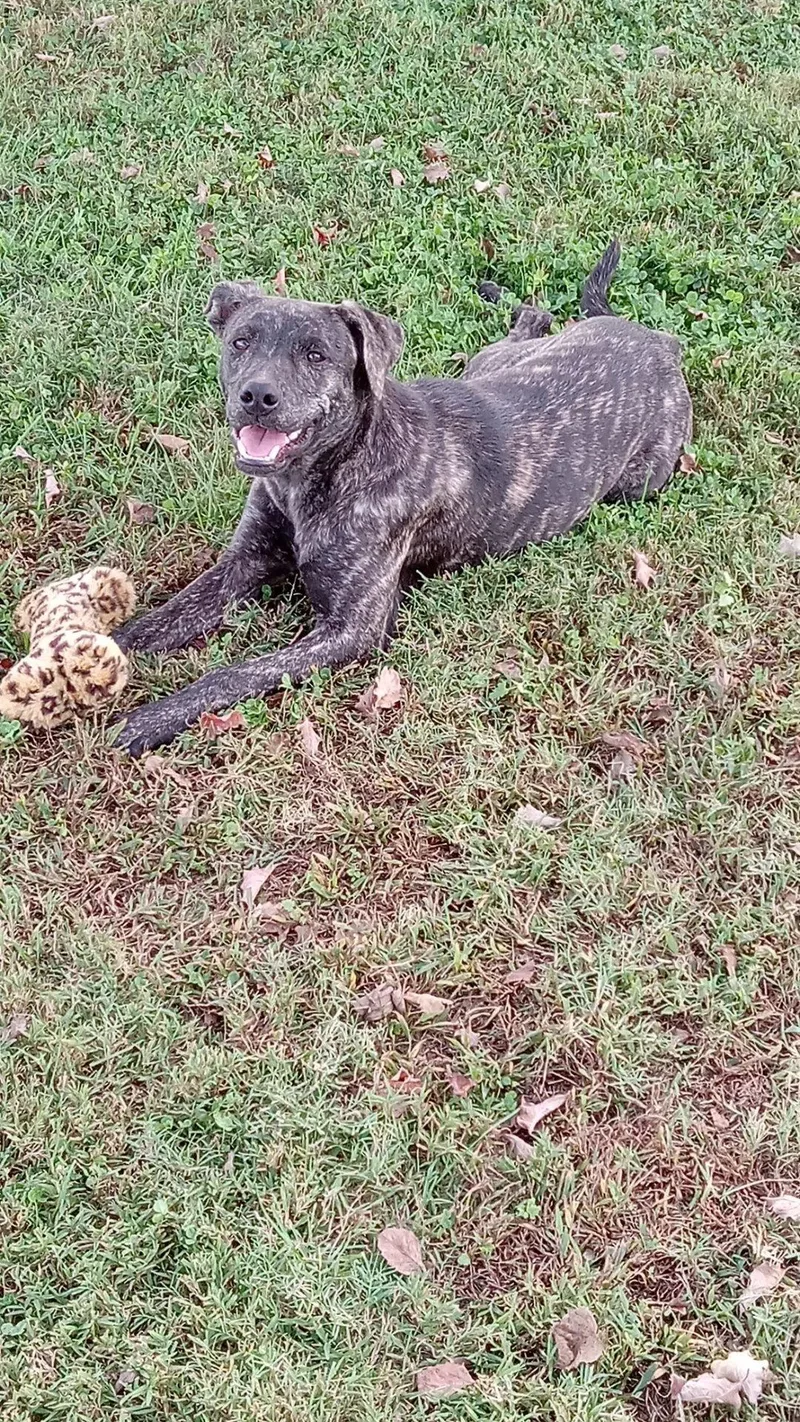
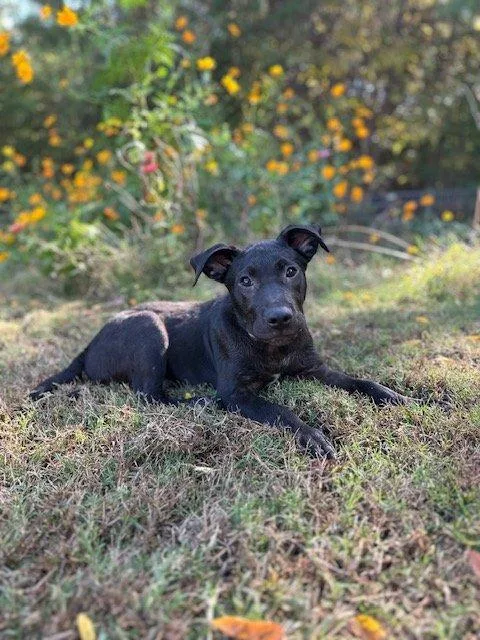
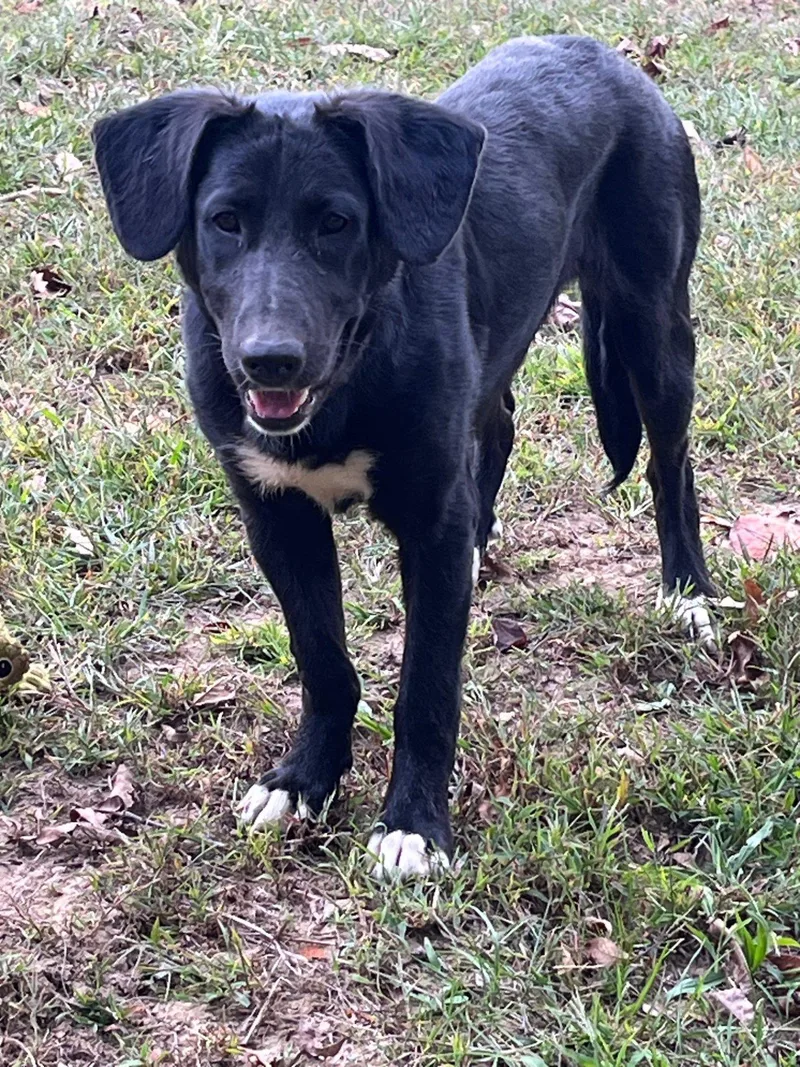
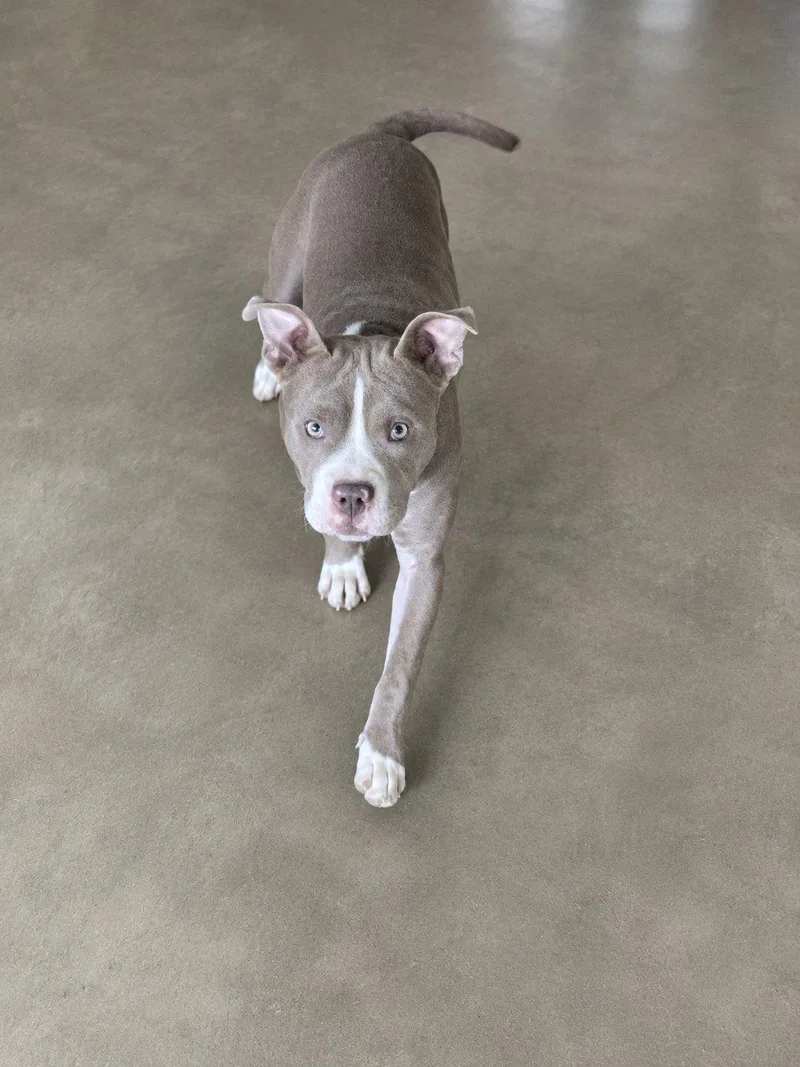
Black Labrador Retriever Dogs for Adoption in Cranston, RI

Your guide to finding and caring for a Black Labrador Retriever in Cranston

Black Labs suit Cranston if you're up for a long walk every day. Edgewood's older grid streets make easy neighborhood loops, and out past I-295 the Knight Farm trails give a Lab plenty to sniff on a leash. The coat sheds all year, so expect hair on the couch, and winter walks end with a towel by the door. A black Lab does best with people home for part of the day, since many get bored and chewy when left alone.

3268 Black Labrador Retrievers available in Cranston and nationwide

Find your Black Labrador Retriever

Black Labrador Retrievers Available for Adoption Near Cranston

About the Black Labrador Retriever breed

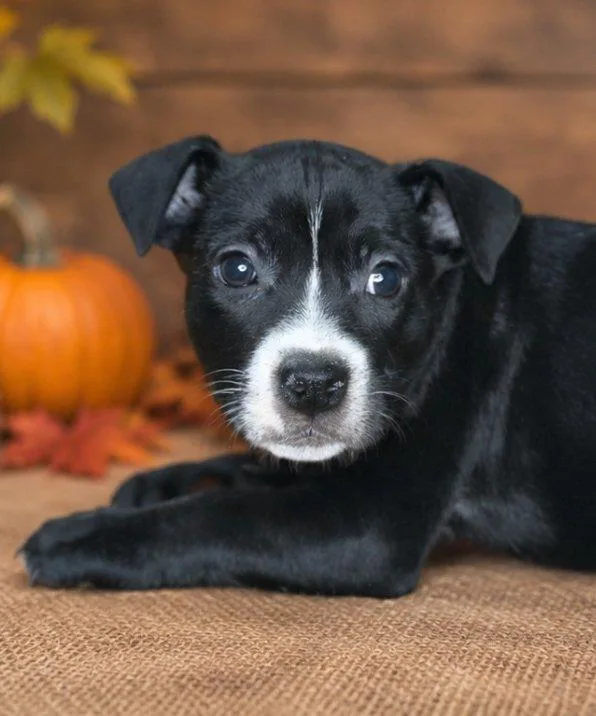
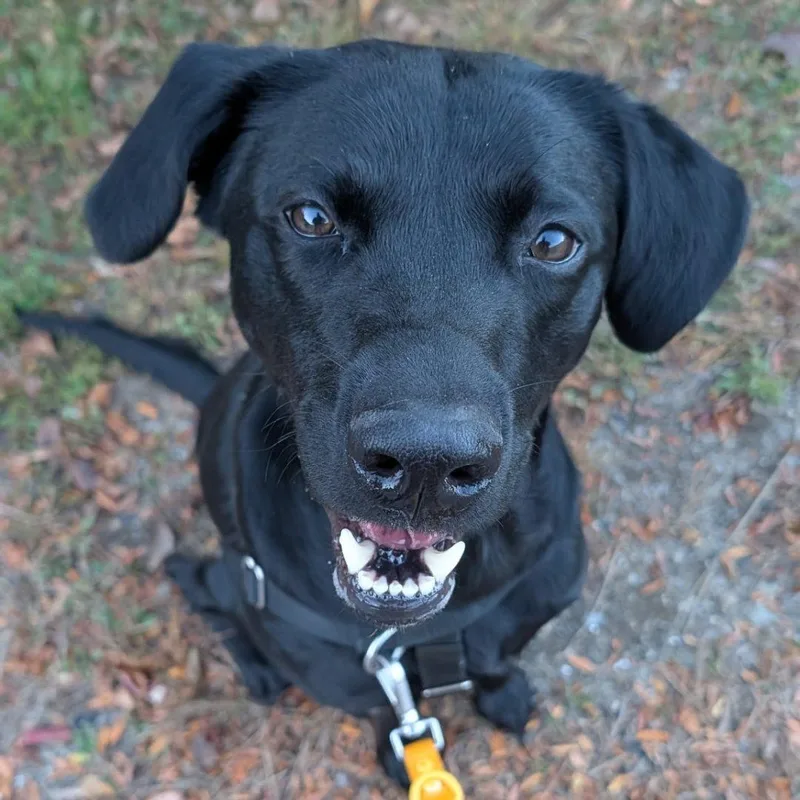
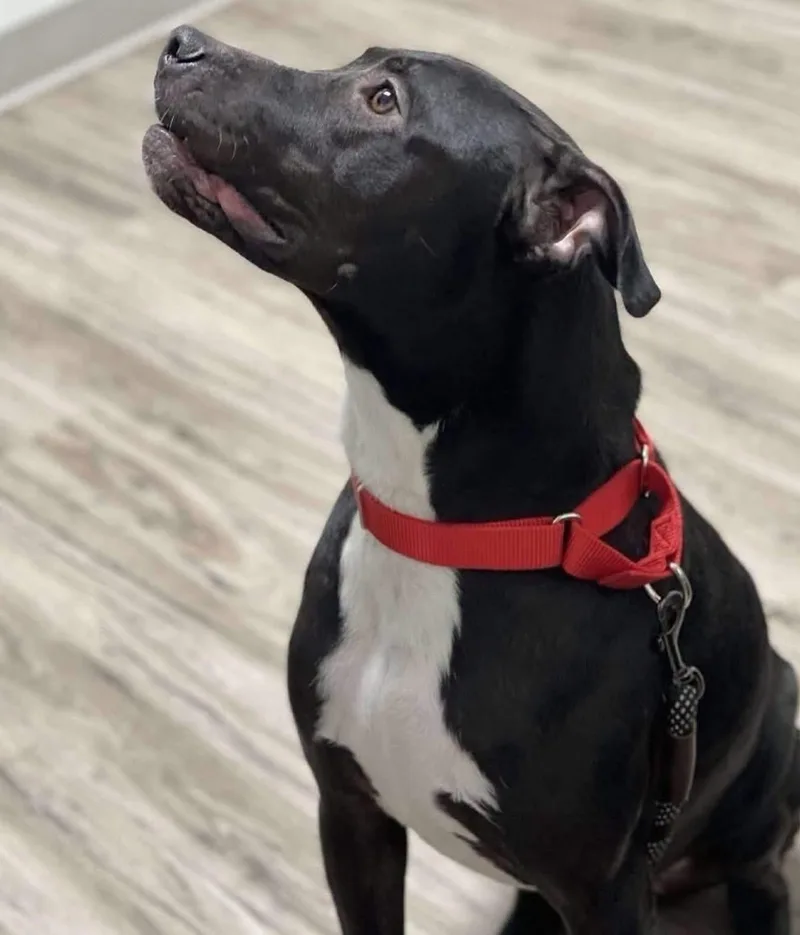
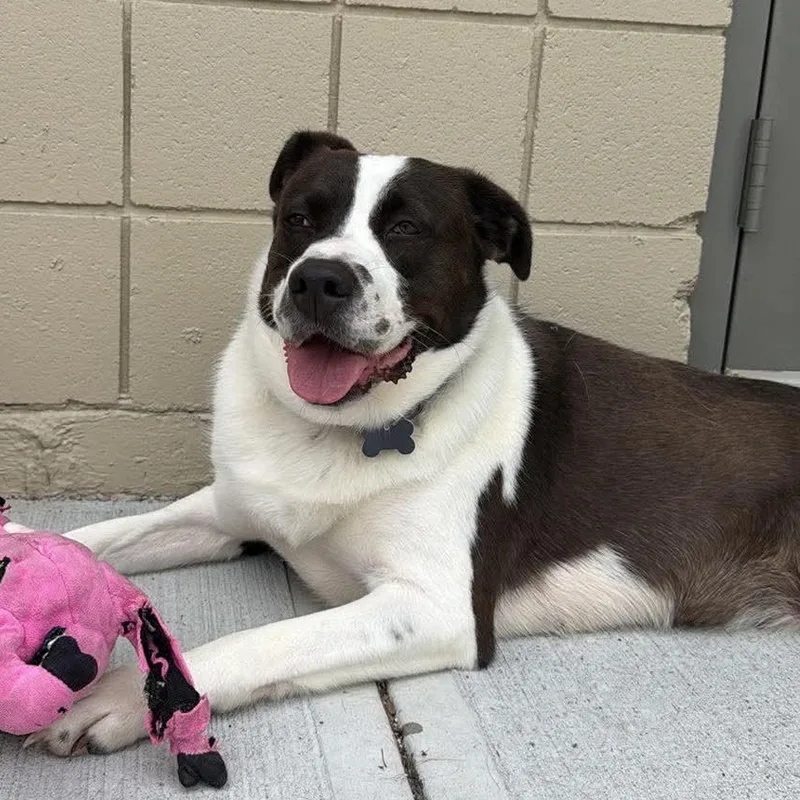
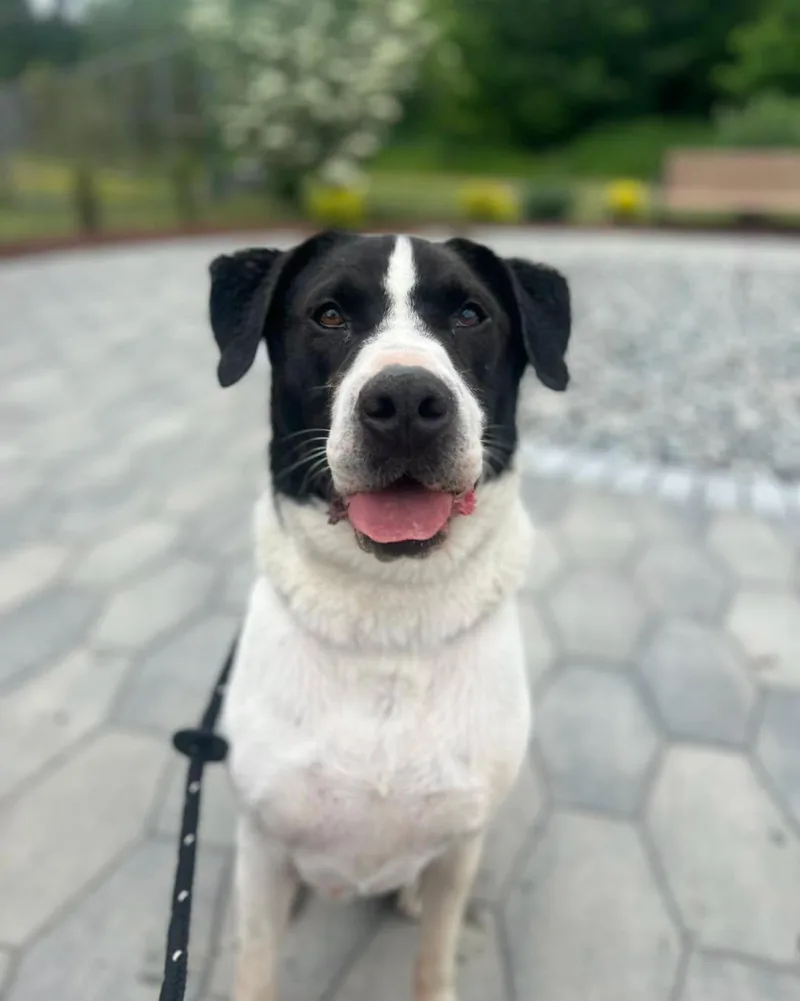
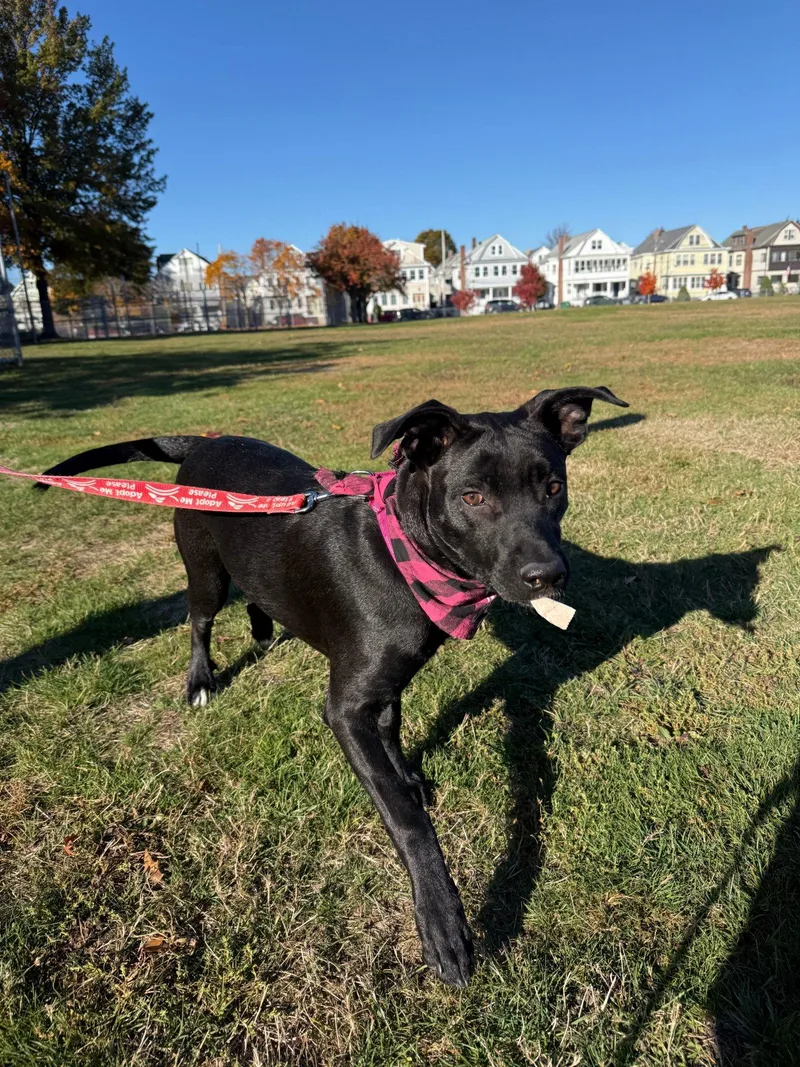
A black Lab is simply a Labrador Retriever in the breed's original color. The earliest Labs, descended from Newfoundland's St. John's water dogs and refined in Britain as gun dogs, were mostly black. Adults typically weigh 55 to 80 pounds and have a broad head, an otter-like tail and a dense, water-resistant double coat, sometimes with a small white chest spot.

Color doesn't change personality. Black Labs are generally friendly, food-motivated and eager to please, though leaner, field-bred dogs can be more driven than show-bred ones. In Cranston, that means a dog who'll enjoy leashed trail walks and a snowy yard, but who needs consistent training, measured portions and plenty of brushing through the shedding seasons. Adolescence can run long and bouncy, so patience pays off.

Weight
55–80 lbs
Height
21–25 in
Lifespan
10–14 yrs
Temperament
Friendly, Outgoing, Active
Group
Sporting
Shedding
Moderate to High

Owning a Black Labrador Retriever in Cranston

Having a Black Labrador Retriever in Cranston

Black Labs pair a sociable outlook with real stamina. Energy, appetite and heavy seasonal shedding shape daily life far more than coat color, and Cranston's snowy winters and leashed trails are worth planning around.

Temperament

Most black Labs are outgoing and affectionate with family, guests and other dogs, which helps on busy Cranston sidewalks. Young dogs can be mouthy and boisterous, and their love of food makes reward-based training work well. A Lab's history and socialization matter more than breed reputation, so watch how a dog handles new people and noises.

Exercise Needs

Plan on an hour or more of activity a day for a grown Lab: brisk walks, fetch and scent games. In Cranston, leashed loops at Knight Farm or along the Pawtuxet River work well, and indoor tug and training games fill snowy days. Younger and field-bred dogs usually need more, while seniors do better with gentler outings.

Health Considerations

Labs can face hip and elbow dysplasia, cruciate ligament tears, exercise-induced collapse, eye disease and ear infections, and many gain weight easily. A veterinarian can check hips and elbows and track weight. Keep rabies vaccination current, since rabid raccoons have been reported around Providence, and use tick prevention through the warm months.

Living Space

A black Lab can live in a Cranston apartment or a house when daily exercise is covered. Yards are common here, and a secure fence makes play easier but doesn't replace walks. Expect shed hair, a sweeping tail and a dog that wants to live indoors with the family.

What it costs to own a Black Labrador Retriever in Cranston

ExpenseTypical costPer year
Food$55 to $110 per month$660 to $1,320
Pet insurance$65 to $130 per month$780 to $1,560
Routine vet care$250 to $500 per year$250 to $500
Other*$588 to $1,463 per year$588 to $1,463
Estimated yearly total (after year one)$2,278 to $4,843

Other costs are estimates and vary with size, age and health.

* Flea, tick and heartworm prevention, a dental cleaning allowance, the $13 Cranston dog license, toys and bedding, and brushing and baths for heavy seasonal shedding.

Adopt a Black Labrador Retriever in Cranston.

Now that you know more, let’s find you a new best friend. These rescues and shelters below currently have Black Labrador Retrievers available.

Rescues in Cranston with Black Labrador Retrievers Available

Cranston's city shelter and area rescues care for dogs of every size, and their listings change often. Here are the rescues & shelters in the Cranston area where you can find Black Labrador Retrievers and other dogs available for adoption.

Frequently Asked Questions

Yes. Rhode Island bars cities and towns from enacting breed-specific rules, so Cranston can't restrict Labs as a breed. What does apply is an annual dog license due April 30, leashing off your property, picking up waste, and a two-dog household limit without special approval. Adopted dogs need a license within 30 days of coming home.

Yes, most do well. A Lab's dense double coat suits Cranston's snowy winters. Limit time outside in the worst cold, wipe salt and ice melt from paws and bellies after walks, and take extra care with senior dogs on ice. State law also limits keeping dogs outdoors in extreme weather, so Labs belong inside with the family.

Knight Farm in western Cranston and the trails along the Pawtuxet River are the best-known options, and city code allows leashed dogs on both. They give a Lab long, sniff-heavy walks that burn energy. Keep the leash on, and skip ball fields, playgrounds and school grounds, which are off-limits to dogs.

Yes, if daily exercise is covered. A grown Lab needs an hour or more of walks and play, plus company, since bored dogs bark and chew. Cranston's nuisance rules cover barking that disturbs neighbors, so build a routine first. Landlords often set weight limits, and a 55 to 80 pound Lab may exceed them.

No, not as pets. RIPTA buses serve Cranston, but animals aren't permitted except service animals. Cranston has no rail station or subway either. With a 55 to 80 pound dog, plan on car trips and neighborhood walks, and line up transportation for vet visits ahead of time.

Sometimes, on patios only. Rhode Island law lets restaurants allow leashed dogs outdoors if they choose: the dog stays at your table, is never left alone, and can't pass through indoor space. Cranston code bars pet dogs from stores and dining rooms. A Lab that settles under the table makes patio visits easier.

Brush weekly most of the year and several times a week during the heavy sheds in spring and fall. In winter, dry the coat and wipe off road salt after walks. Baths every month or two are plenty. Budget about $100 to $300 a year for baths and brushing, part of the Other costs listed here.

A Labrador Retriever is a large sporting dog developed to retrieve game for hunters, especially from water. Labs have a short, dense double coat, a thick otter tail and a broad head, and they come in black, yellow and chocolate. Many are friendly, food-motivated and eager to work, which makes them common family, guide and service dogs.

We have 1 rescue with Black Labrador Retrievers available: Cranston Animal Shelter. You can see every rescue with Black Labrador Retrievers available in the list above these questions, or scroll to the top to see the Black Labrador Retrievers near Cranston.

Budget roughly $2,280 to $4,840 a year for a black Lab in Cranston: food runs $55 to $110 a month, insurance $65 to $130 a month, routine vet care $250 to $500 a year, and other costs $588 to $1,463 a year. Large dogs eat more, and keeping weight in check helps hold down vet bills.