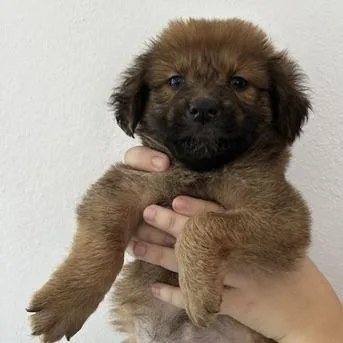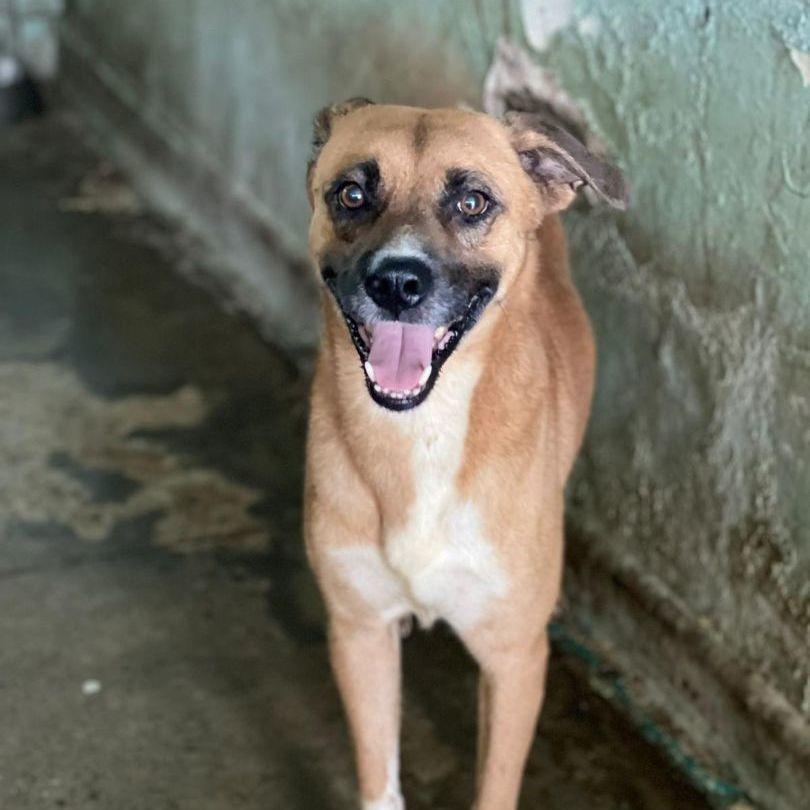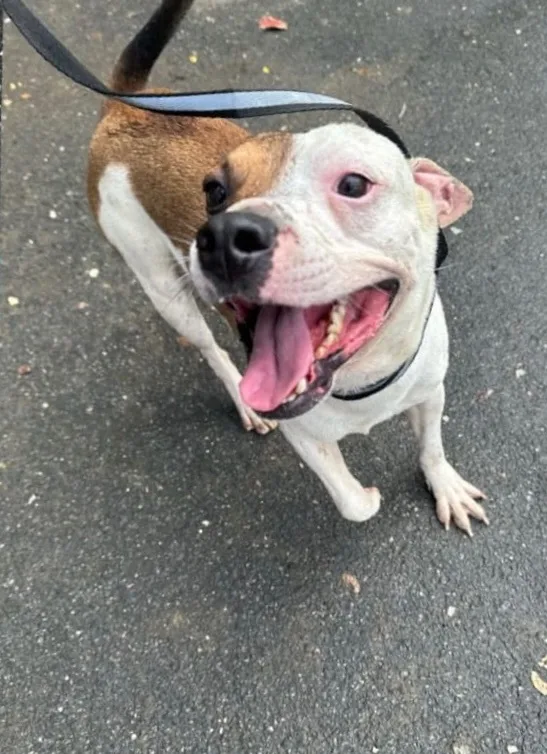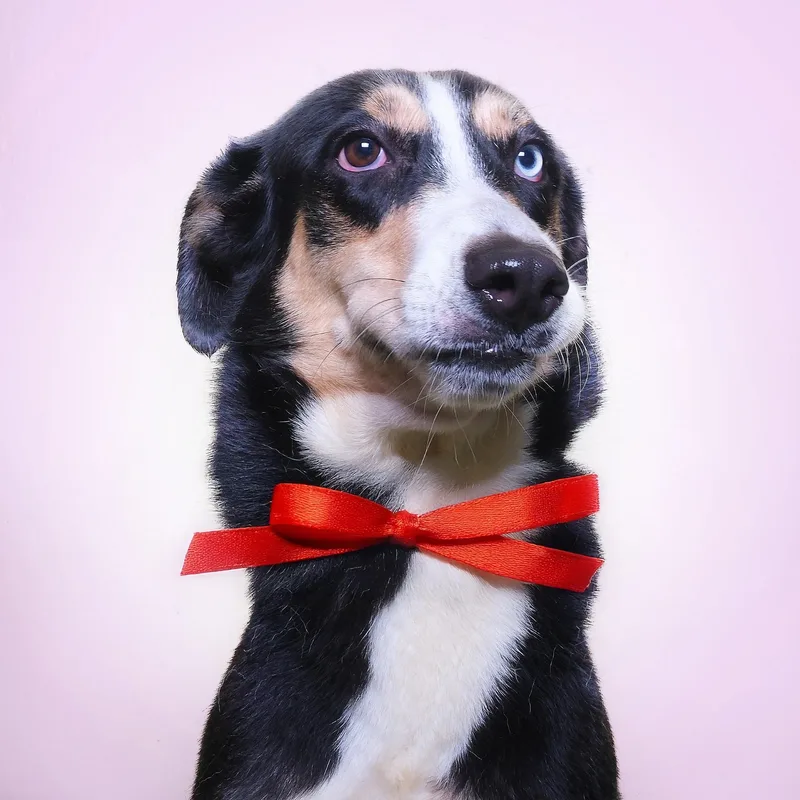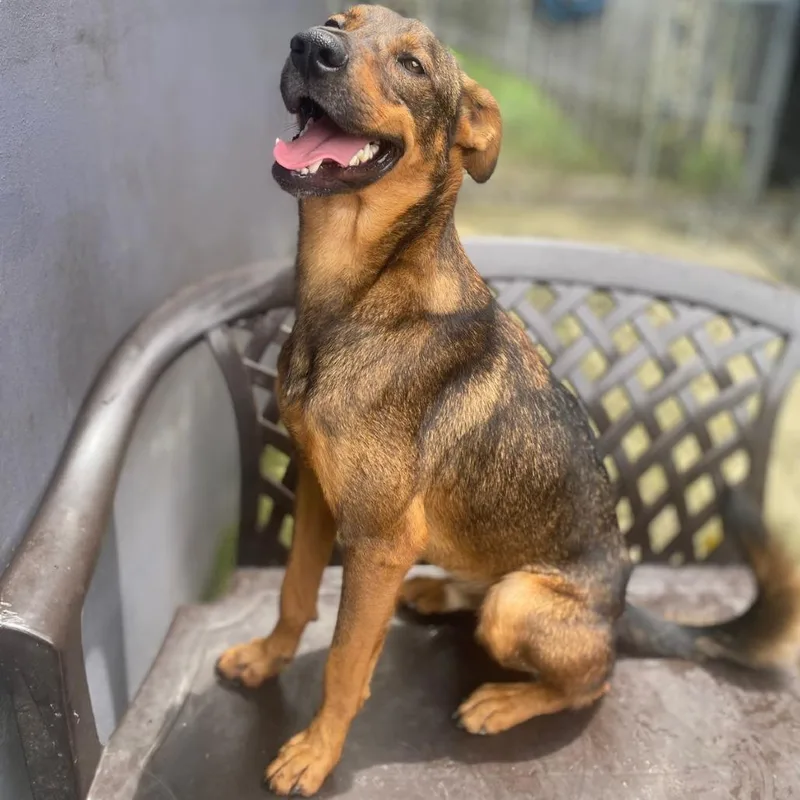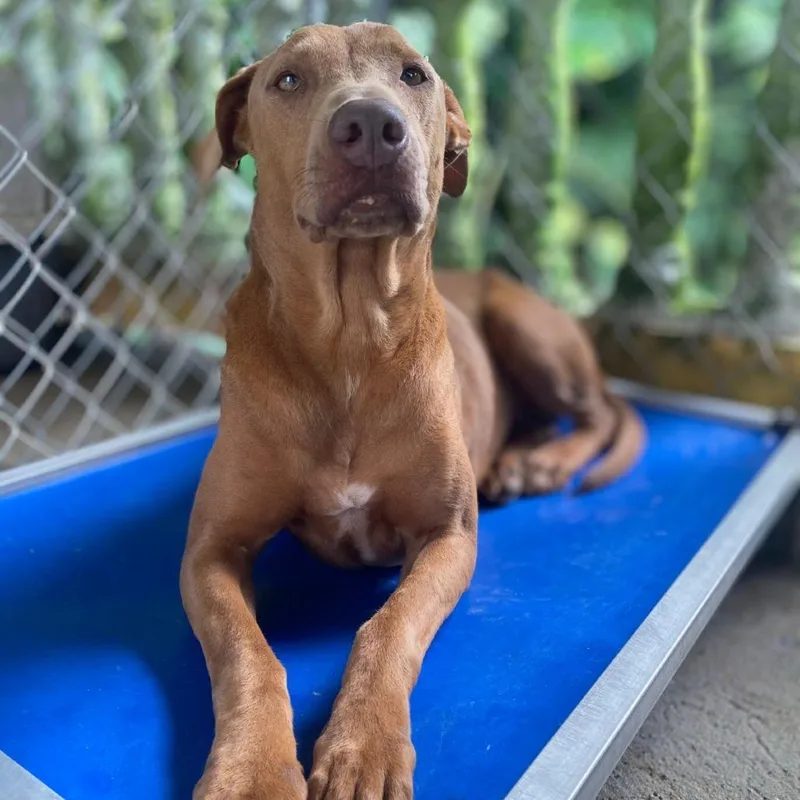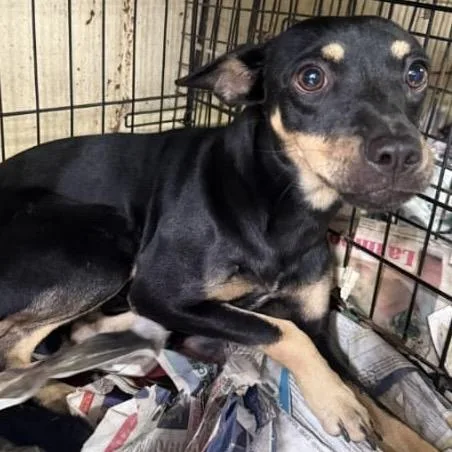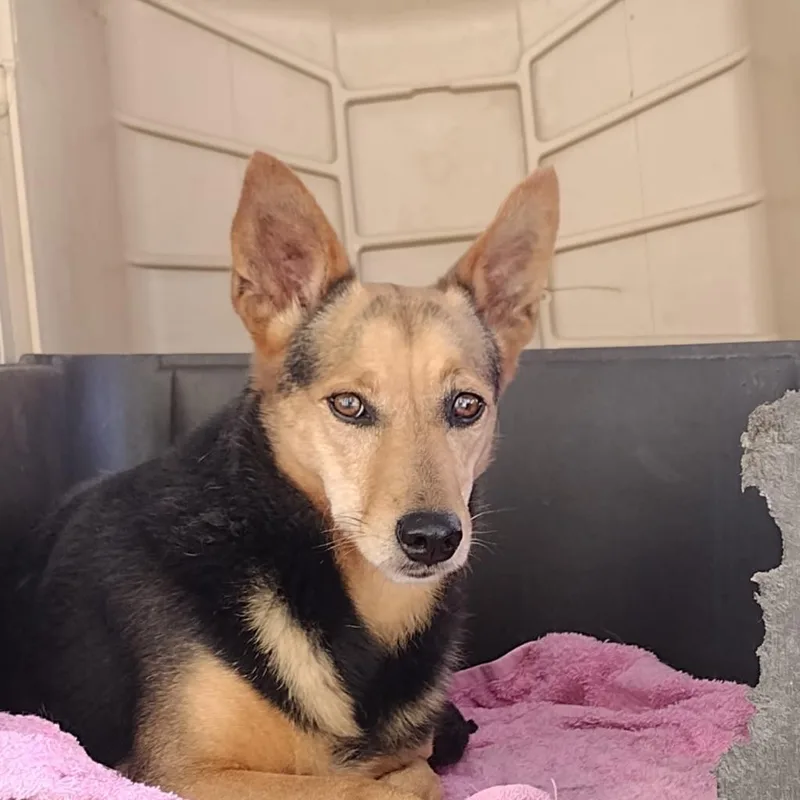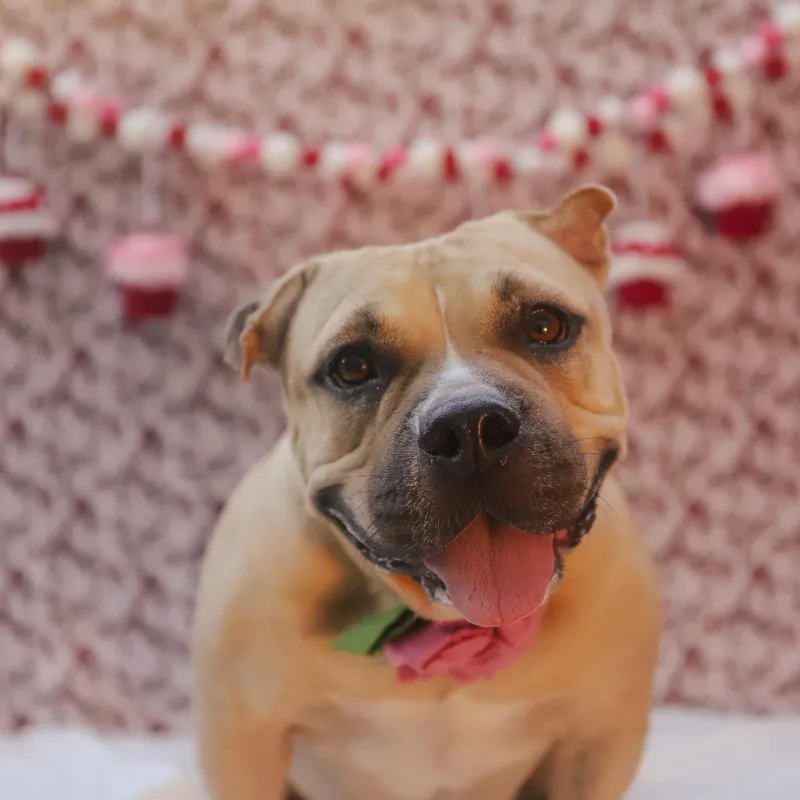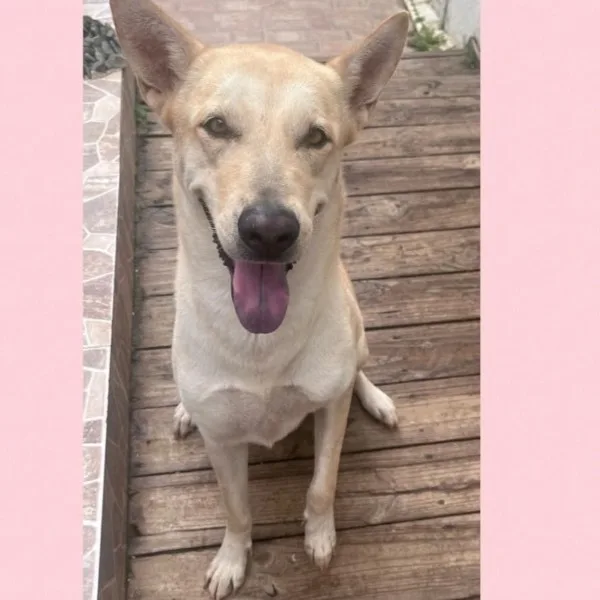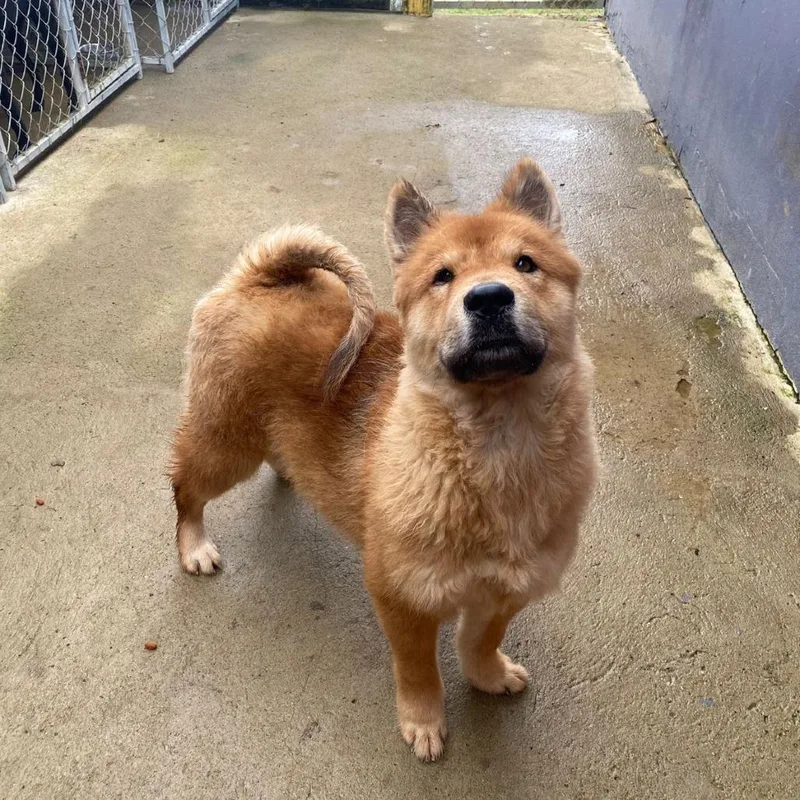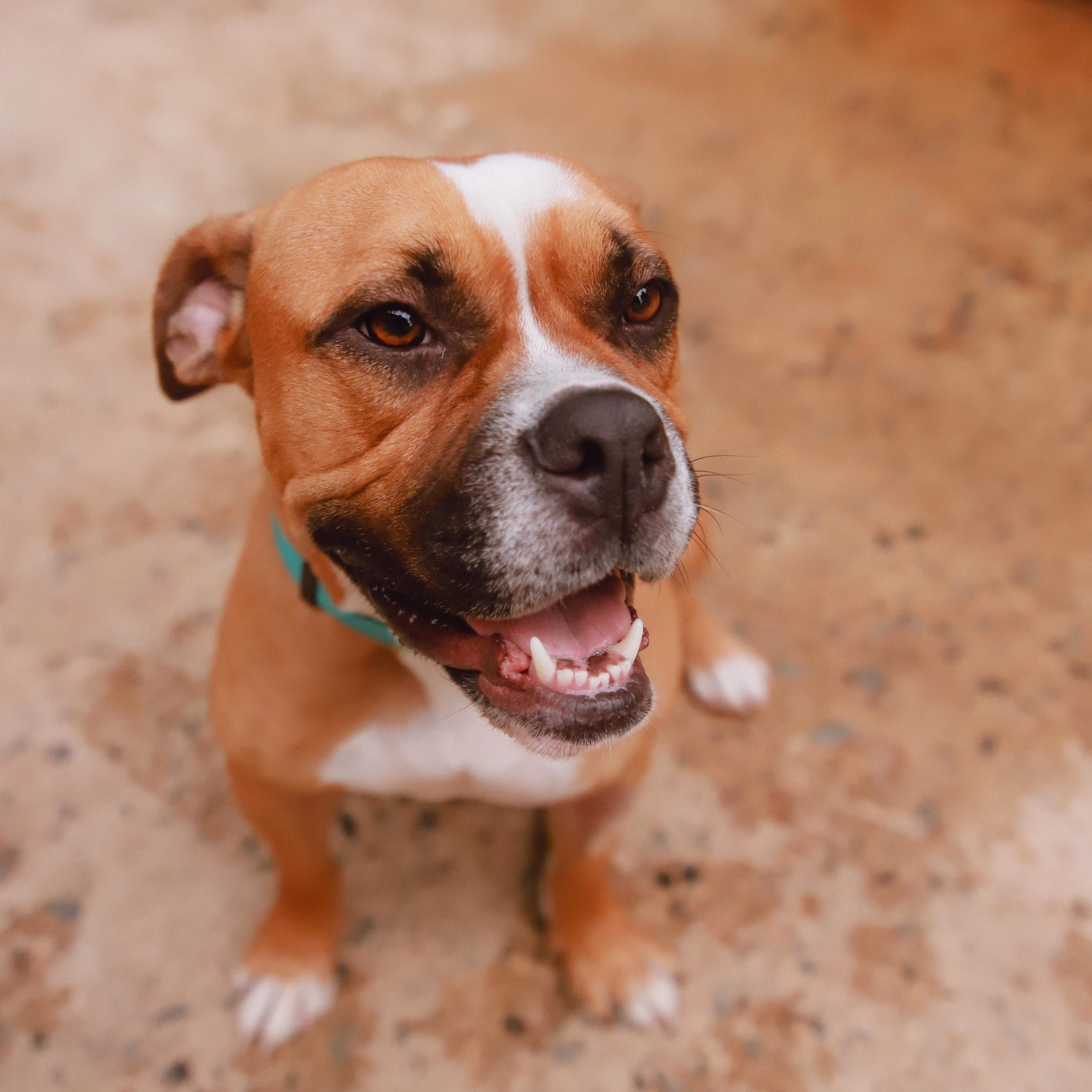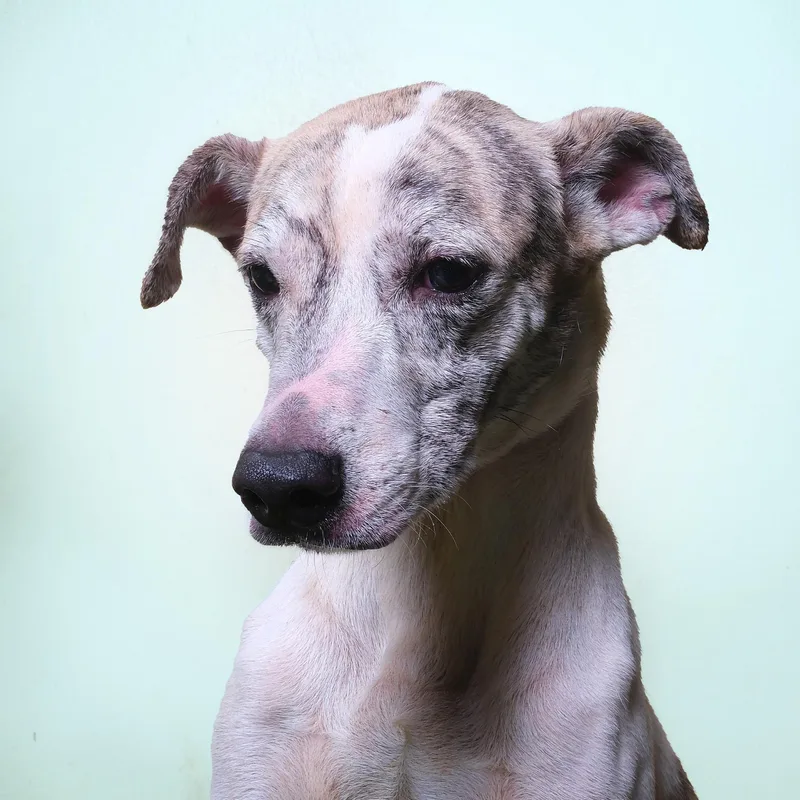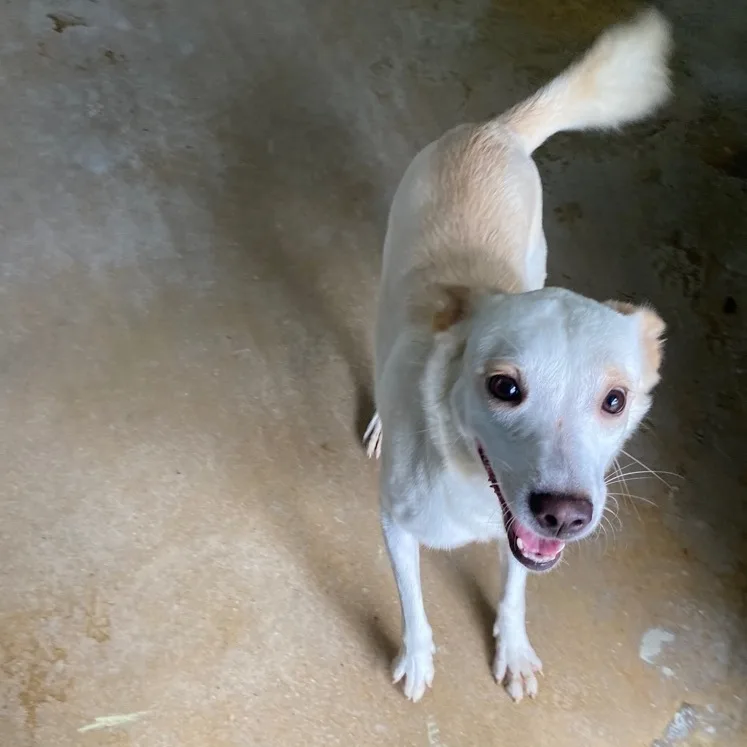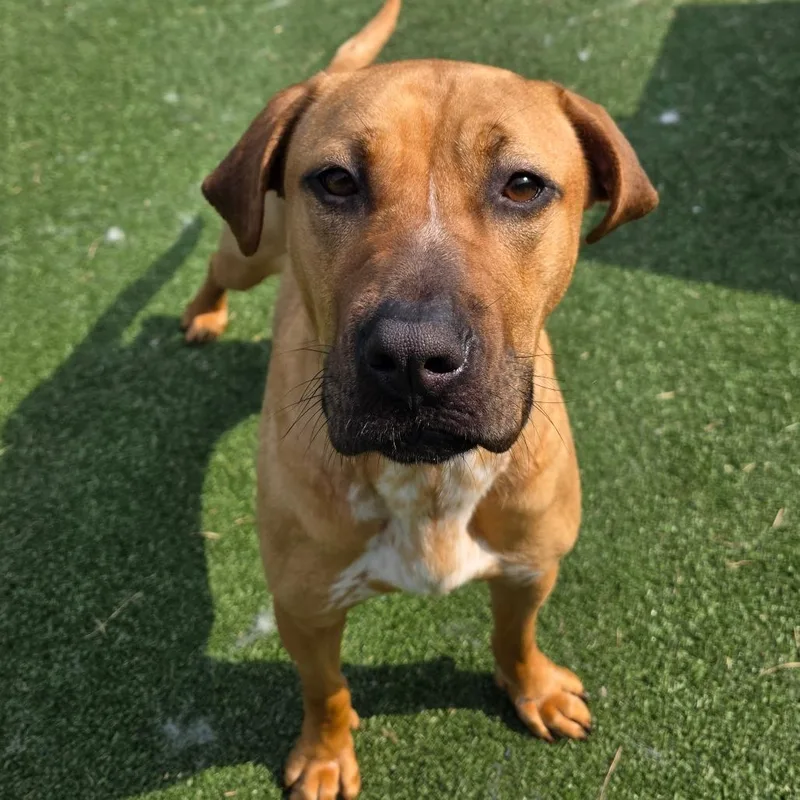
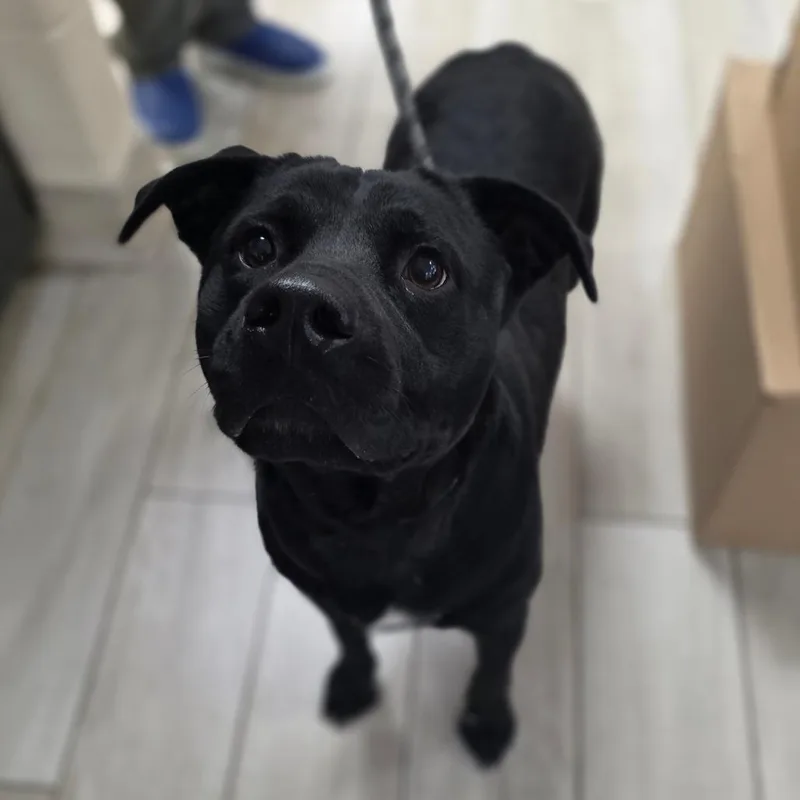
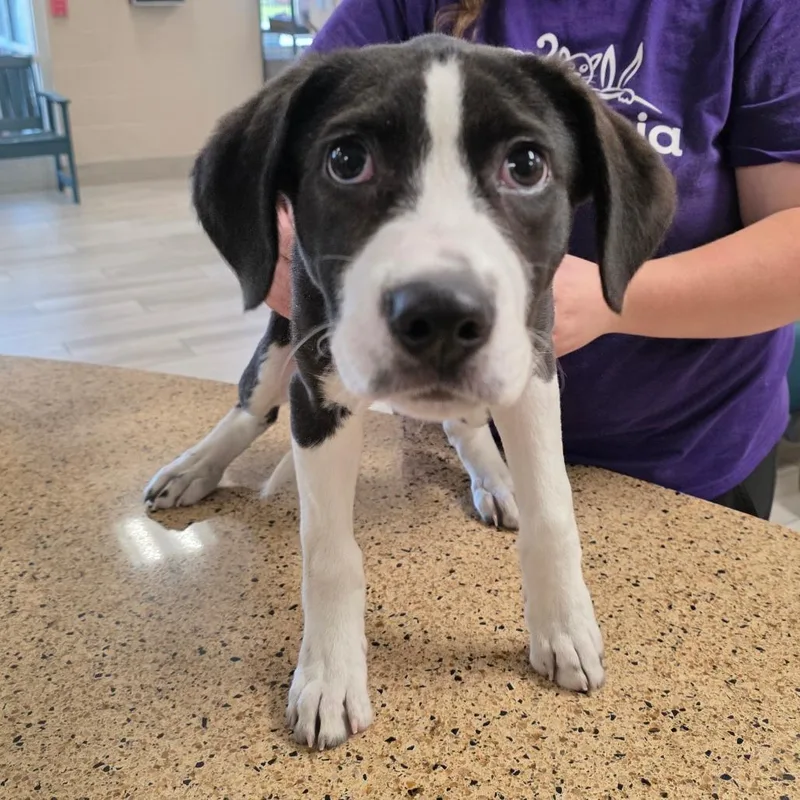
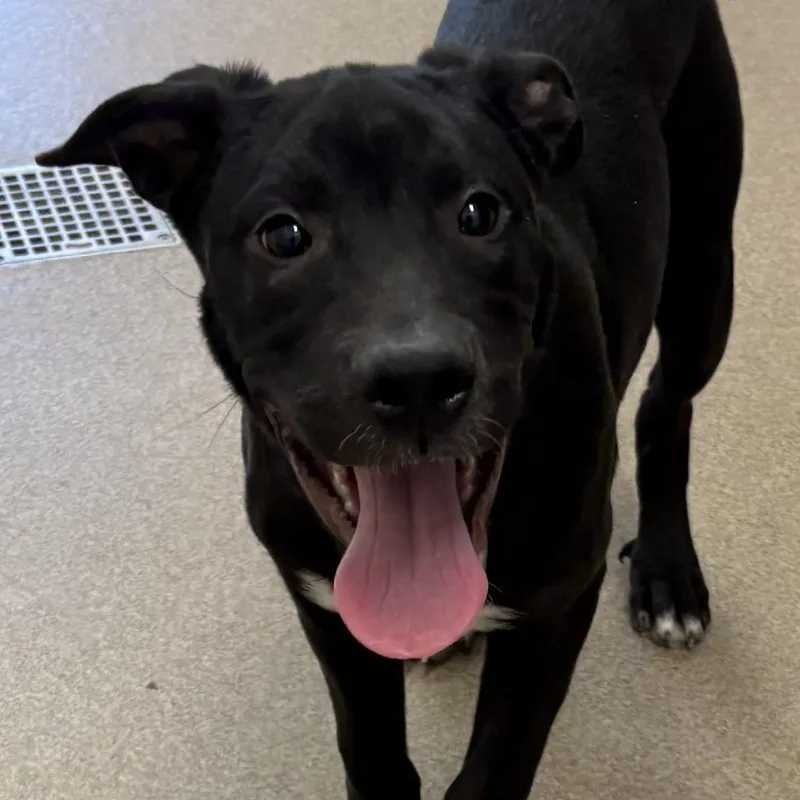
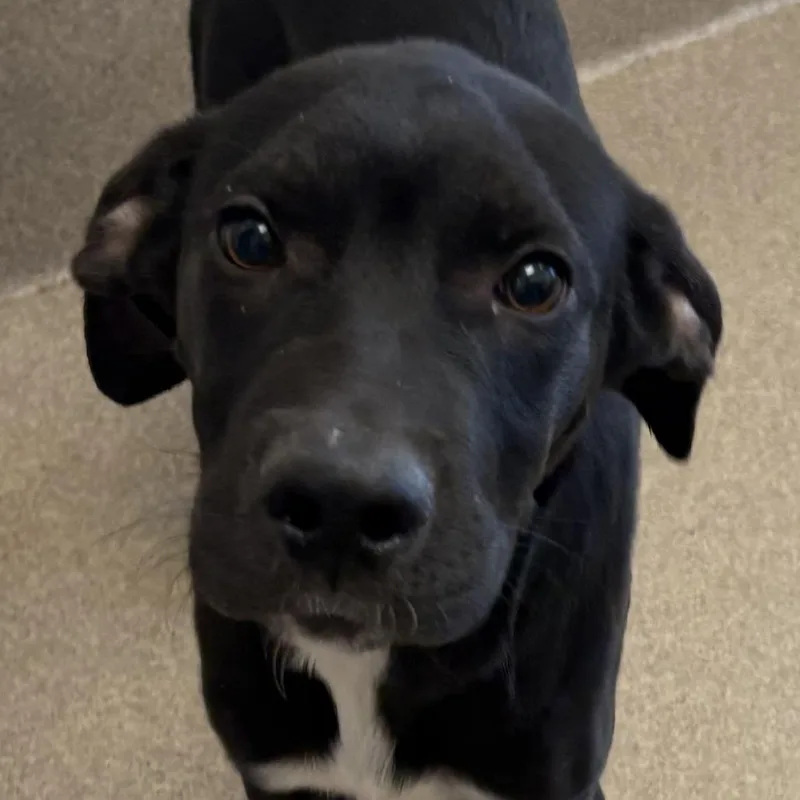
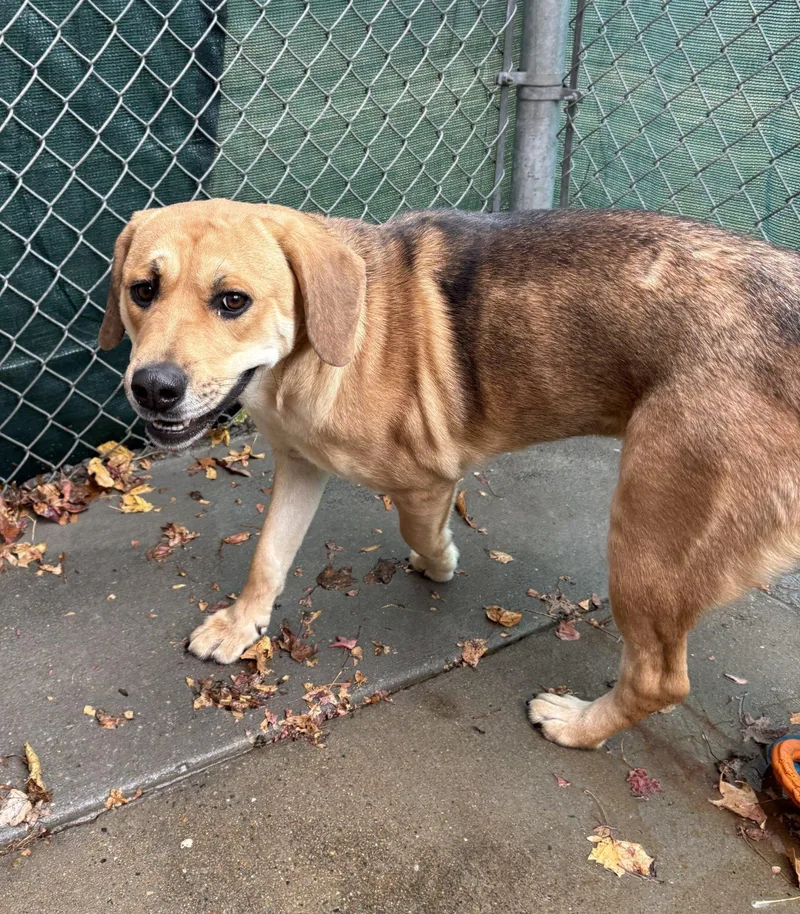
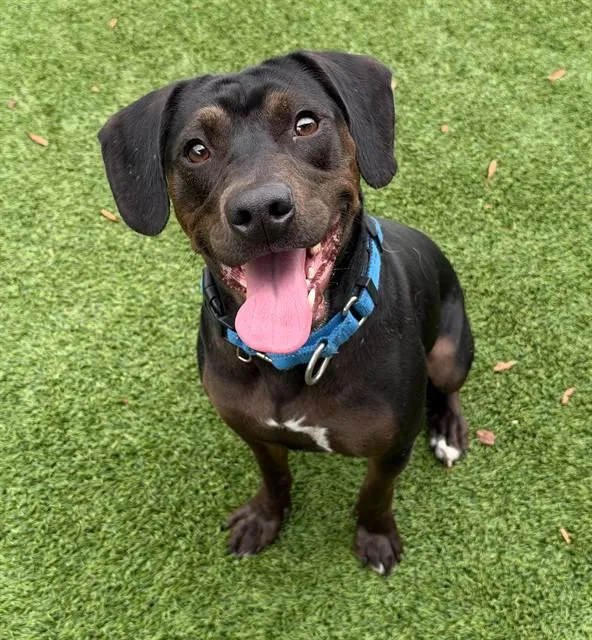
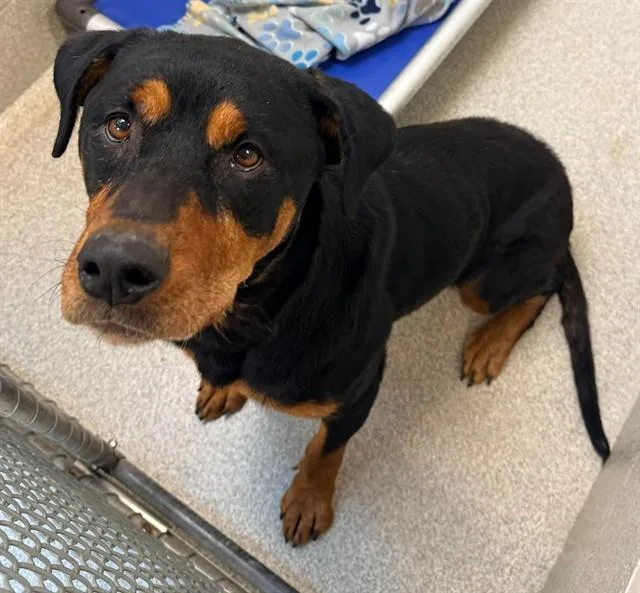
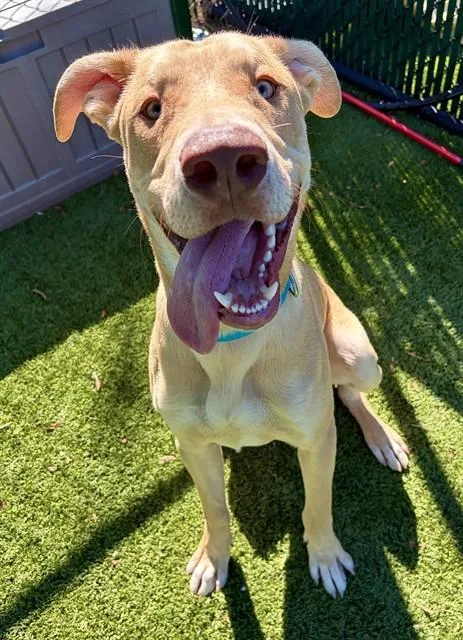
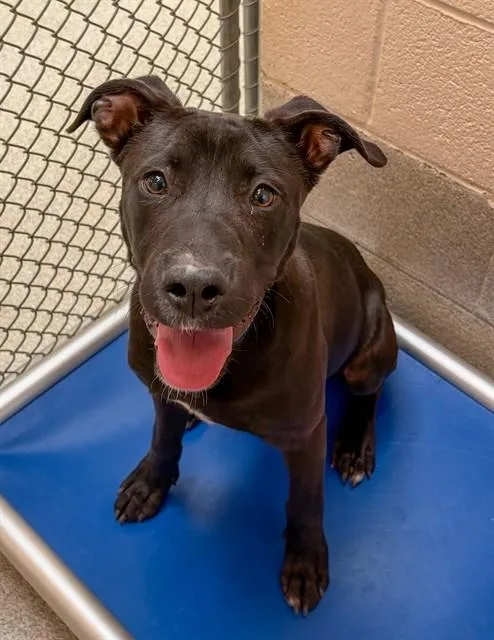
Labrador Retriever Dogs for Adoption in San Juan, PR

Your guide to finding and caring for a Labrador Retriever in San Juan

Labrador Retrievers do well in San Juan when somebody can walk them early in the morning. A Lab in a Hato Rey condo tower or a house in hilly Cupey still needs a real workout every day, and the dense double coat means the humid heat hits harder than the thermometer suggests. They're friendly and easygoing with people, which helps in a busy building. A young adult Lab is often an easier match than a bouncy adolescent.

14915 Labrador Retrievers available in San Juan and nationwide

Fall for a Labrador Retriever

Labrador Retrievers Available for Adoption Near San Juan

About the Labrador Retriever breed

Labrador Retrievers descend from the St. John's water dogs of Newfoundland, which British sportsmen refined into steady gun dogs for retrieving game from land and water. The dense, water-resistant double coat, thick otter tail and webbed feet all reflect that work. Labs come in black, yellow and chocolate, and field-bred dogs tend to be leaner and more driven than show-bred ones.

Many Labs are sociable and eager to please, and they love people, balls and water. In San Juan, that means a dog who wants company and a daily outlet that doesn't depend on midday sun. Expect a long, bouncy adolescence that can last two or three years, shedding that never fully stops, and an appetite that needs portion control. Every Lab differs, so age and energy matter more than coat color.

Weight
55–80 lbs
Height
21–25 in
Lifespan
10–14 yrs
Temperament
Friendly, Outgoing, Active
Group
Sporting
Shedding
Moderate to High

Owning a Labrador Retriever in San Juan

Having a Labrador Retriever in San Juan

Labs pair a people-loving outlook with a body built for hours of retrieving. In San Juan, the questions that matter most are how a dog handles steady heat, how much exercise fits your day, and whether your building has room for a large, shedding dog.

Temperament

Labs are usually friendly with family, visitors and other dogs, which helps in elevator buildings and on busy sidewalks. Their enthusiasm can overwhelm small children, and young Labs tend to mouth and chew. Reward-based training works well because most love food. A dog's history and socialization shape behavior more than breed reputation does. Loose street dogs are common in some areas, so keep a leash short.
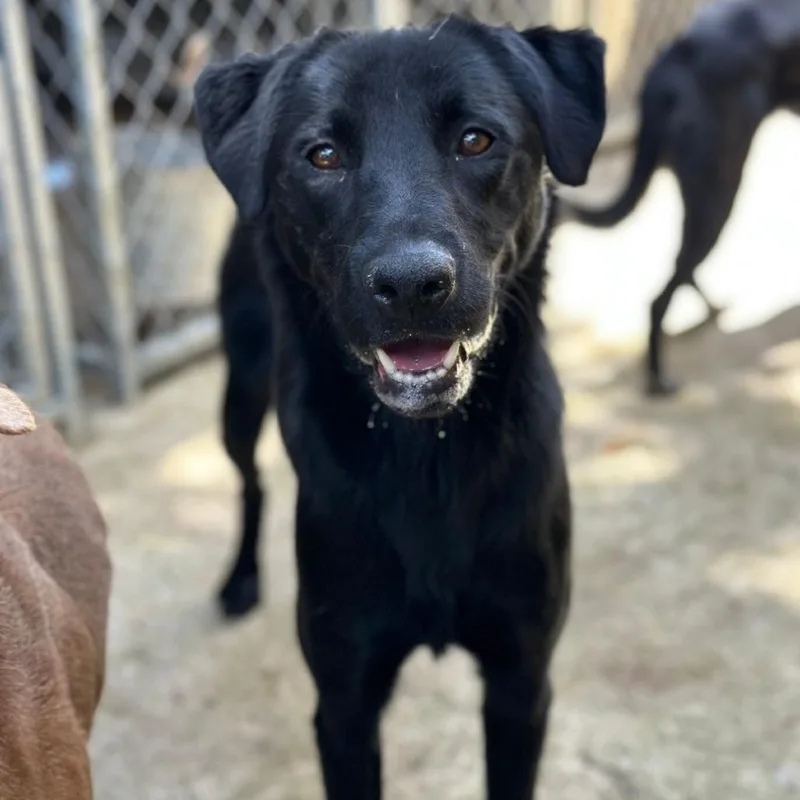
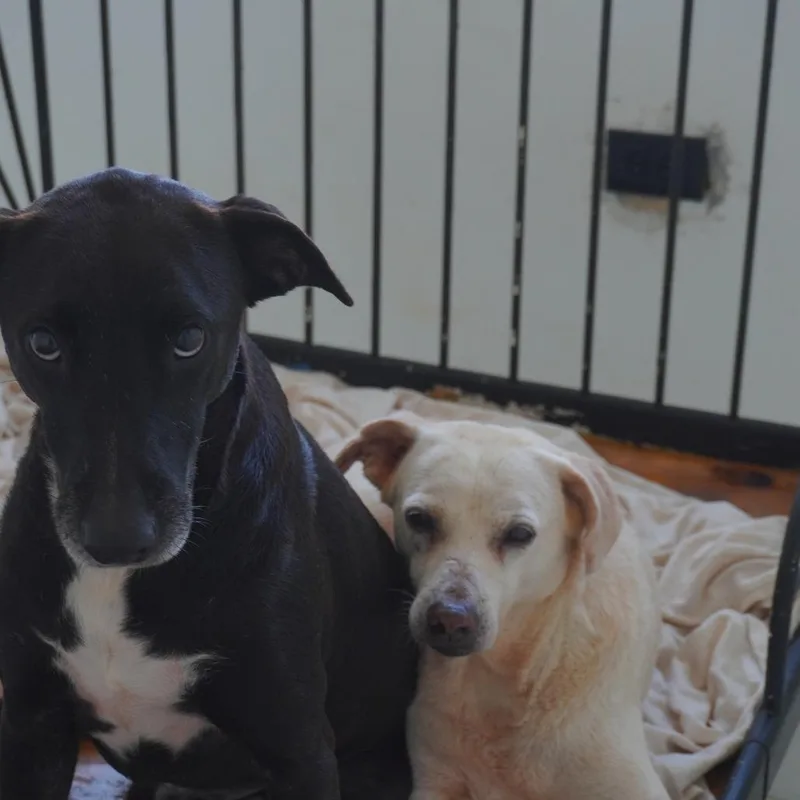
Exercise Needs

Most adult Labs need vigorous daily activity, split between walks, fetch and training games. In San Juan, schedule the hard exercise around sunrise or after sunset and keep midday outings short. The city's pet parks work well for fetch and agility practice. Scent puzzles and short training sessions burn energy indoors when the heat is too much.

Health Considerations

Labs can develop hip and elbow dysplasia, cruciate ligament injuries, exercise-induced collapse, ear infections and skin allergies, and many gain weight easily. In San Juan, mongooses carry rabies, so the rabies vaccine matters, and leptospirosis is a concern after storms, so ask a vet about the lepto vaccine. Humid weather also makes regular ear checks worthwhile.

Living Space

A Lab can live in a San Juan condo or apartment if daily exercise is reliable, but a large dog in a high-rise needs a plan for hot, humid walks. Many buildings set their own pet rules, so read the reglamento before adopting. Expect shedding, a sweeping tail and a dog that does best indoors with air conditioning.

What it costs to own a Labrador Retriever in San Juan

ExpenseTypical costPer year
Adoption fee$100, one time$100 in year one
Food$55 to $110 per month$660 to $1,320
Pet insurance$65 to $130 per month$780 to $1,560
Routine vet care$250 to $500 per year$250 to $500
Other*$575 to $1,450 per year$575 to $1,450
Estimated yearly total (after year one)$2,265 to $4,830
First-year total (with adoption fee)$2,365 to $4,930

Adoption fee is the fee on Labrador Retriever listings in San Juan on GetBuddy today. Other costs are estimates and vary with size, age and health.

* Year-round flea, tick and heartworm prevention, a dental cleaning allowance, toys and bedding, and brushing and baths for shedding, with no San Juan dog license fee.

Adopt a Labrador Retriever in San Juan.

Now that you know more, let’s find you a new best friend. These rescues and shelters below currently have Labrador Retrievers available.

Rescues in San Juan with Labrador Retrievers Available

San Juan's rescue community includes a municipal adoption center and groups that care for street dogs, known locally as satos. Here are the rescues & shelters in the San Juan area where you can find Labrador Retrievers and other dogs available for adoption.

Frequently Asked Questions

Yes, San Juan has no breed restrictions that affect Labs, and there's no known limit on how many pets a household can have. Spaying, neutering and microchipping aren't required for owned pets. Owners remain liable under the Civil Code for damage their dogs cause, so training and secure leashing matter for a strong, enthusiastic dog.

Yes, most healthy Labs manage with some planning. The heat is steady rather than extreme: about 60 to 72 days a year reach 90°F, and summer nights stay warm. Exercise at dawn or after dark, keep fresh water and shade available, and run air conditioning during the hottest hours. Seniors and overweight dogs need extra care.

Yes, if the dog gets reliable daily exercise and the building allows pets. Elevator towers in Condado or Hato Rey can work when walks happen early and late, since a Lab can't burn off energy on a balcony. Expect shedding and a sweeping tail, and look for nearby green space for quick potty breaks.

Hato Rey's Arterial Hostos dog park is described as large, with seating and shade, which suits a big dog. Condado Pet Park has agility stations for a Lab that likes a challenge. At municipal dog parks, keep to two dogs per person, carry proof of vaccination, and leash your dog when entering and leaving.

Mostly not in practice. Tren Urbano allows service animals, but pets that aren't service animals must ride in a suitable carrier, which most adult Labs outgrow. No pet policy is known for AMA buses. Plan around a car and local walks, since long trips in the heat are hard on a Lab.

Sometimes, but it's up to each restaurant. No known Puerto Rico rule governs dogs on patios, so don't assume your Lab is welcome. Stick to outdoor seating where dogs are clearly allowed, bring water, and make sure the dog can lie calmly under the table before you go.

Less than a long-haired breed, but more than most people expect. A Lab's dense double coat sheds year-round, so weekly brushing is a good baseline, with baths when the dog gets dirty or salty. Shaving isn't recommended for beating the heat. Brushing and baths are counted in the Other line of the cost table.

Most Labrador Retrievers live about 10 to 14 years. A large UK veterinary study found a median lifespan of 12 years, with chocolate Labs living about a year and a half less on average than black or yellow ones. Healthy weight, regular veterinary care and good dental and joint care all help, but no lifespan is guaranteed.

We have 3 rescues with Labrador Retrievers available: Save a Sato Foundation, Puerto Rico Alliance for Companion Animals, Inc. and Loves Animal Rescue. You can see every rescue with Labrador Retrievers available in the list above these questions, or scroll to the top to see the Labrador Retrievers near San Juan.

Plan on roughly $2,265 to $4,830 a year for a Lab in San Juan, covering food, insurance, routine vet care and other costs. Food runs $55–$110 a month and insurance $65–$130. Routine vet care is $250–$500 a year, and other costs run $575–$1,450. Emergencies and illness are extra.