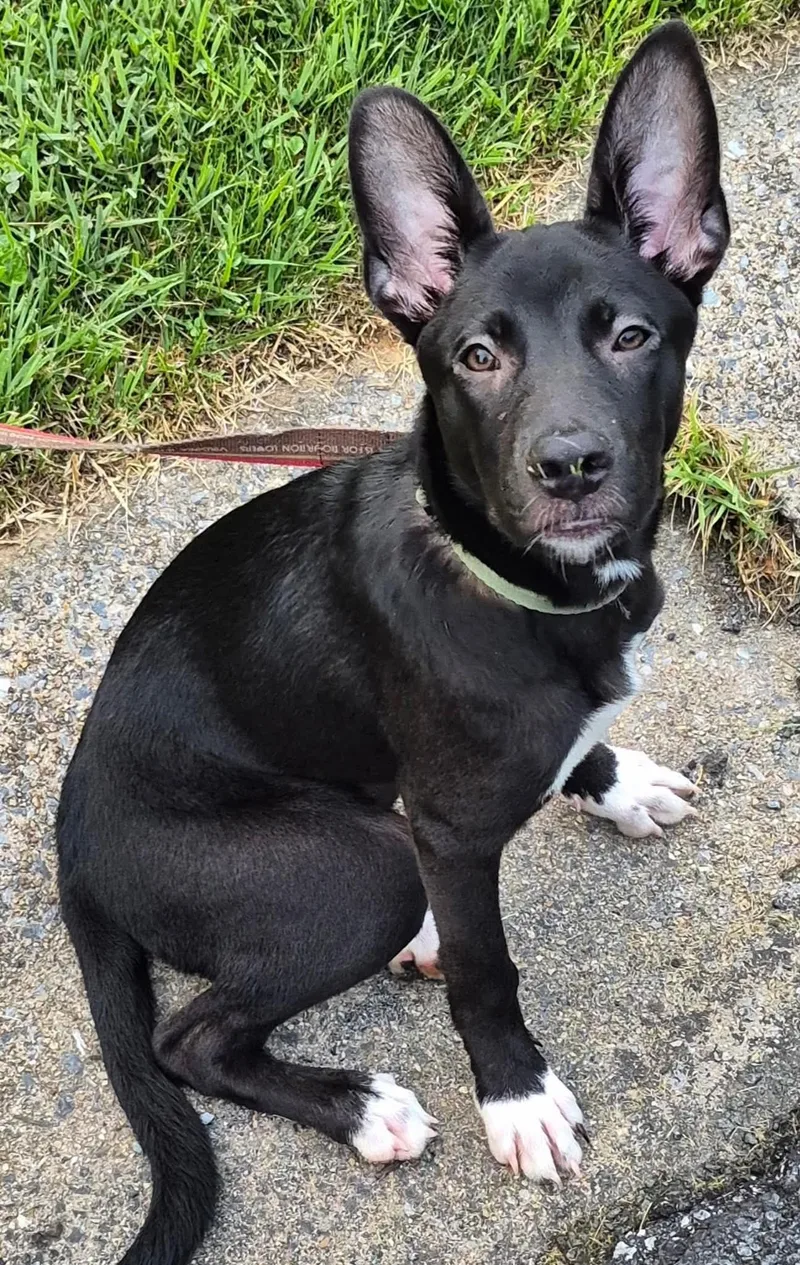
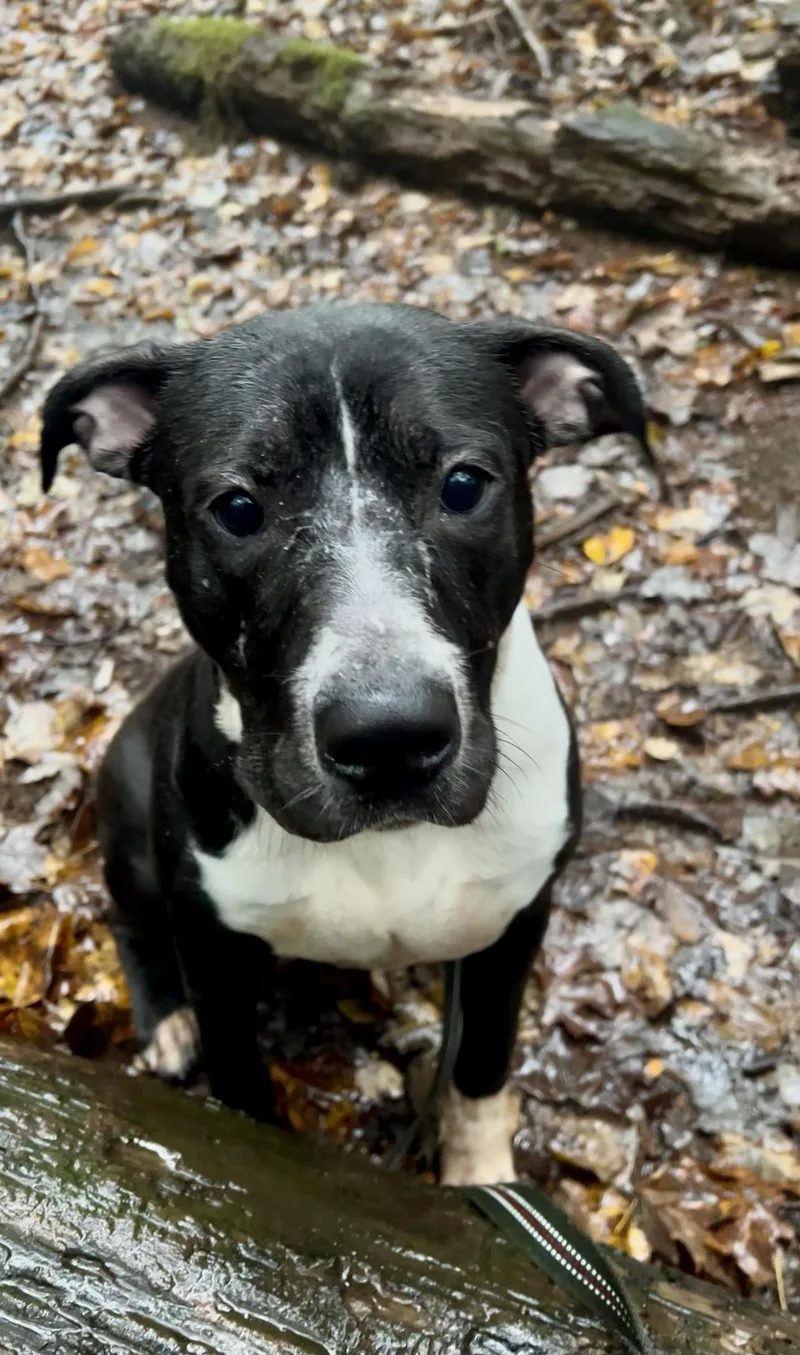
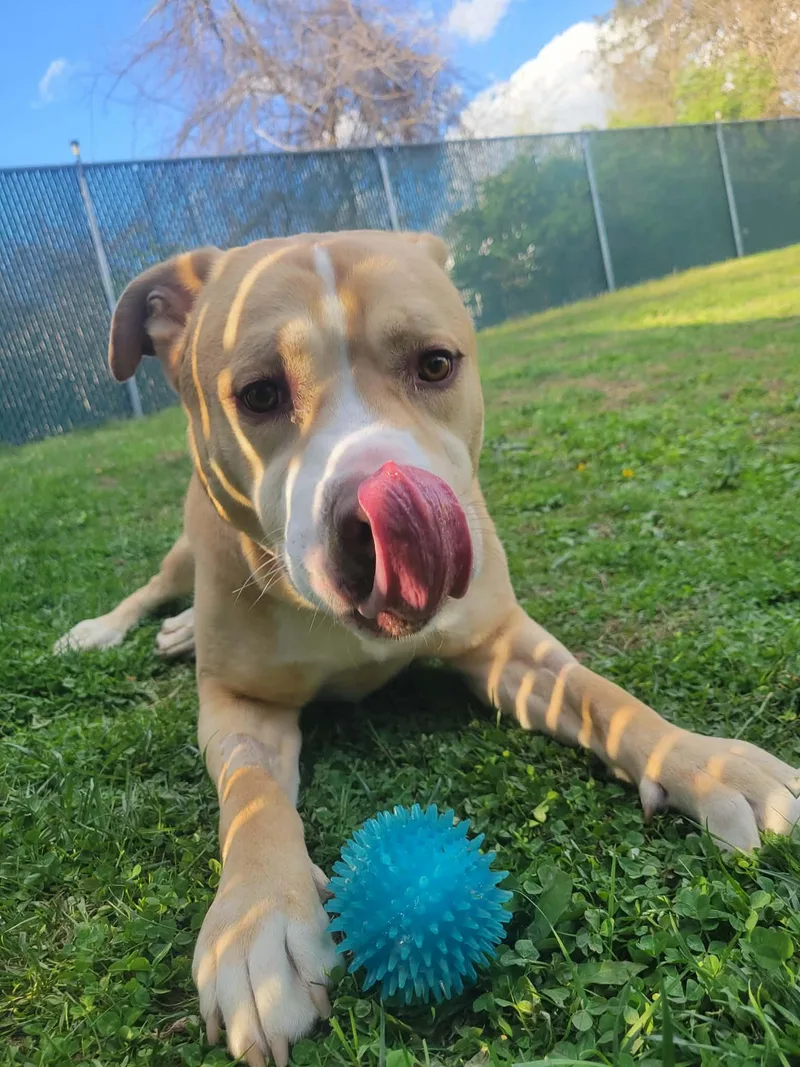
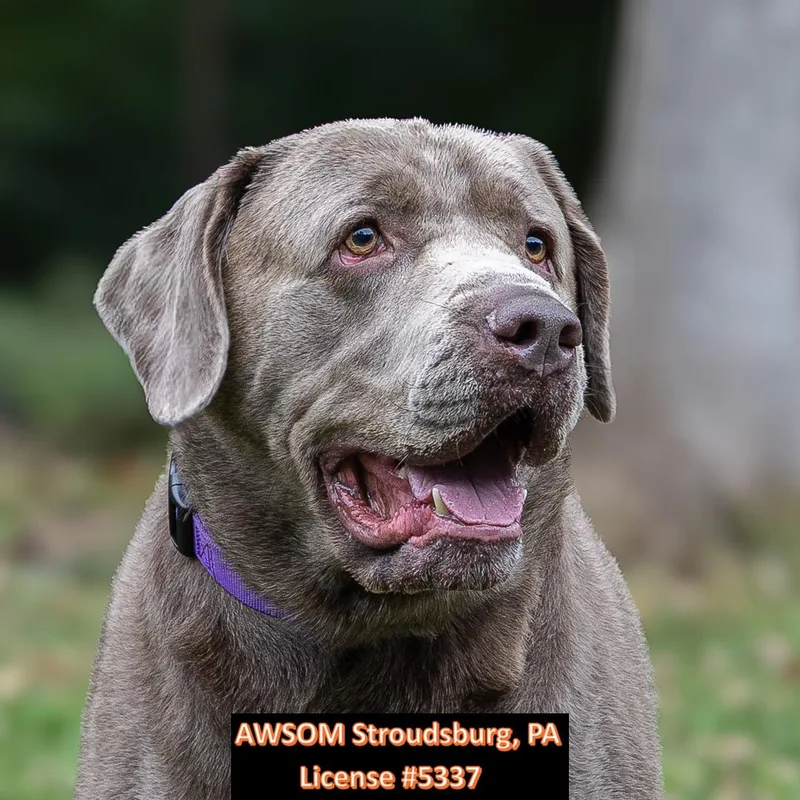
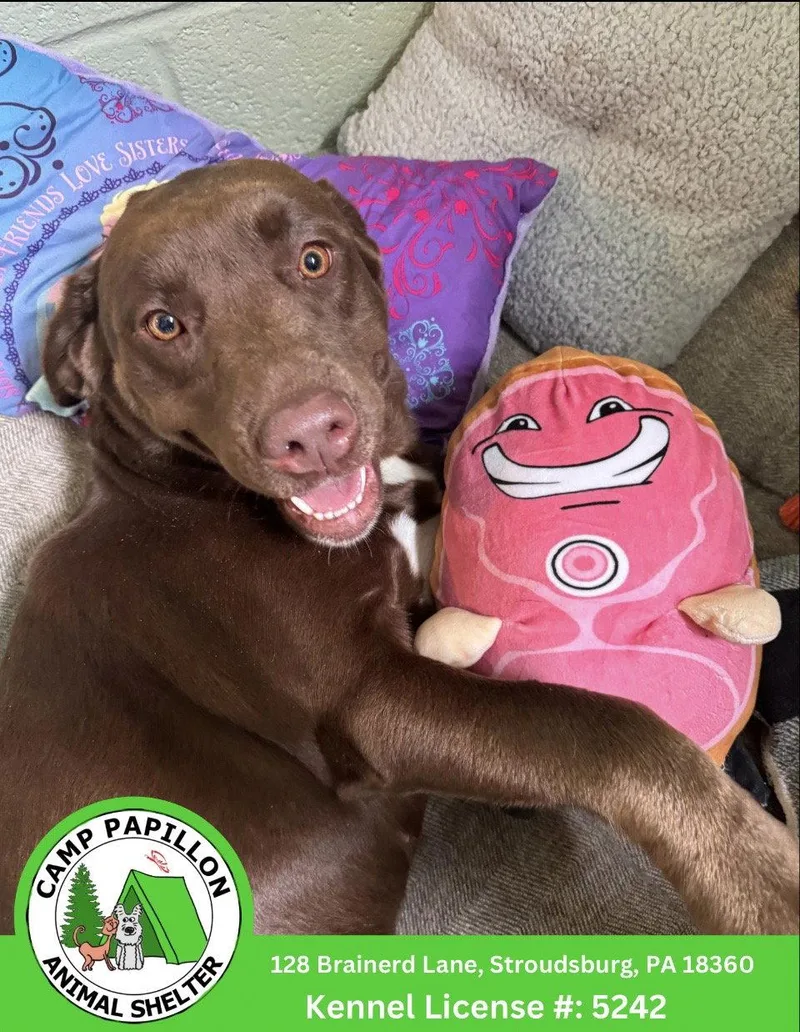
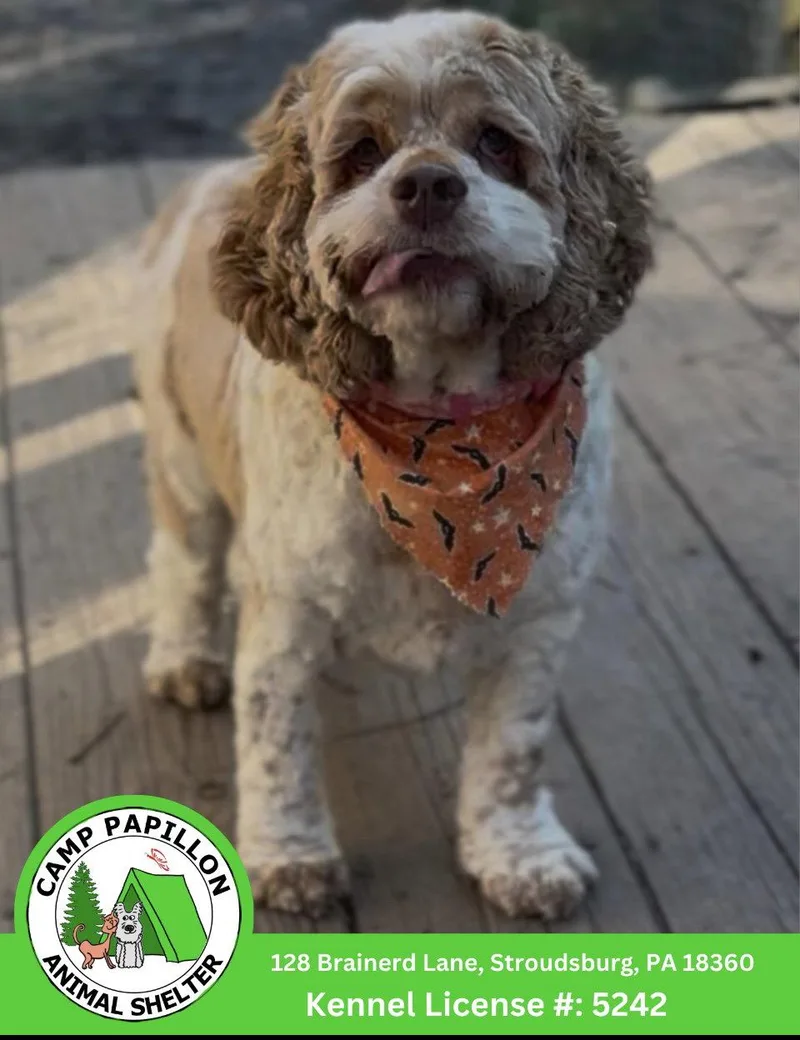
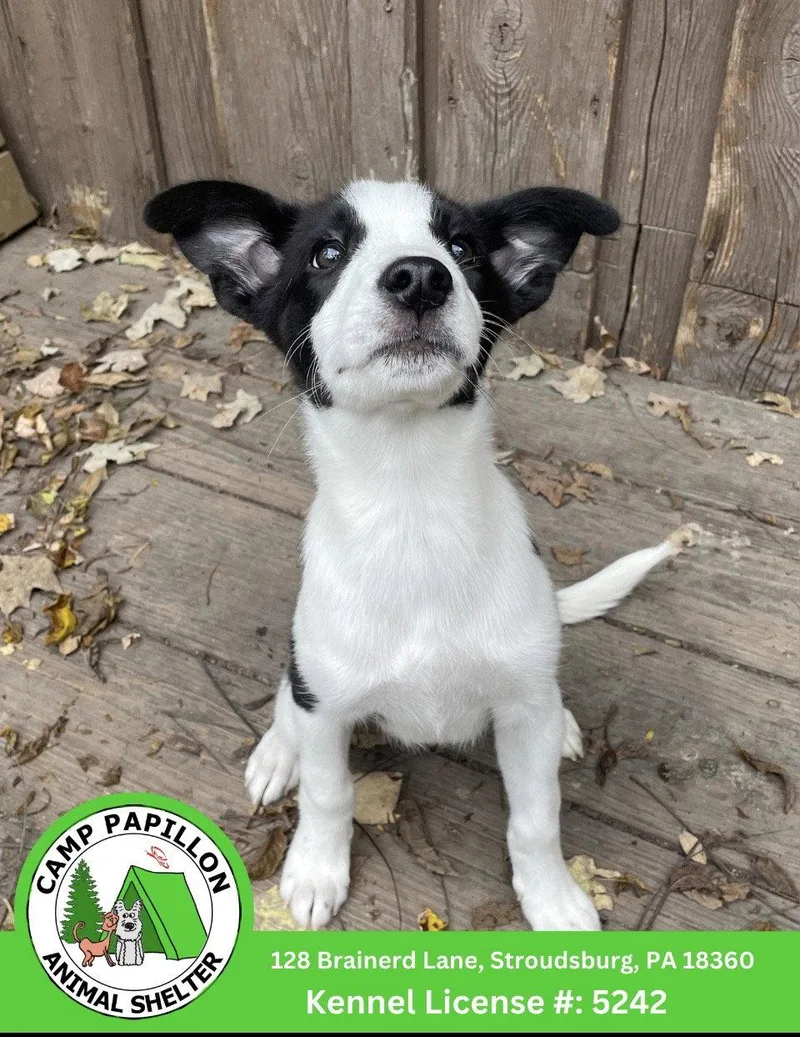
Labrador Retrievers trace back to the St. John's water dogs of Newfoundland, which British sportsmen refined into gun dogs for retrieving game from land and water. The dense, water-resistant double coat, thick otter tail and webbed feet all reflect that work. Labs come in black, yellow and chocolate, and field-bred dogs are often leaner and more driven than show-bred ones.
Many Labs are sociable and eager to please, which is why they're so common as family and assistance dogs. They also shed heavily, will eat nearly anything and can stay bouncy until two or three years old. In Stroudsburg, that means brushing through the coat changes, measuring meals, and giving a young Lab time, training and a daily creekside walk to grow into its size.