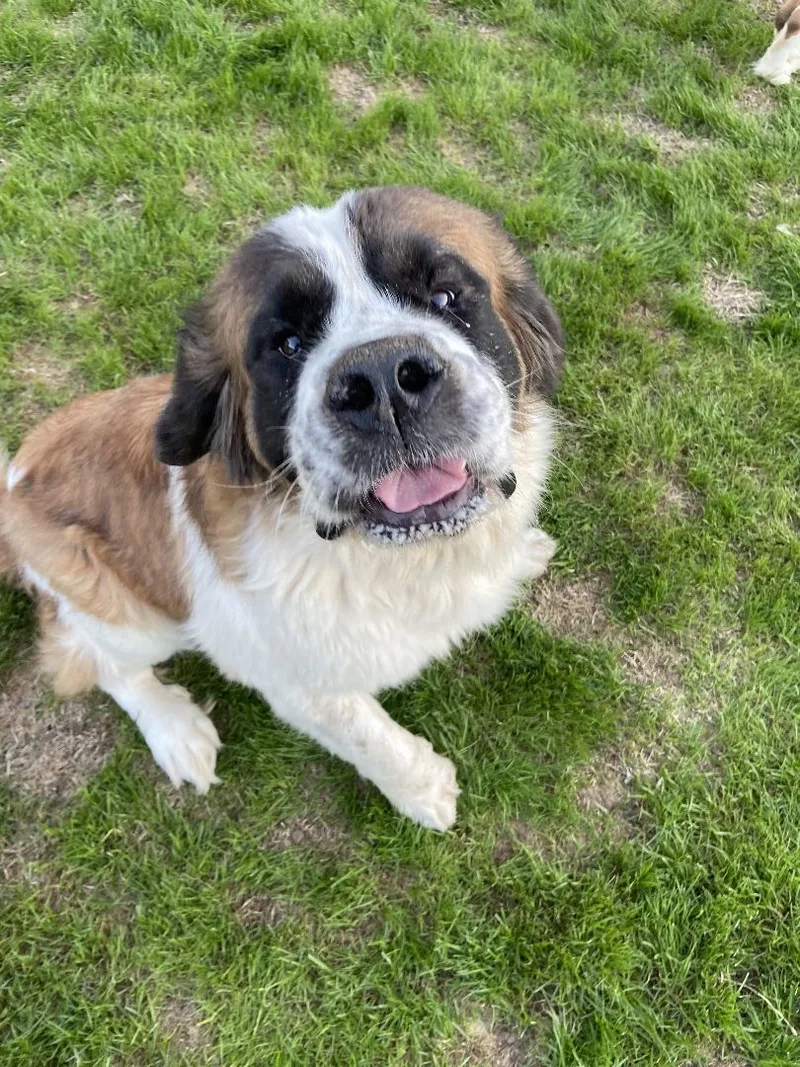
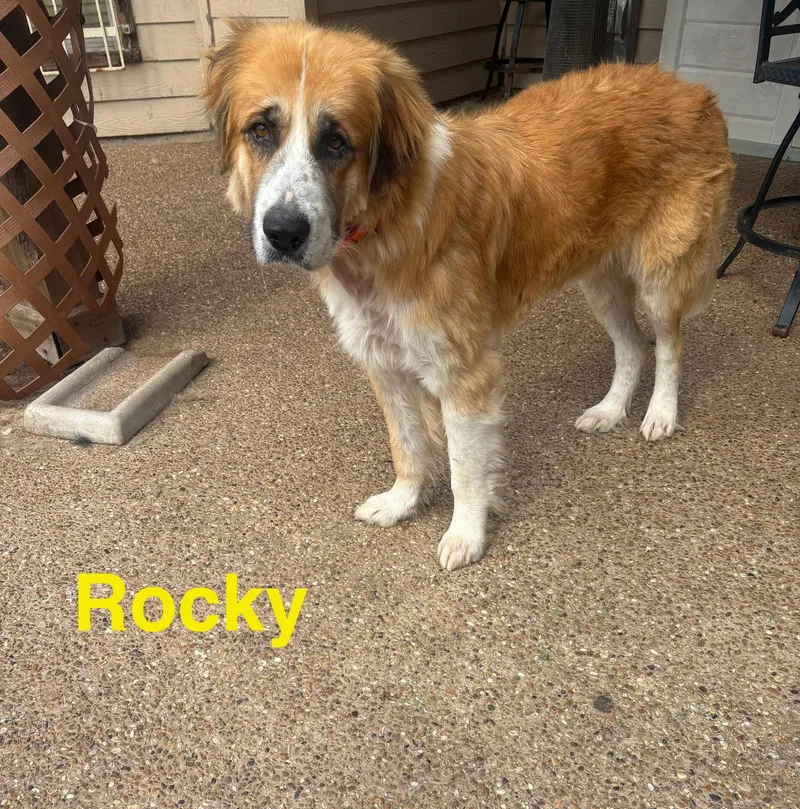
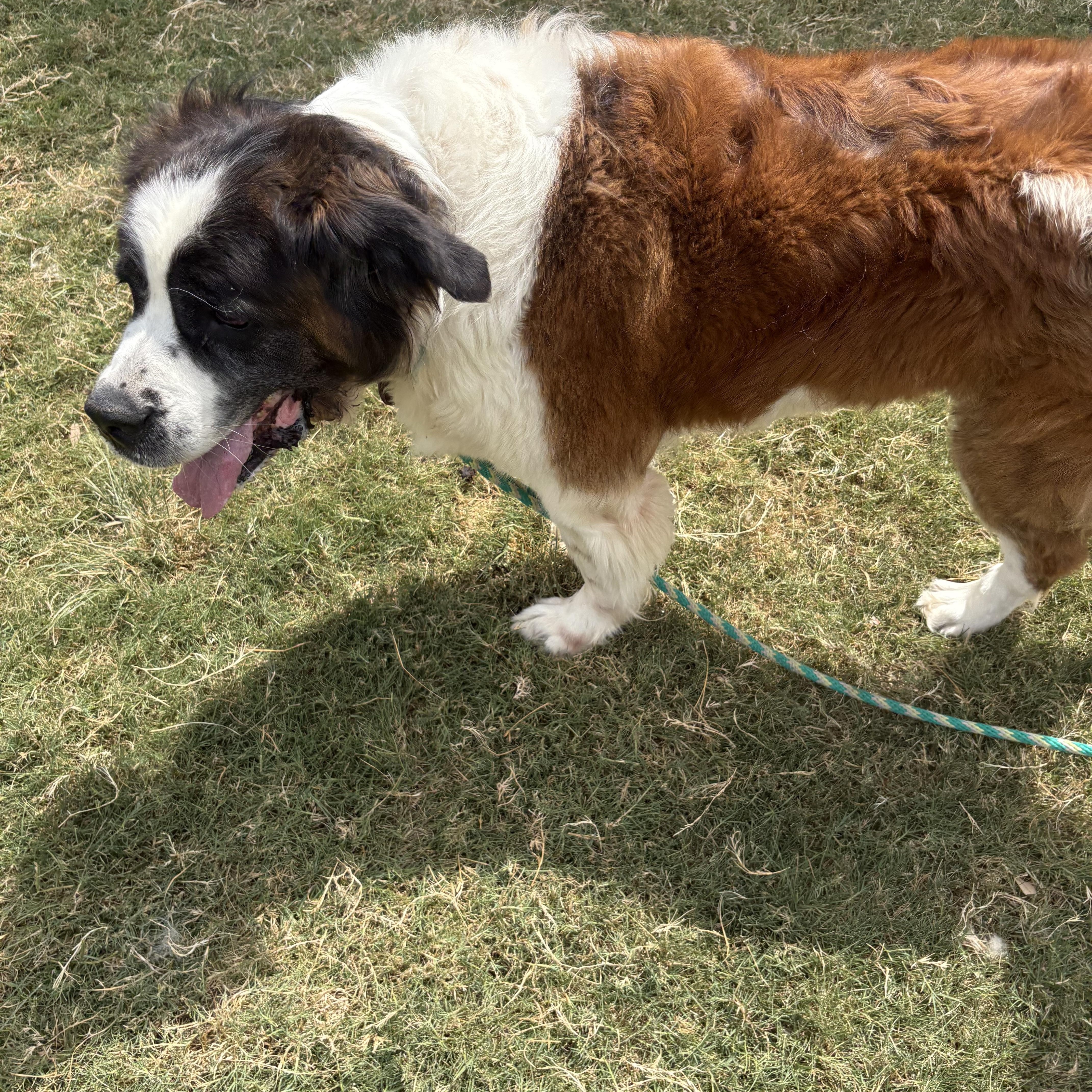
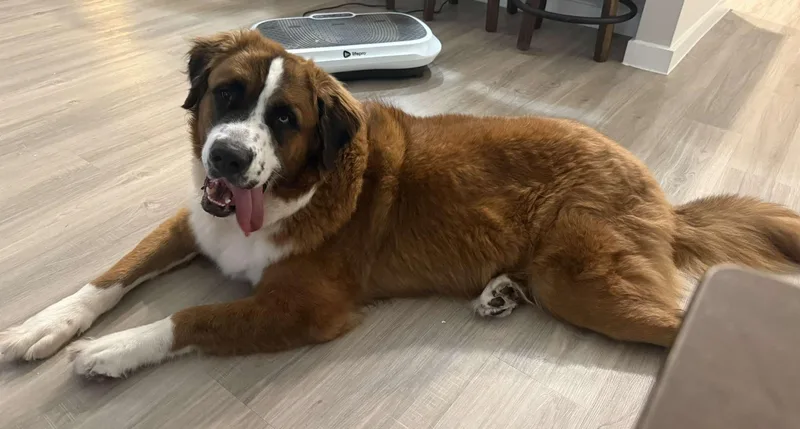
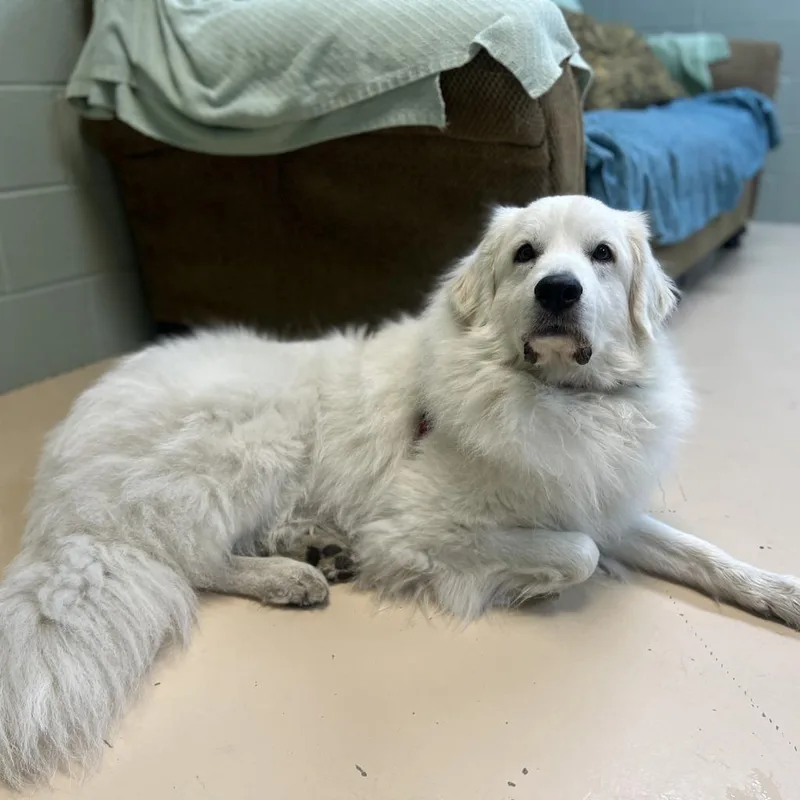
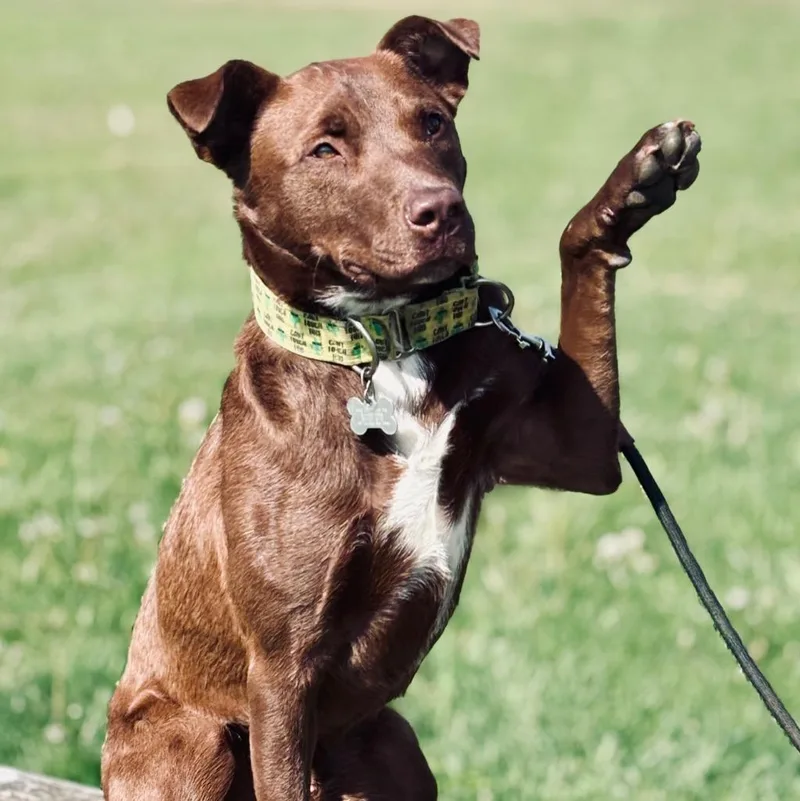
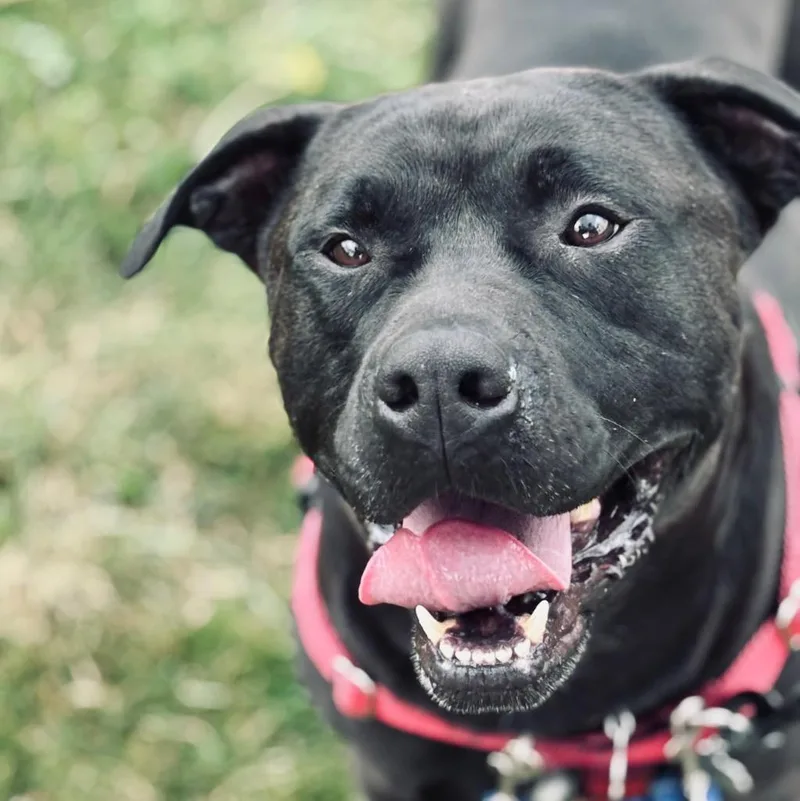
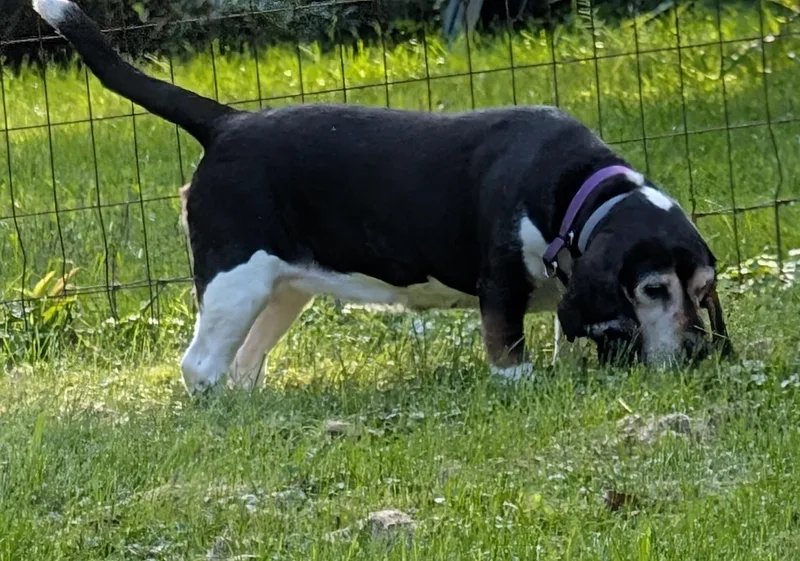
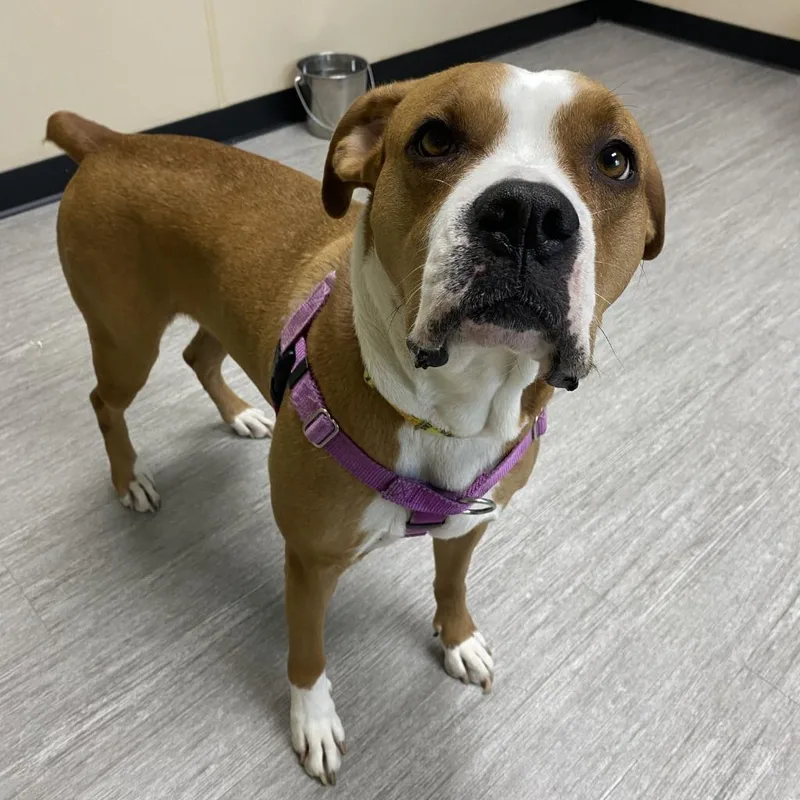
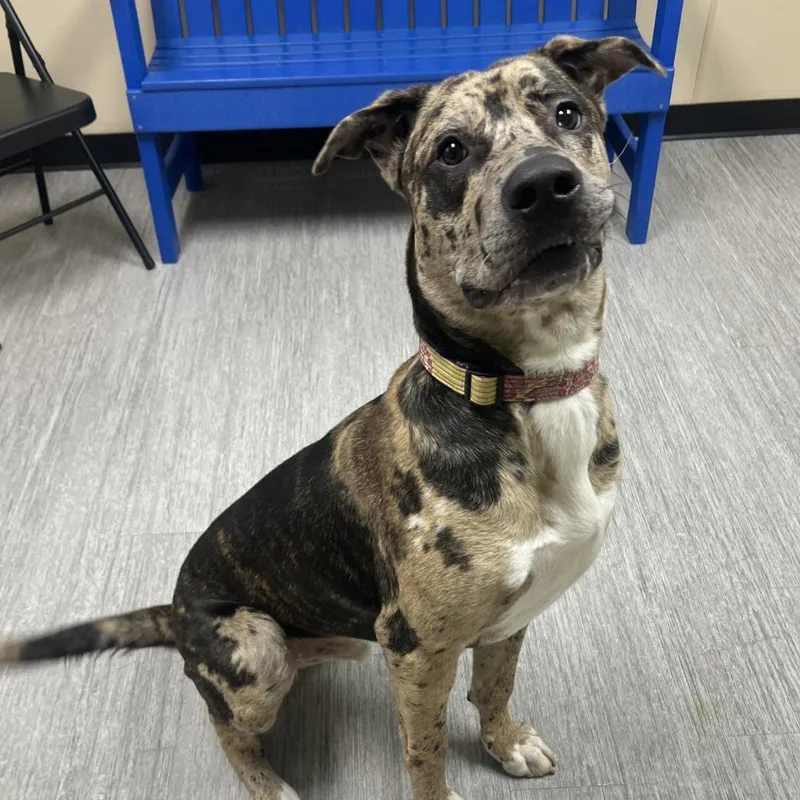
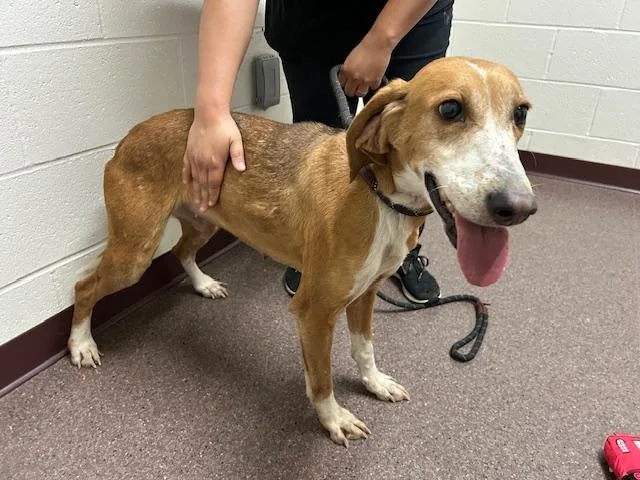
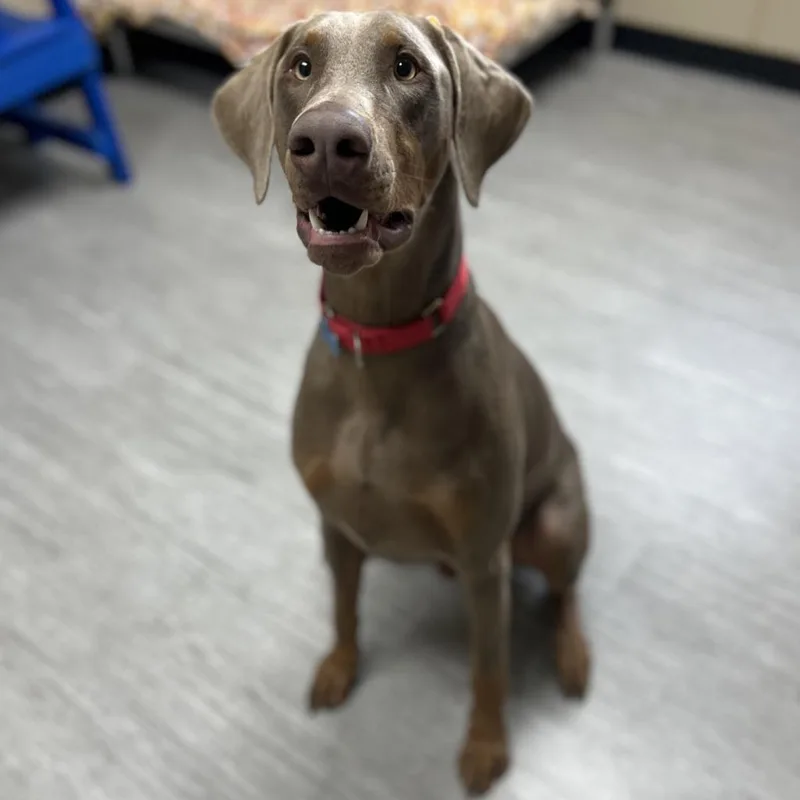
Saint Bernard dog

Saint Bernard Dogs for Adoption in State College, PA

Your guide to finding and caring for a Saint Bernard in State College

Saint Bernards suit the quiet, tree-lined side of State College, where a big dog has room to stretch out. Greentree's single-family streets and the wooded paths at Walnut Springs Park in Vallamont give a Saint a calm, shady daily walk, and leashed dogs are welcome on those paths. Winters here are long and snowy, which the breed handles far better than most. A Saint won't be happy in a cramped student apartment, though, so think about space and landlord size limits first.

187 Saint Bernards available in State College and nationwide

Give a Saint Bernard a home

While we don't have enough dogs near State College, keep in mind that many rescues may offer transport.

Saint Bernards Available for Adoption Near State College

About the Saint Bernard breed

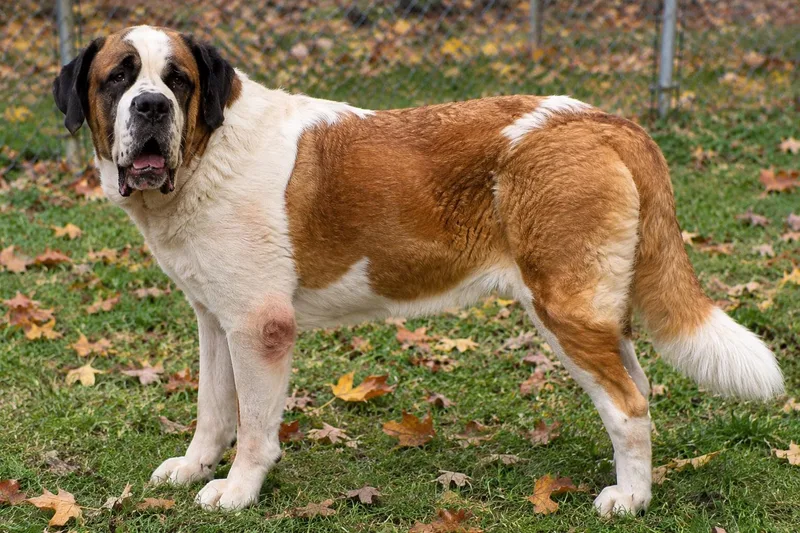
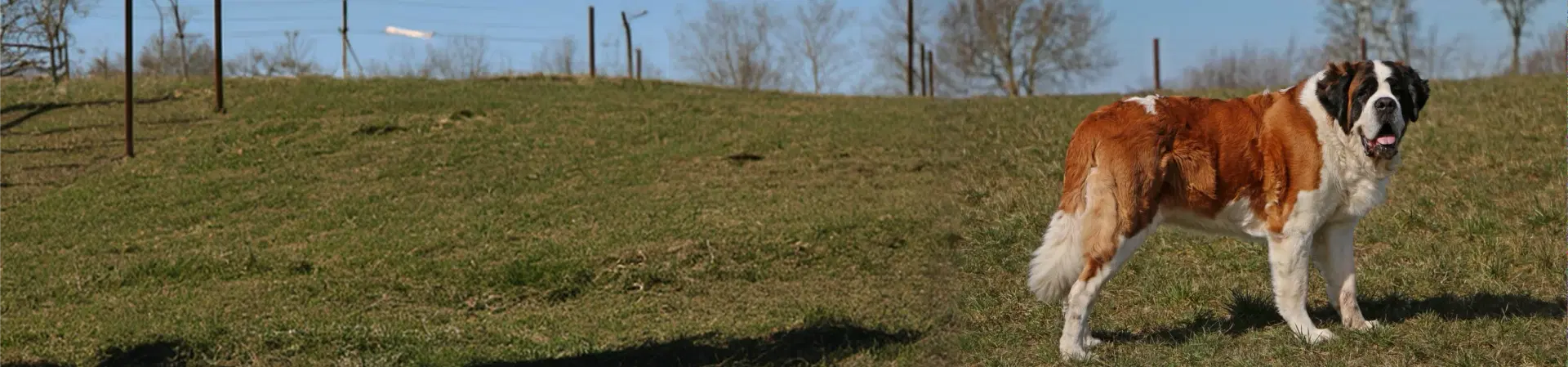
Saint Bernards come from the Great St Bernard Hospice, on an Alpine pass between Switzerland and Italy, where monks kept them from the late 1600s to find travelers lost in snow and fog. Today's dogs are giants, 120 to 180 pounds, with a massive head and a white coat marked in red or brindle, either short or long.

They're known as calm, patient and kind, and many are gentle with children. Living with one takes planning, though. A Saint sheds heavily, drools freely and overheats easily, and its size makes early training essential. Giant-breed health risks and a lifespan of roughly 8 to 10 years mean adopters should budget for food, joint care and vet visits. Dogs vary, so an adult's own personality matters more than the breed description.

Weight
120–180 lbs
Height
26–30 in
Lifespan
8–10 yrs
Temperament
Gentle, Patient, Calm, Friendly
Group
Working
Shedding
Moderate to High

Owning a Saint Bernard in State College

Having a Saint Bernard in State College

A Saint Bernard pairs a gentle manner with giant size, and that size drives most of the practical decisions in State College: stairs, rentals, cars, heat, grooming and veterinary bills. Here's how the main traits play out locally.

Temperament

Saint Bernards are usually calm, patient and affectionate, and many are gentle with children. They tend to be friendly rather than protective, though their bark and size make strangers think twice. On busy downtown sidewalks, early training matters, since even a friendly Saint can pull a person off balance. Dogs vary.

Exercise Needs

Plan on steady daily walks and relaxed play rather than hard running. In State College, the wooded paths at Lederer Park and Walnut Springs Park allow leashed dogs, and Tudek Dog Park in nearby Ferguson Township has a fenced area for dogs over 30 pounds. Keep puppies off long, forced runs while their joints develop.

Health Considerations

Saint Bernards are prone to hip and elbow dysplasia, cruciate ligament injuries, bone cancer and a heart disease called dilated cardiomyopathy. Bloat, a stomach emergency in deep-chested dogs, is a particular risk, so learn the signs: a swollen belly, retching and restlessness. Blacklegged ticks live in every Pennsylvania county, so ask a veterinarian about tick prevention.

Living Space

A Saint does best in a house with cool indoor space and easy access to a yard. A calm adult can manage a smaller home with enough walks, but stairs, slippery floors and small cars get hard with a giant dog. In State College, where rentals are common, size limits can narrow your options.

What it costs to own a Saint Bernard in State College

ExpenseTypical costPer year
Food$80 to $160 per month$960 to $1,920
Pet insurance$85 to $170 per month$1,020 to $2,040
Routine vet care$250 to $500 per year$250 to $500
Other*$686 to $1,861 per year$686 to $1,861
Estimated yearly total (after year one)$2,916 to $6,321

Other costs are estimates and vary with size, age and health.

* The $10.80 Centre County dog license, flea, tick and heartworm prevention, a dental cleaning allowance, large bedding and toys, brushing and baths for heavy shedding, and joint supplements for a giant breed.

Saint Bernard dog

Adopt a Saint Bernard in State College.

Now that you know more, let’s find you a new best friend. These rescues and shelters below currently have Saint Bernards available.

Rescues in State College with Saint Bernards Available

State College's rescue community is small and volunteer-driven, and the dogs listed change often. Here are the rescues & shelters in the State College area where you can find Saint Bernards and other dogs available for adoption.

Frequently Asked Questions

Yes, you can. Pennsylvania law doesn't allow local breed bans, so no breed restriction applies to Saint Bernards. You'll need a county license by 3 months of age, a current rabies vaccine, a leash whenever you're off your property, and prompt waste pickup. The bigger hurdle is usually housing, since landlords can set their own breed or weight limits in leases.

Leashed Saint Bernards are welcome on the wooded paths at Lederer Park and Walnut Springs Park, and on Orchard Park's perimeter sidewalks. Most other borough parks bar dogs, and there's no dog park inside the borough. Tudek Dog Park, just over the line in Ferguson Township, has a separate fenced area for dogs over 30 pounds. Go early on warm days.

A Saint Bernard fits State College if you have cool, roomy housing and enjoy cold weather. Snowy winters and mild summers suit the breed, and the wooded paths allow leashed dogs. The challenges are rentals, which dominate the market and often limit large dogs, and busy football weekends downtown, which can overwhelm a big, friendly dog. Weigh your space first.

Yes, most Saints handle State College winters well. The area sees about 44 inches of snow and around 122 freezing nights a year, which a dense-coated Saint usually enjoys. Still, keep your dog indoors with you, since state law limits unattended tethering to 30 minutes below 32°F. Wipe salt off paws after walks, and watch puppies and seniors more closely in extreme cold.

Possibly, with limits. CATA buses allow non-service pets only if they're muzzled or in an approved carrier, and the dog can't pose a risk to other riders or disrupt service. A Saint Bernard is far too big to carry, so a muzzled ride is the only option, and the operator has the final say. Service animals are permitted.

Only to patios, and only where the restaurant allows it. Pennsylvania generally requires dogs to stay in an outdoor or separate dining area, so only service animals go inside. Policies vary by business and can change. A Saint's size and drool make a shaded corner with room under the table the best choice, and hot afternoons are best skipped.

Plan on brushing a few times a week, and daily during heavy seasonal sheds, whether your Saint has a short or long coat. A bath every month or two, plus regular cleaning of the face folds and eyes, keeps drool and debris in check. Most owners brush at home and add occasional professional baths, which fall under the Other costs on this page.

Saint Bernards were kept by monks at the Great St Bernard Hospice in the Swiss Alps to help find and rescue travelers lost in snow and fog on the dangerous mountain pass. They also guarded the hospice and served as companions. Elsewhere in Switzerland, similar dogs worked on farms as watchdogs and draft dogs, pulling carts and guarding property.

We have 1 rescue with Saint Bernards available: Centre County PAWS. You can see every rescue with Saint Bernards available in the list above these questions, or scroll to the top to see the Saint Bernards near State College.

Expect roughly $2,900 to $6,300 a year for a Saint Bernard in State College, covering food, insurance, routine vet care and other costs. Food and insurance are the biggest items, since giant dogs eat a lot and carry orthopedic and heart risks. Emergencies like bloat surgery or cruciate repair aren't included and can run into the thousands.

Find Saint Bernards in Nearby Cities

Expand your search to find Saint Bernards available for adoption near State College.