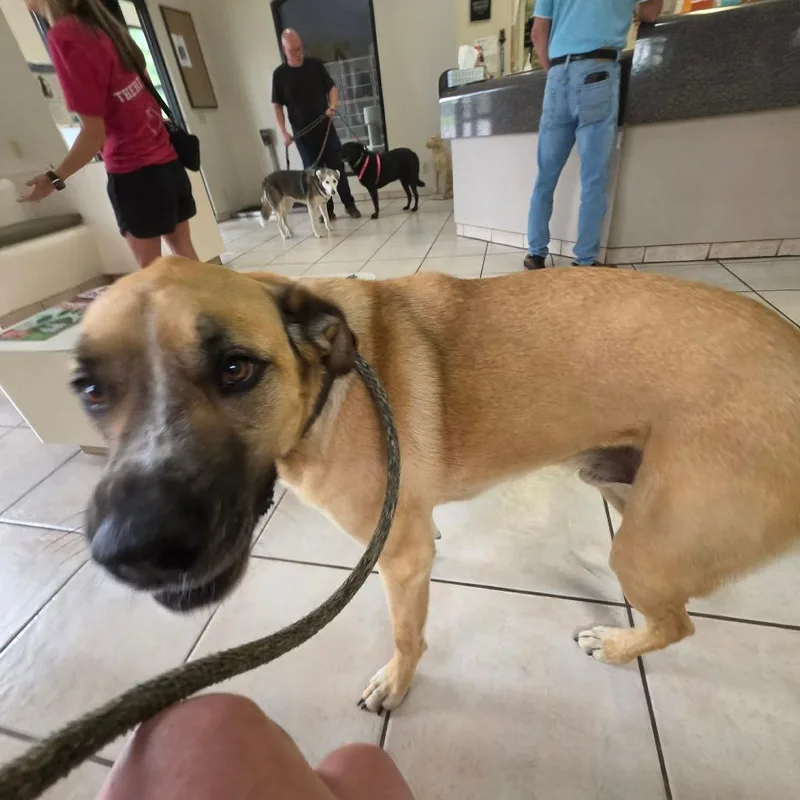
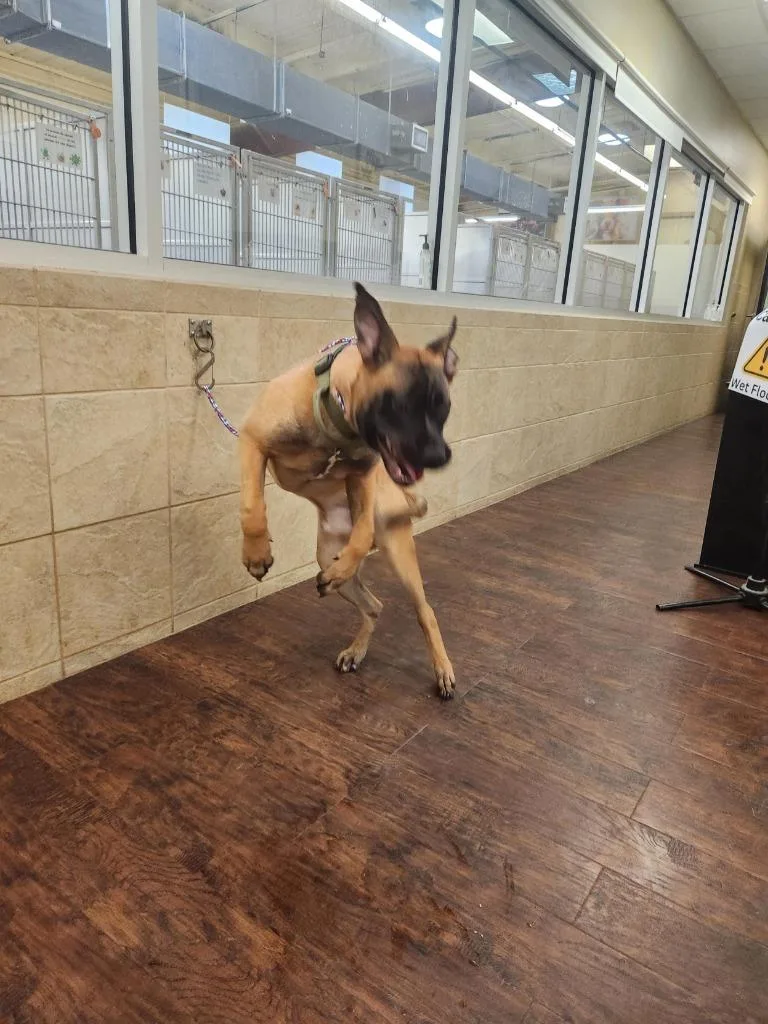
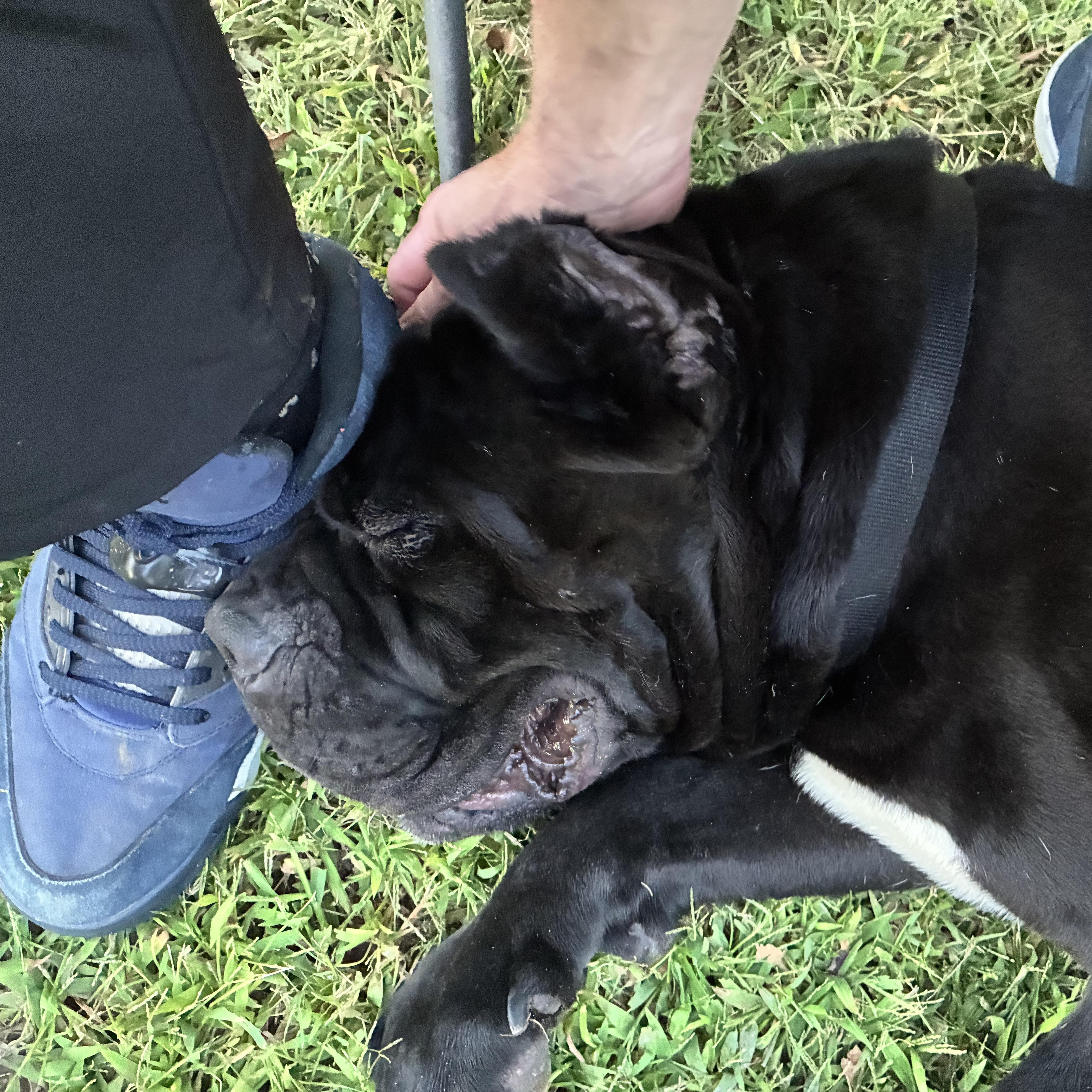
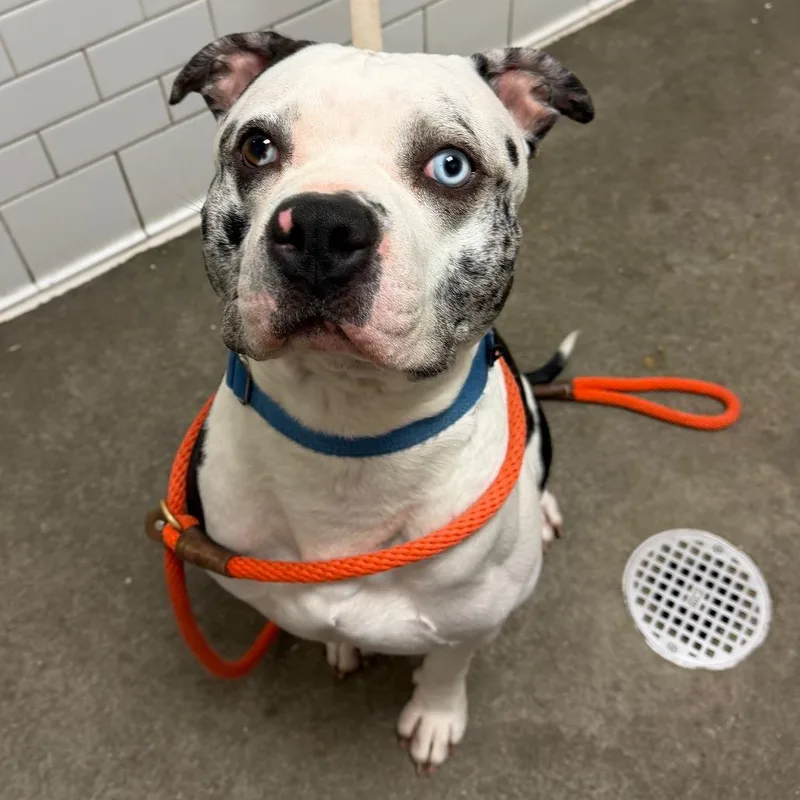
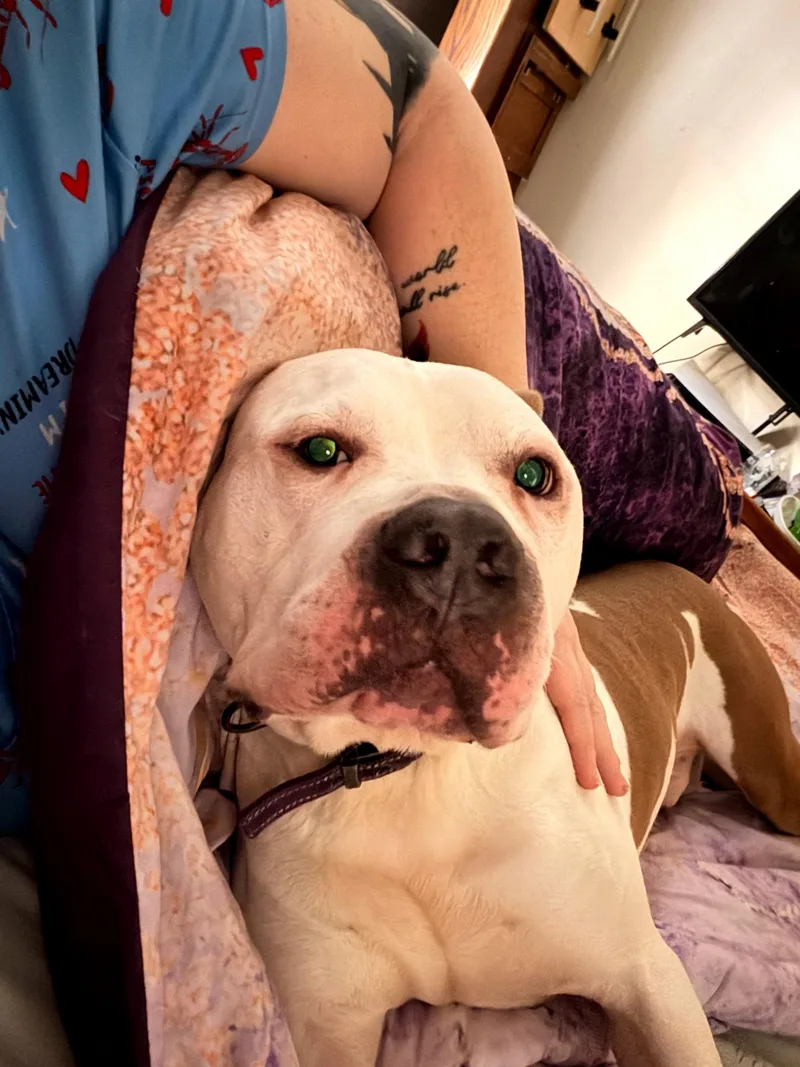
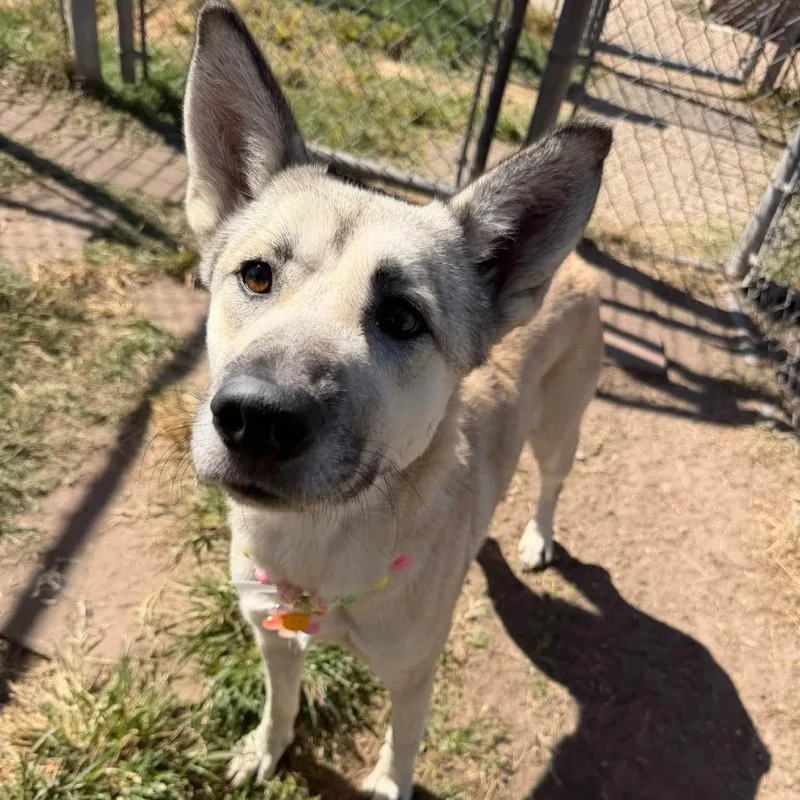
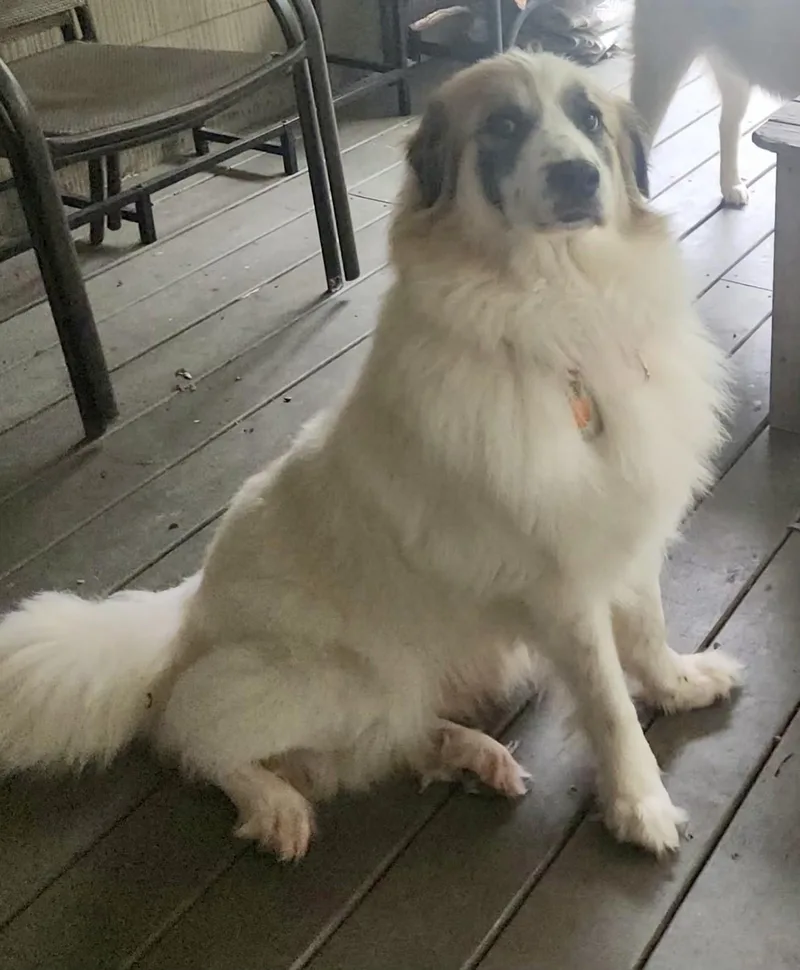
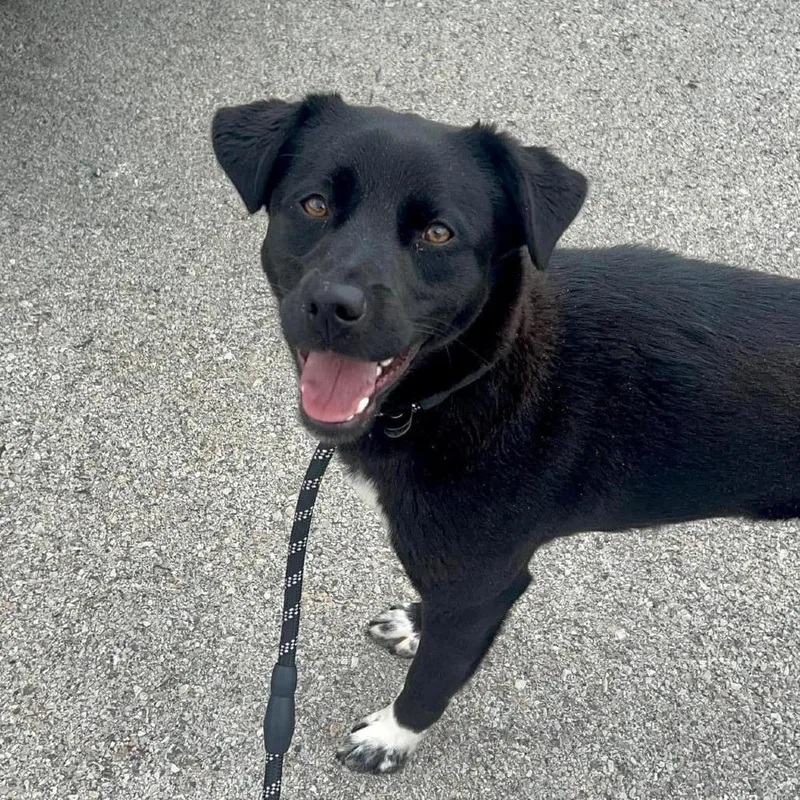
Mastiff Dogs for Adoption in Pittsburgh, PA

Your guide to finding and caring for a Mastiff in Pittsburgh

Mastiffs suit Pittsburgh best in a house with few steps and room to sprawl. Brighton Heights has early-1900s stone and brick homes on maple-lined streets, with Riverview Park next door for an easy two-mile loop at a Mastiff's pace. They're calm, gentle dogs that mostly want to lie near their people. A 150-pound dog and a hillside street don't mix well, though, so count the stairs between the front door and the sidewalk.

946 Mastiffs available in Pittsburgh and nationwide

Give a Mastiff a home

While we don't have enough dogs near Pittsburgh, keep in mind that many rescues may offer transport.

Mastiffs Available for Adoption Near Pittsburgh

About the Mastiff breed

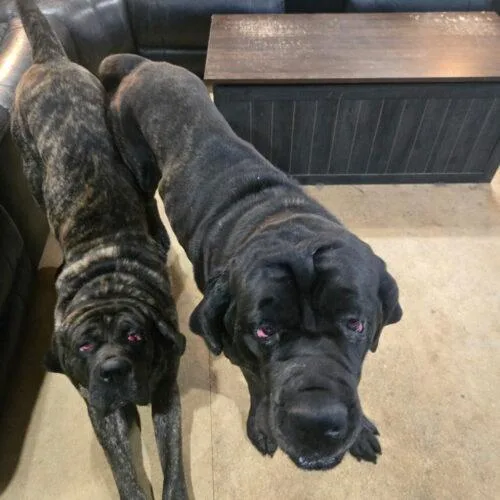
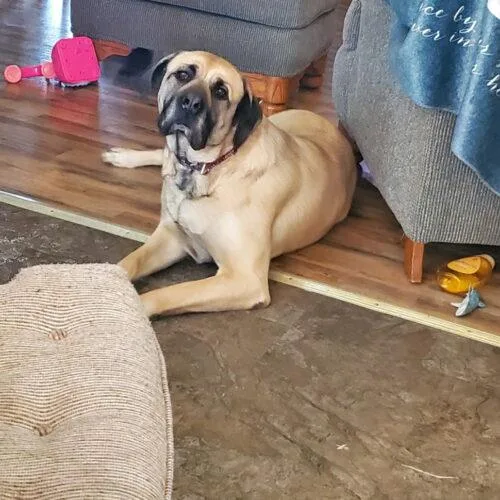
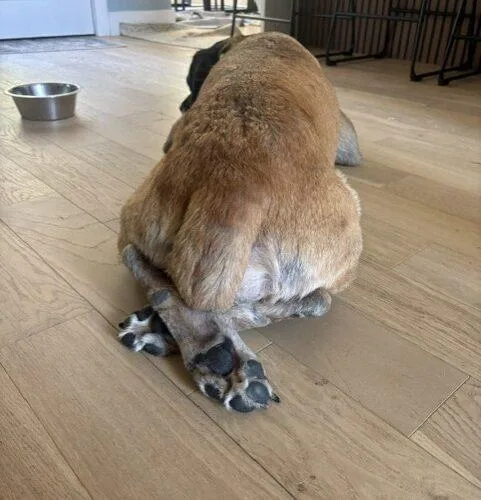
The Mastiff, also called the English Mastiff, is a massive, heavy-boned guardian with a broad head, dark mask and short fawn, apricot or brindle coat. Large guard dogs have lived in Britain since Roman times, and the modern breed took shape in the nineteenth century before nearly disappearing after World War II. Adults typically weigh 120 to 230 pounds, with males heavier than females.

Most Mastiffs are dignified, gentle and quietly protective of home and family, and they're more couch-loving than athletic. In Pittsburgh, their size shapes everyday choices: sturdy gear for steep sidewalks, a vehicle with room for a giant crate, and a budget for giant-breed food and veterinary care. Lifespans often run under ten years, so time together matters.

Weight
120–230 lbs
Height
27–36 in
Lifespan
6–10 yrs
Temperament
Gentle, Dignified, Protective
Group
Working
Shedding
Moderate

Owning a Mastiff in Pittsburgh

Having a Mastiff in Pittsburgh

Mastiffs pair a steady, easygoing nature with one of the heaviest bodies of any breed. In Pittsburgh, that size matters most on hills, icy steps and in small rentals, so these cards focus on how weight affects daily life.

Temperament

Mastiffs tend to be calm, affectionate and protective with family, and many are patient with respectful children. They're often aloof with strangers, so steady socialization helps. Start reward-based training early, since a stubborn adult this heavy can't be managed by strength alone. Each Mastiff differs, so judge the dog in front of you, not just the breed.

Exercise Needs

Adult Mastiffs usually need a moderate daily walk or two and relaxed play, not long runs. A leashed loop such as Riverview Park's two-mile route suits that pace better than steep streets and stairways. Keep puppies off repeated stairs and forced running while their joints develop, and keep warm-weather outings short.

Health Considerations

Mastiffs are prone to hip and elbow dysplasia, bloat, obesity and bone cancer, and some carry heart or eye conditions. Bloat is an emergency, so learn its signs. Keeping a Mastiff lean protects its joints, and year-round tick prevention matters around Pittsburgh's parks. A veterinarian can check hips and heart and plan regular visits for this fast-aging giant breed.

Living Space

Mastiffs are quiet indoors but need room to sprawl. In Pittsburgh, a ground-level or elevator apartment, or a house with a yard, is easier than a rowhouse or hillside home with steep front steps. Plan for a giant crate, washable furniture covers and drool towels. Mastiffs should live indoors.

What it costs to own a Mastiff in Pittsburgh

ExpenseTypical costPer year
Adoption fee$171, one time$171 in year one
Food$80 to $160 per month$960 to $1,920
Pet insurance$85 to $170 per month$1,020 to $2,040
Routine vet care$250 to $500 per year$250 to $500
Other*$585 to $1,670 per year$585 to $1,670
Estimated yearly total (after year one)$2,815 to $6,130
First-year total (with adoption fee)$2,986 to $6,301

Adoption fee is the fee on Mastiff listings in Pittsburgh on GetBuddy today. Other costs are estimates and vary with size, age and health.

* The Pittsburgh dog license ($10 a year if spayed or neutered, $20 if not), giant-dose flea, tick and heartworm prevention, a dental cleaning allowance, durable toys and bedding, basic coat care and joint supplements.

Adopt a Mastiff in Pittsburgh.

Now that you know more, let’s find you a new best friend. These rescues and shelters below currently have Mastiffs available.

Frequently Asked Questions

Yes. Pennsylvania law prohibits local ordinances from banning or limiting a specific breed, so Mastiffs face no breed-specific rules in Pittsburgh. Standard rules still apply: a city license, rabies vaccination and a leash of six feet or less. Frequent, habitual barking counts as a nuisance, though most Mastiffs are quiet. Landlords can still set their own pet policies.

Yes, if the building suits a giant dog. Mastiffs are quiet indoors, but Pittsburgh's rowhouses, hillside homes and walk-ups often mean steep stairs that are hard on a 150-pound dog. An elevator or ground-floor unit helps most. Read the lease for size or weight limits before applying, and remember the city's five-pet household limit applies in any unit.

Yes, with some care. A Mastiff's short coat isn't built for long stretches in the cold, so keep outings brief when temperatures drop below freezing, which happens on more than 100 nights a year. The bigger risk is ice: rinse salt off paws, watch footing on city steps, and keep the dog indoors the rest of the time.

Frick Park, Riverview Park and Highland Park are good leashed options, and Riverview's two-mile loop is a comfortable distance for an adult Mastiff. The Three Rivers Heritage Trail also allows leashed dogs. Bernard Dog Run in Lawrenceville has a separate large-dog space, but off-leash areas require licensed, vaccinated, spayed or neutered dogs. Choose shaded routes in July and August.

No, unless the Mastiff is a service animal. Pittsburgh Regional Transit buses and the T, including its Downtown subway, allow pets only in a fully enclosed carrier that fits on the rider's lap, with no extra fare. A giant Mastiff can't fit one, so plan on walking or driving. Service animals ride with riders who have disabilities.

Sometimes, but only on outdoor patios that the Allegheny County health department has approved. Dogs aren't allowed inside dining rooms, except service animals, and patio access varies by restaurant, so don't count on it. A Mastiff also takes up a lot of floor space, so quieter hours and a spot out of the walkway work best.

Very little. A weekly brush with a rubber curry or grooming mitt handles the short coat, with extra sessions during seasonal shedding. Wipe the jowls and facial folds to manage drool, trim nails regularly, and rinse salt from paws after winter walks. Most owners groom at home, so basic coat care fits within the Other costs shown.

It can be, if you have a home with manageable stairs, a vehicle that fits a giant dog and time for short daily walks. The city's hills, ice and steps make the dog's weight a daily factor, and humid summer days call for early walks. Mastiffs are calm and happy at home, so they suit people who are around a fair amount.

We have 1 rescue with Mastiffs available: Humane Animal Rescue of Pittsburgh. You can see every rescue with Mastiffs available in the list above these questions, or scroll to the top to see the Mastiffs near Pittsburgh.

A Mastiff typically costs about $2,800 to $6,100 a year, led by food ($80–$160 a month) and pet insurance ($85–$170 a month). Routine vet care runs $250–$500 a year, and other costs such as the city license, prevention medicine, dental care and joint supplements add $585–$1,670. Giant-breed doses and portions raise nearly every line.