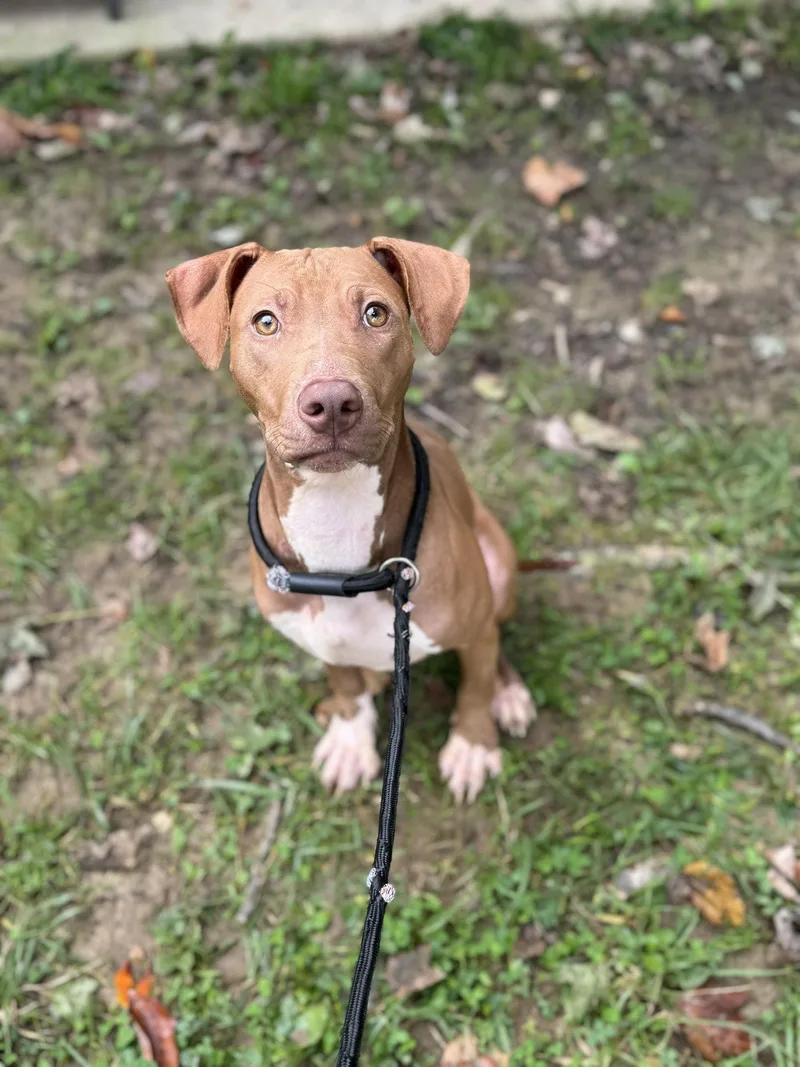
Great Pyrenees dog

Great Pyrenees Dogs for Adoption in Lancaster, PA

Your guide to finding and caring for a Great Pyrenees in Lancaster

A Great Pyrenees can do well in Lancaster, though a rowhouse block takes some planning. Pyrs are calm and mostly quiet indoors, but they like to bark after dark, and in Churchtowne or Mussertown, where homes sit shoulder to shoulder, the neighbors will hear it. A steady walk along the Conestoga Greenway suits them better than a hard run, and a fenced back yard helps a lot. Pyrs shed heavily and love a cool floor, so they fit people who are home often.

2323 Great Pyrenees available in Lancaster and nationwide

Open your home to a Great Pyrenees

Great Pyrenees Available for Adoption Near Lancaster

About the Great Pyrenees breed

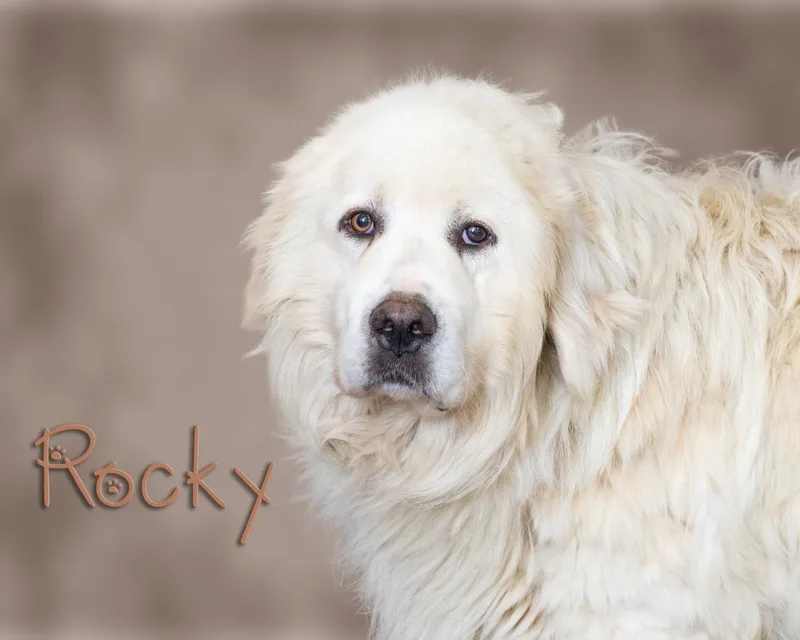
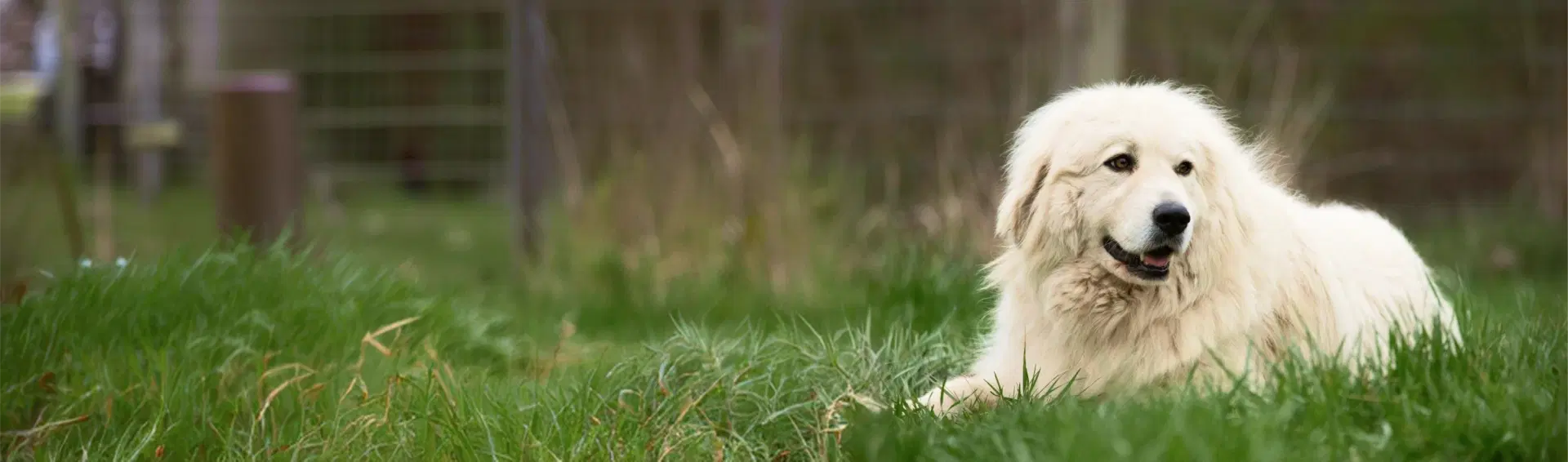
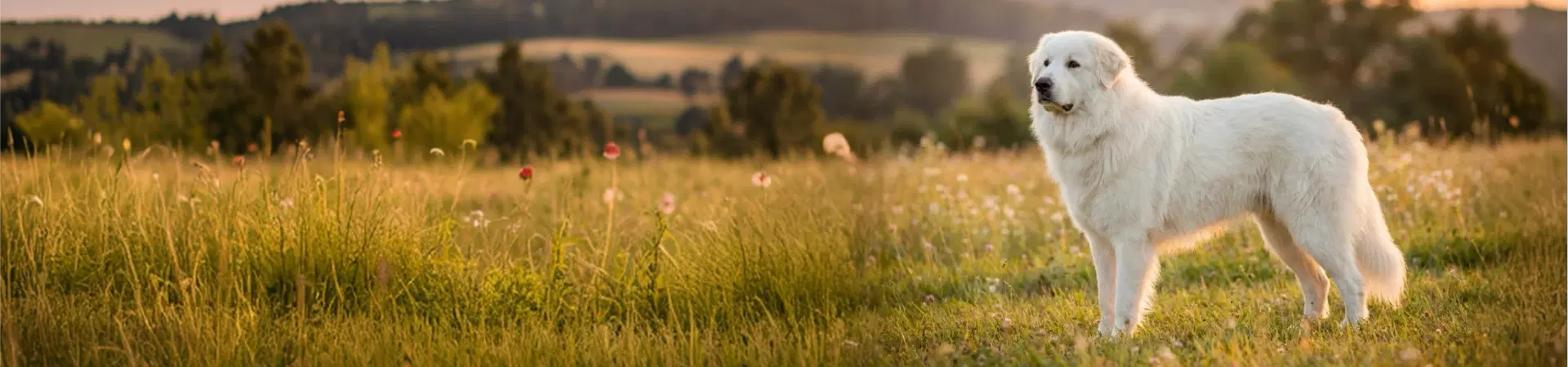
The Great Pyrenees began as a flock guardian in the mountains between France and Spain, staying with sheep through the night and driving off wolves and bears. That past explains a lot of what adopters see today: a giant white dog with a thick double coat, a gentle manner and a habit of making its own decisions.

In Lancaster, those instincts meet close neighbors, shared walls and a six-foot leash. Many Pyrs patrol and bark at night, so think about who lives next door. Weekly brushing keeps the coat manageable, with heavier shedding as the seasons turn. Training takes patience, since a Pyr often treats a command as a suggestion. Pyrs and Pyr mixes vary, so a dog may look and act a little differently from the classic description.

Weight
85–120 lbs
Height
25–32 in
Lifespan
10–12 yrs
Temperament
Calm, Protective, Independent
Group
Working
Shedding
High

Owning a Great Pyrenees in Lancaster

Having a Great Pyrenees in Lancaster

Pyrs are steady dogs with a strong guardian streak. In Lancaster, the practical questions are size, nighttime barking and shedding, and how rowhouse blocks, icy winters and humid July days shape a Pyr's day.

Temperament

Many Pyrs are gentle, patient and devoted to their household, yet they stay watchful at home. On a Lancaster block with close neighbors, expect barking at passersby, especially after dark. Early socialization to sidewalk traffic, deliveries and other dogs helps, and reward-based training works best. Each Pyr varies in how reserved or vocal it is.

Exercise Needs

A Pyr needs a steady daily walk or two rather than hard runs. The paved Conestoga Greenway and leashed loops in Long's Park suit that pace, and Beau's Dream Dog Park has a large-dog area with a splash pad. Because many Pyrs roam, keep them leashed outside fenced spaces and save longer walks for cool mornings.

Health Considerations

Giant breeds like the Pyr are prone to hip and elbow dysplasia, kneecap problems, bloat and bone cancer, so a veterinarian can check joints and discuss screening. Feed smaller meals and skip hard exercise around them. Pennsylvania has plenty of ticks, so check the coat after trail walks and ask a veterinarian about prevention.

Living Space

Lancaster's many rowhouses, often with small back yards, are tight for a dog this size. A calm adult can manage with enough walks, and a fully fenced yard helps since Pyrs test boundaries. Shared walls make nighttime barking a factor, and a cool floor in summer keeps a big white coat comfortable.

What it costs to own a Great Pyrenees in Lancaster

ExpenseTypical costPer year
Food$80 to $160 per month$960 to $1,920
Pet insurance$85 to $170 per month$1,020 to $2,040
Routine vet care$250 to $500 per year$250 to $500
Other*$686 to $1,861 per year$686 to $1,861
Estimated yearly total (after year one)$2,916 to $6,321

Other costs are estimates and vary with size, age and health.

* The annual Pennsylvania dog license, flea, tick and heartworm prevention, a dental cleaning allowance, toys and bedding, brushing and baths for heavy shedding, and joint supplements for a giant breed.

Great Pyrenees dog

Adopt a Great Pyrenees in Lancaster.

Now that you know more, let’s find you a new best friend. These rescues and shelters below have dogs available in and near Lancaster.

Rescues and Shelters in or near Lancaster

Lancaster's shelter and rescue groups care for dogs of every size, from small lap dogs to giants like the Pyr. Here are the rescues & shelters in the Lancaster area with dogs available for adoption, worth asking whether a Great Pyrenees is coming in.

Frequently Asked Questions

Generally no, unless the dog is a service animal. RRTA buses allow pets only in a small carrier, which rules out a giant Great Pyrenees, and drivers can refuse any animal for safety or health reasons. Amtrak Keystone trains cap a pet and carrier at 20 pounds. Plan on walking or car trips instead.

Yes, usually. A Pyr's thick double coat suits Lancaster's long, freezing winters. Wipe paws after walks to remove ice-melt salt, and take care on icy sidewalks that strain big joints. Pennsylvania's tethering rules allow only about 30 minutes on a tether below 32°F, so a Pyr should spend cold nights indoors, not chained outside.

The paved Conestoga Greenway Trail is a good match for a Pyr's calm, steady pace, and Long's Park and Lancaster County Central Park work for leashed walks. Beau's Dream Dog Park has a separate large-dog area with a splash pad, handy for hot days. Keep a roaming Pyr leashed outside fenced areas.

Yes. Pennsylvania doesn't allow towns to ban or restrict a specific breed, so Lancaster can't single out Pyrs. You'll need a county dog license once the dog is three months old and a current rabies vaccination. Landlords can still set their own size limits, so confirm that a giant dog is welcome before you apply.

It's possible for a calm adult with an attentive owner, but it isn't easy. A giant Pyr needs room to stretch and several walks a day, and nighttime barking carries through shared walls. Look for a ground-floor unit or rowhouse with easy outdoor access, and practice settling quietly before neighbors become a problem.

It can be, for people who are home a good deal, enjoy daily walks and can handle white hair and some nighttime barking. A fenced yard or a quiet, ground-level home helps. A Pyr is a poorer match for anyone wanting an off-leash hiking partner or a dog that obeys instantly.

Only where a restaurant chooses to allow it, and that's usually limited to outdoor patios. Don't assume dogs are welcome, and expect dining rooms to be off-limits. Ask before you sit down. A giant Pyr takes up real space under a table, so practice a calm settle at home first.

Plan on brushing at least weekly, and several times a week when the coat blows in spring and fall. Don't shave it, since the double coat insulates against heat and cold. In winter, rinse salt off paws. Grooming costs fall within the Other line of the cost table, and a home brushing routine keeps them down.

A Great Pyrenees is a giant livestock guardian dog from the Pyrenees mountains between France and Spain, bred to protect sheep from predators. It has a thick, weather-resistant white coat, often with gray, tan or badger markings, and double dewclaws on its hind legs. Many are calm, gentle and devoted to family, yet independent and watchful.

Plan on roughly $2,900 to $6,300 a year for a Pyr in Lancaster. Food runs $80 to $160 a month, pet insurance $85 to $170 a month, routine vet care $250 to $500 a year, and other costs such as prevention, grooming and joint support $686 to $1,861 a year.