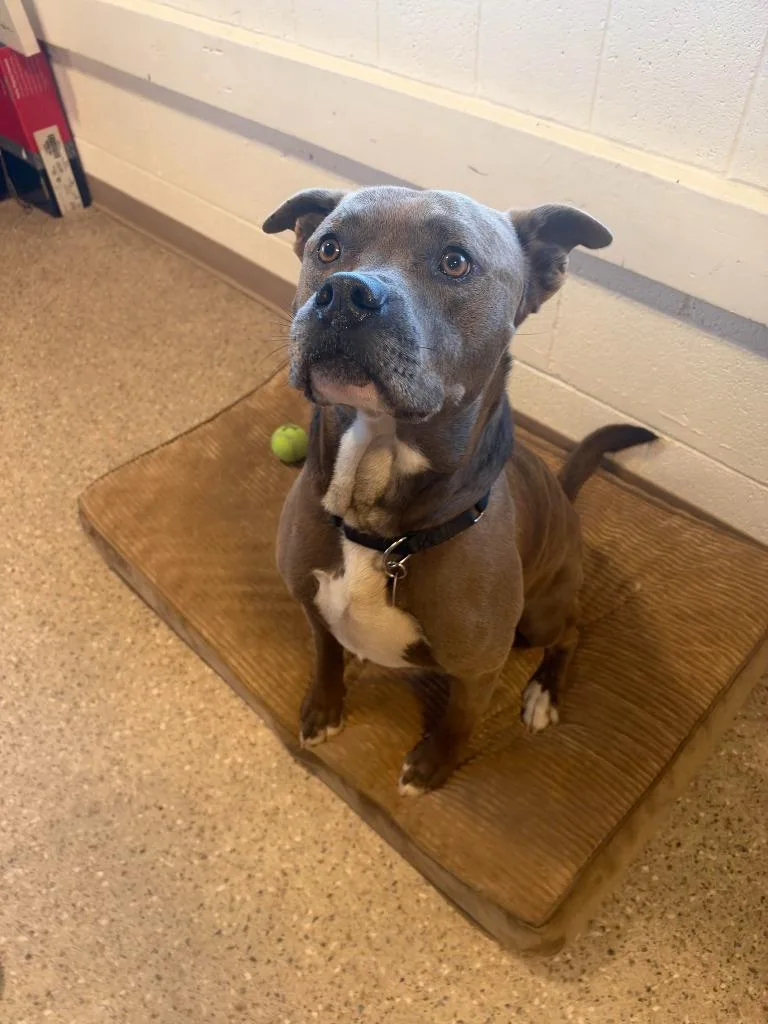
Otterhound Dogs for Adoption in Gold Beach, OR

Your guide to finding and caring for an Otterhound in Gold Beach

4848 dogs similar to Otterhound available in Gold Beach and nationwide

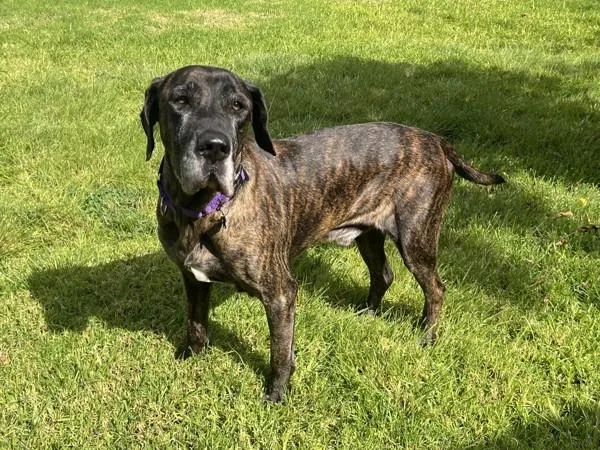
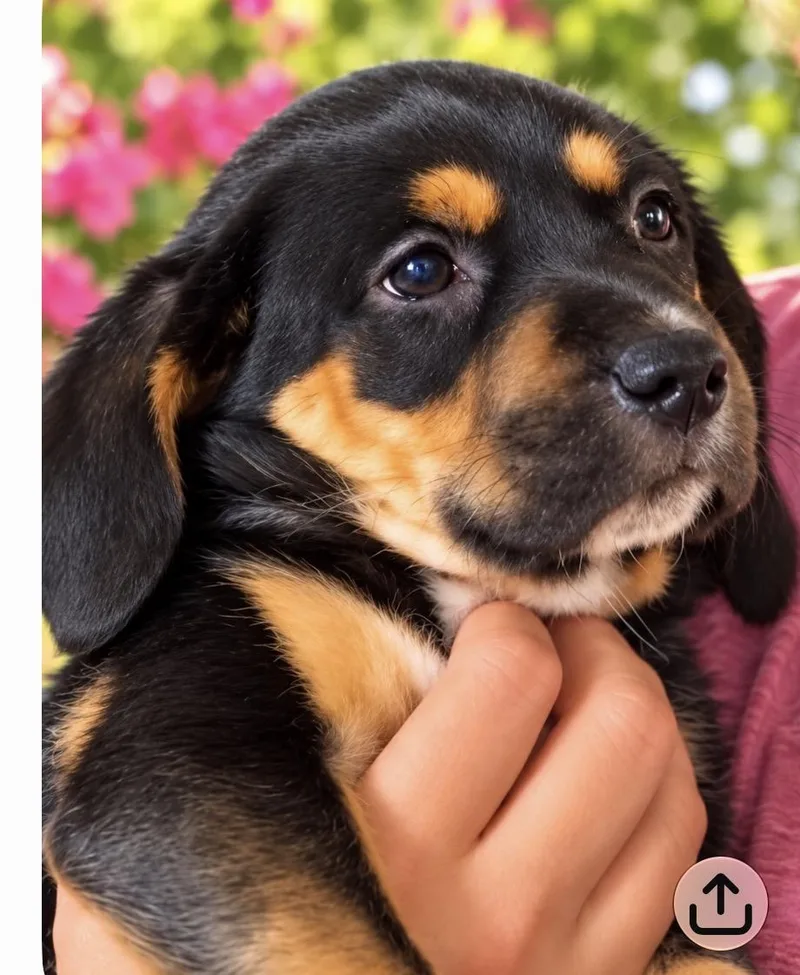
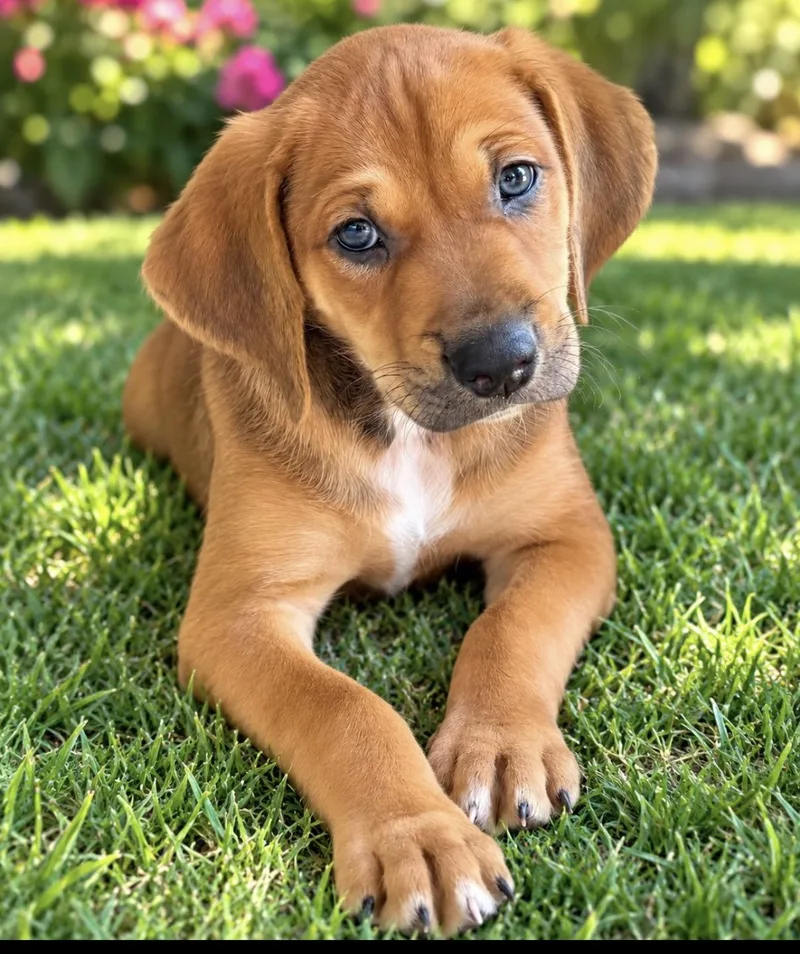
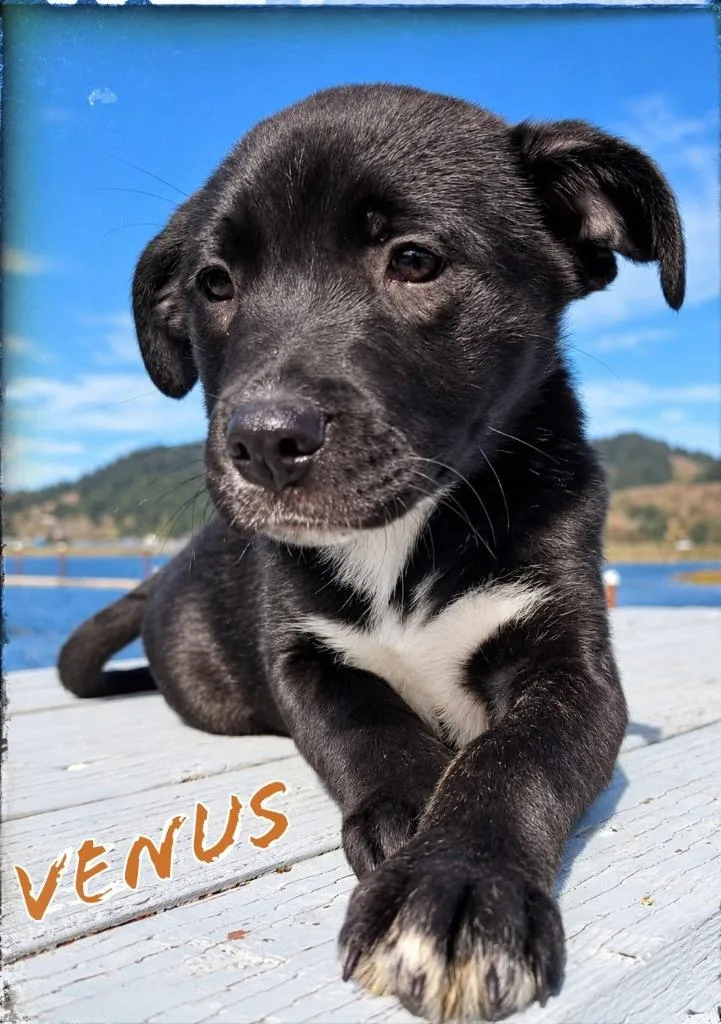
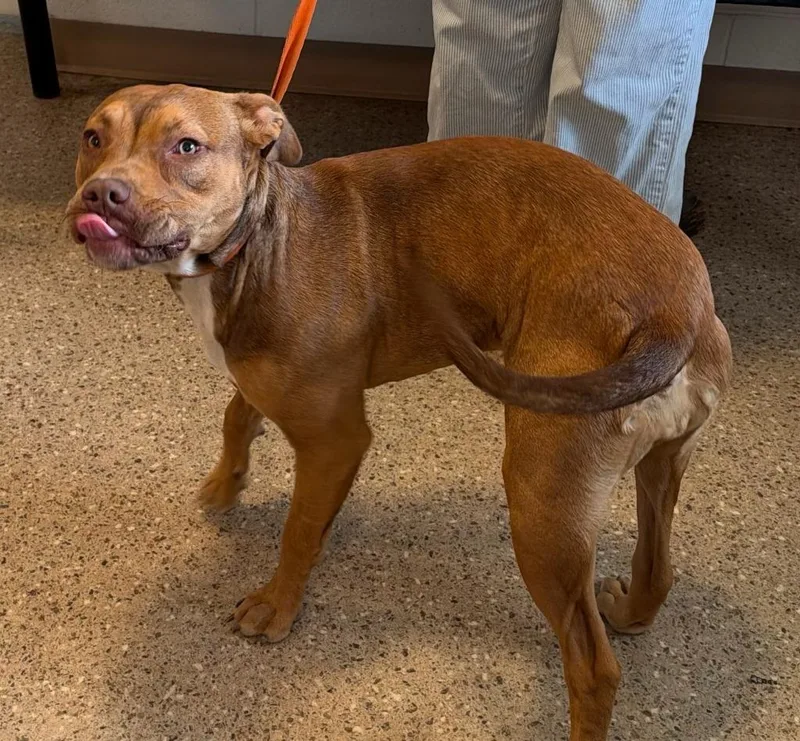
Say hello to your Otterhound

While we don't have enough dogs near Gold Beach, keep in mind that many rescues may offer transport.

Otterhounds and Similar Breeds Available for Adoption Near Gold Beach

About the Otterhound breed

Big, shaggy and good-humored, the Otterhound was developed in England to follow the scent of otters along riverbanks and through cold water, with French griffon hounds added to the mix in the nineteenth century. When otters became a protected species in Britain in 1978, the breed lost its job, and it is now one of the rarest hounds in the world, with only several hundred dogs estimated worldwide. Its rough, oily double coat, large webbed feet and long, draping ears all suit a life spent tracking in water.

Otterhounds tend to be amiable, boisterous and even-tempered, usually friendly with people, children and other dogs. They are also independent scent hounds with a loud, musical bay, a nose that can override training, and a fondness for splashing in any water they find. Patient owners with a fenced yard and a sense of humor tend to enjoy them most.

Weight
65–115 lbs
Height
23–27 in
Lifespan
10–13 yrs
Temperament
Friendly, Easygoing, Independent, Vocal
Group
Hound
Shedding
Moderate

Owning an Otterhound in Gold Beach

Having an Otterhound in Gold Beach

An Otterhound brings a big, friendly presence, a powerful nose and a love of water into family life. Understanding its independent hound mind, booming voice, shaggy coat care and rarity helps adopters decide whether this unusual breed suits their household.

Temperament

Otterhounds are usually affectionate, easygoing and tolerant, often good with children and other dogs. Their size and enthusiasm can knock over small kids, and young dogs are clumsy and bouncy. They are independent rather than eager to obey, and may chase small animals on a scent. An adopted dog's individual history still matters most.

Exercise Needs

Most Otterhounds need a long daily walk plus time to sniff and play in a secure area. Swimming is a favorite, and tracking or scent work satisfies their nose. Because a fresh trail can override recall, keep them on leash or behind a solid fence. Avoid vigorous exercise around meals because of bloat risk.

Health Considerations

Bloat is a major concern, reported in roughly one in eleven Otterhounds, along with hip and elbow dysplasia. An inherited platelet disorder that affects clotting has been documented, and DNA testing exists. Ear infections are common after swimming. Have a veterinarian check the hips, learn bloat warning signs, feed measured meals and dry ears carefully.

Living Space

An Otterhound fits best in a house with a securely fenced yard, and its size, voice and messy beard make apartment life challenging. Expect water dripped from the beard, muddy paws and shed hair. It is happiest indoors with its family, with easy access to outdoor time and, ideally, safe places to swim.

What it costs to own an Otterhound

ExpenseTypical costPer year
Food$55 to $110 per month$660 to $1,320
Pet insurance$65 to $130 per month$780 to $1,560
Routine vet care$250 to $500 per year$250 to $500
Other*$590 to $1,490 per year$590 to $1,490
Estimated yearly total (after year one)$2,280 to $4,870

Other costs are national averages for Otterhounds; we don't have costs specific to Gold Beach yet.

* Flea, tick and heartworm prevention, a dental cleaning allowance, a dog license, toys and bedding, and brushing, beard washing and ear care for a rough double coat; license fees vary by city.

Adopt an Otterhound in Gold Beach.

Now that you know more, let’s find you a new best friend. These rescues and shelters below currently have Otterhounds available.

Rescues in Gold Beach with Otterhounds Available

Here are the rescues & shelters in the Gold Beach area where you can find Otterhounds and other dogs available for adoption.

Frequently Asked Questions

An Otterhound is a large, rough-coated English scent hound originally bred to hunt otters on land and in water. It has a shaggy, oily double coat, webbed feet and long, folded ears. A member of the AKC Hound Group, it is friendly, boisterous and independent, and today it is one of the rarest dog breeds in the world.

No, Otterhounds are not hypoallergenic. Their rough double coat sheds moderately and has a slightly oily, woolly undercoat that carries dander. Allergens come from skin, saliva and urine, so no breed is truly allergy-free. If allergies are a concern, spend time with the individual dog and talk with an allergist before adopting such a large, shaggy hound.

Yes, Otterhounds shed moderately. Their coarse outer coat and woolly undercoat lose hair year-round, with more shedding when the coat thins in warm months. Brushing once or twice a week with a pin brush and comb prevents mats and catches loose hair. Their beard and ears also collect food and debris, so expect some regular cleanup.

There are very few Otterhounds left; a 2012 estimate put the worldwide population at around 600 dogs. Britain's Kennel Club lists the breed as a vulnerable native breed, with only dozens of new registrations a year, and US numbers are similarly small. Exact current counts are uncertain, but the breed remains extremely rare by any measure.

Yes, Otterhounds are generally very friendly. They were bred to work in packs, and most get along well with people, children and other dogs. The AKC standard describes them as amiable, boisterous and even-tempered. Their enthusiasm and size can overwhelm small children or timid guests, so polite greetings and supervision are still important.

Otterhounds are rare mainly because their original job disappeared when otter hunting was banned in Britain in 1978. With few working packs left, fewer litters were produced. The small gene pool, modest litter numbers and the breed's size, voice and grooming needs have kept it a niche choice, so only a few hundred dogs exist worldwide.

You can trim an Otterhound lightly for comfort and hygiene, such as tidying the feet, sanitary area and around the eyes, but the breed is meant to keep a natural, rough coat. Shaping or heavy clipping changes its texture and protective qualities. Regular brushing and occasional baths, especially for the beard, keep the coat clean and healthy.

Otterhounds can make good pets for patient, active owners who enjoy a friendly, goofy dog and do not mind mess. They are usually affectionate with family and good with other dogs. Their size, loud bay, independent nature and drippy beard are real considerations. A fenced yard and a sense of humor go a long way with this breed.

An Otterhound is a large dog. The AKC standard describes males at about 27 inches and 115 pounds and females at about 24 inches and 80 pounds, as guidelines rather than strict limits. Many adults fall roughly between 65 and 115 pounds. Their shaggy coat and big head can make them look even bigger than they are.

We have 1 rescue with Otterhounds available: Wild Rivers Animal Rescue. You can see every rescue with Otterhounds available in the list above these questions.