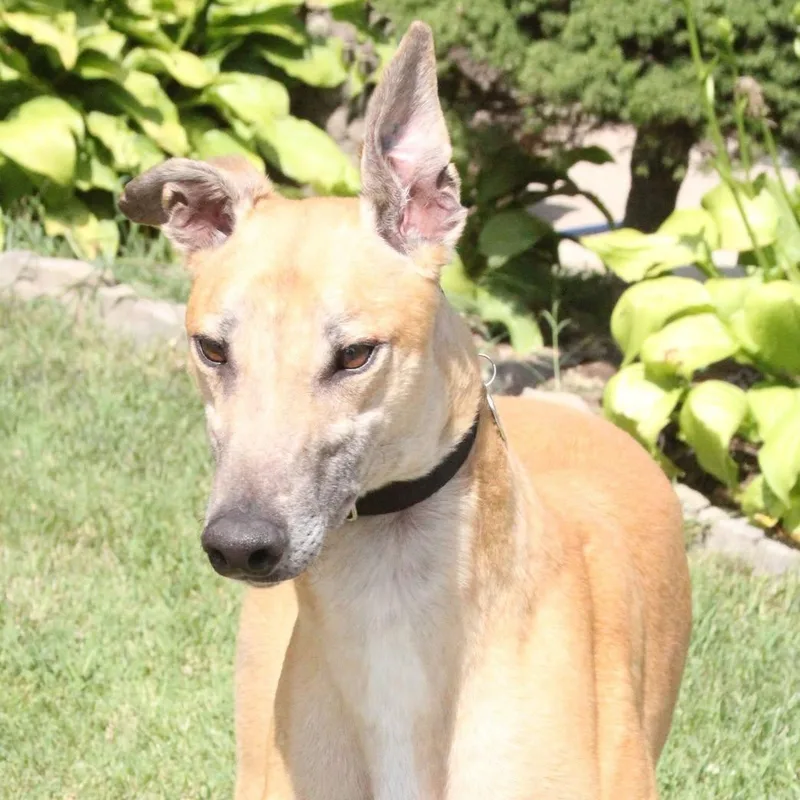
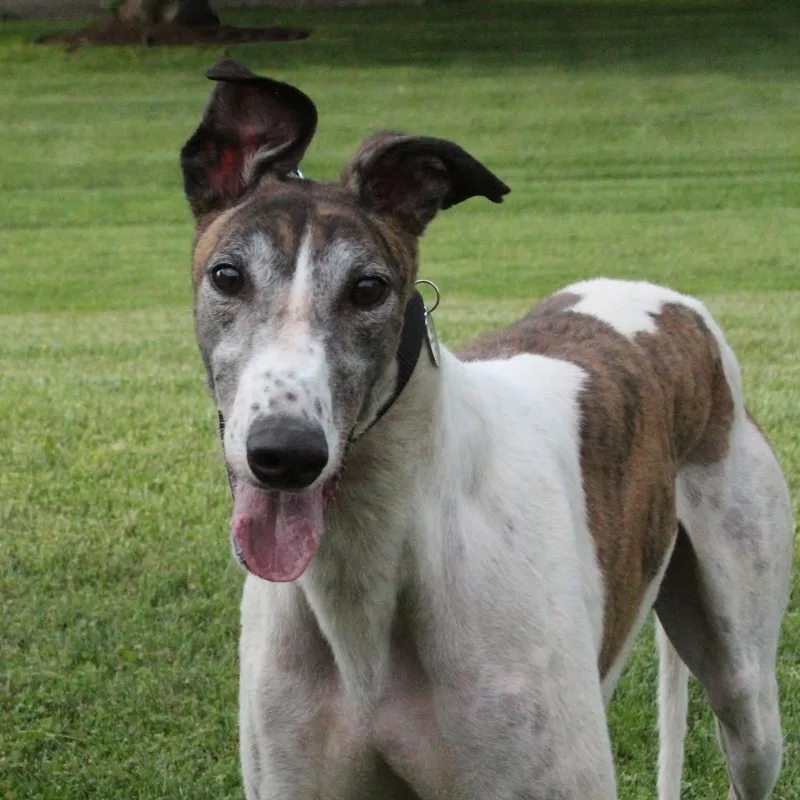
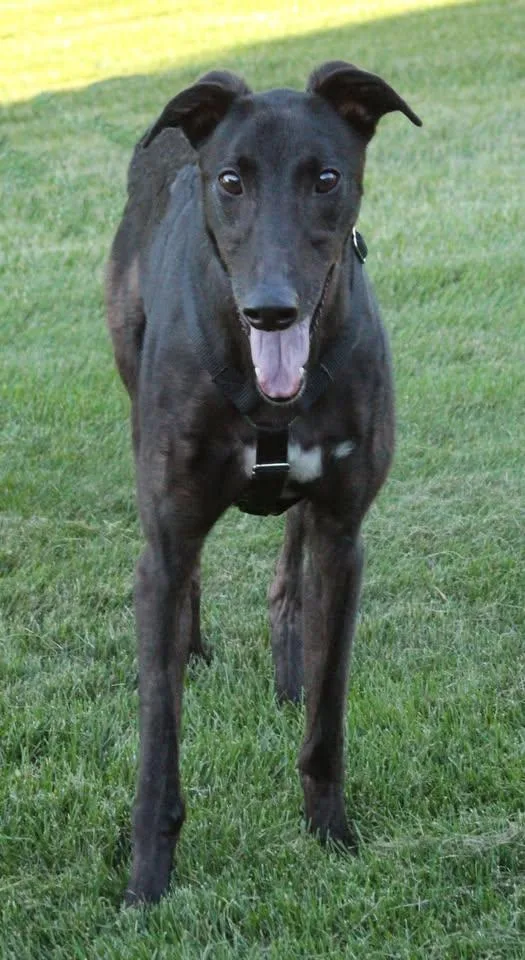
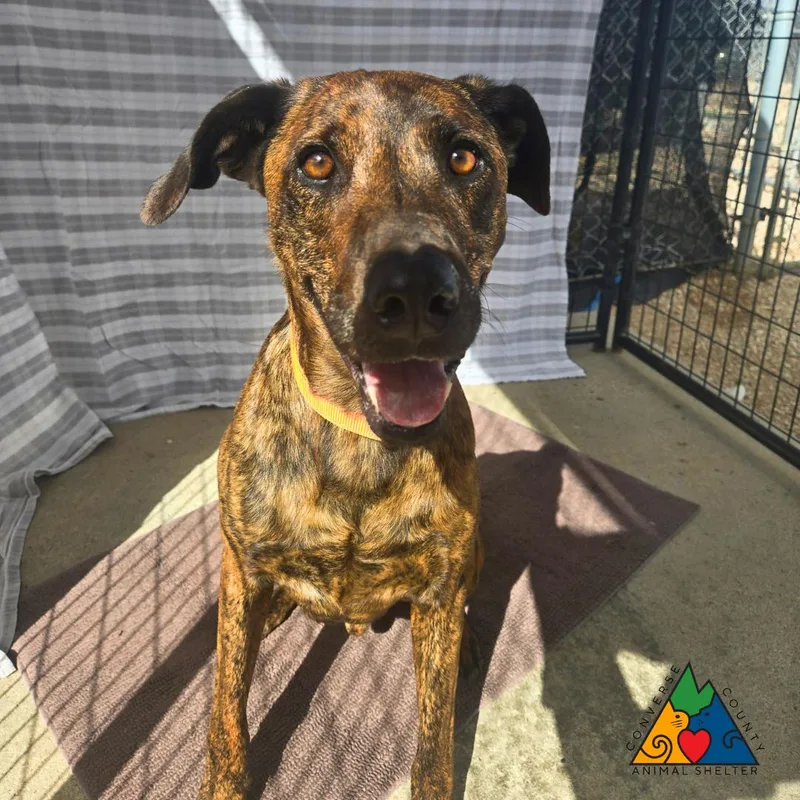
Greyhound Dogs for Adoption in Tulsa, OK

Your guide to finding and caring for a Greyhound in Tulsa

A Greyhound is a good match for the duplexes and apartments around Swan Lake. The street grid there is made for walking, so a leashed loop around the lake in the morning is easy, and the rest of the day is usually spent asleep on the couch. They're big dogs but quiet ones, which helps in shared buildings. What they do need is a warm coat for Tulsa's cold snaps and a leash whenever they're outside a fence, because that chase instinct is real.

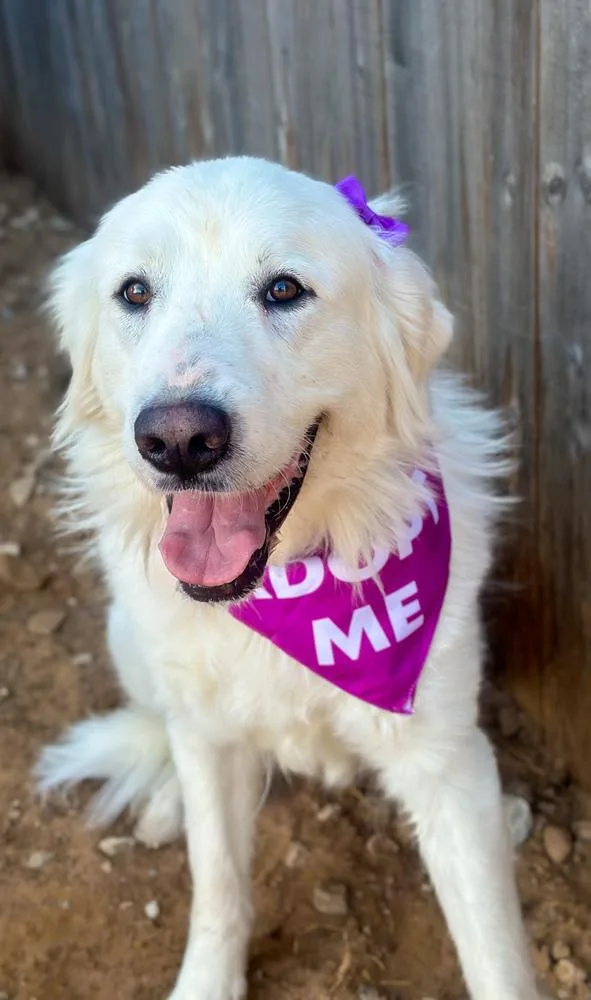
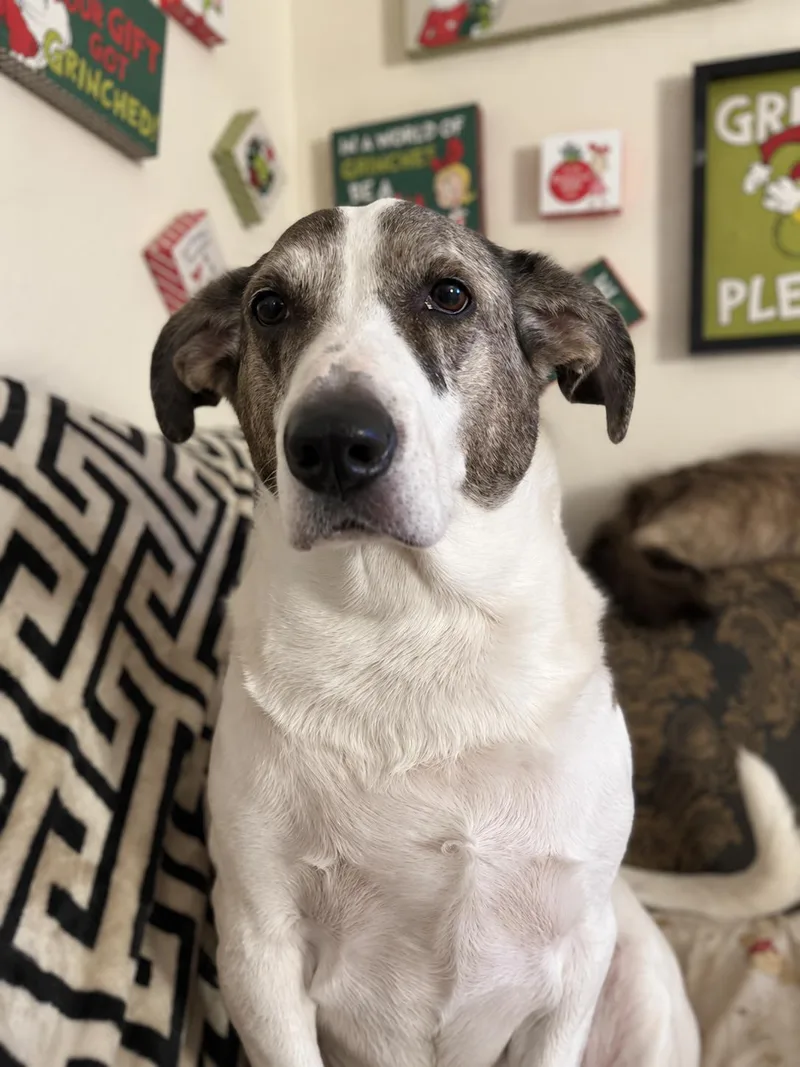
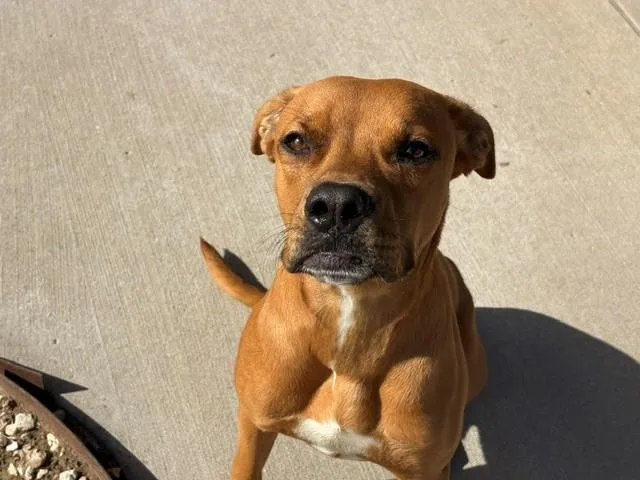
282 Greyhounds available in Tulsa and nationwide

Bring home a Greyhound

While we don't have enough dogs near Tulsa, keep in mind that many rescues may offer transport.

Greyhounds Available for Adoption Near Tulsa

About the Greyhound breed

Greyhounds are an ancient sighthound type refined in England to chase game by sight. A deep chest, long legs and a flexible back let them pass 40 miles per hour, yet most pet Greyhounds in the US are retired racers, usually two to five years old, who have left the track behind. Many arrive never having seen stairs, glass doors or a living room.

At home they're known for being gentle, quiet and affectionate, with short coats and light to moderate shedding. They weigh roughly 55 to 85 pounds and often live 10 to 14 years. In Tulsa, that calm side suits apartment and bungalow living, while thin skin and low body fat call for planning around cold nights and hot afternoons. Prey drive varies from dog to dog, so a Greyhound's reaction to cats and small dogs is worth learning before bringing one home.

Weight
55–85 lbs
Height
25–30 in
Lifespan
10–14 yrs
Temperament
Gentle, Quiet, Affectionate
Group
Hound
Shedding
Low to Moderate

Owning a Greyhound in Tulsa

Having a Greyhound in Tulsa

Greyhounds are sprinters that live like couch dogs, but a thin coat, a strong chase instinct and some unusual medical needs shape daily care. In Tulsa, that mostly means coats for cold nights, shade and cool floors in summer, and a secure fence or leash outdoors.

Temperament

Greyhounds tend to be gentle, quiet and affectionate, and many are polite with visitors and other large dogs. Former racers can be shy at first and need time with stairs, glass doors and household noise. Prey drive varies, so a Greyhound's behavior around cats and small dogs can't be assumed, and a leash matters on Tulsa sidewalks.

Exercise Needs

Daily leashed walks plus a chance to run in a securely fenced space usually satisfy a Greyhound, followed by long naps. In Tulsa, a fenced off-leash park like Joe Station can serve for sprints, and River Parks trails work for longer leashed walks. Off-leash time in open ground is risky because of their speed and chase instinct.

Health Considerations

Greyhounds can be sensitive to some anesthetics, bleed more after surgery and have bloodwork values that differ from other breeds, so a veterinarian should know the breed. Dental disease, paw corns, bloat and bone cancer also occur. In Tulsa, regular parasite prevention and a thorough first checkup with a dental assessment are sensible.

Living Space

Greyhounds adapt well to apartments, duplexes and houses because they're quiet and rest most of the day. Soft bedding cushions their bony joints, a coat helps in winter, and shade or cool floors help in summer. A fenced yard is handy, but reliable walks and a safe place to sprint matter more.

What it costs to own a Greyhound in Tulsa

ExpenseTypical costPer year
Food$55 to $110 per month$660 to $1,320
Pet insurance$55 to $110 per month$660 to $1,320
Routine vet care$250 to $500 per year$250 to $500
Other*$530 to $1,555 per year$530 to $1,555
Estimated yearly total (after year one)$2,100 to $4,695

Other costs are estimates and vary with size, age and health.

* The $5 Tulsa dog license, flea, tick and heartworm prevention, a dental cleaning allowance, toys and padded bedding, light home grooming, and winter coats for a thin-coated breed.

Adopt a Greyhound in Tulsa.

Now that you know more, let’s find you a new best friend. These rescues and shelters below currently have Greyhounds available.

Frequently Asked Questions

Yes, you can own a Greyhound in Tulsa. No breed-specific rules apply there, and Oklahoma law forbids local breed-specific regulations. You will need a city license for dogs over six months old, which requires a rabies certificate and proof of spay/neuter, and the dog must be leashed off your property. Households can have up to five dogs and cats combined.

A Greyhound can be a good fit for Tulsa if you can offer daily leashed walks, a warm indoor home and a safe place to sprint. Hot summers, cold snaps and neighborhood coyotes mean outdoor time needs supervision. Greyhounds vary in energy and prey drive, so a calm routine and a fenced space matter more than yard size.

Yes, a Greyhound can live in a Tulsa apartment. They're quiet and spend much of the day sleeping, which suits shared walls. Plan for several leashed walks, soft bedding and a lease that allows a dog of 55 to 85 pounds, since building weight limits vary. An apartment doesn't change the citywide five-pet household limit.

Yes, if a Greyhound lives indoors and wears a coat on walks. Greyhounds have thin skin and little body fat, so they chill fast, and Tulsa's freezing nights and occasional ice storms are hard on them. Soft bedding, a warm coat for every outing and extra blankets ready in case of a power outage keep a Greyhound comfortable.

Fenced off-leash parks such as Joe Station on Charles Page Boulevard and Benjamin's Biscuit Acres at 91st and Sheridan suit Greyhound sprints, if the dog is comfortable around other dogs. Biscuit Acres closes Mondays. River Parks trails and Turkey Mountain's dirt trails are good for leashed walks, but Oxley Nature Center bans dogs.

Usually not. MetroLink Tulsa's buses, including the Aero line on Peoria, allow pets only in carriers, with an exception for service animals. A full-grown Greyhound is too big for a lap-size carrier, so plan on driving to parks and vet visits. Tulsa has no rail, so buses are the only transit option.

Only to some patios. Oklahoma's health code lets restaurants welcome dogs outdoors if they meet state conditions, such as a separate outdoor entrance, so access depends on the venue. Dogs aren't allowed inside. A Greyhound usually settles quietly under a table, but keep it leashed and out of walkways.

A Greyhound needs very little grooming. Its short, smooth coat needs a weekly rub with a rubber mitt, an occasional bath, regular nail trims and frequent tooth brushing, since dental disease is common. Tulsa's weather matters more than coat care: wipe off mud in spring and dress the dog warmly in winter. Home grooming costs little.

We have 1 rescue with Greyhounds available: Tulsa Animal Welfare. You can see every rescue with Greyhounds available in the list above these questions, or scroll to the top to see the Greyhounds near Tulsa.

Expect roughly $2,100 to $4,700 a year for a Greyhound in Tulsa. Food runs $55 to $110 a month and insurance $55 to $110 a month, routine vet care $250 to $500 a year, and other costs $530 to $1,555 a year. Dental work and cold-weather gear can push spending toward the higher end.