Curly-Coated Retriever Dogs for Adoption in Columbus, OH

Your guide to finding and caring for a Curly-Coated Retriever in Columbus

Clintonville is a natural fit for a Curly-Coated Retriever, with Whetstone Park and the Olentangy Trail close by. Curlies need a long walk or a swim every day, and the paved paths and wooded ravines there give them room to work. They're reserved with strangers, so a quiet street of older homes with fenced yards often suits them better than a busy block. On weekends, the dog-swim lakes west of Columbus give a water-loving Curly a good reason to ride along.

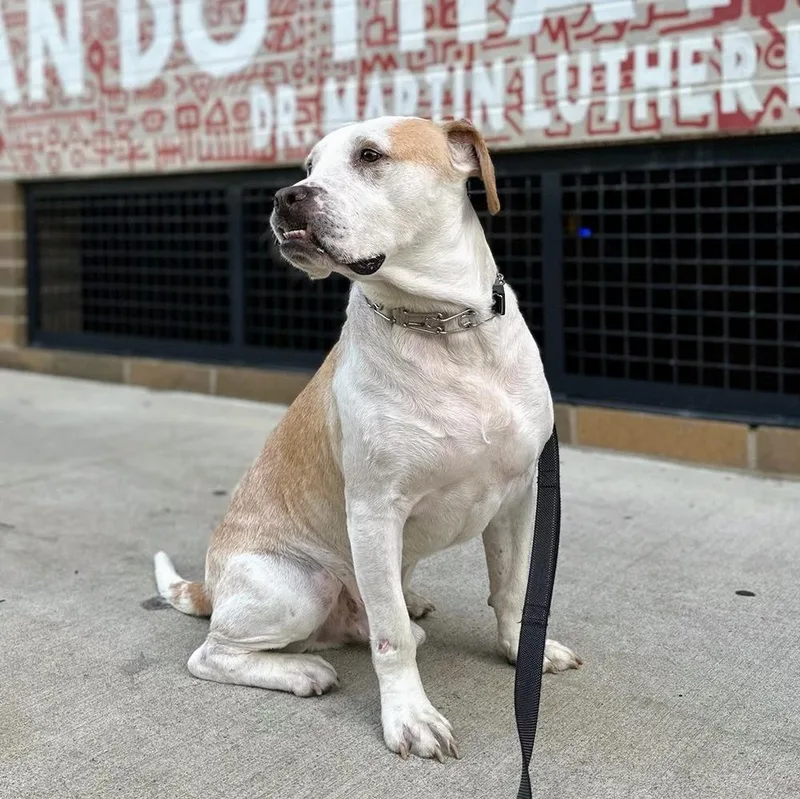
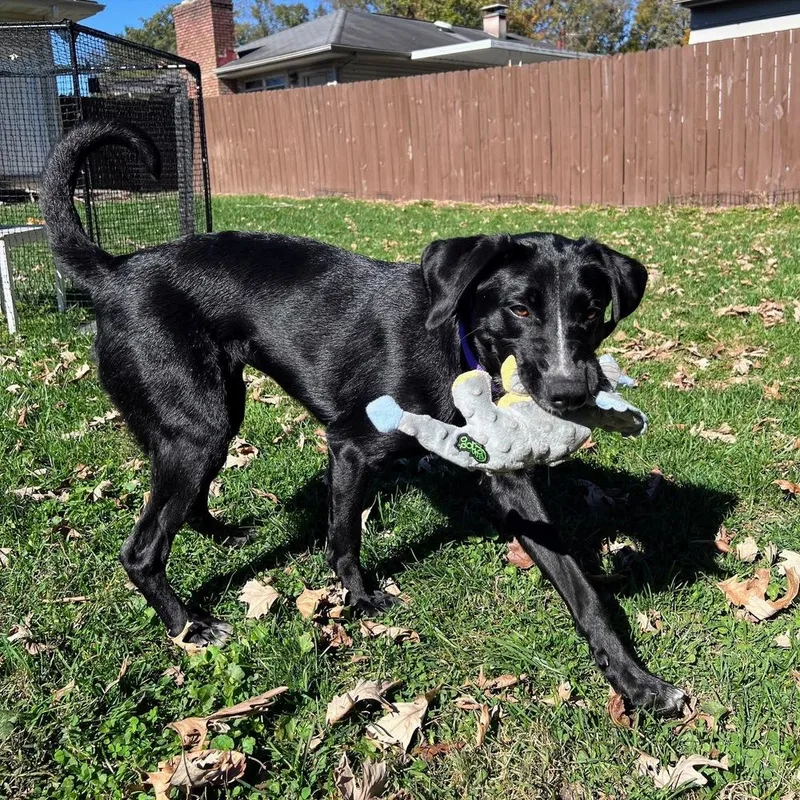
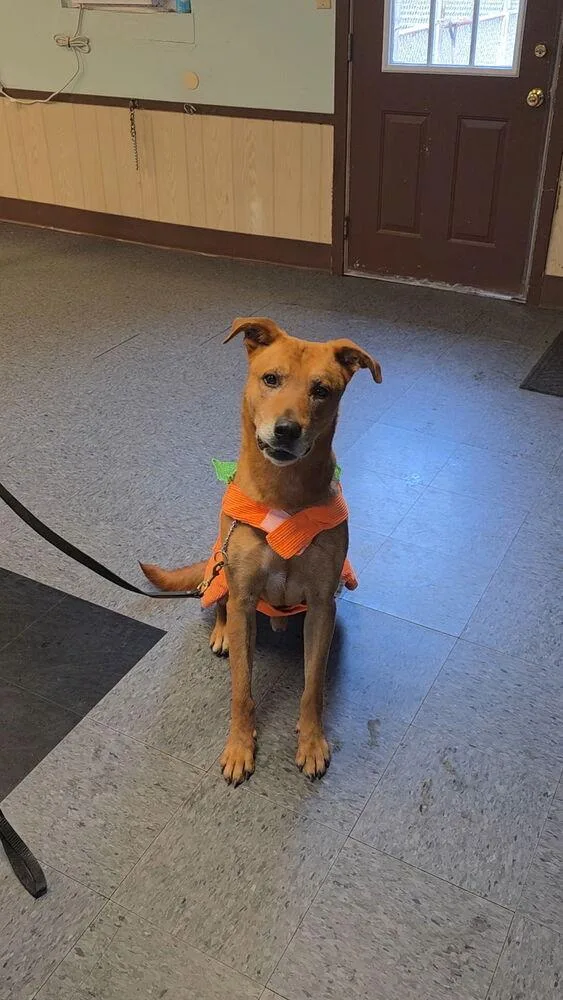
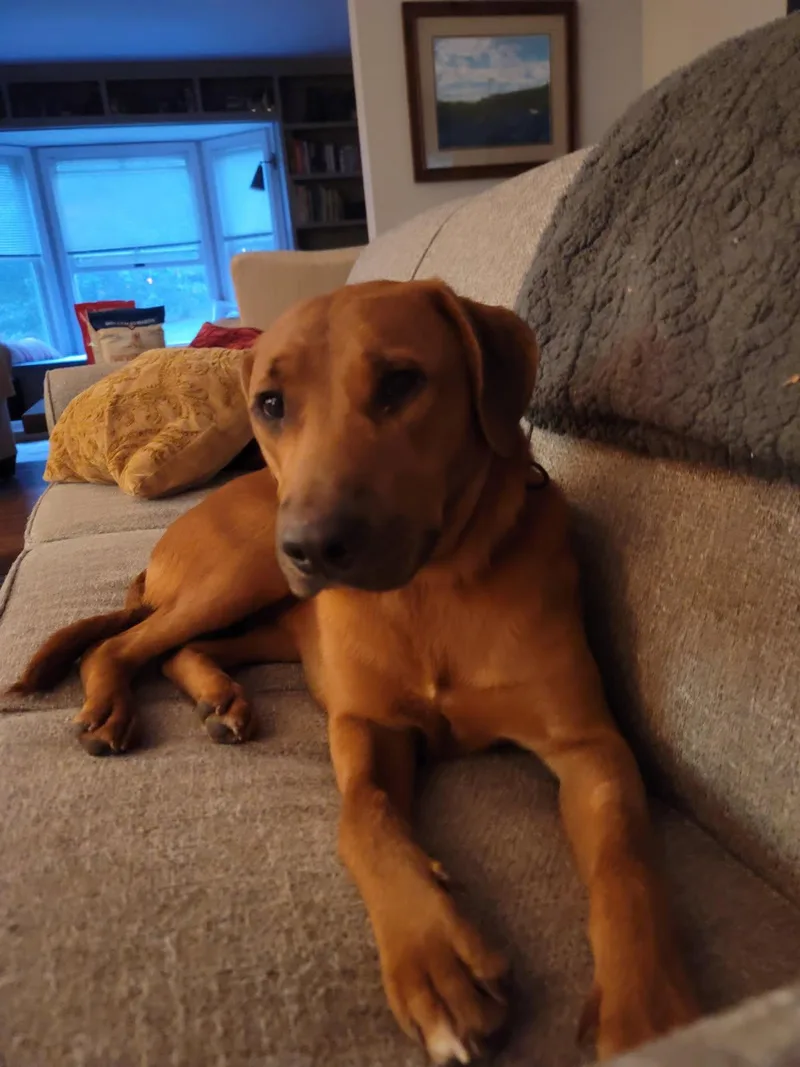
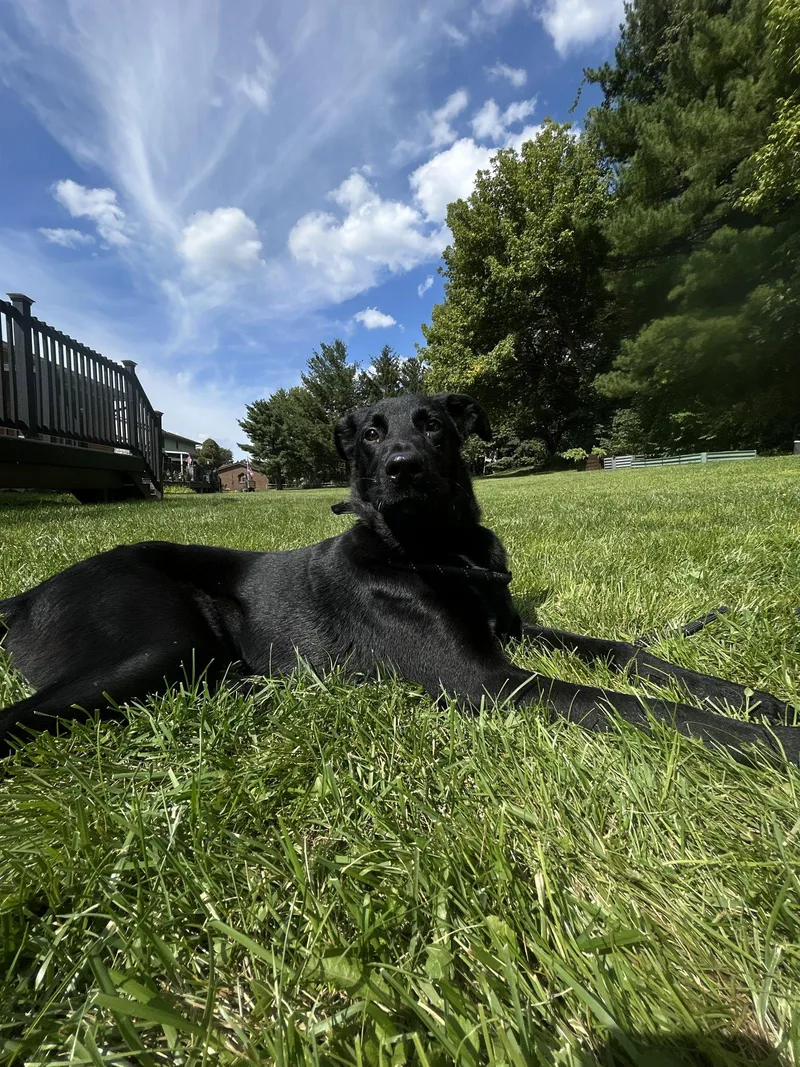
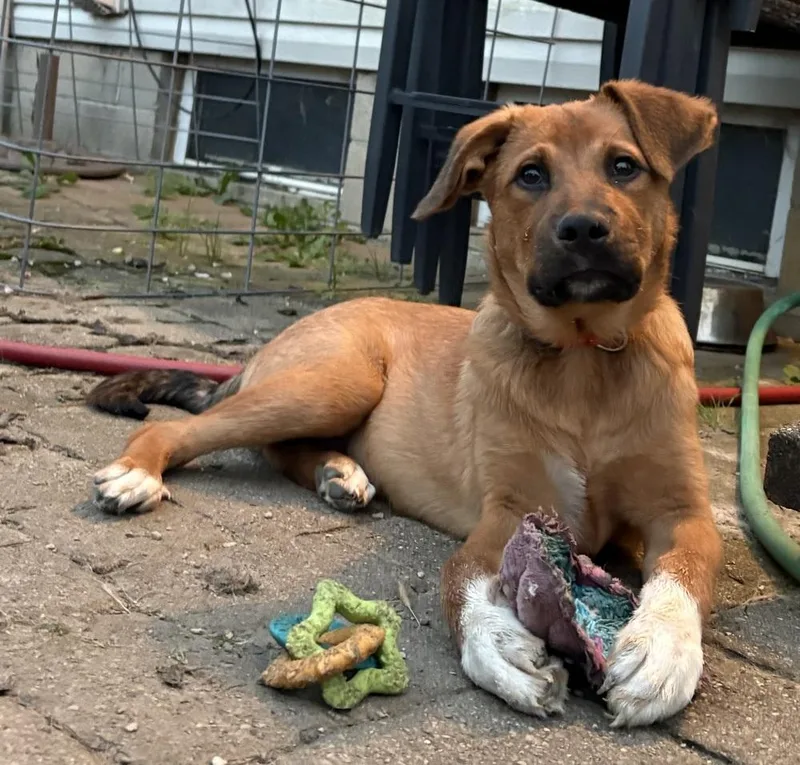
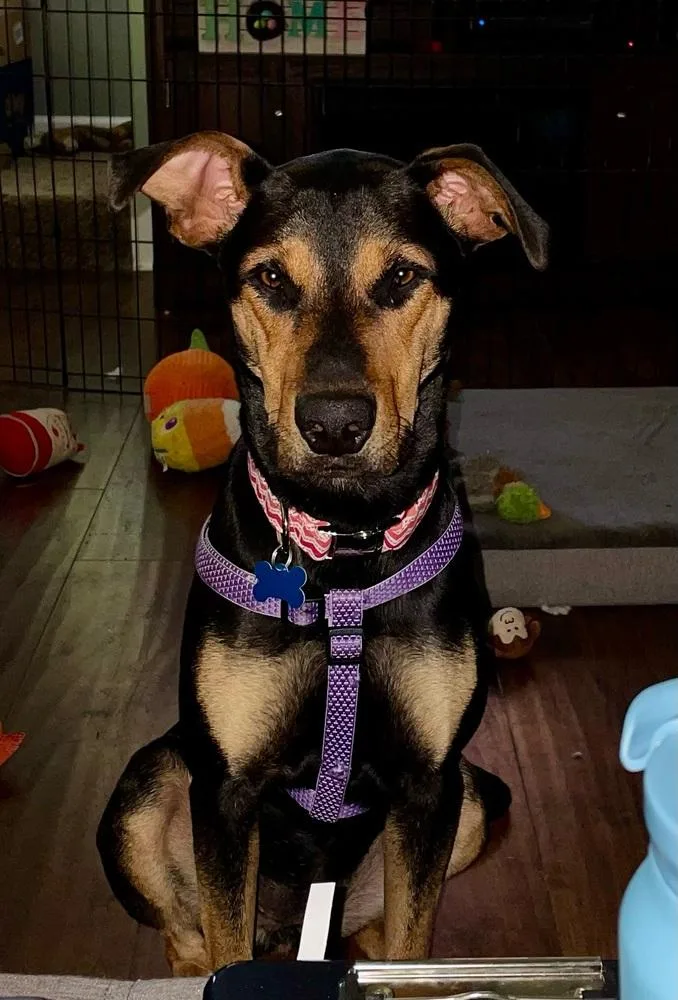
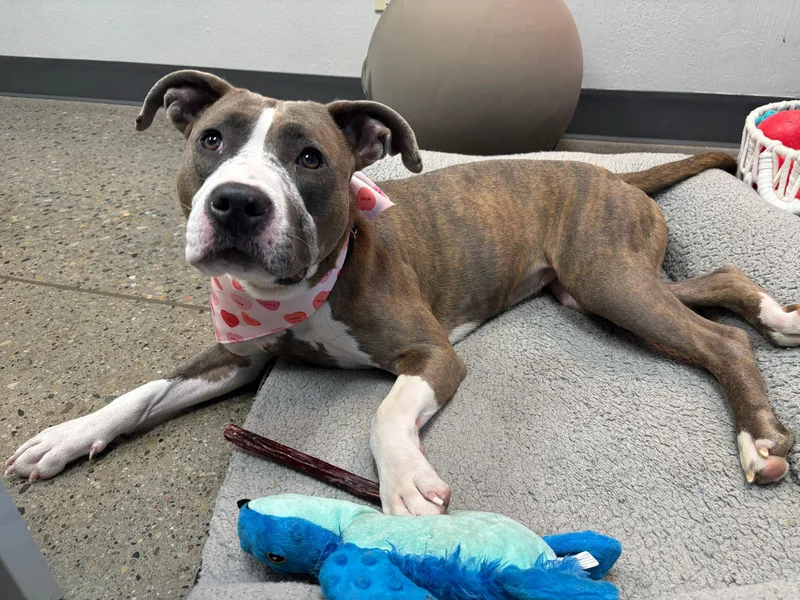
15109 dogs similar to Curly-Coated Retriever available in Columbus and nationwide

Bring home a Curly-Coated Retriever

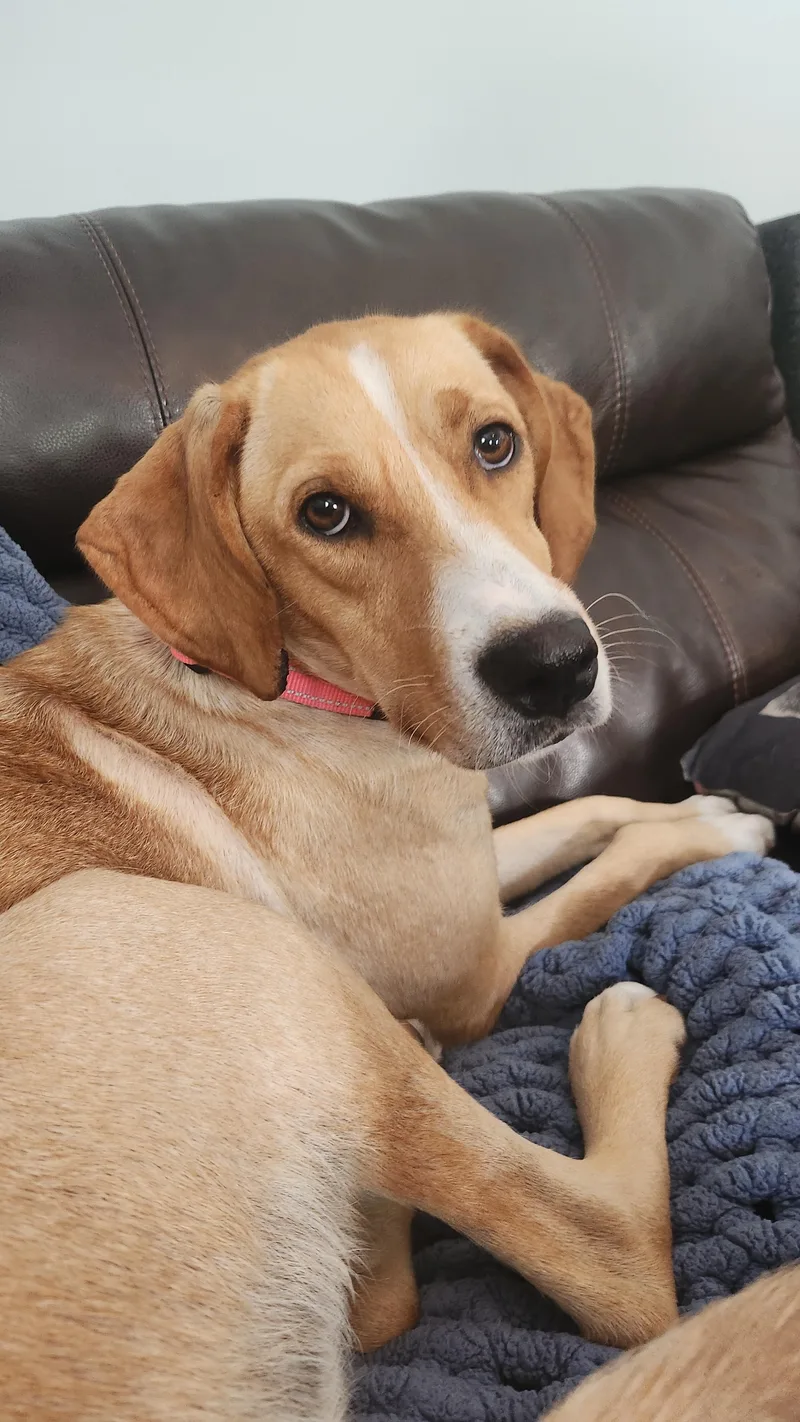
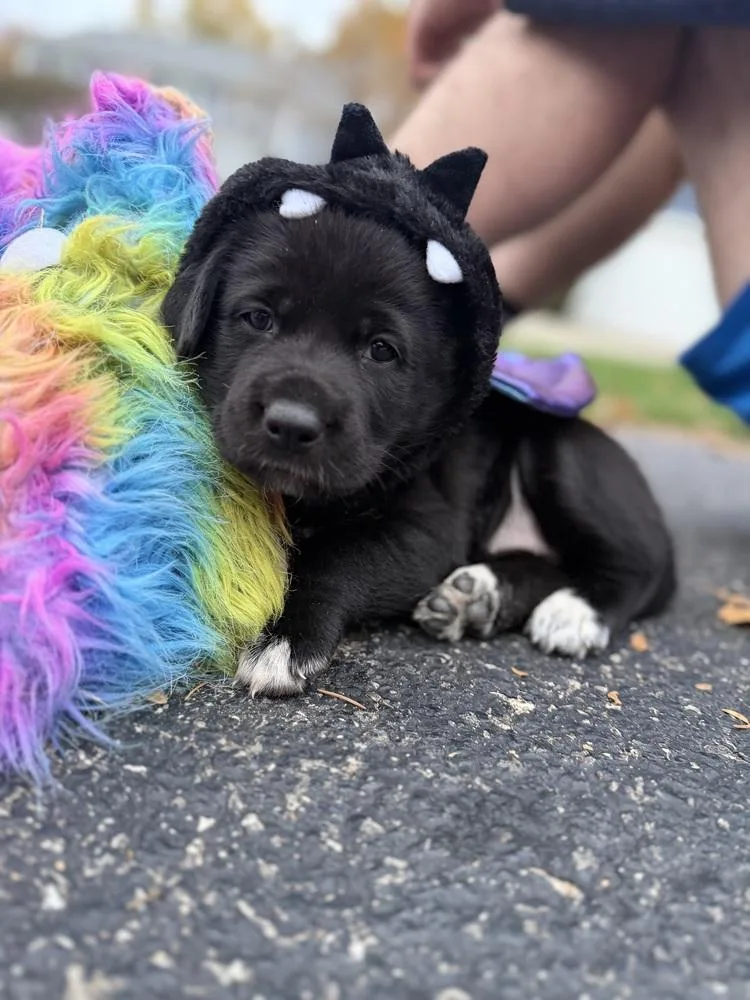
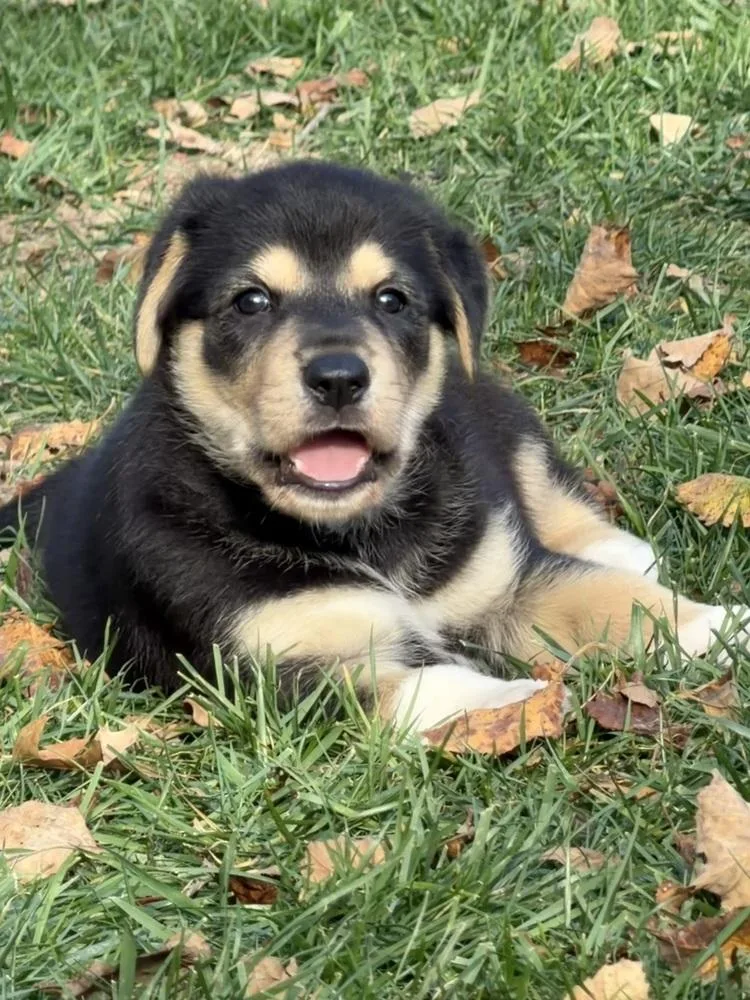
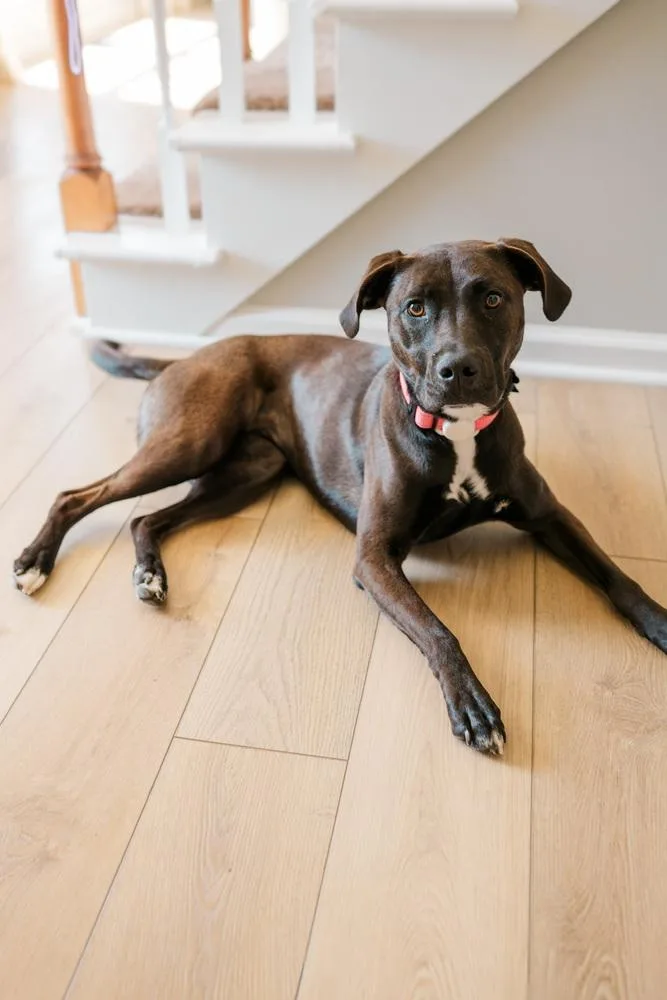
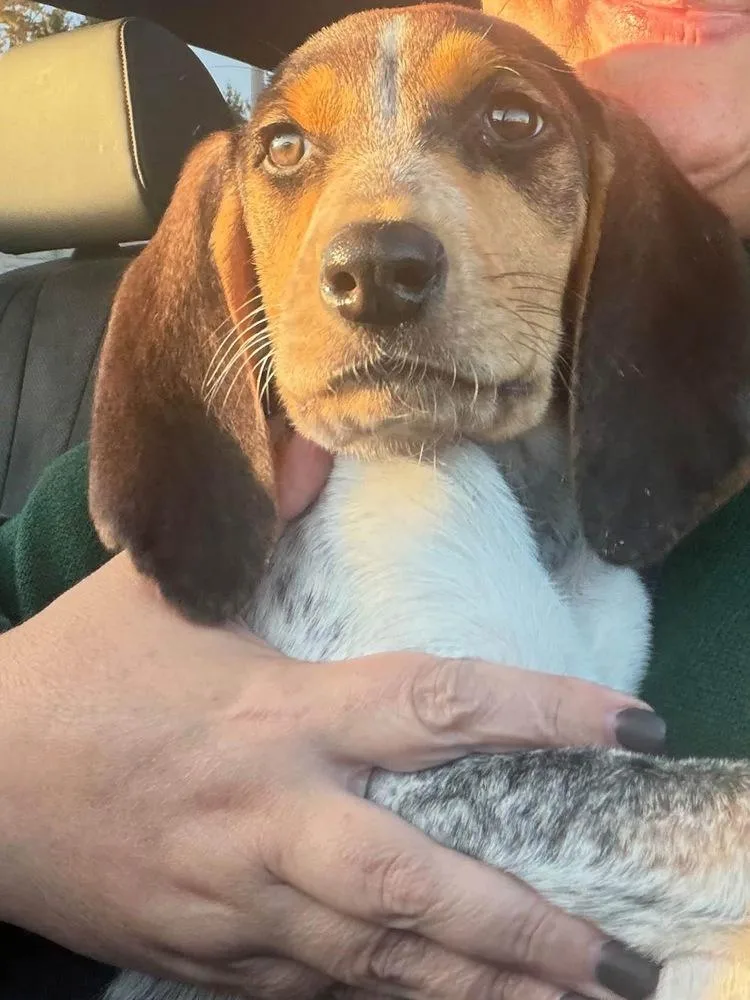
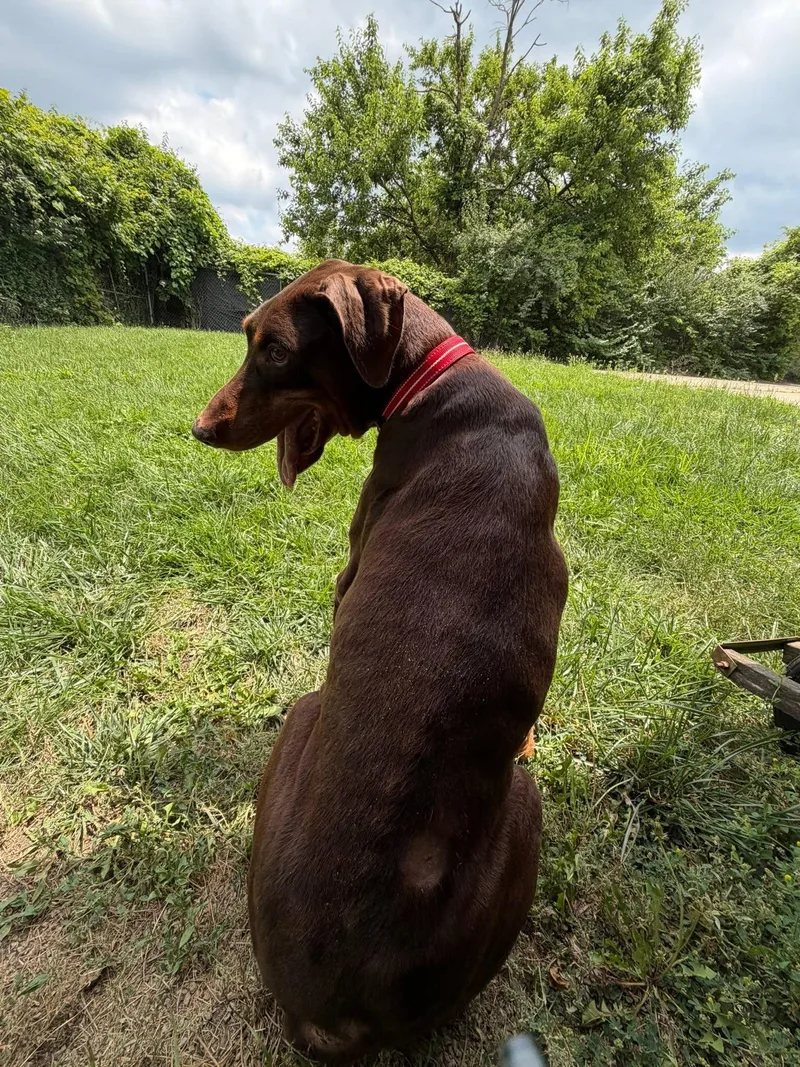
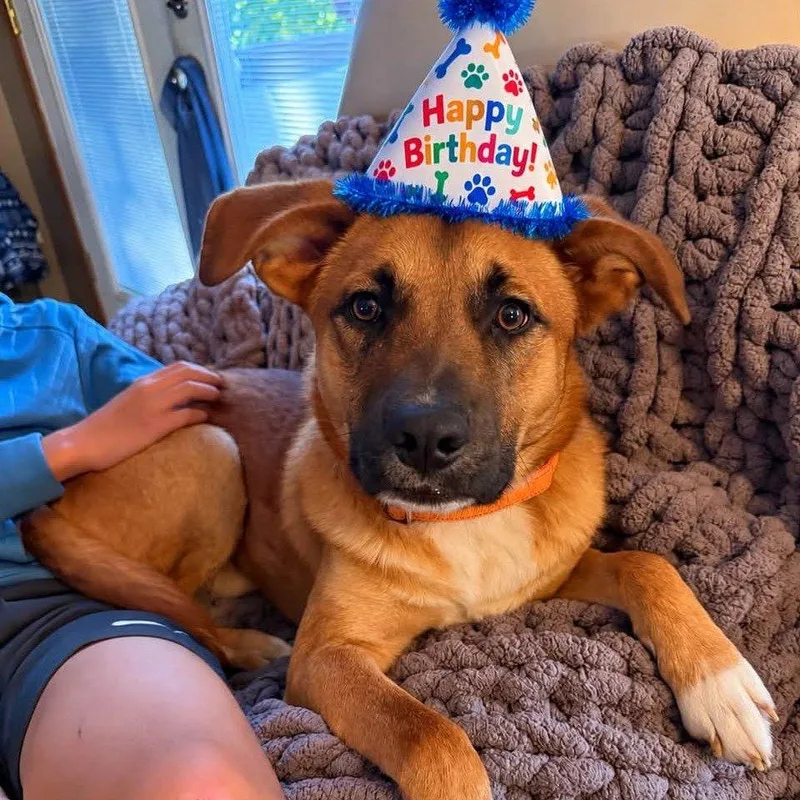
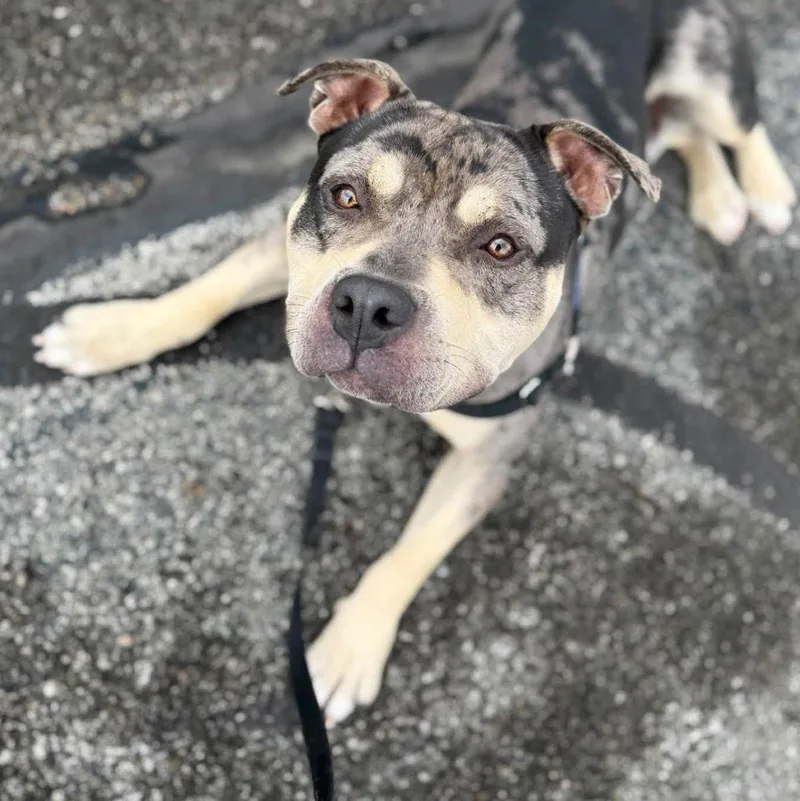
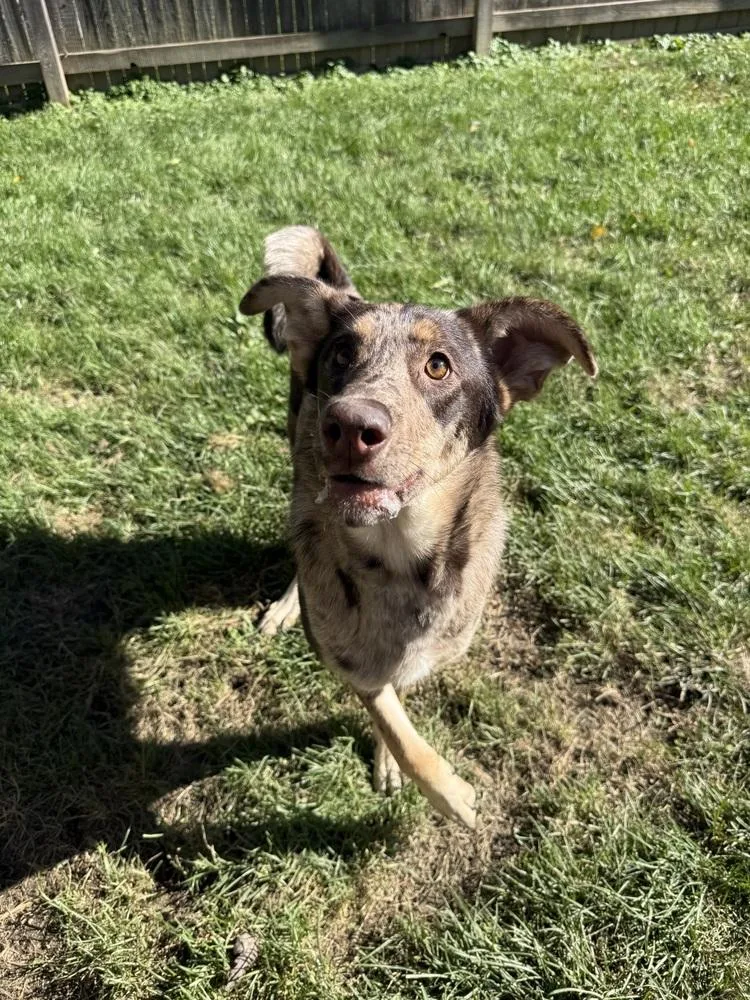
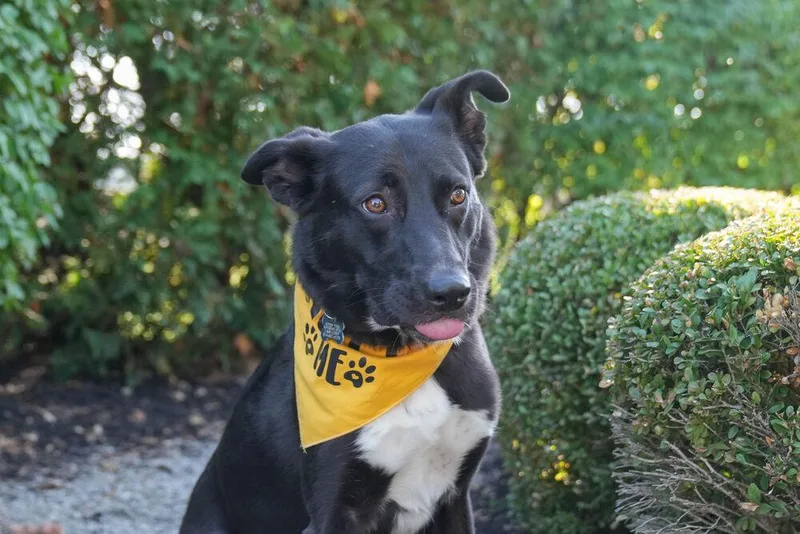
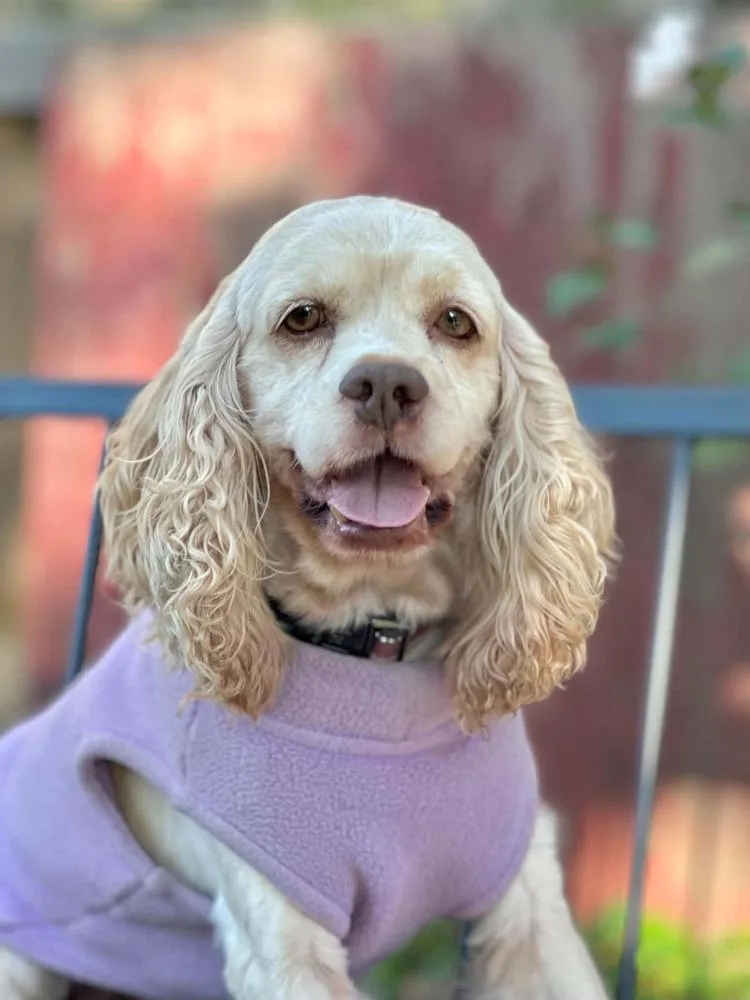
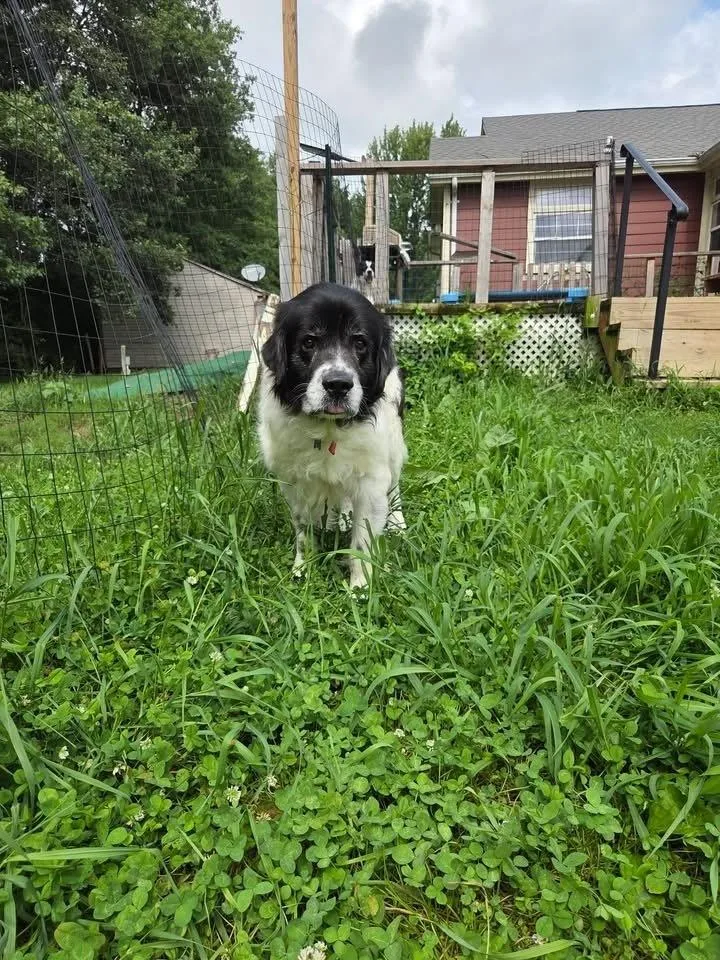
Curly-Coated Retrievers and Similar Breeds Available for Adoption Near Columbus

About the Curly-Coated Retriever breed

The Curly-Coated Retriever is one of the oldest retriever breeds, shown in England by around 1860, and it's the tallest of the group at roughly 23 to 27 inches. Its tight, crisp curls shed water and brambles, and the coat comes in solid black or liver. Care is simpler than the curls suggest: dampen and finger the coat instead of brushing, which frizzes it, and expect heavier shedding once or twice a year.

Many Curlies are more reserved and independent than Labs or Goldens, and they often stay playful for two or three years. In Columbus, that means daily outings, steady reward-based training and an owner who doesn't mind a bit of negotiating. Dogs vary, so think about whether your own pace and patience match what a Curly needs.

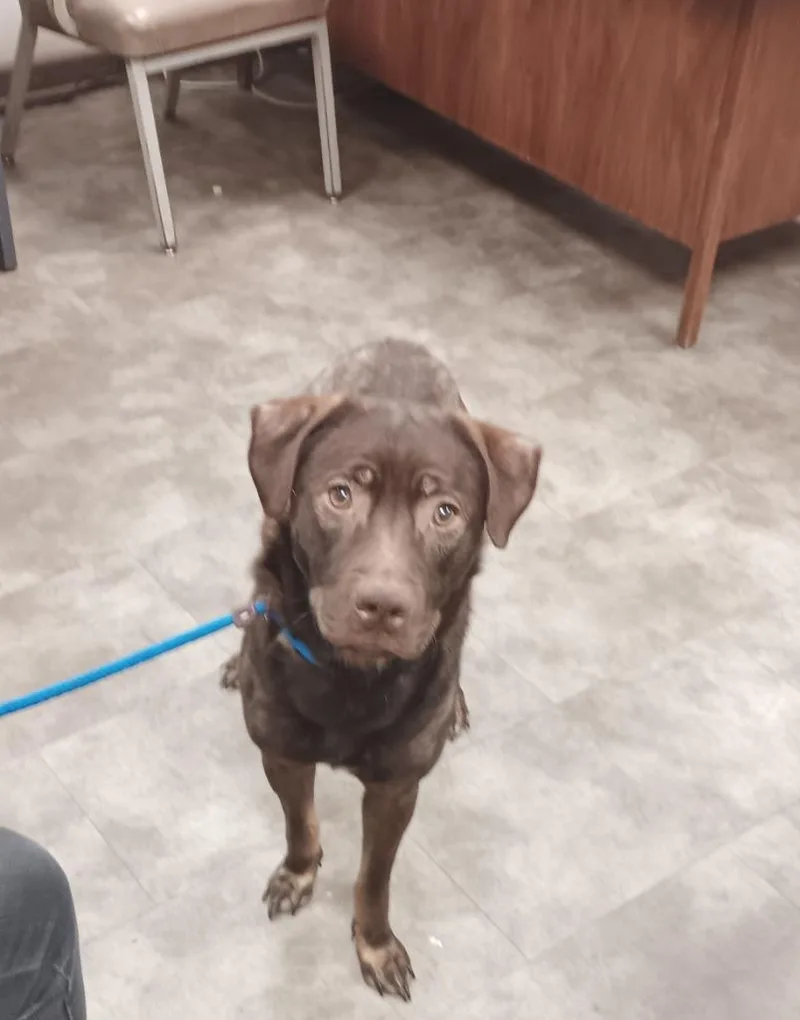
Weight
60–95 lbs
Height
23–27 in
Lifespan
10–12 yrs
Temperament
Confident, Intelligent, Independent
Group
Sporting
Shedding
Low to Moderate

Owning a Curly-Coated Retriever in Columbus

Having a Curly-Coated Retriever in Columbus

Curlies pair a working retriever's stamina with a more self-possessed streak. In Columbus, that translates to daily exercise, a fenced yard if possible, and attention to a few inherited health conditions. Every dog differs, so treat these as breed-level tendencies rather than promises.

Temperament

Curlies are often devoted and gentle with family but politely aloof with strangers, so slow introductions help on busy Columbus sidewalks and at dog parks. They're smart and independent, and may tire of repetitive drills. Reward-based training and early socialization pay off. Many stay puppyish for two or three years, though personalities vary.

Exercise Needs

Plan on vigorous activity every day: brisk walks on the Olentangy or Alum Creek greenways, fetch, and swimming when it's warm. Columbus's fenced dog parks and Metro Parks pet trails help, but scent games and training classes matter too. A bored Curly tends to invent its own jobs.

Health Considerations

Curlies can face hip and elbow dysplasia, exercise-induced collapse, glycogen storage disease IIIa, progressive retinal atrophy, heart disease and coat loss from follicular dysplasia. Deep-chested dogs risk bloat, so avoid hard exercise right after meals. A veterinarian can check hips, eyes and heart and talk through screening. Keep rabies vaccination and parasite prevention current.

Living Space

A Curly does best with a securely fenced yard, like many single-family homes in Northland or the Hilltop offer, though a committed apartment dweller can manage with serious daily exercise. Their size and sweeping tail need floor space, and they want to live indoors with the family, not in a kennel.

What it costs to own a Curly-Coated Retriever in Columbus

ExpenseTypical costPer year
Food$55 to $110 per month$660 to $1,320
Pet insurance$65 to $130 per month$780 to $1,560
Routine vet care$250 to $500 per year$250 to $500
Other*$490 to $1,290 per year$490 to $1,290
Estimated yearly total (after year one)$2,180 to $4,670

Other costs are estimates and vary with size, age and health.

* Flea, tick and heartworm prevention, dental cleanings, the dog license, toys and bedding, and light coat care with occasional trims.

Adopt a Curly-Coated Retriever in Columbus.

Now that you know more, let’s find you a new best friend. These rescues and shelters below have dogs available in and near Columbus.

Frequently Asked Questions

A Curly has good choices: the 13.6-mile Olentangy Trail and 24.5-mile Alum Creek Greenway for long leashed walks, and Rocky Fork Metro Park's 0.3-mile off-leash Dog Trail through woods on the northeast edge. City dog parks cap handlers at two dogs and require proof of license and vaccination tags. Leashes must be six feet or shorter on greenways and Metro Parks.

Yes, most can. The dense, water-shedding curls insulate well, and the breed was built for cold, wet retrieving work. The trouble is ice and salt, which clump in the coat and irritate paws. Shorten walks during Columbus's occasional sub-zero snaps, dry the dog off afterward, and remember that outdoor tethering is illegal during cold advisories.

It can, if the owner commits to serious daily exercise. Curlies are large and active, so look for a building near a trail or park, and check weight limits before applying, since many leases cap dog size. Plan several walks a day plus training or swimming for mental work. Columbus code treats persistent barking as a nuisance, so a bored Curly is a lease risk.

Yes. Columbus city code has no breed-specific rules, and Ohio's nuisance, dangerous and vicious dog labels are based on a dog's behavior, not its breed. You'll need the yearly county license and rabies vaccination. If you're moving to a separate suburb such as Upper Arlington or Hilliard, check that city's rules, since some cap the number of pets per household.

Not realistically. COTA runs buses only, and pets can ride only inside a cage or case that fits on your lap, which rules out a 60-to-95-pound Curly. Service animals on a leash are welcome. Plan to drive to trailheads and dog parks, or walk to the ones near home.

Sometimes, on patios. Ohio law lets restaurants allow dogs in outdoor dining areas, but each restaurant decides, and dogs can't walk through the indoor space to reach the patio. Dogs must be leashed or otherwise under control and properly vaccinated. A reserved Curly usually does best settled on a mat under the table. Indoors, only service dogs are allowed.

Less than the curls suggest. Don't brush a Curly, since that frizzes the coat; dampen it and work through the curls with your fingers every week or two, and trim occasionally. Expect heavier sheds once or twice a year. In Columbus, add paw rinses in salty winters and burr checks in fall. Light coat care falls within the Other costs range of $490 to $1,290 a year.

Yes, Curly-Coated Retrievers shed, but usually less than most retrievers for much of the year. Many have one or two heavier seasonal sheds when the curls loosen and drop hair, and intact females may shed more after a heat cycle. Owners generally avoid brushing, which frizzes the curls, and instead dampen the coat and work loose hair out by hand.

Yes, Curly-Coated Retrievers are rare in the United States. They have been recognized by the American Kennel Club since 1924 yet rank among the least registered breeds, landing around 168th in recent popularity lists. That rarity means few appear in shelters, so adopters often check breed-specific rescues and set up alerts on adoption listings to hear when one becomes available.

Expect roughly $55 to $110 a month for food, $65 to $130 a month for insurance, $250 to $500 a year for routine vet care, and $490 to $1,290 a year for other costs. That puts a typical year at about $2,200 to $4,700 for an adult Curly, before emergencies or boarding.