Bernese Mountain Dogs for Adoption in Columbus, OH

Your guide to finding and caring for a Bernese Mountain Dog in Columbus

Bernese Mountain Dogs fit well in Columbus neighborhoods like the Hilltop, where many 1920s Cape Cods and bungalows sit on quarter-acre lots. A giant dog needs a yard to stretch out in, and the Camp Chase Trail crosses West Broad Street nearby for easy, steady walks. Berners are happy with a couple of moderate outings a day, and they're built for the cold, so a January snowfall is more fun than a chore. Expect fur on everything, though.

131 Bernese Mountain Dogs available in Columbus and nationwide

Adopt a Bernese Mountain Dog today

While we don't have enough dogs near Columbus, keep in mind that many rescues may offer transport.

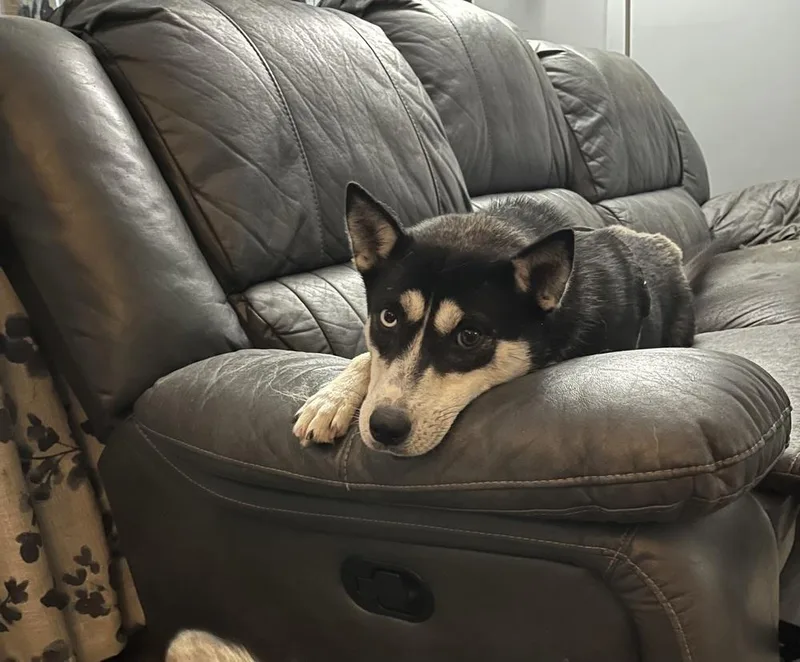
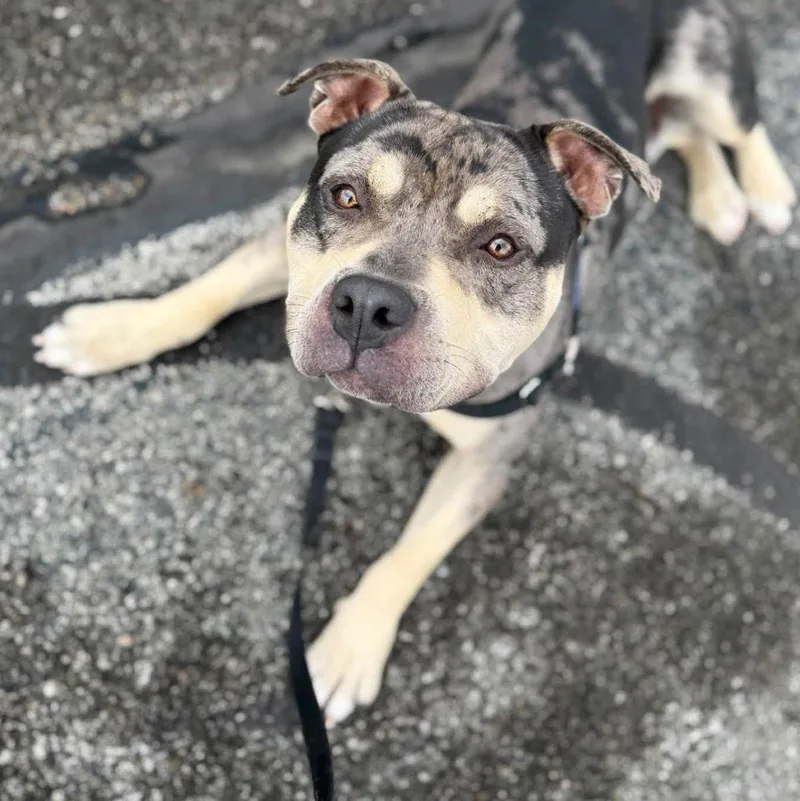
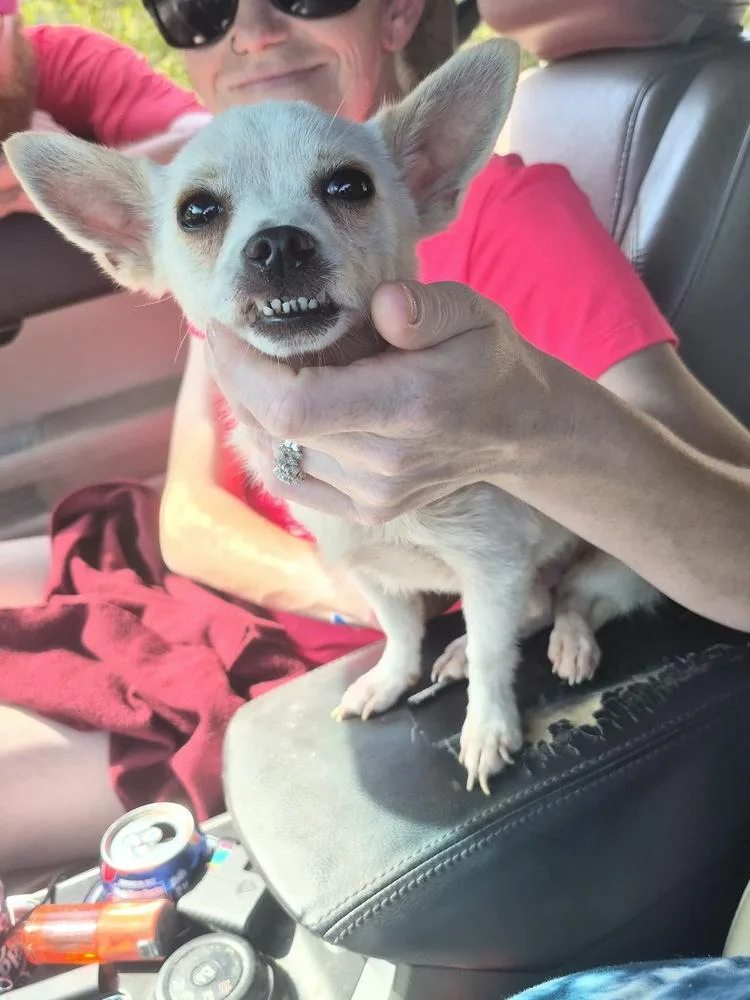
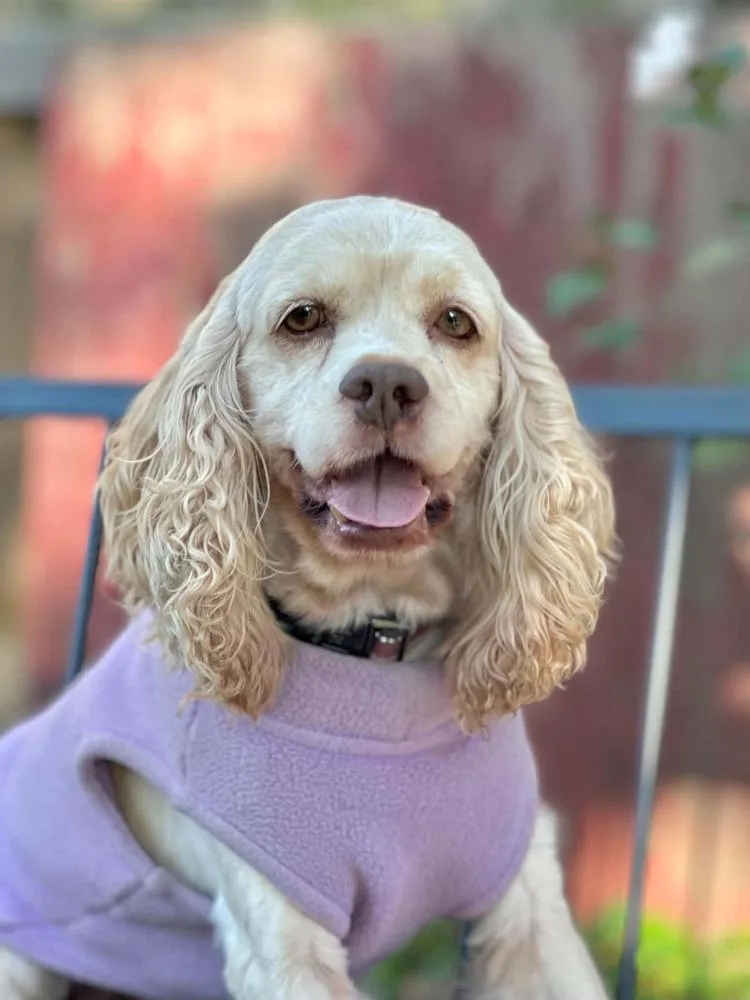
Bernese Mountain Dogs Available for Adoption Near Columbus

About the Bernese Mountain Dog breed

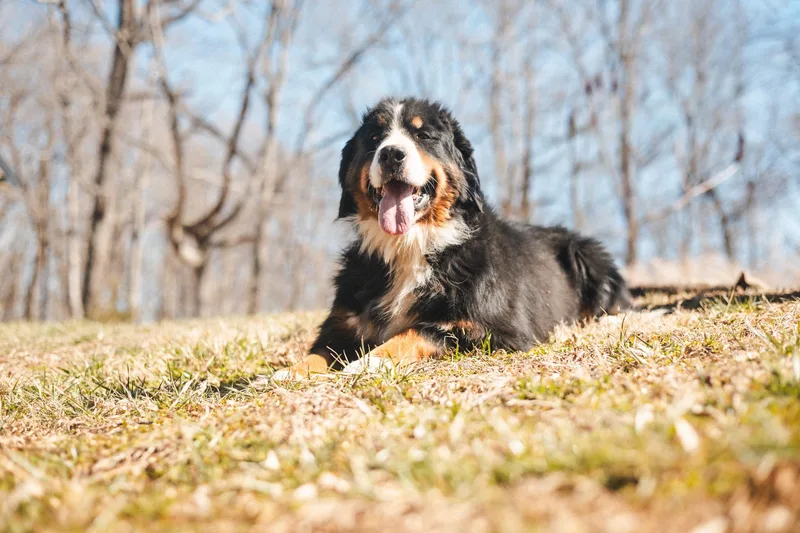
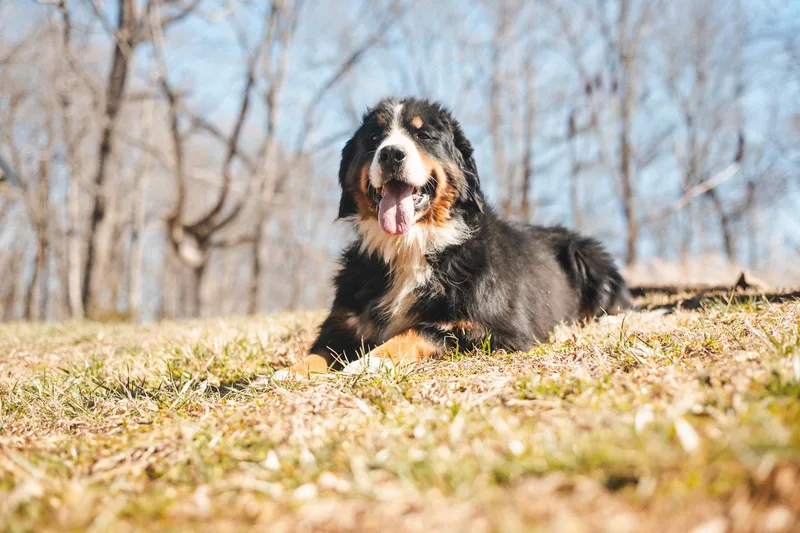
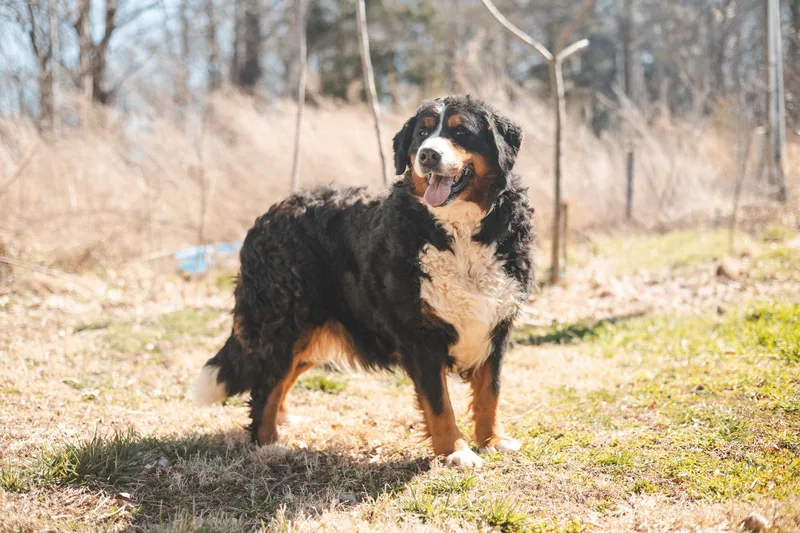
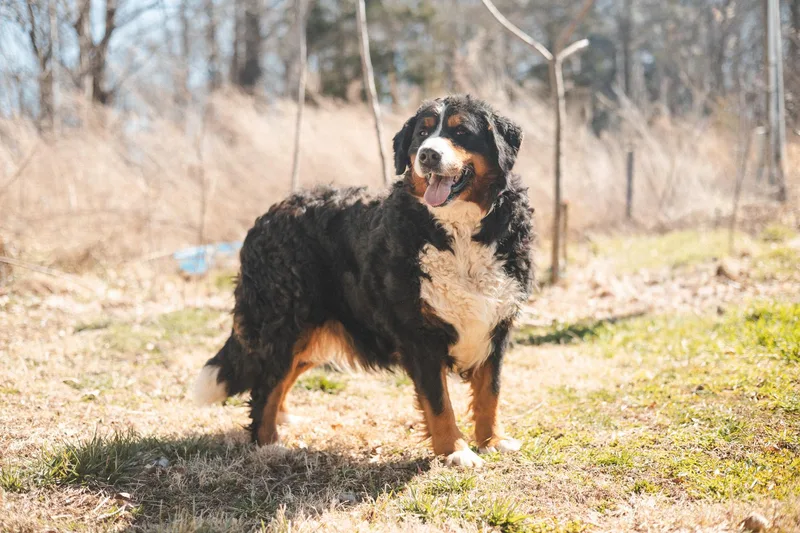
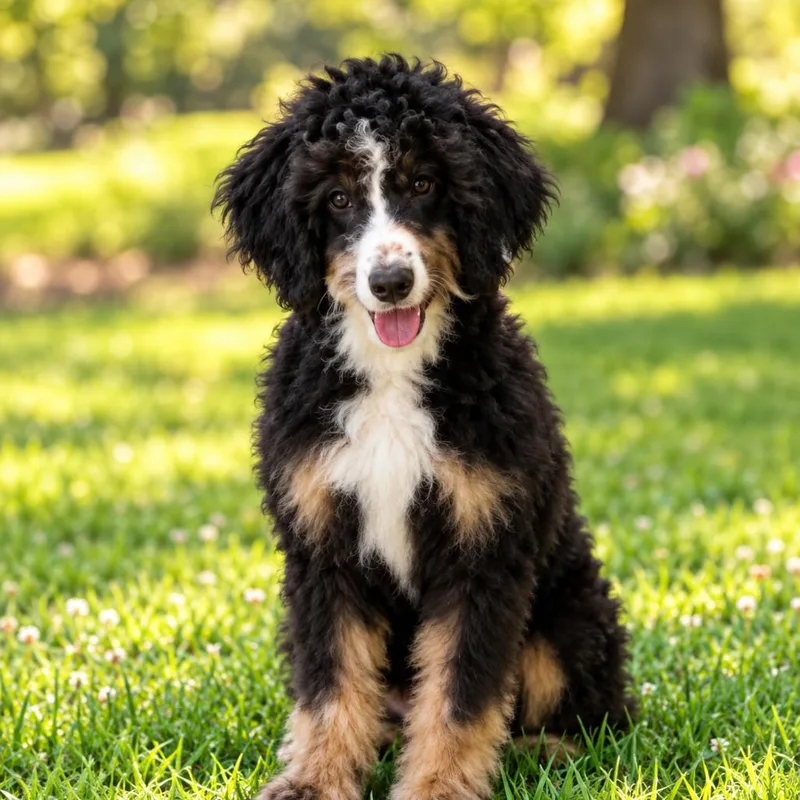
The Bernese Mountain Dog comes from the Swiss canton of Bern, where farmers relied on it to pull carts of milk and cheese, drive cattle and watch over the farmyard. It's the only long-coated member of the four Swiss mountain dog breeds, with a jet-black coat, rust markings, a white blaze and a white cross on the chest. Most weigh 70 to 115 pounds.

Berners are usually gentle, affectionate and eager to please, though some are reserved with strangers. They shed heavily, overheat easily and often live only 7 to 10 years, largely because of cancer. In Columbus, expect to brush a couple of times a week, more during seasonal shedding, and to start leash training early, since an adult that pulls is hard to manage. Dogs vary, so a dog's own history matters more than the breed label.

Weight
70–115 lbs
Height
23–28 in
Lifespan
7–10 yrs
Temperament
Gentle, Affectionate, Calm
Group
Working
Shedding
High

Owning a Bernese Mountain Dog in Columbus

Having a Bernese Mountain Dog in Columbus

Berners combine a soft, people-focused nature with the size and strength of a draft dog. In Columbus, their thick coat suits the long cold season, while humid summers, heavy shedding and serious health risks shape most of the daily care.

Temperament

Berners tend to be gentle, patient and deeply attached to their families, and many get along with respectful children and other pets. Some are aloof with strangers, which is worth knowing on busy city sidewalks. Their size makes early training and polite greetings important. A dog's own history and socialization say more than the breed label.
Exercise Needs

Most Berners do well with one or two moderate walks a day plus some yard play. In Columbus, Whetstone Park's paved paths and the Olentangy Trail suit steady strolls, and Scioto Audubon's partly turfed dog park stays mud-free. Keep puppies off long runs and repeated jumping, and save longer outings for cool mornings.

Health Considerations

Cancer, especially histiocytic sarcoma, is the biggest concern and a main reason for the breed's shorter lifespan. Hip and elbow dysplasia, kidney disease and bloat also occur. Keeping a Berner lean protects the joints. After adoption, regular checkups let a veterinarian screen joints and bloodwork so problems are caught early.

Living Space

A Berner needs room to stretch out, ideally a secure fenced yard, which many single-family Columbus neighborhoods offer. Apartments can work with an elevator, daily walks and tolerance for constant shedding. Keep the home cool, since the breed overheats easily, and let the dog live inside with the family.

What it costs to own a Bernese Mountain Dog in Columbus

ExpenseTypical costPer year
Food$80 to $160 per month$960 to $1,920
Pet insurance$85 to $170 per month$1,020 to $2,040
Routine vet care$250 to $500 per year$250 to $500
Other*$690 to $1,890 per year$690 to $1,890
Estimated yearly total (after year one)$2,920 to $6,350

Other costs are estimates and vary with size, age and health.

* The Franklin County dog license, flea, tick and heartworm prevention, a dental cleaning allowance, toys and large bedding, coat care for heavy shedding, and joint supplements.

Adopt a Bernese Mountain Dog in Columbus.

Now that you know more, let’s find you a new best friend. These rescues and shelters below have dogs available in and near Columbus.

Frequently Asked Questions

Mostly yes. Columbus winters are cold and snowy, which suits a Berner's thick coat, so the main challenge is the humid summer. Plan on dawn or late-evening walks, shade, and a cool indoor spot when temperatures climb into the 90s. The short spring and fall seasons are the most comfortable stretch for long hikes.

Scioto Audubon Metro Park has a 1.5-acre dog park with a large-dog area, and Quarry Trails has a 2-acre one split by dog weight. For long leashed walks, try the Olentangy Trail from Whetstone Park or the paved Alum Creek Greenway. Metro Parks require leashes of six feet or less, and some dog parks close seasonally.

Yes. Columbus has no breed ban, and Ohio no longer treats any breed as automatically vicious; dangerous-dog rules turn on a dog's behavior. Bexley, Upper Arlington and other neighboring suburbs are separate cities with their own animal rules, so look those up before moving. Within Columbus, a Berner needs the usual county license, rabies vaccination and leash manners.

Probably not. COTA runs buses only, and pets can ride only inside a cage or case that fits on your lap, which rules out a 70-to-115-pound Berner. Only leashed service animals are exempt. For vet visits and outings, plan on a car, or a rideshare driver who agrees to take a large dog.

Sometimes, on patios only. Ohio law lets restaurants allow dogs in outdoor dining areas, but each restaurant decides, and dogs must be vaccinated and kept leashed or under control. Pet dogs aren't allowed inside. A Berner takes up real floor space, so pick a roomy patio, bring a water bowl and go on a cool day.

Plan on brushing at least once or twice a week, and several times a week during heavy shedding. Columbus winters thicken the undercoat, and it blows out in spring, so expect the most fur then. Rinse road salt off paws in winter. Don't shave the coat, since it helps insulate against summer heat.

It can be, for a household that's home a good part of the day, has a fenced yard or easy access to shaded trails, and doesn't mind fur. The long cold season suits the breed, but summers call for air conditioning and early walks. Giant-dog costs and a shorter lifespan are worth weighing before deciding.

A Bernese Mountain Dog is a large to giant Swiss working breed originally used on farms to pull carts, drive cattle and guard property. It has a long, tricolored coat of black, rust and white and a sturdy, powerful build. Berners are known for their gentle, affectionate nature, though their lifespan is shorter than many breeds.

A Bernese Mountain Dog has a thick, moderately long coat that is jet black with rich rust markings over the eyes, on the cheeks, chest and legs, and white on the face, chest, feet and tail tip. The white chest marking often forms an inverted cross. They have a broad head, dark brown eyes and triangular drop ears.

For a Bernese Mountain Dog in Columbus, plan on roughly $80 to $160 a month for food and $85 to $170 a month for pet insurance. Routine vet care runs about $250 to $500 a year, and other yearly costs such as prevention, dental care, coat care and joint supplements add roughly $690 to $1,890.

Find Bernese Mountain Dogs in Nearby Cities

Expand your search to find Bernese Mountain Dogs available for adoption near Columbus.