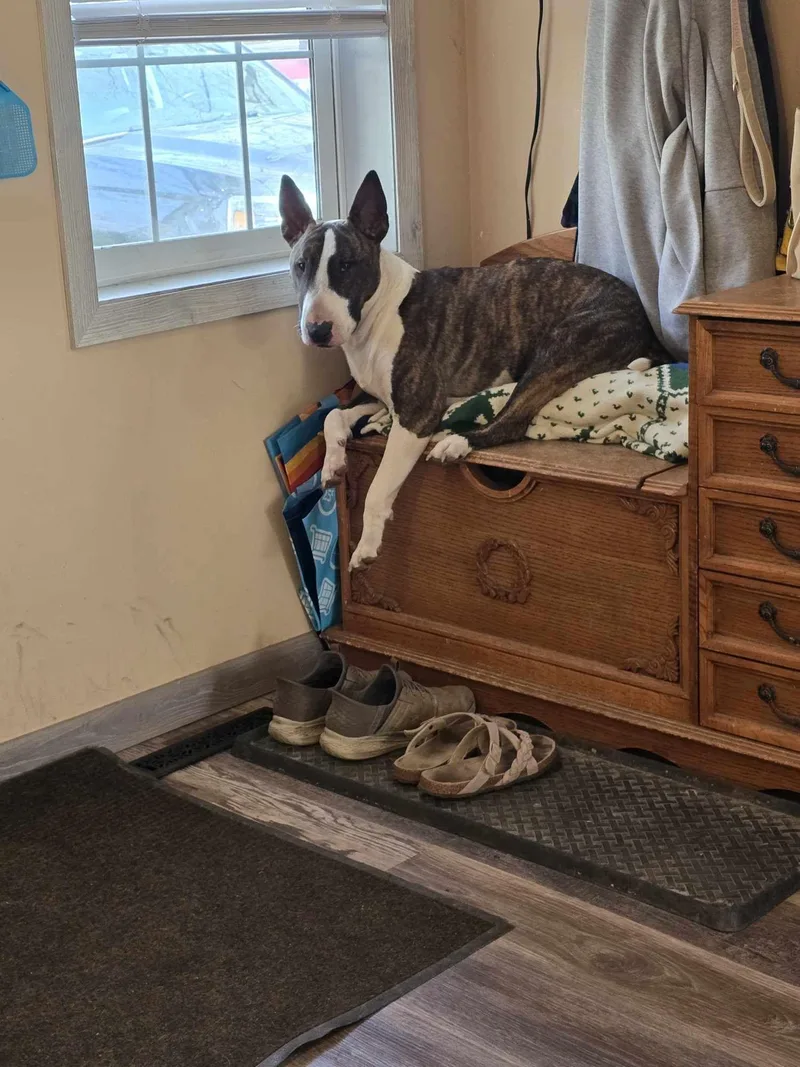
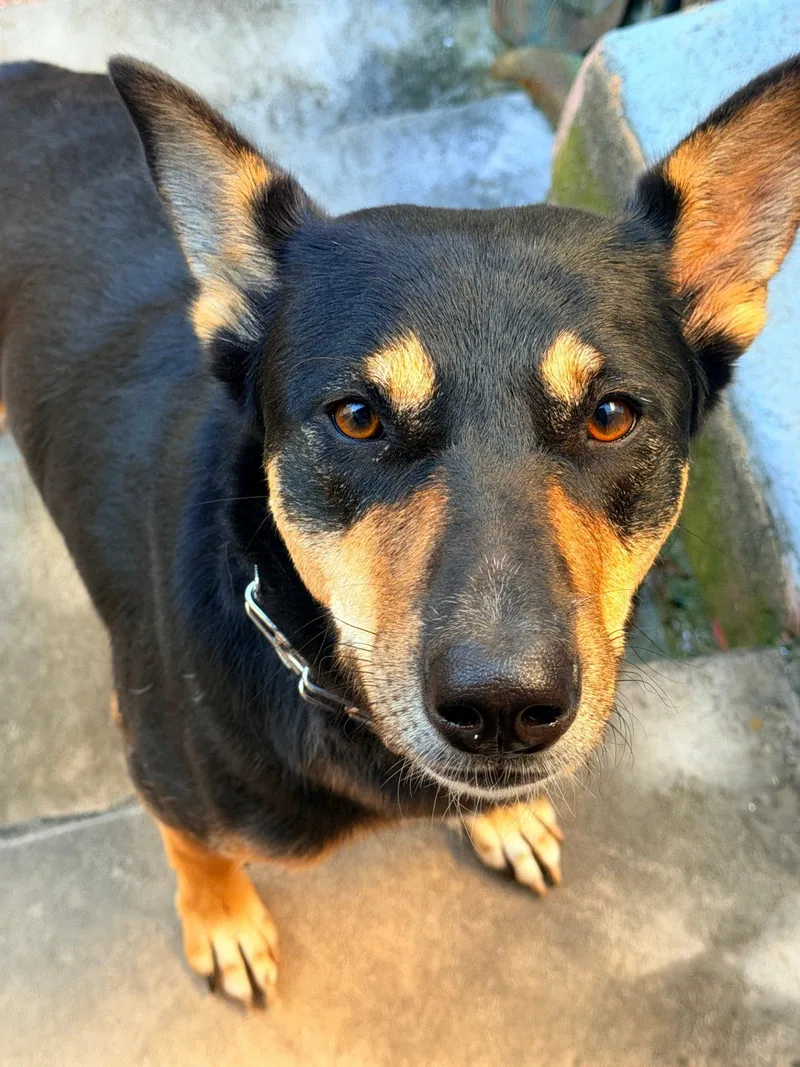
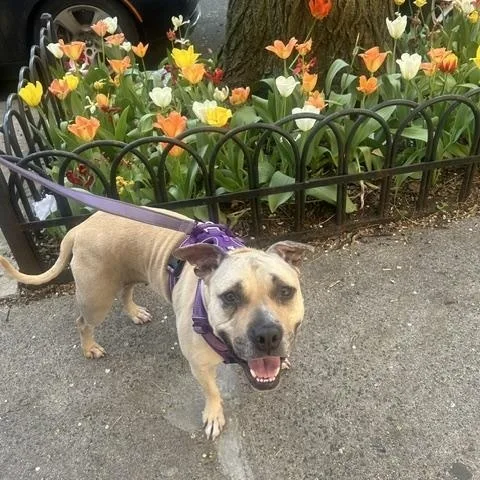
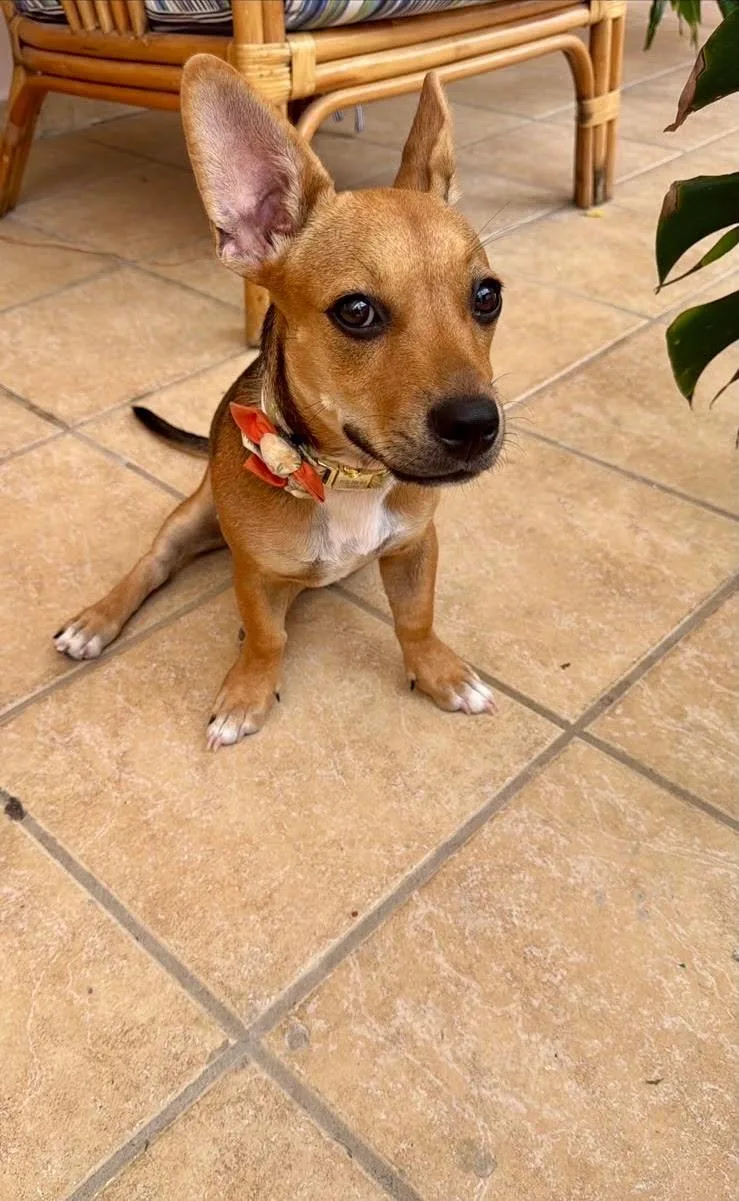
Swedish Vallhund Dogs for Adoption in New York, NY

Your guide to finding and caring for a Swedish Vallhund in NYC

A Swedish Vallhund suits NYC's walk-everywhere routine better than most herding dogs. It's small enough for a Queens or Brooklyn walk-up, yet sturdy enough for a long loop through Forest Park or Prospect Park's Long Meadow during morning off-leash hours. Vallhunds are alert, though, and they'll announce every footstep in the hallway. If you're thinking of adopting one in NYC, plan on daily walks and some training games, since a bored Vallhund will find its own jobs.

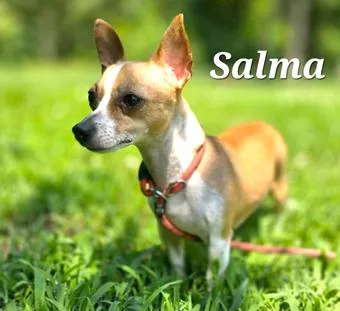
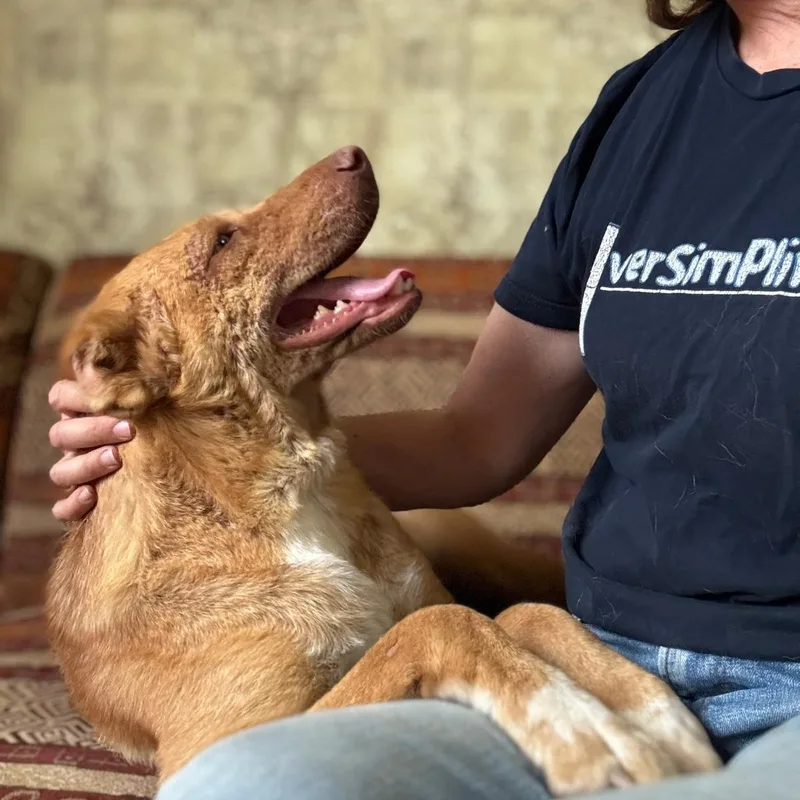
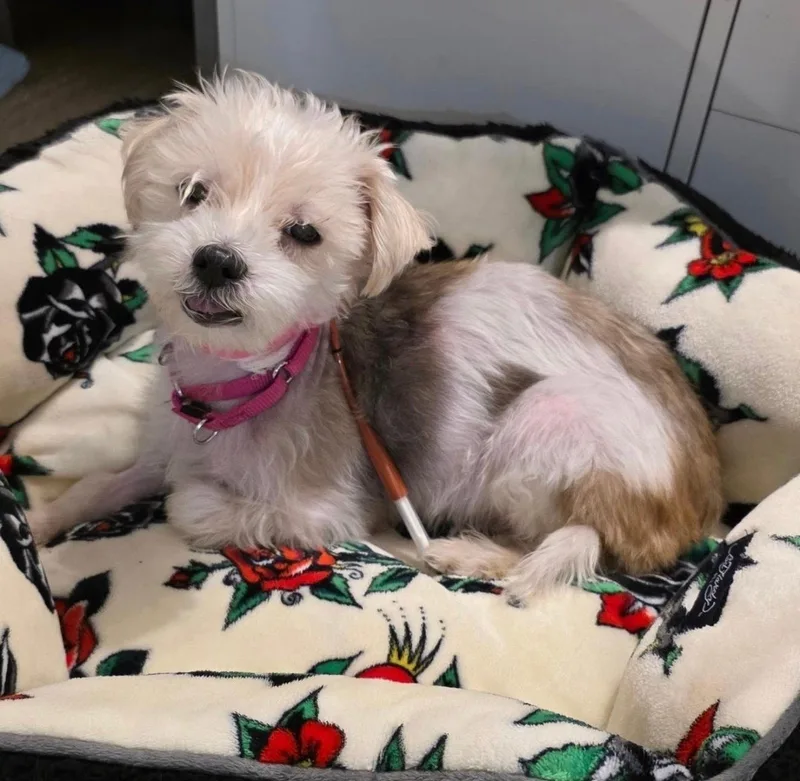
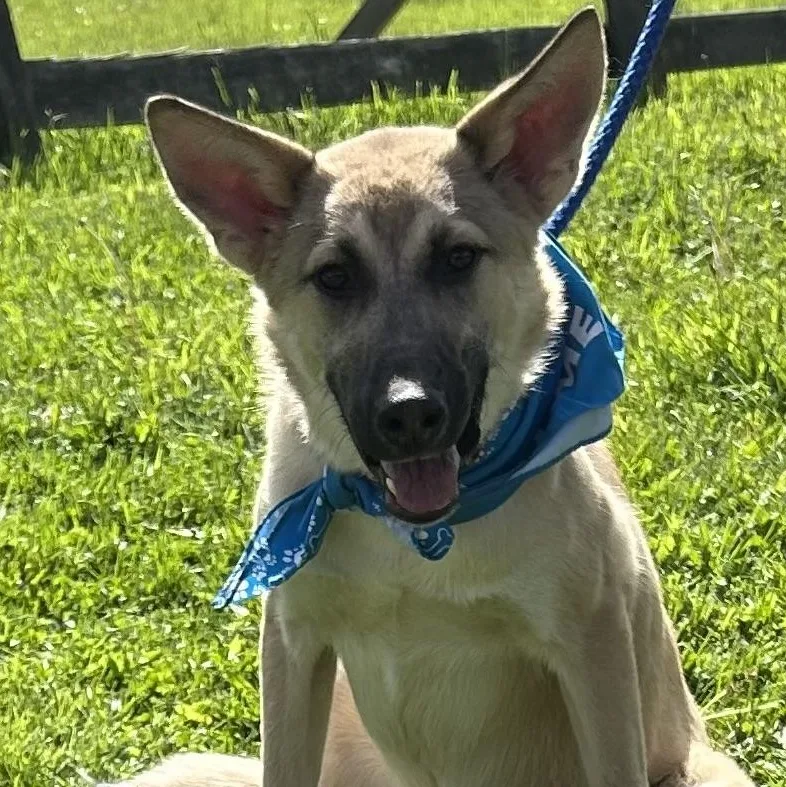
691 dogs similar to Swedish Vallhund available in New York and nationwide

Meet your next Swedish Vallhund

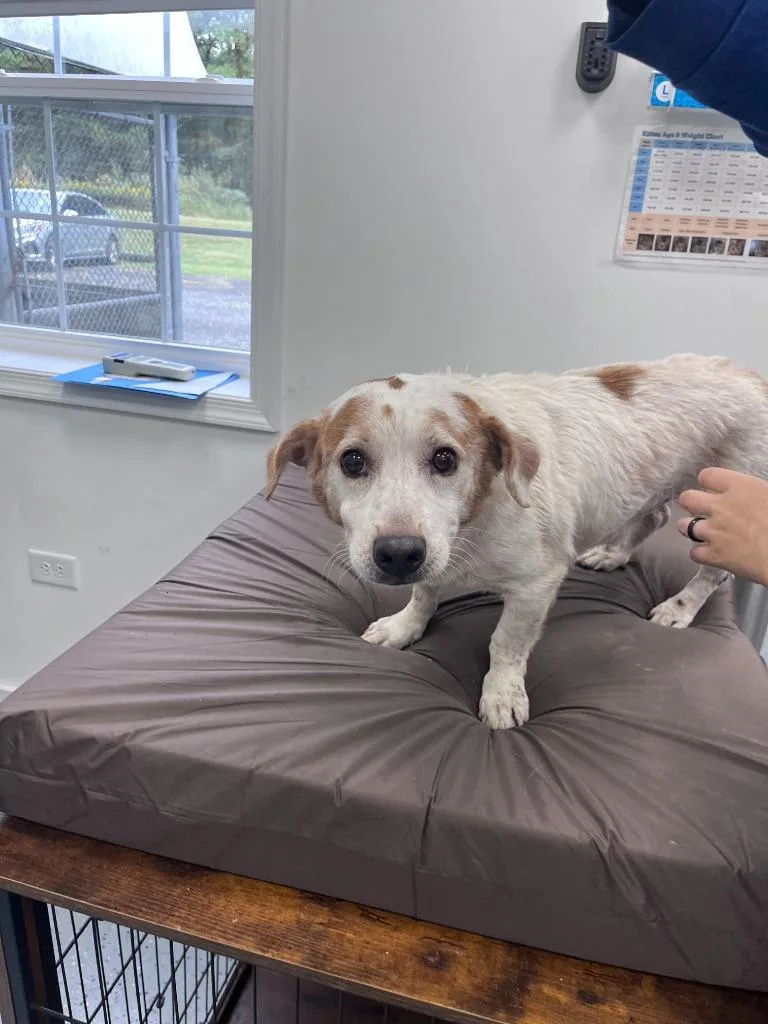
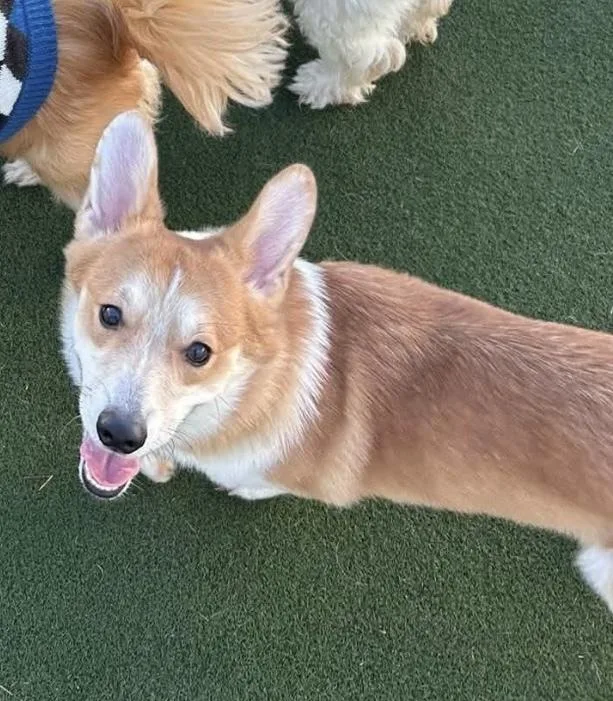
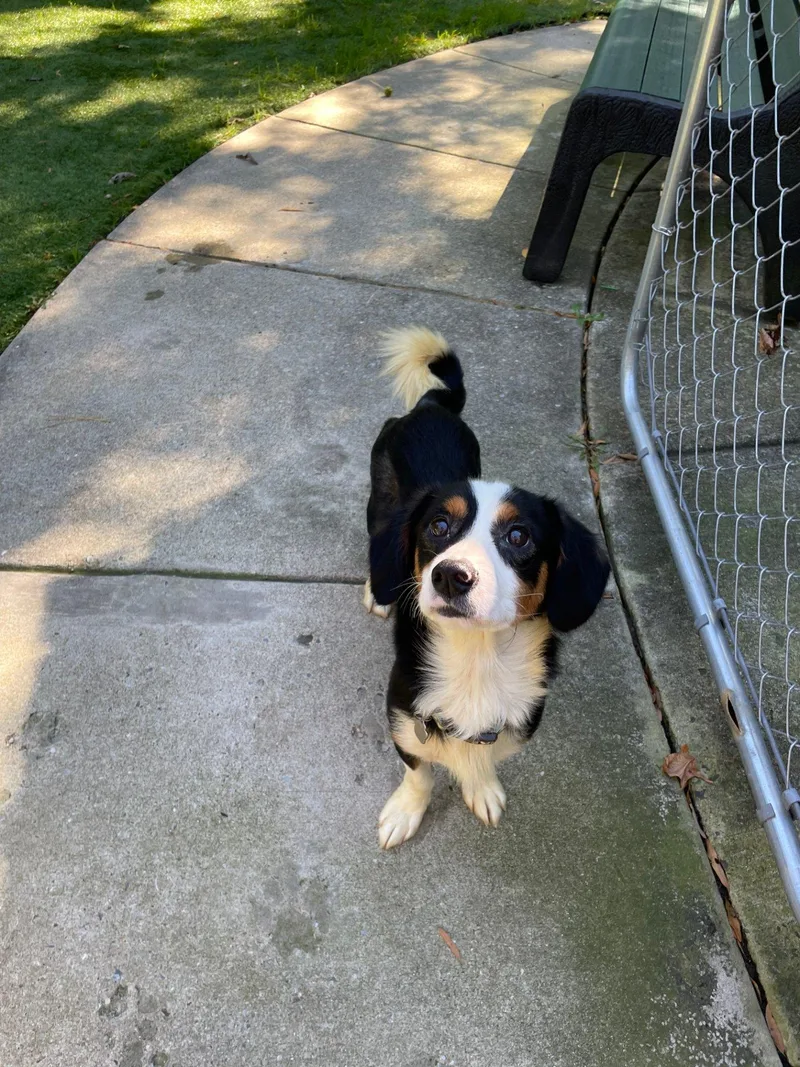
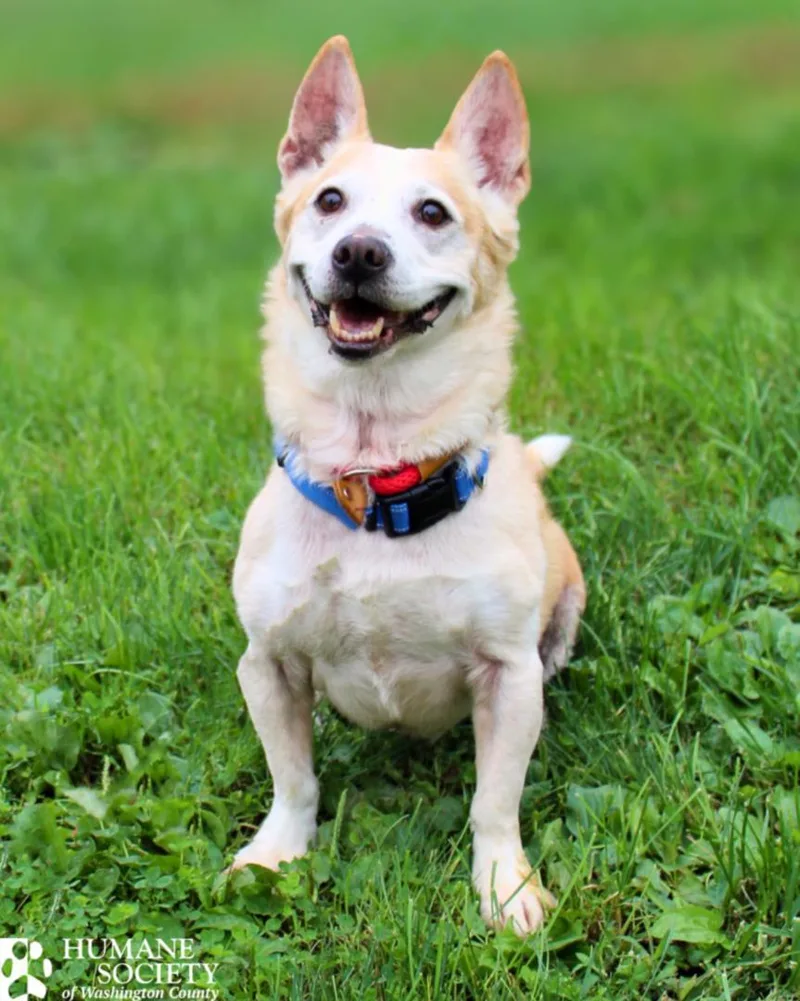
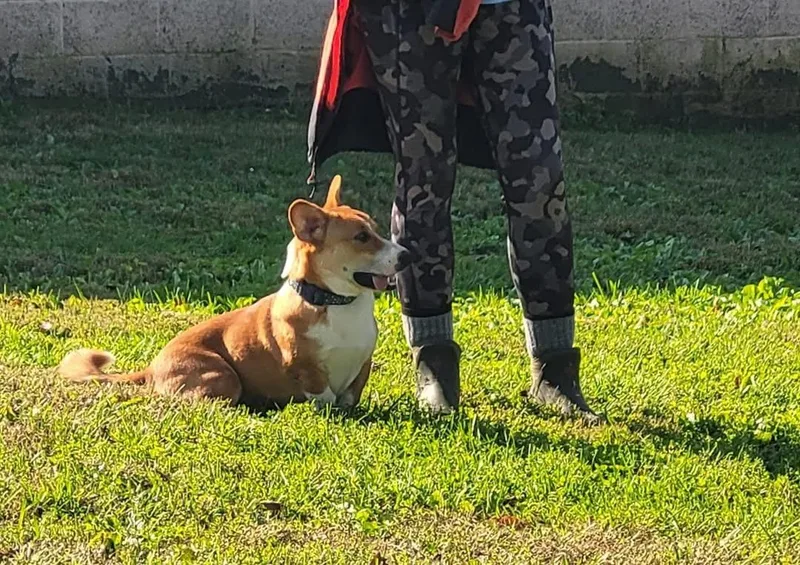
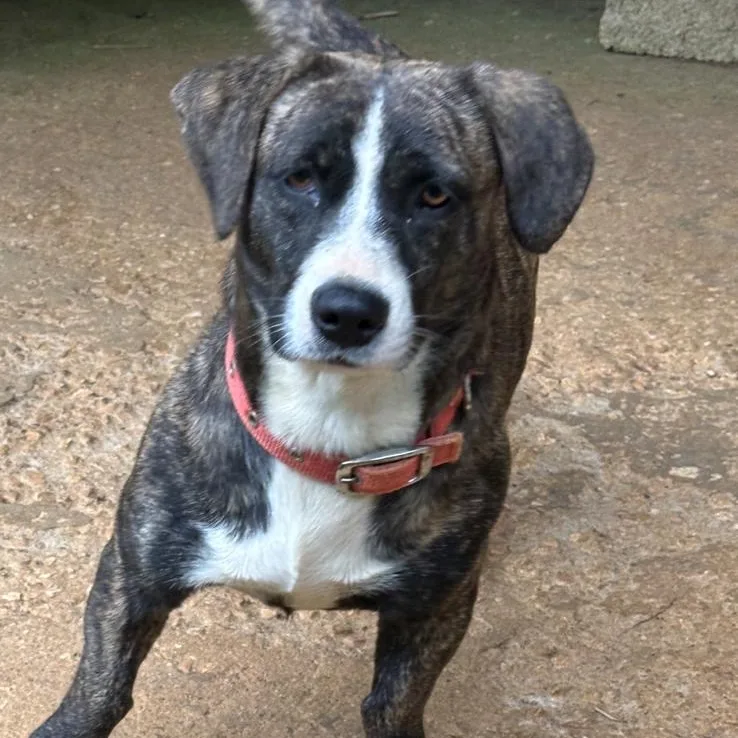
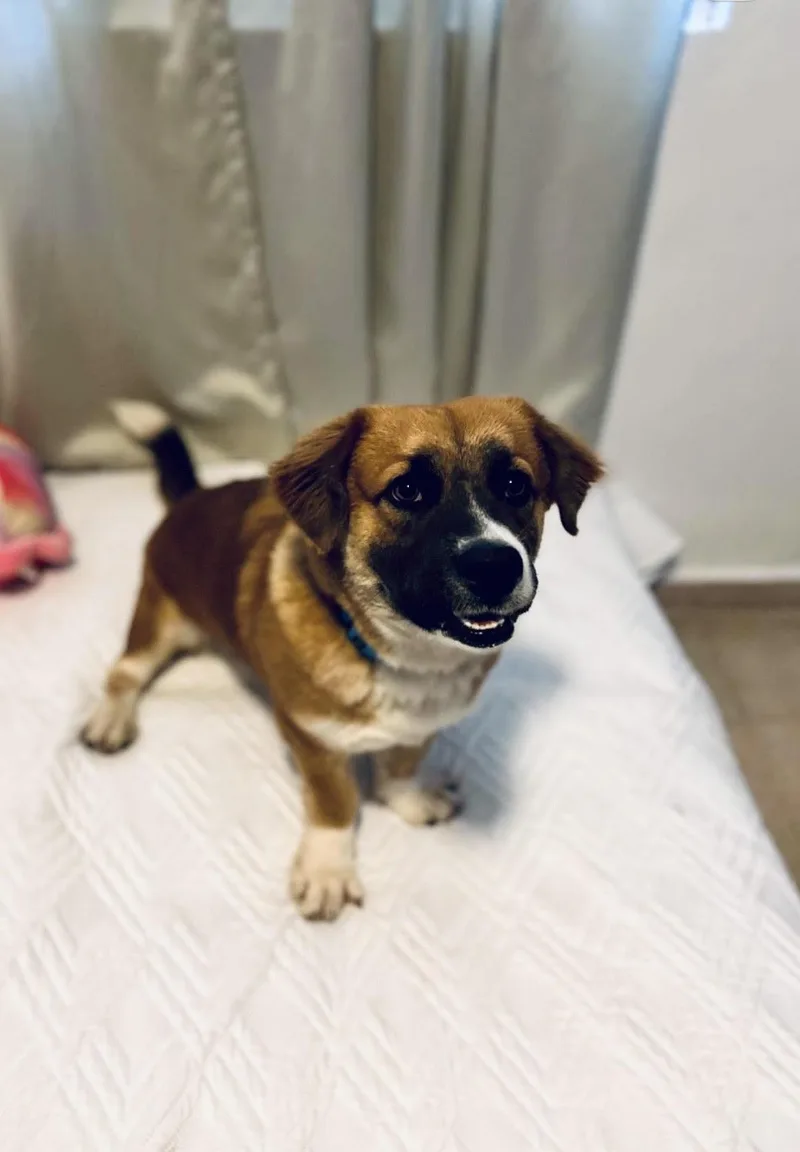
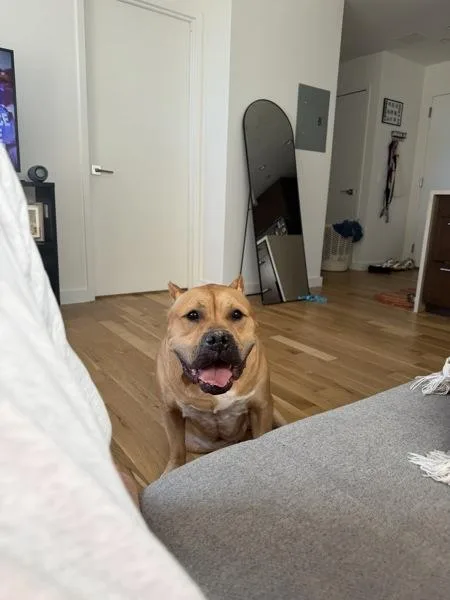
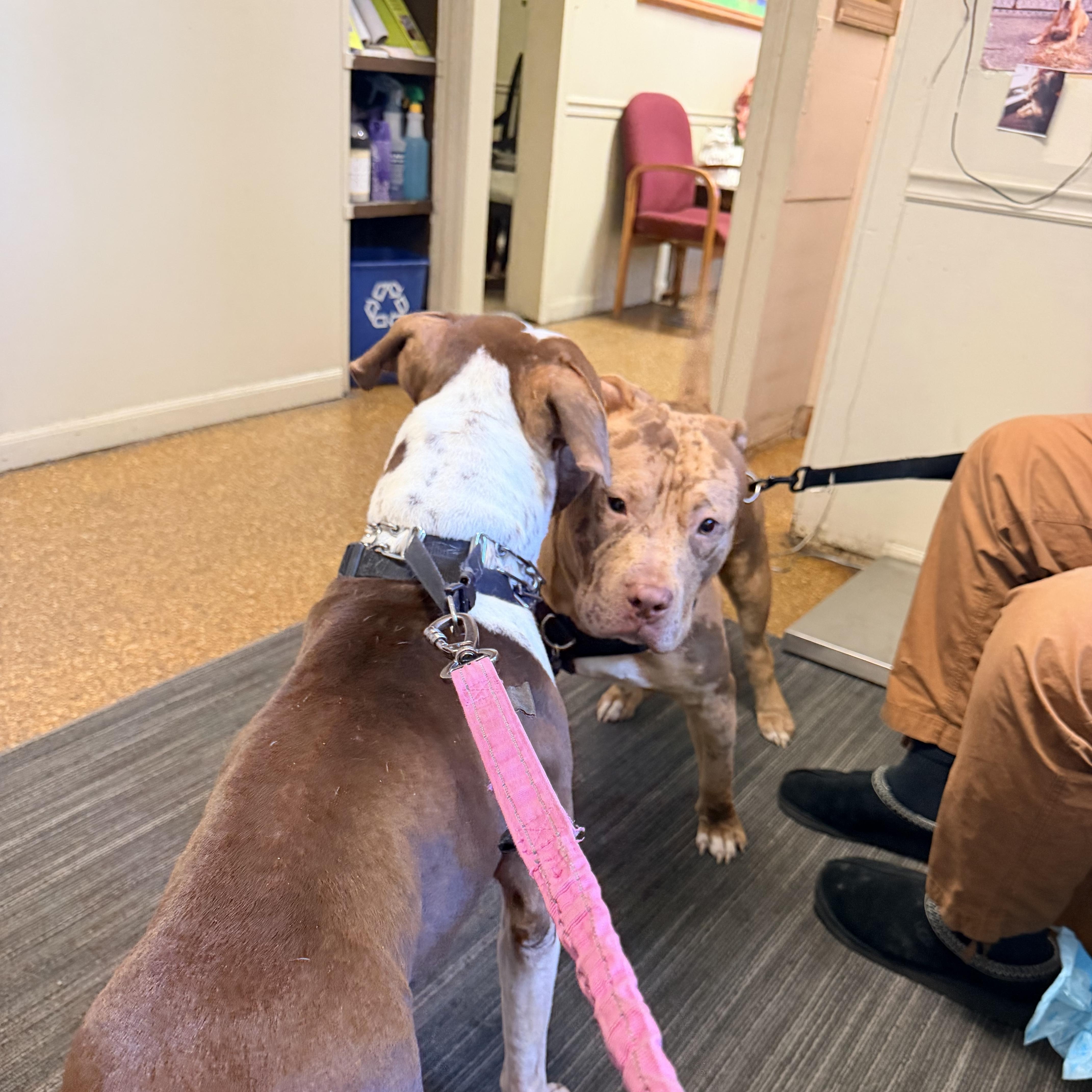
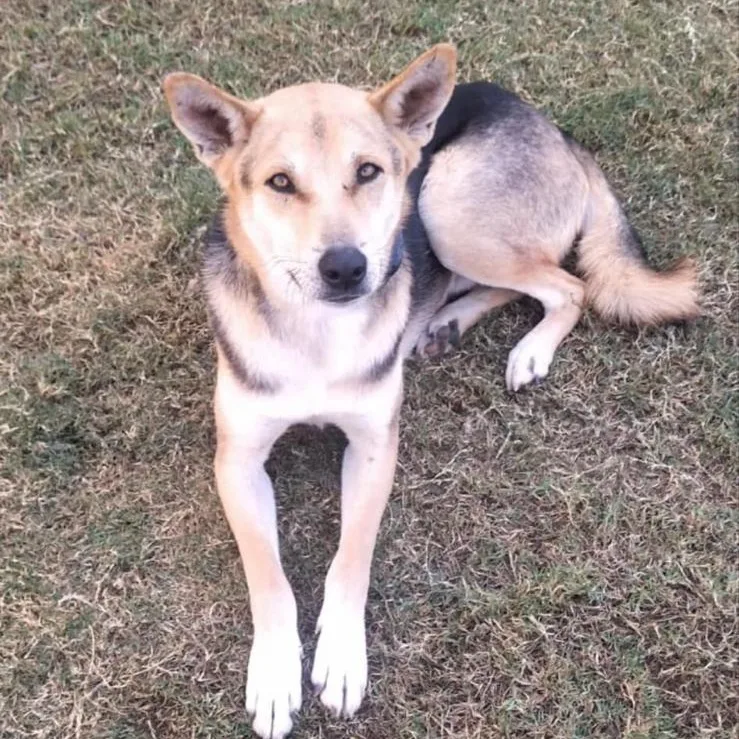
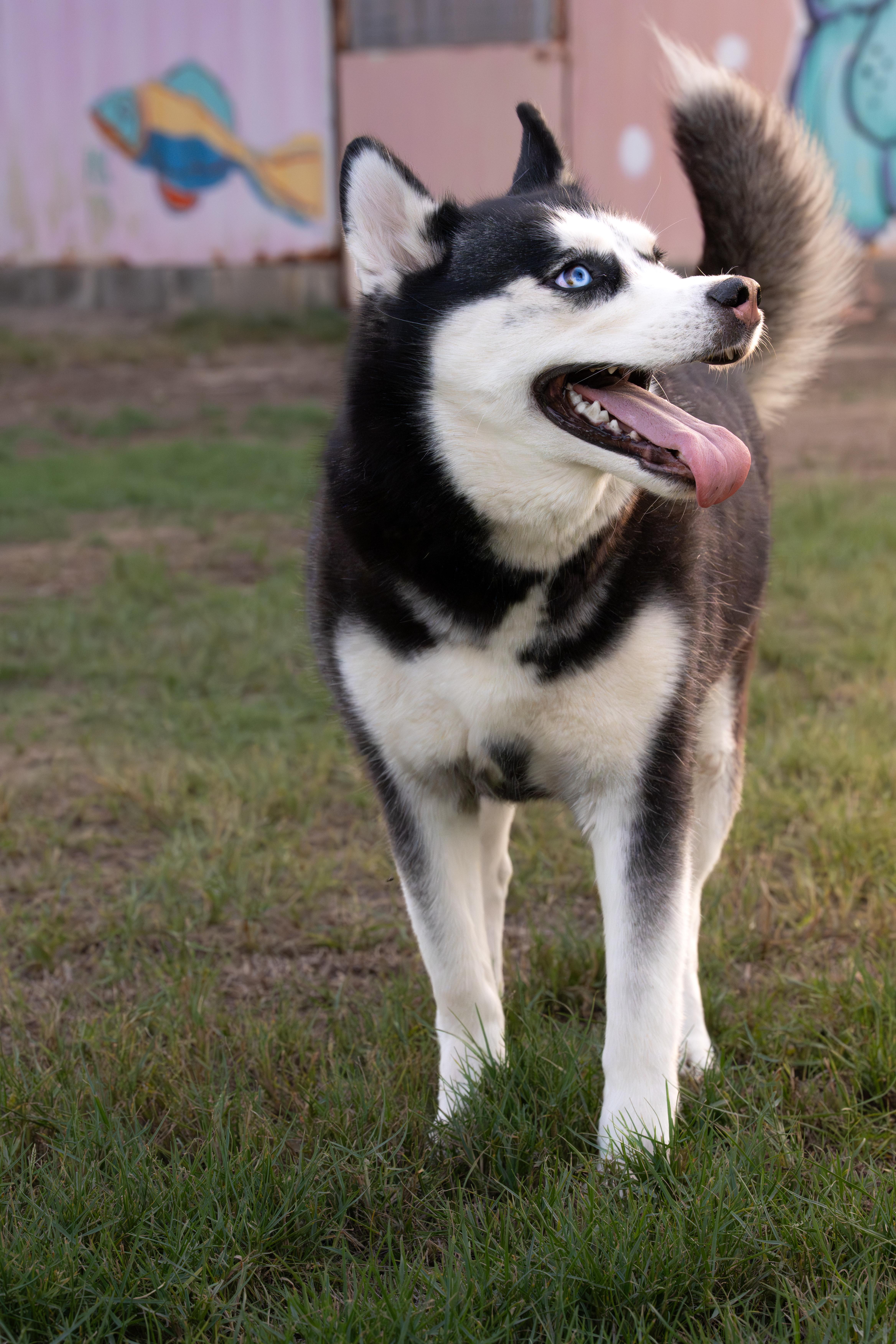
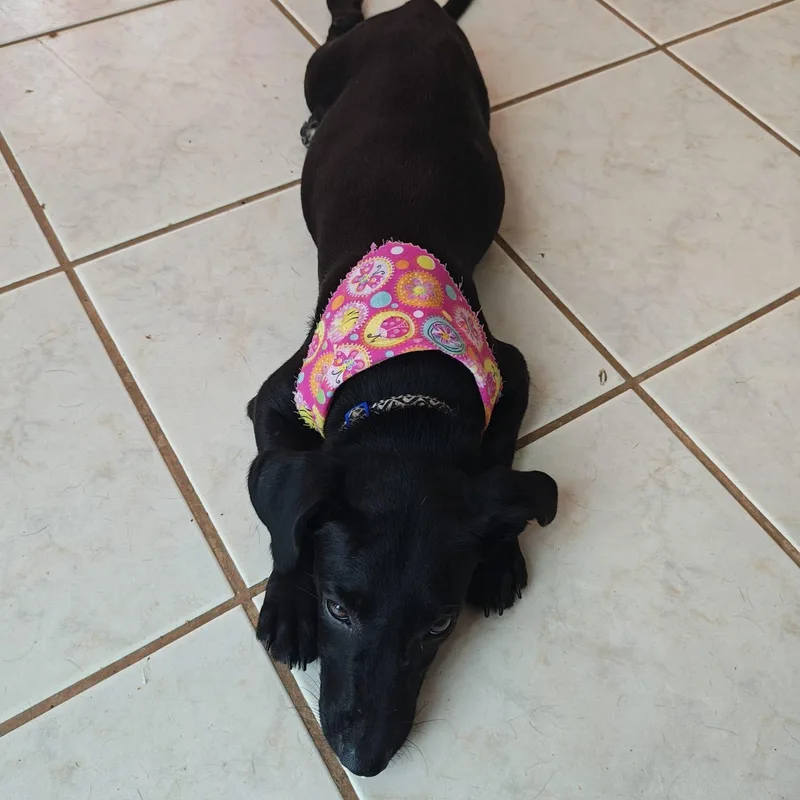
Swedish Vallhunds and Similar Breeds Available for Adoption Near New York

About the Swedish Vallhund breed

The Swedish Vallhund is an old spitz-type cattle dog from Västergötland, Sweden, where farmers used it to herd, guard and catch rats. It nearly disappeared by the early 1940s, until two enthusiasts rebuilt it from a handful of farm dogs. The name simply means herding dog.

Vallhunds stand 11 to 14 inches tall and weigh roughly 20 to 35 pounds, with a harsh double coat, prick ears and a tail that may be long, stubby or absent. Many are cheerful, watchful and eager to please. In NYC, expect heavy seasonal shedding and a dog that likes to announce visitors, which matters in thin-walled buildings. Dogs vary, so judge each one by how it behaves, not just its breed.

Weight
20–35 lbs
Height
11–14 in
Lifespan
12–15 yrs
Temperament
Alert, Energetic, Friendly
Group
Herding
Shedding
Moderate to High

Owning a Swedish Vallhund in New York

Having a Swedish Vallhund in NYC

Vallhunds pack herding-dog drive into a compact body. Their activity needs, dense double coat and tendency toward eye trouble matter most for adopters, and NYC's apartments and park rules shape how each of those plays out day to day.

Temperament

Many Vallhunds are friendly, confident and devoted to their families, but they're also alert watchdogs and can be vocal. In a busy building, that may mean barking at hallway noise. Herding instincts can show as heel nipping, so reward-based training and early socialization help. Personalities vary from dog to dog.

Exercise Needs

Plan on daily walks plus active play or a training job. NYC's roughly 95 dog runs and early-morning and late-evening off-leash hours in designated park areas give a Vallhund room to run, but the dog must stay under your control. Puzzle toys and short training sessions help on days you can't get out.

Health Considerations

Retinopathy affects many Vallhunds and can cause gradual vision loss, often first noticed as night blindness in middle age. Hip and joint problems also appear, and extra weight strains the long back. Have a veterinarian check the eyes and hips, and keep up regular checkups. Wipe paws after winter walks on salted sidewalks.

Living Space

A Vallhund's compact size suits NYC apartments as long as its exercise and mental needs are met. The main catch is alert barking near close neighbors. Heavy shedding twice a year means frequent vacuuming in small spaces, and this people-focused dog does best with family nearby rather than long stretches alone.

What it costs to own a Swedish Vallhund in New York

ExpenseTypical costPer year
Food$20 to $45 per month$240 to $540
Pet insurance$35 to $70 per month$420 to $840
Routine vet care$200 to $400 per year$200 to $400
Other*$484 to $1,284 per year$484 to $1,284
Estimated yearly total (after year one)$1,344 to $3,064

Other costs are estimates and vary with size, age and health.

* The NYC dog license ($8.50 a year for a spayed or neutered dog), a dental cleaning allowance, flea, tick and heartworm prevention, toys and bedding, and extra brushing and baths for heavy seasonal shedding.

Adopt a Swedish Vallhund in New York.

Now that you know more, let’s find you a new best friend. These rescues and shelters below have dogs available in and near New York.

Rescues and Shelters in or near New York

NYC's rescue community includes the city's Animal Care Centers and independent groups, with new dogs listed here as they arrive. Here are the rescues & shelters in the NYC area with dogs available for adoption, worth asking whether a Swedish Vallhund is coming in.

Frequently Asked Questions

Only in a bag or other container, unless the dog is a service animal. NYC subway and bus rules require pets to be enclosed and carried without annoying other riders, and a Vallhund at 20 to 35 pounds is a tight fit for most carriers. Metro-North allows leashed dogs, and NYC Ferry accepts short-leashed, well-behaved dogs.

Yes, most can. A Vallhund's dense double coat suits NYC winters, which average 30 to 42°F with about 30 inches of snow a year. The bigger issues are low-to-the-ground slush and salted sidewalks, so wipe paws after each walk and dry the belly. Keep walks going in cold weather, since the breed needs daily activity.

Prospect Park's Long Meadow, Nethermead and Peninsula allow off-leash time during courtesy hours, and Central Park allows it 6 to 9 a.m. and 9 p.m. to 1 a.m. in specified areas. Fenced options include the McCarren Park and Forest Park dog runs. Elsewhere, keep the leash at six feet or less and stop any chasing of birds and squirrels.

Yes. NYC has no breed-specific ownership rules, and state law bars breed-specific dog regulation. You'll need a city license and proof of rabies vaccination. Check your lease or co-op rules too, and note that NYCHA public housing caps adult dogs at 25 pounds, which some Vallhunds exceed.

Yes, if its exercise needs are met. A Vallhund's compact size suits NYC apartments, and most do well with several walks and some training games. The catch is alert barking, which can bother close neighbors, so practice quiet cues early. Expect heavy shedding twice a year, and keep up with brushing in a small space.

It can be, for active people who enjoy training. NYC offers walkable streets, about 95 dog runs and off-leash hours, and the dog's size suits smaller homes. It's a weaker fit if you're gone long hours or want a quiet dog, since Vallhunds are energetic, vocal and bored easily. Each dog varies, so look at the dog's own energy.

Possibly, but only outdoors. Pet dogs aren't allowed inside NYC restaurants, and outdoor seating is up to each restaurant. Where it's allowed, the dog must be leashed or in a carrier within arm's length and stay on the ground. Restaurants can limit dog size or breed, and a Vallhund's alert barking may test a busy patio.

Plan on brushing a few times a week, and daily during spring and fall shedding. NYC's seasons add paw wipes after salted winter sidewalks, and summer calls for brushing out loose undercoat rather than clipping. Budget about $100 to $300 a year for baths and grooming help, which is part of the Other costs.

The Swedish Vallhund is often called the Viking dog, and its breed club and the AKC describe it as known since the time of the Vikings, more than a thousand years ago. Firm archaeological proof is limited, so the link rests largely on tradition. Its resemblance to Welsh Corgis has fueled theories that Viking-era contact spread one breed's ancestors to the other.

Expect roughly $1,340 to $3,060 a year, before adoption costs. Food runs $20 to $45 a month, insurance $35 to $70 a month, and routine vet care $200 to $400 a year. Other costs, including the license, prevention, dental care and grooming supplies, add $484 to $1,284 a year. Local quotes will vary.