




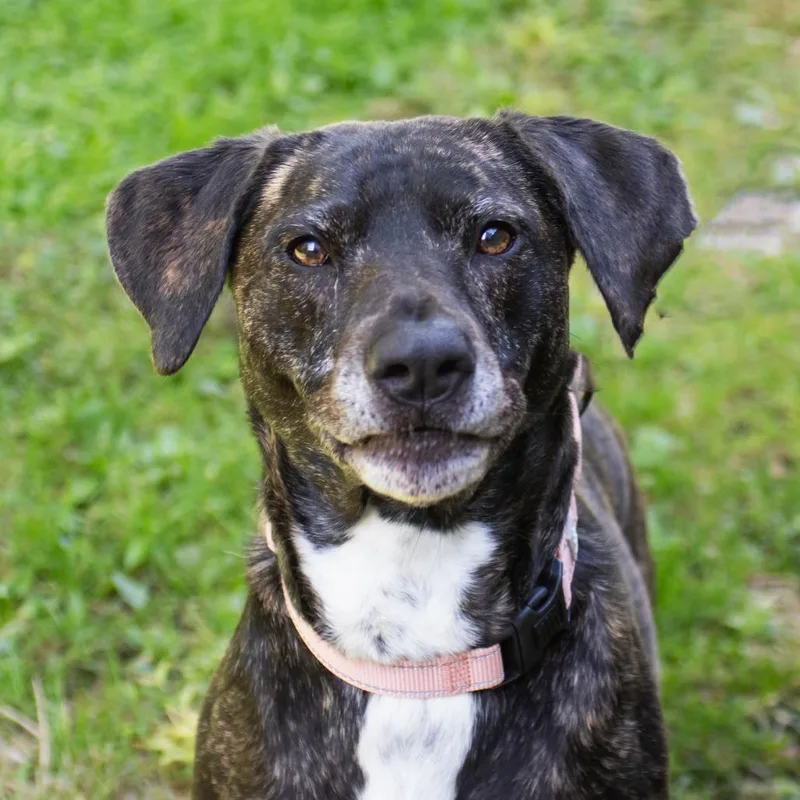
Retriever Dogs for Adoption in New York, NY

Your guide to finding and caring for a Retriever in NYC

Retriever-type dogs suit NYC best when there's a big green space within a short walk. In Brooklyn that might be Prospect Park's Long Meadow, in Queens Forest Park, in the Bronx Pelham Bay. Most are Lab or Golden mixes, friendly enough for elevators and crowded sidewalks, but they weigh 50 to 80 pounds and need real exercise every day. Walk-ups with several flights of stairs are worth thinking about, especially for an older dog with sore hips.

882 Retrievers available in New York and nationwide

Bring home a Retriever mix

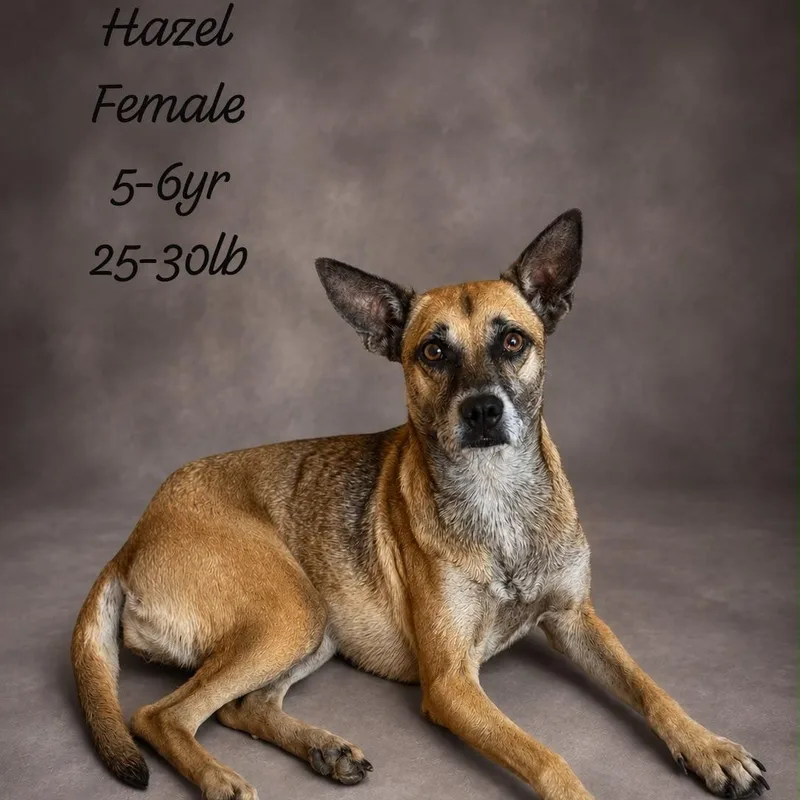
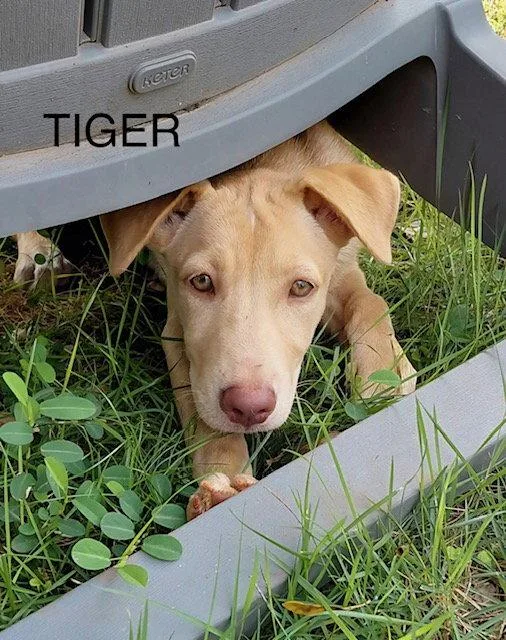
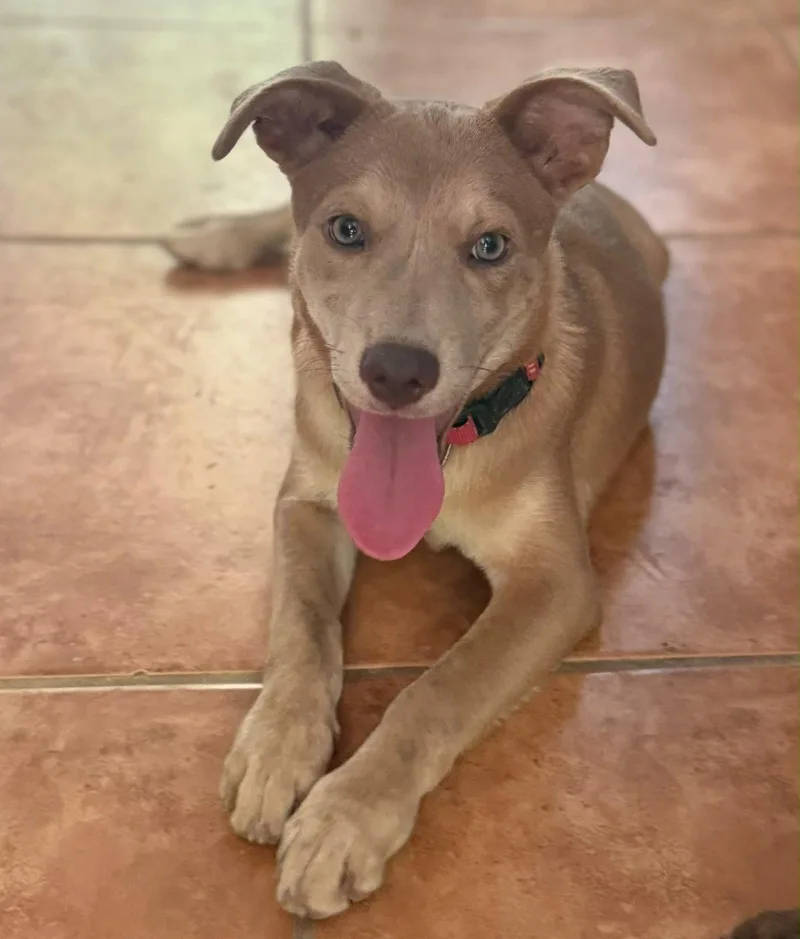
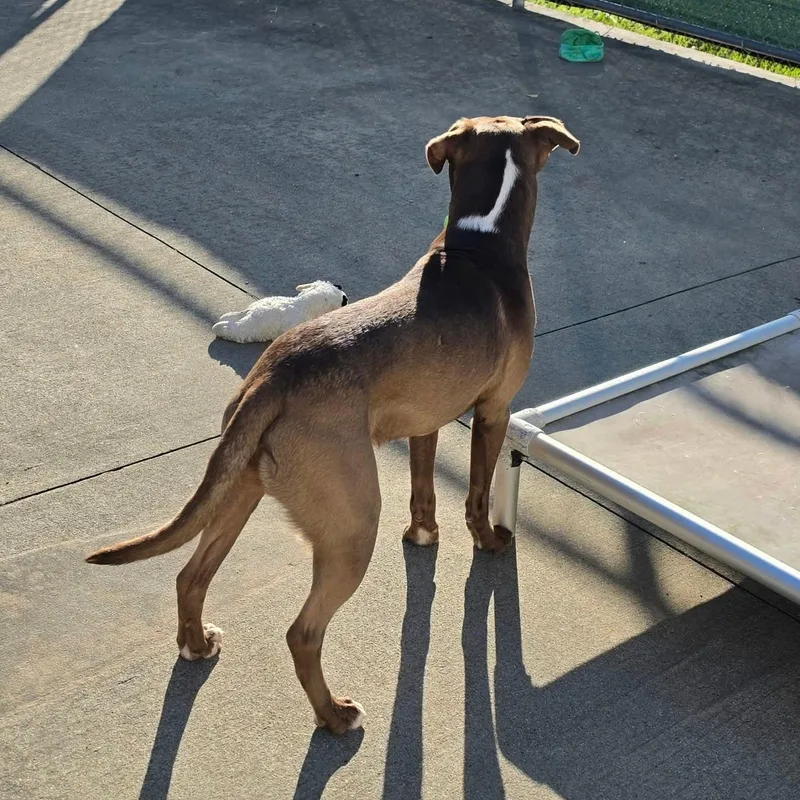
Retrievers Available for Adoption Near New York

About the Retriever breed

Retriever isn't one breed. It's a type of gun dog, developed to find shot birds and carry them back gently, and on adoption listings it usually means a Labrador or Golden Retriever mix or a dog with that look and unknown ancestry. Chesapeake Bay, Flat-Coated, Curly-Coated and Nova Scotia Duck Tolling Retrievers belong to the same family.

Most are medium to large, sturdy and food-motivated, with a water-resistant coat that sheds. Many are sociable and happiest with something in their mouths. In NYC, that sociability helps on busy streets, but a long, bouncy adolescence is common, so expect training to be part of the first year. Because ancestry varies, watch how each dog actually behaves rather than relying on the label.

Weight
50–80 lbs
Height
20–25 in
Lifespan
10–14 yrs
Temperament
Friendly, Outgoing, Active
Group
Sporting
Shedding
Moderate to High

Owning a Retriever in New York

Having a Retriever in NYC

Retriever-type dogs share a few tendencies: stamina, a love of fetch and carrying things, and a coat that sheds. In a dense city, the daily routine, stairs and elevators matter as much as looks. Age and mix change how strongly each shows.

Temperament

Most retriever-type dogs are friendly toward neighbors, visitors and other dogs, which helps in elevator buildings and dog runs. Young dogs are often mouthy and exuberant, so early reward-based training pays off. Many struggle with long stretches alone, so a dog walker or flexible schedule matters. How a particular dog behaves depends on age, history and mix, not just the label.


Exercise Needs

Plan on vigorous activity every day, such as long walks, fetch and training games. In NYC, fenced dog runs and designated off-leash areas during courtesy hours, before 9 a.m. and after 9 p.m., give room to run. Elsewhere dogs stay on a leash of six feet or less. Scent games help on rainy days, since bored retrievers often chew.

Health Considerations

Hip and elbow dysplasia, cruciate ligament injuries, ear infections, skin allergies and weight gain are common across retriever types, and some carry inherited eye disease or higher cancer risk. Keeping a retriever lean protects its joints, which matters in a city of stairs and pavement. A veterinarian can check hips, ears and skin early.

Living Space

With reliable daily exercise, a retriever can do well in an NYC apartment, though it's a lot of dog for a very small space. Elevators and a nearby park help; five flights of stairs are harder on a big dog with sore joints. Expect shed hair, a sweeping tail and a dog who wants to be indoors with you.

What it costs to own a Retriever in New York

ExpenseTypical costPer year
Food$55 to $110 per month$660 to $1,320
Pet insurance$55 to $110 per month$660 to $1,320
Routine vet care$250 to $500 per year$250 to $500
Other*$584 to $1,484 per year$584 to $1,484
Estimated yearly total (after year one)$2,154 to $4,624

Other costs are estimates and vary with size, age and health.

* The NYC dog license ($8.50 a year for a spayed or neutered dog), flea, tick and heartworm prevention, a dental cleaning allowance, toys and bedding, and brushing and baths for a shedding coat.

Adopt a Retriever in New York.

Now that you know more, let’s find you a new best friend. These rescues and shelters below have dogs available in and near New York.

Frequently Asked Questions

Often yes, if you're active and can give a retriever-type dog real exercise every day. Their friendly nature suits crowded sidewalks, elevators and dog runs. The harder parts are fitting a 50 to 80 pound dog into a smaller apartment, long stretches home alone and heavy shedding. A flexible schedule or a dog walker makes it much easier.

Yes, many Retrievers do fine in NYC apartments when daily exercise is reliable. Plan for barking: the city's noise code can act on barking heard from a residence for 10 minutes straight in daytime, or 5 minutes at night, and complaints go through 311. Read a building's pet rules before applying, since landlords and co-ops may set their own limits.

Yes. NYC has no breed-specific ownership rules, because state law bars breed-specific dog regulation, so retriever-type mixes are fine citywide. You'll need a city license and a current rabies vaccination, and you may be asked to show both in parks. The main limit is housing: NYCHA public housing caps dogs at 25 pounds, which excludes most Retrievers.

Prospect Park's Long Meadow, Central Park, Riverside Park and Pelham Bay Park all have off-leash courtesy hours in designated areas, and Forest Park and Hunters Point South Park have fenced dog runs. Leash your dog elsewhere. Coyotes have been seen in Central Park, and the Conservancy advises leashing dogs even during courtesy hours.

Not unless it's a service animal. Dogs on the subway and buses must be in a bag or container, and a 50 to 80 pound Retriever won't fit in one. Metro-North allows a leashed dog, and NYC Ferry allows well-behaved dogs on a short leash. The Staten Island Ferry requires dogs to be caged or muzzled.

Yes, with care. A retriever's thick coat makes heat harder, and NYC averages about 17 days a year at 90°F or higher, mostly in July. Walk early or late, carry water, and skip exercise on extremely hot days. Never leave a dog in a parked car; state law makes confining one in extreme heat an offense.

Only outdoors, and only where the restaurant chooses to allow dogs. Your Retriever must be leashed or in a carrier within arm's length, stay on the ground and out of aisles, and be licensed and rabies-vaccinated. Restaurants can limit dog size or breed, so a large dog may be turned away. Indoors, only service dogs are allowed.

Plan on brushing a few times a week, and daily during heavy shedding in spring and fall. Baths every month or two are usually enough, plus a rinse of paws and belly after salted winter walks. In humid summers, dry the coat well to avoid skin and ear trouble. Brushing and baths are counted in the yearly Other cost range.

Most retriever-type dogs live about 10 to 14 years, with some reaching 15. Retriever is a type label rather than one breed, so mixes and different retriever breeds vary. Keeping a retriever lean, staying current on veterinary checkups all support a longer, more comfortable life.

A retriever typically costs about $2,150 to $4,600 a year in NYC, counting food, insurance, routine vet care and other costs such as prevention, dental care, grooming and the license. Food and insurance each run roughly $55 to $110 a month. Emergencies, dog walking and boarding are extra, so get local quotes.